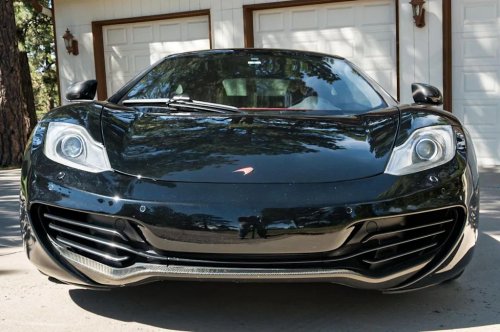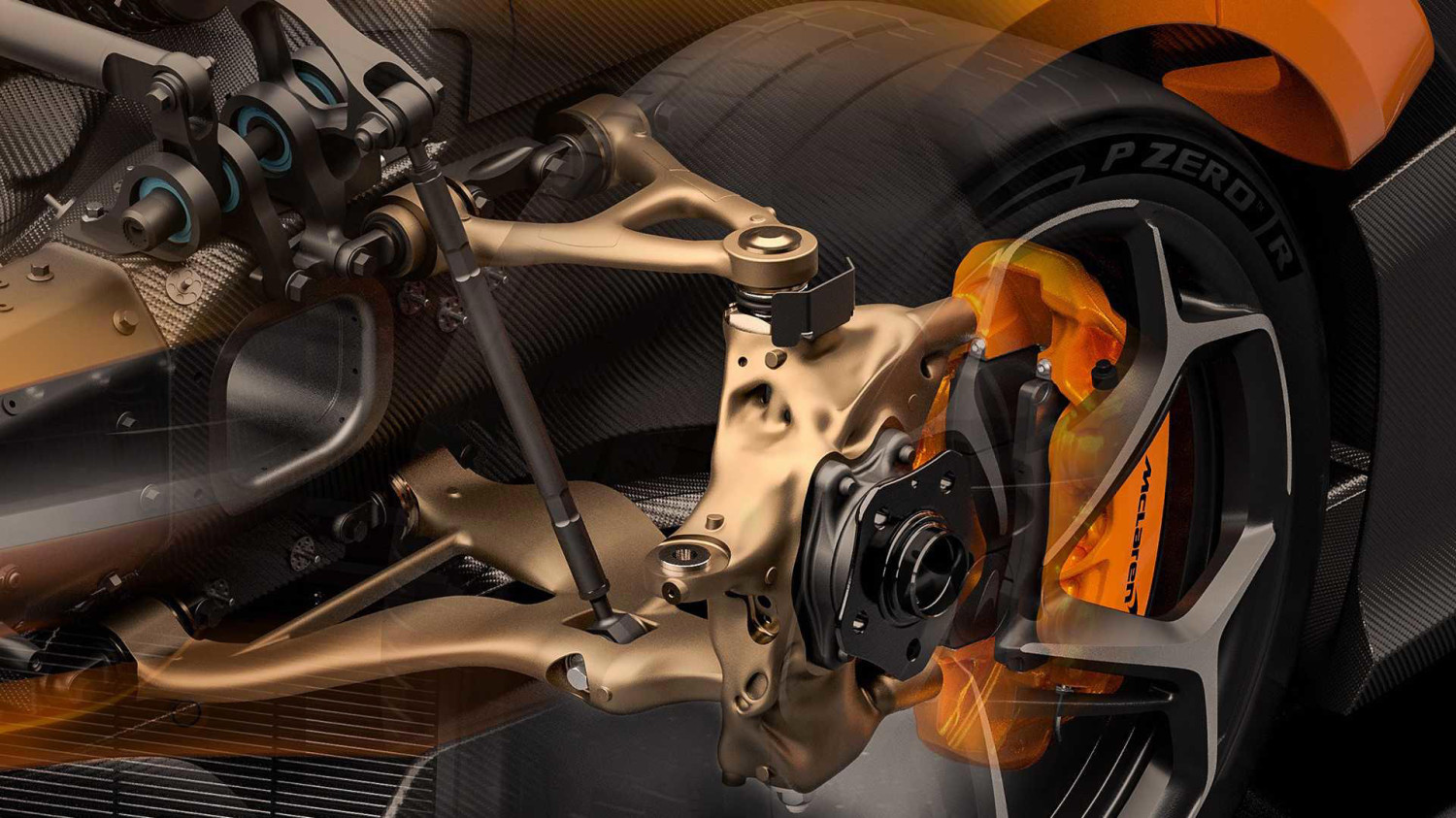
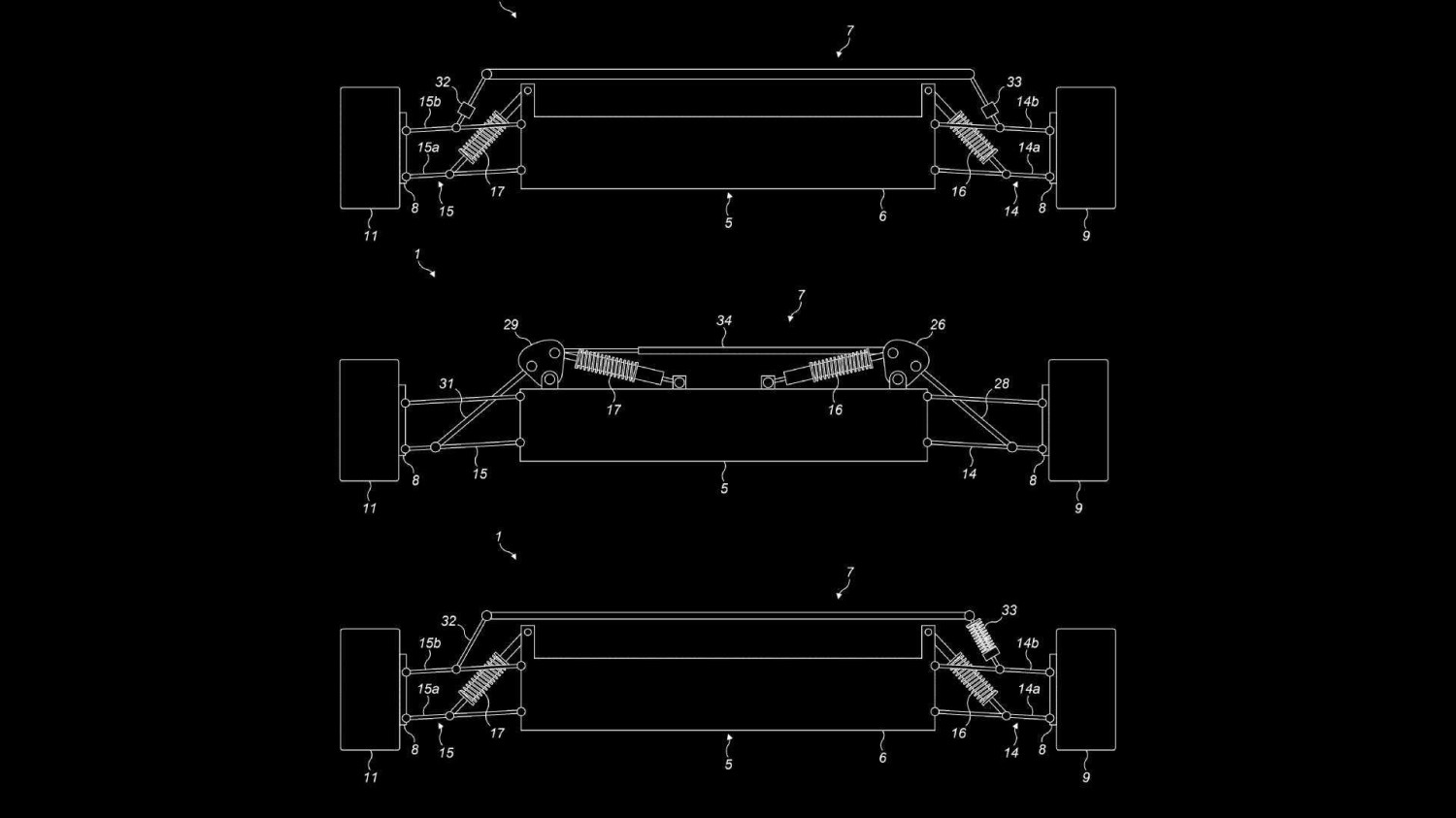
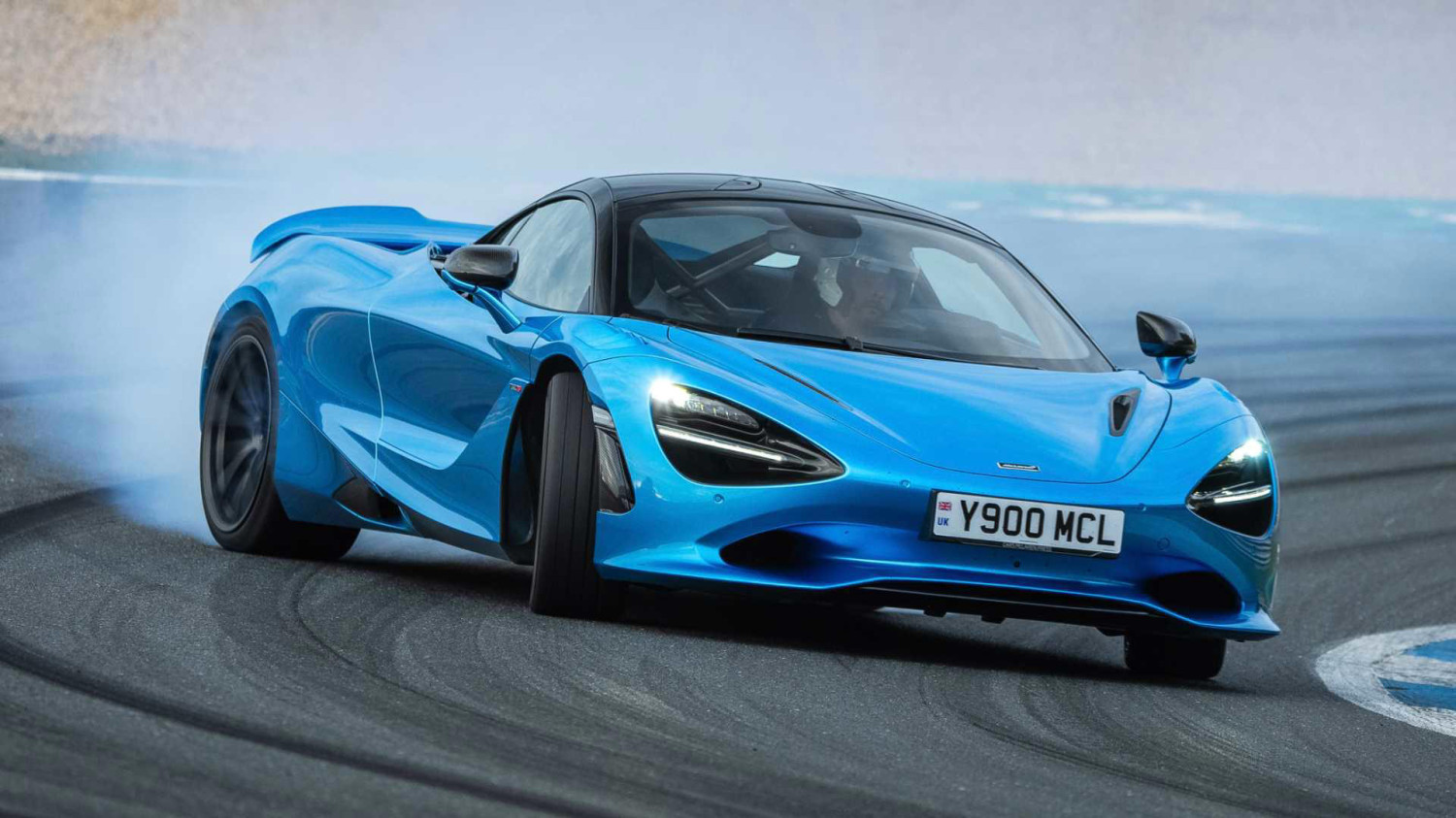



















When McLaren launched its series of road cars with the MP4-12C in 2011, its suspension system was a revolution. The ProActive Chassis Control system used hydraulic cylinders linked across the car instead of anti-roll bars.Since then, McLaren has put anti-roll bars on some of its newer models, but CarBuzz found a series of patents that show something interesting. McLaren could borrow something from the 4x4 world to change performance car suspension for the second time. Anti-Roll Bars Work, With Compromises McLaren The function of an anti-roll bar is to resist body roll. It's a long bar that is connected to the body in the center and to the suspension arms on both sides of the same axle. It works like a spring, so if one wheel moves up or down, the wheel on the opposite side resists it through that bar.It keeps the body flatter in corners, which is good for handling in a number of ways. It's also bad for the ride, because unless both tires on that axle hit the exact same road imperfection in exactly the same way, both wheels are then moving against each other and the bump. An anti-roll bar also reduces how much a wheel can articulate, or move up and down in its suspension travel.McLaren's original system used cross-corner cylinders instead. If the left front wheel moved up, the right rear would push back against it through the hydraulic system. It reduced roll, but it didn't restrict suspension travel, so the ride was better. Other automakers, like Audi, have tried electric motors on their sway bars instead, but it's not good enough for McLaren. Just Get Rid Of The Fixed Link McLaren The first of the three patents shows an anti-roll bar that is a hydraulic and not fixed link, connecting two wheels on the same axle. When one wheel moves up, it compresses the fluid and presses against the opposite wheel. Tuning the hydraulic cylinder adjusts the force, acting like a thicker or thinner anti-roll bar. It also has a mode that stops the piston from moving, which would then act like a solid bar.Moving the piston in or out of the link could also be used to adjust ride height. Moving fluid from one side to the other would move the entire suspension up or down, and McLaren suggests it would use this for a nose lift, like for speed bumps.The second patent is a little more conventional. It puts two linkages in the bar that can disconnect it from the wheels. When it's disconnected, the bar won't work against the wheels, which will improve ride comfort. This is most closely related to similar disconnects in 4x4s like the Jeep Wrangler Rubicon, where it is used to let tires move up and over large obstacles. Unlike in a Jeep, McLaren's would work at a speed faster than a walk. Like the first one, the linkages can also be used to change ride height.McLaren McLaren's third patent might be the most complex. It replaces one of the bar's end links with one that is a piston and spring. Like putting a tiny coilover shock where the end link goes.This adds flexibility to the system. McLaren's control unit can adjust the fluid flow depending on wheel travel speed as well as by the drive mode, making it softer in comfort mode and firmer in sport modes. The spring adds force, making the bar even more effective than just a solid bar. Like the others, McLaren could use it to adjust ride height.These are all very complicated ways to reduce roll and improve comfort, but McLaren has shown before it is willing to do it. The adjustable anti-roll bar tech could also be great for 4x4s, giving them better flexibility than current systems or even to just give current vehicles a better ride without sacrificing handling. Now to see if the company brings it to production or if it's just a fun idea.Patent filings do not guarantee the use of such technology in future vehicles and are often used exclusively as a means of protecting intellectual property. Such a filing cannot be construed as confirmation of production intent.Source: USPTO