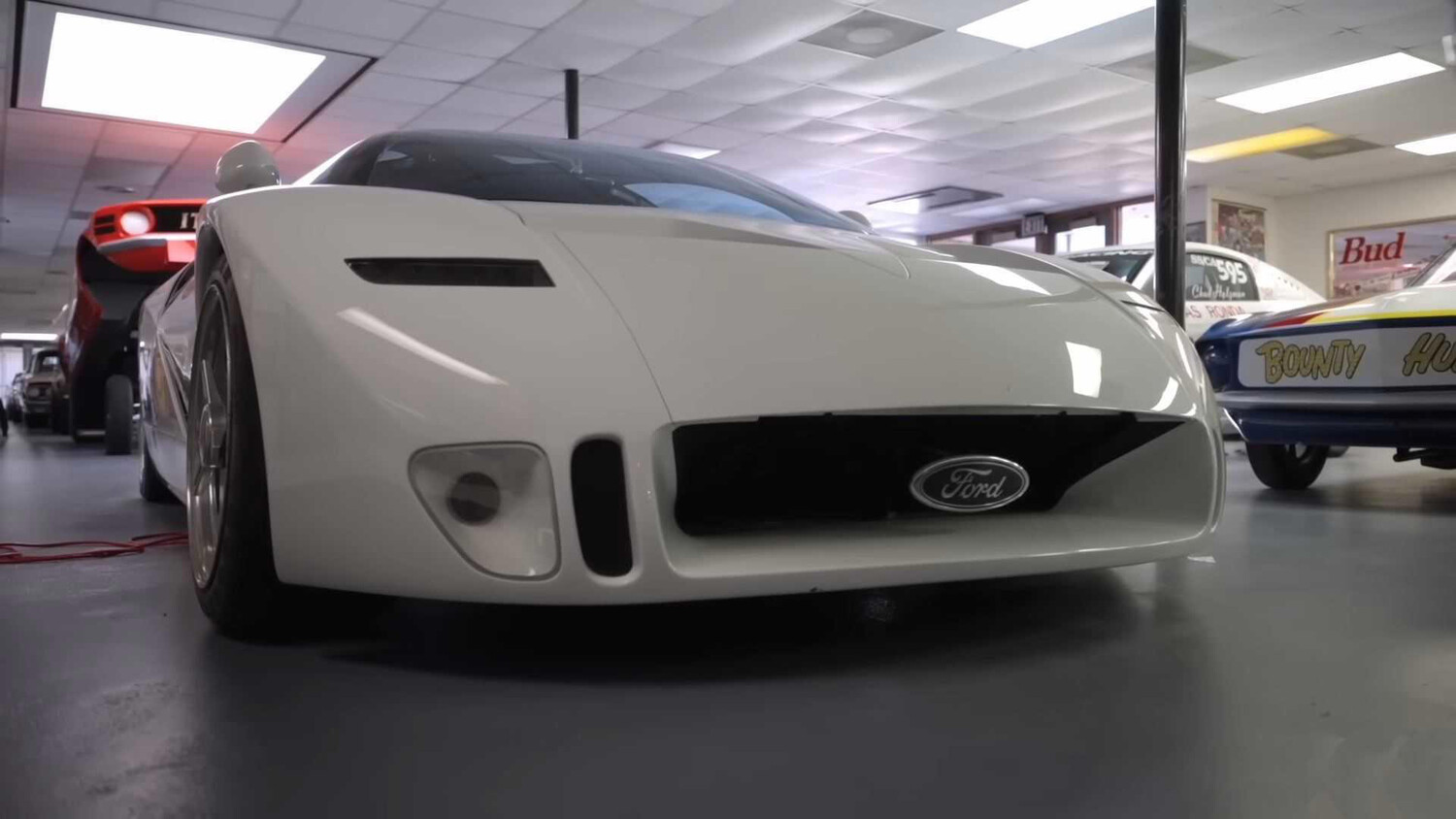
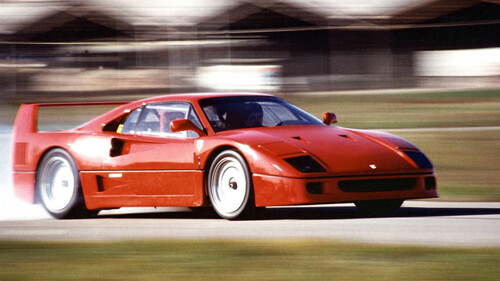
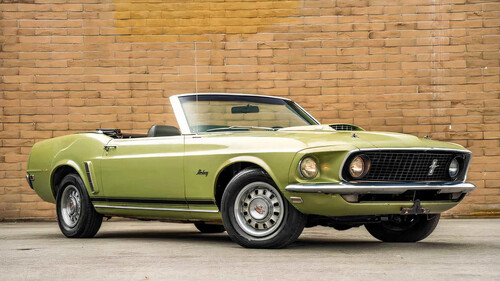
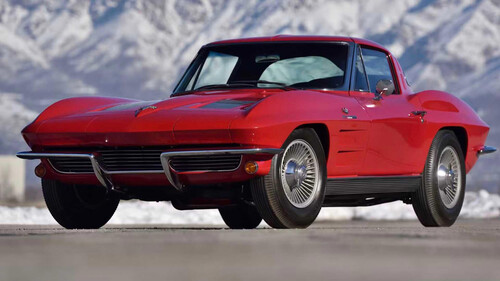
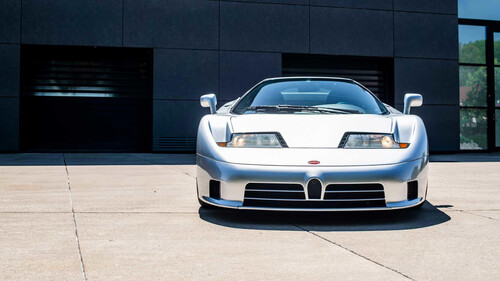
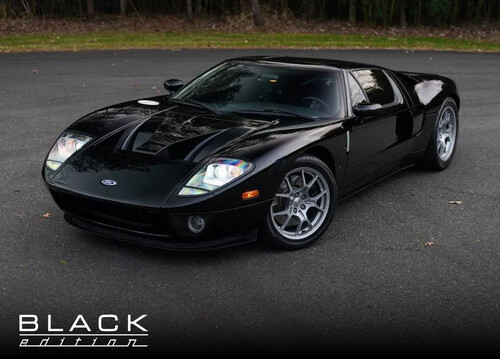
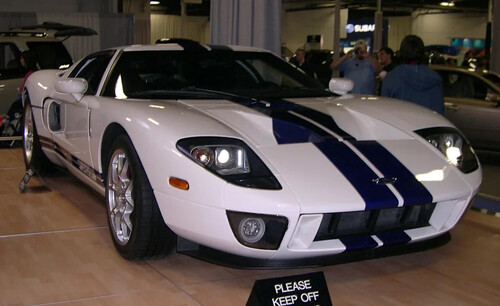
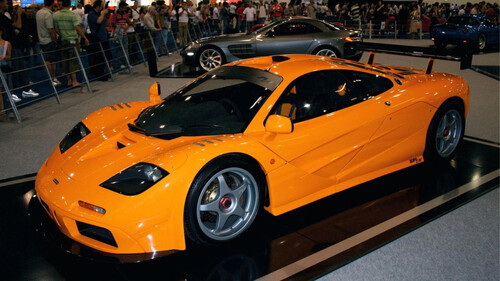
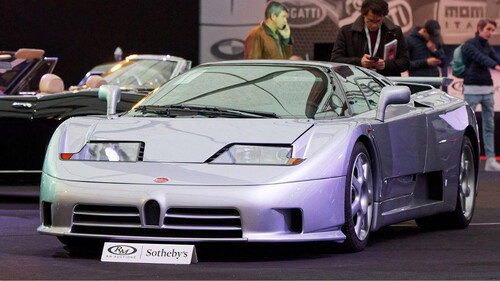
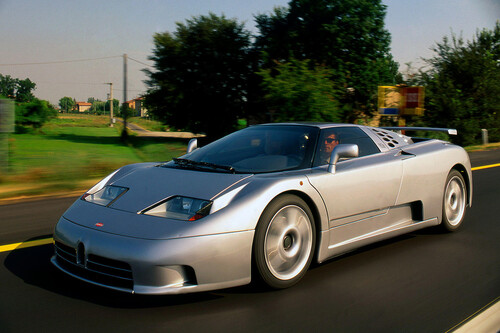
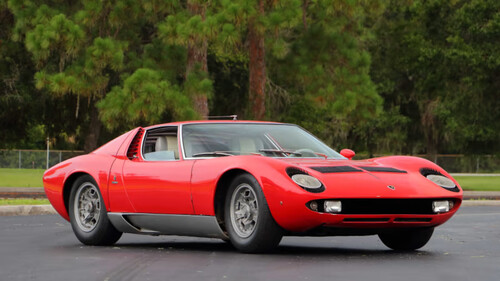
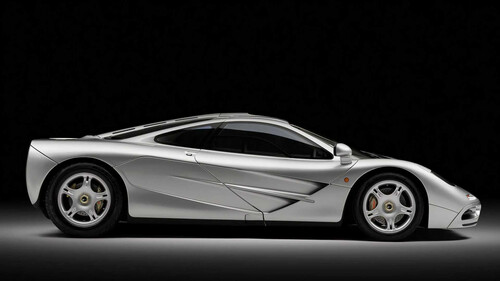
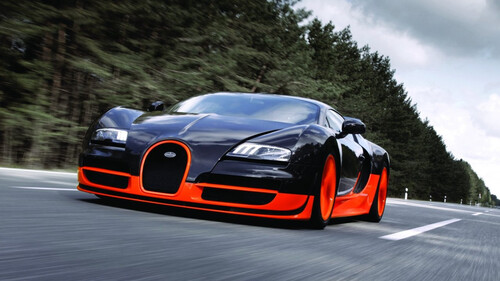
When people think of Ford performance, the mind usually jumps to Mustangs, hot hatches, and V8 muscle. The brand isn't known for exotics, even though history proves it can build them when it wants to. The original GT40 embarrassed Ferrari at Le Mans, and both generations of the modern Ford GT still stand among the greatest supercars ever built. The first one, released in the mid 2000s, is especially beloved for its GT40-inspired shape and supercharged V8.But deep in Ford’s archives sits something even wilder, a machine that never made it past the concept stage yet was fully developed and drivable. If Ford had pulled the trigger, this thing could have changed the entire supercar landscape. The Ford GT90 Was America’s Lost Supercar Ford Motor CompanyFord has built some serious performance cars over the years, but one concept still feels like a punch to the gut when you think about what could have been. The GT90 wasn’t a design study or a pretty rolling shell. It was a statement from Ford that they could go after the fastest cars on earth if they really wanted to. It showed up at the 1995 Detroit Auto Show looking like it came from another planet, and Ford claimed numbers that put it right in the ring with the McLaren F1, Ferrari F50, Bugatti EB110 and Jaguar XJ220.Nothing about the car felt half baked. The exterior was the first showcase of Ford’s New Edge design language and it hit like a shockwave. Everything was sharp, low and dramatic. The body used a blend of carbon fiber and aluminum that made it feel more like an endurance racer than a prototype built for display. Nobody expected an American brand to build a concept that exotic, and Ford did it almost thirty years ago. Built On British Bones YouTube - That Racing Channel The car had another surprise hidden underneath. Since Ford owned Jaguar at the time, their engineers didn’t start from scratch with the chassis. They used the foundation and transmission from the Jaguar XJ220, which gave the GT90 real credibility and saved Ford time and money while they figured out the rest of the package. The XJ220 was one of the fastest cars in the world when it came out, so using its underpinnings instantly put the GT90 in serious company. A Design That Still Turns Heads YouTube - That Racing Channel Even now, the GT90 looks like nothing Ford has built before or after. There were subtle nods to the GT40 in the roofline and basic stance, but the rest was wild. Long wedge shaped bodywork, aggressive vents, sharp lines and proportions that looked more like a concept from a video game than a Ford product from the nineties. Park it next to modern supercars and it still wouldn’t fade into the background. The Quad Turbo V12 Was Pure Madness YouTube - That Racing Channel Ford didn’t grab an existing engine and tune it up. They built one specifically for the project. Starting with their modular 4.6 liter V8 architecture, engineers extended the block and added two cylinders to each bank. That turned it into a 5.9 liter V12, and then they mounted four turbochargers to it. The only other production car with four turbos back then was the Bugatti EB110, which tells you just how ambitious the GT90 was.Before that V12 ever went into the concept, Ford had to test it somewhere. Their test mule of choice was a Lincoln Town Car. It sounds ridiculous, but that big sedan was how Ford ironed out the drivetrain before the GT90 was fully assembled.Ford said the GT90 made 720 horsepower and could go from 0 to 60 in just over 3 seconds, with a top speed above 250 miles per hour. In the mid-nineties, that sounded like science fiction, and even today, those numbers hold weight.Nobody outside Ford ever confirmed what it could really do. When journalists were finally allowed to drive it, engineers locked the wastegates open so the car wouldn’t make full boost. The official reason was that they weren’t convinced the chassis was ready for all that power yet. Because of that, we will probably never know how fast the GT90 actually was. Where The GT90 Lives Today YouTube - That Racing Channel Most concept cars disappear into storage or get destroyed after their moment in the spotlight, but not this one. The GT90 still exists, and it lives in one of the last places anyone would expect. It sits at the Hajek Motorsports Museum in Ames, Oklahoma. The town has fewer than two hundred people, yet it holds one of the rarest prototypes Ford ever built. Brent Hajek has kept it in working shape and a few automotive outlets have visited to film it up close. Would It Have Changed The Supercar Game? The GT90 still sparks debate almost thirty years later. If Ford had built a limited run and delivered anything close to the numbers they claimed, it would have been the fastest road car in the world for years. A top speed in the two fifties would have been untouchable until cars like the SSC Ultimate Aero or Bugatti Veyron showed up.America has taken shots at Europe before and after the GT90. The , Saleen S7 and all tried to carry the flag. But the GT90 feels like the one that could have gone toe to toe with the icons of its era and won. Ford had the design, the power and the engineering. They just never pulled the trigger. That might be why people still talk about it with a mix of awe and frustration. It was a supercar that could have changed everything, and instead it became one of the wildest what-ifs in automotive history. Ford's Other Forgotten Supercars Ford Ford Indigo The GT90 isn't the only Ford supercar project people have forgotten about over the years. The '90s seems to have been a bit of a whacky time for Ford, as they came up with two other supercar concepts that never ended up seeing production.The Ford Indigo appeared not that long after the GT90. It was also powered by a V12 engine, but with a completely different design. The Indigo's V12 was based on the Duratec V6 instead of the Modular V8.The engine isn't what people remember about the Indigo, though. What they remember about it is its design. It was supposed to look like an IndyCar, resulting in an open-wheel design with some incredibly quirky features. The quirkiest of those was its massive front spoiler, which featured an LED light bar. It was even constructed like an IndyCar too, made out of a carbon-fibre tub that was engineered with the aid of Reynard Motorsport.There was absolutely no way the Ford Indigo would ever reach production. It did become a bit of a cult hero, though, thanks to its inclusion in Need For Speed 2 as an unlockable car. Ford Shelby GR-1 via Ford The Shelby brand is a key part of Ford's performance identity these days. You can buy Mustangs and F-150s that have been Shelby-ified, and they're often very good. Ford had bigger ideas for the Shelby brand back in the late '90s, though. It actually designed and tried to develop a Shelby-branded supercar called the GR-1. It looked very much like the Shelby Daytona Coupe and would have been powered by a brand-new V10 engine. This V10 would have been based on the same modular V8 design as the GT90's V12. Unfortunately, it never ended up going beyond being a concept car.Out of the three crazy supercar projects Ford had a go with during this period, the Shelby GR-1 was probably the most likely one to reach mass production. A prototype version of the engine had even been doing a lot of testing via a Ford Mustang Cobra mule. While Ford won't bring the design into production, Superperformance is planning to within the next few years. The company is already taking deposits for it, and it's planned to be powered by a "750+ horsepower Ford drivetrain."