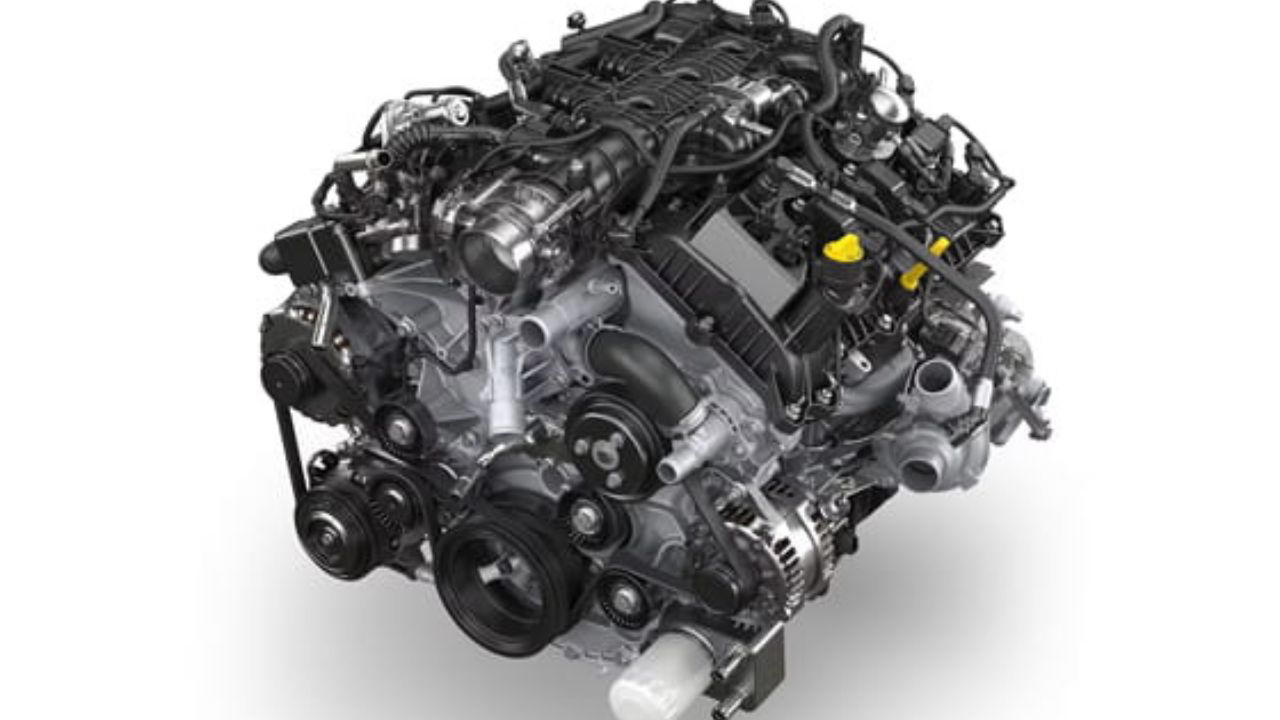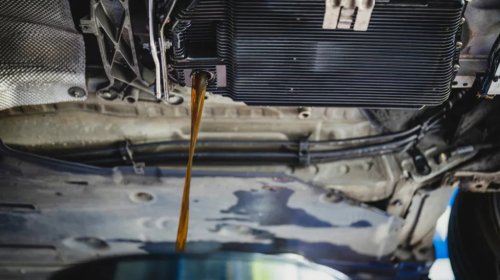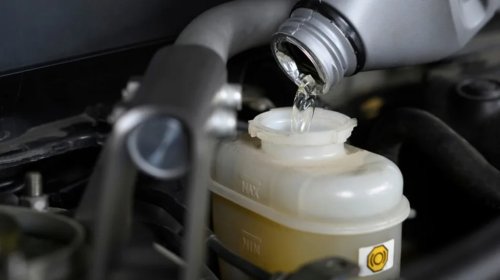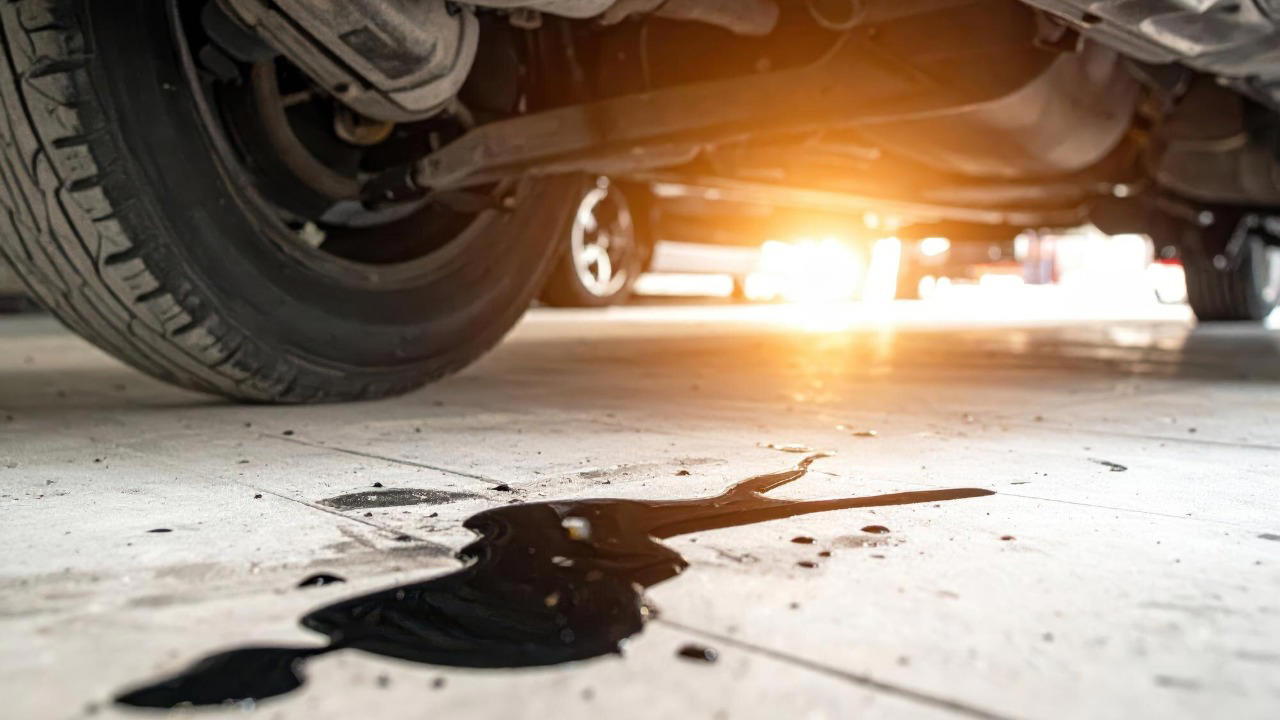























Mechanics say this fluid leak should never be ignoredA fresh puddle under a parked car is more than a cosmetic nuisance. Mechanics warn that a stray drip can be the first visible sign of a failing system, from the engine to the brakes, and that waiting to investigate often turns a minor repair into a major failure. Fluid leaks sit at the intersection of safety and cost, and the one drivers should never ignore is the leak that signals a critical system is already running on borrowed time. Whether the vehicle is an older sedan or a newer pickup, every drop of oil, coolant, transmission fluid, or brake fluid performs a specific job that keeps metal parts moving, temperatures stable, and stopping distances predictable. Once those fluids escape, the car is effectively bleeding out in slow motion, and the bill for delaying attention can arrive in the form of a seized engine, a ruined transmission, or brakes that simply do not respond when the pedal is pressed. Why mechanics treat leaks as early warning sirens Experienced technicians view leaks as one of the most reliable early warnings that a vehicle is drifting out of its safe operating window. As one shop explains, fluid leaks are not isolated annoyances but symptoms of wear in gaskets, seals, or hoses that can quickly progress into engine damage, transmission problems, or dangerous driving conditions. When an engine loses lubricant, the thin film of oil that separates metal surfaces begins to break down, and components such as camshafts and crankshaft bearings can grind themselves into failure long before an owner notices performance changes from behind the wheel. Mechanics also stress that leaks rarely stay small. A damp spot around a valve cover or a few drops on the driveway often indicate that rubber seals have hardened or that a gasket is no longer clamping evenly. Left untouched, vibration and heat cycles widen those gaps, and what began as a light mist can become a steady stream that drains an entire reservoir over a few commutes. For that reason, many repair facilities describe leaks as “time bombs” rather than minor inconveniences and encourage drivers to schedule inspections as soon as a stain appears instead of waiting for warning lights or overheating. How color and feel reveal which system is in trouble Identifying which system is leaking starts with the color and texture of the fluid on the ground. Oil is often the first suspect, and one service center notes that engine oil typically appears brown to black with a slick feel and a distinctive smell. Another shop lists engine oil leaks as the most common issue drivers face, explaining that engine oil keeps the engine lubricated, reduces friction, and carries away heat. When that brown oil ends up on the pavement instead of inside the engine, the vehicle is already operating with less protection than the manufacturer intended. Coolant, also known as antifreeze, tells a different story with its bright tint. A national chain describes yellow or green fluid under a car as a strong indicator that the cooling system has been compromised. Another shop warns that coolant leaks can lead directly to overheating, since coolant is responsible for carrying heat away from the engine and stabilizing its temperature under load. When coolant escapes, temperatures can spike quickly, warping cylinder heads and blowing head gaskets long before an inattentive driver has time to react to a rising gauge. The leak mechanics flag as genuinely dangerous Among all the fluids under a modern vehicle, technicians consistently single out brake fluid as the one that should never be ignored for even a short drive. An import-focused shop explains that the safety risks from a brake leak include partial or complete loss of braking power, since the hydraulic system depends on sealed lines to transmit pressure from the pedal to the calipers. Another specialist states that driving with a brake fluid leak is extremely dangerous because reduced stopping power makes it harder to stop the vehicle, especially in an emergency. Brake system leaks have a few common sources, and each carries the same level of urgency. One dealer notes that brake fluid leaks are extremely dangerous and can be caused by damaged brake lines, calipers, or master cylinders, any of which can suddenly fail under hard braking. A general repair guide advises that if a driver notices a brake leak, the first step is simple: do not drive the vehicle. In the same checklist, the shop’s instructions emphasize parking the car, checking the brake fluid reservoir, and arranging a tow so a technician can inspect for worn seals and components rather than risking a trip on public roads. Why fast action protects both safety and the wallet Mechanics often frame leak repairs as an investment that prevents far more expensive failures. An Illinois shop lists common fluid leaks to Watch For, including Oil leaks whose Signs include spots under the car and a burning smell, and explains that catching those issues early can prevent engine wear and outright failure. Another facility warns that without enough clean fluid, a transmission cannot operate properly and that low fluid levels can cause gears to slip, shifts to become harsh, and the system to overheat or fail entirely. A separate advisory states plainly that leaking transmission fluid must be addressed promptly to prevent further damage, which can mean the difference between a seal replacement and a full rebuild. More from Fast Lane Only Unboxing the WWII Jeep in a Crate 15 rare Chevys collectors are quietly buying 10 underrated V8s still worth hunting down Police notice this before you even roll window down