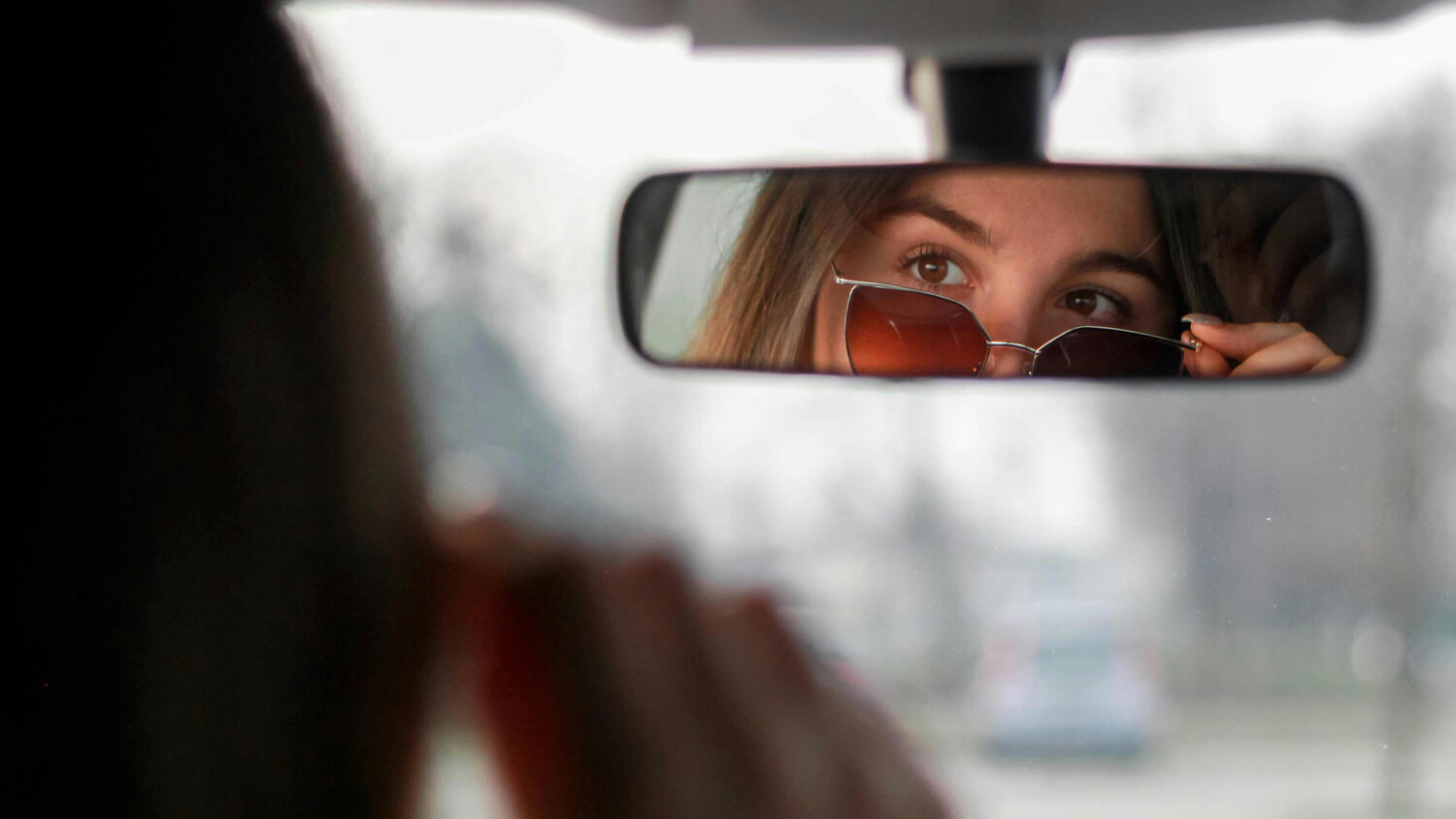
Keep Your Focus on the RoadDriving demands your full attention, and yet it's surprisingly easy to convince yourself that a quick adjustment here or a minor fix there won't hurt. Whether it's a smudge on your glasses or a crying infant in the backseat, the temptation to handle things on the go is real, but so are the consequences. Distracted driving is one of the leading causes of accidents on the road, and even a few seconds of diverted attention can change everything. The next time something feels off or needs your attention while you're behind the wheel, do yourself a favor and wait until you can safely pull over to these 20 things.1. Your Rearview MirrorIf your rearview mirror suddenly seems off-angle, the instinct to reach up and adjust it right then and there is understandable, but it's a bad idea. Taking your hands off the wheel and your eyes off the road, even briefly, disrupts your control of the vehicle at a critical moment. Before you head out, always make sure all your mirrors are properly positioned so you're not scrambling to fix them mid-drive.2. Your Seat PositionRealizing your seat is too far from the pedals or angled awkwardly after you've already merged onto the highway is genuinely inconvenient, but fiddling with the adjustment lever while driving is far more dangerous than uncomfortable. Shifting your seat unexpectedly can cause you to lose your footing on the pedals or jerk the wheel without meaning to. Get into the habit of setting your seat before you even start the engine, so it's one less thing to worry about.3. Your MakeupIt might feel like a harmless time-saver to touch up your lipstick or blend out your foundation while stuck in slow traffic, but applying makeup behind the wheel is a serious distraction. Your eyes need to be on the road, not the mirror, and your hands need to be on the wheel, not holding a mascara wand. If you're running late and need a few extra minutes for your routine, pull into a parking lot and finish up there.4. A Crying or Upset ChildFew things are more stressful than a screaming toddler in the backseat while you're navigating traffic, and the urge to twist around and comfort them is completely natural. However, turning your body or reaching into the backseat while the car is moving significantly increases your risk of losing control. The safest thing you can do for your child is pull over somewhere secure, attend to their needs, and then continue on your way.5. Your GPS or Navigation AppReprogramming your destination or zooming in on the map while you're already driving is one of the most common—and most dangerous—forms of distracted driving. Even glancing at your phone screen for a few seconds means you're traveling a significant distance without your eyes on the road. Set your route before you leave, and if you need to make changes, pull over safely before touching your device.6. A Spill or Mess in the CarWhether it's a tipped coffee cup or a dropped snack, a mess in the car has a way of demanding immediate attention that it simply doesn't deserve while you're in motion. Reaching for napkins, mopping up liquid, or trying to contain the chaos takes your hands and focus away from driving. Let the mess sit until you can stop somewhere safe; upholstery can be cleaned, but accidents are a lot harder to undo.7. Your HairRunning your fingers through your hair, trying to fix a ponytail, or wrestling with a hair tie might feel like nothing, but it takes at least one hand off the wheel and your mind off the task of driving. If the wind from an open window has completely undone your style, that's a problem for a rest stop, not a moving vehicle. Sort out your hair before you get in the car, or at the very least, wait until you're parked.8. Adjusting the Temperature or Fan SettingsMost modern cars have climate control interfaces that require you to look at the screen or console to find the right button, which means adjusting them while driving is more distracting than it seems. If you're sweltering or freezing, it's tempting to keep pressing buttons until you find the right setting, but that drawn-out process pulls your attention away from the road. Familiarize yourself with your car's controls before driving so you can make quick, confident adjustments without looking.9. Your Contact Lenses or GlassesIt can be tempting to fix your contacts or a smudge on your glasses while you're driving, but that task you think takes a split second may actually pull your attention away for longer. If it feels like something is in your eye and it's causing trouble with your vision, pull over somewhere safe instead of trying to fix the problem behind the wheel. 10. A Warning Light on the DashboardSeeing an unfamiliar warning light pop up on your dashboard mid-drive is alarming, and the immediate reaction is often to lean in and try to figure out what it means. Squinting at symbols, scrolling through your car's manual, or looking up the light on your phone while driving compounds the problem instead of solving it. Pull over when it's safe to do so, then take the time to properly assess what your car is trying to tell you.11. The WindshieldSpraying washer fluid and running your wipers while driving through heavy grime or bug splatter might seem totally reasonable, but if the fluid streaks badly or the wipers aren't clearing things properly, you can end up with worse visibility than you started with. Pulling over to manually wipe down the windshield is a much safer option when the smearing gets out of hand. Make sure your washer fluid is topped up and your wiper blades are in good condition before long trips so you're not dealing with this on the road.12. Something Stuck Under the PedalsIf you feel something rolling around under your feet or wedging itself near the pedals, the immediate panic you feel is understandable. But trying to kick it out of the way or reach down to grab it while your foot should be on the brake is extremely dangerous. Your best move is to stay calm, keep your foot steady, and get the car safely to the side of the road before you deal with whatever ended up down there.13. Your Shoes or ClothingFixing a sleeve, adjusting a jacket, changing shoes, or dealing with a caught hem can affect how you move behind the wheel. Anything that changes your comfort or range of motion should be handled before the car is in motion. If clothing is restricting your arms or footwear is making it hard to feel the pedals, pull over and fix it properly.14. Your Car's Bluetooth or Audio SystemScrolling through menus to pair a new device, troubleshoot a dropped connection, or find a specific playlist is a much bigger distraction than most people realize. Your infotainment screen requires visual attention, and multi-step processes take far longer than expected when you're trying to do them with half your focus. Sort out your audio setup before you pull out of the driveway, and if something disconnects mid-drive, leave it until you've stopped.15. An Argument Between PassengersWhether it's your kids bickering over a tablet or adults debating something loudly in the backseat, a heated argument in the car is a significant cognitive distraction, even if you're not actively participating. Trying to mediate, referee, or calm everyone down while navigating traffic splits your focus in too many directions at once. If things escalate to the point where you can't concentrate, the right call is to pull over and handle it properly before getting back on the road.16. A Noise Coming from the EngineHearing a new rattle, knock, or grinding sound from under the hood while you're driving is concerning, but attempting to diagnose it by revving the engine, turning things on and off, or focusing all your attention on the sounds isn't safe to do in motion. You're not going to be able to properly assess a mechanical issue without stopping, and the mental distraction of trying to figure it out is a risk in itself. Find a safe spot to pull over, and if you're worried about the car making it there, call for roadside assistance.17. A Bee or Insect in the CarFew things trigger a panic response quite like a wasp or spider suddenly appearing inside the car while you're driving, but swatting at it, flailing, or trying to shoo it out the window can cause you to veer dangerously. If you can't stay calm with it in the car, the safest thing to do is slow down, pull over, and open the doors to let it find its own way out. Reacting suddenly to an insect while at speed is how minor annoyances turn into serious accidents.18. Your Glove CompartmentThe glove compartment is a bad place to start sifting through while driving. Rummaging for insurance papers, credit cards, napkins, chargers, or medication can pull your eyes down and your body sideways. Even if the road seems open, reaching into compartments while driving makes it harder to steer and respond smoothly.19. A Defroster ProblemA fogging windshield can become dangerous quickly, but experimenting with controls while moving can also create risk. If you’re cycling through vents, temperature settings, and fan speeds while visibility keeps changing, you may not be able to react normally. Turn on the defroster if you know the control, and pull over if the glass doesn’t clear fast enough.20. A Passenger's SeatbeltHelping a passenger click in their seatbelt while you're already moving, especially a child in a car seat, requires you to twist, reach, and take your full attention off the road for an uncomfortable stretch of time. Seatbelts exist to protect everyone in the car, but trying to secure one while driving creates a whole new safety risk in the process. Always make sure every passenger is buckled up before you put the car in drive, not after you've already started moving.