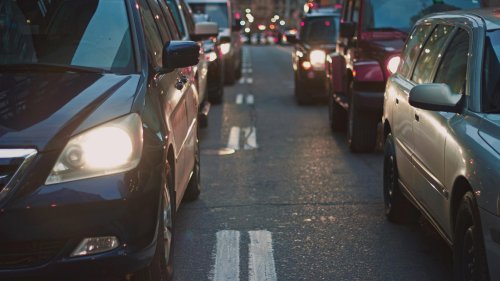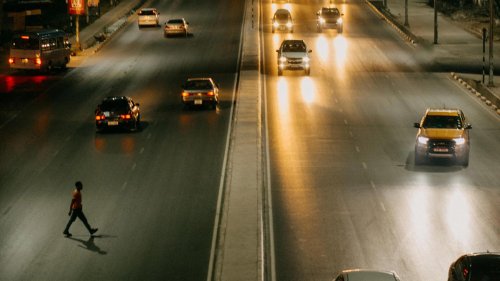


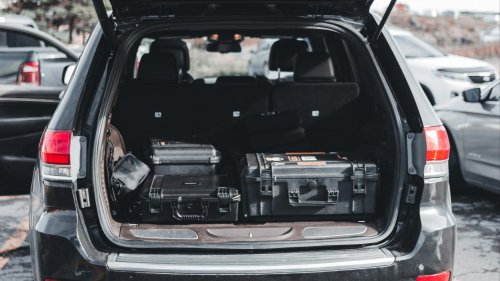
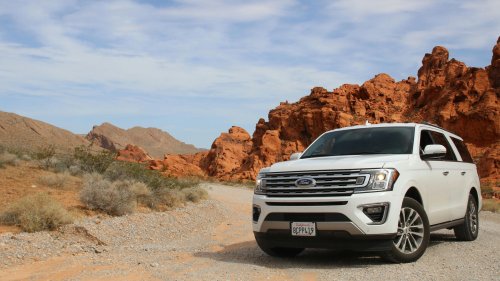


































Bus or Car?What's better, public transit or driving? We know: most people will probably say the latter is better; after all, no one would choose to take the bus if given the choice. Driving gives you more flexibility and independence, and gets you exactly where you want to go. But every transportation method has its cons, and the truth is, each option offers benefits that the other can’t fully replicate. Here are 10 things driving offers that public transit never will, and vice versa.1. Door-to-Door ControlDriving gives you true door-to-door movement with minimal compromises, especially when your origin and destination aren’t near major routes. You decide the exact departure time, the exact route, and the exact stop. That level of control matters when you’re juggling errands, kids, or unpredictable schedules.2. Flexible Timing Without a ScheduleWhen you drive, you don’t have to plan your day around a timetable, a missed connection, or reduced service hours. You can leave early, late, or in the middle of the night without checking an app first. That freedom can lower the mental overhead of getting out the door.3. Private SpaceA car is a private environment where you can decompress without sharing airspace, noise, or personal space with strangers. You can set your preferred temperature and manage distractions more easily. For many people, that privacy feels like a small but much-needed upgrade.4. Convenient StorageDriving makes it far easier to move groceries, bulky purchases, sports gear, or work tools without additional planning. You can load up once and head straight home without navigating stairs, platforms, or crowded aisles. That practicality is hard to match when you’re hauling anything awkward or heavy.5. Direct Routes to Remote AreasCars excel when your destination isn’t well served, such as industrial parks, rural areas, or neighborhoods with limited routes. You don’t have to accept long walks from a stop or complicated transfers. In many regions, driving is simply the most straightforward way to reach where you need to go.6. Faster Multi-Stop ErrandsIf your day includes a pharmacy run, a grocery pickup, and a quick stop for a return, driving typically keeps the chain moving. You can sequence tasks efficiently without worrying about connection windows. It’s easier to pivot when something takes longer than expected.7. Shelter from WeatherHaving a car lets you avoid standing outside in rain, heat, or cold while waiting for a bus or walking between stops. You can transition quickly from indoors to indoors, which matters on those rough weather days. That convenience can keep small trips from feeling like a bigger ordeal.8. Personalized ComfortDriving allows you to choose your preferred seat position, temperature, and music without compromise. You can make the environment consistent from day to day, which is surprisingly calming. Small comforts add up when commuting is frequent.9. Better Fit for Unusual HoursEarly shifts, late nights, and irregular schedules often line up poorly with transit frequency and service coverage. Driving gives you reliability even when the system runs limited service. If your job hours change weekly, that consistency can be a big advantage.10. A Stronger Sense of Personal IndependenceDriving often feels like the most self-directed way to move through your city because you aren’t relying on a system’s timing or coverage. You can choose spontaneity without negotiating routes or service gaps. That independence can be satisfying, even when it comes with trade-offs.But don't count public transportation out just yet. Here are 10 things transit offers that driving doesn't.1. Lower Per-Trip Costs in Most CitiesTransit often costs less per ride than paying for fuel, parking, maintenance, and insurance. Even when fares rise, the day-to-day expense tends to stay more manageable than car ownership. For many, that affordability keeps more of your budget available for other priorities.2. Less Stress from Active DrivingYou don’t have to focus on traffic, lane changes, or aggressive drivers when you’re on a bus or train. Your attention can shift to planning your day instead of managing the road. That reduced cognitive load can make commuting feel more sustainable.3. Productive Time You Can Actually UseOn transit, you can read, reply to messages, review notes, or simply rest without risking safety. The time doesn’t have to be dead time in the same way driving often is. If your commute is long, reclaiming those minutes can make a real difference.4. No Parking Hunt or FeesTransit removes the annoyance of circling blocks, paying meters, or stressing about time limits. You also avoid the risk of tickets or towing in tight urban areas. In dense neighborhoods, skipping parking headaches is a major quality-of-life boost.5. Reduced Environmental Impact Per PassengerBuses and trains typically move more people with less energy per rider compared with single-occupant vehicles. That efficiency matters in congested corridors where emissions add up quickly. If sustainability is part of your decision, transit generally aligns better with that goal.6. Better Urban Access During Peak CongestionIn cities with dedicated lanes, rail lines, or priority signaling, transit can bypass traffic that traps cars. That can make travel times more consistent when roads get clogged. On certain routes, transit becomes the fastest option simply because it avoids gridlock.7. More Inclusive for Non-DriversTransit supports people who can’t drive, shouldn’t drive, or simply don’t want to drive, including teens, seniors, and people with disabilities. It can keep communities connected without requiring everyone to own a car. That accessibility is a public benefit that also expands personal options.8. Encourages Physical ActivityUsing transit often includes walking to and from stops, which can add consistent movement to your day. Those steps happen naturally rather than requiring extra scheduling. For many riders, it’s an easy way to be a little more active.9. Consistency for Regular CommutesIf your route is well served, transit can provide steady, repeatable travel with fewer daily decisions. You can settle into a routine and stop recalculating the best driving route each morning. That predictability can be comforting over months and years.10. Better Option When You’re Tired or UnwellThere are days when you shouldn’t be driving, whether you’re exhausted, sick, or just not fully alert. Transit provides a safer alternative that doesn’t depend on your driving performance. Having that option can be a relief when life gets messy.