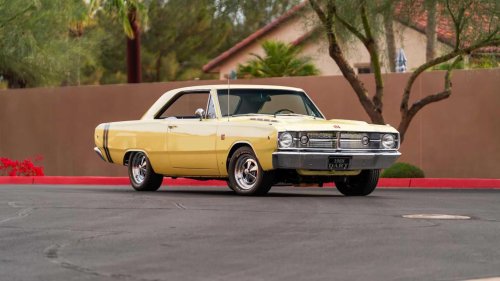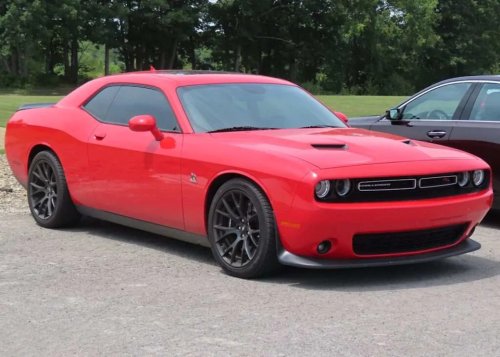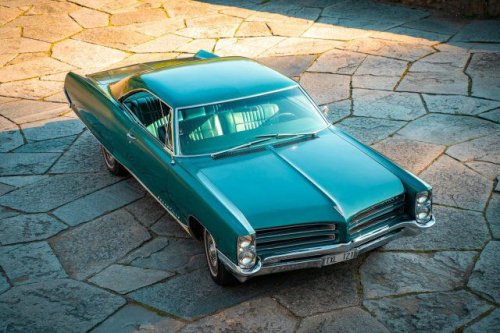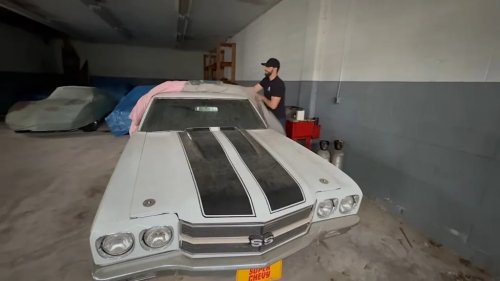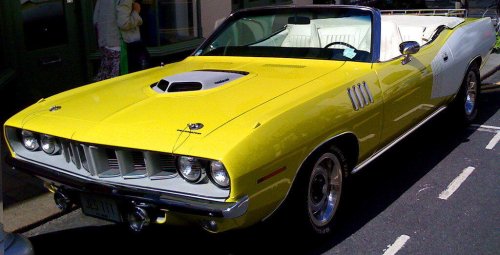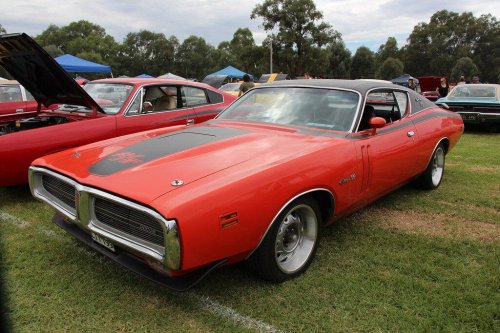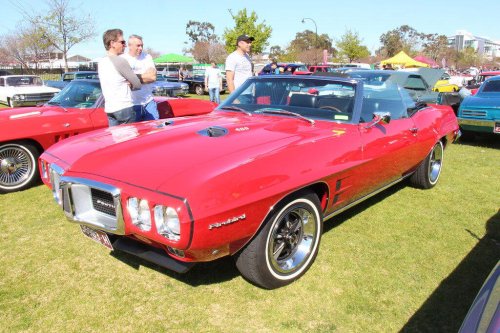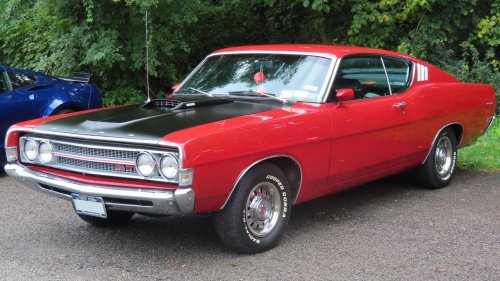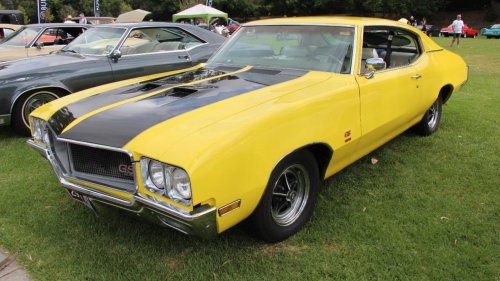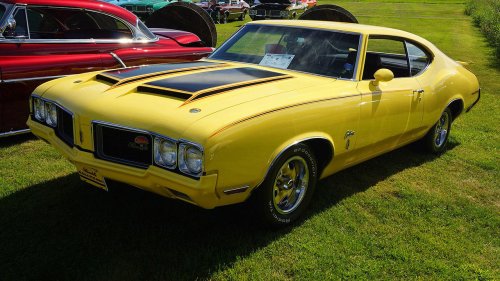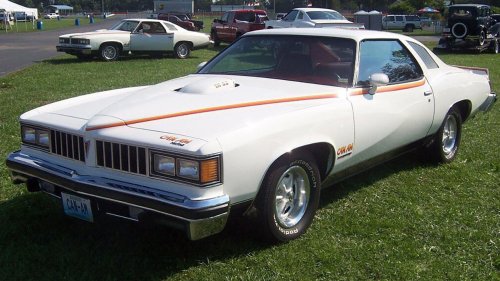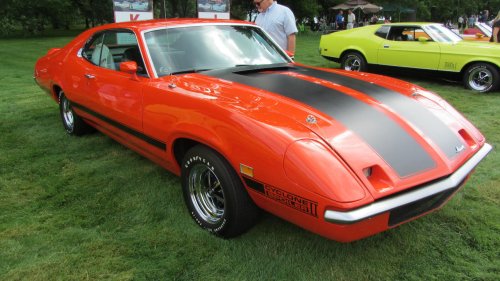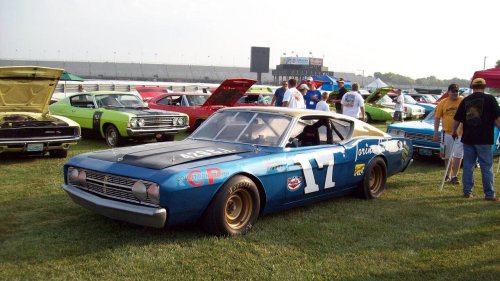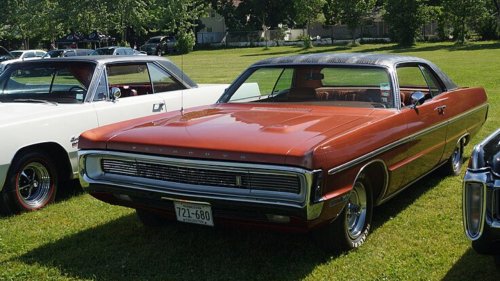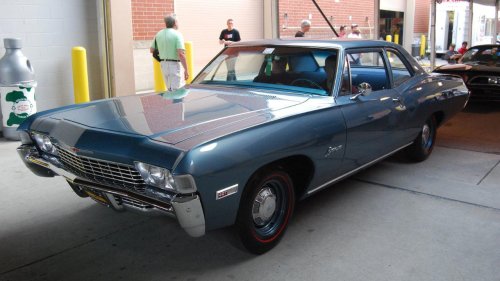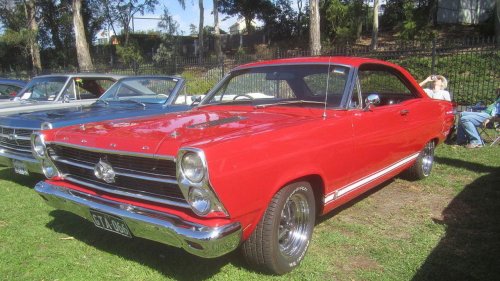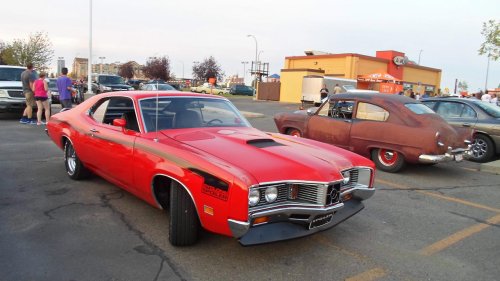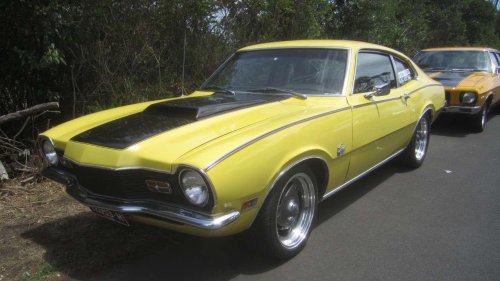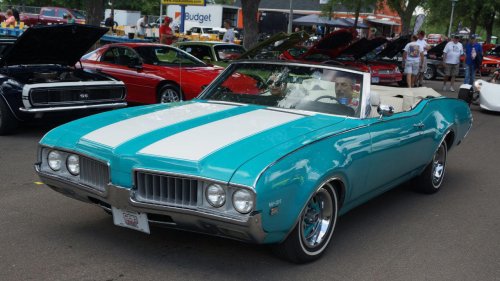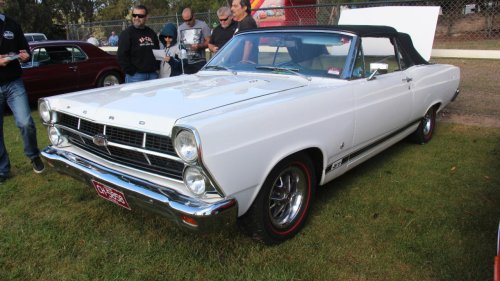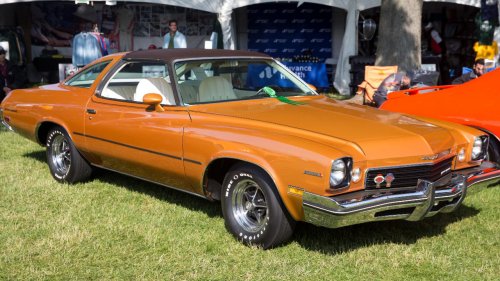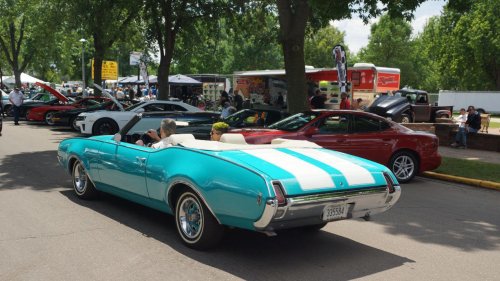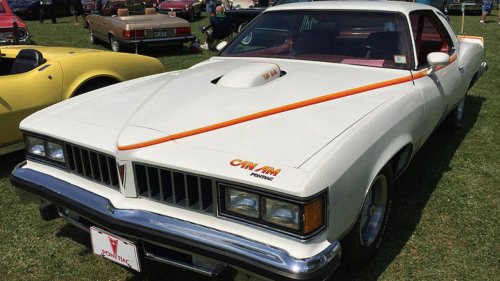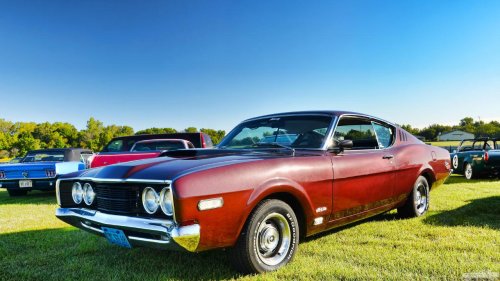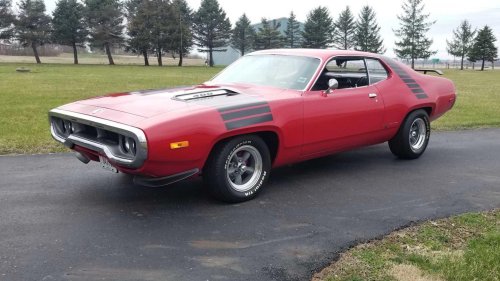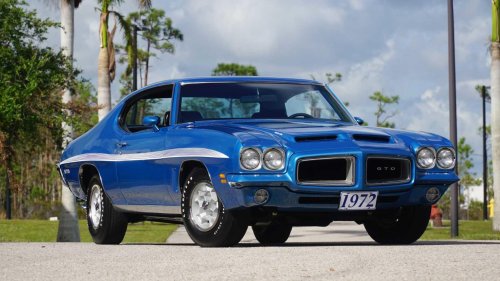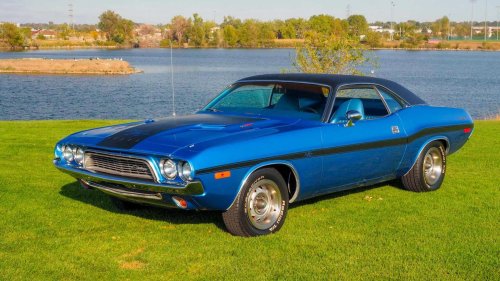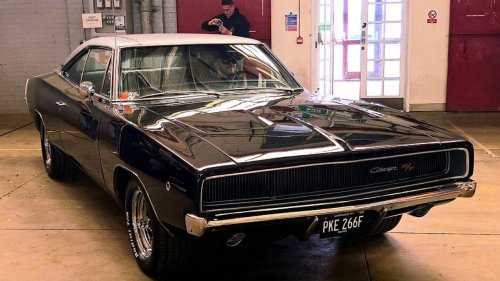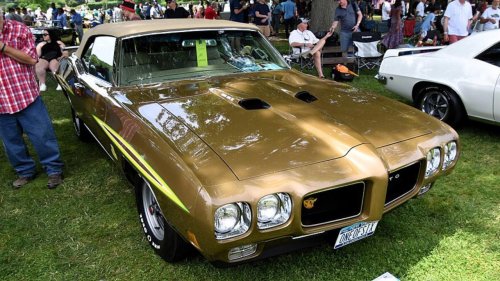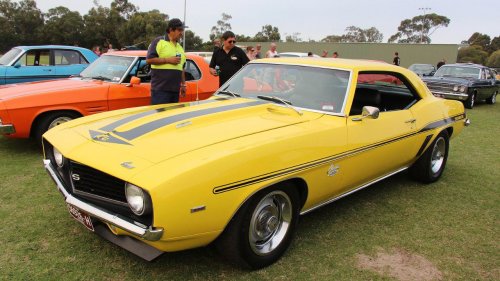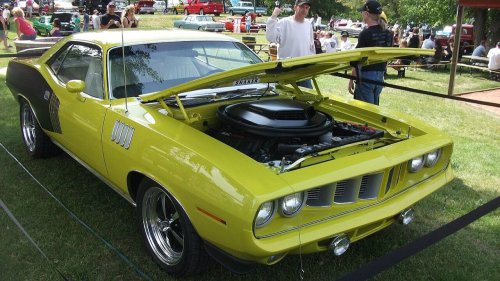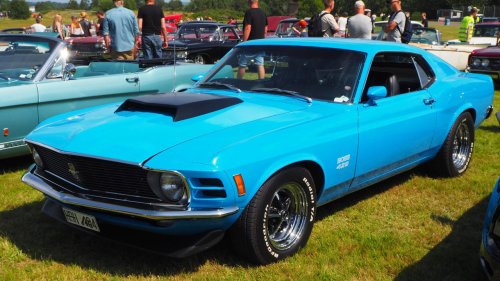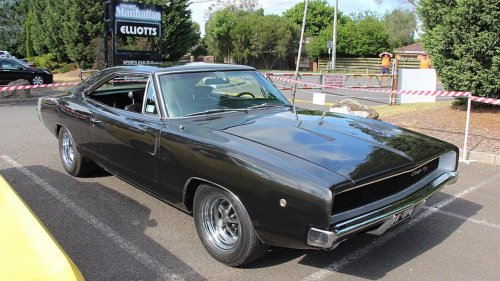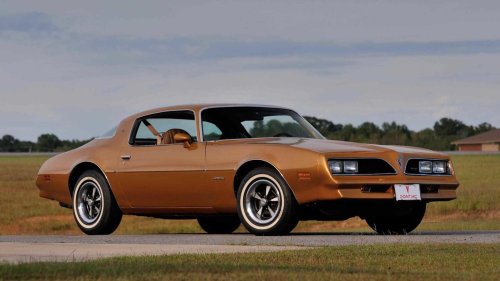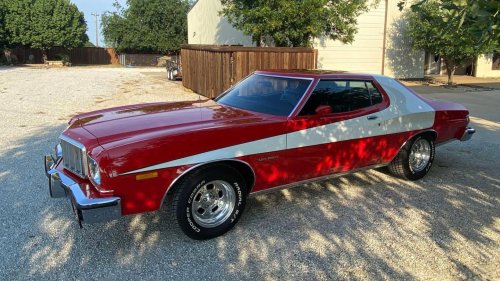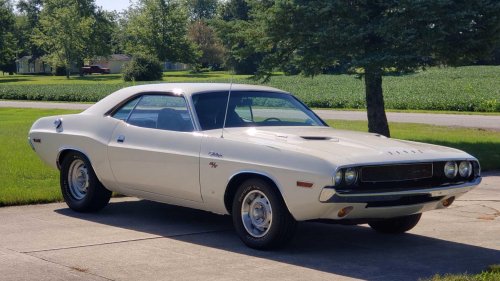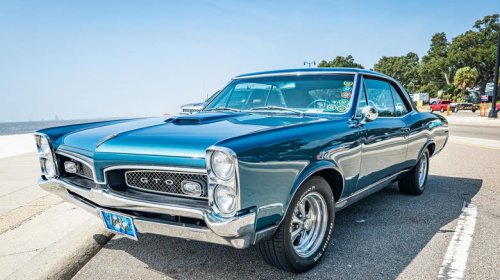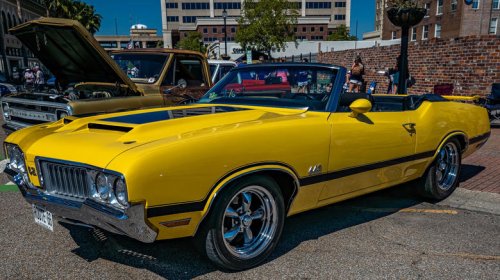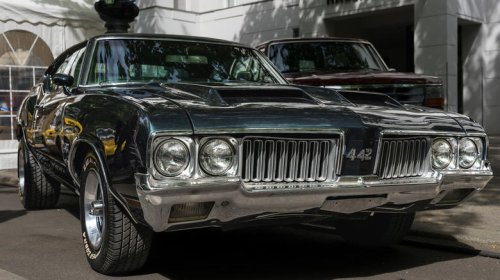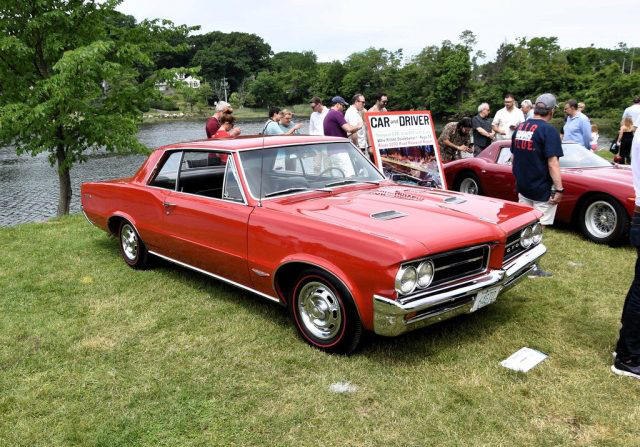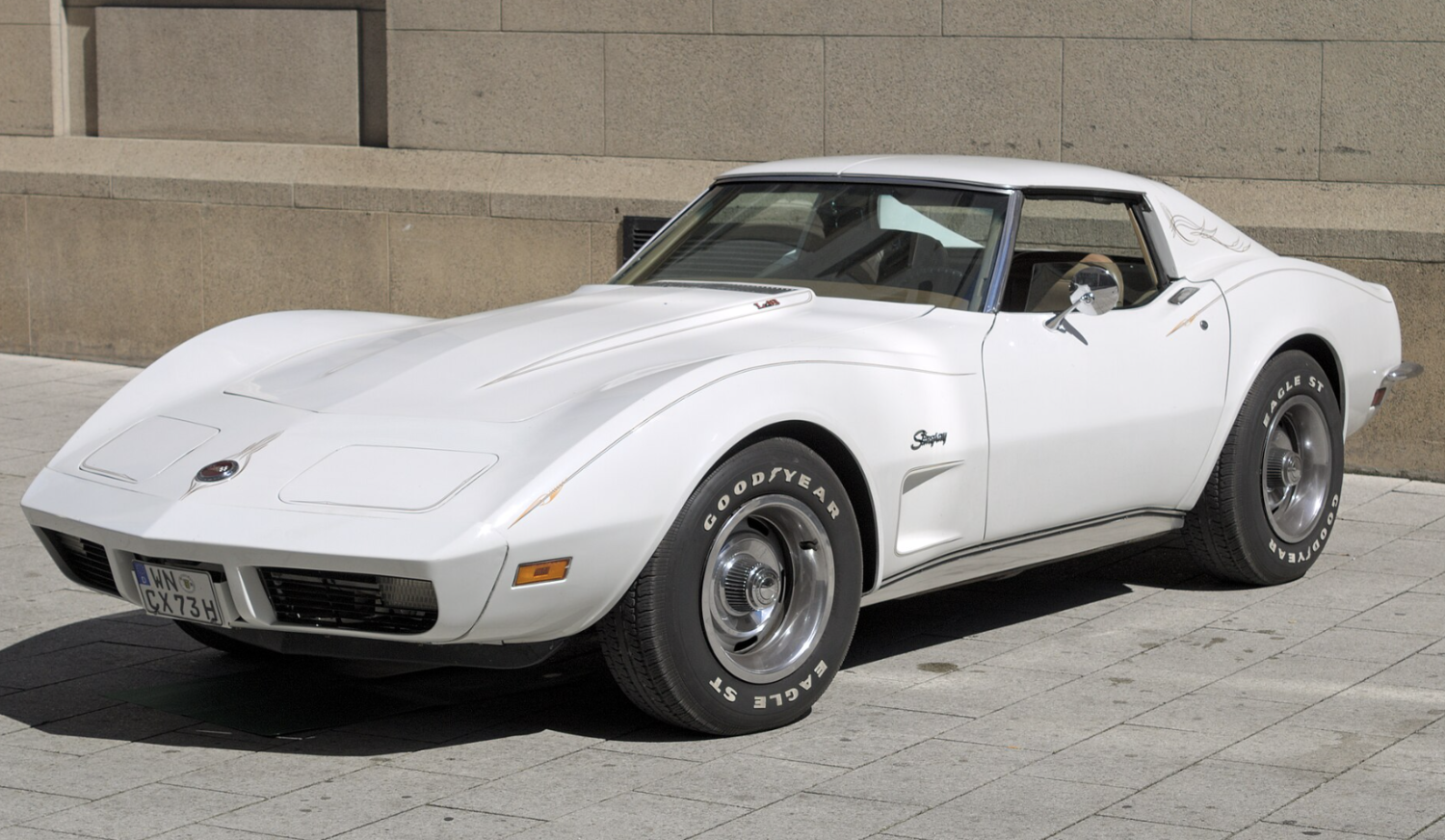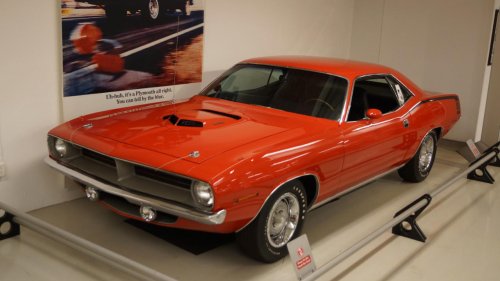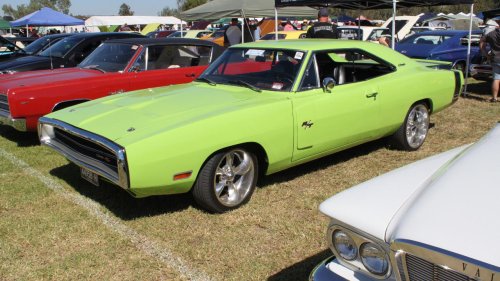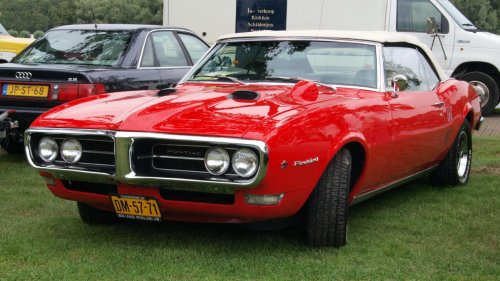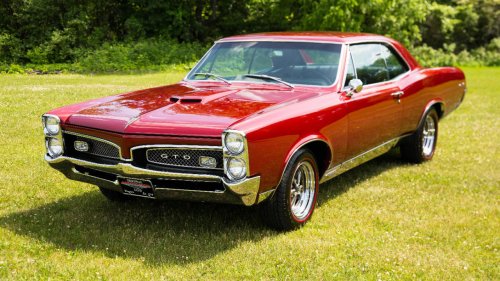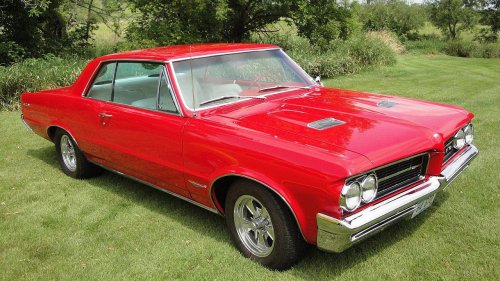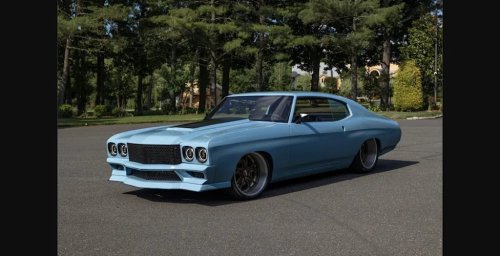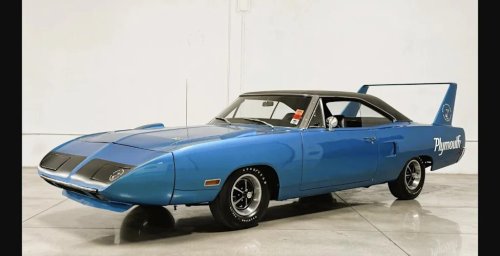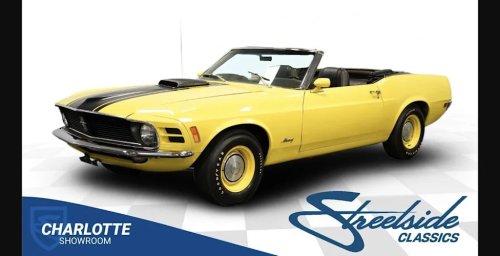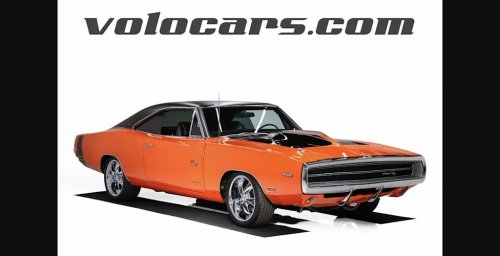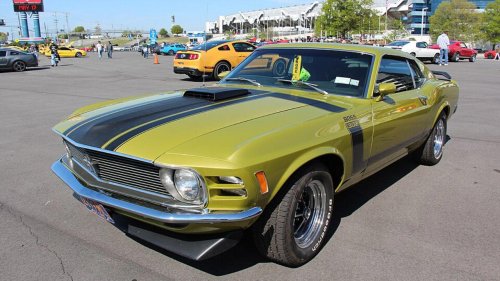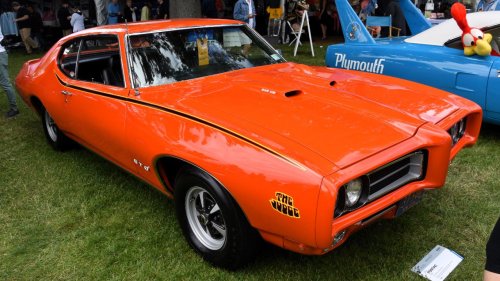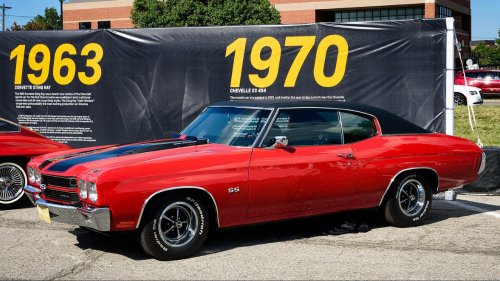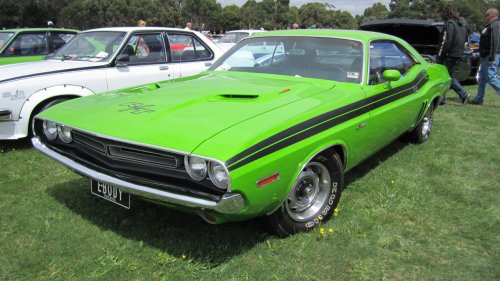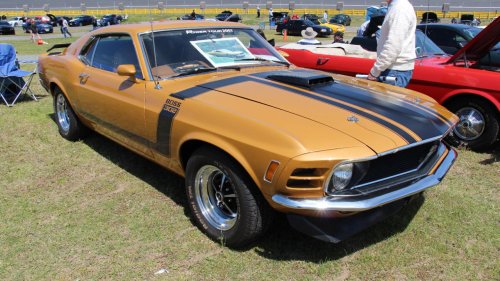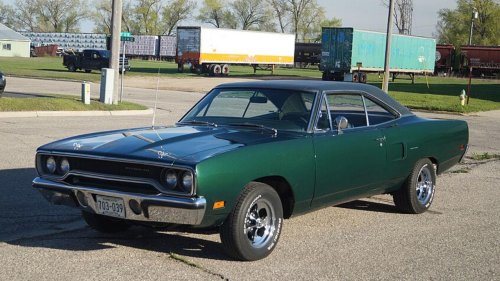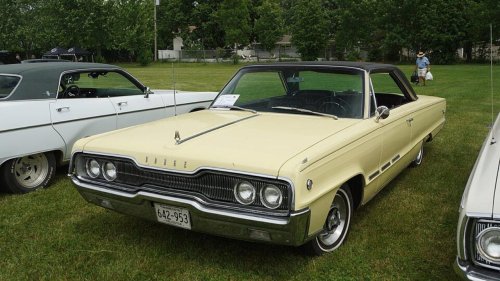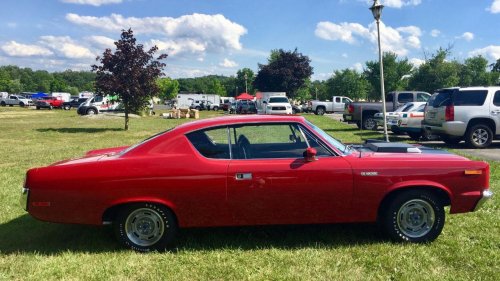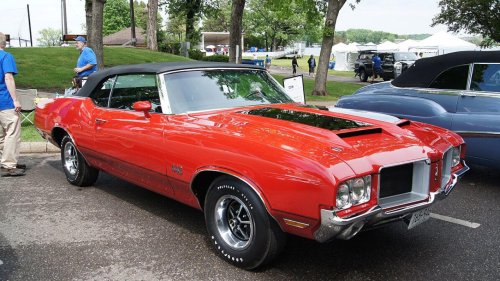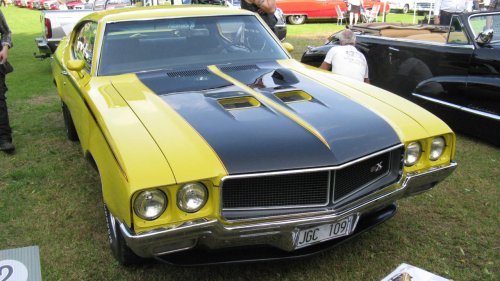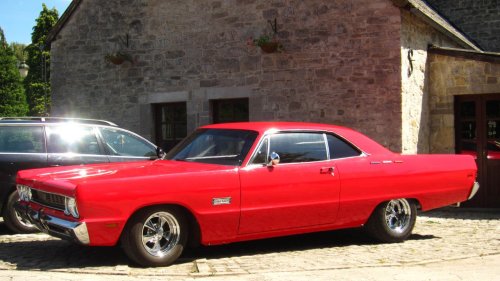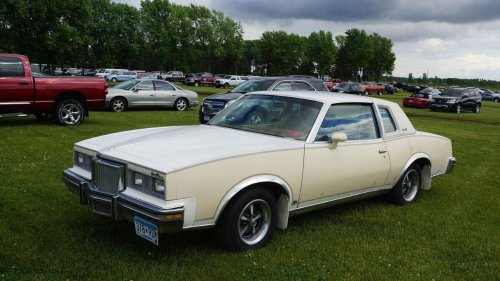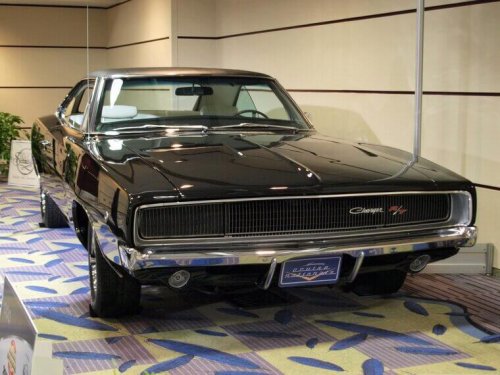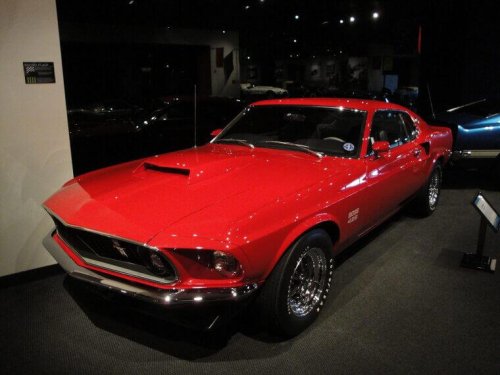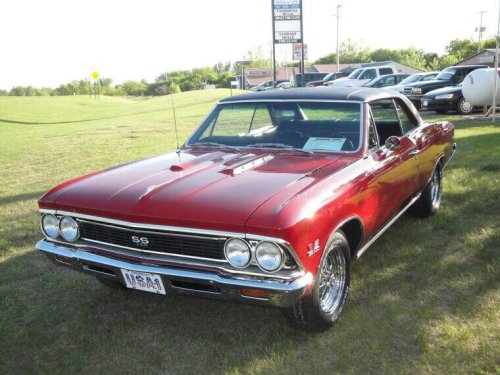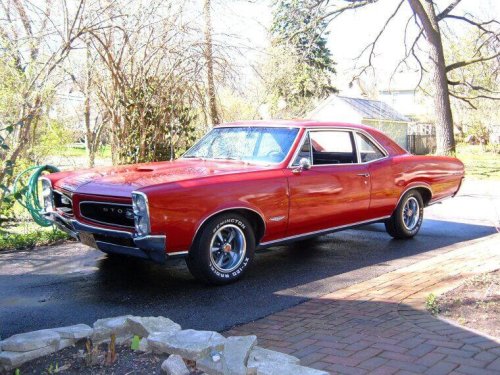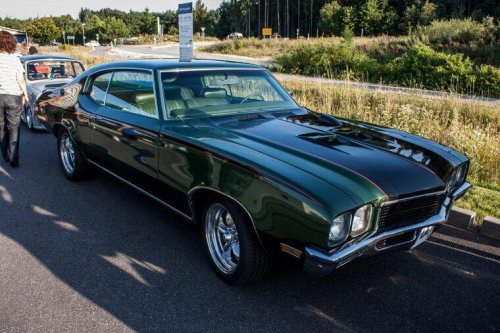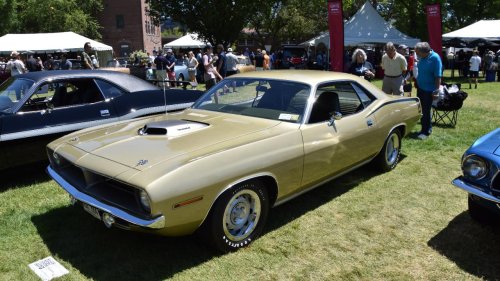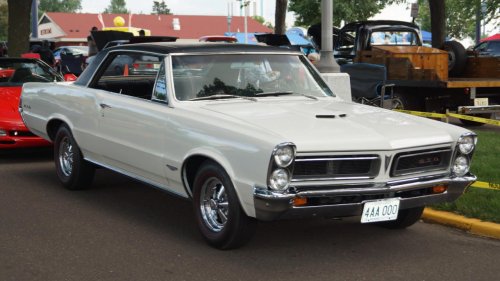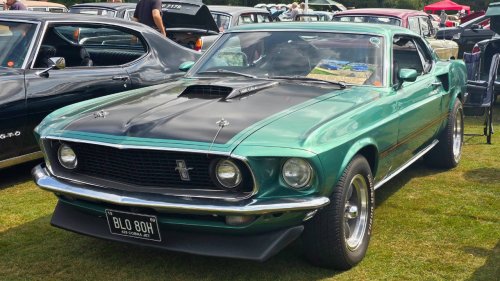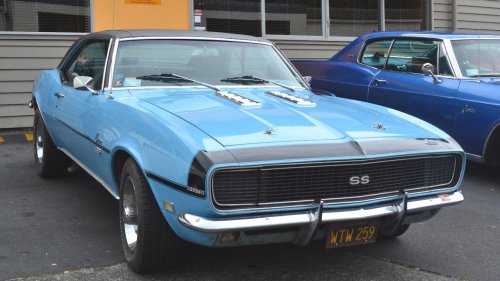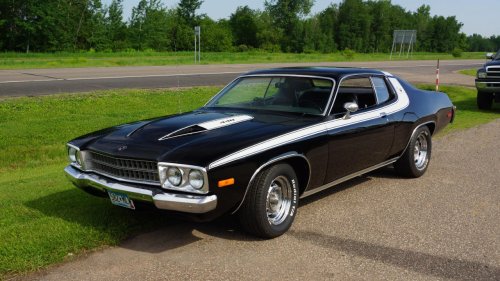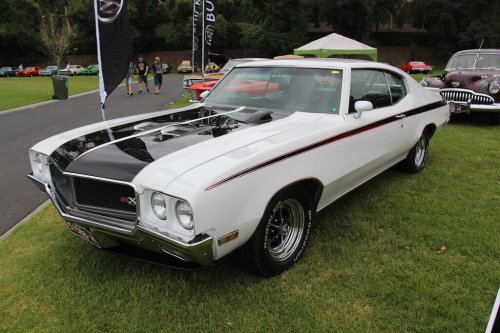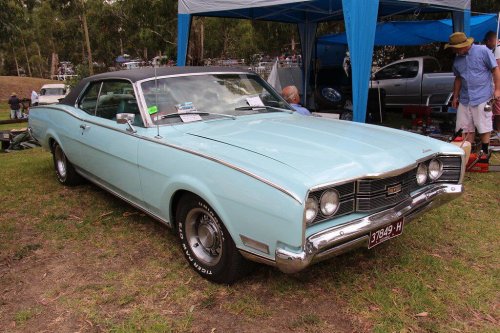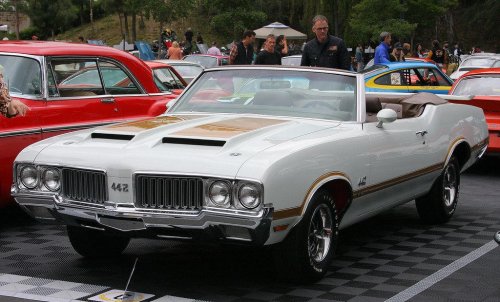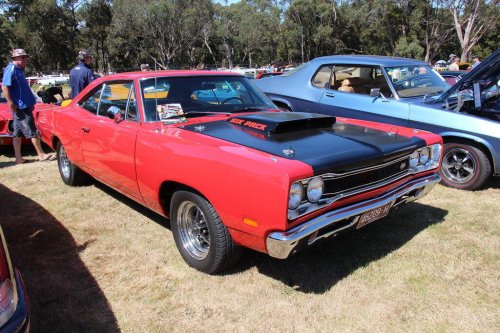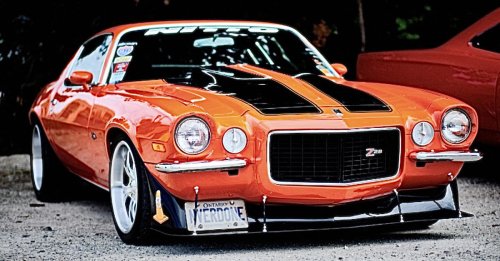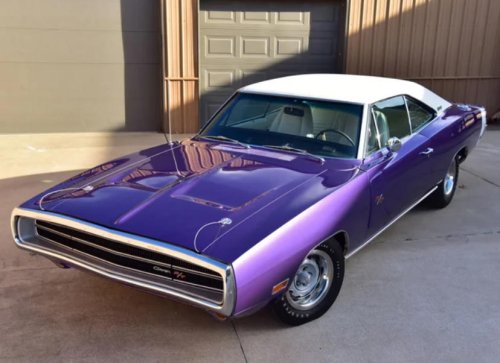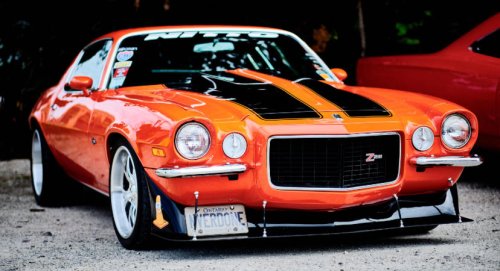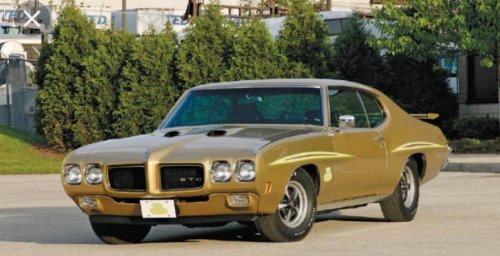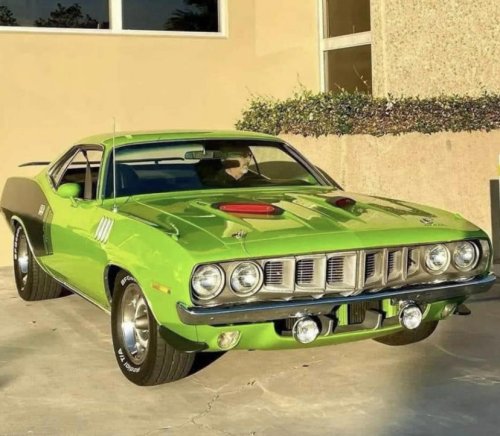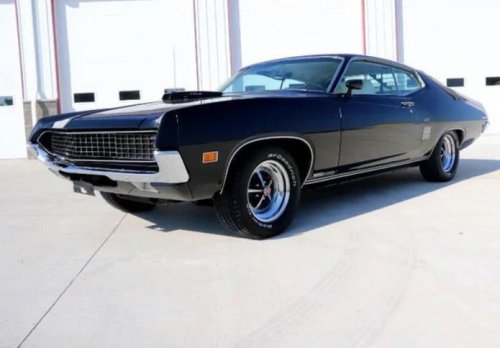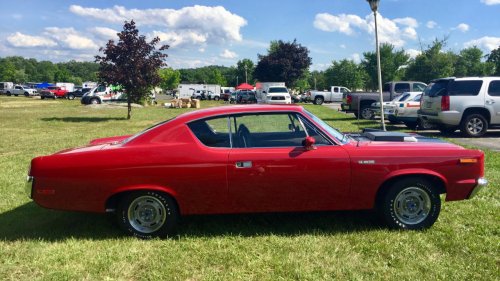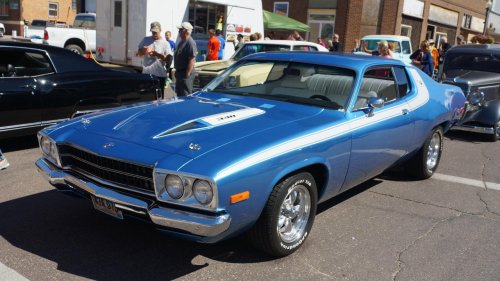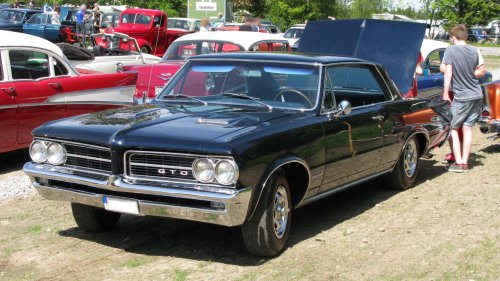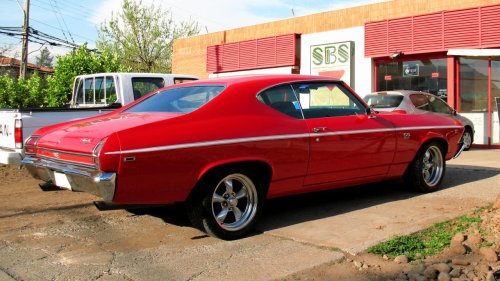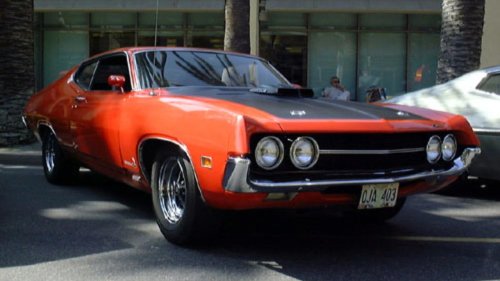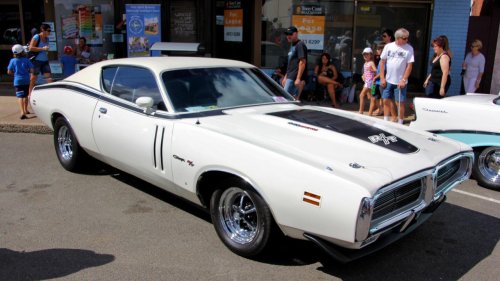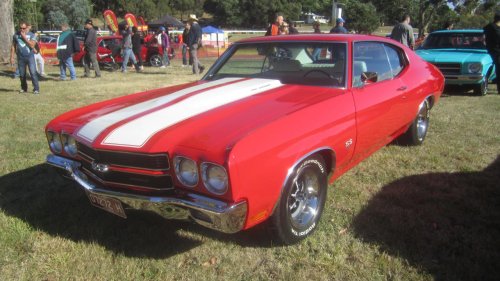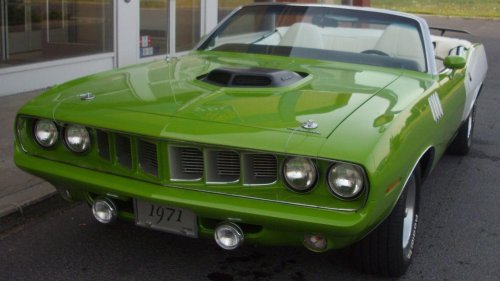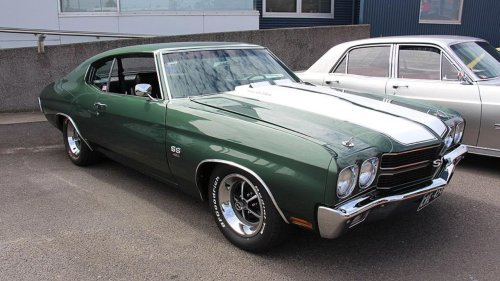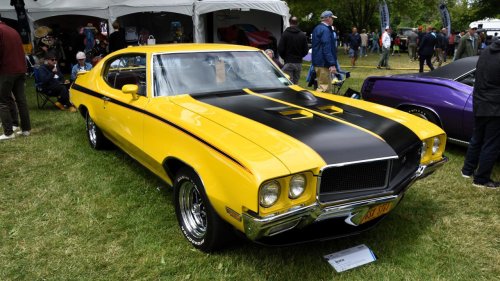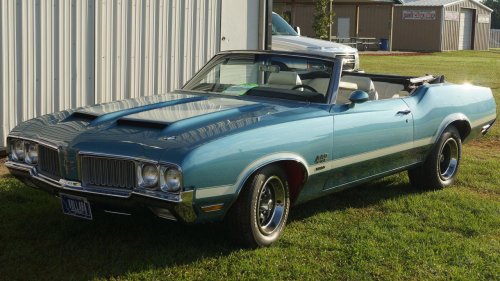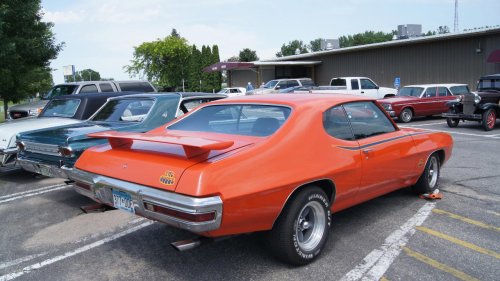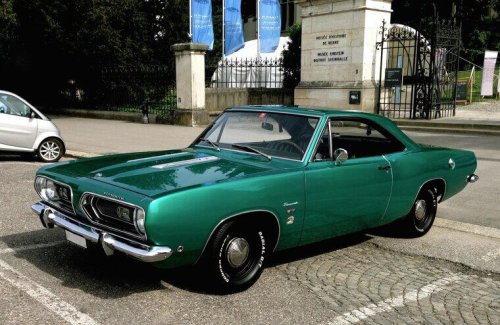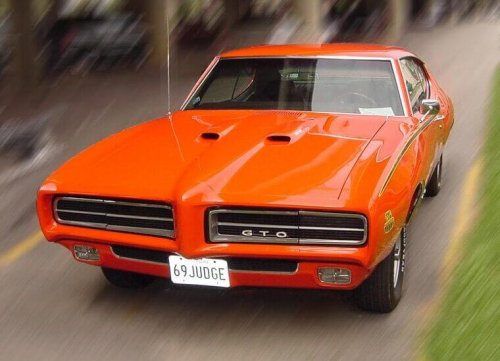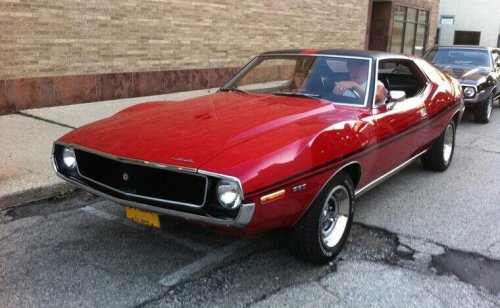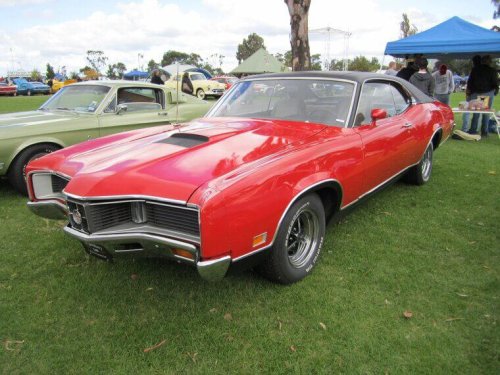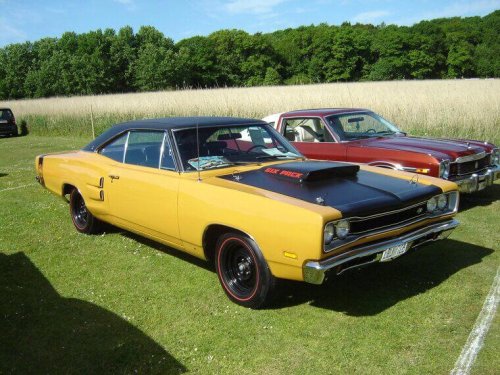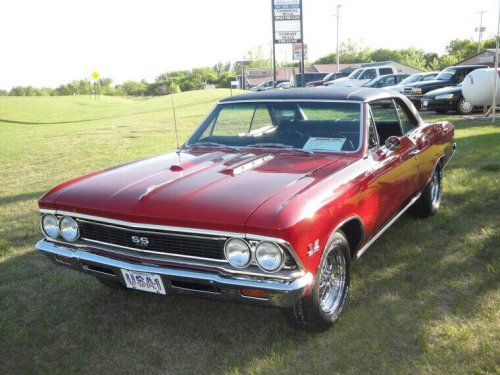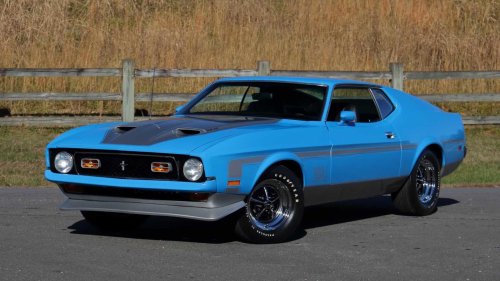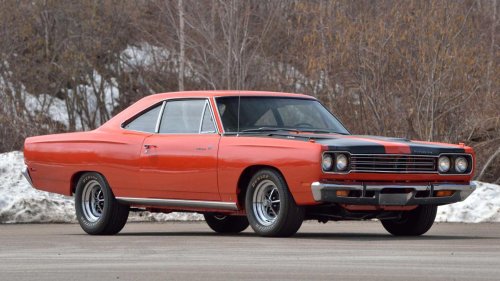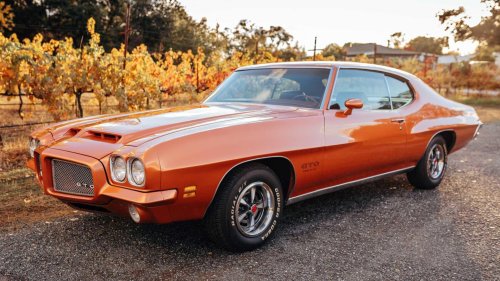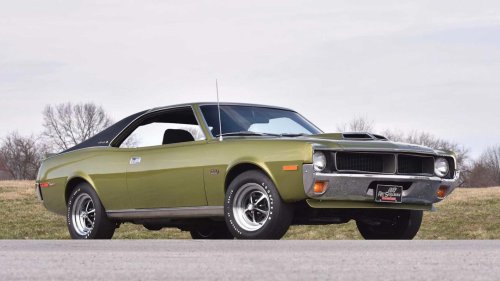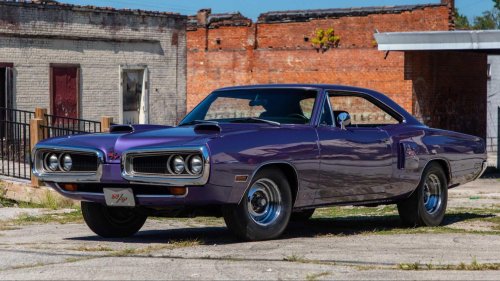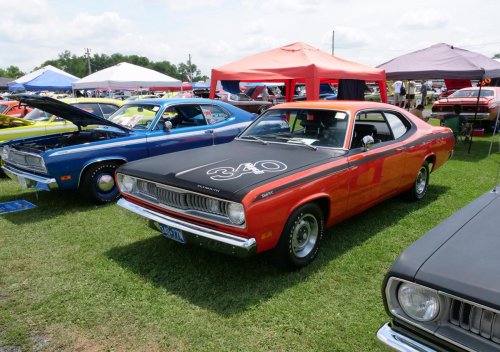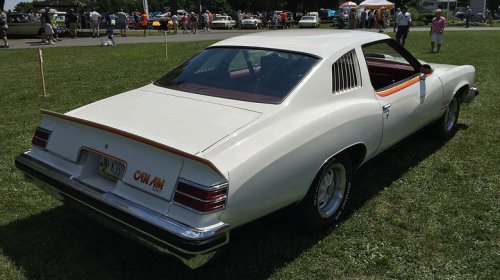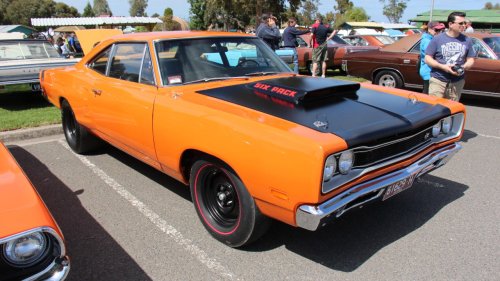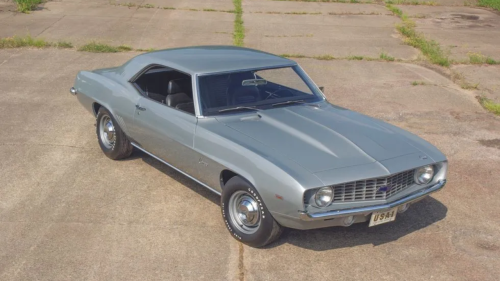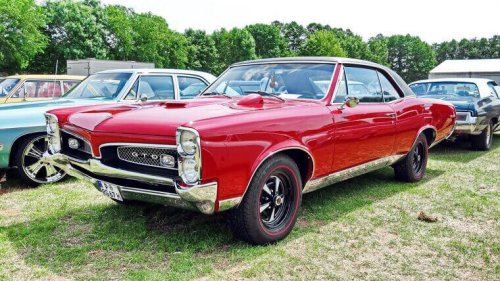
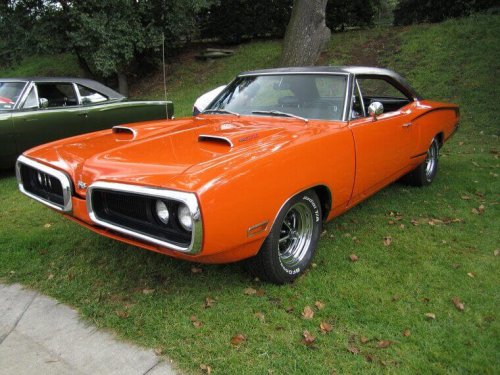
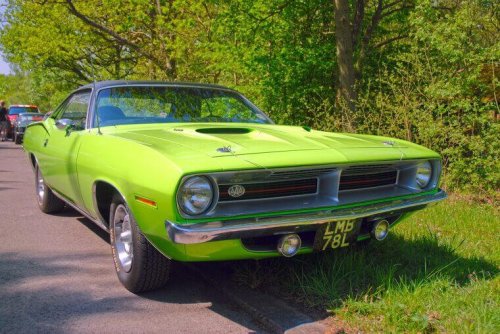
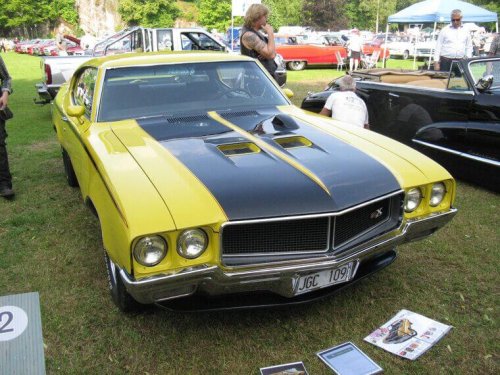
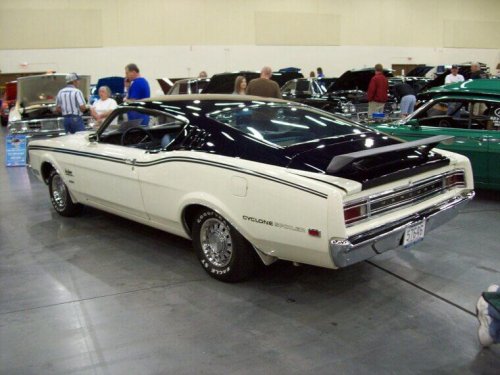
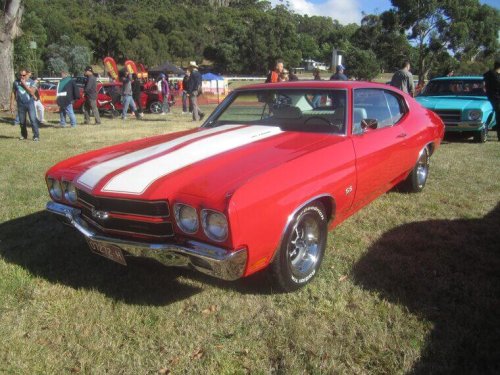
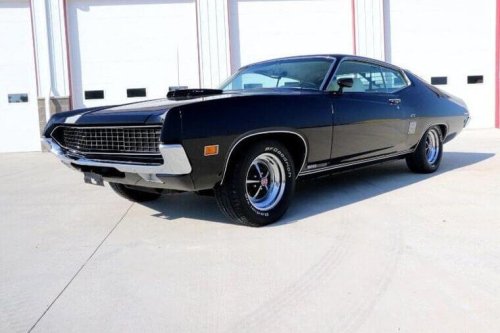
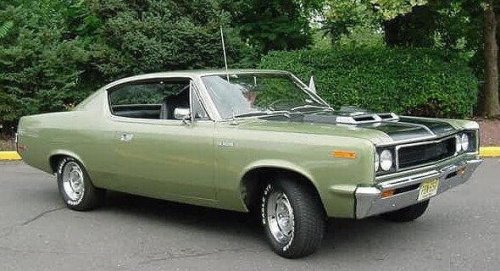
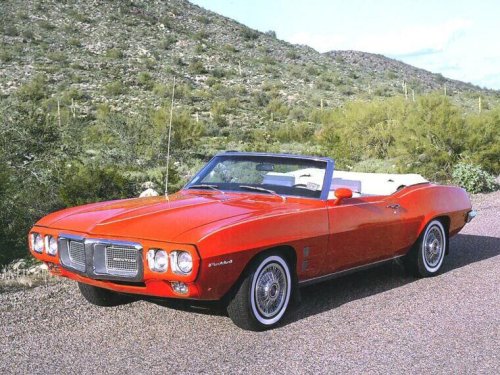
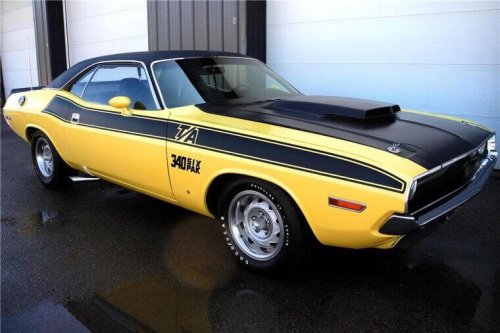
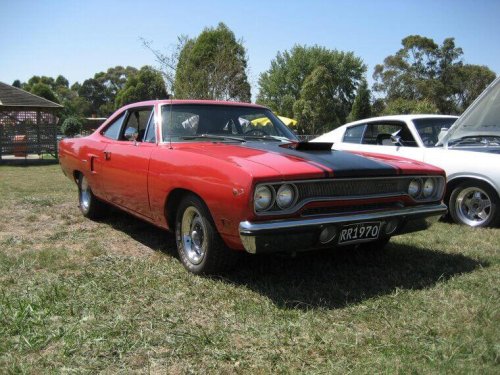



















The Pontiac GTO Judge Deserved BetterFew cars captured the spirit of late-1960s America quite like the Pontiac GTO Judge. Launched in 1969 with a 366-horsepower Ram Air III V8, wild graphics, and a name borrowed from a popular TV comedy, it was muscle car theater at its finest. Pontiac built something genuinely special here — a car that balanced street credibility with showroom drama. But rising insurance costs, tightening emissions regulations, and a shifting cultural mood toward fuel economy conspired against it. Production ended in 1971, just three model years after its debut. Enthusiasts never stopped asking why. The Judge deserved a courtroom full of more years on the road.Dodge Super Bee Stung Too SoonPicture a no-frills muscle car built for one purpose: going fast without draining your wallet. That was the Dodge Super Bee. Introduced in 1968 as Dodge's answer to the budget-performance movement, it came standard with a 383 Magnum V8 and that unmistakable bumblebee stripe circling the tail. It wasn't trying to be fancy. It was trying to win. Sales were strong early on, but Dodge folded the Super Bee nameplate into the Charger lineup by 1971, stripping away its identity in the process. The original formula — raw, affordable, and mean — was exactly what performance buyers wanted. Killing it was a sting the muscle car world felt for decades.Plymouth Barracuda Left Fans HeartbrokenThere's a particular heartbreak that comes with watching something brilliant disappear before it reaches its full potential. Plymouth's Barracuda was exactly that kind of loss. Redesigned in 1970 into one of the most visually stunning muscle cars ever produced, the third-generation 'Cuda offered everything from a 340 small-block to the monstrous 426 Hemi. Sales numbers never matched the hype, partly because the car shared its platform with the Dodge Challenger and the market simply couldn't support both. Plymouth pulled the plug after 1974. To this day, a 1970 'Cuda convertible with a Hemi ranks among the most valuable American muscle cars at auction. The fans weren't wrong — Plymouth just gave up too soon.Buick GSX Packed a Serious PunchBold red, white, and blue stripes. A hood-mounted tachometer. And underneath that dramatic shell, a 454-cubic-inch V8 pumping out 510 pound-feet of torque. The 1970 Buick GSX was not messing around. Built in limited numbers and offered only in Saturn Yellow or Apollo White, it was a statement car from a brand not typically associated with raw muscle. Buick's Stage 1 option made the GSX one of the quickest production cars of its year — faster in the quarter mile than many of its more famous rivals. Only around 678 GSX models were produced in 1970, and the model was quietly discontinued after 1972. Rarity made it legendary, but Buick should have given it far longer to make its mark.Mercury Cyclone Spoiler Vanished Too FastAerodynamics were a serious business in NASCAR during the late 1960s, and Mercury answered the call with the Cyclone Spoiler. Featuring a distinctive extended nose cone and available in special team-color editions honoring drivers Dan Gurney and Cale Yarborough, it was as connected to motorsport as any road car of its time. On the street, a 428 Cobra Jet V8 gave it genuine muscle car credentials to back up the racing-inspired styling. But Mercury never fully committed to the Cyclone as a performance brand anchor, and the model faded through the early 1970s as the company shifted focus. Most people today couldn't name it — and that obscurity is exactly the injustice that needed correcting.Chevrolet SS 454 Deserved More YearsChevrolet's Chevelle SS 454 arrived in 1970 wearing the most powerful engine Chevy had ever stuffed into a production car. The LS6 version produced 450 horsepower — officially, anyway, with many believing the real number was higher. It was brutally fast, visually aggressive, and represented the absolute peak of the muscle car era. Then the walls closed in. The 1971 model year brought compression ratio reductions to accommodate lower-octane fuel. Power figures dropped sharply with each passing year. By 1973, the SS 454 was a shadow of what it had been. Chevrolet had something genuinely extraordinary in 1970 and spent the next three years slowly dismantling it. Those early cars deserved a longer, stronger run.Ford Torino Cobra Had Untapped PotentialSomewhere between a muscle car and a NASCAR homologation special, the Ford Torino Cobra existed in a fascinating middle ground that the market never fully appreciated. Offered with the 429 Cobra Jet engine and a functional ram-air hood scoop, it was built to compete and looked the part doing it. Ford's commitment to performance racing gave the Torino genuine pedigree — it dominated NASCAR superspeedways in 1969. But translating that success into sustained consumer enthusiasm proved difficult. The muscle car market's collapse hit the Torino hard, and performance versions were phased out before the car ever truly found its audience. With better timing and a more stable market, the Cobra could have become a defining nameplate. The potential was always there.AMC Rebel Machine Ahead of Its TimeRed, white, and blue paint. A functional hood scoop. A 390-cubic-inch V8 producing 340 horsepower. AMC launched the Rebel Machine in 1970 as a patriotic provocation aimed directly at the muscle car establishment — and it worked. AMC was the underdog of American automakers, but the Machine proved the company could build something genuinely quick and genuinely cool. It ran the quarter mile in the mid-14-second range, competitive with far more expensive rivals. The problem was timing. AMC introduced the Machine just as the performance market began contracting, and the car lasted only one model year in its original form. A company with fewer resources than its Big Three competitors simply couldn't sustain it. The Machine deserved a longer fight.Pontiac Firebird Formula Faded Too EarlyWhen Pontiac launched the Firebird Formula in 1969, it offered something the flashier Trans Am didn't — a focused performance machine without the visual noise. No giant hood bird. No billboard decals. Just clean lines, a powerful V8, and a driver-first mentality that appealed to enthusiasts who knew what they were looking at. The Formula continued through the Firebird's long production run but never received the marketing attention it deserved. The Trans Am always stole the spotlight, leaving the Formula as the quiet overachiever in the lineup. When GM discontinued the Firebird after 2002, the Formula went with it. A generation of drivers who preferred substance over spectacle lost one of their last great options.Dodge Challenger T/A Stopped Too SoonDodge created the Challenger T/A specifically to compete in the SCCA Trans-Am racing series, and the road version reflected that purpose with rare honesty. A 340-cubic-inch six-pack engine, side-exit exhaust, a fiberglass hood with a functional scoop, and a rear spoiler that actually did something — this was a purpose-built performance machine wearing street clothes. Here's the cruel irony: it was available for exactly one model year. 1970 only. Dodge produced around 2,399 units before moving on, leaving one of the most track-focused muscle cars ever built as a footnote rather than a foundation. Collectors know the T/A's true worth today — prices reflect what the market should have recognized from the beginning.Plymouth Road Runner Deserved a Longer RunBeep beep. That cartoon horn and the Road Runner name were pure genius — Plymouth took a Warner Bros. character, slapped it on an affordable muscle car, and created an instant icon in 1968. The formula was simple: take the GTX platform, strip out the luxury, drop in a 383 V8, and sell it for under $3,000. Buyers lined up. The Road Runner sold over 44,000 units in its first year, proving that performance buyers wanted value as much as horsepower. But emissions regulations and insurance surcharges gradually neutered the engine options, and Plymouth discontinued the model after 1980. What started as one of muscle car history's most clever concepts ended with a quiet exit that matched none of its original energy.