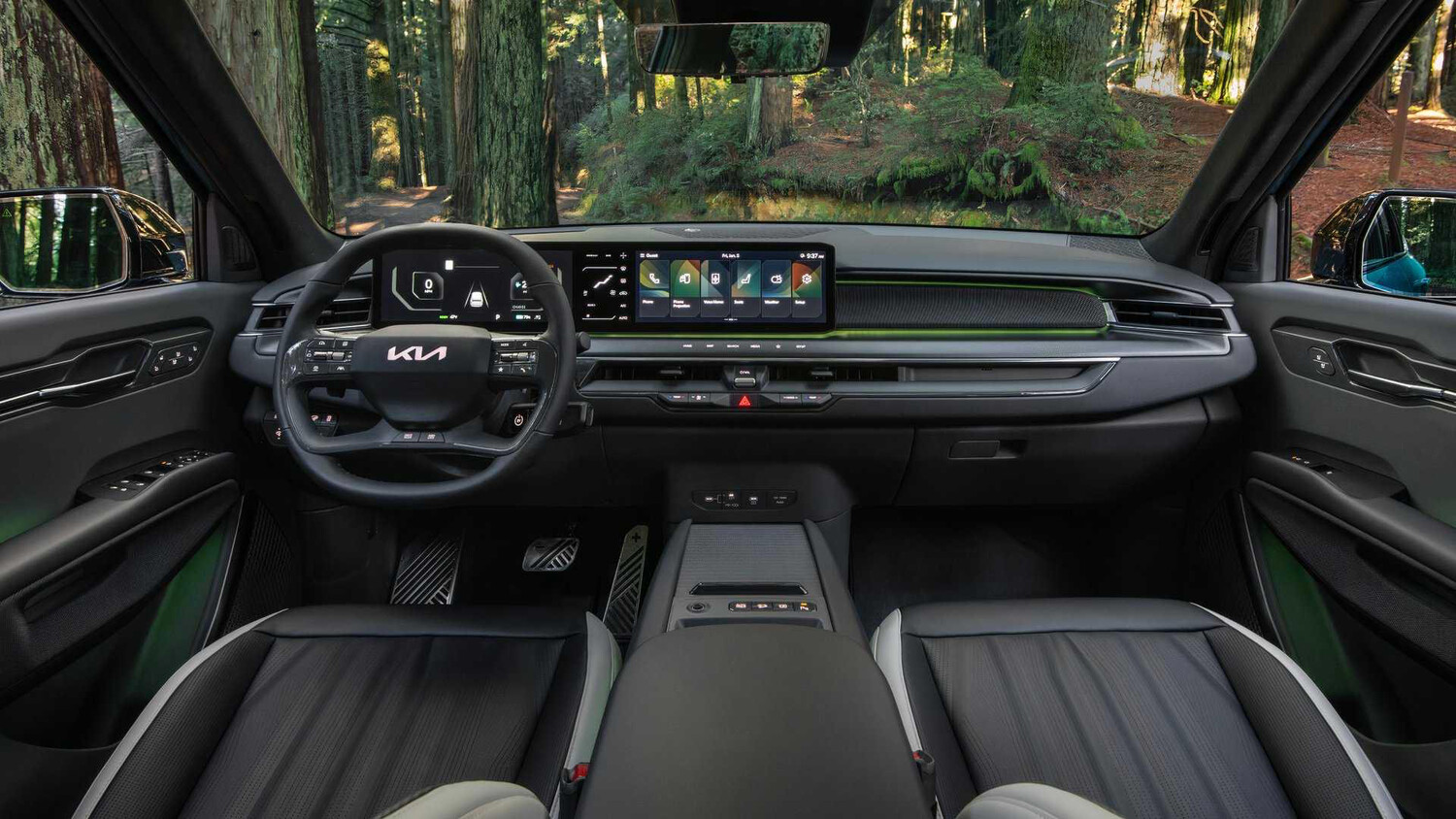
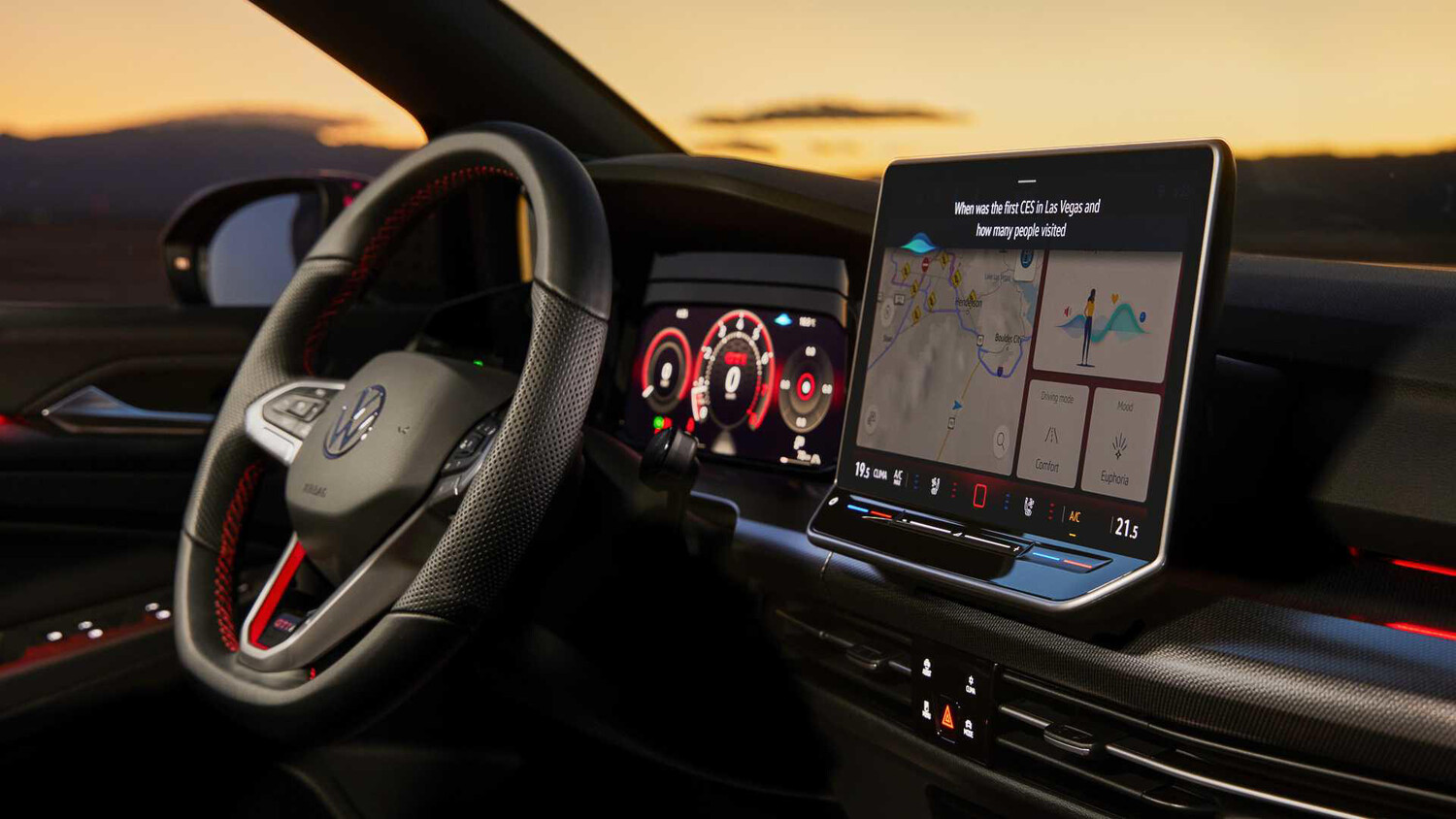
There’s no shortage of poorly thought-out design elements in car interiors, if you really stop to think about it. The faux-wood inserts on previous generation Lexus steering wheels, for example, looked the part for a while, but could be less grippy than a well-lubed bar of soap. Oversized infotainment screens bolted to the dashboard rather than molded elegantly into them makes your thoroughly ham-fisted writer wonder if even he can give this ol’ automotive design thing a go. Some higher-end manufacturers are complicit too, with ‘Power, Beauty, Soul’ flashing across the driver cluster on start-up a beyond nauseating addition to Aston Martin’s otherwise excellent 2005 Vantage.And then, there’s Piano Black plastic trim. An increasing number of vehicles, both mainstream and premium, that you can buy today come pre-equipped with, what is increasingly becoming, the most unpopular facet of car cabin design. But why is that? Why Piano Black Plastic Is Used FordThough it’s difficult to put an absolute timeframe on this, the Piano Black craze seemingly went into top gear a little over a decade ago. Indeed, many punters who attended the 2013 Detroit Auto Show, and who are even now rubbing their chins contemplatively at the memory, may recall an abundance of models with this new addition.Why? Well, simply put, the mirror-effect black trim – similar to, though nowhere near as refined as the polished ebony polyester that dons the grandest of Yamaha pianos – looks upscale, glittering as it does under the unforgiving lights of an international auto show. Compare, for instance, the cabin on a 2008 Ford Edge with the interior of its 2013 successor, where the former’s drab, but admittedly hard-wearing, ABS trim has been ditched for the more premium-looking Piano Black trim. A more premium feel for which, Detroit’s bookkeepers no doubt reasoned, customers would probably be willing to fork over more money. They were right.FordA more premium look was just part of the rationale, of course. No car dashboard worth its contemporary salt, for example, is complete today without at least one generously-sized infotainment touchscreen (even if it is cloyingly bolted to the dash rather than molded with it). A technological uptick that, automotive designers quite rightly reasoned, would look badly dated just a few years into the vehicle’s seven-year lifecycle with the old ABS trim. A mirror-effect, more modern looking Piano Black, on the other hand? Well now, that fits the bill nicely.Of course, one of the bigger contributing factors is development costs. Exclusive as it undoubtedly looks, wood trim upholstery, including ‘book-matching,’ heat pressure, lacquer sealing, and hours upon hours of sanding and varnishing, is also thunderously expensive. Ditto lightweight, but time-consuming carbon fiber inlays. Piano Black trim, on the other hand, can be mass-produced, and, crucially, molded to fit most models across a manufacturer’s entire lineup for a fraction of the cost. For an automotive board comparing the black and red columns at the end of each quarter, that's a no-brainer. Why It Sucks Toyota Ironically, however, while Piano Black plastic may be less susceptible to expensive damage – from previous experience, we advise highly against accidentally scratching wood inlay with your car keys – it’s far from invulnerable either. Indeed, micro scratches are alarmingly easy to create, should you accidentally rub even the smallest piece of grit or hard dirt into the panel, often without you realizing it. Adding further insult to humbled indignity, the mirrored surface means said scratches are incredibly difficult to refinish.On top of the potential damage, and as anyone with a smartphone screen replete with fingerprints will attest, Piano Black plastic is difficult to consistently keep clean. Especially in family haulers catering to small kids, dogs, the weekly groceries, and precariously-placed takeaway orders. And if the myriad, and relentlessly multiplying smudges won’t get you, inadvertent glare through the windows or the dome light will.VolkswagenSadly, much like the grey ABS before it, the once upscale, now decade-old Piano Black trim is also starting to show its age. Particularly in an age where more sustainable, environmentally friendly repurposed wood and/or recycled PETs. While this probably won’t hurt your resale value now (a clean service history and a competitive pre-owned asking price is far more important), an outdated interior could be a hurdle to overcome just a few years from now. Which Manufacturers Use It, And Which Don’t Mercedes-BenzWe weren’t kidding, by the way, when we said that more and more manufacturers are donning Piano Black. Mainstream big-ballers like Toyota, Subaru, Kia and Hyundai, for example, regularly introduce piano black trim either as standard or an optional extra on their $25,000-plus mid-sized sedans, hatchbacks and/or crossovers (take a look at Toyota’s ‘Nightshade’ range).Even manufacturers with a premium, or slightly sporting edge, have jumped on this cloying bandwagon. Volkswagen, for instance, has gone minimalist on the center console for the latest Golf GTi, while Mercedes employed vast swathes of the (optional) Piano Black on its entry level C-Class, given that the center console arcs its way onto the dash… oh, look… a bolted-on infotainment screen…KiaCertain automakers have, however, managed to tear themselves from these micro-scratched, heavily smudged surfaces. Kia's new flagship EV9, for example, instead uses matte-finished trim, or optional satin chrome, to create, what the Korean brand calls, a “living room feel.” Honda’s mainstream Civic sedan similarly features Piano Black across only the door cards and the air vents, and is potentially why this is one of 10 “non-luxury” cars that still feel high-end inside. When Will This Nightmare End? VolkswagenHonestly? Probably no time soon. As both an established accompaniment to dash-mounted infotainment screens – which certainly won’t be disappearing for a while yet – and a still affordable material on which mainstream manufacturers can rely, the easily malleable, decently hard-wearing, and still ‘upscale’ (enough) Black Piano plastic trim probably won’t be ditched just yet. Consequently, and like many of the CarBuzz team, you’ll probably want to invest in a microfiber towel and a portable no-streak bottle of glass cleaner, that will henceforth live in the glovebox, and at some point explain to the kids that they’ll have to walk to school from now on.Of course, some of you – your writer included – are more willing to put up with the Piano Black plastic scourge over seemingly indispensable, and inelegantly-mounted control centers on the dashboard. But that’s a rant for another time.Source: Mercedes / Ford / Car Expert / Volkswagen