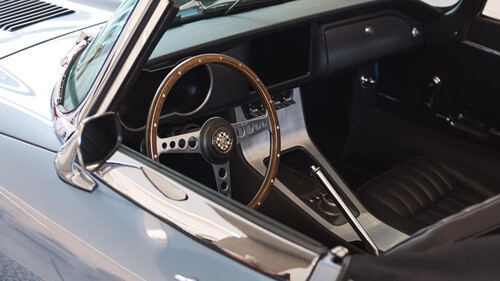
Vintage cars are cherished by enthusiasts for their timeless beauty and historical value. Preserving the interiors of these classic vehicles is crucial to maintaining their authenticity and value. This article provides valuable tips to help vintage car owners keep their interiors in pristine condition. Regular Cleaning and Maintenance When it comes to cleaning vintage car interiors, the choice of products can make a significant difference in preservation. Gentle cleaning products specifically designed for vintage materials are essential to avoid any damage that harsh chemicals might cause. For instance, using a mild soap solution can safely clean leather seats without stripping away natural oils. It’s crucial to avoid using household cleaners, which are often too abrasive for the delicate surfaces found in vintage cars. Consistent dusting is another critical aspect of maintaining a vintage car interior. Dust can accumulate quickly and, over time, can lead to scratching and degradation of surfaces. A soft microfiber cloth is ideal for dusting dashboards, consoles, and other hard surfaces. Regular dusting not only keeps the car looking pristine but also helps preserve the integrity of the materials. Vacuuming carpets and upholstery is also necessary to remove dirt and debris. However, one must exercise caution to avoid damaging vintage fabrics. Using a vacuum with a soft brush attachment can help safely clean these surfaces. Additionally, periodically having the carpet and upholstery professionally cleaned can ensure more thorough maintenance. Protecting from Environmental Damage Environmental factors can significantly impact the condition of vintage car interiors. Sunlight, for example, is notorious for causing fading and cracking. To protect against UV damage, using sunshades on windows or a car cover can be highly effective. These covers can block harmful rays and keep interiors cooler, reducing the risk of damage. Temperature control is another crucial aspect. Extreme temperatures can cause materials to warp or deteriorate. Ideally, vintage cars should be stored in a climate-controlled environment, where temperature fluctuations are minimized. Keeping the car in a garage with a stable temperature can significantly extend the life of interior components. Humidity management is equally important, particularly in damp climates where mold and mildew can thrive. Using a dehumidifier or moisture absorbers, can help maintain a dry environment inside the car. These tools are invaluable for preventing the growth of mold and mildew, which can cause irreversible damage to fabrics and other materials. Preserving Leather and Upholstery Leather interiors are a common feature in many vintage cars, and preserving these materials requires regular conditioning. Applying a high-quality leather conditioner, such as those from Meguiar’s or Chemical Guys, helps maintain suppleness and prevent cracking. It’s recommended to condition leather seats every few months, depending on usage and environmental conditions. For upholstery care, using covers or seat protectors can help minimize direct wear and tear. This is particularly useful for cars that are driven frequently. Seat covers can protect original fabrics from spills, stains, and sun damage while allowing owners to preserve the original materials underneath. When selecting covers, opt for those specifically designed for the car model to ensure a perfect fit. Image Credit: Bring a Trailer. Prompt repair and restoration of any tears or damage are essential to maintain the integrity of the interior. Even small rips can expand over time if left unaddressed. Consulting a professional restorer can ensure that repairs are made using appropriate materials and techniques, maintaining the car’s originality and value. Maintaining Wood and Metal Accents Many vintage cars feature beautiful wood accents that add to their charm. Polishing these wood details regularly is crucial to maintain their luster and prevent drying or cracking. Products like Pledge or Guardsman can be used to gently clean and polish wood surfaces. It’s important to avoid using excessive water or harsh chemicals that could damage the wood’s finish. Metal trims and accents also require care to prevent tarnishing and rust. Regular cleaning and polishing using a metal polish, such as Autosol, can keep these elements looking their best. When cleaning, use a soft cloth to apply the polish, and avoid abrasive pads that might scratch the metal. Ensuring that cleaning products are free of harsh chemicals is critical for both wood and metal care. Chemicals can strip finishes or accelerate deterioration, so always opt for products specifically formulated for the materials in question. Regular maintenance not only preserves the aesthetic appeal of these accents but also contributes to the car’s overall value. Storing Vintage Cars Properly Proper storage is a cornerstone of preserving vintage car interiors. Indoor storage is ideal, as it protects the vehicle from weather elements and temperature fluctuations. A garage or storage unit that offers protection from rain, snow, and sun is essential for long-term preservation. Proper ventilation within the storage area is also vital to prevent moisture buildup, which can lead to mold and mildew. Ensuring that the space has adequate airflow can mitigate these risks and help maintain a stable environment for the car. Regular checkups are crucial for catching potential issues early. Conducting routine inspections of the interior can help identify signs of wear or damage that may need attention. By addressing these issues promptly, owners can prevent minor problems from becoming major restoration projects. Like Fast Lane Only’s content? Be sure to follow us. Here’s more from us: Unboxing the WWII Jeep in a Crate The Fastest Farm Truck Ever Built *Created with AI assistance and editor review.