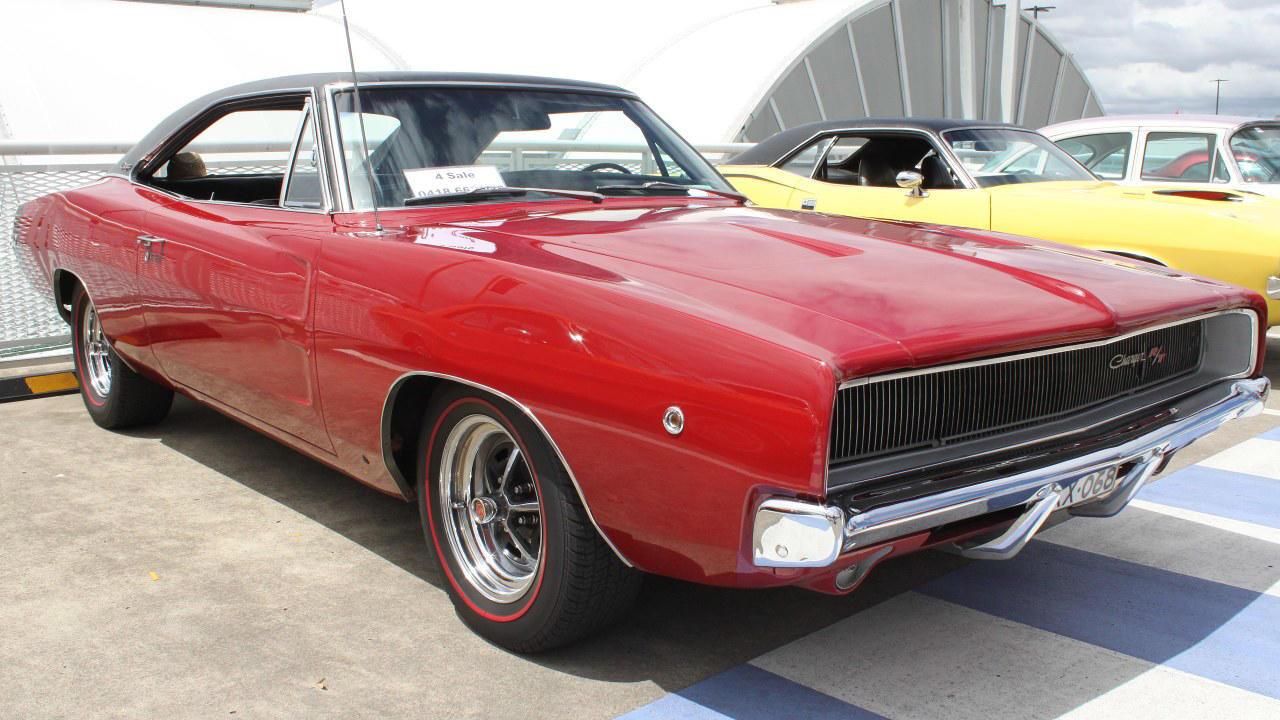
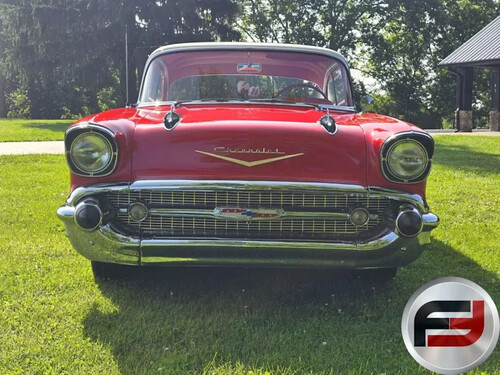
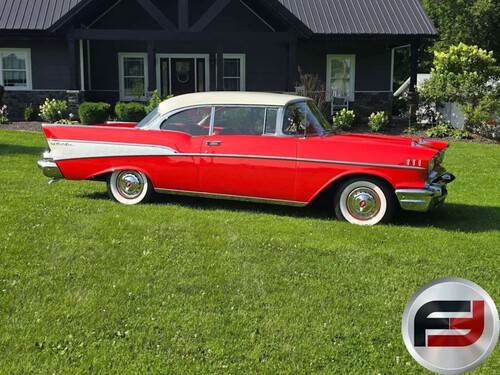
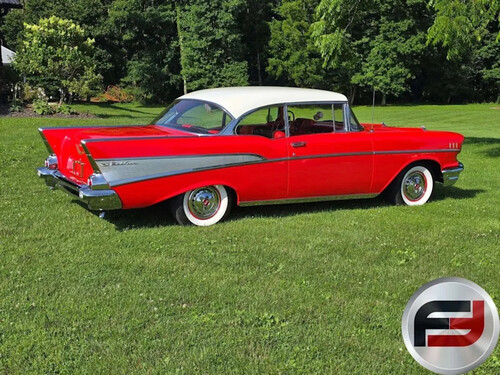
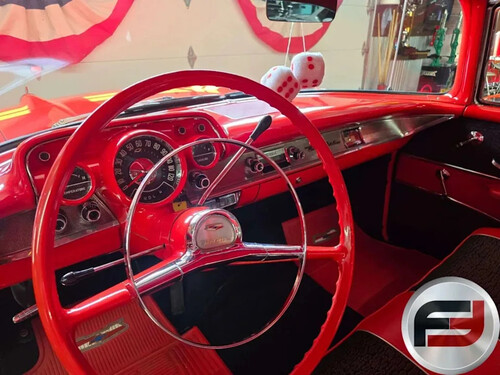
Owning a vintage car can be a rewarding experience, but a myriad of myths often clouds the decision-making process. Many potential owners are deterred by misconceptions that simply don’t hold up under scrutiny. Let’s explore and debunk some of these myths to provide a clearer picture of vintage car ownership. Vintage Cars Are Always Expensive to Maintain While it’s true that some vintage cars can be costly to maintain, this isn’t universally the case. Many vintage car owners find that maintenance costs are comparable to those of modern vehicles. Take the 1965 Ford Mustang, for example. With a simple engine design and widespread availability of parts, maintenance can be surprisingly affordable. Moreover, regular upkeep and preventative care can help avoid more costly repairs down the line. Additionally, many owners form communities and clubs where knowledge and resources are shared, helping to further reduce maintenance costs. These groups often provide access to discounts on parts and services, making the experience more manageable financially. Parts for Vintage Cars Are Impossible to Find A common belief is that parts for vintage cars are rare and difficult to source, but this isn’t always accurate. Many parts for popular models, such as the 1970 Chevrolet Chevelle, are readily available through specialized dealers and online platforms. The rise of the internet has made it easier than ever to locate rare components, sometimes even globally. Moreover, the aftermarket industry for vintage cars is thriving, with many manufacturers reproducing parts to original specifications. Enthusiasts can also access custom fabrication services for parts that are genuinely hard to find, ensuring that almost any vintage car can be kept running smoothly. Vintage Cars Are Not Reliable Reliability is often a concern for potential vintage car owners, but many older models are renowned for their durability. Vehicles like the 1967 Volkswagen Beetle are famous for their robust engineering and longevity. When properly maintained, these cars can be incredibly reliable, often outlasting some modern counterparts. It’s important to remember that regular maintenance and responsible driving habits play a crucial role in reliability. Many vintage car owners report that their vehicles are just as dependable as newer models when given the appropriate care and attention. All Vintage Cars Are Fuel Inefficient While it’s true that some vintage cars are less fuel-efficient than modern vehicles, this isn’t a blanket rule. Many cars from the past, such as the 1955 Citroën DS, were designed with fuel efficiency in mind, offering respectable mileage even by today’s standards. Some vintage models even outperform certain modern SUVs in terms of fuel economy. Owners can also explore modern upgrades to improve efficiency, such as tuning the engine or using modern fuel additives. These measures can significantly enhance the fuel economy of many vintage vehicles, making them more competitive with newer cars. Restoring a Vintage Car Is Too Time-Consuming Restoration can indeed be a time-consuming process, but it doesn’t have to be overwhelming. Many vintage car enthusiasts, such as those restoring a 1968 Dodge Charger, find the process to be a rewarding hobby rather than a chore. Breaking the project down into manageable stages can make it more approachable and enjoyable. Furthermore, there are professional restoration services available that can handle the work for those who lack the time or expertise. These services can complete full restorations or assist with specific tasks, allowing owners to enjoy their vintage cars without dedicating excessive personal time. Image Credit: Jeremy from Sydney, Australia, via Wikimedia Commons, CC BY 2.0 Only Experts Can Own Vintage Cars It’s a common misconception that only seasoned experts can own vintage cars. While knowledge is certainly beneficial, many people start their vintage car journey with little to no expertise. For example, first-time owners of a 1972 BMW 2002 often learn as they go, supported by the vast amount of resources and communities available. Enthusiasts and clubs often welcome newcomers, offering guidance and support. Online forums and tutorials provide valuable information for beginners, making vintage car ownership accessible to anyone with a passion for classic automobiles. Vintage Cars Lack Modern Safety Features While vintage cars may lack some of the advanced safety features found in modern vehicles, they aren’t inherently unsafe. Cars like the 1966 Volvo 122S were designed with safety in mind, featuring innovations such as seat belts and crumple zones. Many vintage models can be updated with modern safety equipment, such as seat belts and better lighting systems. It’s also worth noting that driving a vintage car often encourages safer driving habits, as owners tend to be more conscious of their vehicle’s limitations. This heightened awareness can lead to safer driving practices overall. Vintage Cars Are Bad for the Environment While vintage cars may not meet modern emissions standards, their environmental impact isn’t as significant as some believe. Many vintage cars, like the 1949 Morris Minor, are driven infrequently, resulting in a minimal overall carbon footprint. Additionally, their smaller size often means they consume less fuel compared to larger contemporary vehicles. Owners can also take steps to minimize their environmental impact by maintaining the engine for peak efficiency and using eco-friendly fuels. These measures can significantly reduce emissions, making vintage cars a more sustainable option than initially assumed. Driveability of Vintage Cars Is Poor Contrary to popular belief, many vintage cars offer a pleasurable driving experience. Models like the 1961 Jaguar E-Type are known for their excellent handling and performance, even by today’s standards. The tactile feedback and connection to the road often provide a unique driving satisfaction absent from modern vehicles. While they may lack some conveniences, such as power steering, the driving experience is often more engaging and rewarding. Many owners appreciate the simplicity and purity of driving a vintage car, which can offer a refreshing contrast to today’s technology-laden vehicles. Image Credit: Calreyn88, via Wikimedia Commons, CC BY-SA 4.0 Vintage Cars Devalue Over Time A common myth is that vintage cars lose value over time, but this isn’t necessarily true. Many vintage cars, such as the 1957 Chevrolet Bel Air, have appreciated significantly in value, often outpacing inflation and providing a solid investment return. The classic car market has shown strong resilience and growth over the years, with certain models becoming highly sought after. Factors such as rarity, condition, and historical significance can greatly influence a vintage car’s value, sometimes leading to substantial appreciation. For those considering vintage cars as an investment, research and understanding market trends are key. Insurance for Vintage Cars Is Outrageously Expensive Insurance for vintage cars doesn’t have to be prohibitively expensive. In many cases, it can be quite affordable, especially if the car is driven sparingly. Companies often offer specialized insurance policies for vintage vehicles, such as agreed value coverage, which can result in lower premiums compared to standard car insurance. For instance, owners of a 1974 Alfa Romeo Spider may find competitive insurance rates by working with insurers who understand the vintage car market. These policies often come with additional benefits, like coverage for restoration costs, making them a cost-effective choice for vintage car owners. Vintage Cars Are Only for Collectors and Enthusiasts While collectors and enthusiasts certainly appreciate vintage cars, they’re not the only ones who can own and enjoy them. Many people, including those new to the classic car scene, find joy in owning a piece of automotive history like a 1963 Porsche 356. The aesthetic appeal and unique driving experience are often enough to attract a wide range of owners. The market for vintage cars has diversified, with options available to suit different tastes and budgets. Whether it’s a project car or a fully restored classic, vintage cars can be enjoyed by anyone with an interest in classic automobiles. Like Fast Lane Only’s content? Be sure to follow us. Here’s more from us: Unboxing the WWII Jeep in a Crate The Fastest Farm Truck Ever Built *Created with AI assistance and editor review.