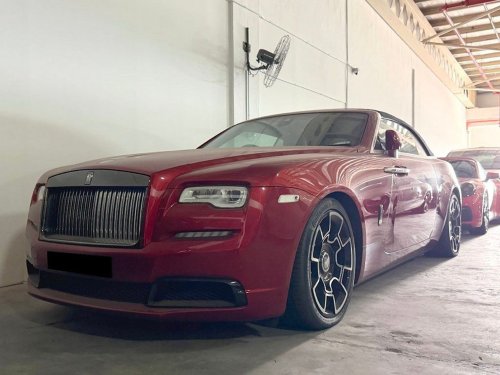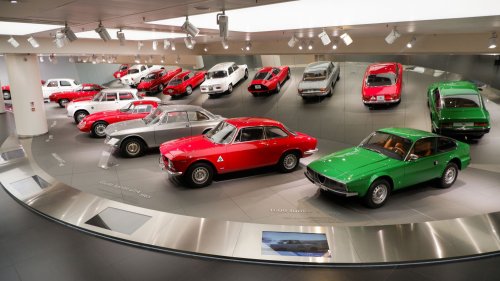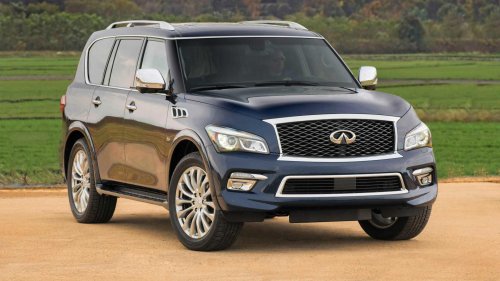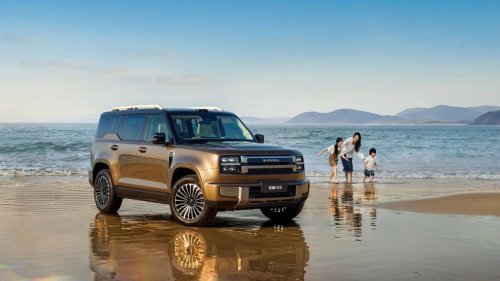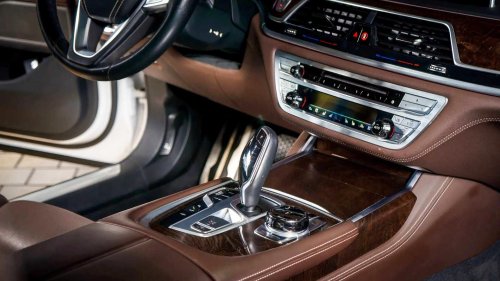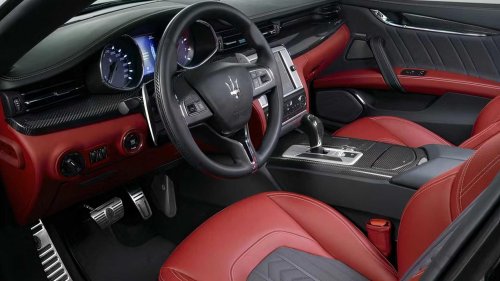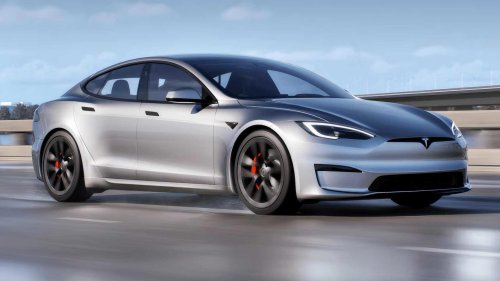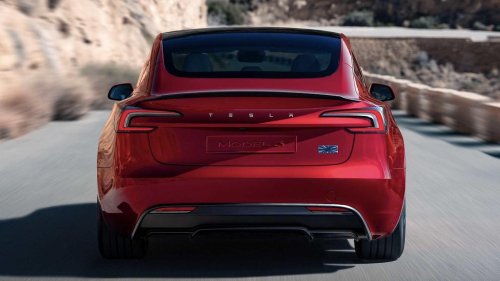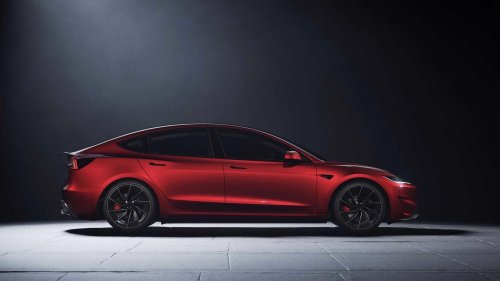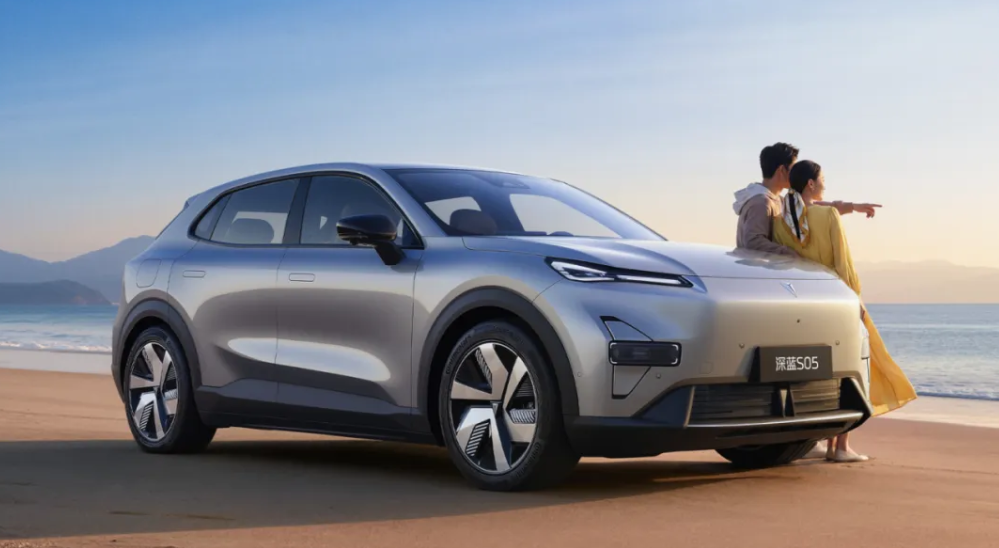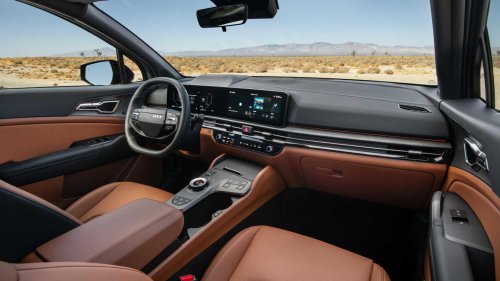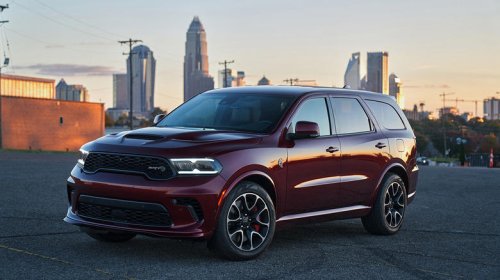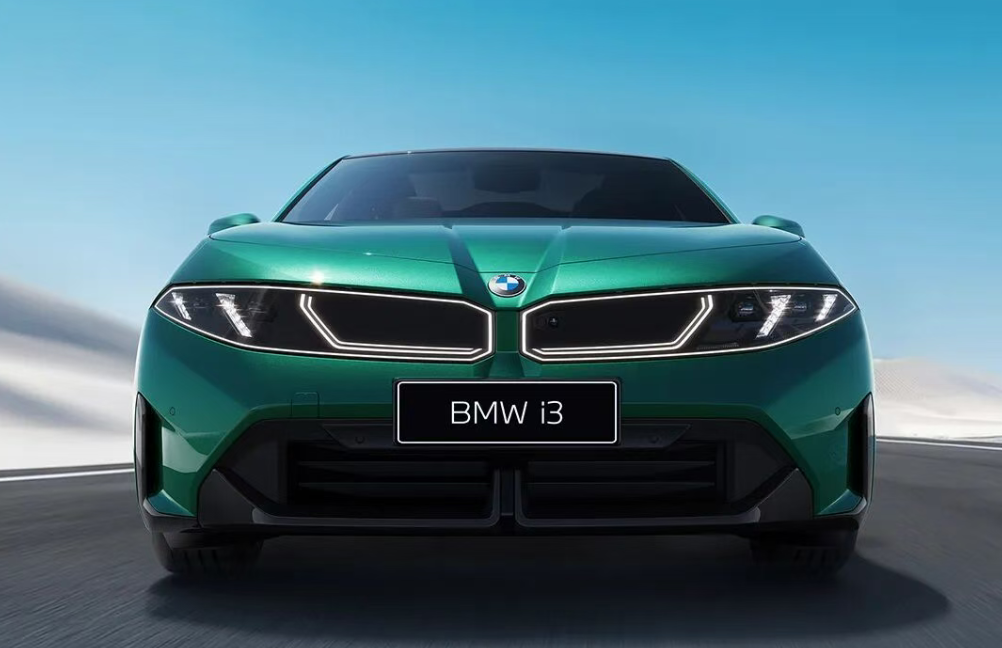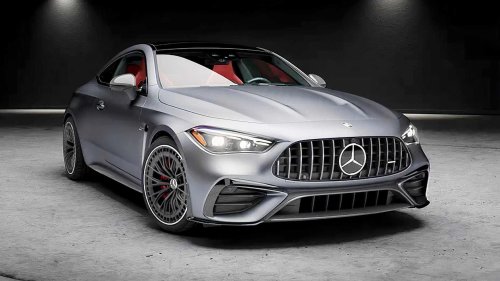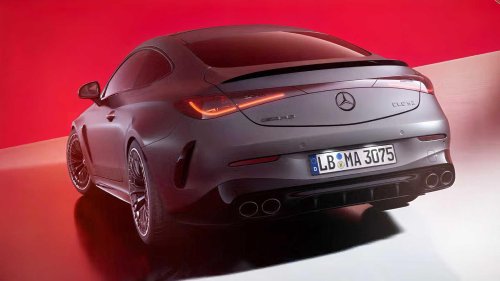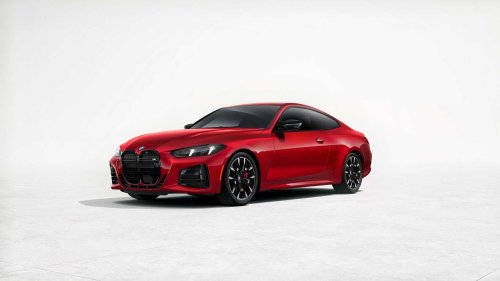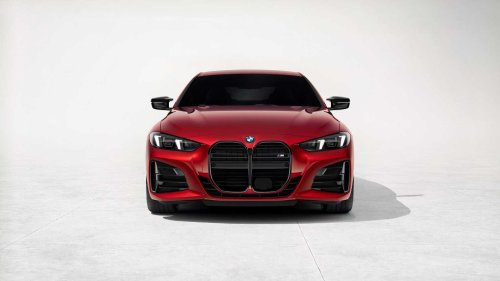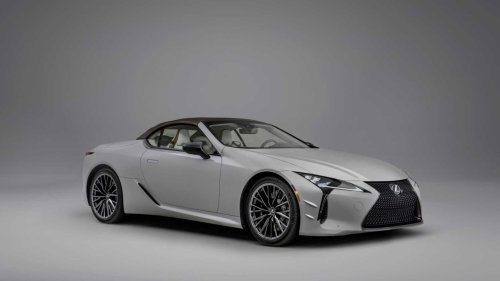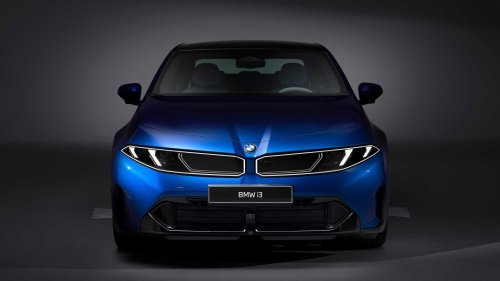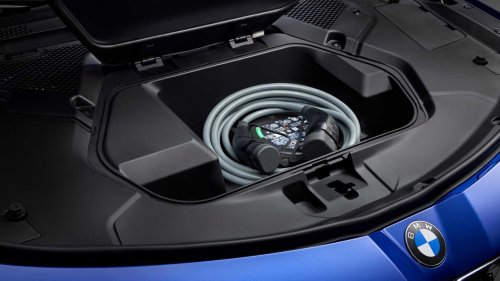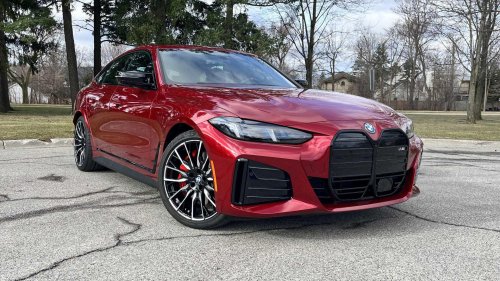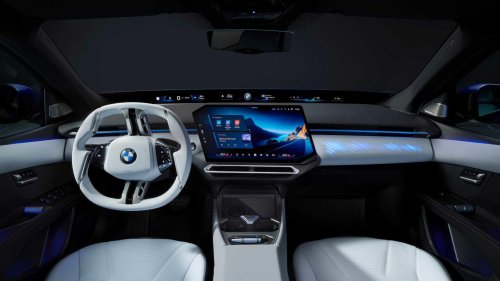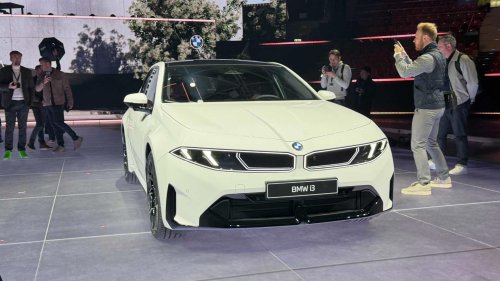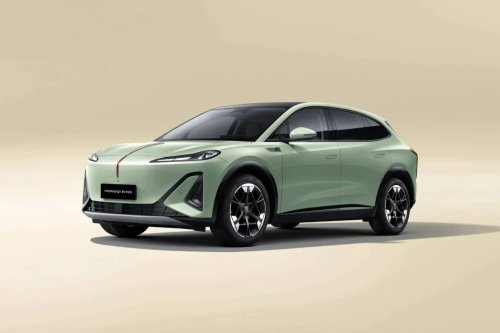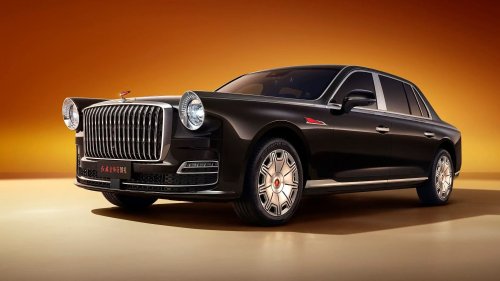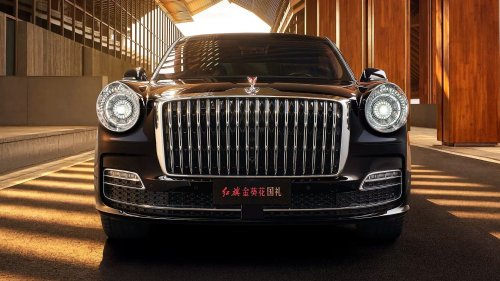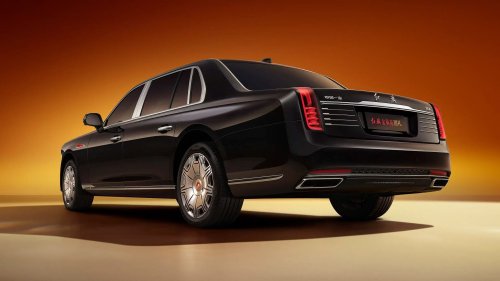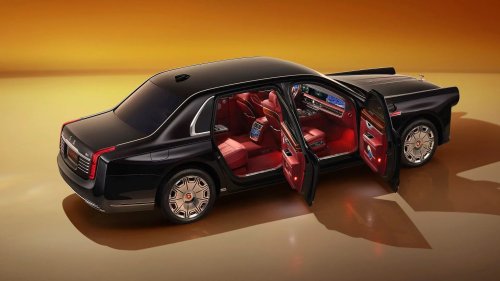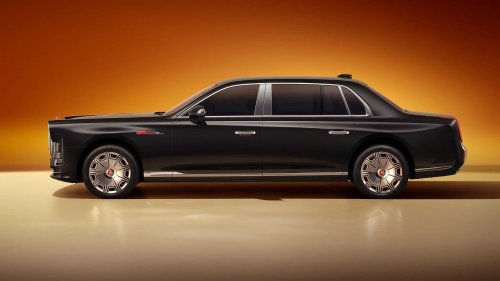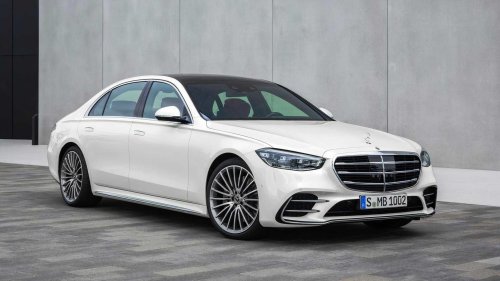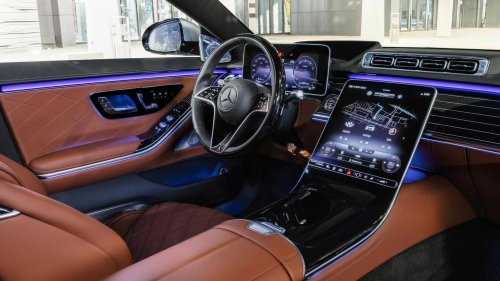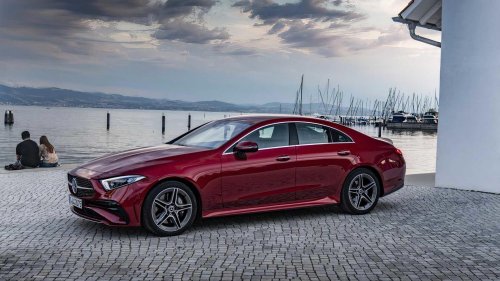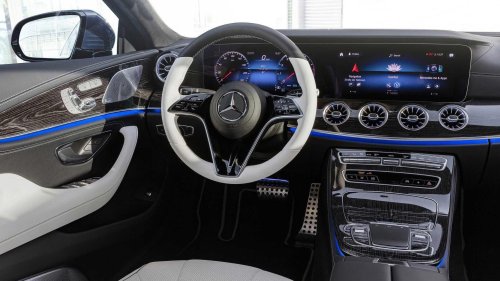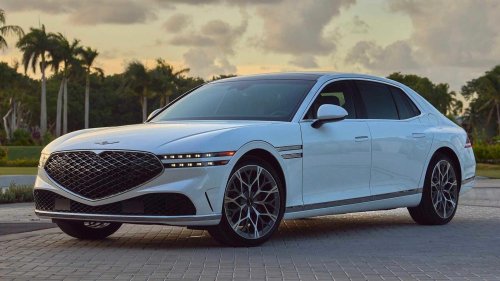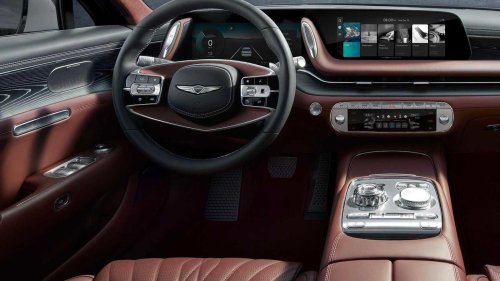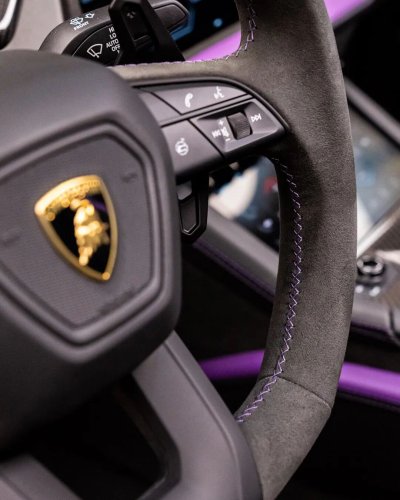
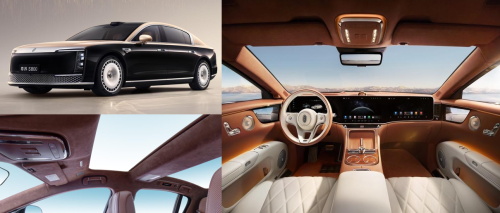
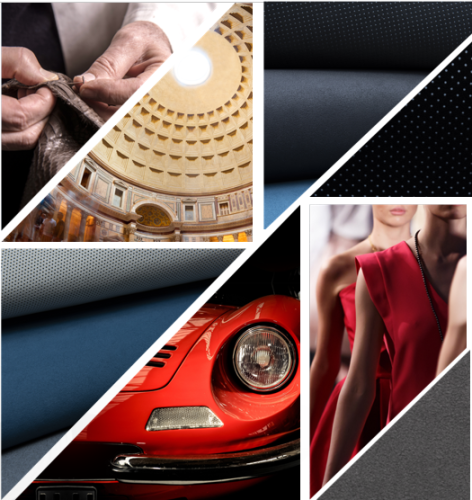

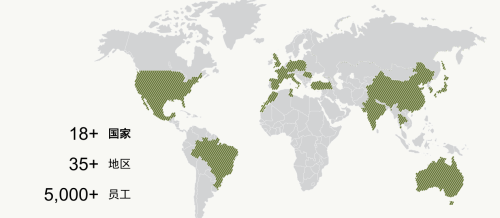



















Gasgoo Munich-For ultra-luxury automotive brands prioritizing user experience, an interior balancing sustainability, aesthetics, and durability is often the "invisible yardstick" for vehicle success.In the Lamborghini Temerario, the center console features warm suede, while the Bentley Flying Spur offers enveloping seat comfort.These "subtle textures in direct contact with the skin" are not accidental. They almost all trace back to the same low-profile giant: Sage Automotive Interiors.Powered by its core brands Dinamica® and Artisyn®, Sage Automotive Interiors has expanded globally, supplying interior materials for nearly every luxury and premium automotive brand.How exactly did this "behind-the-scenes giant" build such a strong competitive moat in the realm of new automotive interior materials?From "Functional Zone" to "Third Space": The Golden Age of Auto InteriorsThe rise of any supplier is inextricably linked to the broader currents of its industry.Sage's emergence perfectly coincided with the historical pivot of car interiors from functional zones to third living spaces.综合国际能源署与中汽协的预测,2026年全球新能源汽车销量将突破2700万辆,其中中国市场贡献约1900万辆,占比70%。而新能源与智能座舱的深度融合,正促使主机厂将整车内饰从“包裹骨架的附件”重新定义为家庭与办公室之外的“第三生活空间”。This shift is driven by three factors.First, weight reduction: For battery-electric vehicles, every 10-kg reduction directly increases range, giving microfiber suede a clear advantage over traditional leather and heavy fabrics. Second, consumer upgrades: Chinese buyers have become increasingly demanding regarding interior materials, colors, and textures, making personalization and luxury key decision factors. Finally, strict policy mandates: A joint action plan from seven government ministries explicitly encourages the widespread use of recycled plastics in auto interiors and exteriors, positioning China at the forefront among major global economies.Together, weight reduction, personalization, and environmental compliance are rapidly increasing the adoption rate of premium microfiber suede interiors.According to QYResearch, global sales of automotive suede materials reached 4.353 billion CNY in 2025 and are projected to reach 6.20 billion CNY by 2032, representing a compound annual growth rate (CAGR) of 5.2% from 2026 to 2032.Leveraging over 70 years of industry expertise and forward-looking investments, Sage has emerged as a key beneficiary of this industry trend.In the premium segment, Sage's high-end suede covers interior applications for nearly every luxury and high-end brand. In China alone, it serves more than 40 joint ventures, domestic marques, and new energy vehicle lines. This sweeping coverage — spanning ultra-luxury, luxury, and mainstream EVs — provides Sage with extensive production validation data and rigorous quality feedback loops. These are proprietary assets that competitors cannot match in the short term.Regarding personalization and customization, Sage relies on a global design team of over 100. This is not merely a support group of stylists; driven by consumer trend insights, the team provides comprehensive design services spanning color, texture, and functionality.Sustainability and weight reduction form Sage's strongest advantage. The company was an early adopter of recycled materials, and its suede lines use recycled inputs and water-based processes to outperform competitors in both touch and eco-friendliness. All Dinamica production relies entirely on water-based processes, avoiding organic solvents and reducing the carbon footprint and emissions across the product lifecycle. Its parent, Asahi Kasei Group, controls the entire product lifecycle, ensuring that every supply chain link meets top global green manufacturing standards. Sage's Wuhan plant is certified as a national green factory by China's Ministry of Industry and Information Technology.On this foundation, Sage has introduced a product portfolio featuring materials with 37% to 90% recycled content. These materials combine lightweight properties with high comfort, meeting the dual demands of EV weight reduction and an upgraded ride experience.Today, Sage holds a domestic market share of over 30%, and a global share exceeding 60%.These figures point to a clear conclusion: as auto interiors transition from functional components to experiential ones, Sage has secured a central market position.Sweeping the Global Luxury Market: Market Share Dominance from Lamborghini to MaextroExamining Sage's client list reveals a ranking of the world's top automotive brands.As the world's largest interior textile manufacturer, Sage holds over 50% market share in Europe and the Americas, with a client base including mainstream and ultra-luxury automotive groups worldwide.In the ultra-luxury segment, Volkswagen Group's Lamborghini, Bentley, and Porsche all use Dinamica® materials, covering seats, headliners, door panels, steering wheels, pillars, and even dust covers.Image source: Automaker official websitesAmong German premium marques, Dinamica® appears across Mercedes-Benz's entire lineup — from the A-Class to the S-Class, EQA to EQS, and AMG performance models — as well as Audi's A/Q/e-tron series, BMW's iX, and the Mini range. Jaguar Land Rover's Defender and Range Rover are also on the list.In China, the client list is equally impressive: Huawei HIMA's Maextro and AITO, Geely's ZEEKR and Lynk & Co, SAIC's MG, Great Wall Motor's Wey, along with Hongqi, AVATR, and Dongfeng's M-Hero and VOYAH, have all integrated Sage's Dinamica® throughout — from headliners to seats, door panels to pillars.Image source: Automaker official websitesThese partnerships extend beyond simple supplier transactions. For ultra-luxury brands, the choice of interior material directly defines brand identity and user experience.Dinamica® has become the de facto standard by relying on three core strengths that cannot be easily replicated.Image source: Sage Automotive InteriorsFirst is the technical advantage of a "three-layer structure." Dinamica® uses a spunlace nonwoven micro three-layer structure: the surface, base fabric, and back layer handle touch, physical stability, and wrapping adaptability, respectively. This structure allows the material to maintain a fine suede texture while delivering excellent tensile strength and dimensional stability. A specialized material for sunroof roller blinds, developed from this structure, addresses indentation and visual defects caused by long plush — a persistent industry challenge.Second is a tiered product portfolio based on recycled content. Ranging from 37% to 90% recycled material, Sage offers tailored sustainability solutions for vehicles of different market positions.Third is the "highest tier" of safety and health certifications. All of Sage's Dinamica® suede products carry the OEKO-TEX STANDARD 100 Class I certification for infants — one of the strictest benchmarks for harmful substances in textiles, screening hundreds of indicators including formaldehyde, heavy metals, and allergenic dyes to the standard of baby clothing. In China, where consumers are increasingly sensitive to in-cabin air quality, this certification is becoming a standard requirement rather than a premium feature.While Dinamica® caters to million-dollar luxury cars, Artisyn® brings a luxury suede interior experience to the 200,000 to 400,000 CNY price range — the core of the intense competition in China's EV market.Artisyn® is positioned for superior cost-performance, suitable for nearly all interior applications, and supports the layering of various surface design techniques. Moreover, Artisyn® boasts extensive mature mass-production experience in China, ensuring a highly competitive cost advantage. It has become the preferred choice for EV brands seeking high quality on moderate budgets.Image source: Automaker official websitesIn production, Artisyn® has been applied at scale across several high-volume EVs — including the XPENG X9, GX, P7, P7+, G6, and G9; the ZEEKR 007 and 7X; and the Lynk & Co 900 — covering core areas like headliners, pillars, and seats. Meanwhile, mainstream models from domestic brands like Chery, Dongfeng, and Great Wall also use Artisyn® extensively.East Meets West: Italian Aesthetics Layered with Chinese Speed and Global ScaleIf Dinamica® and Artisyn® are the spears Sage uses to conquer the market, its worldwide manufacturing and supply network is the foundation underpinning this interior revolution — creating a solid base that blends Italian aesthetic heritage, Chinese manufacturing efficiency, and global delivery breadth.The basis of this foundation is a truly global network.A wholly-owned subsidiary of Asahi Kasei, Sage Automotive Interiors Group reports consolidated revenue of over $1 billion. It operates more than 35 production bases and operational nodes across 18 countries, employing over 5,000 people. Headquartered in the U.S. with an R&D center, the company coordinates with design and R&D hubs in France, Italy, Germany, and Japan, while relying on manufacturing bases in Mexico, Brazil, the Czech Republic, and Poland to cover North America, South America, and Europe. Across the world's major auto production and sales regions, Sage maintains a leading market share.Image source: Sage Automotive InteriorsThat its client base includes the world's top ten mainstream and ultra-luxury automotive groups speaks volumes. This is not just an order book; it means Sage must simultaneously satisfy the rigorous standards of German precision manufacturing, the exacting demands of Italian design aesthetics, the durability requirements of the U.S. market, and the demand for speed from Chinese EV startups.Managing these four requirements with ease is, in itself, a formidable competitive barrier.Within this global network, China plays a distinctly critical role. It is far more than a major market; it is rapidly evolving into Sage's most efficient, responsive, and cost-effective manufacturing and innovation engine.Sage Wuhan, the company's first joint venture in China, has built vertically integrated capabilities spanning interior material production, compounding, surface design, cutting, and sewing. Working in tandem are the robust R&D and design resources located at co-creation centers in Shanghai and Shenzhen, along with a collaborative network linking more than 10 manufacturing bases across multiple Chinese cities.It is this deep "full-chain localization" that has allowed Sage to succeed across the Chinese market, serving over 40 joint venture, domestic, and EV brands. Whether it is a localized model from a traditional luxury brand or a new energy startup, both can find matching resources and capabilities within Sage's Chinese footprint.Even more strategically, the experience gained in China is now flowing back to empower the rest of the world.Serving Chinese EV startups, Sage faces the world's most intense product development speed. China's new vehicle development cycle has shortened from about 54 months in the ICE era to 24 months, with some companies targeting just 18. This pressure has fostered a unique combination of capabilities: more agile design response, more flexible small-batch customization, and stricter cost control in mass production.Today, this methodology of "speed" and "efficiency," honed in the Chinese market, is feeding back into Sage's overseas plants through its global network.When classic Italian aesthetics meet Chinese speed, and when global scale advantages layer on top of localized, flexible responses, what Sage possesses is no longer just brand strength, but a systemic competitiveness that bridges Eastern and Western markets — and is nearly impossible to replicate.This is the definition of a "hidden champion": not seeking publicity, yet achieving widespread adoption in the global automotive industry with every touch.