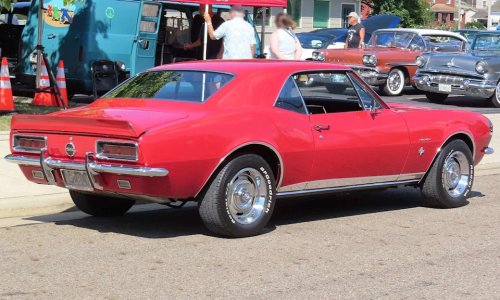
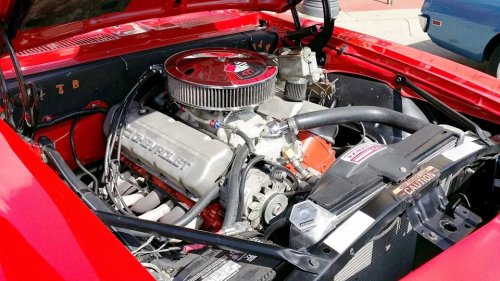
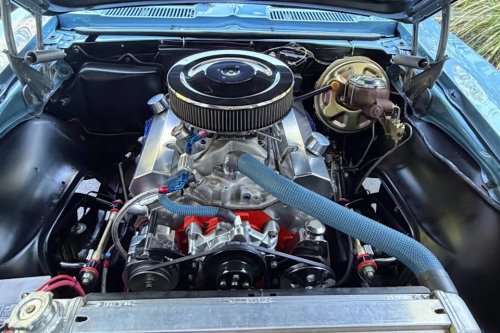
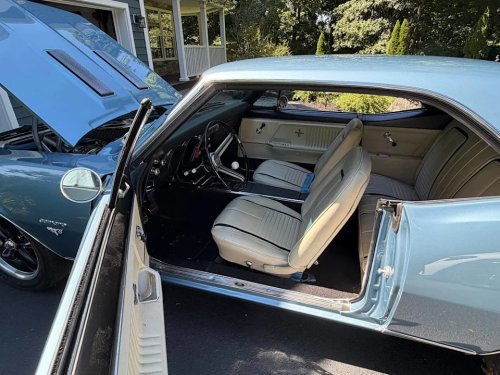
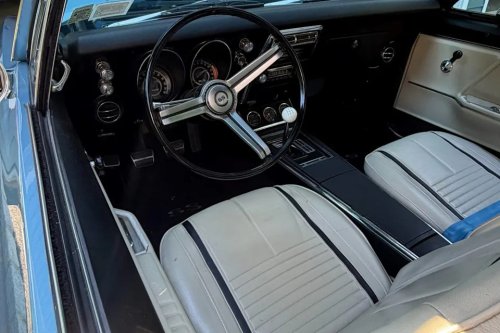
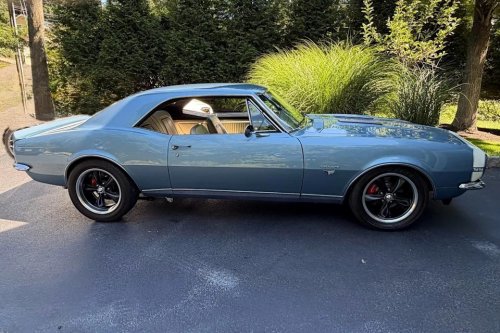
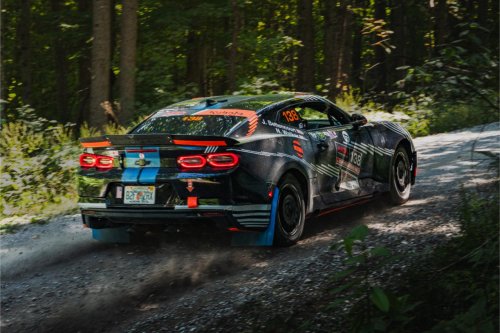
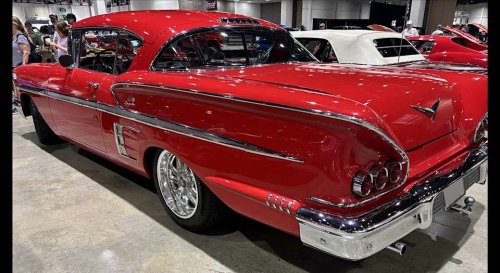
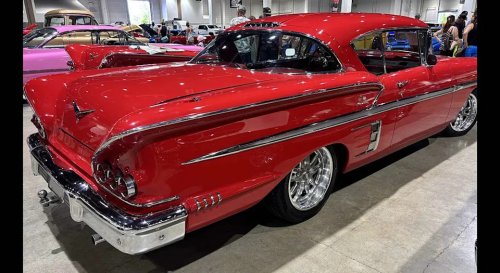
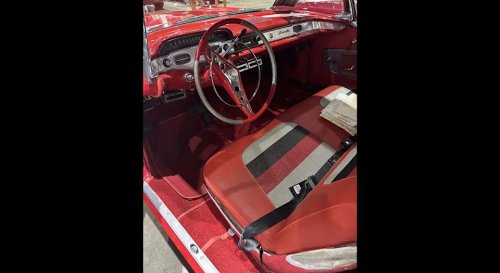
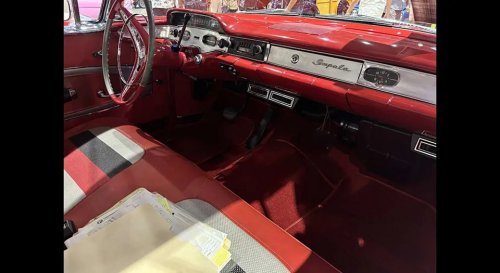
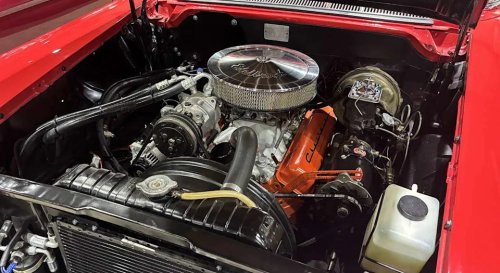
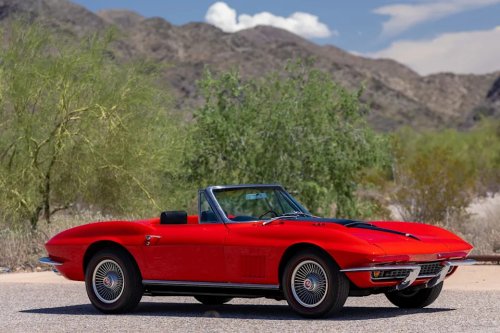
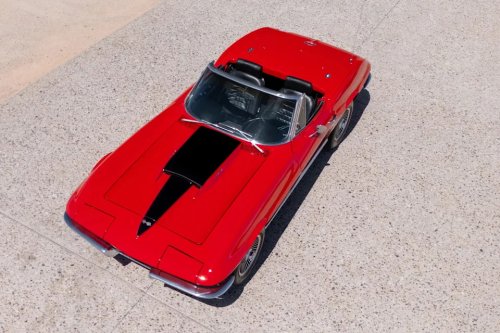
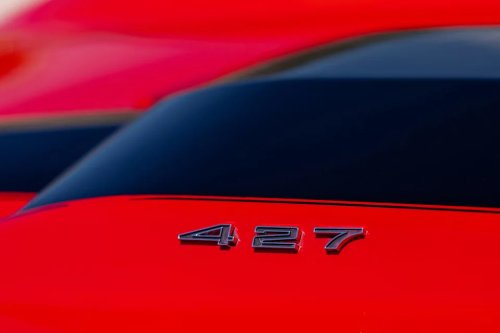
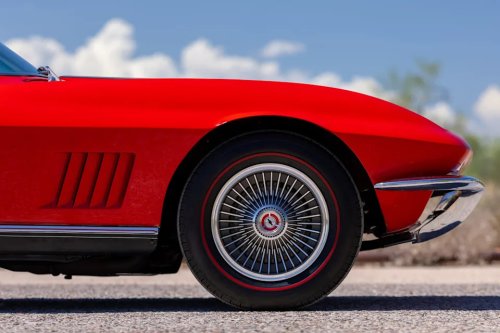
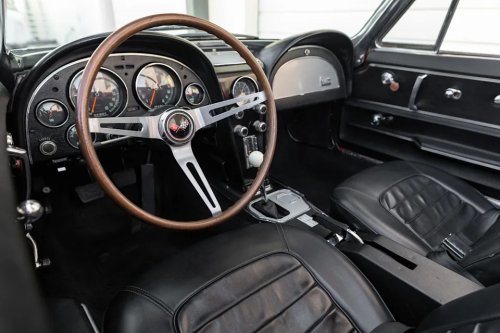
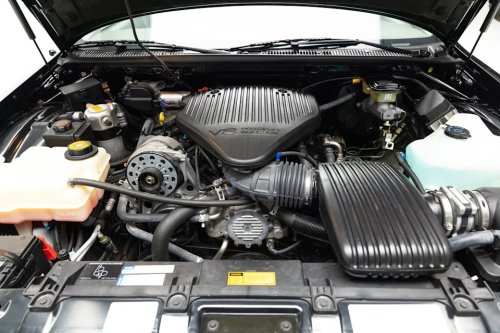
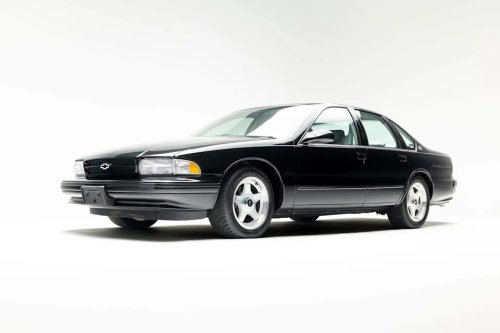
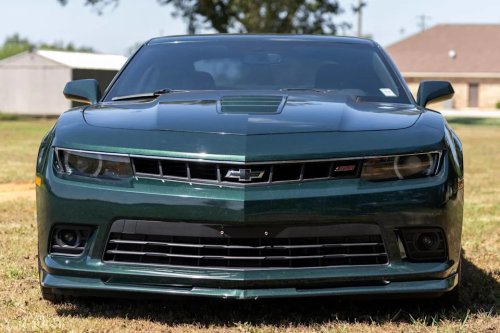
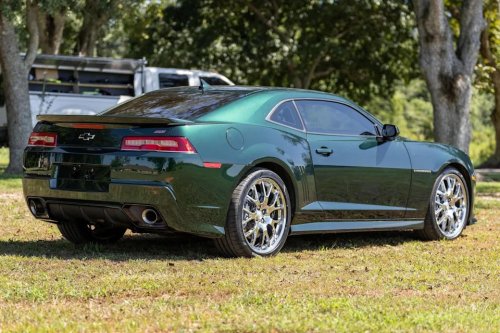
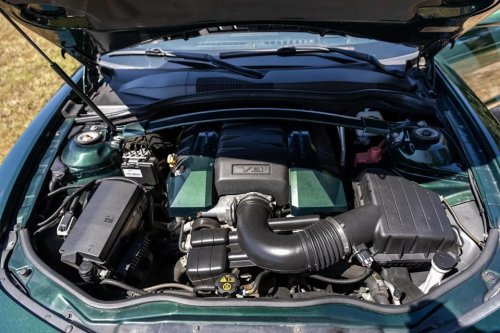
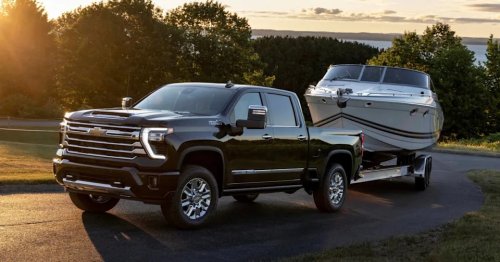
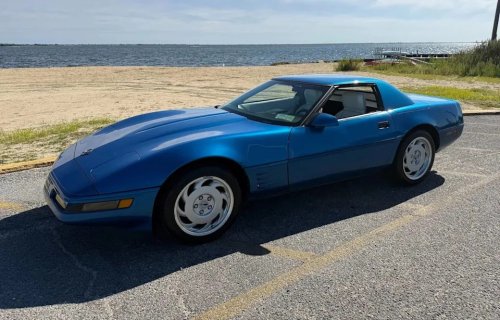
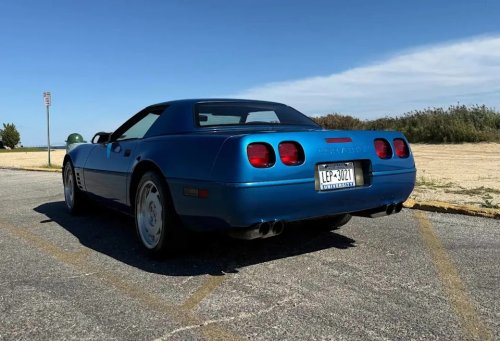
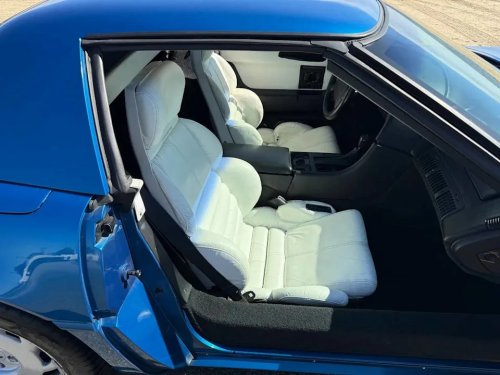
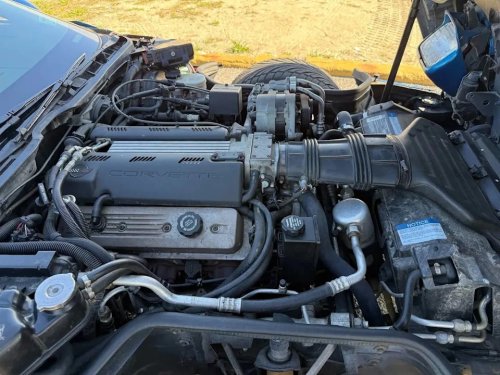
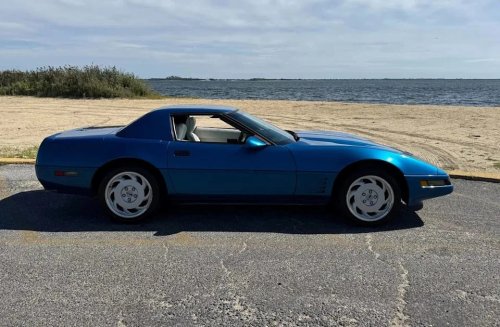
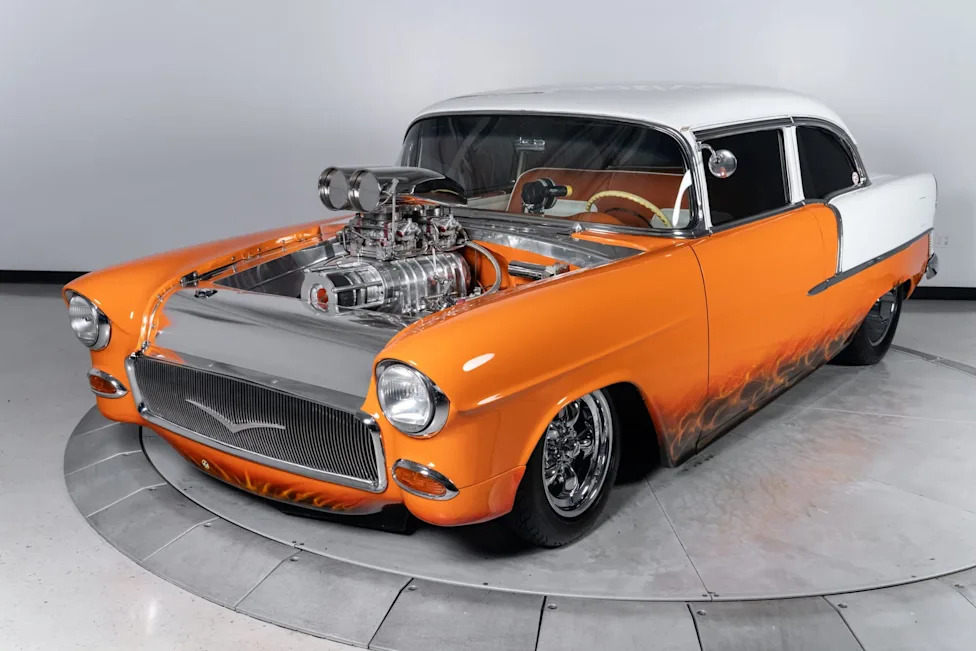
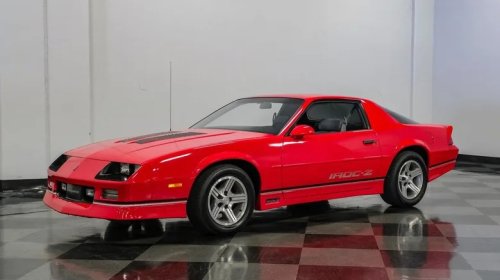
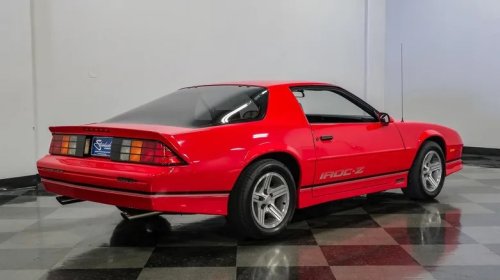
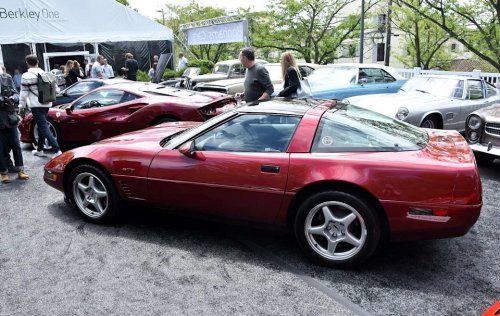
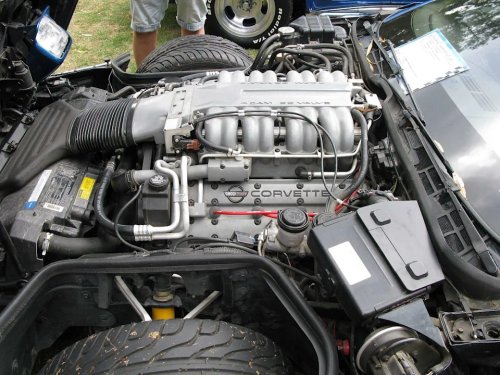
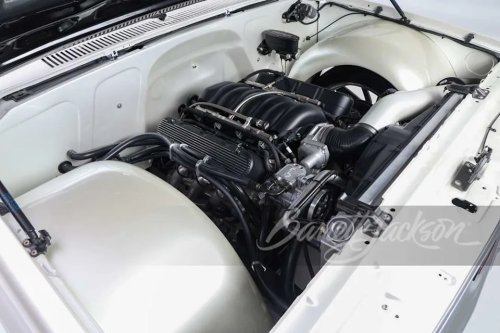
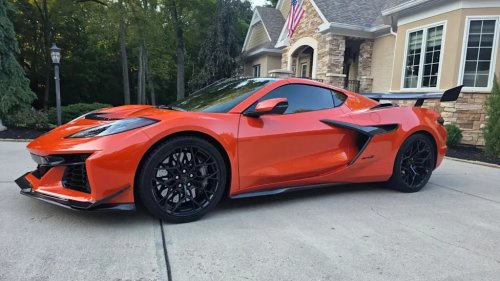
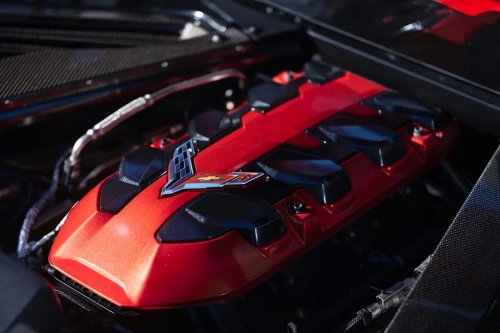
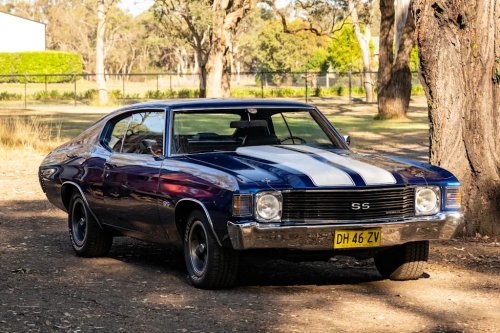
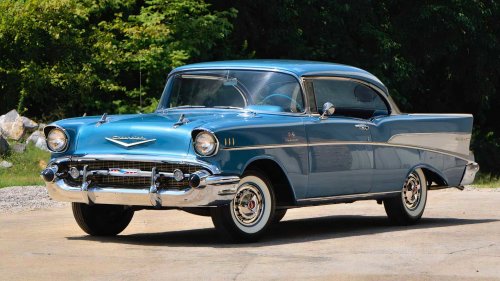
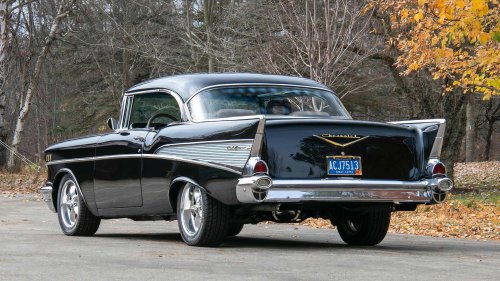
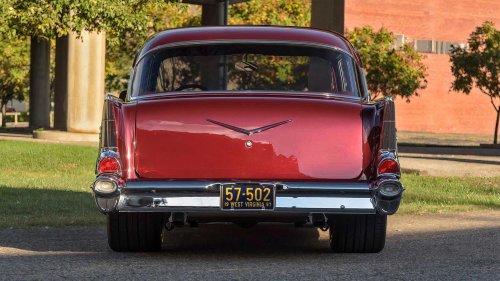
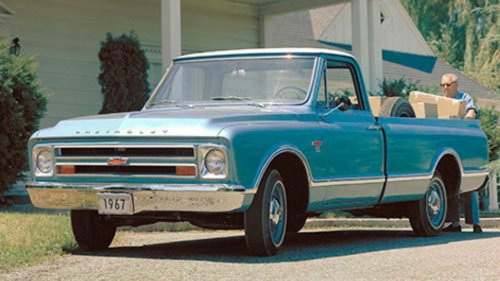
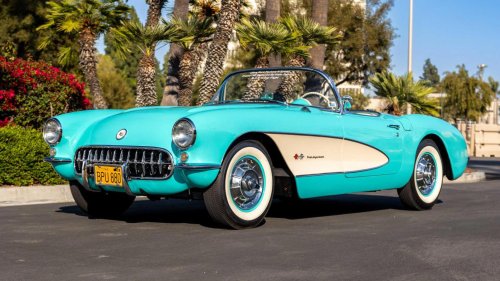
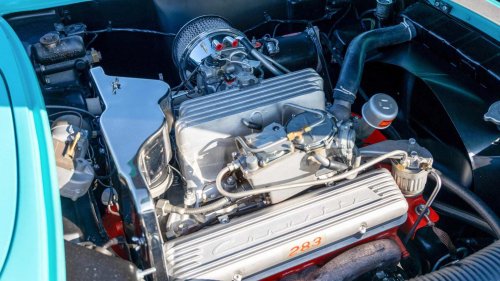
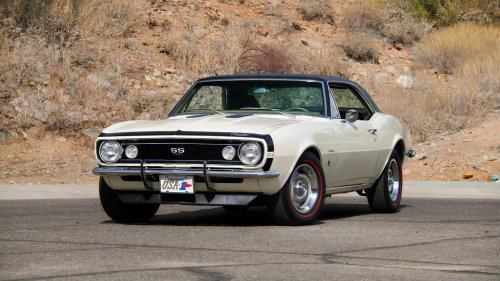
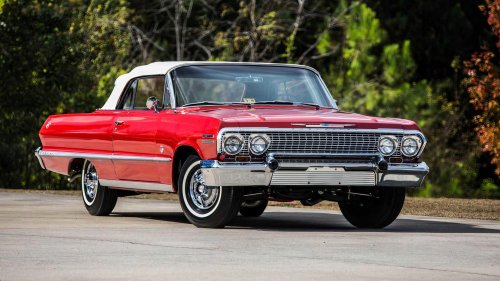
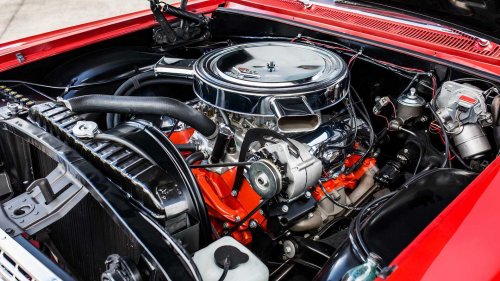
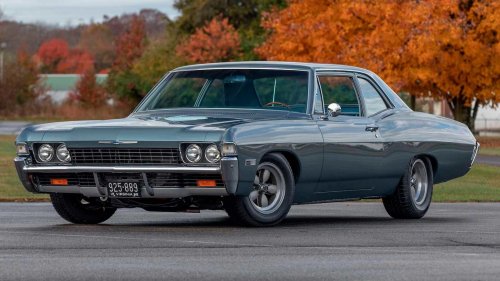
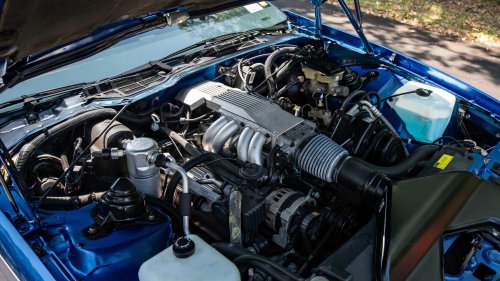
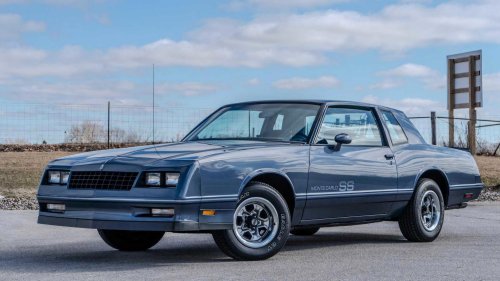
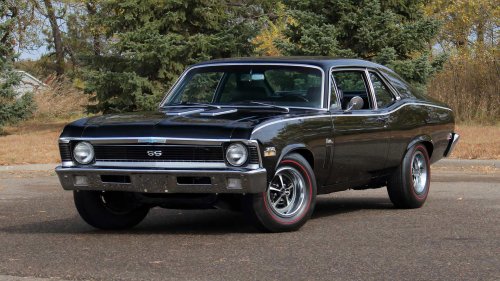
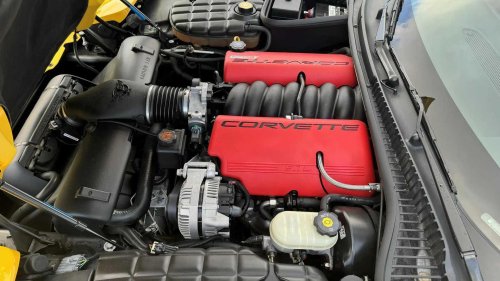
Few mechanical creations have shaped American car culture as profoundly as Chevrolet’s small-block V8. Introduced in 1955, it arrived at the perfect intersection of postwar optimism, mass mobility, and a growing appetite for affordable performance. At a time when V8 power was often heavy, expensive, and reserved for luxury cars, Chevrolet delivered something radically different: a compact, lightweight, and relatively inexpensive engine that could be built in huge numbers and tuned to suit almost any purpose.The small-block didn’t just power cars; it powered ambition. It became the backbone of drag racing, NASCAR, hot rodding, and eventually the modern performance aftermarket. It found homes in family sedans, workaday pickups, sports cars, and even boats, earning a reputation for durability and flexibility that few engines in history can match. More than a specific displacement or casting number, the small-block V8 became an idea: that performance should be accessible, fixable, and endlessly upgradeable. That philosophy is why, seven decades later, it’s still spoken of not just as an engine, but as America’s engine. Mass Production Meets Affordability: Putting V-8 Power Within Reach MecumChevrolet’s genius with the small-block V-8 wasn’t simply engineering brilliance; it was manufacturing discipline. From day one, the engine was designed with mass production in mind, using thin-wall casting techniques that reduced weight, material costs, and machining time. This allowed Chevrolet to build millions of engines efficiently while keeping prices low enough for everyday buyers, not just enthusiasts with deep pockets.MecumIn the mid-1950s, rival V-8s were often large, heavy, and expensive to own and maintain. Chevrolet flipped that script. A 265-cubic-inch V-8 could be optioned into mainstream models like the Bel Air at a price point that felt attainable. Suddenly, smooth V-8 power wasn’t a luxury; it was a checkbox on an order form. This democratization of performance reshaped buyer expectations across the industry.Mecum Affordability also extended beyond the showroom. Parts were plentiful, repairs were straightforward, and mechanics everywhere quickly became fluent in small-block architecture. Owning a V8 no longer meant fearing repair bills or rare components. It meant you could drive hard, fix it cheaply, and keep going, an ethos that resonated deeply with American motorists. The Engine That Fueled Drag Strips, Stock Cars, And Street Legends Chevrolet Media If mass production put the small-block into driveways, motorsport cemented its legend. From grassroots drag strips to professional stock car racing, the Chevrolet small-block became the default choice for racers chasing speed on a budget. Its compact dimensions made it easy to swap into almost anything, while its strong bottom end tolerated abuse that would scatter lesser engines across the track.Bring a Trailer Drag racers quickly discovered how receptive the small-block was to modification. Better carburetion, hotter cams, and higher compression each delivered tangible gains. The engine’s willingness to rev and respond turned it into the foundation of countless quarter-mile legends, many built in backyard garages rather than factory race shops. The Small-Block Earns Respect In Motorsports Bring a Trailer In NASCAR and other oval racing disciplines, the small-block’s reliability under sustained high-RPM operation made it invaluable. Wins piled up, reputations were forged, and Chevrolet’s presence in American motorsport became inseparable from the sound of a high-winding V8. Even on the street, the small-block powered icons of the muscle car era gave everyday drivers a taste of race-bred performance. Why The Small-Block’s Simple Architecture Made It Infinitely Adaptable Mecum At its core, the small-block V-8 succeeded because it was simple, and intentionally so. A traditional pushrod valvetrain, compact block dimensions, and a straightforward oiling system made it easy to understand, easy to service, and easy to improve. There was no unnecessary complexity to scare off tuners or inflate production costs.Mecum That simplicity created an unmatched level of adaptability. The same basic architecture could support mild grocery-getter tunes, or full-race builds making four times the original output. Over time, displacements grew, cylinder heads evolved, and fuel delivery moved from carburetors to fuel injection, yet the underlying formula remained familiar. The Freedom To Customize With Confidence Mecum This consistency fueled an aftermarket ecosystem unlike anything else in automotive history. Camshafts, heads, intakes, rotating assemblies—everything became modular. Builders could mix and match components across decades. The small-block didn’t lock owners into a specific era of technology; it invited experimentation. That flexibility is why it became the universal V8 platform for generations of enthusiasts. From Bel Airs To Corvettes: How One Engine Family Powered Everything Mecum One of the small block's most remarkable achievements was its sheer versatility across Chevrolet’s lineup. In the same decade, variations of the engine powered humble sedans, light-duty trucks, and world-class sports cars. Few engines can claim to have been equally at home in a family cruiser and a track-ready Corvette. A Versatile Feat Of Engineering Bring A Trailer In cars like the Bel Air and Impala, the small-block delivered smooth, reliable torque that suited daily driving. In pickup trucks, it provided durability and pulling power without excessive weight. Meanwhile, in the Corvette, the engine evolved into a high-performance centerpiece, pushing the limits of American sports car credibility on the global stage.Mecum This cross-segment dominance reinforced the small block’s cultural status. Owners recognized that they were sharing DNA with performance icons, regardless of what they drove. Chevrolet wasn’t building different engines for different customers; it was refining one exceptional engine family to meet countless needs. That unity helped turn the small block into a symbol of brand identity as much as mechanical excellence. How Continuous Refinement Kept The Small-Block Relevant Across Generations Bring A Trailer Unlike many legendary engines that burned brightly and faded, the small-block endured through constant, thoughtful evolution. Chevrolet never treated it as a finished product. Instead, it became a rolling development program, with improvements in materials, manufacturing tolerances, and technology layered on generation after generation.Mecum Displacements grew from the original 265 to the beloved 350 and beyond. Aluminum heads reduced weight, roller camshafts improved efficiency and durability, and electronic fuel injection brought modern drivability. Even as emissions regulations tightened, the small-block adapted without losing its character. It remained powerful, responsive, and relatively simple compared to many rivals. Modern Engineering That Stays True To The Mission Bring A Trailer The transition to the modern LS-based architecture in the late 1990s proved the philosophy still worked. While technically a new family, the LS carried the same core values: compact packaging, pushrod efficiency, and immense tuning potential. This continuity ensured the small-block legacy didn’t end; it evolved, staying relevant in an era of advanced electronics and global competition.Sources: Hotrod.com, GM




















 +11 others