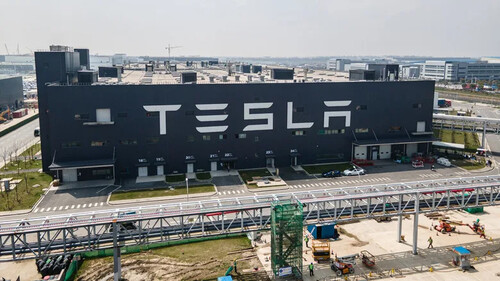
Global EV Sales Hit 4 Million in Q1 2026 as Regional Growth DivergesElectric vehicles just cleared another symbolic hurdle. Global sales reached roughly 4 million units in the first quarter of 2026, extending a multi‑year expansion even as growth patterns began to diverge sharply between regions. The milestone caps a run in which battery‑powered cars moved from niche to mainstream, while also exposing how policy shifts, price wars, and charging gaps are pulling the market in different directions. Behind the headline number lies a more complicated story. Some markets are cooling after years of subsidies and early‑adopter enthusiasm, while others are only now entering a period of rapid take‑off. Automakers, battery suppliers, and commodity producers are all trying to read these cross‑currents as they decide where to invest and how fast to scale. What happened Global electric vehicle sales built on a strong 2025, when battery electric and plug‑in hybrid deliveries reached 20.7 million units worldwide and grew by 20 percent compared with the previous year. That full‑year tally, reported by global EV data, set the stage for roughly 4 million additional vehicles in the first quarter of 2026, implying that electric models now account for a significant share of new car registrations in many large markets. The momentum, however, is no longer uniform. In January 2026, global EV registrations fell by 3 percent year on year as several major markets adjusted or scaled back incentives. Data compiled by IndexBox analysts show that the decline was concentrated in countries that had previously relied on generous purchase subsidies and tax breaks, which pulled demand forward in earlier years. That pullback contrasts with the longer trend. Earlier industry tallies showed worldwide plug‑in sales surging past 7 million units annually when the market first broke into double‑digit share of new car sales. Those early figures, highlighted in industry reporting, marked the transition from early adopters to a broader mass‑market phase. Since then, volumes have nearly tripled, but the mix has shifted toward more price‑sensitive buyers and fleet operators who react quickly to changes in total cost of ownership. Manufacturers at the center of the EV boom are feeling that shift in real time. Tesla remains one of the most closely watched players, with statistics compiled by independent trackers showing how its global deliveries, regional market share, and average selling prices have evolved as competition intensified. Recent Tesla statistics underline that the company still moves large volumes of Model 3 and Model Y, but faces slower growth in some mature markets and rising pressure from lower‑priced rivals in others. Regional patterns tell the rest of the story. In China, a combination of aggressive domestic competition, extensive charging infrastructure, and local production of batteries has kept EV sales high even as some subsidies tapered. Chinese brands have pushed into smaller cities and lower price bands, which helped sustain volume in early 2026. In Europe, by contrast, new registrations softened as governments tightened eligibility for purchase incentives and some buyers delayed orders ahead of upcoming model launches and regulatory changes. North America sits somewhere in between. The United States and Canada are still adding EV volume, helped by tax credits and a growing roster of models, but growth has slowed from its earlier breakneck pace. Charging access outside major metropolitan areas remains uneven, and some buyers have shifted back toward hybrids as a perceived compromise between range confidence and fuel savings. Why it matters The split between strong global totals and patchier month‑to‑month momentum matters for several reasons. First, it affects how automakers plan capital spending. A market that grows 20 percent in one year, as global EV sales did in 2025, then shows a 3 percent dip in registrations at the start of 2026, sends mixed signals about how quickly to add factory capacity. Companies that ramp too slowly risk losing share to more aggressive rivals, while those that build too fast could be left with underused plants if policy support fades. Second, the pattern shapes demand for batteries and the raw materials that feed them. Lithium producers, for example, are watching EV growth curves closely as they weigh new projects and expansions. Forecasts compiled in a recent lithium forecast highlight how expectations for EV penetration directly influence price projections for lithium carbonate and hydroxide. If EV sales keep climbing from 20.7 million units in 2025 toward a significantly higher figure in 2026, even with quarterly bumps, the market will need sustained investment in new mines, refining capacity, and recycling. Third, the divergence exposes which policy tools are most effective at sustaining adoption once early subsidies fade. Markets that combined time‑limited purchase incentives with long‑term measures such as fuel economy standards, congestion pricing, and zero‑emission zones tend to maintain EV demand even as direct support is reduced. Where incentives were more generous but less predictable, buyers rushed to take advantage, then pulled back when programs changed, contributing to the January 2026 dip in registrations. The stakes extend far beyond the car industry. Governments that have tied climate targets to rapid electrification of road transport are relying on continued growth in EV sales to cut emissions from passenger vehicles. If the global market stalls or slows sharply, those plans become harder to achieve without additional measures such as stricter combustion engine regulations or higher carbon prices. The fact that global sales still reached around 4 million in the first quarter of 2026 suggests that the transition is moving forward, but the pace is no longer guaranteed. Consumers are also starting to feel the consequences of the shift from early adopter to mass market. Price cuts on some popular models, especially in China and Europe, have made EVs more competitive with internal combustion cars on purchase price as well as running costs. At the same time, concerns about residual values have grown in some regions, particularly where rapid improvements in battery technology and intense discounting have driven down used EV prices. That volatility can make buyers more cautious, especially those who rely on financing and worry about trade‑in values. For suppliers, the new phase of the market raises questions about technology bets. Battery makers must decide how quickly to shift from nickel‑rich chemistries toward cheaper lithium iron phosphate or even sodium‑ion cells for entry‑level models. Charging companies are weighing whether to focus on high‑power highway corridors, slower urban charging, or depot solutions for fleets. Each of those choices depends on where the next wave of EV demand is likely to emerge and how stable that demand will be. Investors, meanwhile, are reassessing risk. When global EV sales first surged past 7 million units a year, many treated electrification as a one‑way bet. The combination of a 20 percent rise in 2025 and a 3 percent drop in early 2026 has introduced more nuance. Equity markets have punished some pure‑play EV makers and battery producers whose valuations assumed uninterrupted exponential growth. At the same time, companies with diversified portfolios that include hybrids, combustion engines, and EVs have gained favor among investors who want exposure to the transition without betting everything on a single technology path. There is also a geopolitical dimension. Countries that control key parts of the EV supply chain, from lithium extraction to cell manufacturing and final assembly, stand to gain jobs, tax revenue, and strategic leverage. The uneven growth pattern in early 2026 may encourage policymakers to double down on local content rules, subsidies for domestic factories, and trade barriers aimed at protecting homegrown manufacturers from cheaper imports. Those moves could reshape where future EV capacity is built and how global trade in vehicles and batteries evolves. What to watch next The next few quarters will reveal whether the January 2026 dip in registrations was a temporary blip or an early sign of a more mature, cyclical EV market. Several factors will determine which way the trend breaks. Policy remains the single most important variable. Many governments are phasing down direct purchase subsidies while tightening long‑term emissions rules. The interaction between those two tracks will heavily influence demand. If stricter fleet emissions standards and low‑emission zones bite hard enough, they can keep EV sales rising even as cash incentives shrink. If enforcement is weak or delayed, buyers may feel less urgency to switch. Automakers are also preparing a wave of new models that could reset consumer interest. Several high‑volume segments, including compact crossovers and small city cars, are due for updated electric offerings that promise longer range, faster charging, and lower prices. The success of those launches will show whether the market can be pulled forward by better products rather than pushed solely by subsidies and regulations. On the supply side, battery costs are likely to be a key swing factor. If lithium and other input prices remain contained, as some projections in the recent lithium outlook suggest, manufacturers will have more room to cut sticker prices or improve specifications without sacrificing margins. If raw material prices spike again, the industry could face a squeeze that slows price reductions and makes it harder to win over cost‑conscious buyers. Charging infrastructure will continue to act as both enabler and bottleneck. Regions that keep building reliable fast‑charging networks along highways and dense urban charging in residential areas are more likely to sustain high EV adoption. Where grid constraints, permitting delays, or fragmented payment systems undermine user experience, adoption could lag even if vehicles themselves become cheaper and better. Company‑specific strategies bear close watching. Tesla, for instance, is navigating a transition from rapid expansion to a more contested market in which Chinese and European rivals offer compelling alternatives. The company’s decisions on pricing, software features, and new models such as entry‑level vehicles or dedicated robotaxis will influence not only its own volumes but also how competitors respond. The latest delivery trends already show that even a market leader is not immune to regional slowdowns and policy shifts. Chinese manufacturers are likely to play an even larger role in shaping global EV dynamics. Their push into export markets, including Europe, Latin America, and parts of Asia, could accelerate adoption by bringing lower‑cost models to new buyers. At the same time, trade tensions and potential tariffs could limit how far and how fast those exports grow. Any new restrictions on imports of Chinese EVs or batteries would have ripple effects across supply chains and pricing. Another area to watch is the secondary market. As more first‑generation EVs come off leases or are traded in, used prices will send a signal about long‑term value and battery durability. Healthy residual values would reassure new buyers and lenders, while sharp depreciation could make financing more difficult and reduce willingness to pay for new models. Fleet operators, who often rely on total cost of ownership calculations, will be especially sensitive to those trends. More from Fast Lane Only Unboxing the WWII Jeep in a Crate 15 rare Chevys collectors are quietly buying 10 underrated V8s still worth hunting down Police notice this before you even roll window down