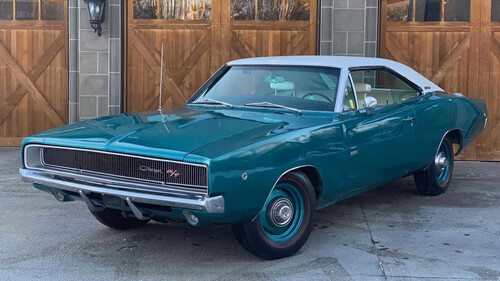
Many people dream of rescuing a forgotten car from some barn or field, fixing it up, and putting it back on the road. With so much information on that very subject available to you, there's never been a better time to do it. Still, it can be a bit intimidating to actually jump in, and with a lot of people arguing over what's the right way to do things, you can stumble upon a lot of conflicting information that makes it even harder to get going.I've spent the last several years working on and driving my '69 Dodge Charger. I've done everything from getting the old carbureted V8 running to slamming a modern Hemi in it with a pro-touring suspension system to boot. I've recently started entertaining the idea of getting another classic here to work on.The more I roll that concept around in my head, the more I realize I've got a major advantage in my corner this time around—I know more now than I did when I started this journey. Some of it I learned from pros who gave sound advice, and other things I learned the hard way because I was too stubborn to listen. In some cases, the things I've learned directly contradict popular narratives. That being said, I wanted to take some time to relay to you what I find to be the most important things to know before working on classic cars to help you start on the right foot. Know YOUR Car’s Unique Quirks Before You Start Wrenching Hank O'Hop / Valnet Perhaps the most important thing to know before working on classic cars is that there's a lot more nuance involved than you might expect. While all cars work to achieve similar goals and operate on the same fundamentals, every manufacturer has a unique way of doing things. So, while the basic principles of how to troubleshoot a problem or get a car running again are shared across all makes and models, the specifics of how you go about things or even what problems to look for can vary.Being a classic Mopar nut, one of the first things to jump out is the use of ballast resistors on old Chrysler products. If you're dealing with a no-spark issue, it's the first thing to check on these cars, which isn't the case for Fords and Chevrolets. The point is that, while you can and should learn the basics from any experienced gearhead, you'll want to learn the specifics of your car from people who are intimately familiar with that application. Forums and content creators are great sources of information, but classic literature like service manuals and performance bulletins can also be invaluable. Carburetors Work Way Better Than You Think Hank O'Hop/Valnet Working on classic cars means you're going to spend a lot of time tinkering with carburetors. As you ask around for advice, search forums for information, and browse content covering the topic, you're going to run into several chuckle-heads who impulsively tell you to just swap to EFI, without helping you get the answers you're looking for. This is incredibly annoying, especially considering carburetors work far better than people give them credit for.If you have room in the budget and want to swap to EFI, then go for it. They’re great systems, and they can reduce the amount of time you spend tinkering under the hood. Otherwise, stick to the carburetor. It is more maintenance-intensive, and getting one running right in various conditions comes with a bit of a learning curve, but it's not impossible. In fact, people are still doing it all over the world because carburetors can run awesome and are dead reliable. But just like the car itself, you want to learn the finer details as they pertain specifically to the model of carburetor you're working with. Make Ignition Upgrades That Make Sense Hank O'Hop / Valnet As with carburetors, a lot of people will quickly tell you to make ignition upgrades whenever you run into an issue. For example, it's not uncommon for classic Mopar enthusiasts to be told to just upgrade to an aftermarket ignition system when the aforementioned ballast resistor causes an issue. While that approach might work, there's a chance you're simply masking a problem rather than effectively dealing with it, which can lead to bigger headaches down the road.Also, like carburetors, old ignition systems work a lot better than many people say they do. Even dated point systems will work just fine in most instances. That said, making ignition upgrades like moving to an electronic ignition system or adding a hotter coil will improve reliability and performance. Just make sure to find what the best option is for your situation specifically, and buy the parts from a reliable source. Don’t Just Toss Brake Upgrades At It Hank O'HopClassic car brakes are a touchy subject. This is another area where people are going to automatically suggest making upgrades, like installing a disc brake conversion in place of drums or moving to a big brake kit over the factory discs. While there's some validity to that sentiment, just blindly firing aftermarket parts at a braking system can be a disaster.For starters, old brake systems work well when properly cared for. They just require you to think. Most importantly, cars equipped with drum brakes are subject to heat soak, meaning braking abilities diminish the more they're used. Secondly, they can be more maintenance-intensive, often needing to be adjusted periodically.Making brake upgrades can improve the braking performance and safety of your car. You just have to put in the time to find what setup is capable of delivering the braking power you need for your car and match up all the components correctly. A lot of science goes into pairing the master cylinder to the calipers and pedal ratio. If you don't take the time to sort things out, you can end up with a system that doesn't work as well as what you started with, despite having better parts. Modern Wheels and Tires Are Your Friend Hank O'Hop / Valnet Classic cars used dated tire technology. Modern tires offer way better traction, and can totally transform the way your classic performs in any driving scenario. Unless you're trying to do everything period correct and want to put old radials on a classic car, that's something you'll end up doing by default anyway.You may be reluctant to move to different wheels because of cost or preference, but there are some benefits to doing so as well. Aside from just altering looks, aftermarket wheels can reduce unsprung weight, allow you to install bigger tires, and even make room for bigger brake kits if that's something you intend to do. It's also worth mentioning that, if you want the best of modern tire technology, you will need to move to a much bigger wheel than stock, with most modern cars running at least an 18-inch rim. Just know that moving to different wheels takes careful planning in order to get the right size and offset for any application. Classic Cars Are Simply More Maintenance Intensive Hank O'Hop / Valnet One of the biggest wake-up calls for people first getting involved with classic cars is that they place way more responsibility on their caretakers and drivers than newer vehicles. They don't have modern management systems like traction control or ABS, nor do they use an OBD-II system and check engine lights to let you know what's going on. On top of that, they're far more maintenance-intensive.That's not to scare you out of pursuing your dreams. It's to let you know that the classic car you want in your life needs you just as much as you need it. If you want a positive, enjoyable experience, you simply have to accept that reality. The good news is that you get out what you put in, and this whole lifestyle can be the most rewarding thing you've ever taken on—even if it makes you nuts sometimes. Rust Will Come Back To Haunt You Hank O'Hop / Valnet One of the most frustrating things to find on a classic car is rust. Once it starts, it will never stop. You will need to cut it out and patch in fresh metal to prevent it from recurring. There's simply no way around it.While there are quick fixes and ways to do things on the cheap, long-lasting results come from cutting out all the rust and starting fresh. Take it from someone who's learned that lesson the hard way: you're better off doing it right the first time around. That's not to say there's not a place for patina and ratty muscle cars, though. Don’t Trust Sketchy Wiring Hank O'Hop / Valnet If you're rescuing unloved cars, you're going to deal with some clapped-out wiring harnesses. Between the mice, previous owners playing around with things, and just general aging, that's just the way it is. When you run into bad wiring, make sure you do the repairs the right way.By "the right way," I mean don't just rig things up or take chances on something that looks sketchy. Electrical fires are a very real risk, and you want to avoid them at all costs. Learn how to do electrical repairs properly and perform them to the best of your ability when fixing up your classic. You should also always keep a fire extinguisher nearby in case things go wrong. Clones And Tributes Can Be Way Cooler Than The Real Thing Hank O'Hop / Valnet As you embark on your journey to find the classic car of your dreams, you may find yourself being very particular about things. It's easy to get hung up on finding the exact make and model that captured your heart, without settling for anything less. Considering that the car might be highly sought-after or rare, you're probably better off compromising.Classic cars are treated like an investment these days, and many of the best models go for a premium. If you do land the real deal, the pressure to treat it with care will also grow, and you may find yourself more and more reluctant to get behind the wheel. That's what makes clones and tributes so great. Base models can be built to resemble your favorite car, often with a much lower cost of entry, and you can drive the wheels off them without a shadow of guilt. Bigger Cams Aren’t Always Better Hank O'Hop / Valnet Everyone wants that signature chop to make their classic muscle car sound gnarly. Truth be told, no matter what I say, it's something you're still going to experiment with anyway. You'll probably end up throwing a big intake and carburetor in the mix as well to make more horsepower.We're all guilty of buying the biggest cam we can find in an engine to make it sound mean and run hard. It's a good time, and I'd be lying if I said I won't do it again. That said, bigger cams and upgrades of the likes generally make for poor street performance. They also reduce engine vacuum, which can directly impact brake performance. Not to mention, cams are just one part of a performance package. Your entire car needs to be set up as a match to the cam grind for the best results. Generally speaking, if you want a solid driver, keeping it mild is always better. That said, you can find cams that do make a car chop like crazy without compromising low-end performance, meaning you can have your cake and eat it too, as long as you do the right research.