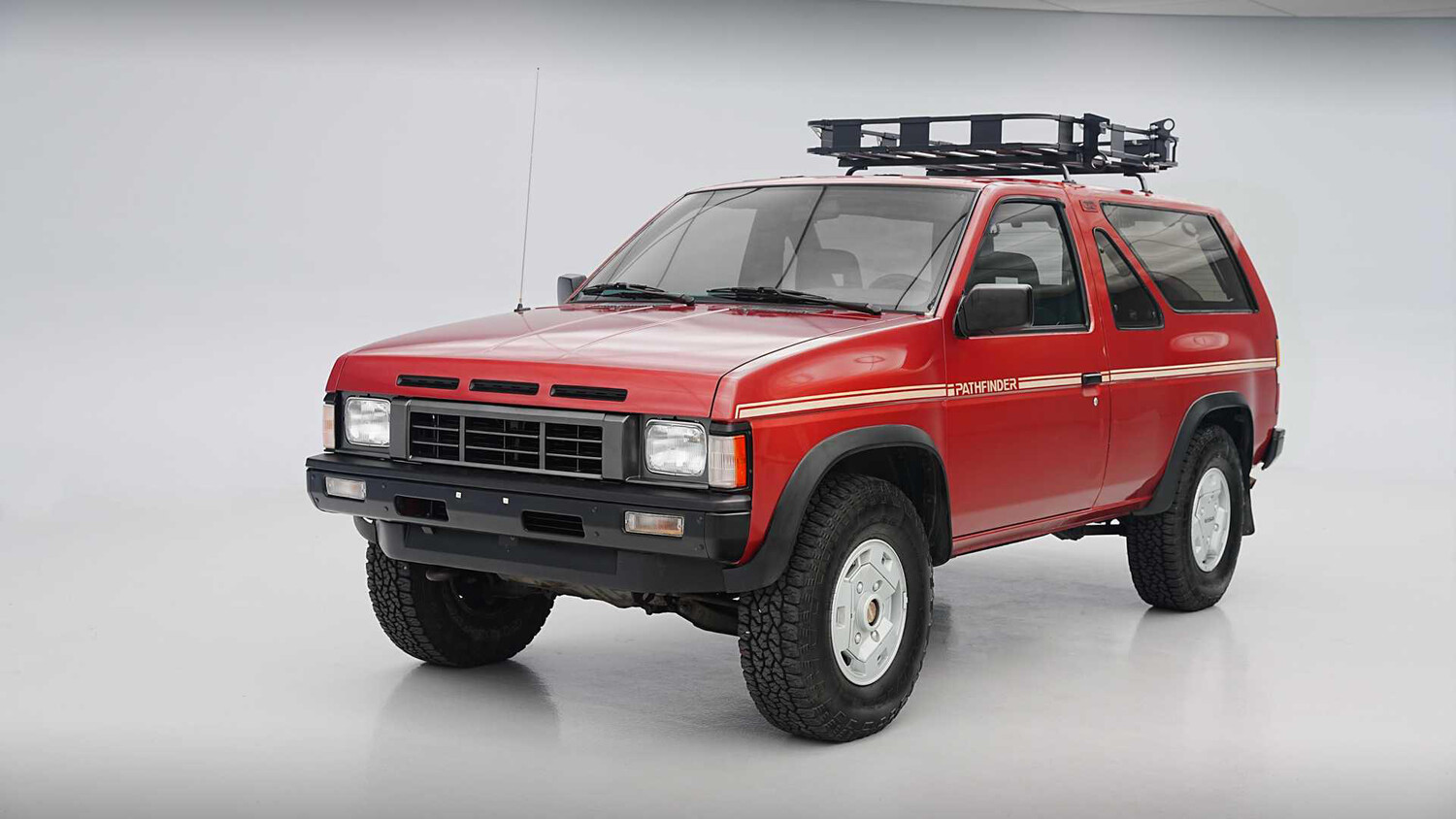
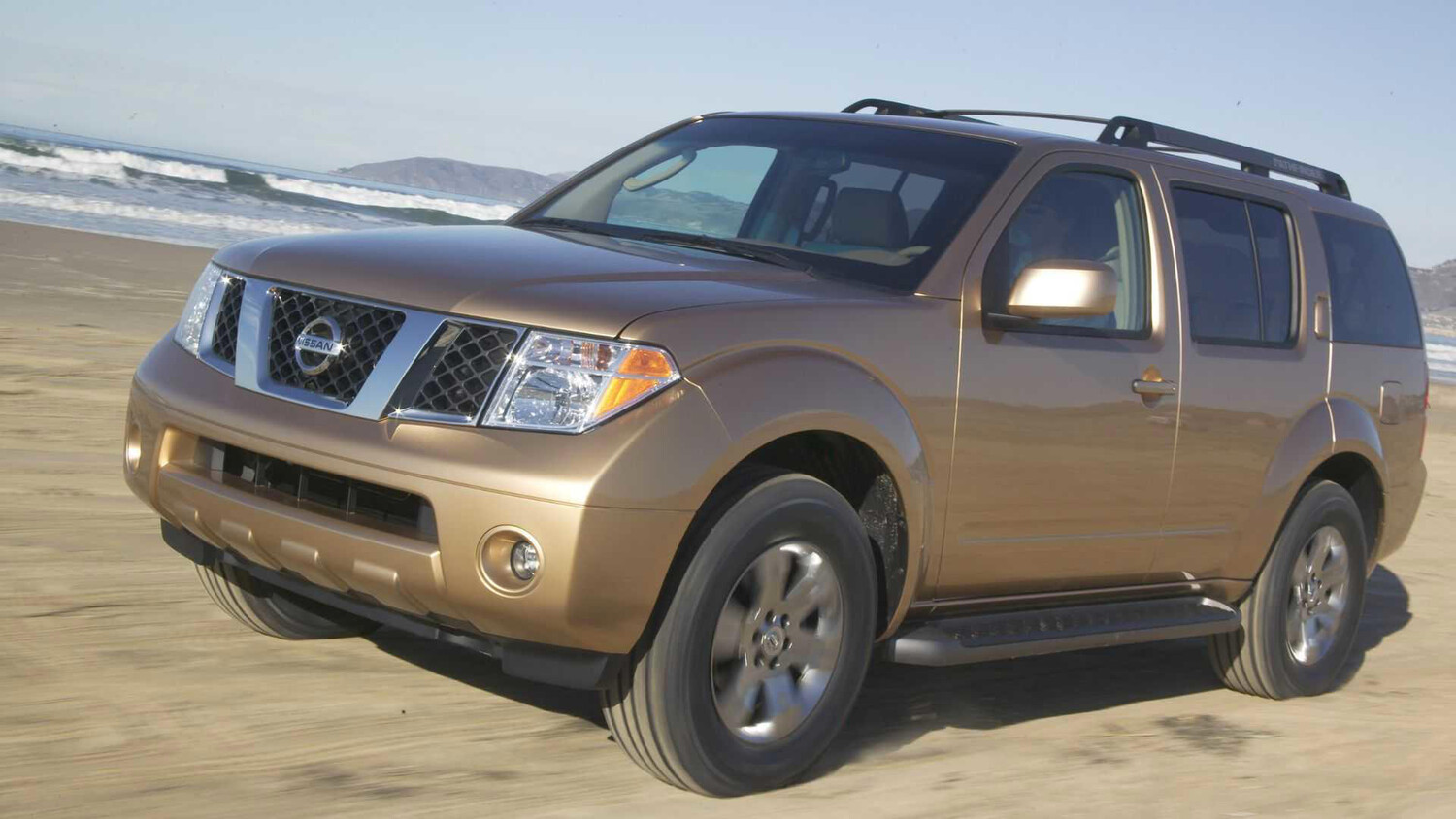
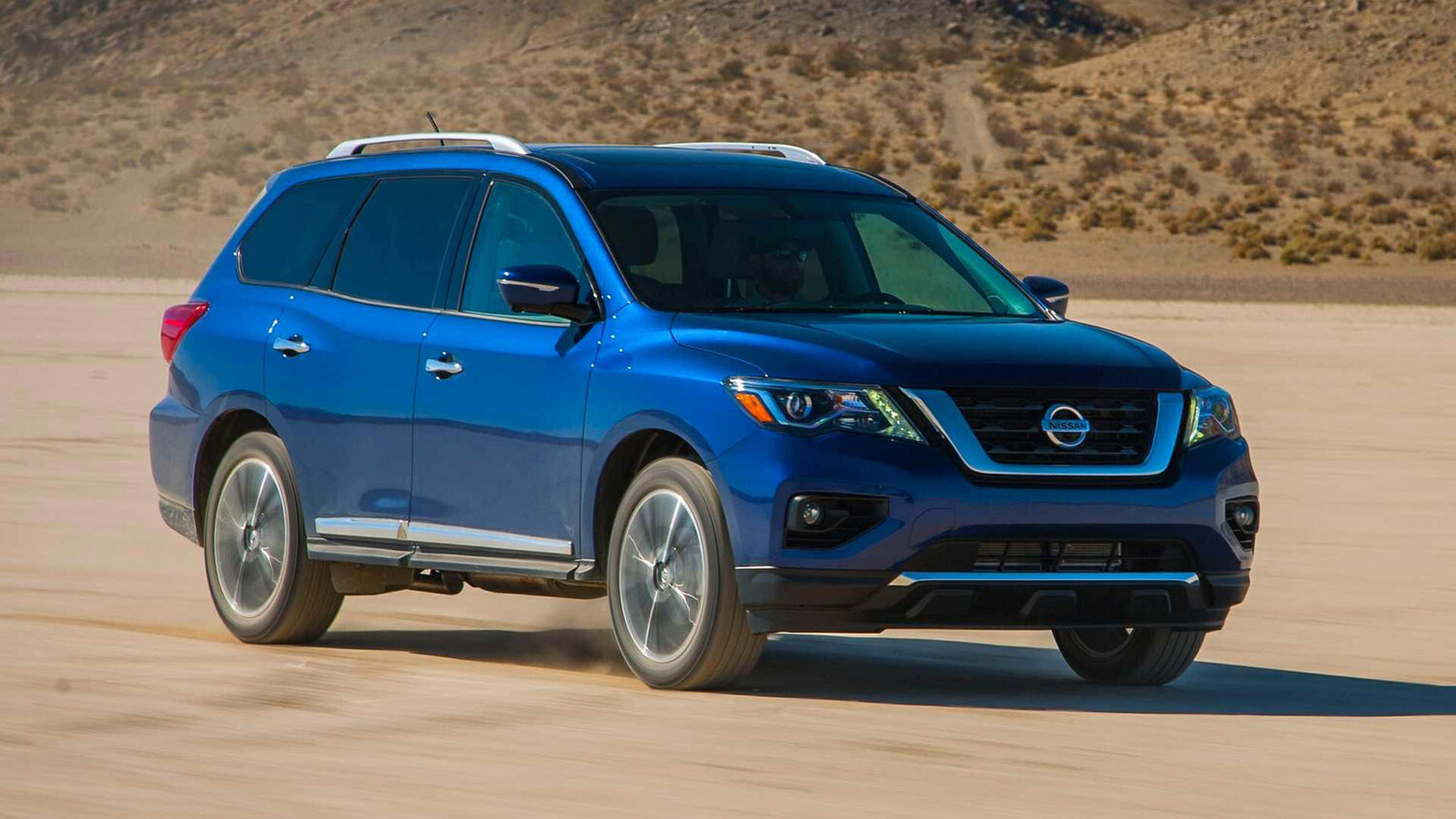
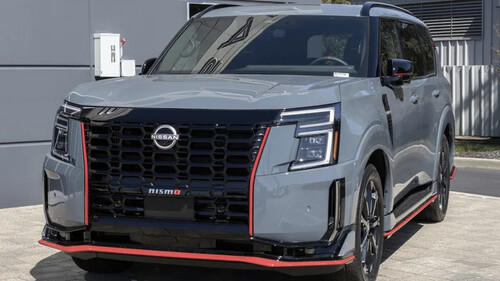
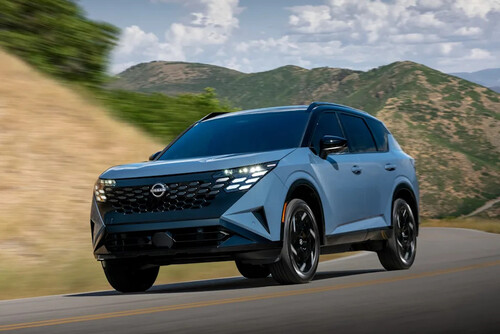
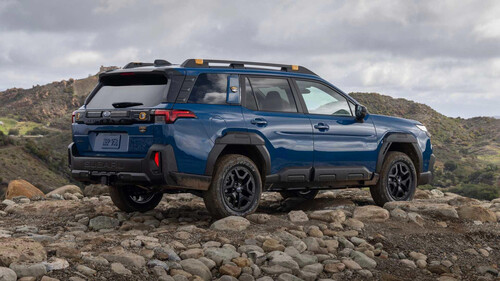
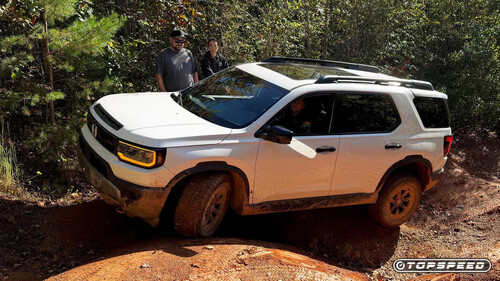
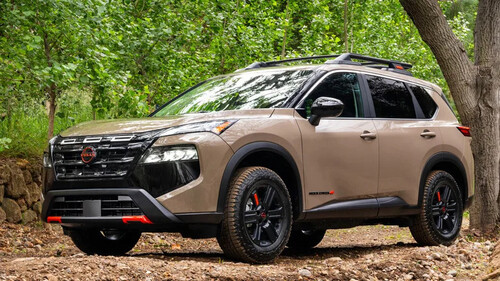
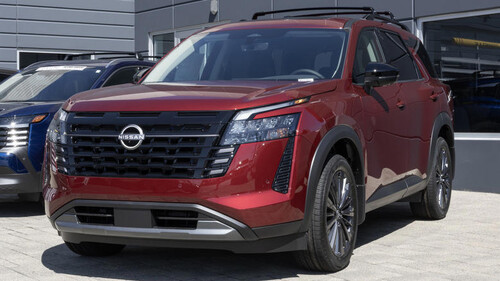
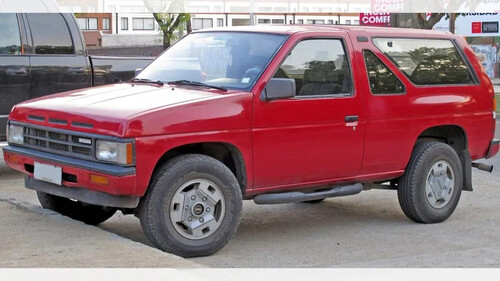
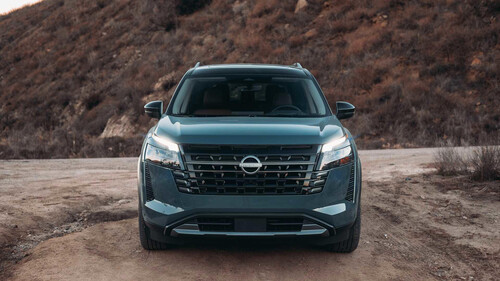
Jump LinksA Heritage Of Off-road ProwessSevere Frame RustTiming Chain IssuesRust Strikes AgainDistributor FailureEVAP System ProblemsCracked RadiatorsMisfiringInaccurate Fuel GaugeContinuously Variable Transmission (CVT) FailureTiming Chain WearGlitchy Infotainment ScreenTransmission IssuesThe Best And The WorstThe Nissan Pathfinder has evolved from a tough, body on-frame off-roader to the late-model Nissan Pathfinder, a comfortable and refined family hauler that still doesn't mind getting dirty. The Pathfinder has long been one of the most recognized names in the SUV segment and has earned a loyal following over the decades that it has been available. It offers great versatility and value, but it has also had its fair share of problems that have frustrated many owners. This article explores some of the most notorious problems with Nissan Pathfinders.This list of problems associated with the various generations of the Nissan Pathfinder is not exhaustive. Some owners of Nissan Pathfinders may experience all or some of the problems listed below. If your Nissan Pathfinder is experiencing any of these problems, it is advisable to have a certified repair technician diagnose your vehicle for an accurate repair. The Pathfinder: Nissans Rugged Off-roader A Heritage Of Off-road Prowess Nissan In 1985, Nissan unveiled a rugged SUV that shared many parts and some design elements of the Nissan Hardbody pickup truck. It wasn't until 1986 that the Nissan Pathfinder hit the showroom floor as a 1987 model. Coming in the form of a two-door SUV in its first generation, the Pathfinder still shared much of its DNA with the Hardbody pickup truck. It was created as direct competitor for the Ford Bronco II, Chevrolet Blazer, Jeep Cherokee, and some popular Japanese SUVs like the Toyota 4Runner and Honda Passport. A four-door version was introduced for the 1989 model year.Bring a Trailer The biggest changes came with the Pathfinder for its fourth generation. Nissan traded its rugged body-on-frame construction for a more softened and less capable unibody chassis. This new chassis was shared with the Nissan Murano, Nissan Altima, and the Nissan Quest. It improved the overall comfort and refinement of the mid-sized SUV. The Pathfinder was now more civilized and had lost its edge as a serious off-roader. Fast-forward to the fifth-generation Pathfinder, which introduces a new terrain management system called Intelligent 4x4, that includes seven different settings that adjust the suspension and throttle characteristics for the given driving conditions. Thankfully, this new Pathfinder loses the CVT, and ushers in a new nine-speed automatic transmission. Although the Nissan Pathfinder has proven to be a capable off-roader and a great family SUV, it hasn't been without its problems over its five-generation run. First-generation Pathfinder Problems: 1987–1995 (YD21 / WD2) Nissan Severe Frame Rust First-generation Nissan Pathfinders are known to have some severe frame rust. Much like a Toyota product of the same era, the frames on these SUVs are known for rusting away to the point that structural integrity is lost. Rust also takes its toll on the floor pans and rocker panels. Rust is a problem that can affect any vehicle, but these older Nissans can get it pretty badly if not well taken care of. This problem was particularly bad for vehicles in the Rust Belt area. Timing Chain Issues The first-gen Pathfinder came with a stout 3.0-liter V6 engine that, when properly maintained, was capable of achieving high miles. Although the 3.0-liter had an overall good reputation, it was notorious for premature timing chain failure. The causes were typically from a stretched chain, and/or failed plastic timing chain guide failure. This failure would cause timing chain rattling and in worse cases, severe engine damage or failure. Second-generation Pathfinder Problems: 1996–2004 (R50) Nissan Rust Strikes Again Like the generation before it, the second Pathfinder iteration was still highly susceptible to severe rust. The pattern here is that most parts that were on the underside of the vehicle saw the most exposure, so again, frame rails, floor boards, and key suspension components would rust and fail prematurely. The rear trailing arms were known to fail prematurely, in part due to rust and to bushing failure. When these go, the vehicle can feel out of control and develop a bad wobble. In many cases, the strut towers will rot away as well. All of these issues are common to the second-generation Pathfinder, so take a good long look at the underside when you're in the market for one of these classic 4x4s. Distributor Failure The 3.3-liter V6 in this Pathfinder is well known for failure. The internals of the distributor get worn, along with ignition coil failure. Symptoms include no start and/or a rough running engine. EVAP System Problems Evaporative system problems aren't typically considered a large-scale or safety-related problem, but they can be a nuisance as these systems are problematic on many vehicles. You may only notice an issue because the check engine light is on with an EVAP-related trouble code. In worse case scenarios, a raw fuel smell might be experienced, or difficulty filling the fuel tank is experienced. The failure of purge valves, vent valves, and charcoal canisters are common failures of the EVAP system. Third-generation Pathfinder Problems: 2005–2013 (R51) Nissan Cracked Radiators This is a very widespread problem for the R51 - the third-generation Pathfinder. This is a serious problem with many symptoms, including, overheating, transmission slipping or shifting erratically, transmission trouble code set, transmission overheating, and even no-start situations. The biggest tell of a cracked radiator is a "pink milkshake-like" fluid that is now in the radiator and transmission. The internal transmission cooler that resides inside the radiator's tanks cracks and allows the engine coolant and transmission fluid to mix, creating a thick pink-colored fluid. Complete transmission replacement and radiator replacement are compulsory at this point. Misfiring This is a very common problem with the 4.0-liter engine, setting codes of P0300 through P0306, and requiring a coil replacement to fix. However, it's important to know that replacing the coil on only the affected cylinder is not the complete repair. As the coils were revised, a simple misfire on one cylinder requires the replacement of all six coils. Not a difficult job, but it can be pricey, and it certainly is frustrating. Inaccurate Fuel Gauge Also common on the third-generation Pathfinder is an inaccurate reading of the fuel gauge. The problem resides in the fuel pump module itself, which is located in the fuel tank. The repair includes removing the fuel tank and either replacing the fuel sender only, or the entire fuel pump module. The module contains the fuel sender, which provides fuel-level information to the gauge and the fuel pump itself. It's more expensive, but it's also advisable to replace the entire fuel pump module while you have the tank removed. Fourth-generation Pathfinder Problems 2013–2020 (R52) Nissan Continuously Variable Transmission (CVT) Failure For 2014, the Pathfinder was fitted with a CVT, which was notoriously problematic. Owners would experience sporadic power loss, jerking, shaking, and transmission shudder. Nissan released a number of technical service bulletins pertaining to this widespread CVT issue. Technicians were advised to reprogram the transmission control module or TCM, change out the control valve assembly, or, in the worst case scenario, the entire transmission would need to be changed. Timing Chain Wear The timing chains are highly susceptible to premature wear due to lack of lubrication from too low of oil in the crankcase or contaminated oil from lack of regular maintenance. When the timing chain is under-lubricated, it wears out prematurely, taking its toll on the plastic timing chain guides as well. When the guides are no longer in place or have been damaged beyond their ability to keep proper tension on the chain, loud rattling can be heard from within the engine. For a complete repair, all timing chain guides, tensioners, and timing chains will need to be replaced. Fifth-generation Pathfinder Problems: 2021–Present Glitchy Infotainment Screen This is more of an annoyance rather than a large-scale problem, but we pay top dollar for our vehicles and the tech therein, so we want them to be right - all the time. The NissanConnect system is known for being laggy, will freeze at times, and will also reboot randomly. Often, this problem is resolved by a reinitialization or software update. Transmission Issues Although the problematic CVT is no longer part of the Pathfinder's drivetrain, the nine-speed automatic that replaced it has a few issues of its own. It is known to hesitate, jerk, or have harsh shifts. Many owners have complained about what has been called "shift shock" between the first and second, or third and fourth gears. At this point, Nissan released a technical service bulletin to keep technicians and its customers aware of the issues. In many cases, a software re-flash helps resolve the problem. Choosing The Right Pathfinder The Best And The Worst NissanAlthough there are only five generations of the Nissan Pathfinder, from a reliability standpoint, which one is the best? And of all the Nissan Pathfinder problems, which is the worst? Here is a quick rundown of the Nissan Pathfinder years to avoid.Because of the massive radiator and transmission problems of the third generation, we strongly advise staying away from those years. However, it's likely that there is a revised radiator available that fixes the problem for good. It is also advisable to steer clear of the fourth-gen because of its highly problematic CVT.Nissan The generation that stands out as a smart buy would easily be the latest fifth generation. Little to no problems are reported on the Car Complaints website, and Nissan replaced the CVT with a nine-speed automatic transmission. If you're on a tighter budget, a well-maintained, used second-gen is a solid choice, too. It may be a little long in the tooth, but it's a simple yet rugged design that many off-road enthusiasts still praise.If your feeling nostalgic or adventurous, the first generation will always be a strong SUV. Check thoroughly for rust in the sensitive areas, and maybe get that timing chain inspected. The first-generation Pathfinder is practically a collectible at this point, and it will still take you off-road as well as any Jeep Wrangler of a similar year.