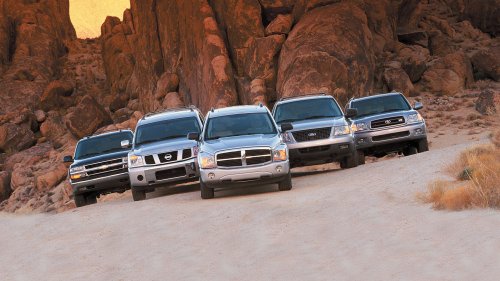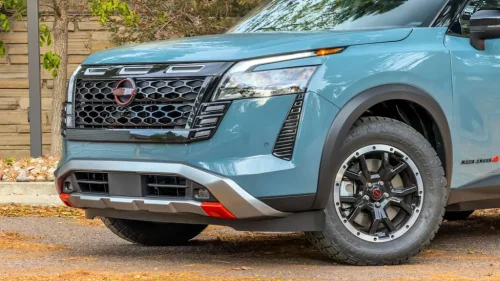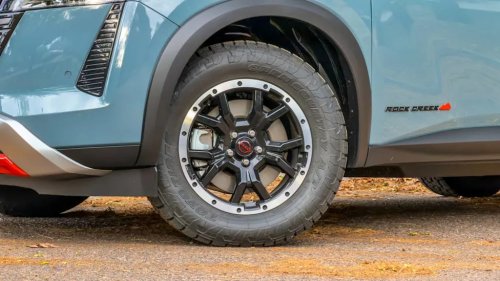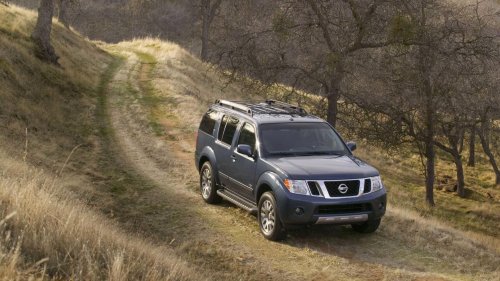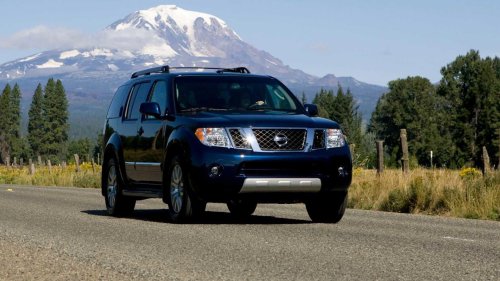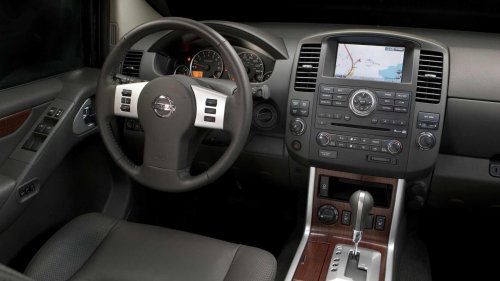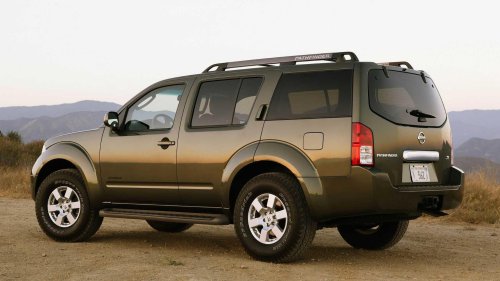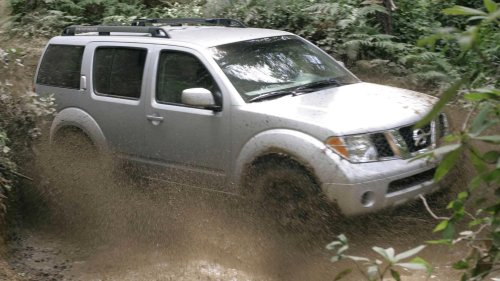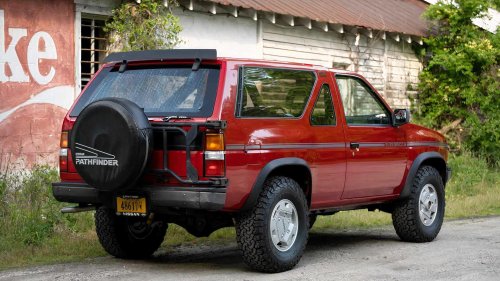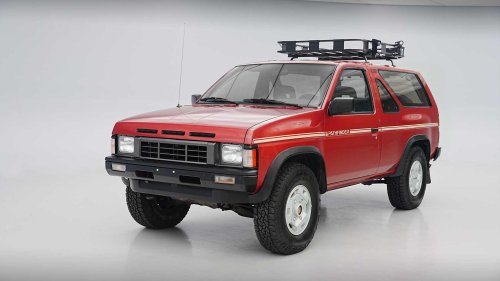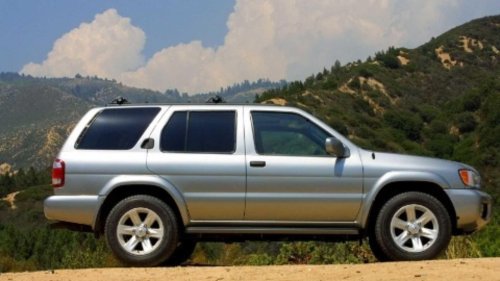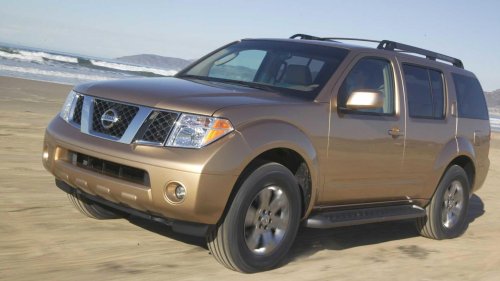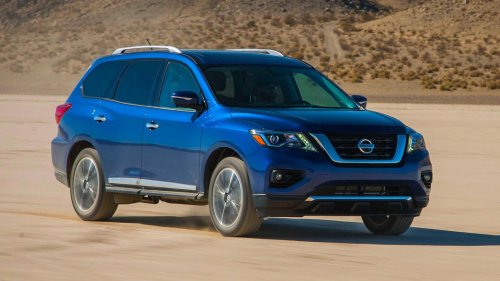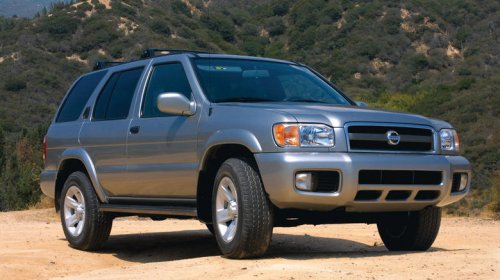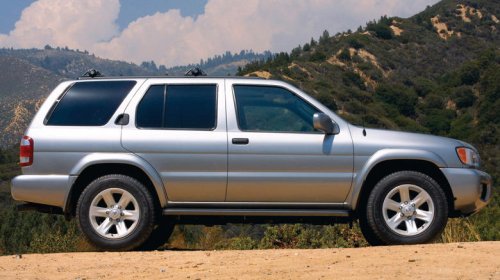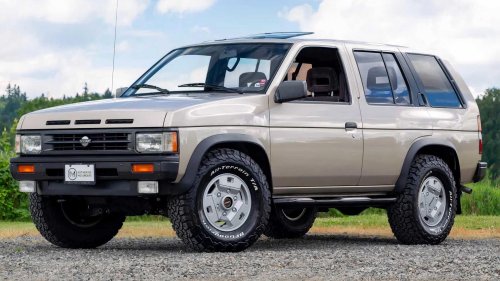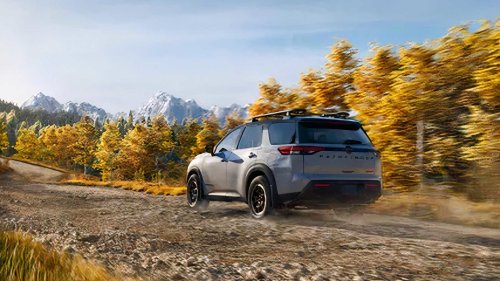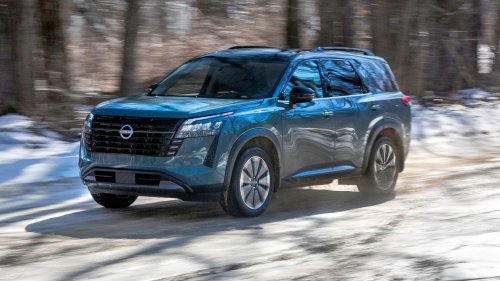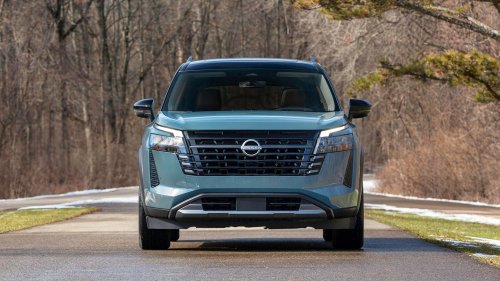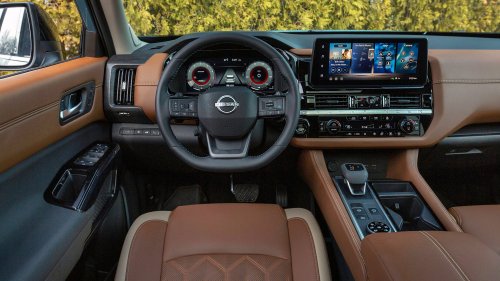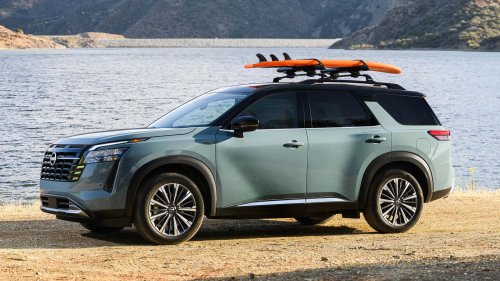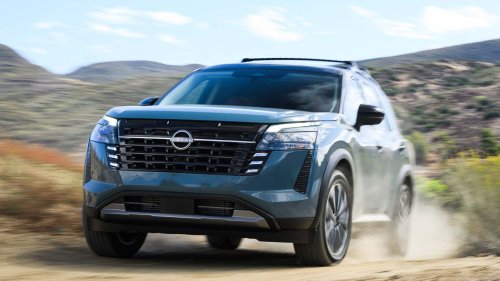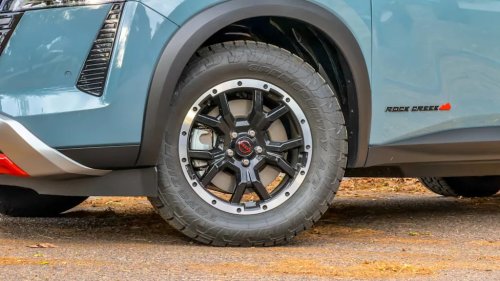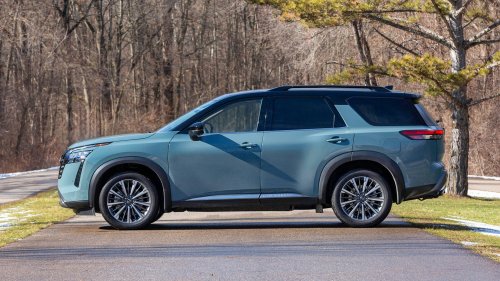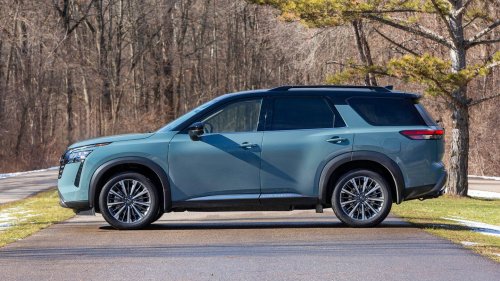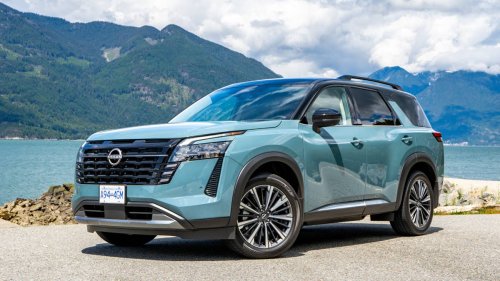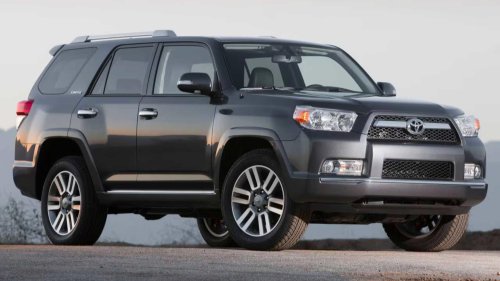
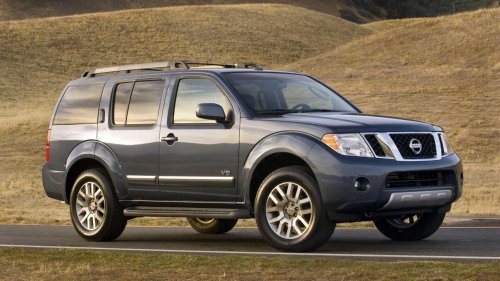
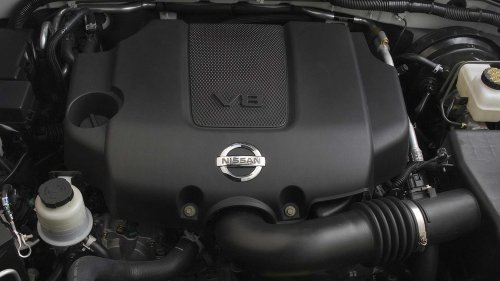
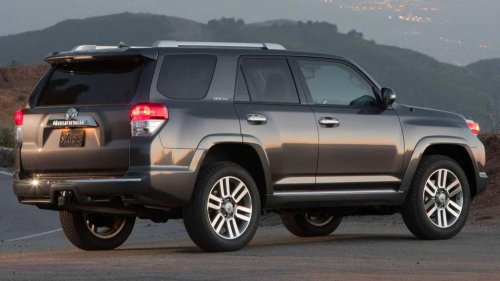
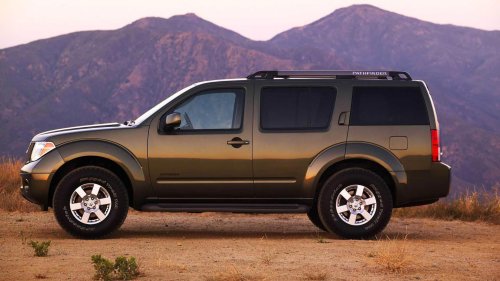
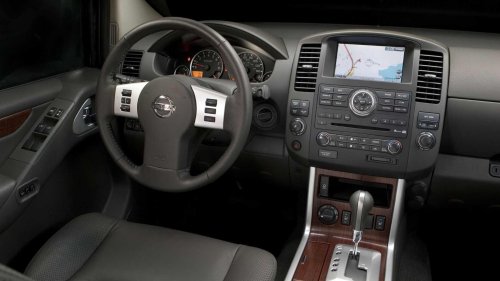
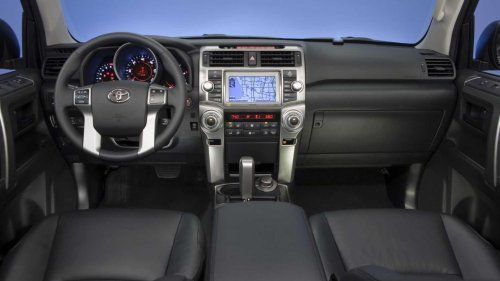
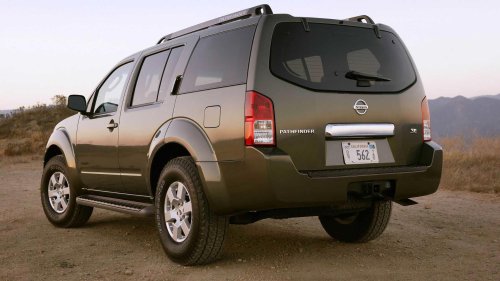



















Toyota's midsize SUV has been a body-on-frame since its introduction in 1984. The 4Runner was initially built on the same platform as the famous Hilux that we could never directly buy in the United States. Its third generation (1996–2002) changed gears alongside the release of the all-new Tacoma, which shared a new platform. However, half of today's comparison focuses on the fifth generation, which sold for an outstanding fifteen years. The other half highlights an unexpected competitor: the third-generation Nissan Pathfinder.Nissan currently only sells one body-on-frame SUV, the full-size Armada. While that model has a rugged Pro-4X trim that keeps up with the Sequoia and other full-size models today, the brand's midsize model has since switched to a unibody chassis. That said, it once sat on a rugged and robust truck frame and even shared an engine with the Armada and Titan for a few model years. Everybody remembers the 4Runner for being a practical option for off-roading in the used-car market, but this older Nissan Pathfinder is even more affordable, and offers more power with decent reliability. Fifth-Generation Toyota 4Runner Specs Overview ToyotaSince the body-on-frame Pathfinder ended production to make way for a unibody version after the 2012 model year, we're going to focus on those same years for the 4Runner. The 4Runner's fifth generation was introduced in 2010 and remained mechanically the same for fifteen years.Aside from a single trim with RWD in the 2010 model year, the entire fifth-generation 4Runner was powered by a single engine. This 4.0-liter 'six' was also one of the most reliable engines in the Tacoma for some years prior to this 4Runner generation, giving the automaker ample time to hone it in and make it as tough as possible. Buyers could choose between rear- and four-wheel drive, and every model came with a five-speed automatic transmission. Spend Less For Similar Reliability And Capability NissanThe Nissan Pathfinder doesn't have quite as long of a history as the 4Runner. The model was introduced for the 1996 model year; its second generation was sold for the 2000–2004 model years, and the third-gen was the model's last truck-frame variant that was sold from 2005 to 2012. It's a midsize three-row SUV with competitors like the Dodge Durango and Ford Explorer from the same time period. After its third generation, though, Nissan decided to favor comfort over capability, so it switched to a car-like unibody chassis. The modern Pathfinder still offers a "Rock Creek" trim that adds some off-road capability, but it's best kept to gravel roads. Third-Generation Nissan Pathfinder Specs Overview NissanUnder the hood of the third-gen Pathfinder is typically a 4.0-liter V6 engine, but the 2008–2012 model years offered the same 5.6-liter V8 as found in the Armada and Titan. This impressive truck engine was intended to power much larger vehicles and carry far more weight, so using it on a smaller, lighter platform like the Pathfinder meant putting it under less stress. The 4.0-liter wasn't too shabby, either. When it first came out for the 2005 model year, it was rated for 270 horsepower — that figure was adjusted to 266 hp after the SAE measuring methods were updated. Both engines blow the current Pathfinder out of the water in terms of towing capacity, too; examples equipped with a V6 can pull 6,000 pounds, and the V8 can tow up to 7,000 pounds. Used Toyota 4Runner Vs Used Nissan Pathfinder Pricing Fifth-Gen Toyota 4Runner Current Values ToyotaTo continue focusing on the two models' overlapping years, we'll take a look at the 4Runner's and the Pathfinder's current values for the 2012 model year. The chart above represents current average values for the 4Runner's SR5 trim with rear-wheel drive based on data from recent listings and sales. Since this is one of the most simple trims with a less-desirable drivetrain, you can expect that the displayed price is on the low side. Examples in good condition with more features and four-wheel-drive are bound to sell for more than this. In fact, more desirable trims regularly sell for $20,000+ for the 2012 model, with average miles and in good condition. Third-Gen Nissan Pathfinder Current Values NissanDespite offering two more powerful engines than the 4Runner from the same year, the 2012 Pathfinder is not worth nearly as much. Toyota's reputation for reliability is the best in the game, while Nissan's reputation has slipped. We'll talk more about these specific models' problems later, though. That said, the public perception of a vehicle does more to affect its value than you might think. The chart above displays data from recent sales and listings of the 2012 Pathfinder S with rear-wheel-drive. Other outlets suggest the 2012 Pathfinder to be worth between $5,775 and $8,550 depending on the trim. 2012 Pathfinder Vs 4Runner Dimensions NissanOn the inside, both models are fairly similar. Continuing to focus on both model's 2012 model year, it shows that these two midsize SUVs are close competitors with room for seven people and ample cargo space. The 4Runner can technically fit more cargo behind the front row if needed. One major difference is that the 2012 4Runner came standard with two rows that could seat up to five people, and original buyers had to opt for a third row. Both offer family-sized practicality, even if their technology is archaic by today's standards. Is the 4Runner Actually More Reliable? Fifth-Gen Toyota 4Runner Reliability ToyotaThere's no such thing as an unreliable 4Runner generation, but some years are worse than others. Since the fifth-gen 4Runner lasted for so long, it's not exactly fair to say the entire generation was or wasn't reliable. With that in mind, we'll keep comparing the 2012 model year to the later third-gen Pathfinder. The earliest fifth-gen 4Runners (2010, 2011) had a somewhat rough launch. Its 2.7L engine only lasted for one model year before buyers could only have a single 4.0L — this engine is solid through and through. The NHTSA has 96 complaints logged for the 2012 model year in addition to 8 recalls.The recalls most pertain to the Takata airbag saga, which affected millions of cars from almost every major brand. Only one barely affects the 4Runner's reliability; issued in 2012 is a recall for a faulty remote starter that affected just 363 units. 70 customer complaints focus on the airbag recalls. There aren't enough complaints about reliability issues for us to say it has any common problems. Third-Gen Nissan Pathfinder Reliability NissanIn general, we actually rank the Pathfinder's third generation as its least-reliable version. However, that's mostly due to its first few model years that drag it down. Data from the NHTSA shows over 1,000 customer complaints and four recalls on MY2005. It suffered from transmission issues, coolant leaks, and the V6 engine had timing chain failure.That said, if you find later third-gen model years, you'll be in a far better position. The 2012 Pathfinder with a 5.6-liter V8 engine is among this model's most reliable years. It only has 23 complaints to the NHTSA and two recalls. The recalls pertain to an oil cooler bolt that may come loose and leak on 4.0-liter engines (affects 14,718 Nissan/Infiniti units), and another pertains to the wheel hubs potentially cracking due to insufficient hardness (affects 2,417 units). Most of the 23 complaints have to do with rust and/or the rear subframe cracking. There aren't enough complaints overall for us to consider them common across the whole model year, though. Can't Go Wrong With A 4Runner, But The Pathfinder Is Enticing NissanIf you're on the hunt for a used off-road-capable SUV with good reliability, it's nearly impossible to beat the 4Runner. However, some budgets dictate options more than reliability ever will. That's where the third-gen Nissan Pathfinder comes into play. It's still a rugged body-on-frame SUV with a V8 truck engine that should keep up with Toyota's 4.0-liter V6 as long as it's properly maintained. Picking between the fifth-gen 4Runner and the third-gen Pathfinder sounds like a hard choice until you realize the Nissan is half the price.