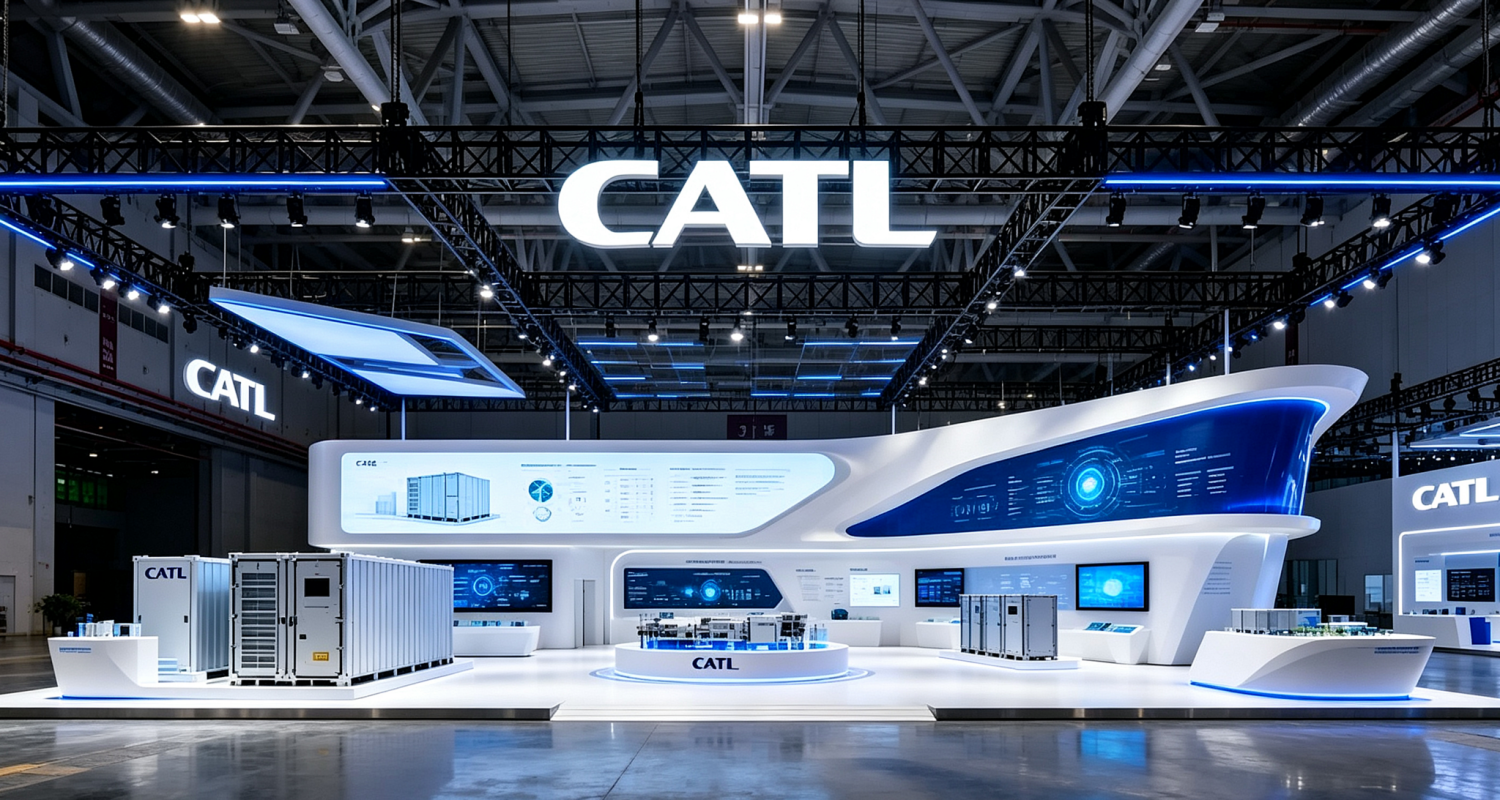
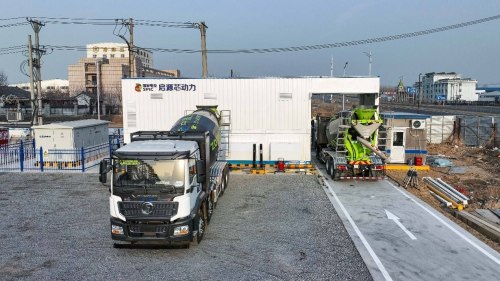
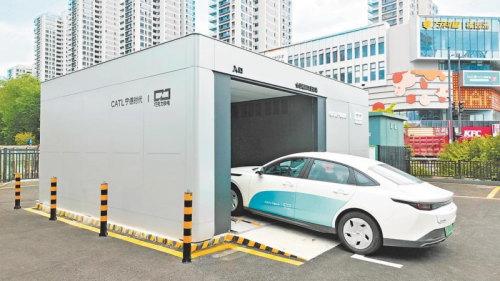
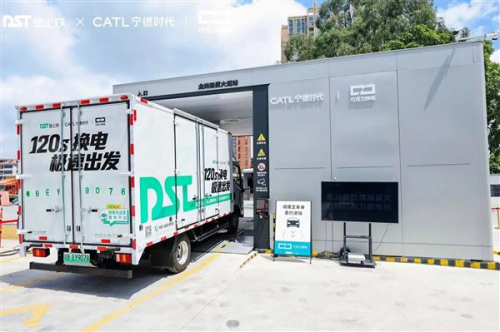
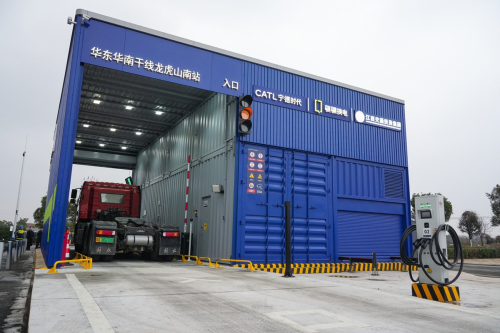
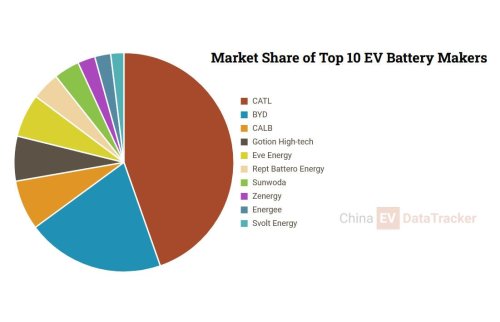
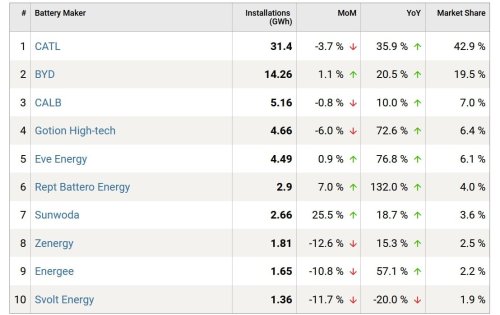
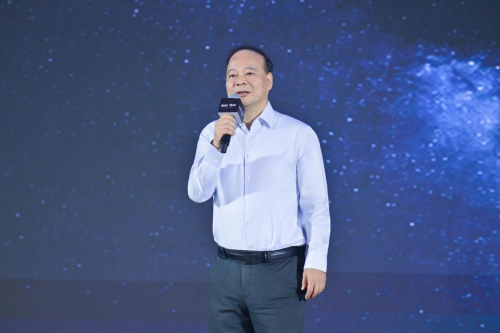
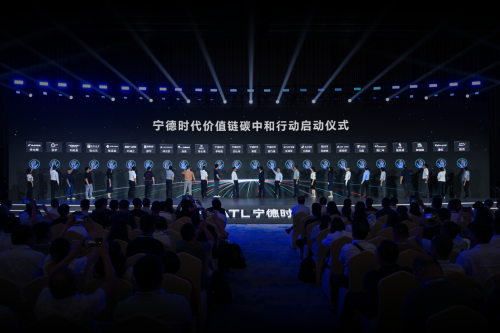
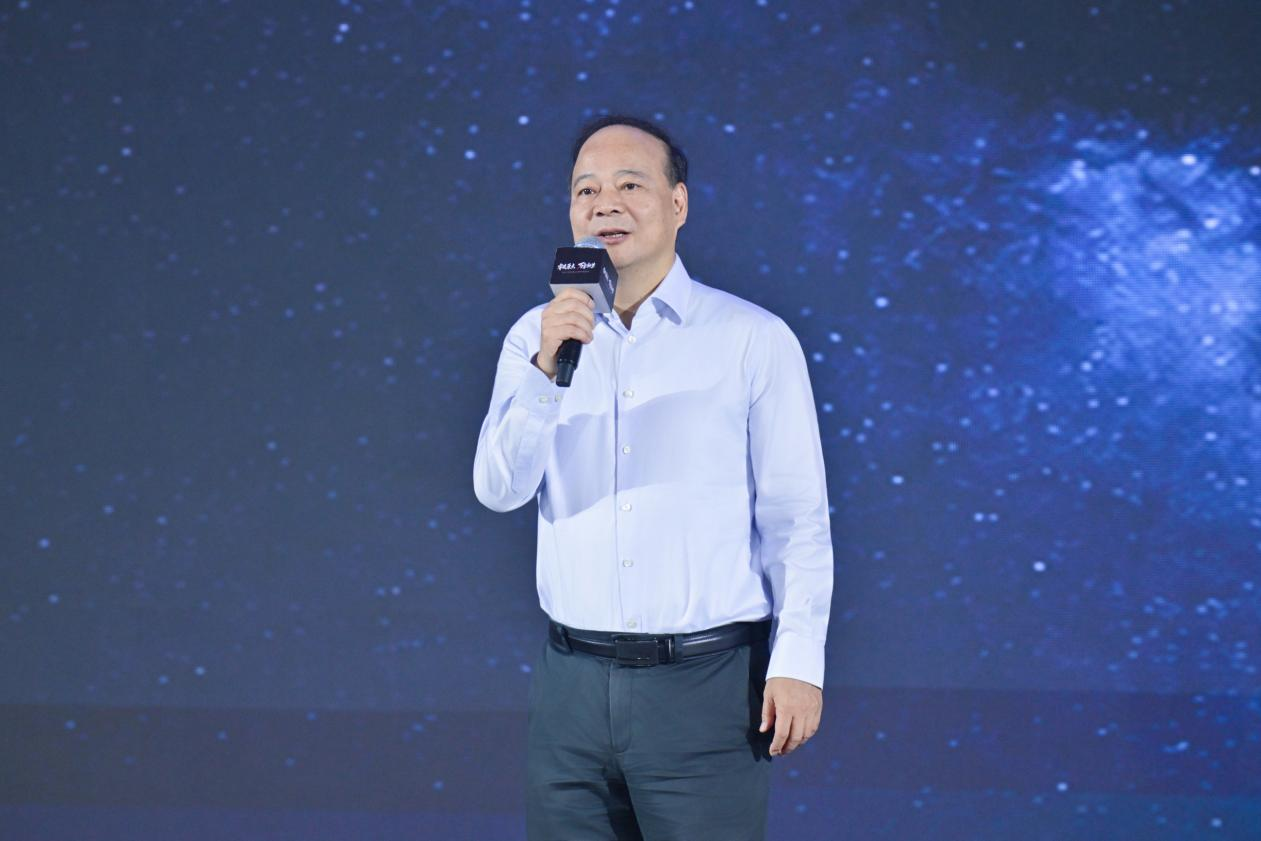
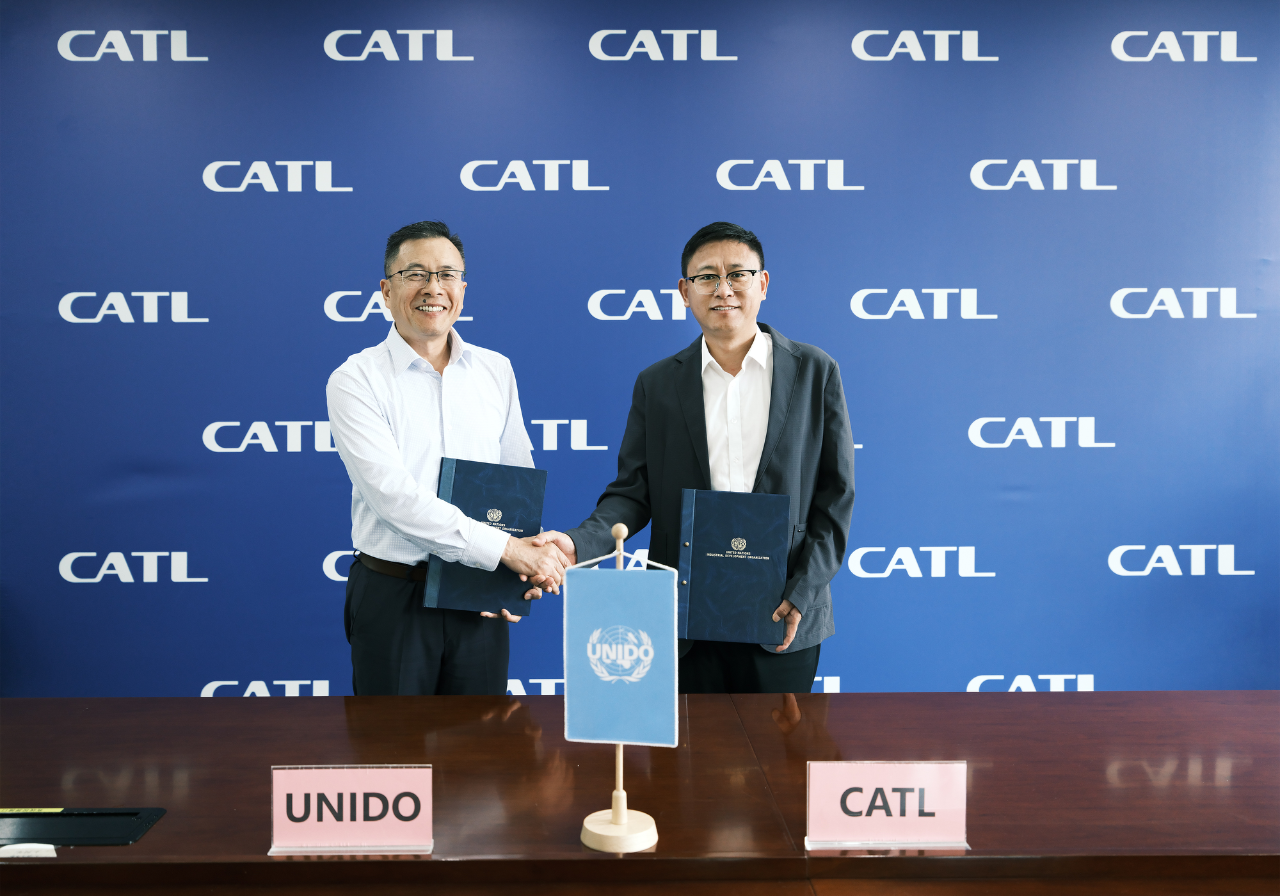
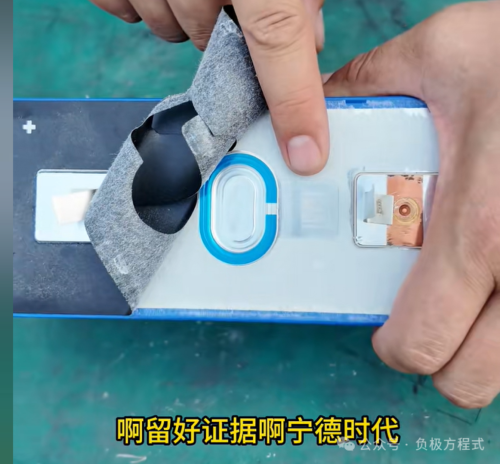
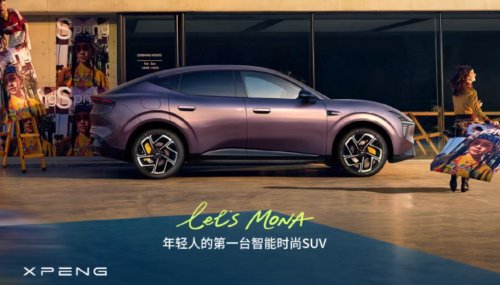
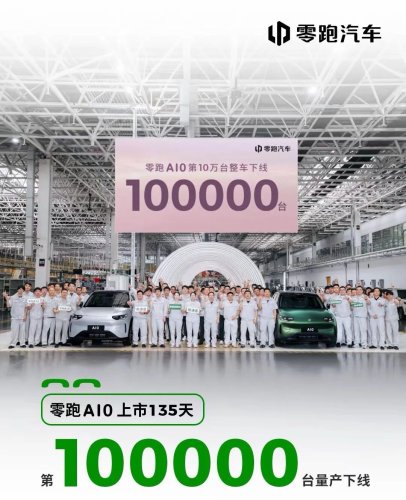
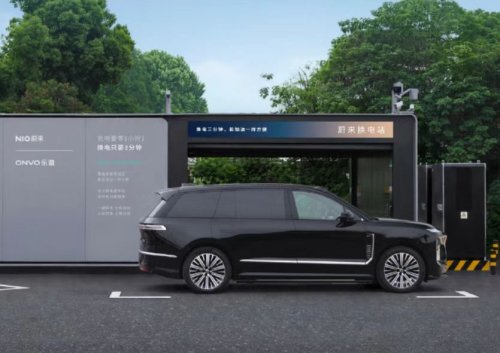
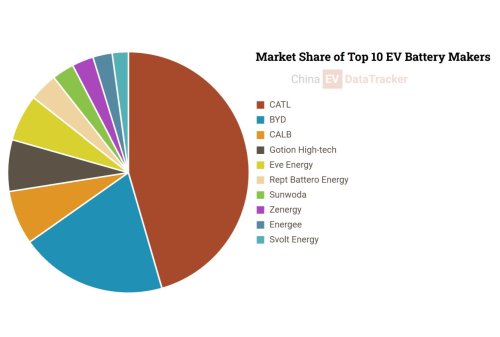
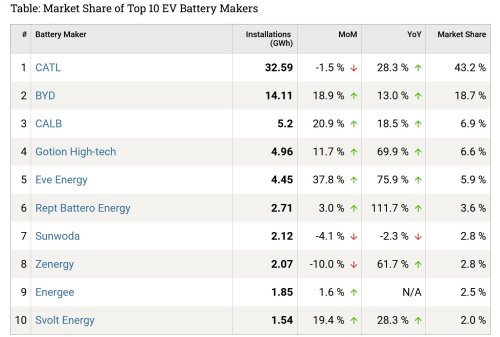
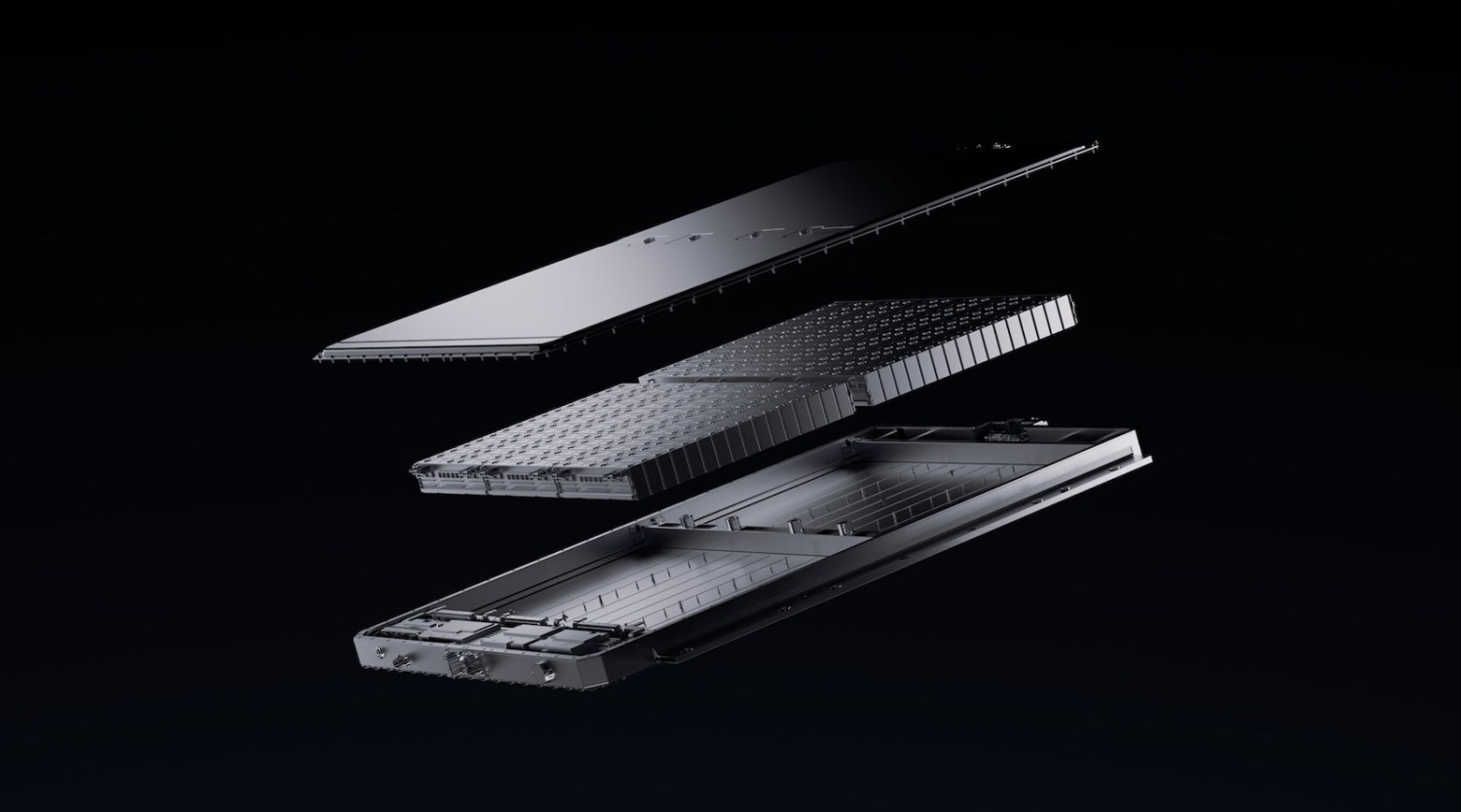
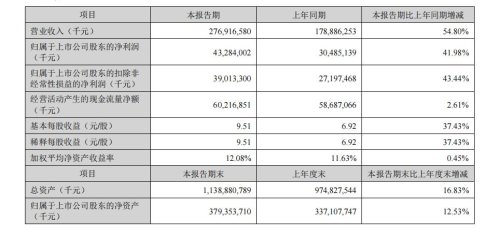
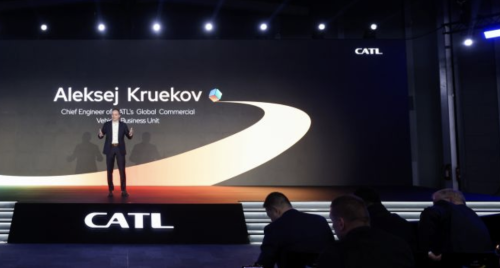
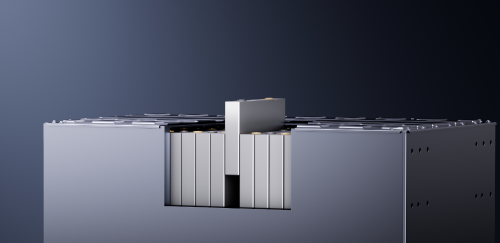
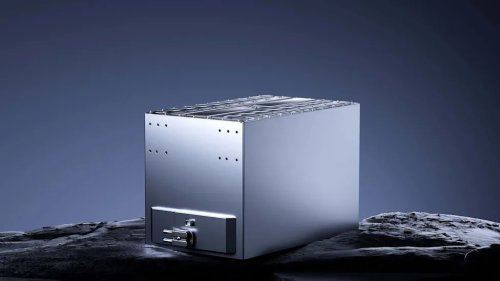
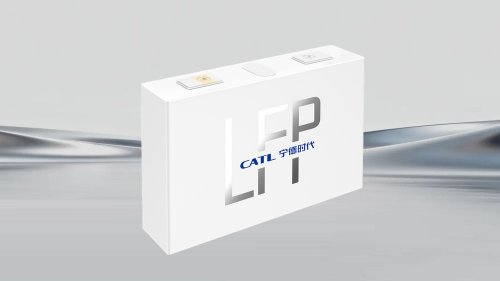
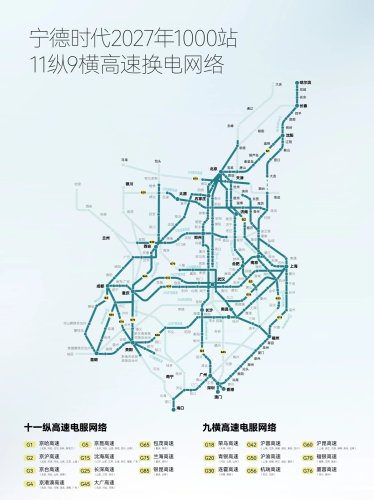
Gasgoo Munich- Gasgoo News, April 22. Luo Jian, general manager of CATL's marketing department, addressed a persistent narrative on Tuesday. He spoke at a media briefing regarding claims that "automakers are working for battery makers."He acknowledged CATL frequently faces such skepticism but focuses on creating value. "We focus on running our business well," Luo said. "We ask one question: is the value CATL provides enough? The rest is up to the market."While outsiders fixate on an unfair split of profits, CATL chooses to let value do the talking.The Confidence Behind Value DeliveryLuo’s response is not just empty rhetoric.In his view, CATL's financial health stems from its commitment to delivering value. This principle earned the sustained loyalty of both consumers and OEMs.A set of compelling data backs up this "value theory."Cui Dongshu, CPCA secretary-general, highlighted a severe imbalance in profit distribution. He noted battery makers are squeezing automakers' margins. Non-battery manufacturers account for only slightly over 10% of total industry profits.Cui cited Fortune Global 500 data. Listed Chinese automakers generated $14.7 billion in profit. CATL, the power battery leader, claimed $7.1 billion, nearly half the total. CATL's 2025 financial report shows revenue of 423.7 billion yuan, up 17.04% year-on-year. Net profit reached 72.2 billion yuan, a 42.28% jump. This means it earned nearly 200 million yuan daily.That figure exceeds the combined profits of 13 listed A-share automakers. It is twice that of BYD and four times that of Geely.How is CATL capturing the lion's share of the supply chain's profits?The answer lies in competitive barriers built through technological innovation.Breakthroughs like CATL’s Qilin battery and Shenxing supercharging tech are pushing performance limits. AI manufacturing is driving defect rates steadily lower.On April 21, CATL hosted a Super Tech Day event in Beijing. It unveiled the third-generation Shenxing supercharging battery and Qilin battery. It also presented the Qilin condensed-state battery and the second-generation Xiaoyao super range-extending battery. New sodium-ion batteries were also revealed. CATL announced an integrated super-swap and all-scenario energy replenishment network. This offers more diverse and efficient new energy solutions.At every technological milestone, CATL is widening its moat.This visible technical value forces automakers to choose CATL—even if they do so reluctantly.Luo also pointed out that power batteries account for 30% to 40% of a vehicle’s cost. They carry significant risks: raw material price volatility, massive R&D spending, and global capacity layout complexities.Value delivery is not a slogan. It represents tangible technical investment and risk-bearing.An Industry Dilemma Dictated by Market LogicToday, the relationship between CATL and automakers has evolved into a mix of dependence and strategic gaming.BYD achieved self-sufficiency with its Blade batteries. Geely and Chery are accelerating solid-state battery R&D. Tesla is turning to Sunwoda for low-cost cells while handling assembly in-house. Many automakers are striving to reduce their over-reliance on CATL.Consumer perception remains a constraint. A recent case saw an EV owner demanding a replacement with a CATL battery. This is a testament to the real market barrier formed by the "value output" Luo described.Even so, CATL is not resting on its laurels.Image source: CATLCompetitors like BYD, CALB, and Eve Energy are closing in, dispersing market resources. When Luo says "leave it to the market," he is inviting a public test of his company's competitiveness.With the profit balance so tilted, the "working for" narrative is less about right and wrong. It is a footnote to the industry's power structure.The real question for the market is this. As one company siphons off the industry's profits, how long can this kind of "equilibrium" last?The answer likely will not be found in CATL's financial reports. It lies in the breakout battles currently waged by automakers.


















 +67 others