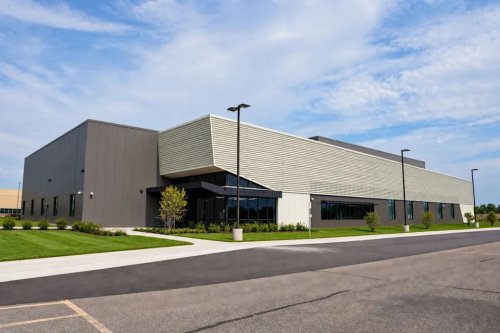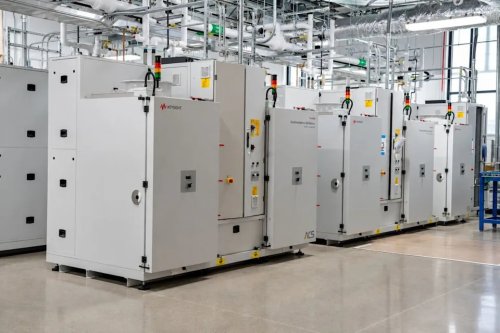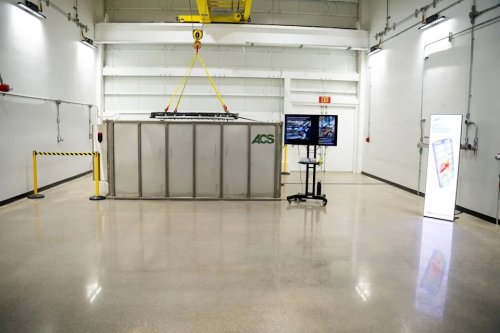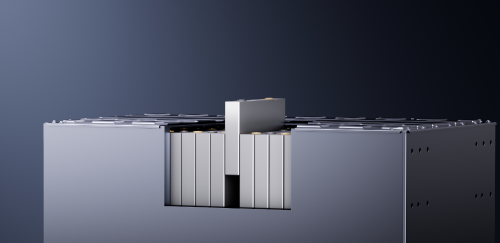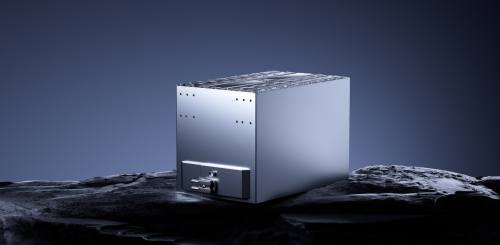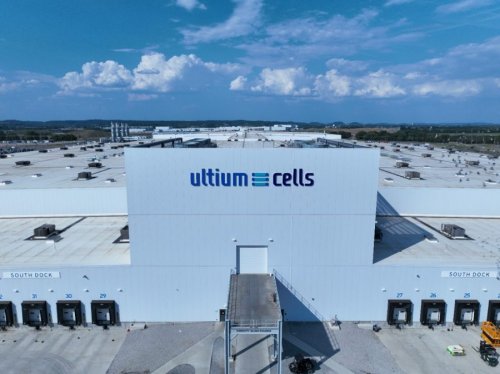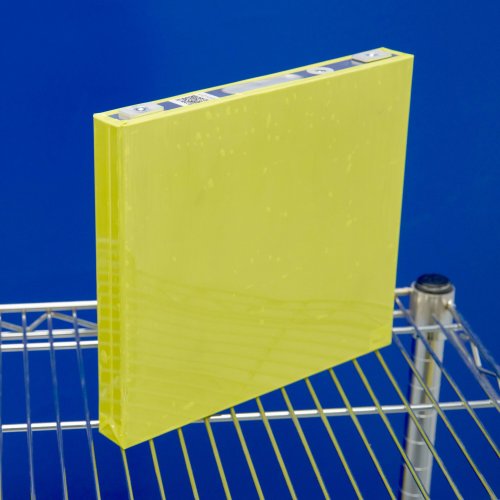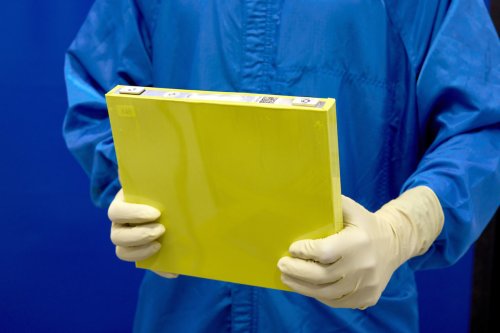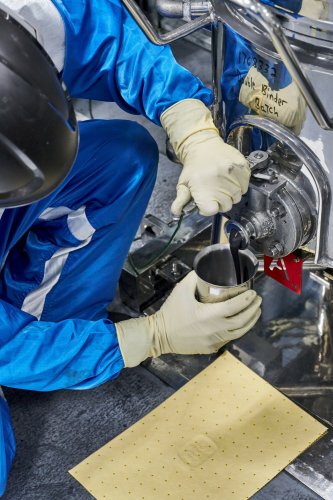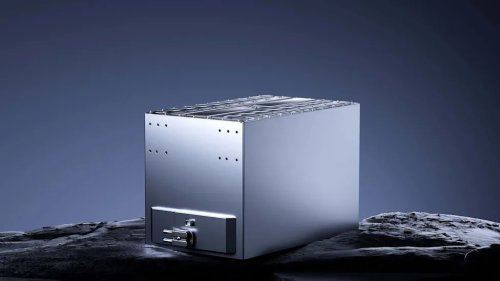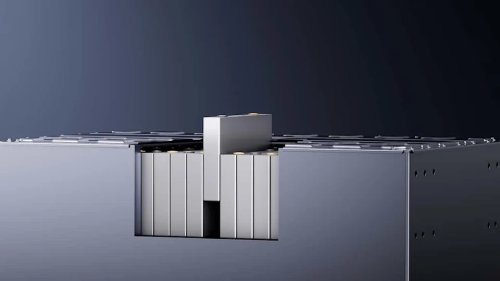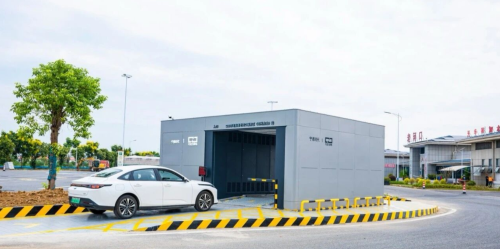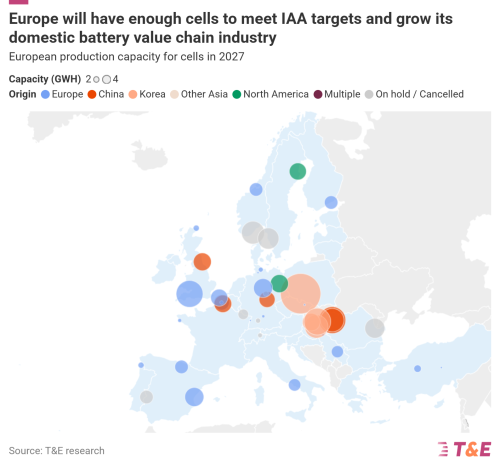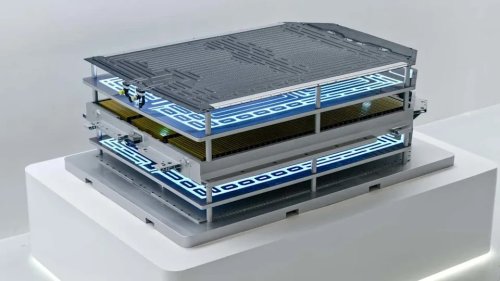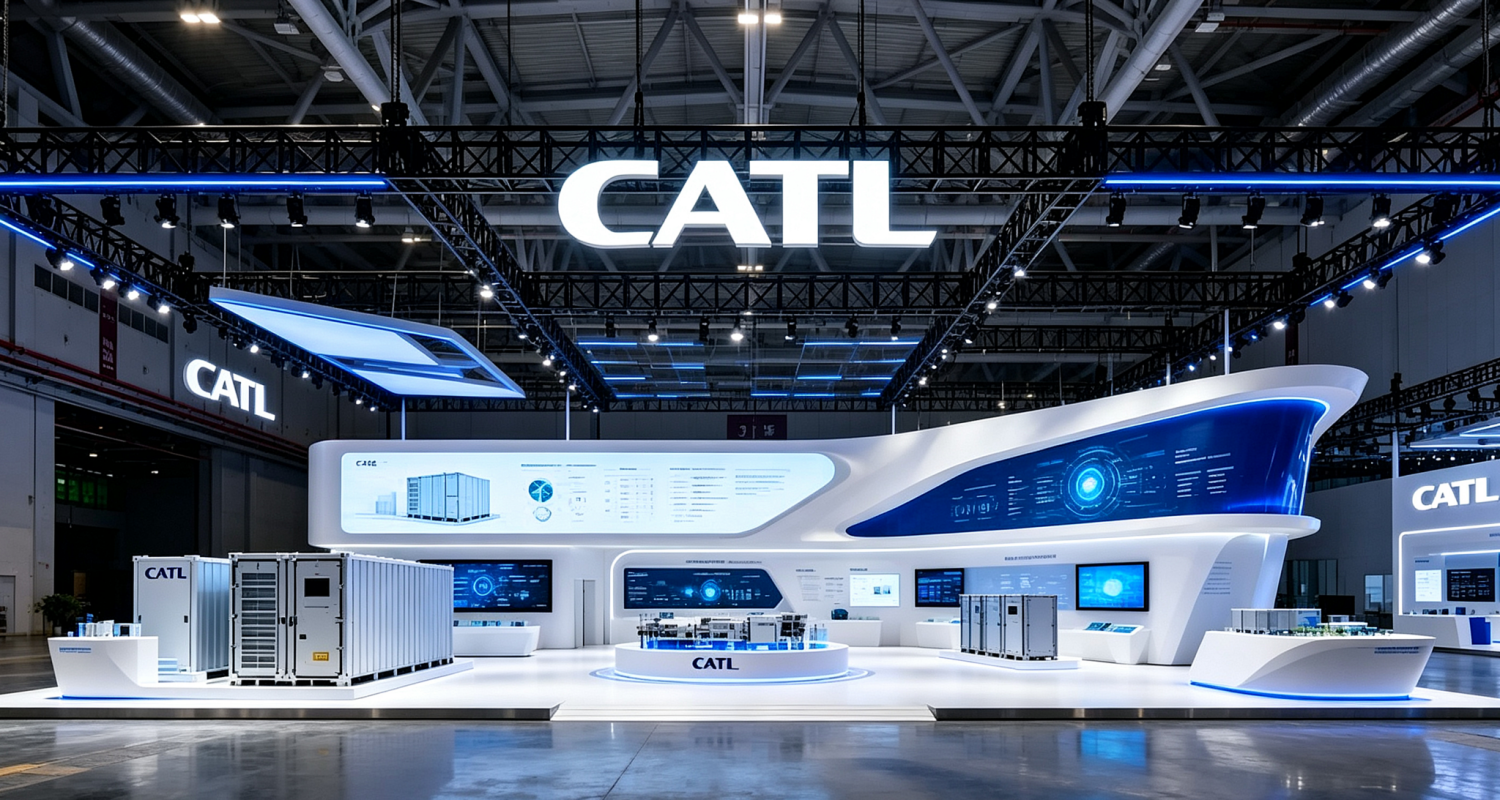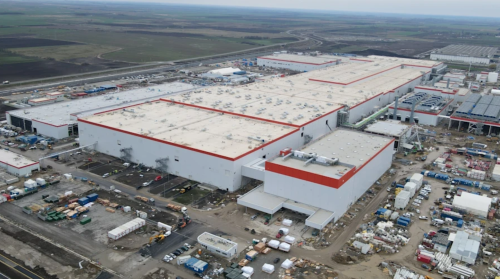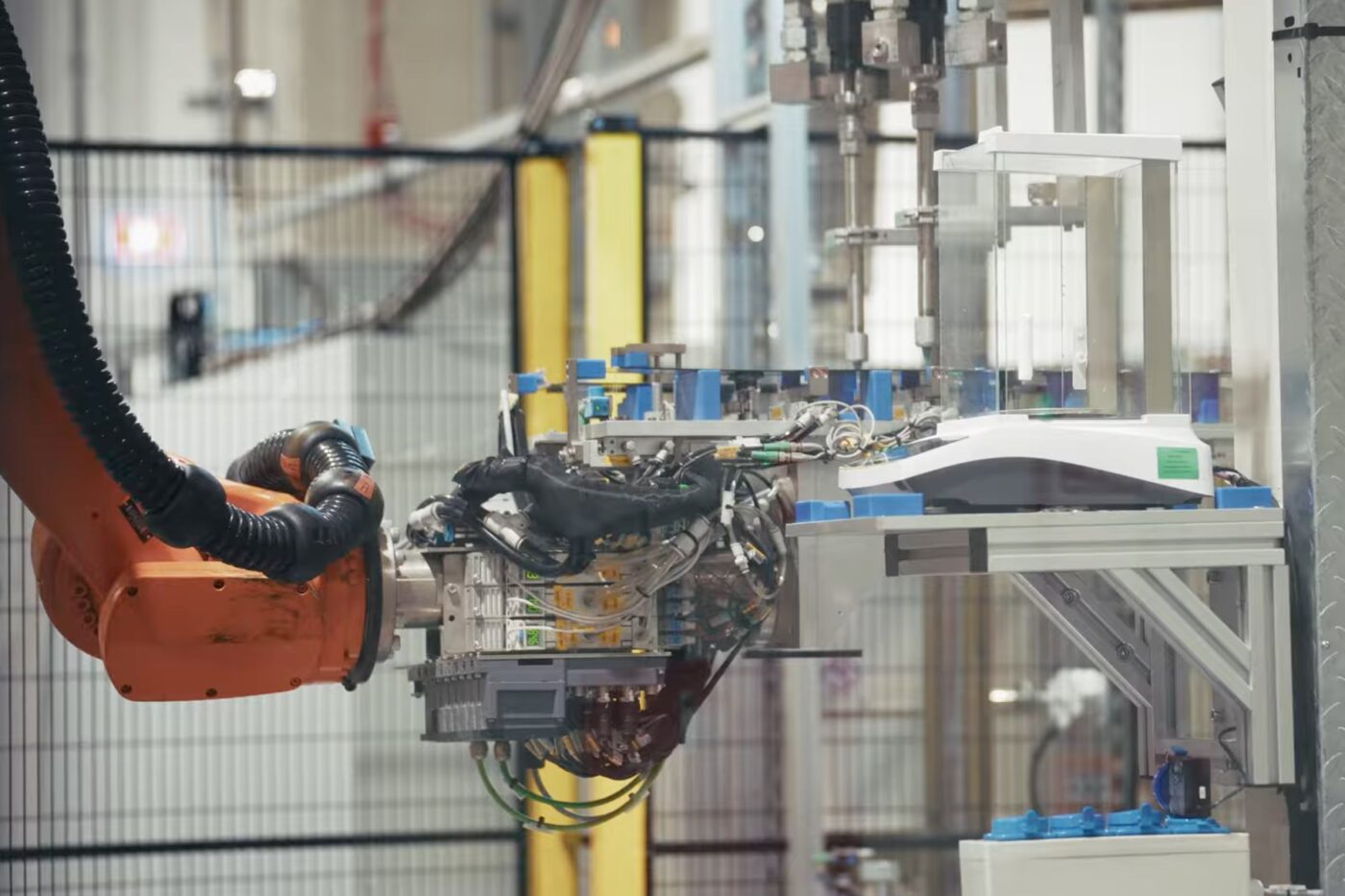



















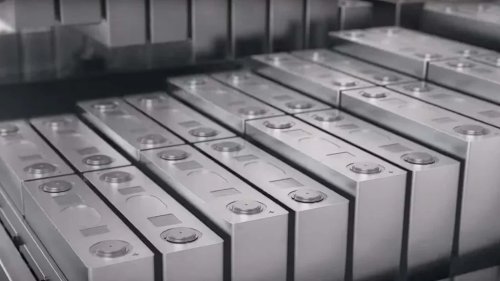



Image: CATLCATL announced the construction of its battery factory in Debrecen in August 2022 with the aim of producing both battery cells and modules for European automotive manufacturers. At the time, CATL confirmed an investment volume of 7.34 billion euros, spread across various expansion phases—and named Mercedes-Benz as its first major customer.Media reports also suggested that BMW would be another customer, as the German automaker had built a new plant in Debrecen to manufacture the all-electric BMW iX3. The Debrecen site will also serve as CATL’s second cell factory in Europe, following the plant in Arnstadt near Erfurt.The Chinese corporation has now reached a significant milestone in the construction of its Debrecen factory: a newly constructed hall will produce battery modules with an annual capacity of 5 GWh. This output could theoretically power 50,000 electric vehicles with large 100 kWh batteries or 125,000 small electric cars with 40 kWh batteries.However, the battery cells for these modules are still being temporarily sourced from other CATL factories, as cell production in Debrecen has not yet begun. According to company statements, construction of the cell factory—initially planned with an annual capacity of 40 GWh—has now been completed, and the production facilities have already been installed. Once the final outstanding permits are secured, CATL plans to begin test production of battery cells immediately.This means CATL is currently behind schedule. As recently as December, the company had targeted March or April for the start of series production in Debrecen. Given that it may take weeks, if not months, to transition from test production to series production, the project is now several months behind schedule. In a later expansion phase, CATL plans to increase the cell factory’s capacity to 100 GWh.Returning to battery module production: while the launch of production on the company’s own premises marks an important milestone, CATL has already been manufacturing battery modules in Debrecen since autumn 2024, using two lines in a rented hall. To date, 240,000 modules have been produced there, capable of powering around 60,000 electric vehicles.hungarytoday.hu