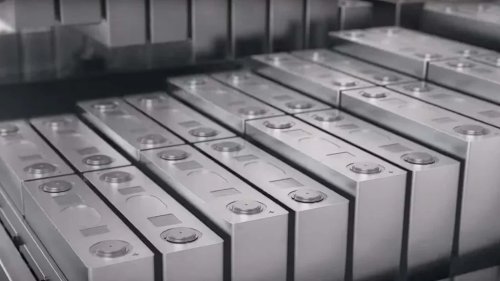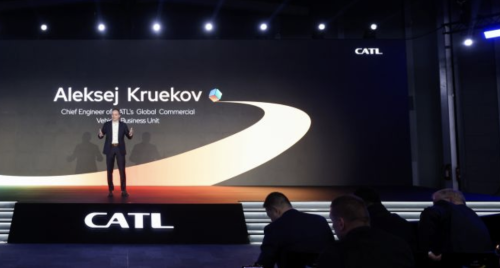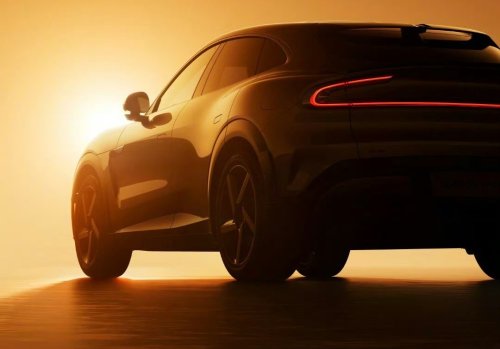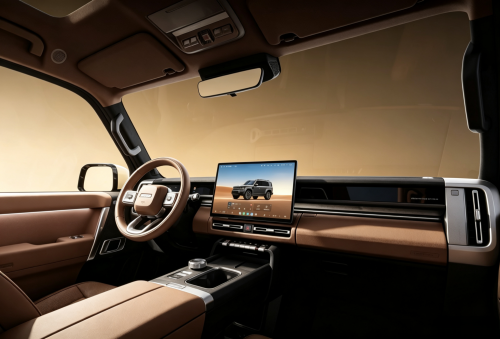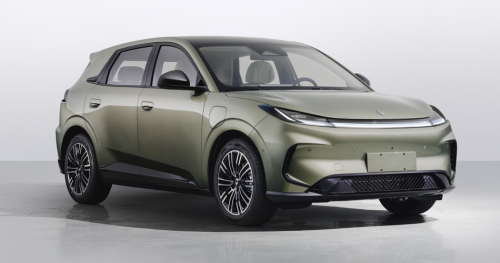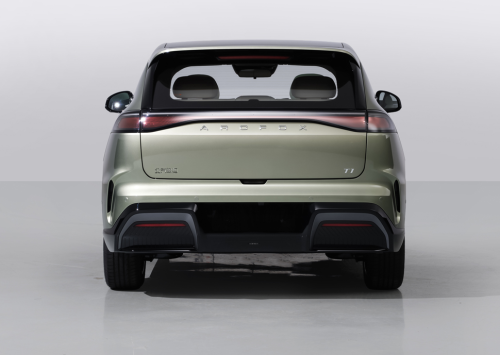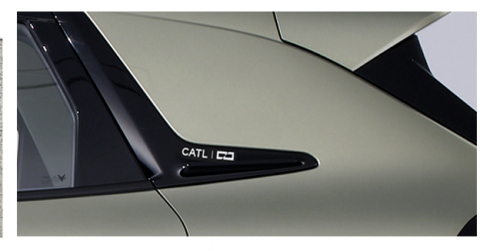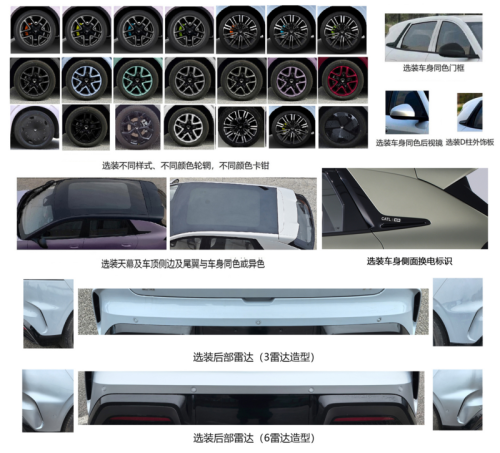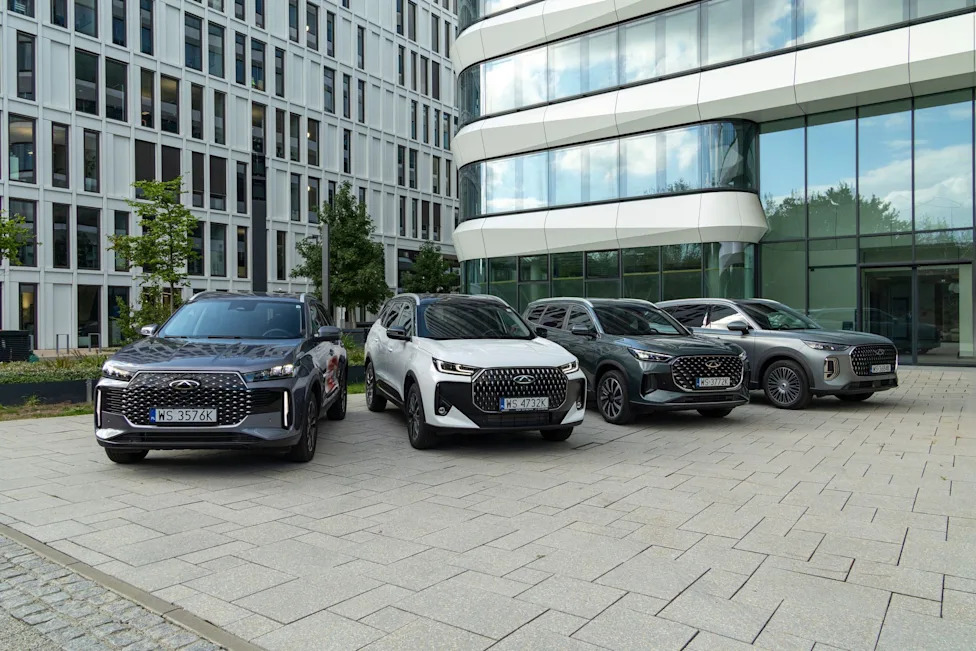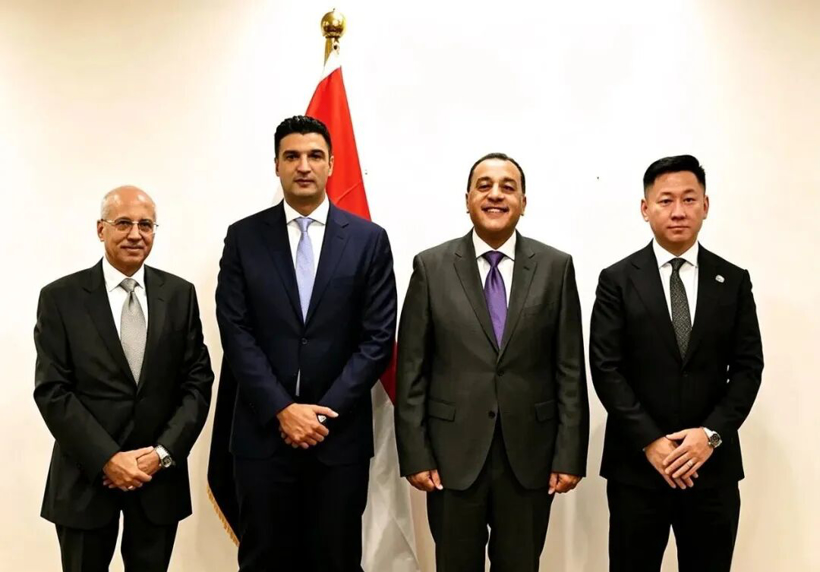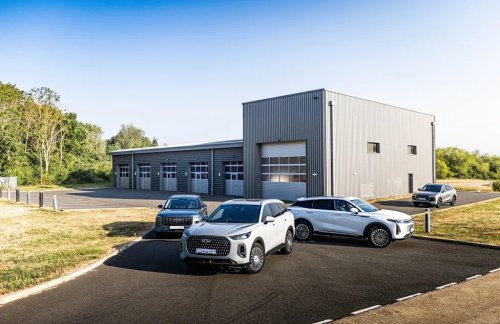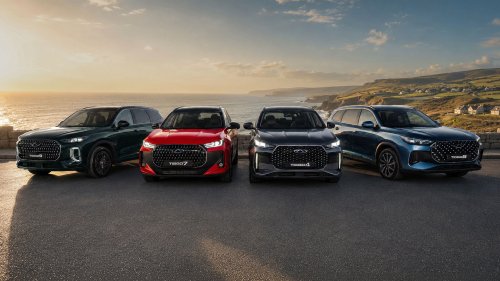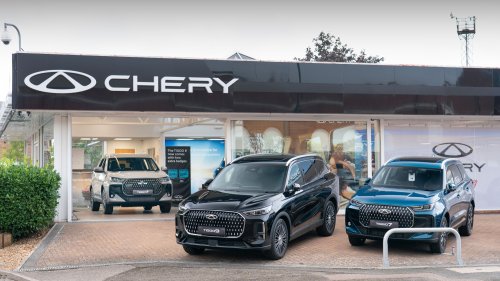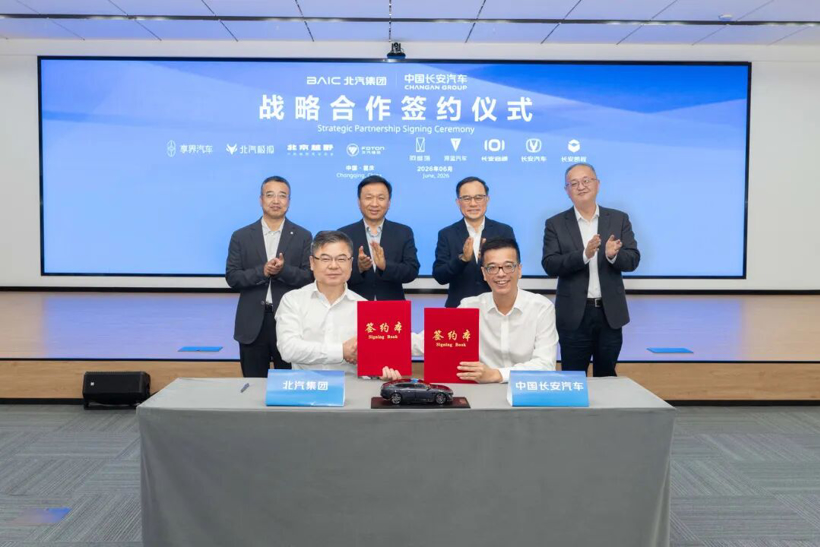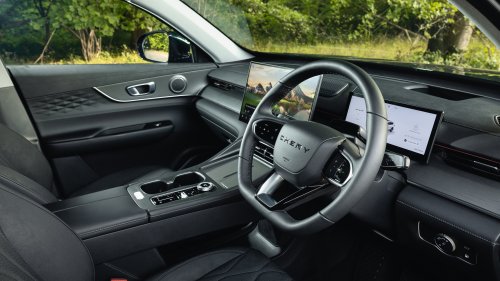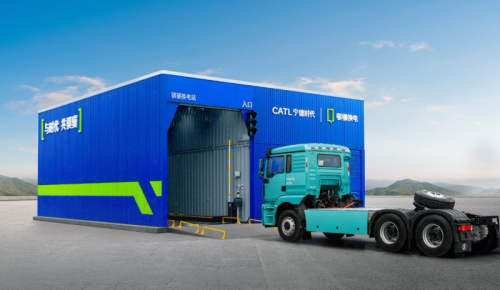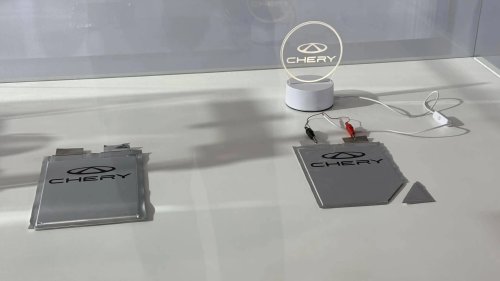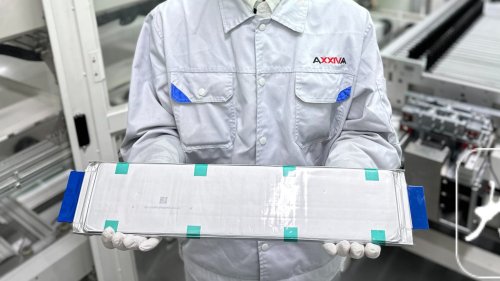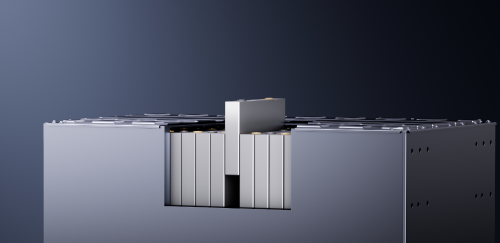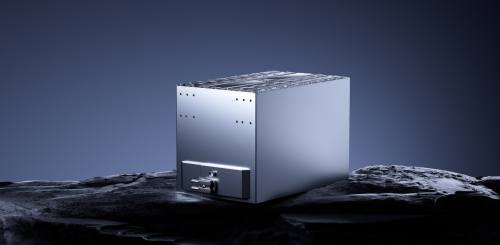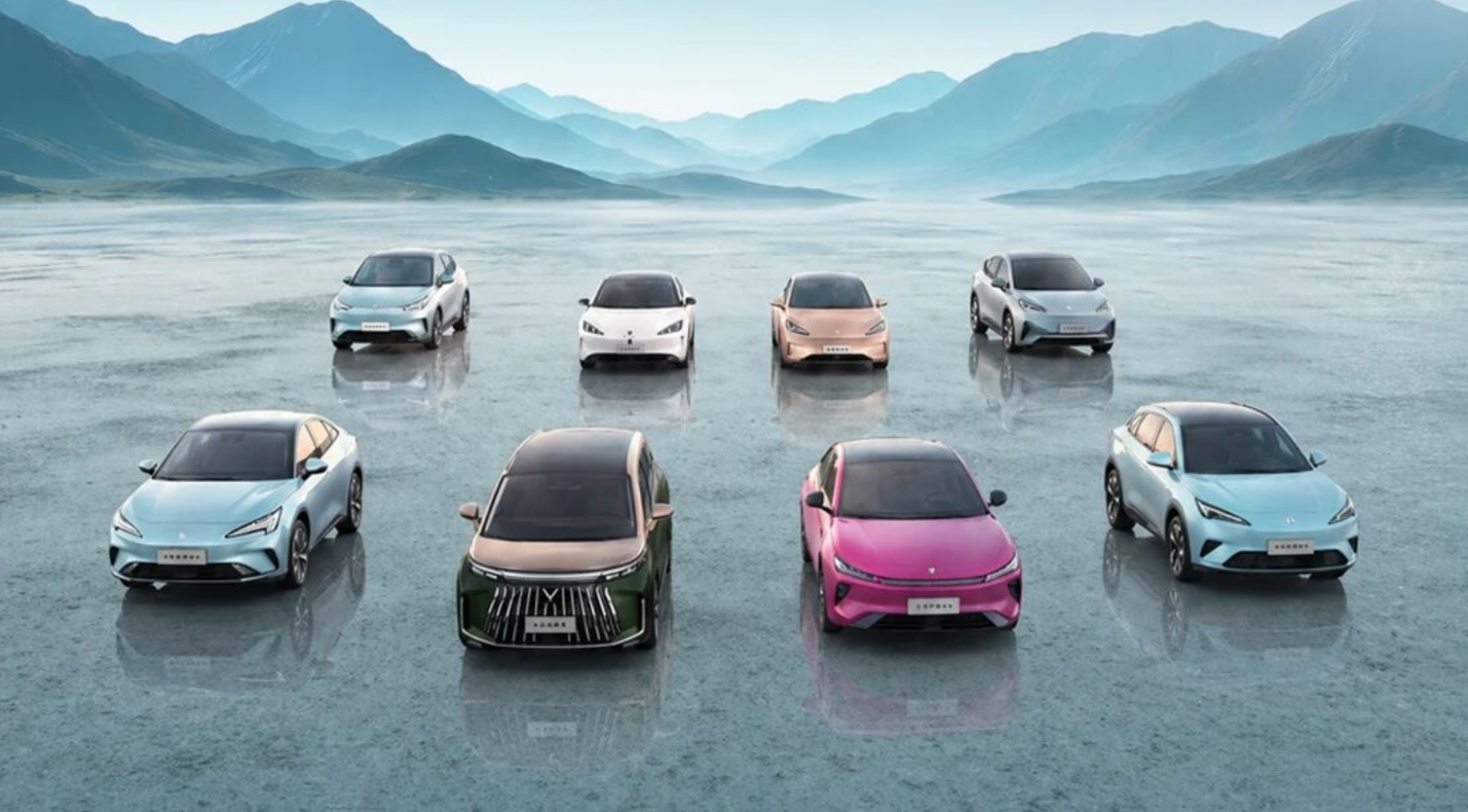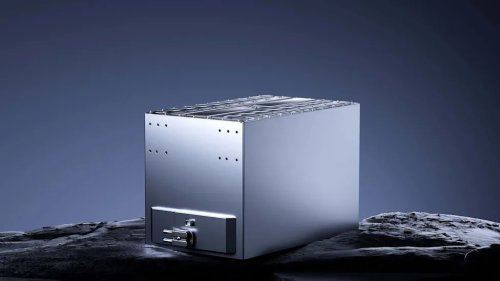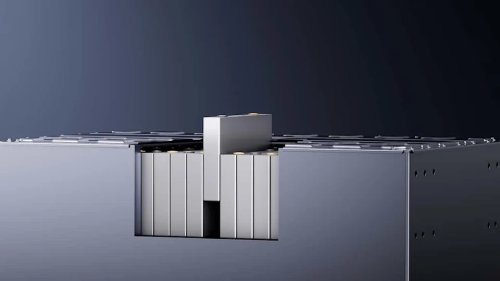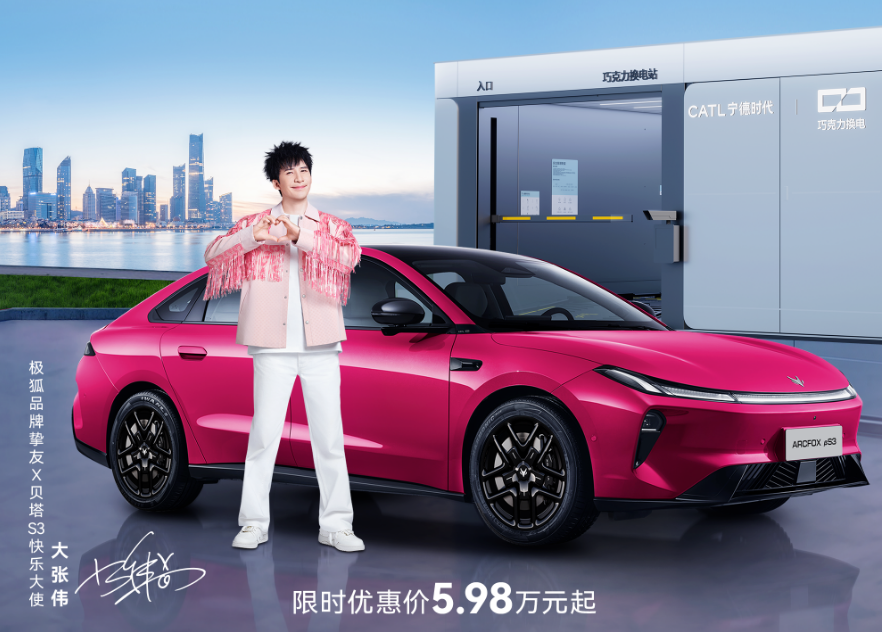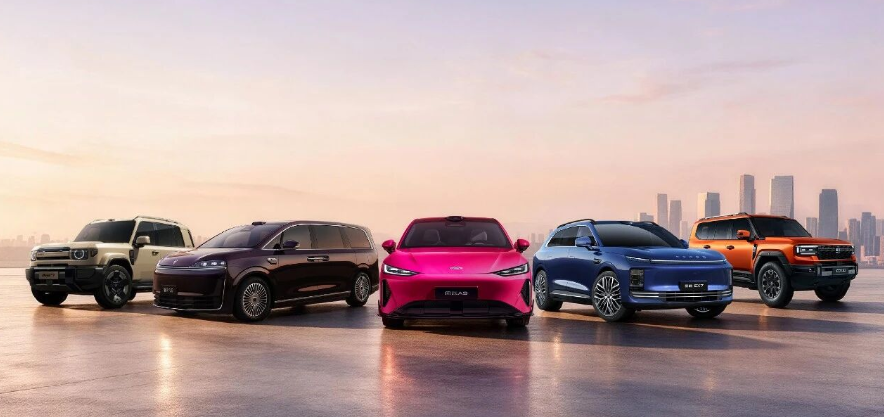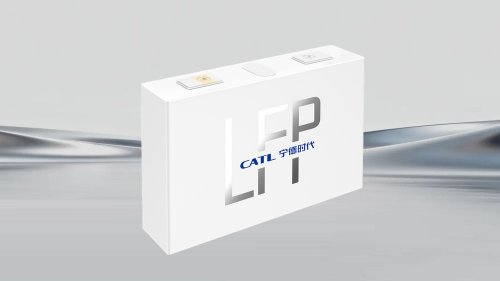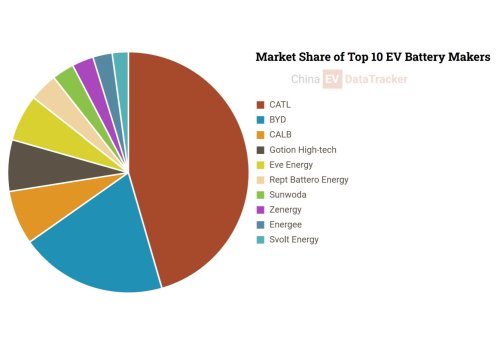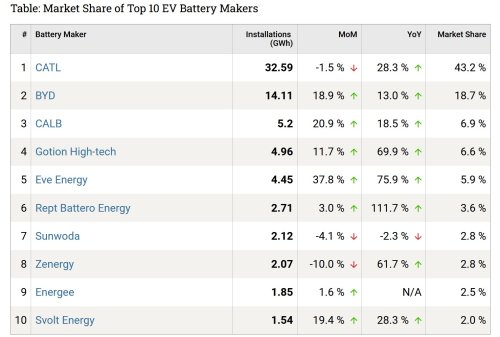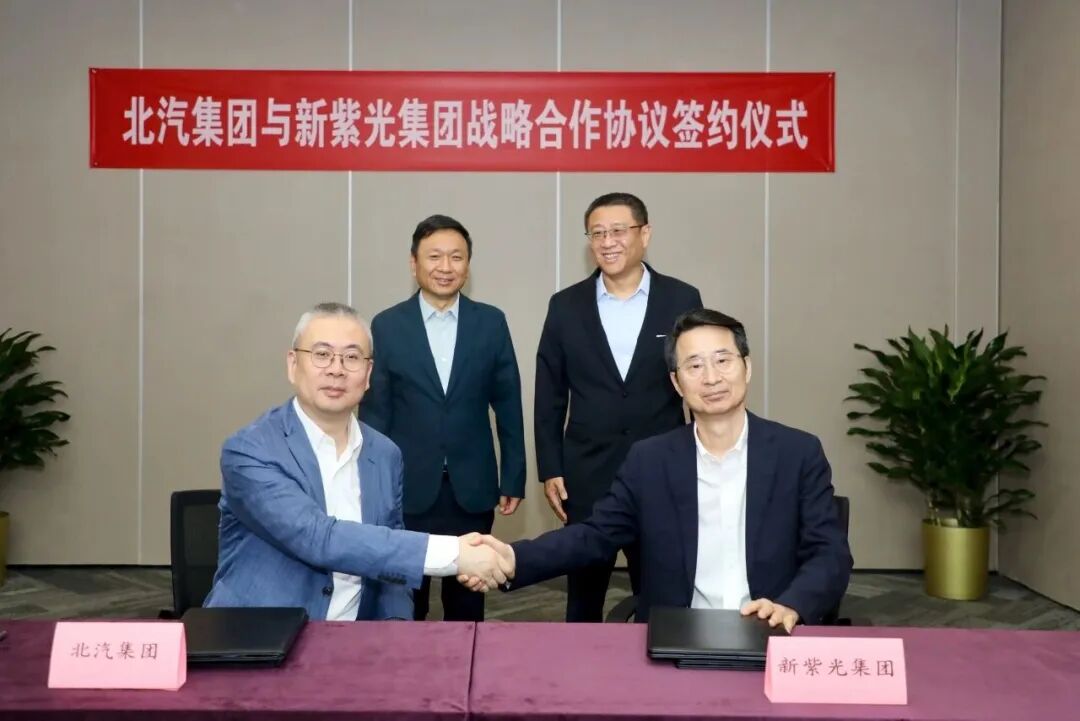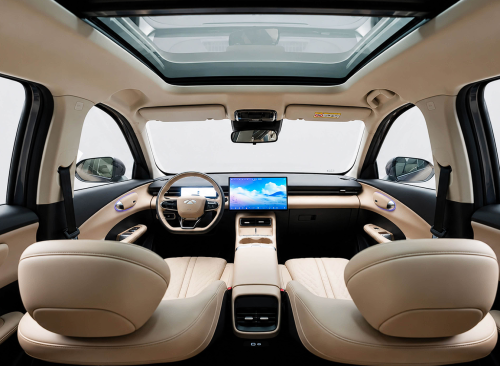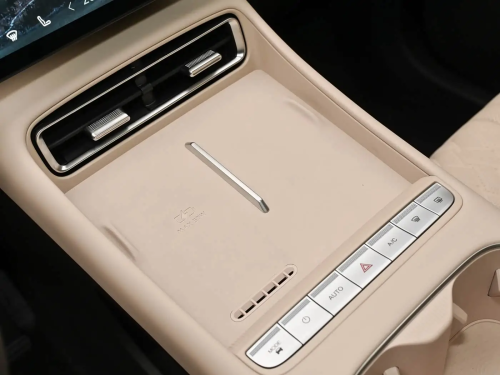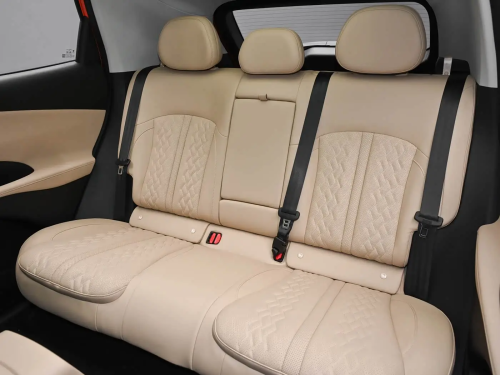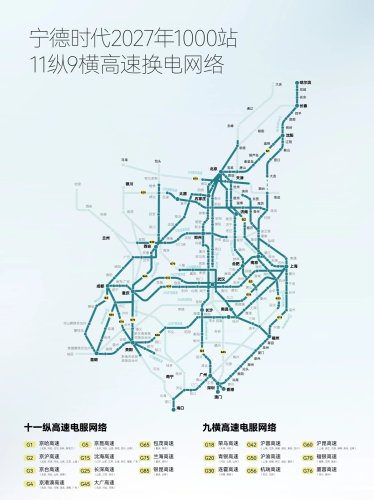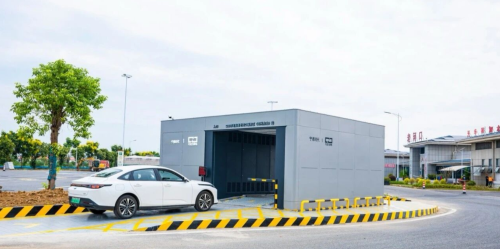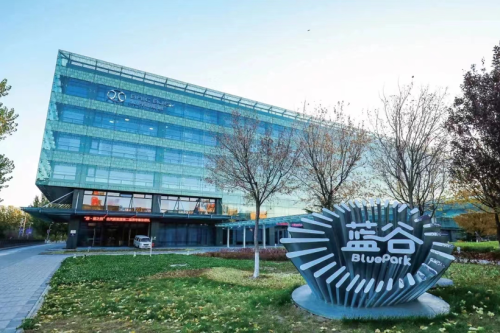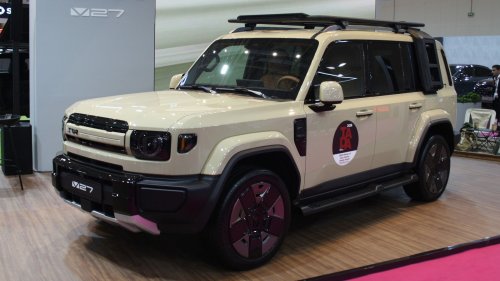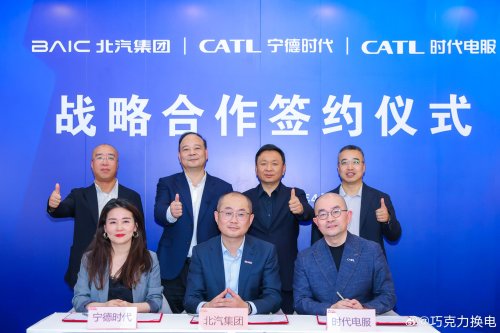
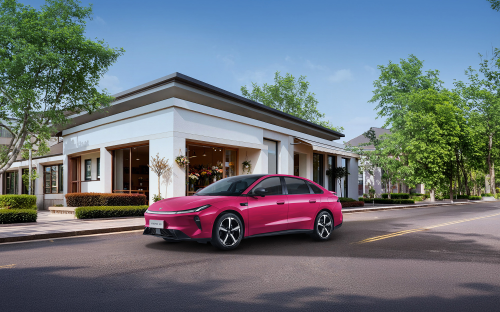
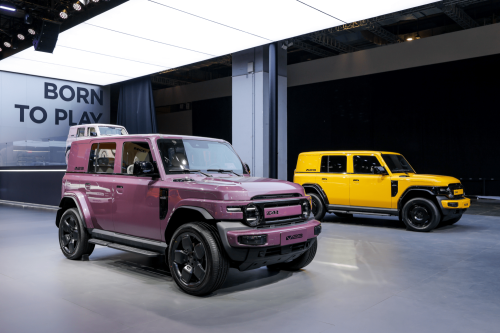
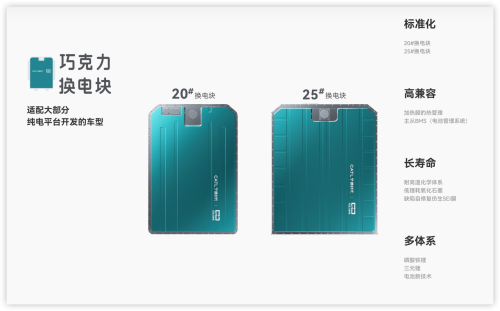
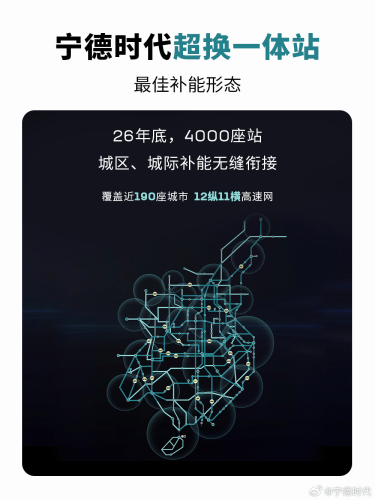


















On April 25, CATL inked separate strategic agreements with BAIC and Chery, deepening its ties with both partners through a dual focus: the co-development of swap-ready models and the massive rollout of the “Ultra-Charge + Swap” network. This move marks a pivotal step in scaling the broader battery-swapping ecosystem. CATL and its subsidiary EVOGO formally sign a comprehensive battery swapping and energy strategic framework agreement with BAIC Group At its core, the “Ultra-Charge + Swap” model integrates high-power supercharging piles with the Chocolate battery-swap system, creating a flexible, “charge-or-swap” solution. This architecture closely mirrors Nio’s current energy strategy. BAIC’s involvement isn’t new; the two partners signed a framework agreement back in June 2024. This collaboration bore fruit at this year’s Beijing Auto Show with the debut of the ArcFox S3—the brand’s first swap-capable model—which opened pre-sales at an aggressive ~$9K USD (64.8K RMB). ArcFox S3 Chery, by contrast, is still in the ramp-up phase. While it unveiled the iCar V23—a rugged, swap-ready SUV—at the 2025 Shanghai Auto Show, the model has yet to reach mass production. The new agreement is expected to accelerate its path to market. iCar V23 This expansion is a pivotal component of CATL’s broader ambition. During a previous showcase in Shanghai, CATL outlined a roadmap to collaborate with five major OEMs—FAW, Changan, BAIC, Chery, and GAC—to launch 10 models powered by the Chocolate swap system. Currently, the ecosystem has two mass-produced models on the road: the Aion UT and Aion RT. With the ArcFox S3 joining soon, CATL’s initial lineup is clearly targeting the A0 and A-segments, focusing on the mass-market “budget” category. This segmentation is dictated by hardware. The current Chocolate battery-swap system utilizes 20# and 25# standard battery blocks, offering a CLTC range of roughly 250–370 miles (400–600 km)—a perfect fit for the requirements of A0 and A-segment vehicles. CATL’s 20# and 25# battery packs for the Chocolate battery-swap system To break into higher segments, CATL unveiled its 26# battery pack at its April 21 Tech Day. Built on an 800V high-voltage architecture, this pack is designed for B- and C-segment vehicles. Starting with a 75kWh capacity, with larger versions to follow, it clears the technical path for premium swap-capable models. The Hongqi EH7 from FAW is poised to be the first B+ segment sedan to adopt this new pack. Infrastructure, however, remains the ultimate bottleneck. CATL’s latest data shows that as of April 2026, over 1.47K Chocolate swap stations are operational across 99 cities. The roadmap is aggressive: reaching 3K stations and nearly 190 cities by the end of 2026. CATL’s vision for a unified “Ultra-Charge + Swap” energy network In the swapping race, Nio remains the unavoidable benchmark. As the pioneer with the largest existing network, Nio was the first to call for a “swapping alliance.” Yet, to date, no models from other OEMs have successfully integrated into Nio’s proprietary system. In contrast, CATL—acting as a Tier 1 supplier—is moving significantly faster in building a coalition. This lead is driven by two factors: first, its 39.2% global market share provides the massive capital required for R&D and infrastructure; second, as an independent supplier, CATL doesn’t compete with OEMs in the vehicle market. This neutrality makes it a safer partner for automakers looking to standardize swapping tech without ceding their brand ecosystem to a rival. However, a clear distinction remains: while Nio occupies the premium space, CATL’s “Chocolate” ecosystem is currently rooted in the A0/A segments, with a heavy leaning toward the high-utilization taxi and ride-hailing markets.