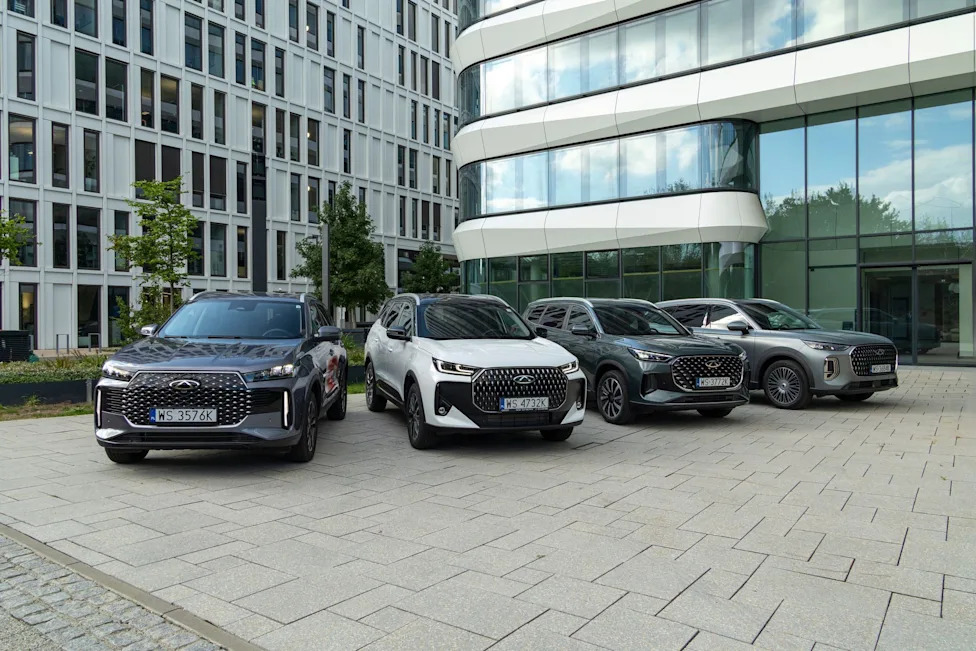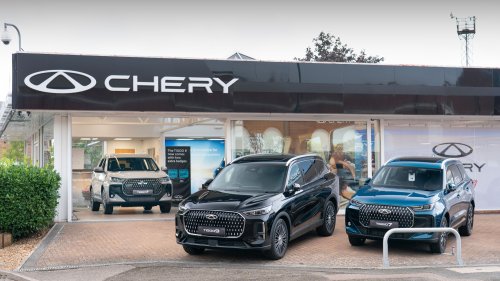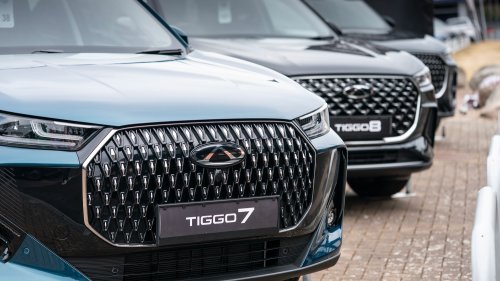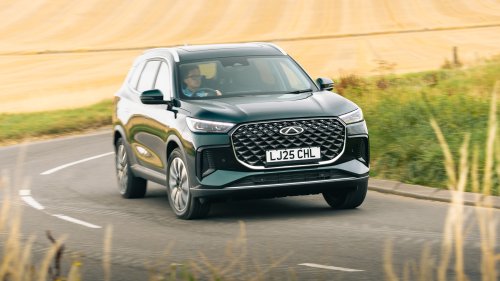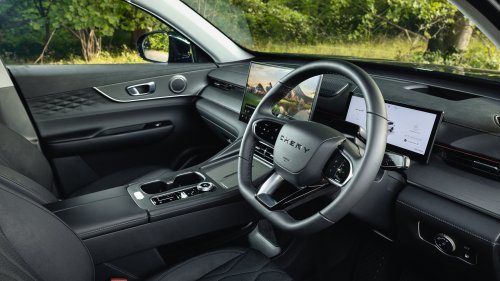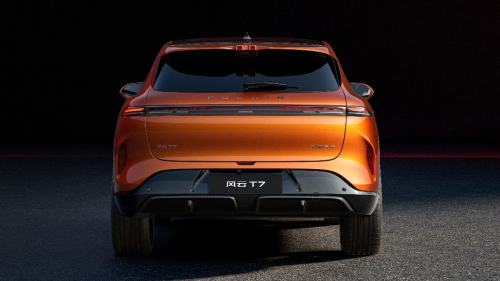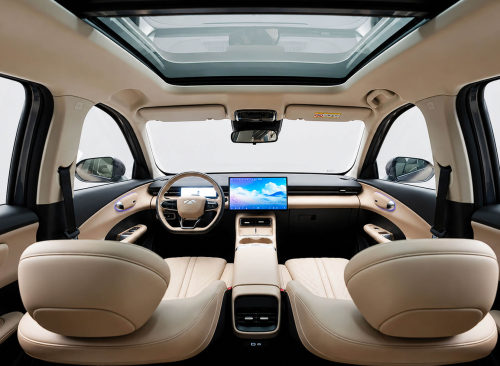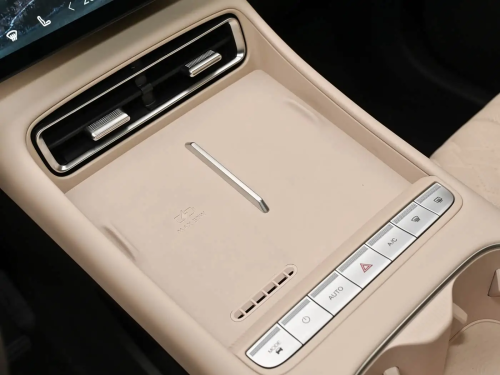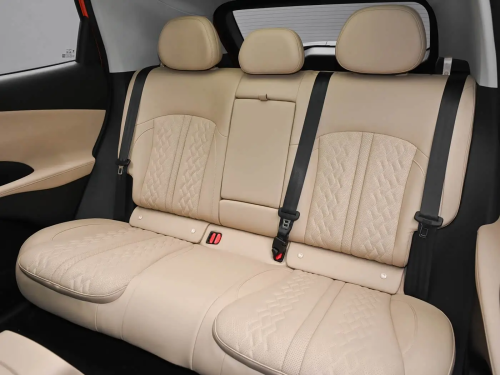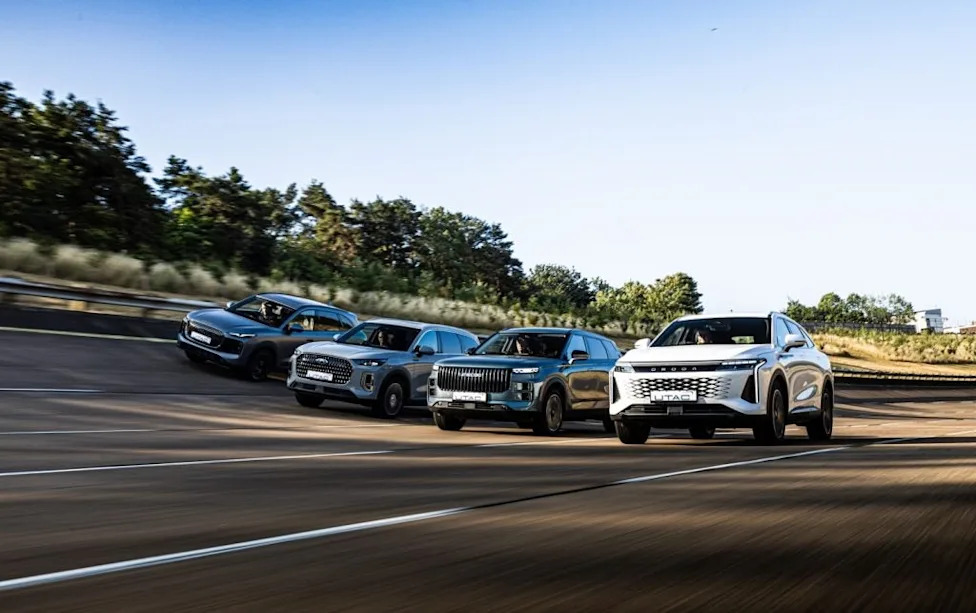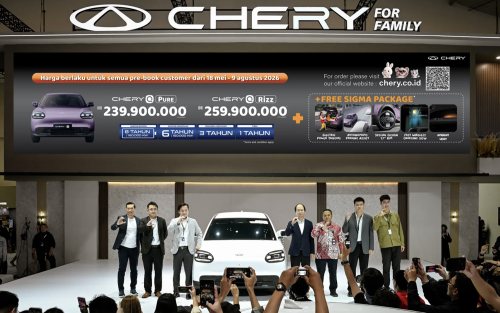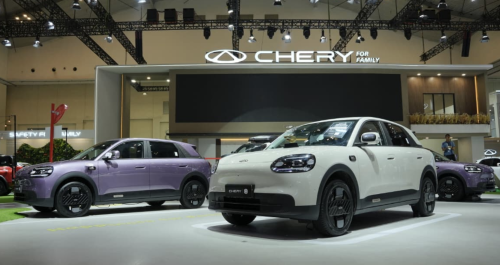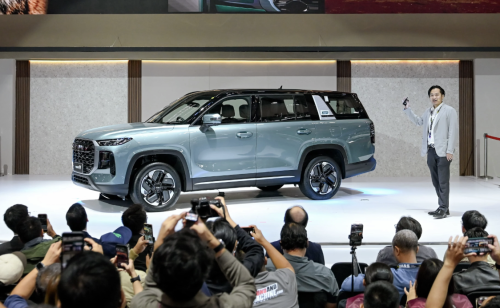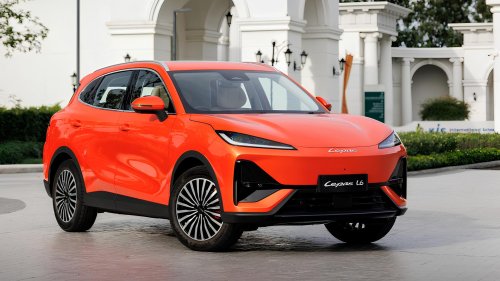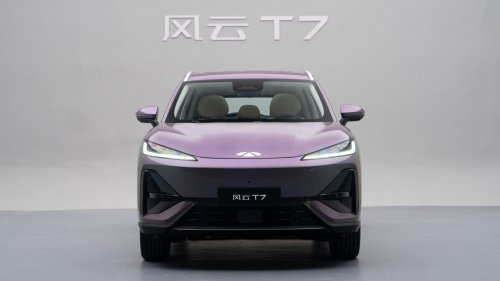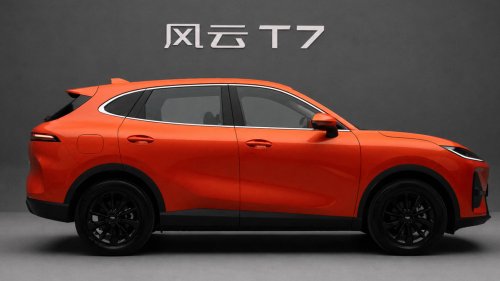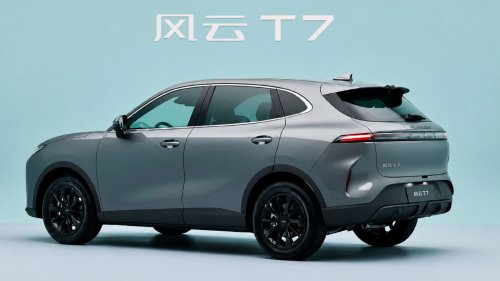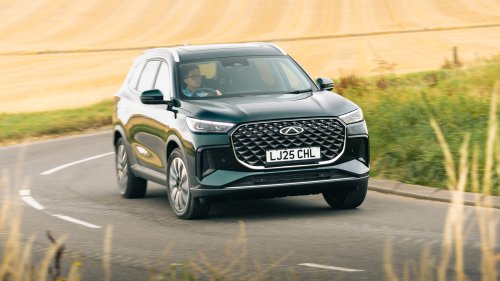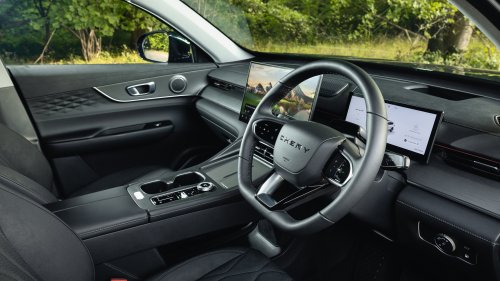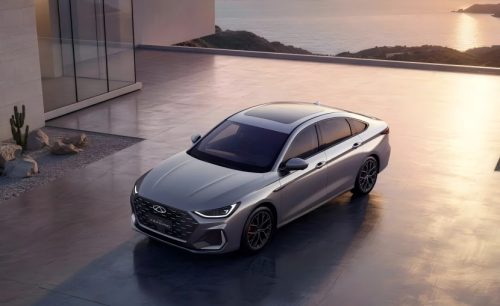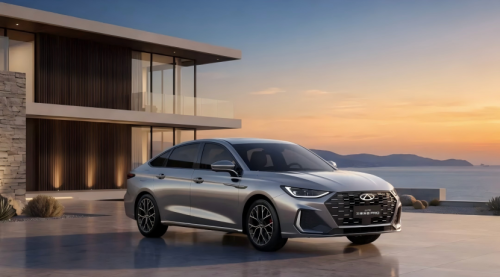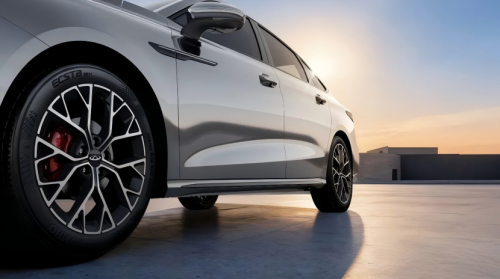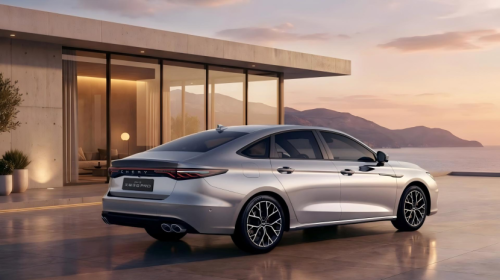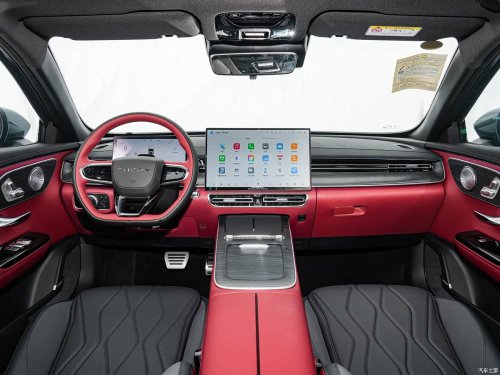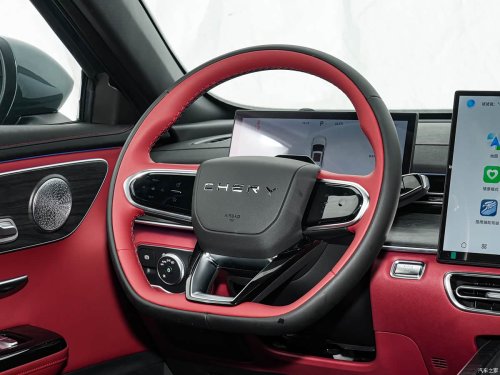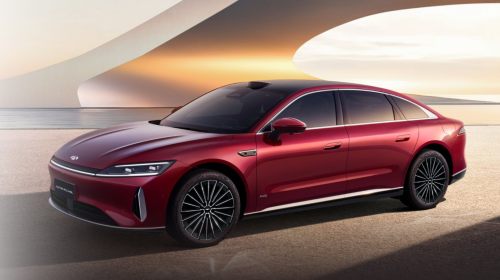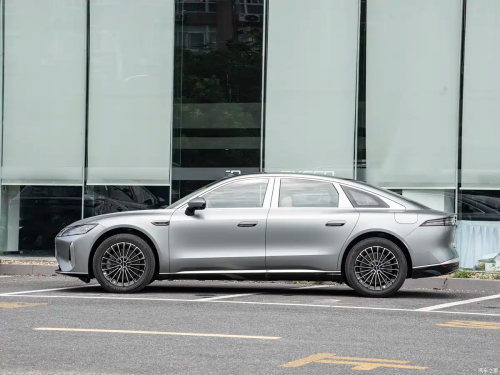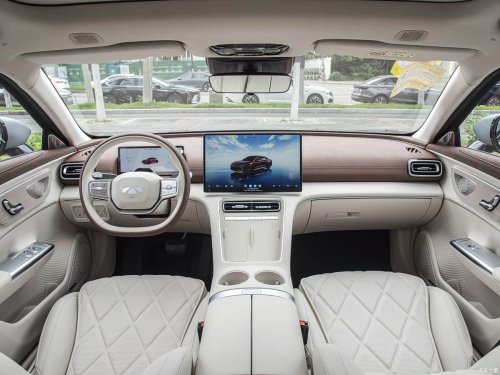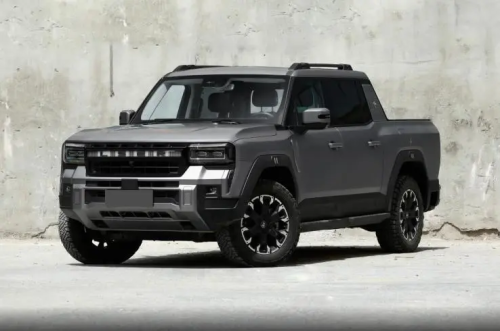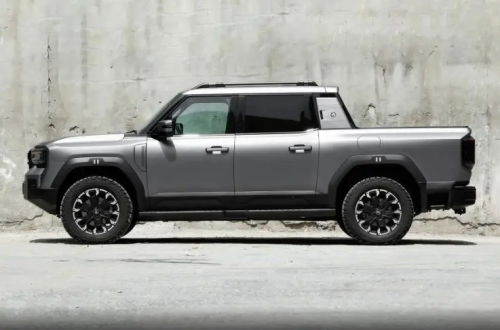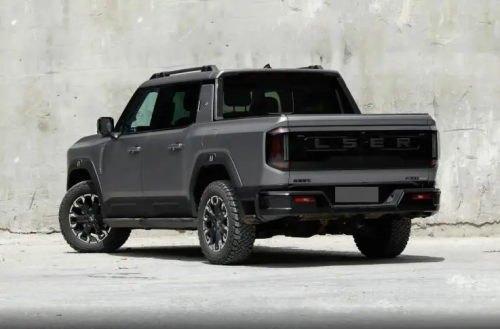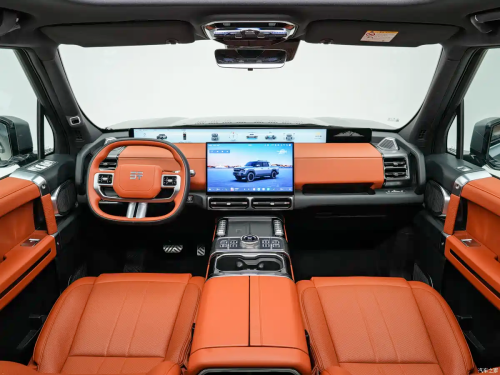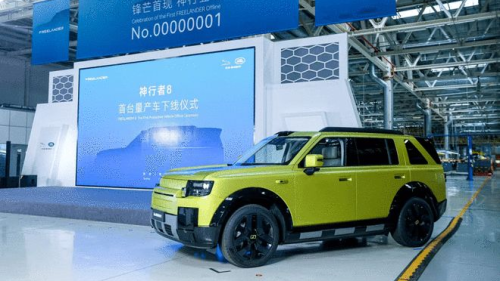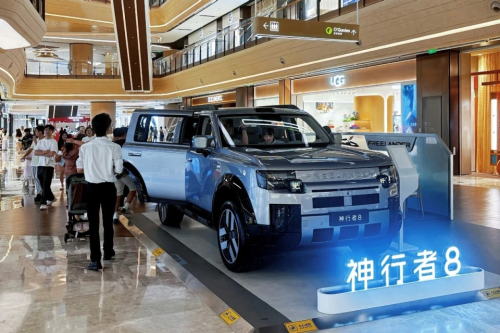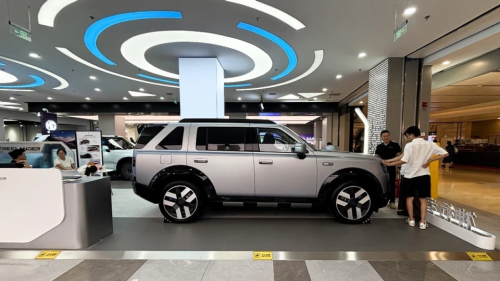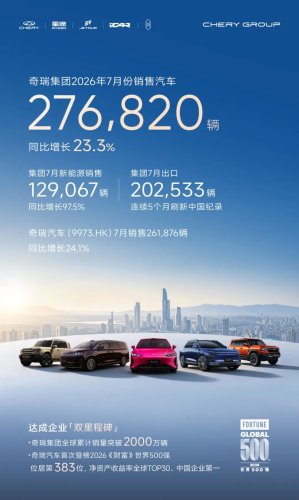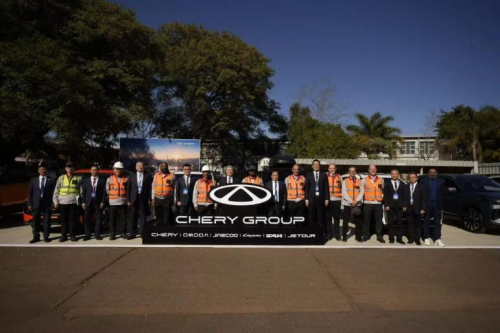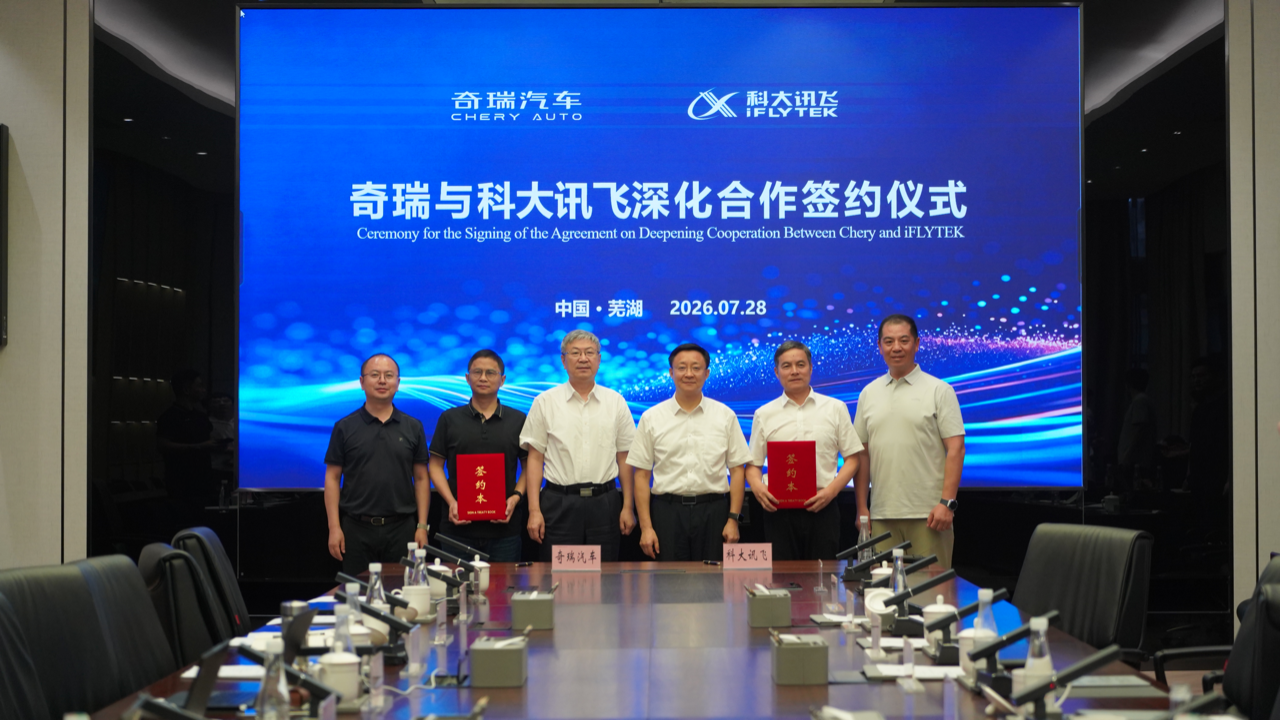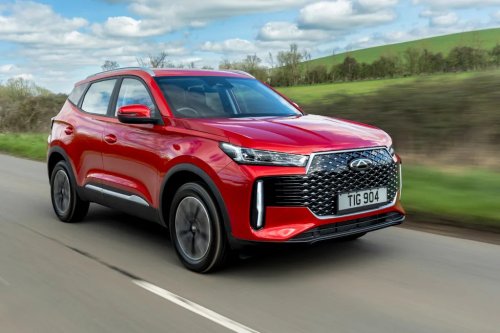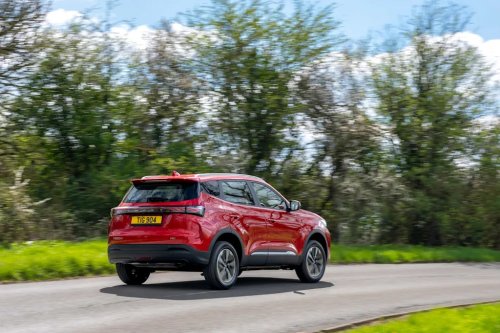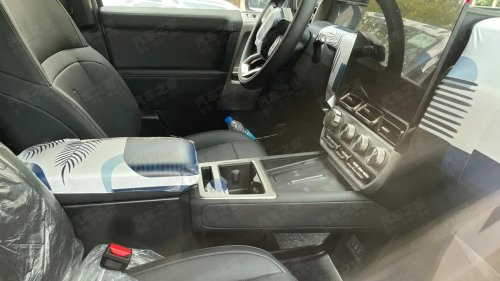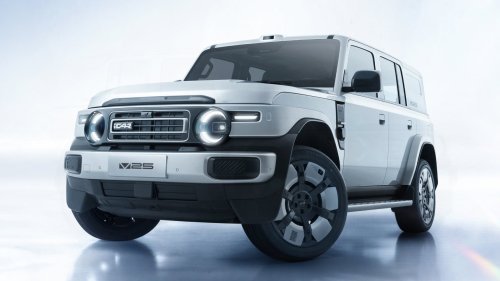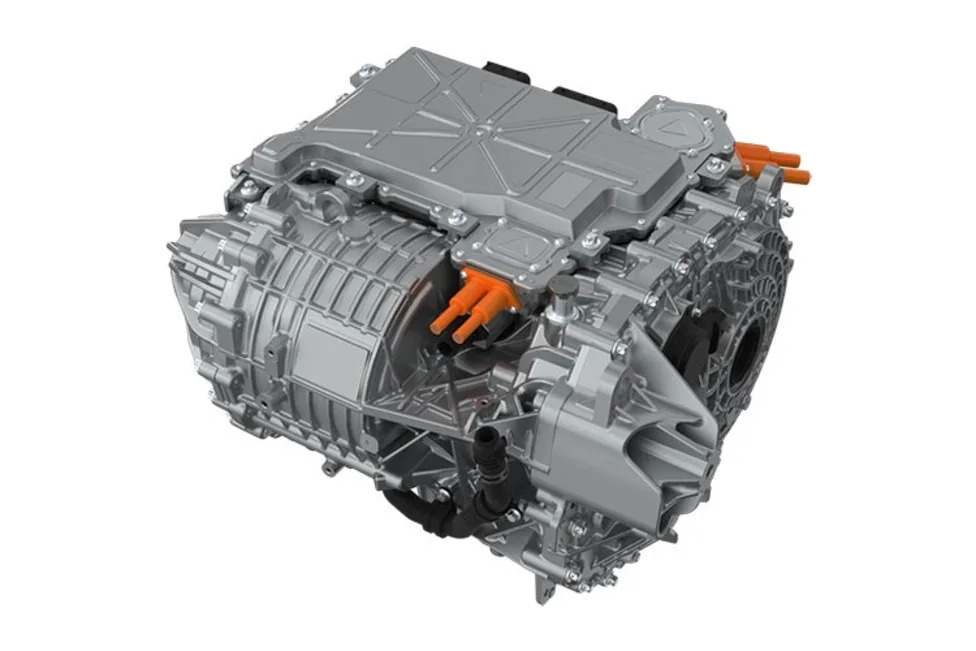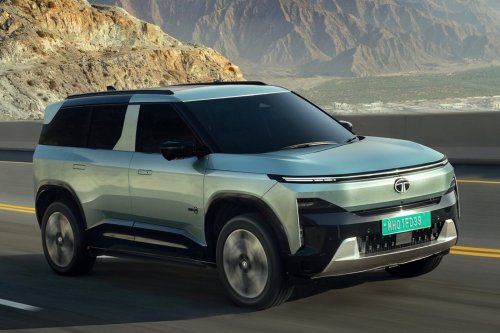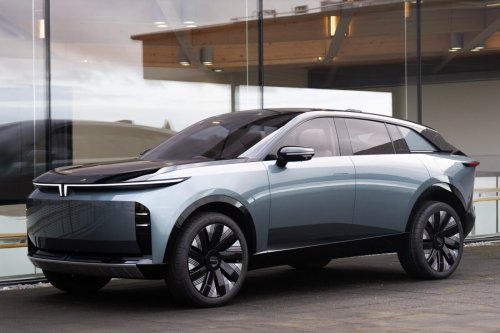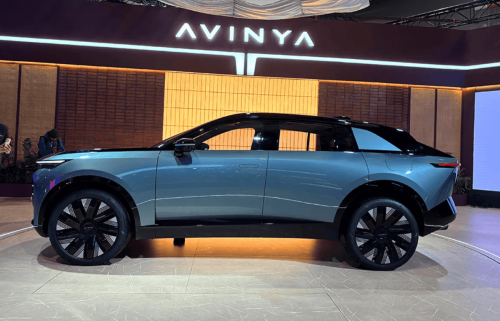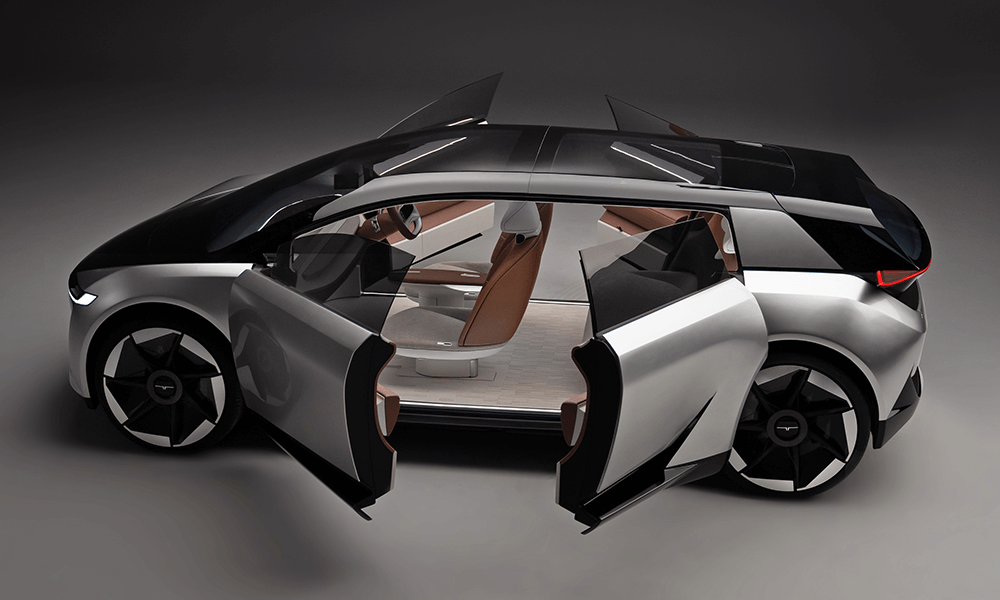
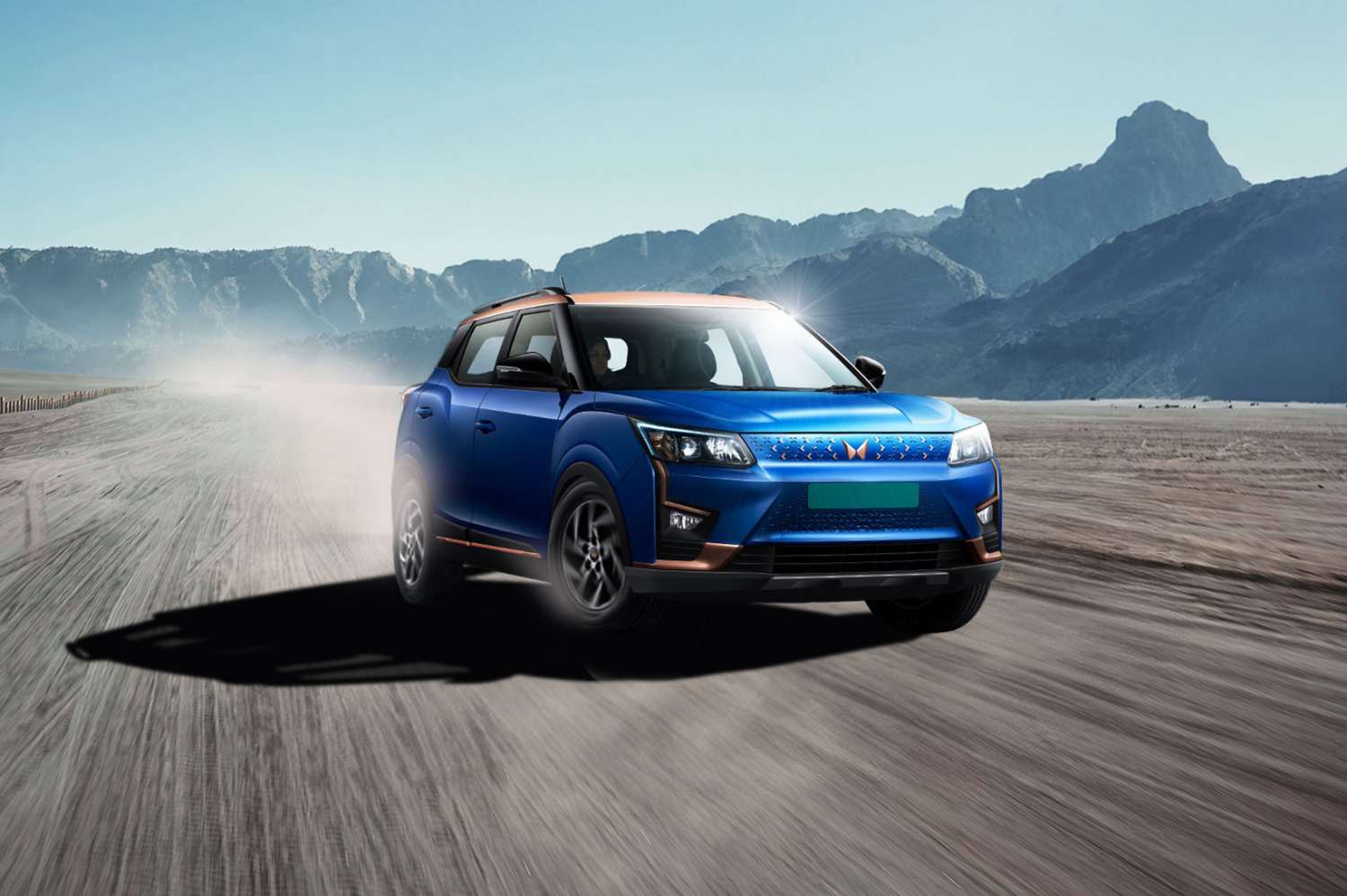



















Gasgoo Munich- Tata Motors is reportedly planning to license a complete vehicle platform from Chery Automobile to advance mass production plans for its high-end electric brand, Avinya.The Avinya project faced delays after a planned Jaguar Land Rover platform was shelved, pushing the first model's mass production target to 2027. Tata intends to use a platform from the Chery-JLR joint venture in China, manufacturing at a new plant in Tamil Nadu; Chery will participate as a supplier.Revealed just a year ahead of the 2027 production target, the move addresses the practical challenges following Tata's strategic pivot and reflects the shifting dynamics of India's EV market.From Proprietary Architecture to External LeverageUnveiled in 2022, the Avinya project was positioned as a futuristic high-end EV brand, with a concept model showcased at the Delhi Auto Expo. The initial technical roadmap was straightforward: leverage Jaguar Land Rover's EMA electric architecture for local production in India.Image source: Tata MotorsHad things gone to plan, the first mass-produced vehicle would have rolled off the line in 2025. But last year, the landscape shifted. Jaguar Land Rover decided to cancel plans to build EMA-based electric vehicles in India, completely disrupting Tata's internal timeline.From a cost and management standpoint, restarting proprietary platform development from scratch would take 3 to 5 years and hundreds of millions of dollars, with no guarantee of technical success or market timing. With the project stalled for over a year, the Avinya concept has educated consumers but lacks a tangible product to sustain the hype. Insiders describe the Chery partnership as a "stopgap" measure—without new products hitting the market soon, Tata risks seeing its EV leadership eroded by rivals.Technically, Tata's pivot is unique. The platform's foundation comes from Chery, but its brand equity stems from Jaguar Land Rover. The two companies previously established a new energy brand combining Chery's electric platforms with JLR's licensed branding.Under the long-term Chery-JLR framework, the platform boasts a mature ecosystem for batteries, motors, architecture, and supply chains. By tapping into this existing chain, Tata can customize models on a proven technology line, significantly shortening the cycle from R&D to mass production.Proactively Responding to New Variables: Market Expansion and Accelerated CompetitionTo understand Tata's decision, look at the broader market. Data from the Federation of Automobile Dealers Associations (FADA) and the India Energy Storage Alliance (IESA) shows India's total EV retail sales reached about 2.3 million units in 2025, accounting for 8% of new registrations. Notably, electric passenger vehicle retail sales climbed to approximately 176,800 units—a 77.04% year-on-year surge that outpaced many industry forecasts.In the passenger EV segment, the competitive landscape is stable yet shifting. Tata Motors held onto the top spot with 70,004 units sold. However, runner-up JSW MG Motor India and third-ranked Mahindra posted growth exceeding 130% and 360% respectively—the latter being the fastest among top-tier brands.Image source: MahindraMahindra quickly captured market share with its 2025 launches, the BE 6 and XEV 9e electric SUVs, entering the price bracket previously dominated by Tata's Nexon EV. Meanwhile, JSW MG Motor India—leveraging technology from SAIC Motor—rapidly rolled out multiple EV models to climb to second place. This means Tata's defensive space is narrowing as it faces encroaching mid-to-high-end rivals with only its current affordable EV lineup.Currently, EVs make up about 14% of Tata's total sales, with a publicly stated goal to raise that to 30% by 2030. Achieving this hinges on whether new models like the Avinya can scale up. Additionally, whether local suppliers can match Avinya's production pace remains a variable to watch.Taken together, the Tata-Chery partnership is a choice born of dual pressures: a narrowing time window and accelerating competition. This is not a simple parts procurement deal, but a deep cooperation involving complete vehicle architecture and core technology.Tata gains crucial development time, allowing it to complete its product layout around the critical 2027 window when high-end EVs will flood the market. Chery, acting as a supplier and technology exporter, further embeds its technical standards in India's fast-growing market. Moving forward, the success of this model will depend on both parties' ability to execute on tech integration, production coordination, and localization.