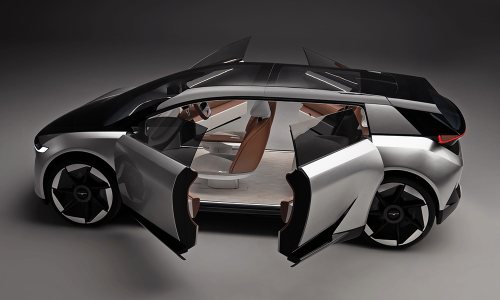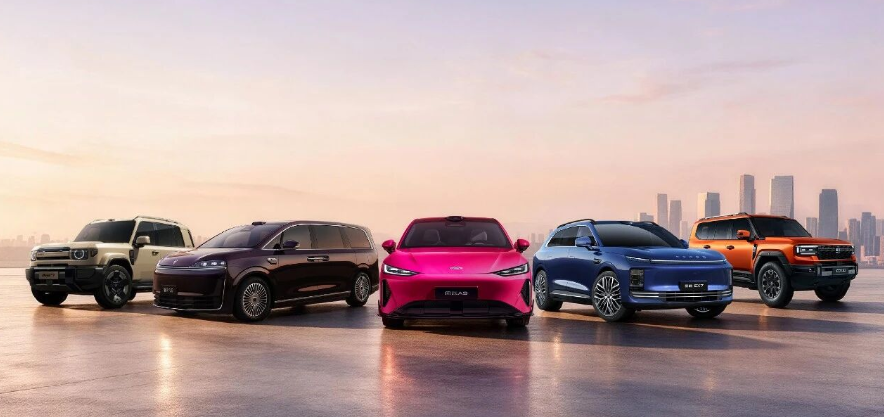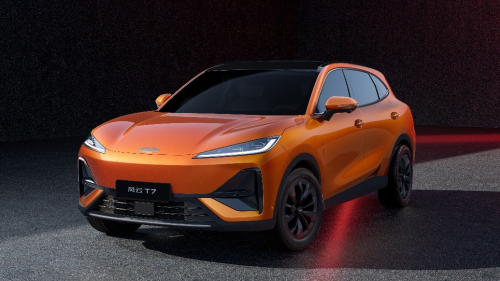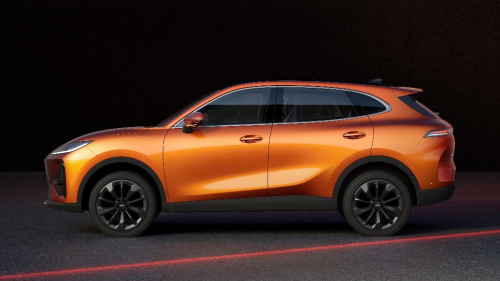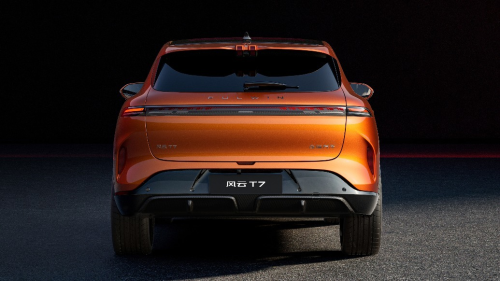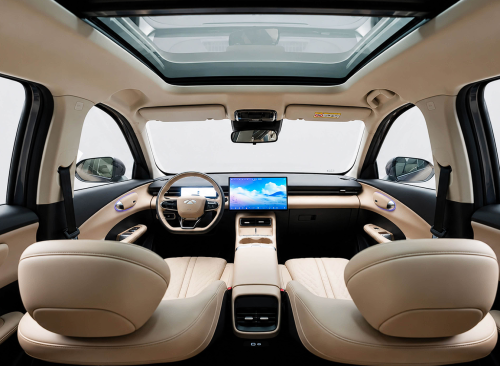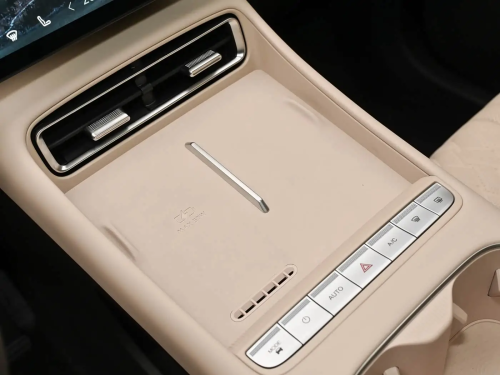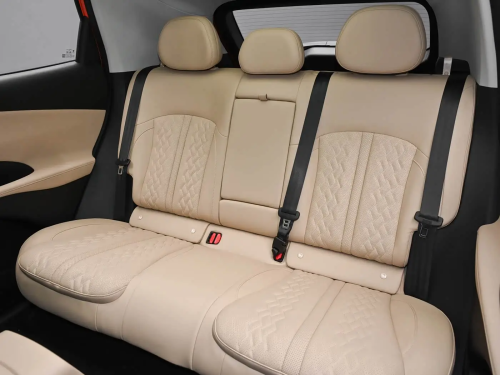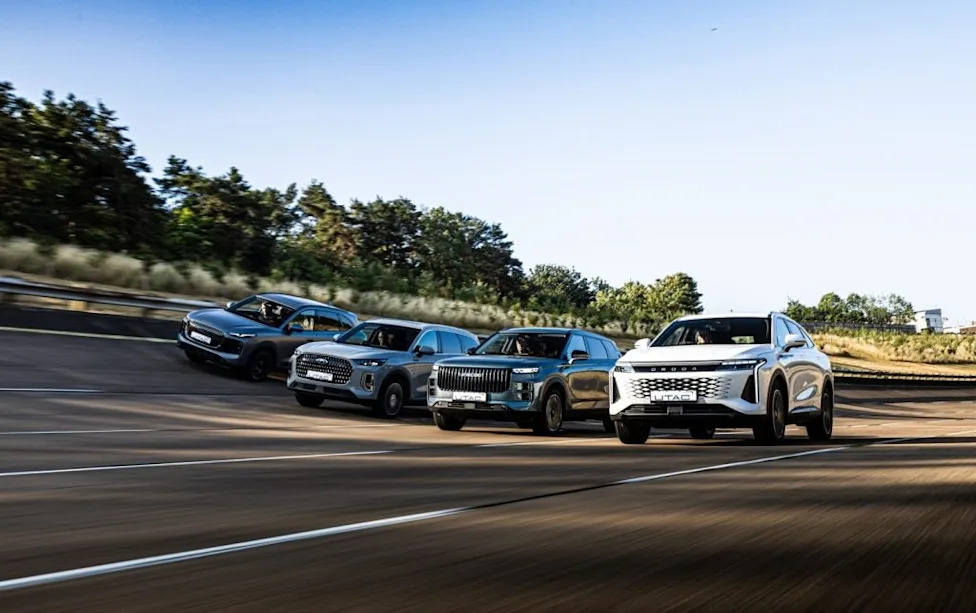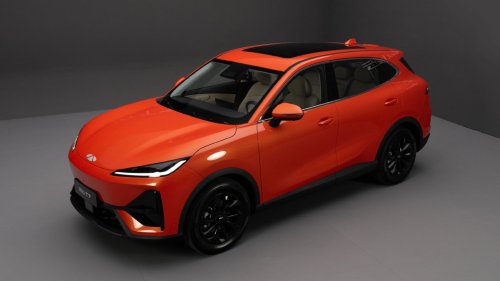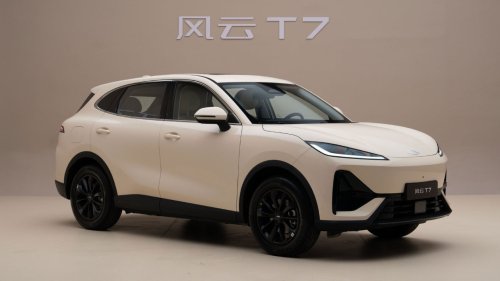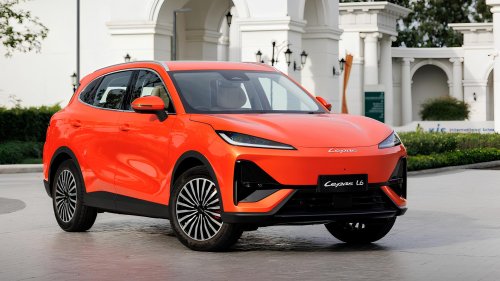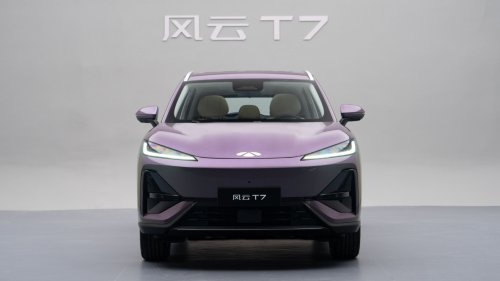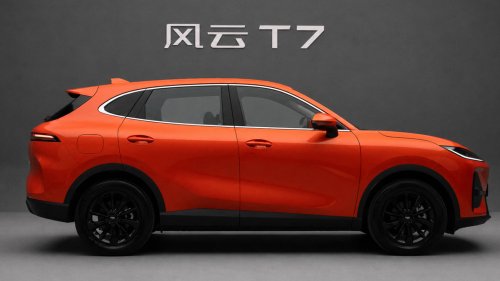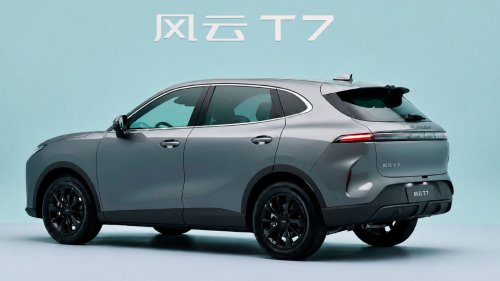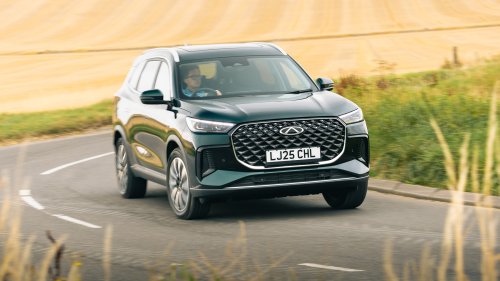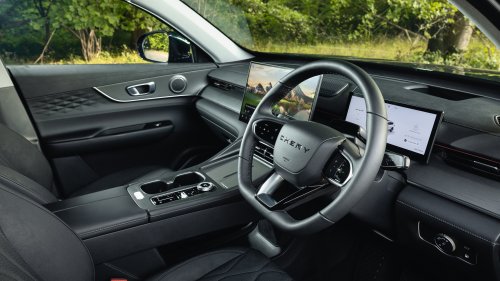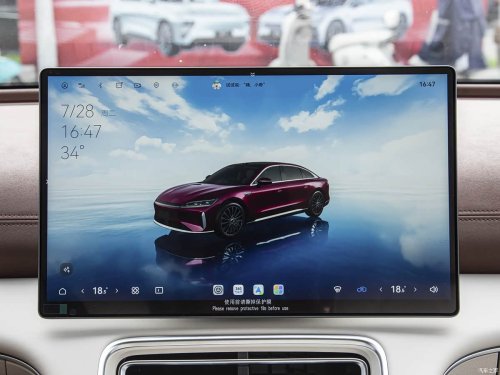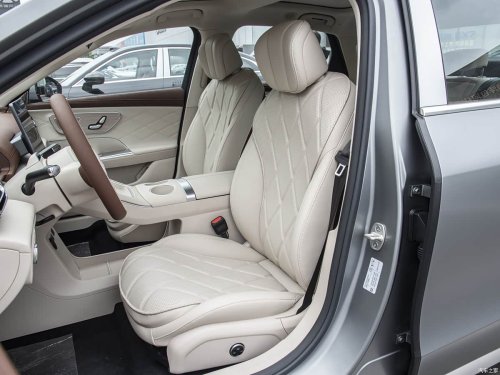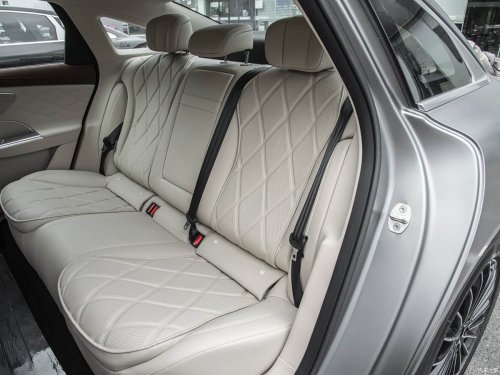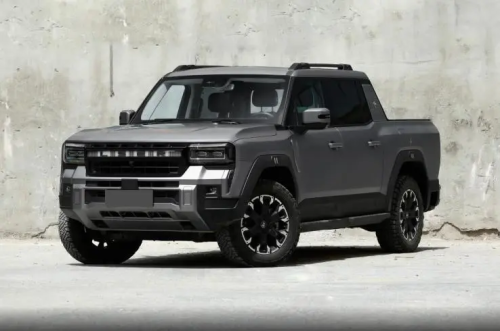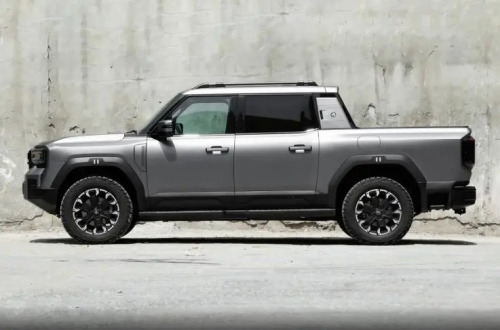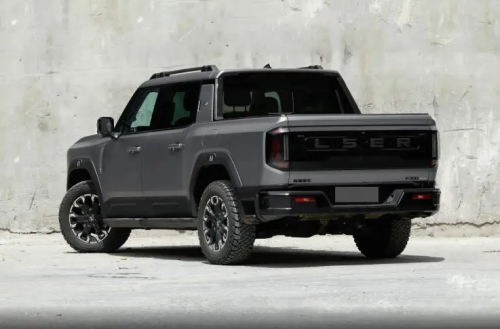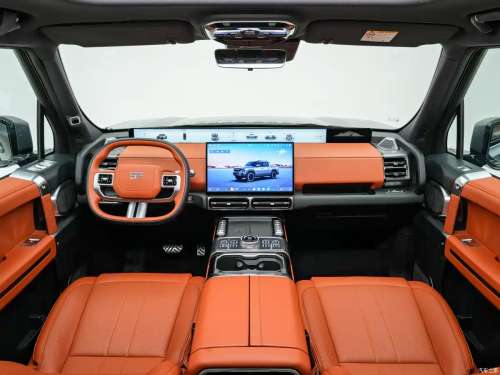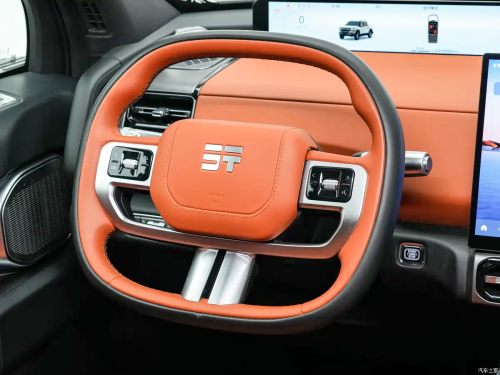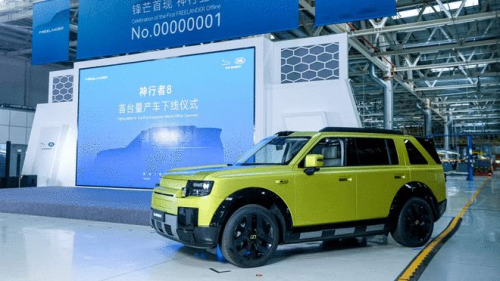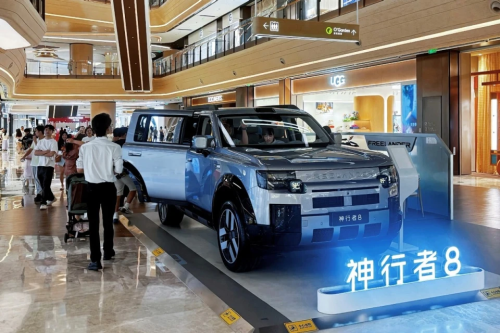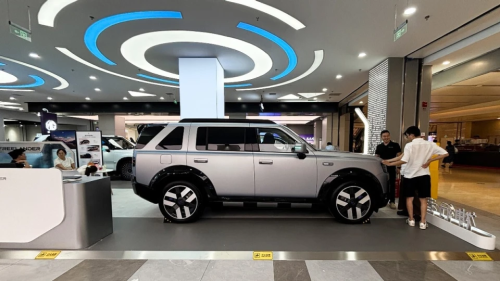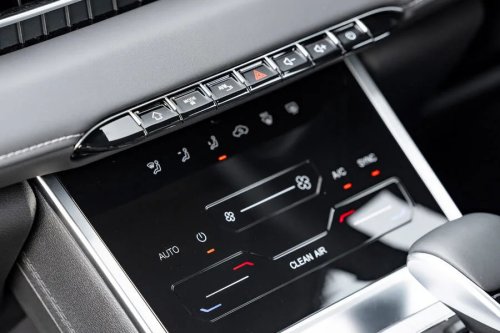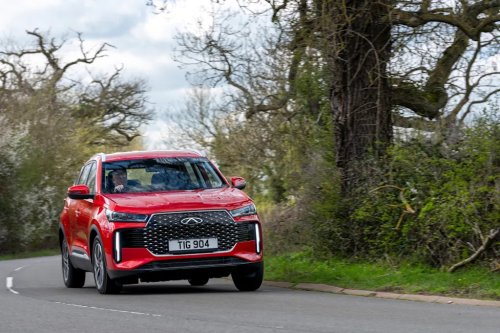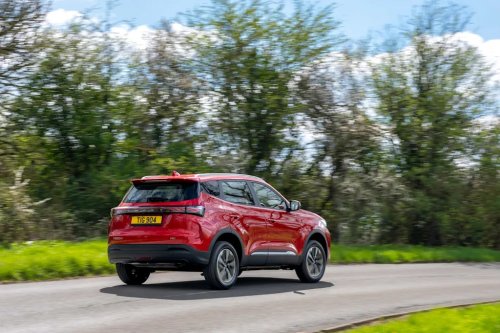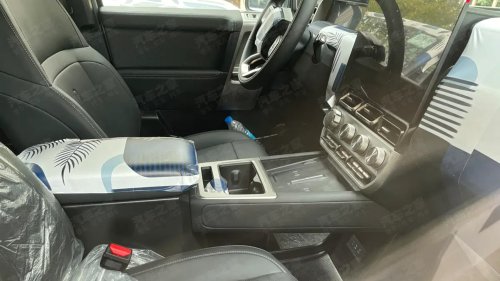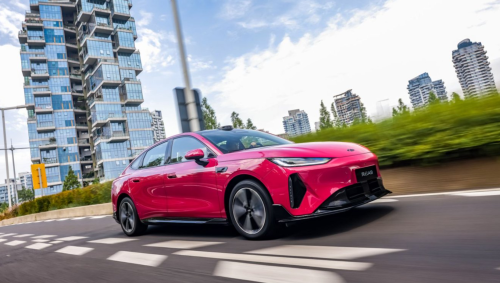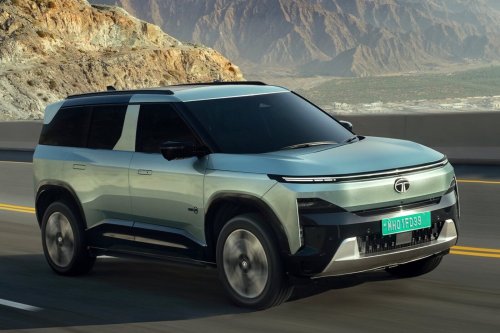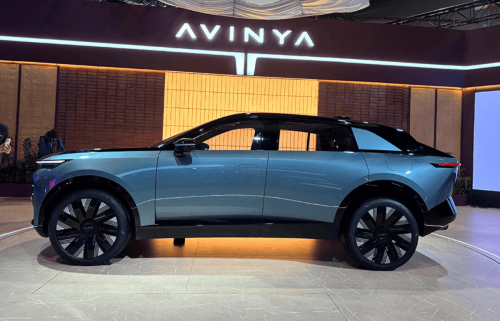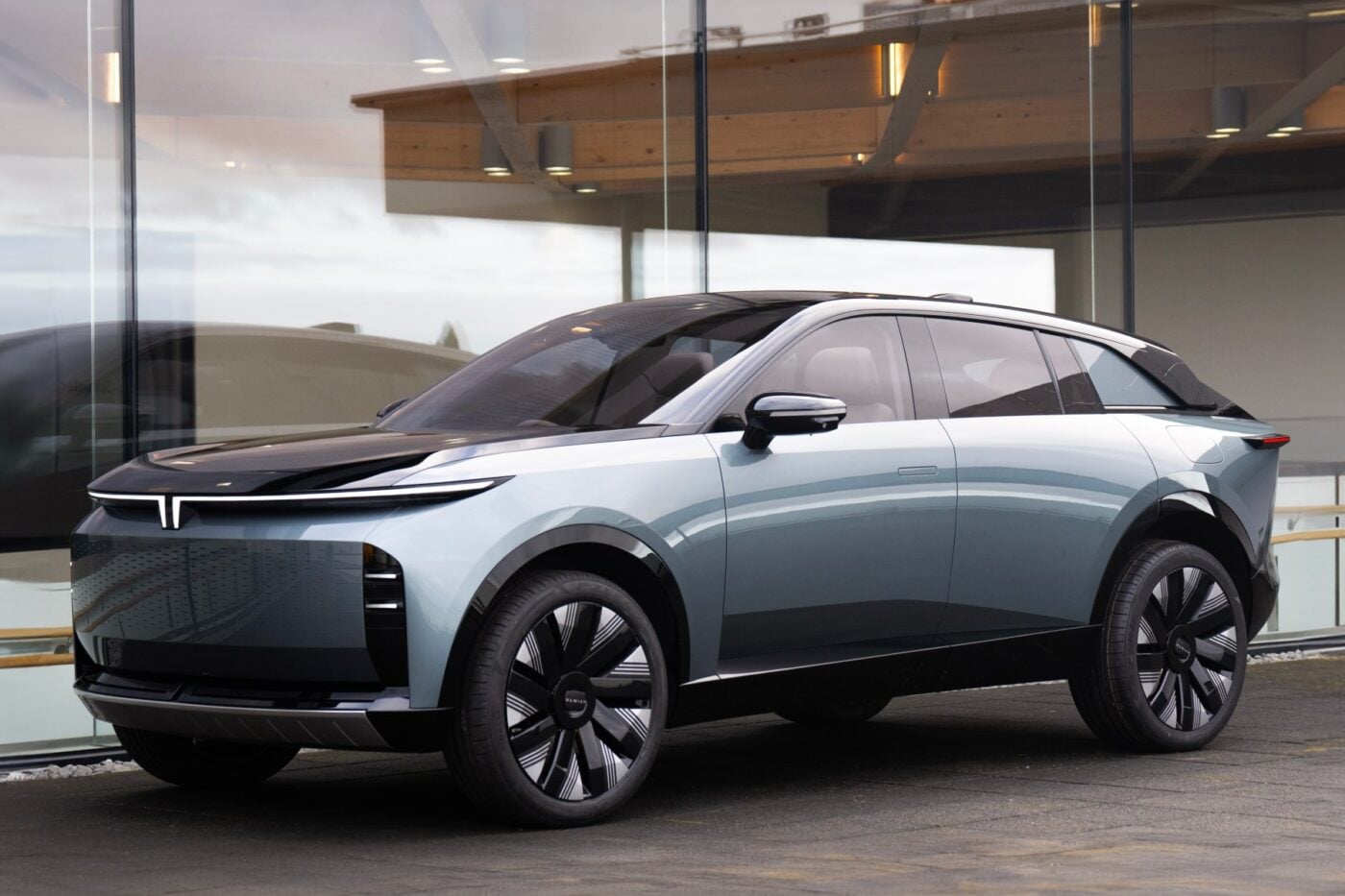



















Image: Tata MotorsA report from Autocar Professional suggests Tata Motors has cancelled its original plan to use JLR’s EMA platform for the Avinya EVs. After JLR reversed its decision to build EMA platform-based EVs in India, Tata Motors determined that volumes for the Avinya EVs alone would not be sufficient to justify the investment.Tata Motors will borrow the mechanical architecture but plans to adapt the electronics, software and vehicle systems to better suit the needs of Indian customers. The company has already laid the groundwork for these changes, tasking sister company Tata Technologies with the adaptation work through its offices in India, China and the UK.Originally, Tata Motors planned to launch the production version of the Avinya concept showcased in 2022 as the brand’s first model. Codenamed ‘P1’, the dramatically designed five-door sportback is now taking a back seat due to the change in platform strategy. The production version of the Avinya X concept introduced in 2025, internally referred to as ‘P2’, is now the top priority.Tata Motors may not introduce the low-slung P1 even after the P2, as it is now considering a larger three-row SUV as the second Avinya EV. According to earlier reports, it could be a full-size Range Rover-style model. India’s strong preference for SUV body styles and the SUV-focused nature of CJLR’s platform may have influenced the change in product strategy.The new platform should allow Tata Motors to reduce costs and speed up the development of Avinya EVs. While EMA is a dedicated EV platform, CJLR’s Freelander platform also supports internal combustion engine vehicles, giving the company more flexibility. A recent report from CarNewsChina said that the latter can underpin not only EVs but also PHEVs and EREVs. Tata Motors introduced Avinya as an EV-only brand, but the new platform would leave it better prepared should market conditions change.Both Tata Motors and JLR originally planned to introduce EMA platform-based EVs in 2025. While Tata Motors has since changed its platform strategy, JLR is also running behind schedule. In December 2025, Tata Motors announced it would launch the first Avinya EV at the end of 2026, but the company has now delayed the project again, with 2027 becoming the new target.Tata Motors will manufacture Avinya EVs at a new plant shared with JLR in Panapakkam, in the Ranipet district of Tamil Nadu. JLR currently assembles the Range Rover Evoque from imported knocked-down kits at the facility. While annual production capacity currently stands at around 30,000 vehicles, it can be scaled to more than 250,000 units.tatamotors.com, autocarpro.in, carnewschina.com