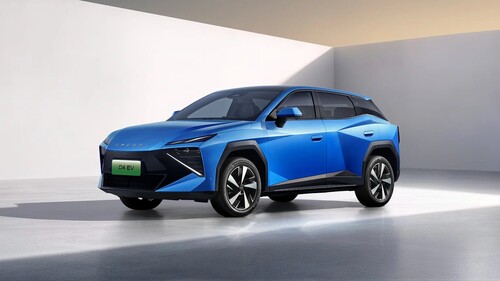
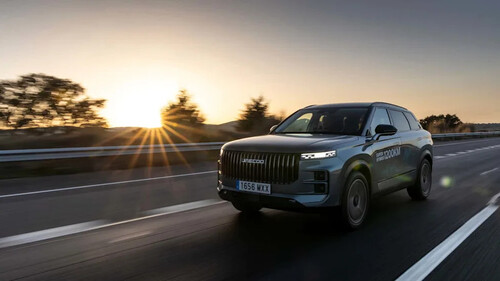
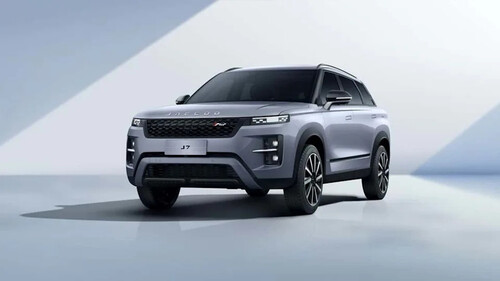
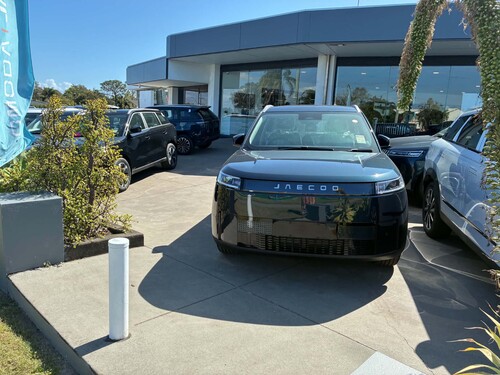
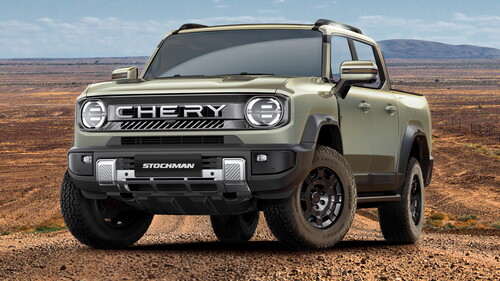
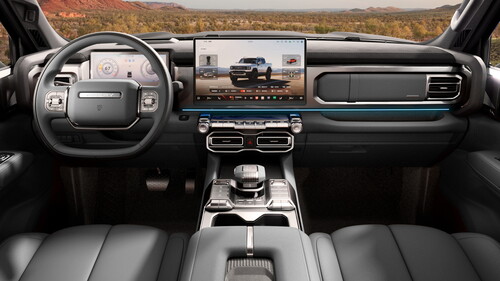
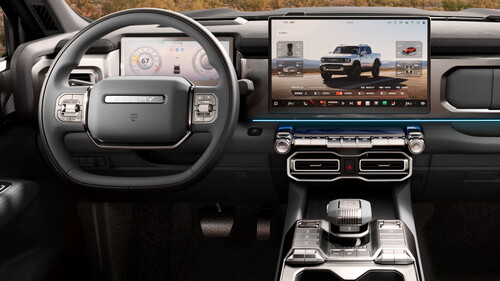
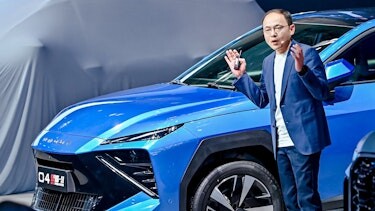
Caleb Lewis · 1 months ago@caleblewis14Future of Chery: fast-growing Chinese brand plans four new cars Liked byFordJaecooOmodaPost commentRelated PostsOmoda & Jaecoo confirm Canada launch in late 2026: here's the EV lineup 30 · Sophie Turner · 25 days agoNew Chery Approved Used scheme aims to boost confidence and attack second-hand car marketMadeleine Côté · 16 days agoAutomakers Want To Charge You More With AI 72 · Emma Harris · 2 months agoWhy Did Ford Kill The V6 Mustang?Lucas Johnson · 11 days agoCzech Republic's Passenger Car Market in August 2026: OMODA & JAECOO Ranks Ninth, Chinese Brands Break Through with Hybrids 78 · Amelia Scott · 1 months agoThis Chinese SUV Was The UK's Best Selling Car Last MonthCaleb Martin · 18 days agoFord Falcon Name Is Back, Just Not on a Ford 89 · Mia Scott · 2 months agoModern Turbo-Four Muscle Cars Are Still Better Than Old V6-Powered Base ModelsAva Bouchard · 11 days agoNo more tariffs on Chinese cars says Government 55 · Lily Campbell · 1 months agoJaecoo J5 — Value-for-Money Sales Wonder in Australia 19 · Oliver Rogers · 1 months agoChina's passenger vehicle exporters overview (Jan.-Jun. 2026): Chery Auto surges 274.1% in Europe丨Gasgoo Automotive Research Institute 87 · Lucas Hill · 2 months agoHenry Ford Killed The Patent That Claimed To Own The AutomobileThomas Wilson · 11 days agoChinese cars are conquering Britain, but the Government says no to more tariffs 33 · Madeleine Campbell · 1 months agoJuly 2026 Off-Road/Premium/Shooting Brake Sales Rankings: Model Y Leads Premium Segment, Titanium 7 Tops Off-Road Segment | Gasgoo Automotive Institute 81 · Chloé Rogers · 1 months agoH1 2026 China Passenger Vehicle Exports: Who is Leading? Geely Surges 445.6% in Central & South America, Leapmotor Soars 302.1% in Southeast Asia | Gasgoo Institute 74 · Camille Green · 2 months agoNo Actual Shelby GT500s Were Harmed To Become Eleanor In Gone In 60 SecondsJackson Wilson · 11 days agoChery set to launch four new models over the next 12 months 34 · Ryan Johnson · 1 months ago‘Temu Range Rovers’ are taking over Britain 60 · Jenna Brown · 1 months agoLeapmotor July Deliveries Exceed 100,000 Units for the First Time; Geely Auto Group Establishes Sales General Company 71 · Parker Lavoie · 2 months agoNew BYD Shark pick-up to go Ford Ranger hunting in the UK very soonCharlotte Harris · 11 days ago