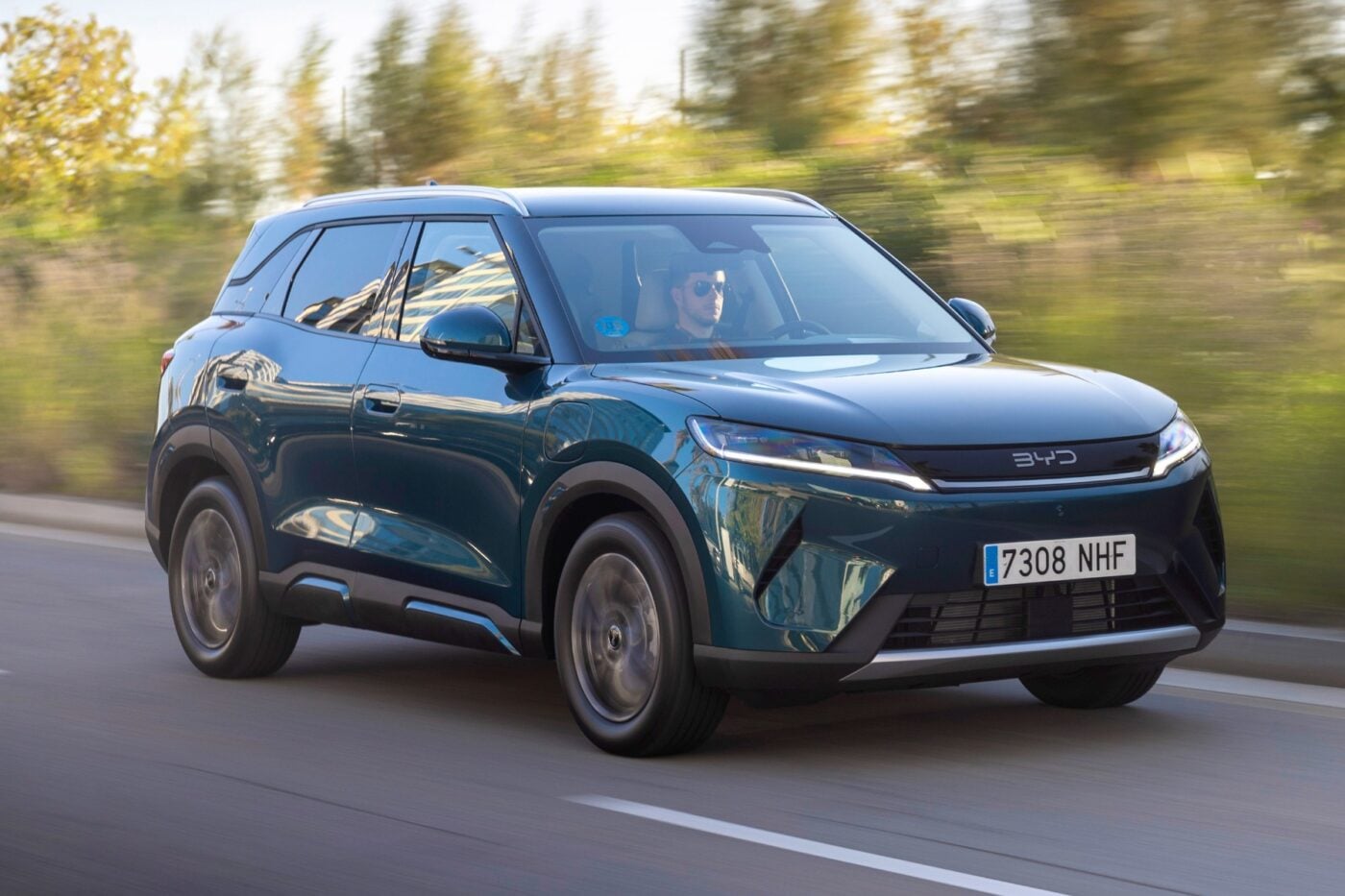
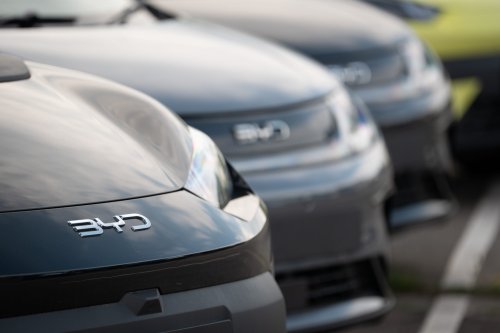
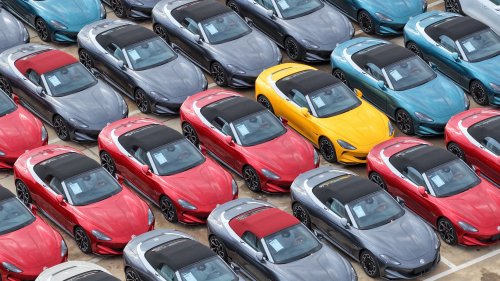
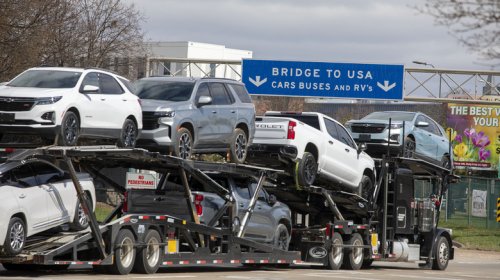
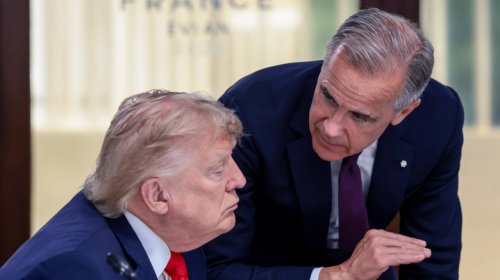
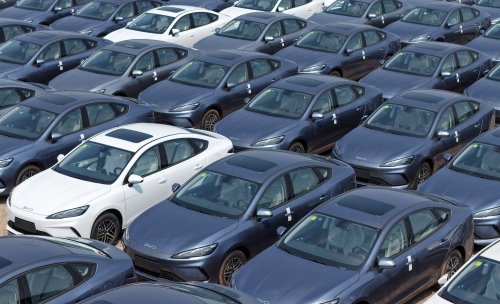
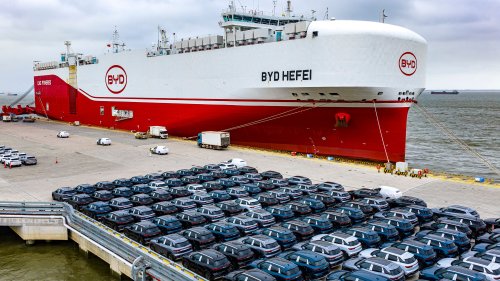
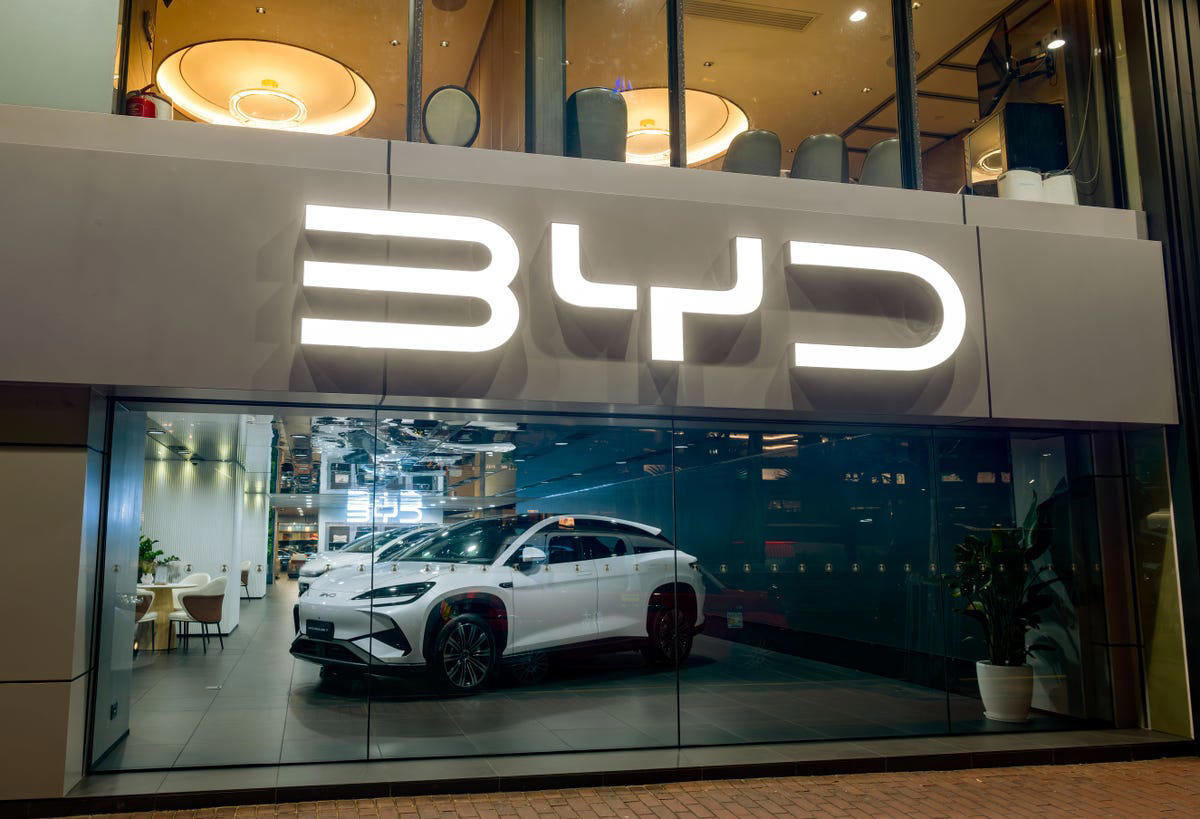
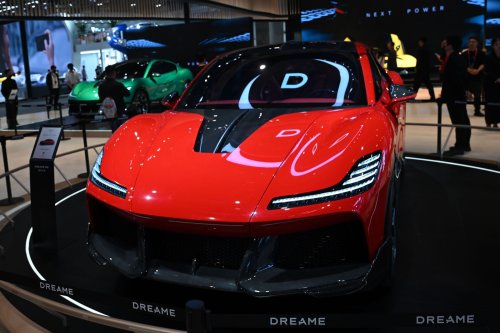
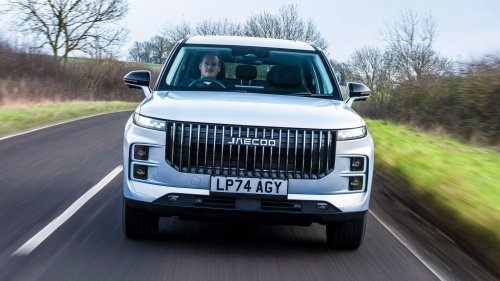
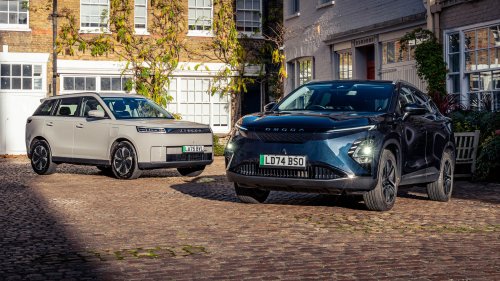
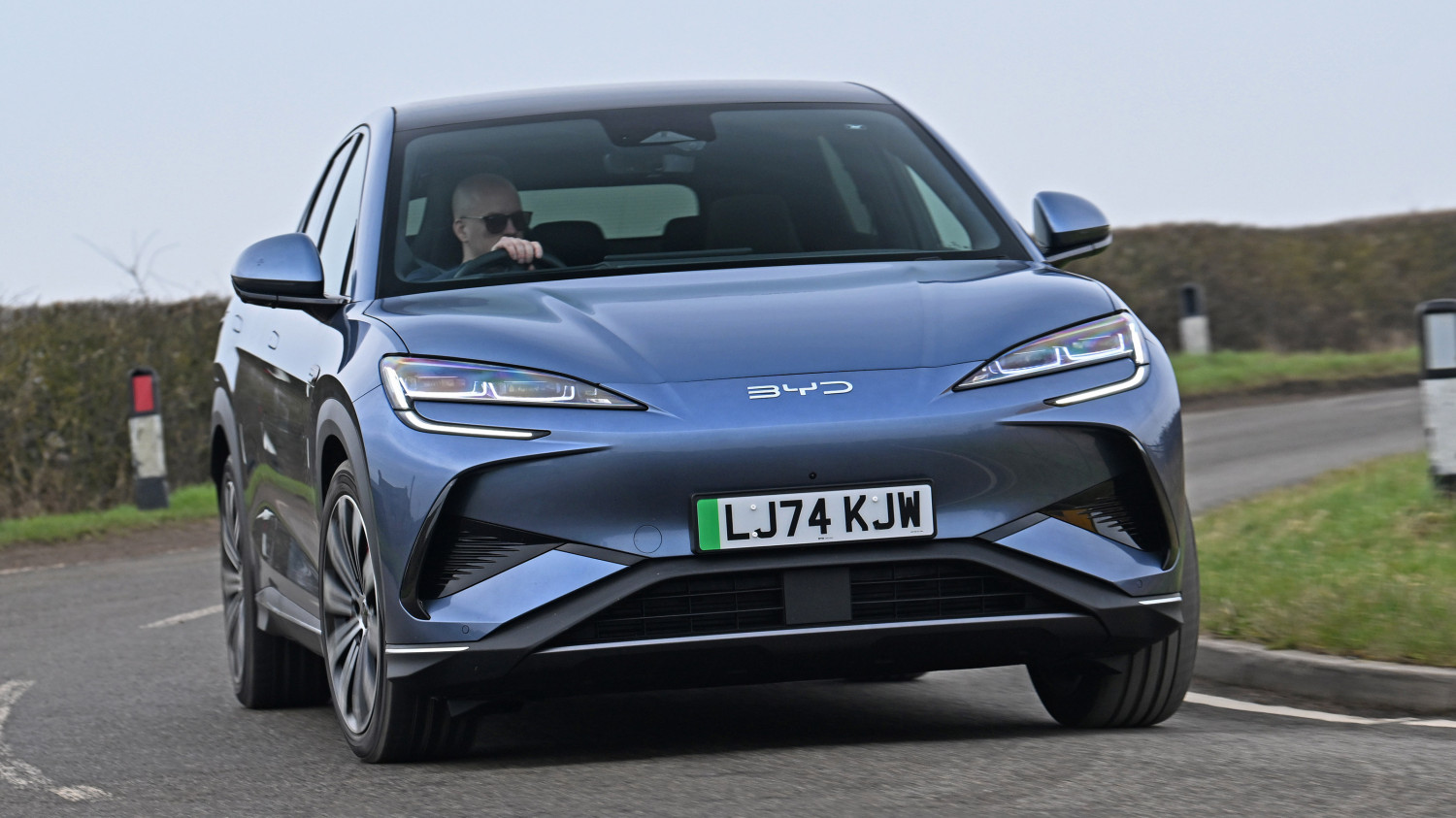
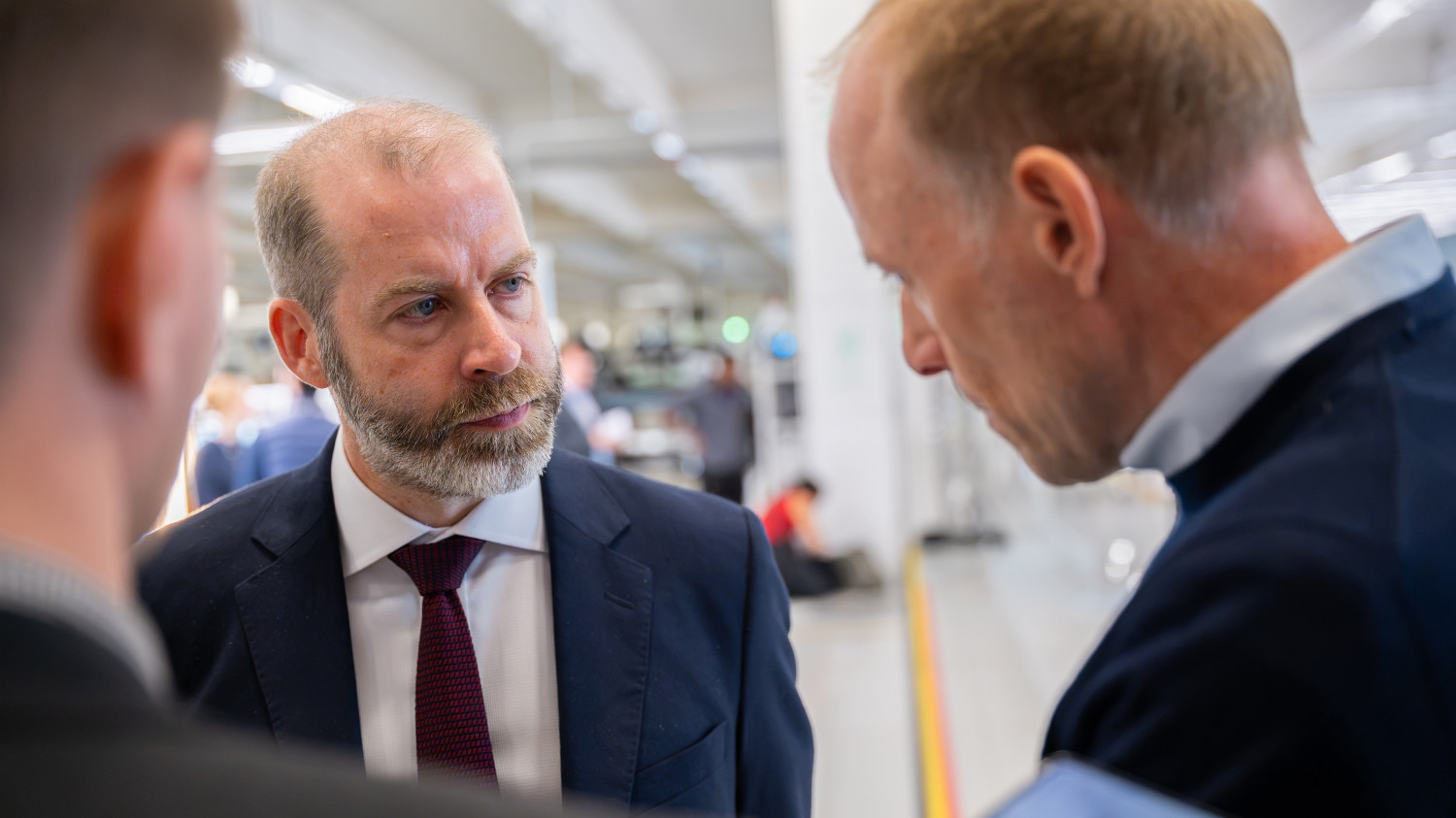
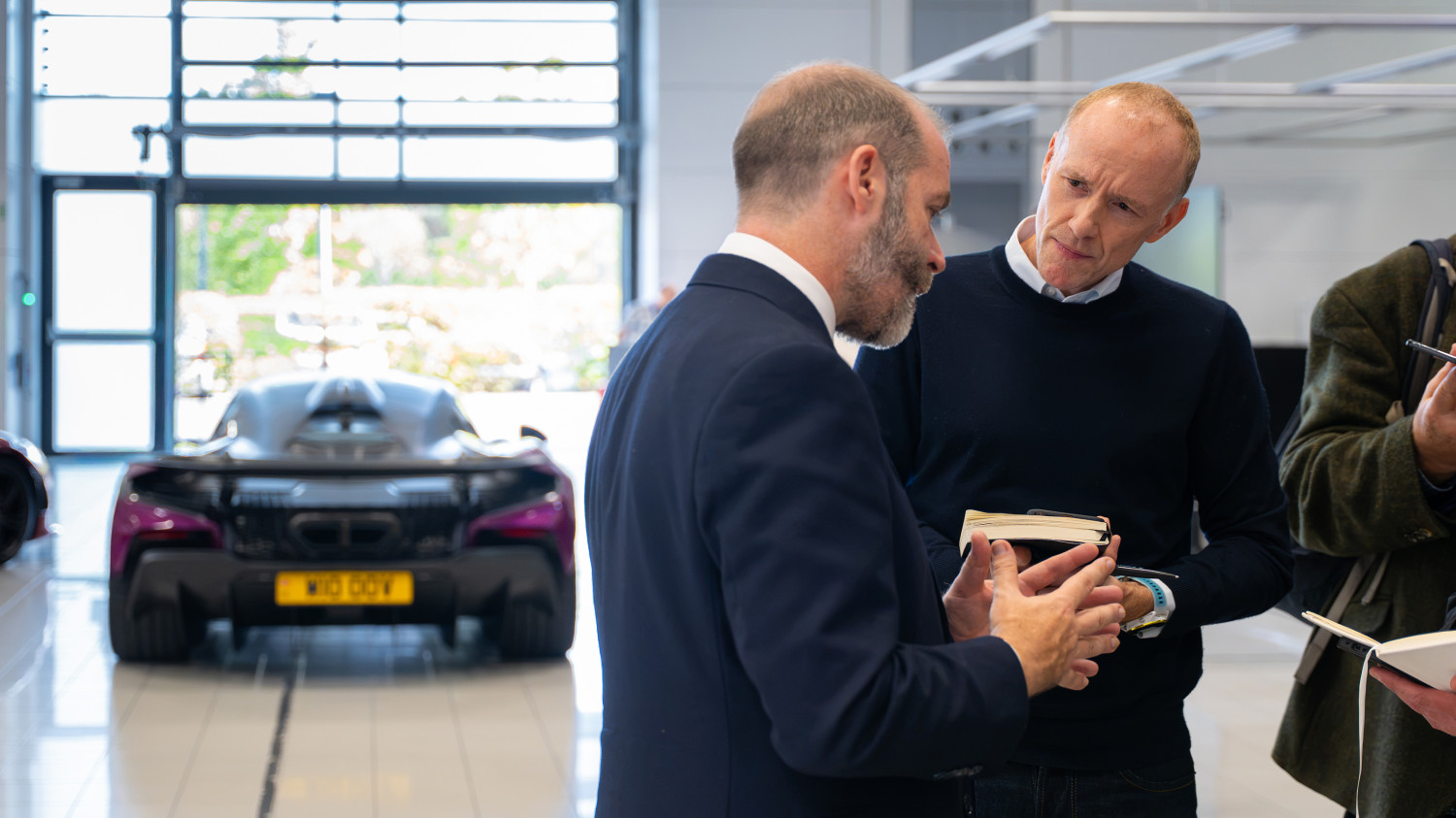
The UK has no plans to raise tariffs on the ever-growing numbers of Chinese car imports, the business secretary has told Auto Express. In 2023, the year BYD joined MG on UK sale, Chinese brands took four per cent of the UK new car market, totalling 83,000 registrations. That soared to 223,000 cars in the first eight months of 2026 – more than 15 per cent of total registrations – ignited by additional new entrants including Jaecoo, Omoda, Chery and Leapmotor. Chinese cars face a flat 10 per cent UK import charge; to enter Europe, each brand has an additional top-up tariff, calculated by the EU according to the level of state subsidy. This cranks up BYD’s rate to 27 per cent while SAIC, the owner of MG, suffers a 45.3 per cent total rate, for example. But Jonathan Reynolds, the secretary of state for business and trade, believes Britain has got its policy right. “You keep all these things under careful review, but the fundamental thing is [British car-making is] an export-led industry. If you put trade protections up, they’ll probably be reciprocated and you’ll lose things. My primary concern is making sure our export markets are open and JLR sells a lot to China.” The MP for Stalybridge and Hyde also sees the consumer benefit of allowing hi-tech Chinese electric cars low-cost access to the UK market. “The Chinese economic model produces things at incredible cost, and there is a lot of innovation there. Should we be open to innovation… and trying to bring it to the UK, made to our labour and regulatory standards? I think we’ve got to be open to that.” Reynolds spoke to Auto Express at the McLaren Technology Centre in Woking, Surrey, where the supercar maker announced a £500 million investment in the UK. The MP hails from the north-east and studied in Sunderland, where Nissan Manufacturing UK is a dominant local employer. Announcing a £170 million investment in that plant to build the new Kicks baby SUV, Nissan regional boss Max Messina hinted that Britain may have to fall in line with European rates, to safeguard auto industry access to the market when new ‘Made in Europe’ rules come into force. These call for a high percentage of components, including EV batteries, to be made in the UK and Europe to protect local industry. “I assume that to have the UK [as] part of the EU, Europe cannot have corridors to the UK where Chinese are going to flow to the market through the UK,” he told the Financial Times. “The whole UK has to adjust some of their tariff policy.” Nissan is currently negotiating with Chery, China’s biggest global auto exporter, about taking spare capacity at NMUK. Messina’s comments have shone a light on an issue critical to Chery and Nissan’s discussions – and put pressure on a UK Government seeking to attract more inward investment and protect its manufacturing base, by smoothing some of the friction caused by Brexit and striking overseas trade deals. Despite the EU tariff surcharge, Chinese manufacturers are still making inroads on the continent. In the first six months of the year, SAIC (MG’s parent company), BYD and Chery registered 180,000, 174,000 and 155,000 cars respectively in Europe and the UK. However British buyers accounted for one-in-four MGs, one-in-five BYDs and half of Chery-Omoda-Jaecoo’s total. It’s a totally different picture in the US, where Chinese cars are priced out of the market. President Biden introduced a 100 per cent tariff in 2024, subsequently inflated as high as 245 per cent by the Trump administration. Critics say the move stifles competition with US consumers missing out on lower cost, hi-tech cars, while advocates say it protects domestic manufacturing jobs. Don't miss the best of Auto Express on Google! Make us a preferred source. Click here...



















 +37 others