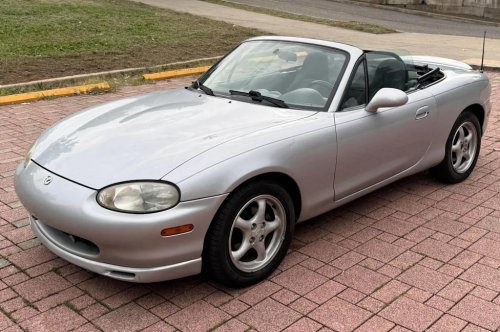
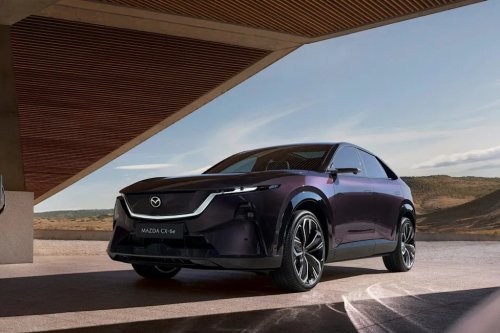
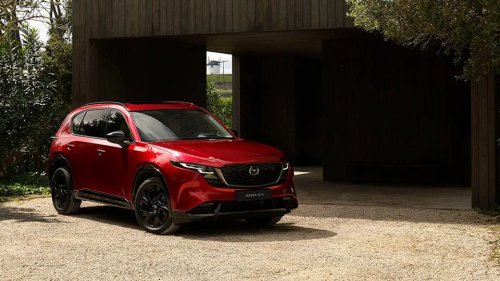
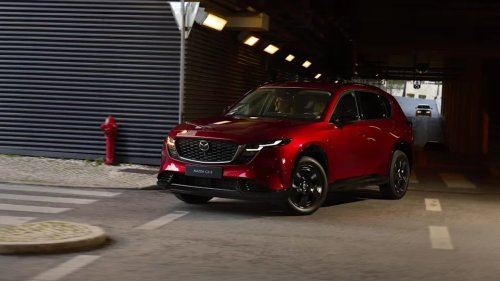
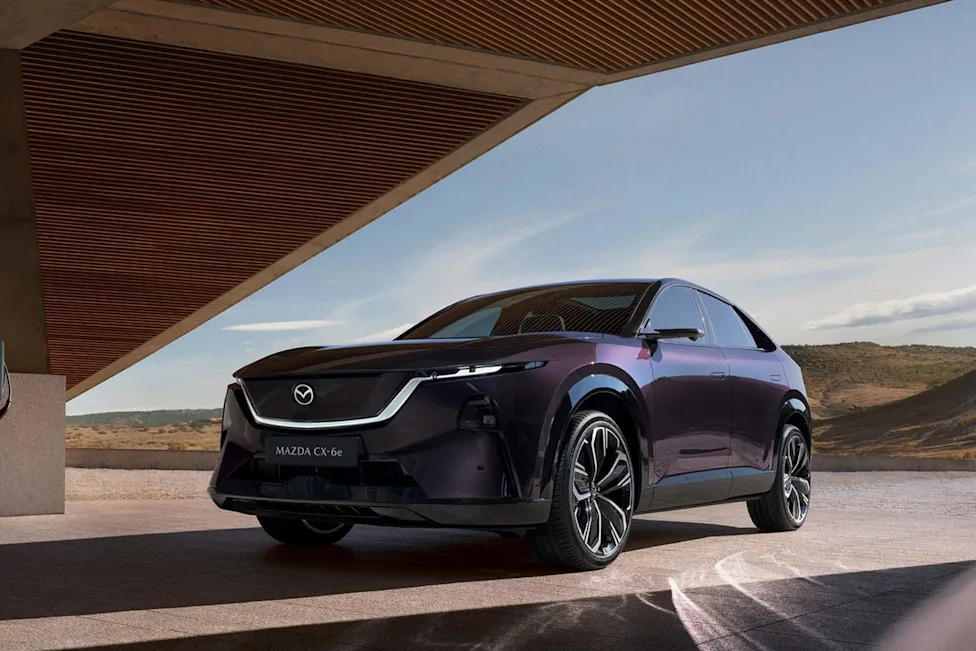
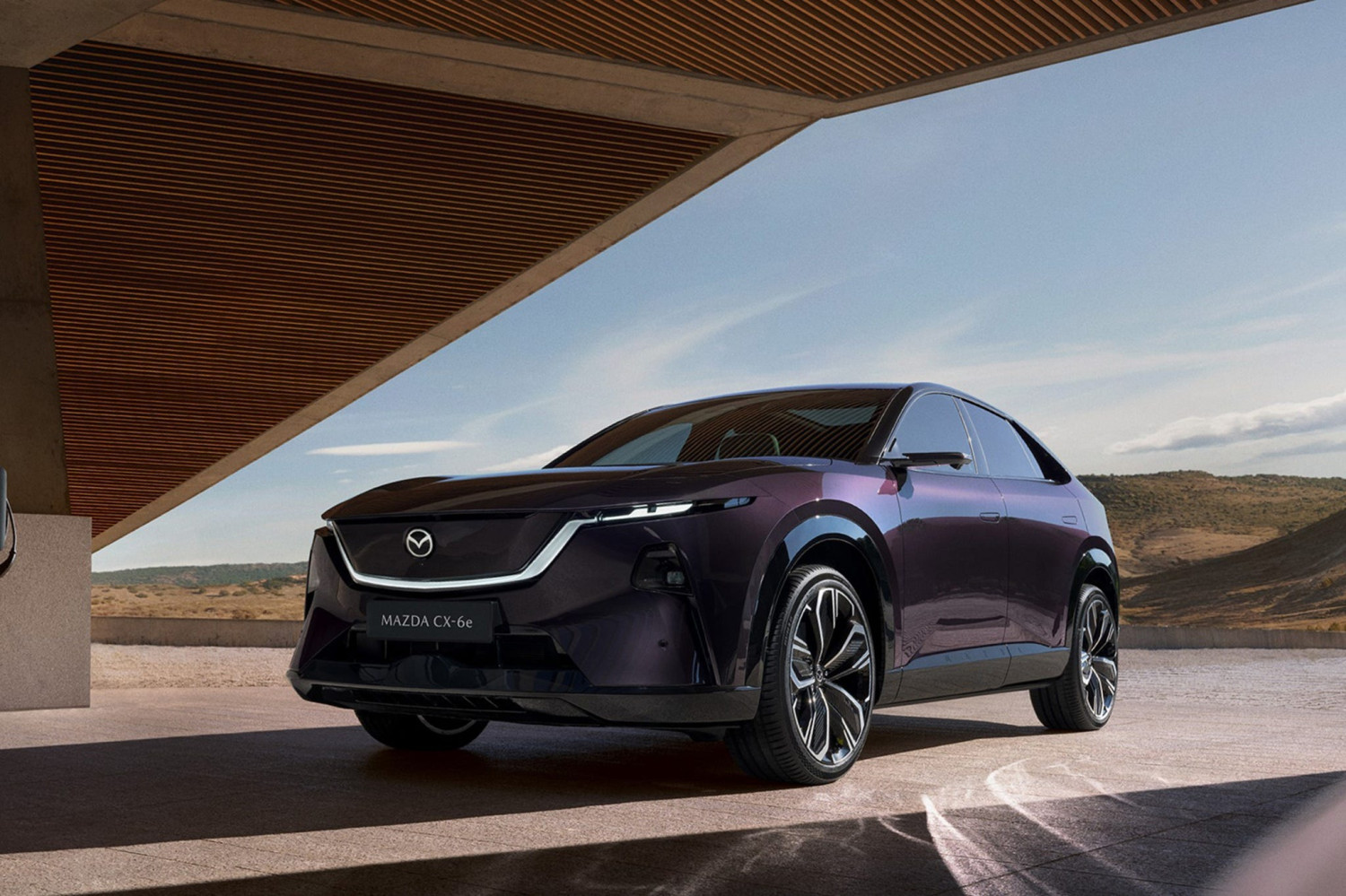
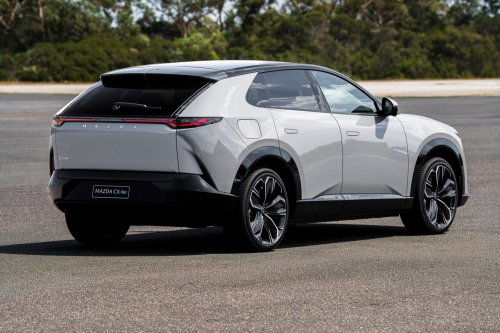
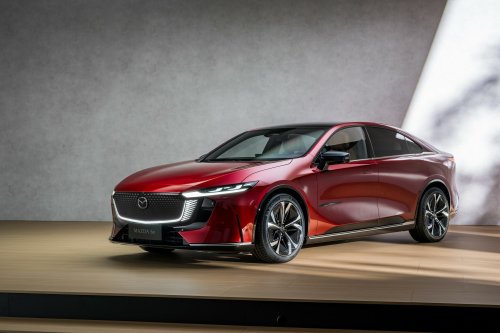
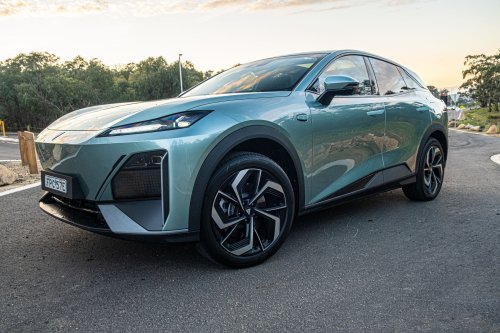
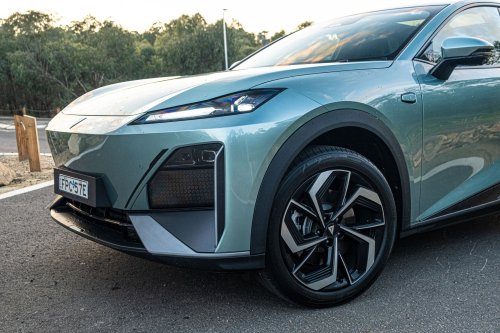
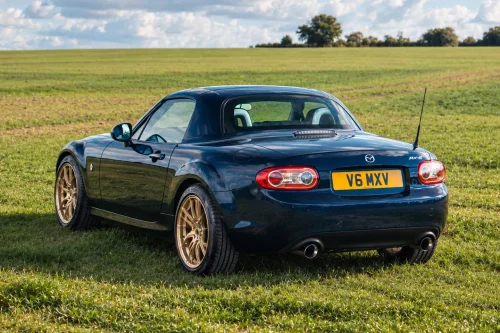
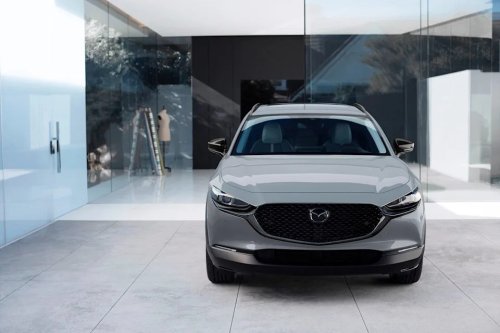
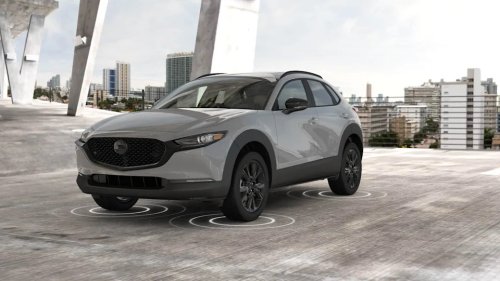
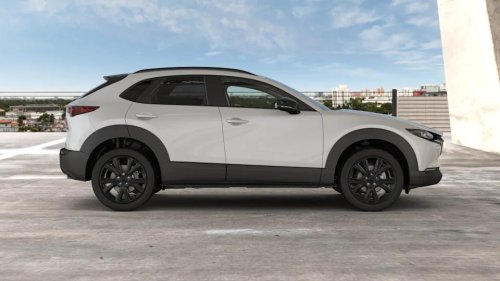
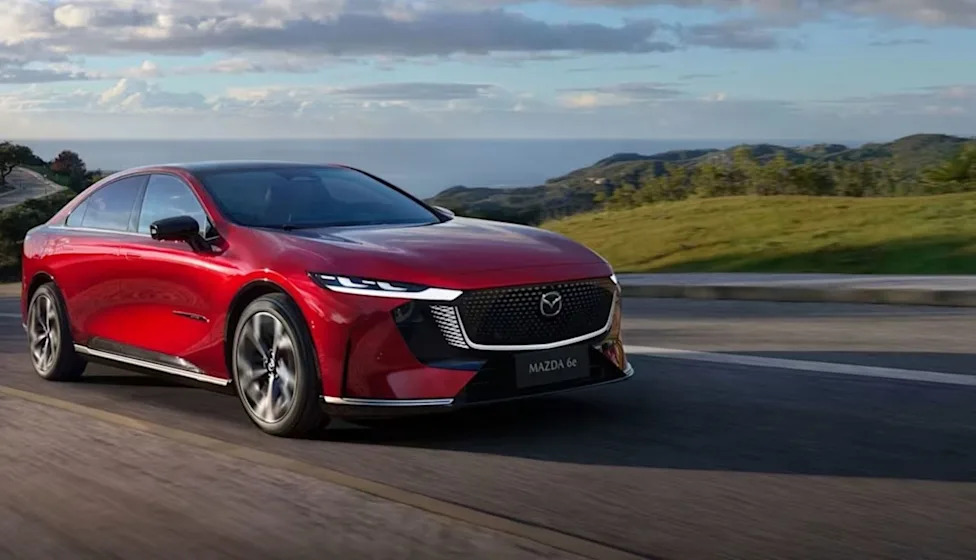
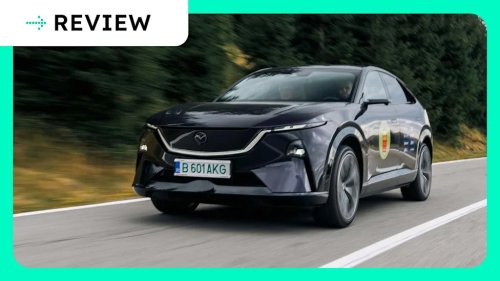
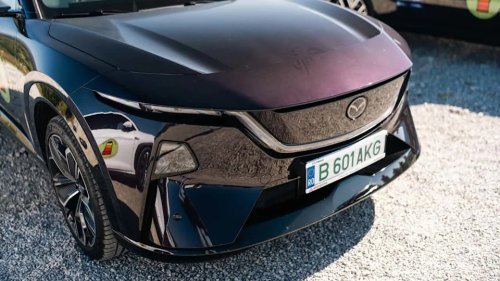
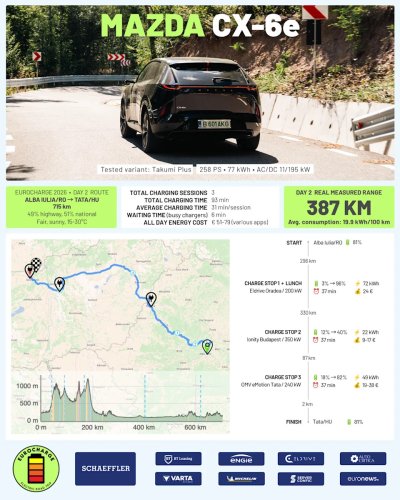
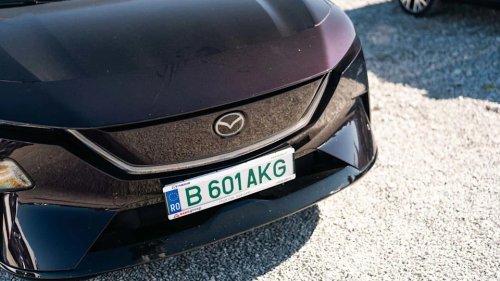
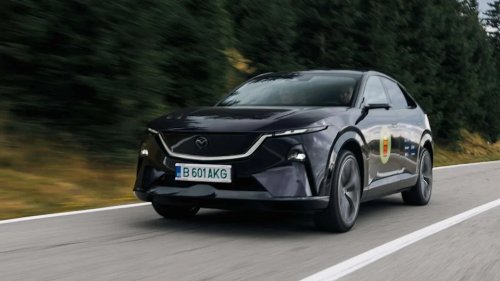
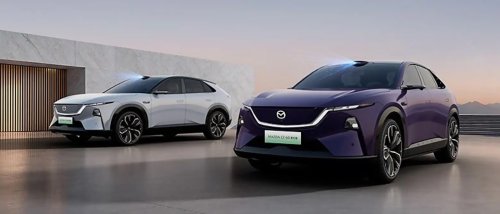
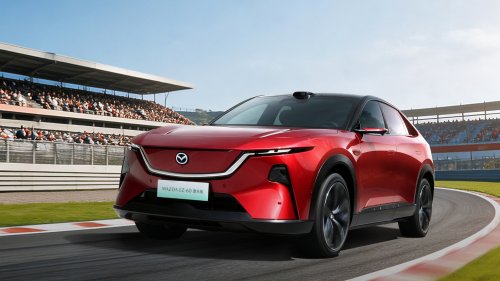
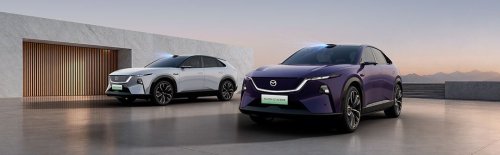
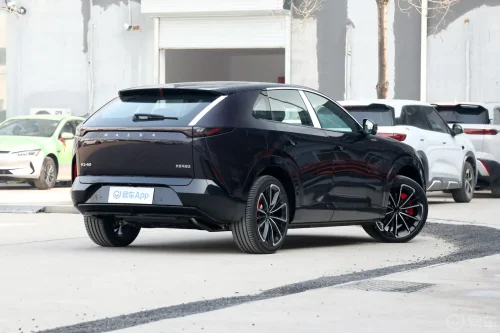
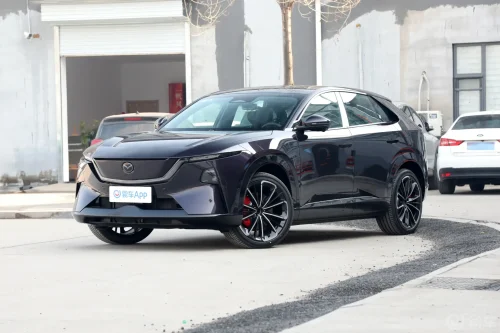
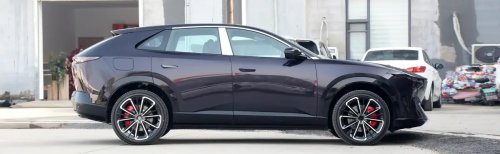
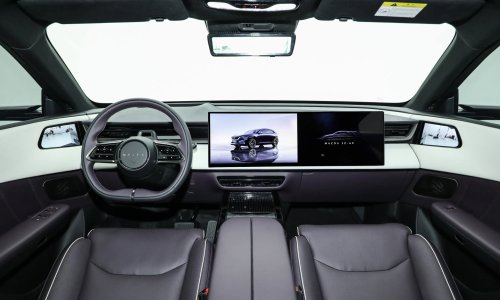
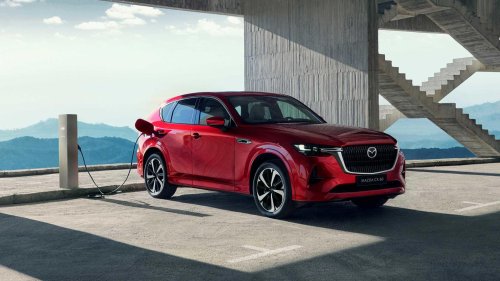
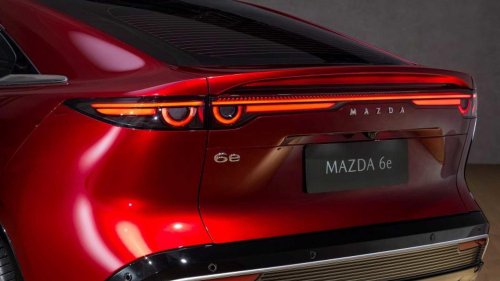
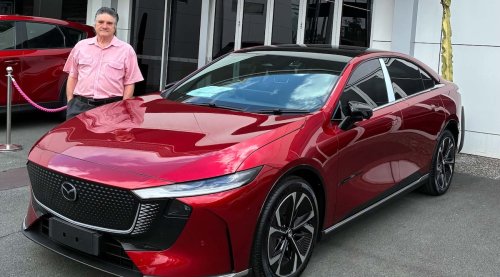
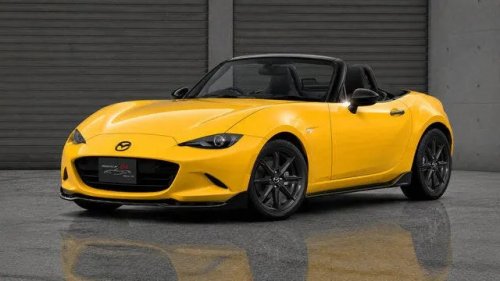
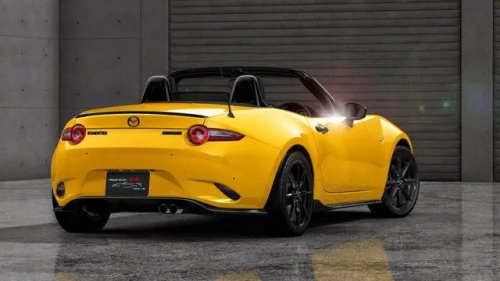
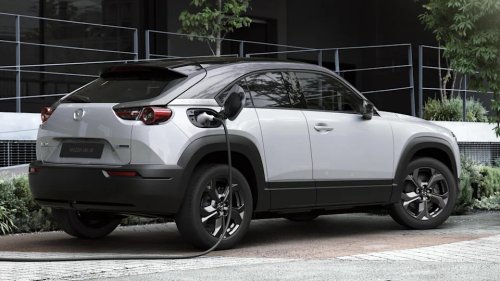
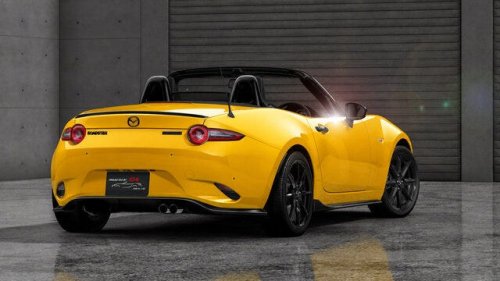
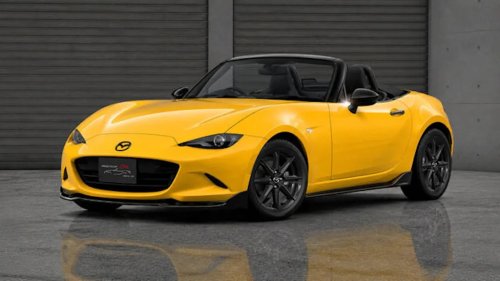
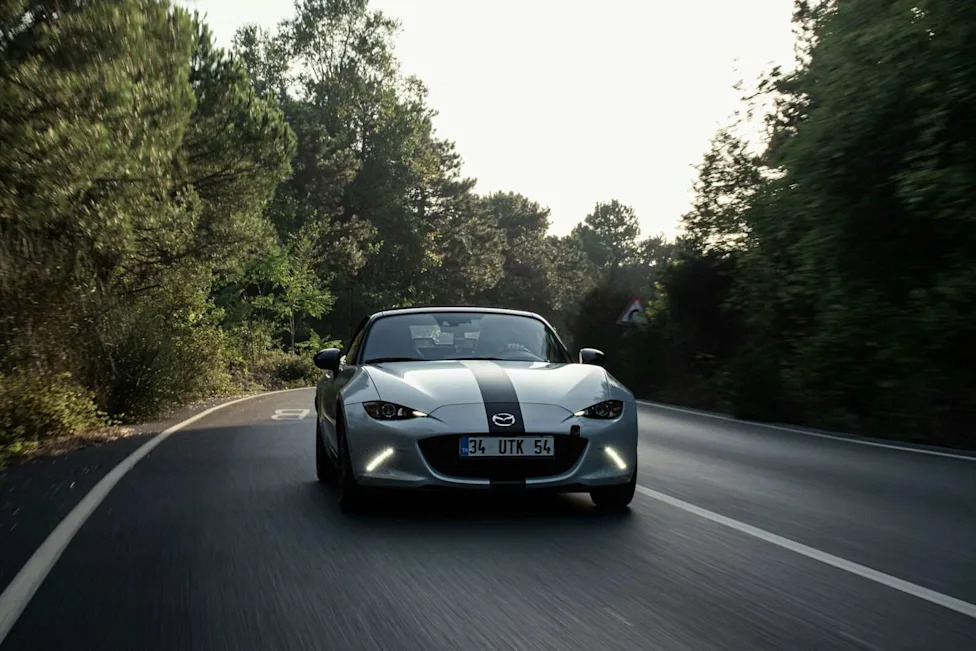
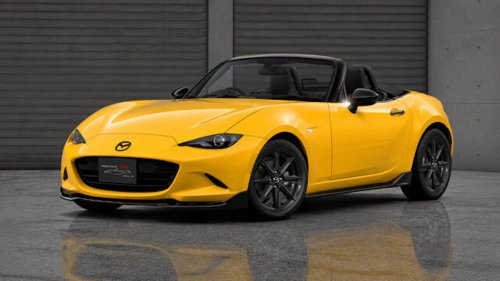
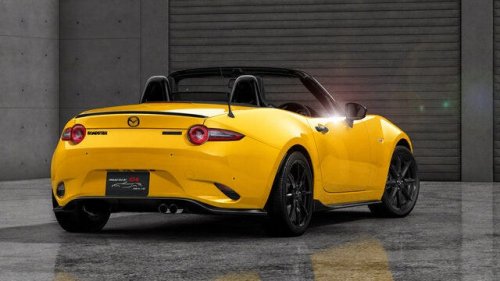
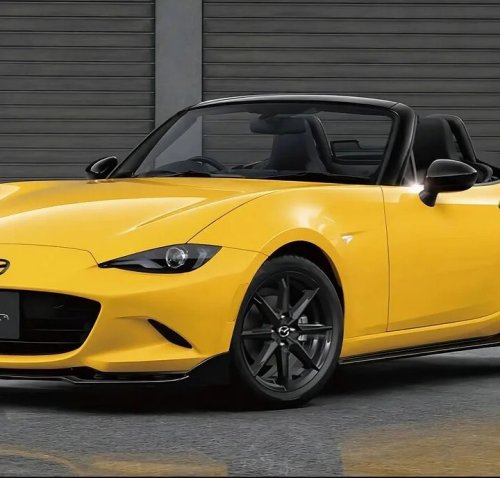
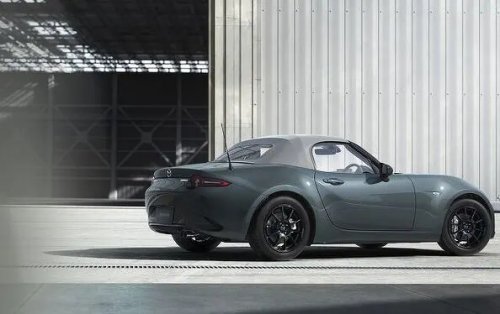
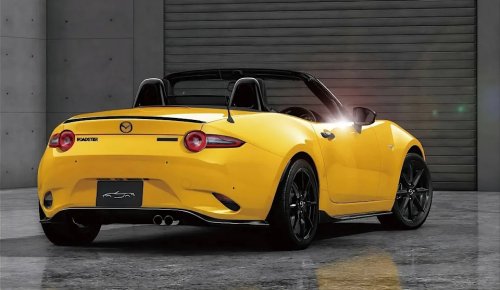
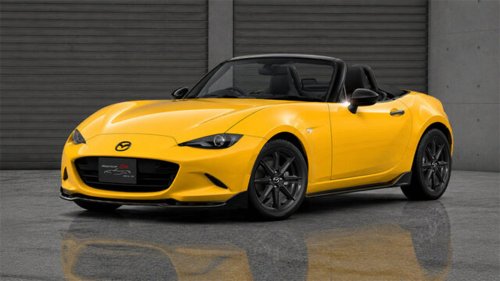
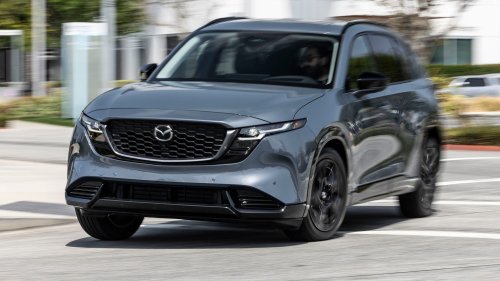
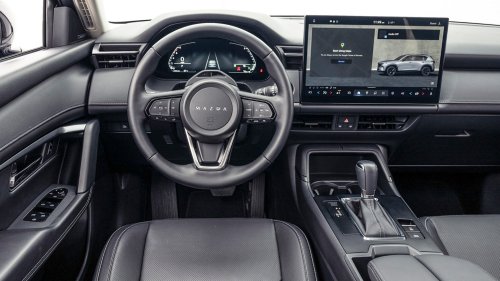
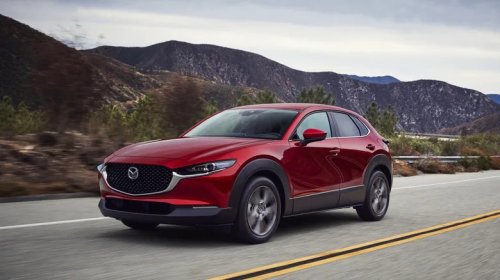
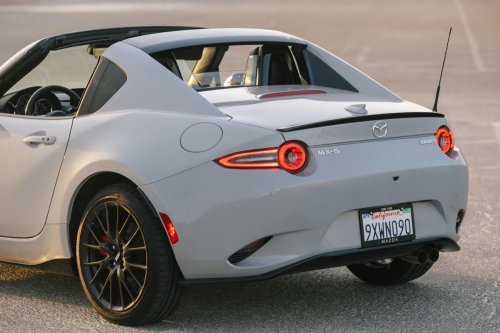
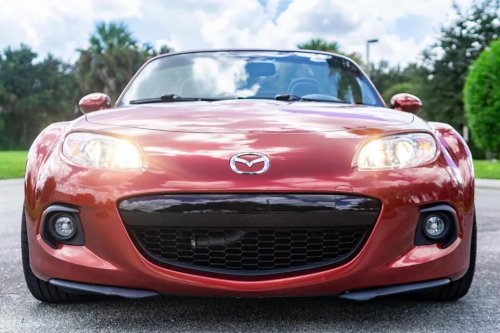
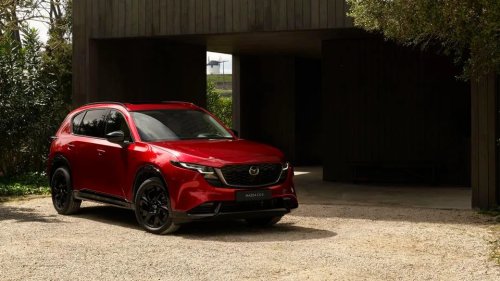
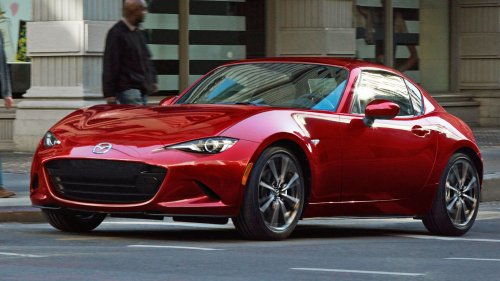
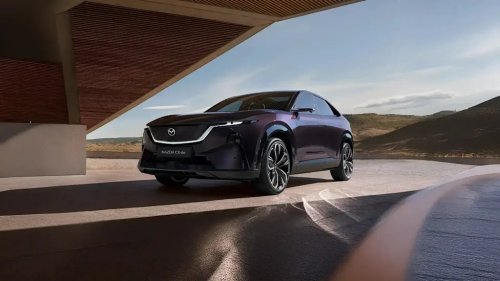
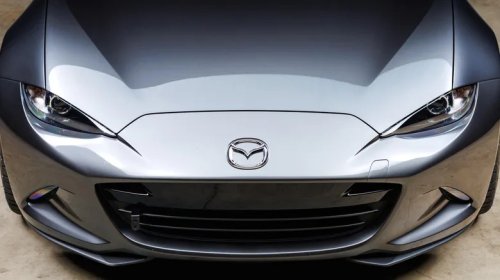
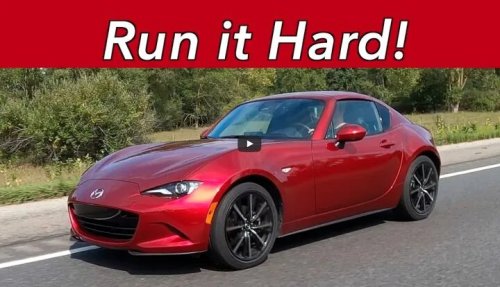
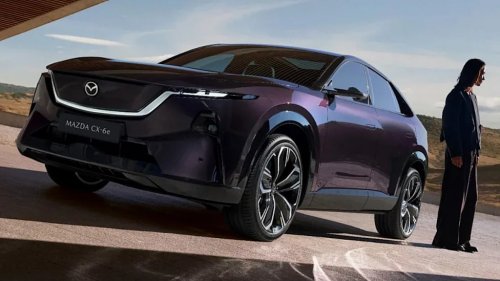
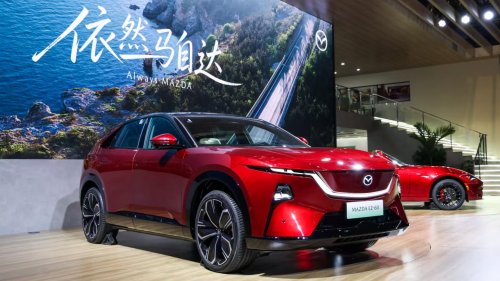
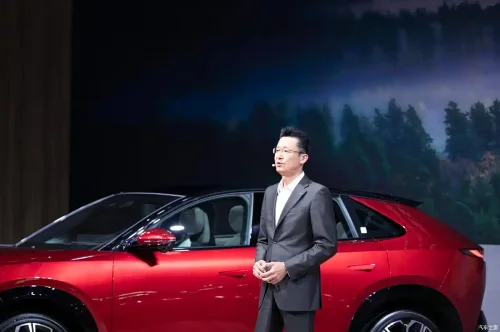
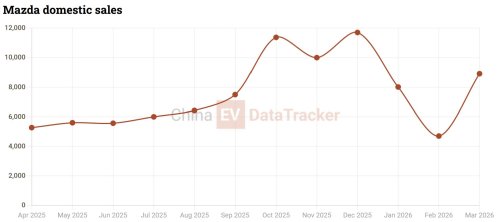
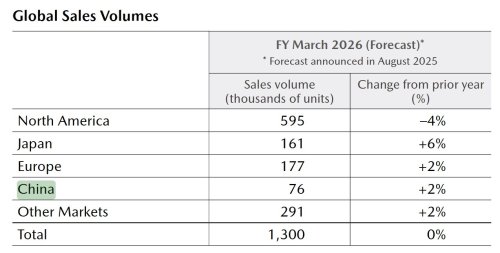
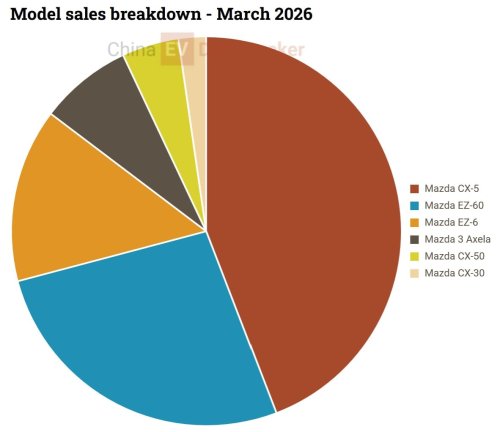
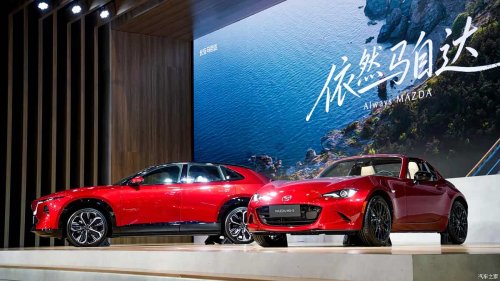
Mazda commits to China electrification, and is on track to becoming a NEV-majority JV. Understand China EV’s Market Real-time notifications when critical EV data is released All important data in one place 2,000,000+ data points Become a member Speaking at the automaker’s booth at the 2026 Beijing Auto Show, Mazda Senior Executive Director Toru Nakajima reiterated that Mazda was well-positioned to navigate the era of electrification in China, and the brand’s identity would not be compromised in the process. The automaker is on track to become China’s first joint-venture (JV) to sell more new energy vehicles (NEVs) than traditional combustion cars, with the former category making up 47% of Q1 Chinese sales. Traditionally known for its combustion engines, both piston-powered and rotary-based, Mazda did not hop on the EV bandwagon until recently, announcing its first EV, the MX-30, in 2019. Its electrification efforts in China were initially deemed irrelevant, too, with the CX-30 EV, a “compliance car” BEV conversion of the CX-30 crossover, being poorly received by Chinese consumers, resulting in total sales of around 500 units from 2022 to 2024. Mazda has leveraged its partnership with Changan, using the latter’s EPA architecture to develop the 6e sedan, marketed domestically as the EZ-6, and CX-6e midsize SUV, also known as the EZ-60. Both models are available with EV and extended-range EV (EREV) powertrains, and Mazda has begun sales and pre-orders in international markets. Mazda’s senior executive director, Toru Nakajima. Source: Autohome Toru Nakajima stressed that Mazda’s 20-year relationship with Changan was stronger than ever, and the automaker is committed to releasing future NEV models with input from both partners. To date, no plans or MIIT filings for future Chinese market Mazda models have come to light, though it is expected that they will be based on Changan platforms and technology. Looking into the numbers… Mazda’s domestic deliveries up until March 2026, versus initial estimates with only 2% growth. Source: China EV DataTracker & Mazda Investor Relations According to China EV DataTracker, Mazda delivered a total of 91,061 units from April 2025 to March 2026. It can be seen that Mazda’s electrification strategy in China is working, having beaten the firm’s own sales estimate of 76,000 units by almost 20%. The combined sales of the 6e (EZ-6) and CX-6e (EZ-60) make up more than 40% of Mazda’s monthly figures in Q1, with total Q1 NEV sales making up 47% of the quarterly figure. However, it is worth noting that it’s easy for Mazda to amplify the NEV market share because the brand’s domestic sales are still relatively low in China, with 21,619 units delivered in Q1 2026. Breakdown of Mazda’s Chinese sales in March 2026. NEV models (EZ-6 & EZ-60) make up more than 40%.Source: China EV DataTracker If this trend continues, Changan-Mazda will become the first joint venture in Chinese automotive history to sell more NEVs than traditional combustion cars. Joint ventures in China traditionally rely on combustion cars or HEVs, with Dongfeng–Nissan currently offering the seventh-generation Nissan Sentra as the Nissan Sylphy, a model first introduced in 2012. Despite its age and lack of tech features, it manages to be one of China’s best-selling cars, often moving 30,000 to 40,000 units monthly. Every Japanese automaker with a Chinese JV now offers NEV models, from Dongfeng–Nissan‘s NX8 to FAW–Toyota‘s bZ5, but success is definitely not a certainty, with Chinese consumers gravitating towards domestic brands, which have an edge in offering better infotainment tech and AI features. One more thing… Mazda’s 2026 push in China coincides with the current Chinese zodiac year, in which the horse is the 7th animal in the 12-year cycle, representing speed, optimism, and success. This also corresponds with Mazda’s Chinese name, which roughly translates to “the horse naturally arrives”. The horse theme continues with Mazda’s self-proclaimed motto of “Jinba-Ittai”, or “rider and horse as one”. Mazda has also launched a “Year of the Horse” edition of the CX-6e SUV. The CX-6e and the MX-5 roadster. Source: Autohome As a point of note, the senior executive director made his statement while standing between two very different vehicles: the CX-6e and the MX-5 roadster. Perhaps this is Mazda’s way of saying that, despite the changes in powertrain and technology, their self-proclaimed mantra of driver engagement and driving joy would not be diluted.



















 +4 others