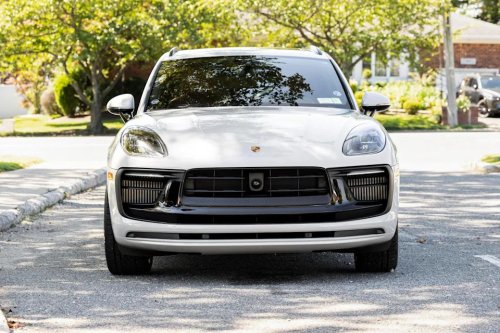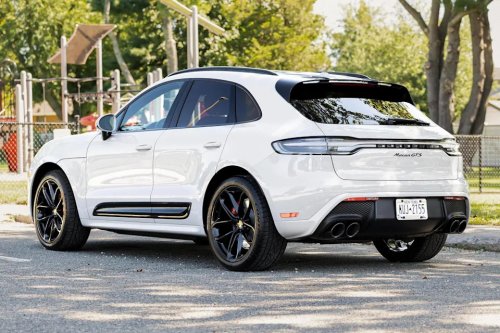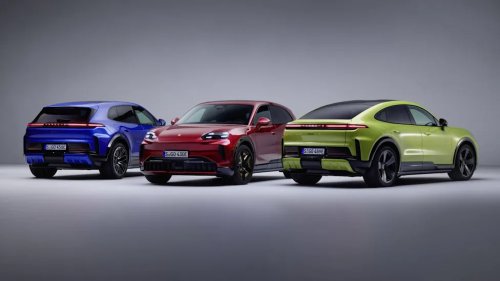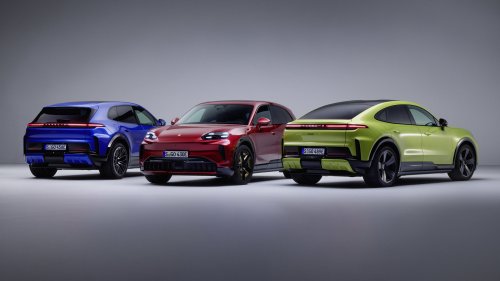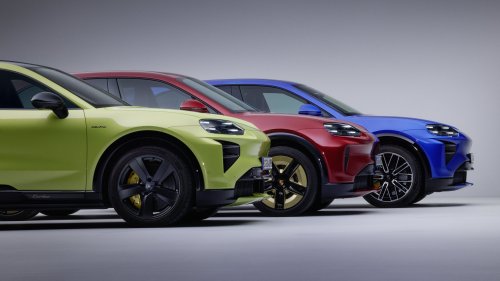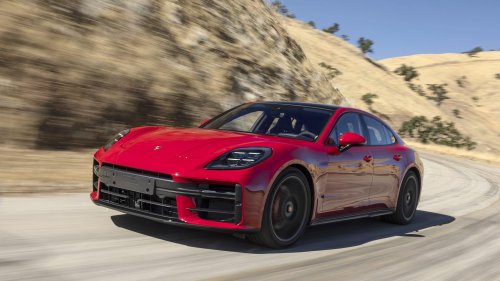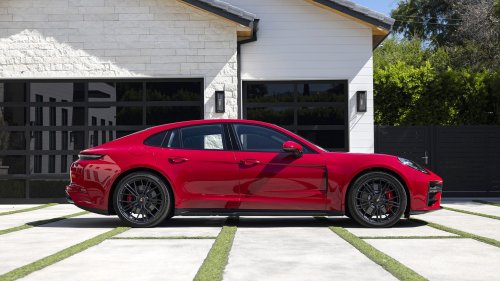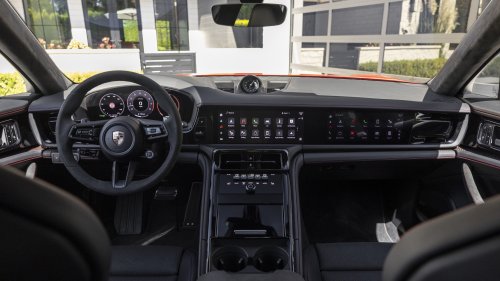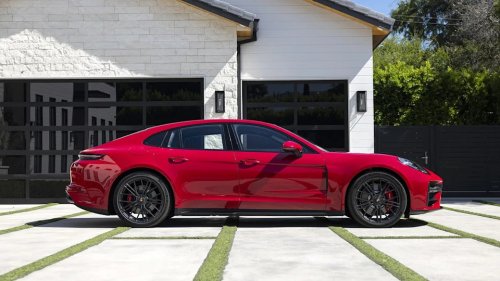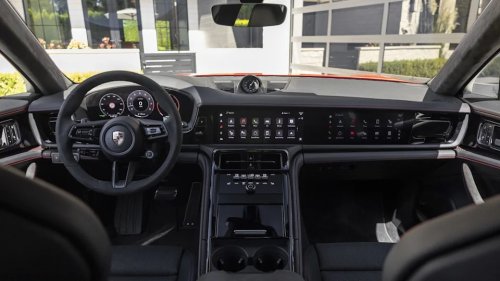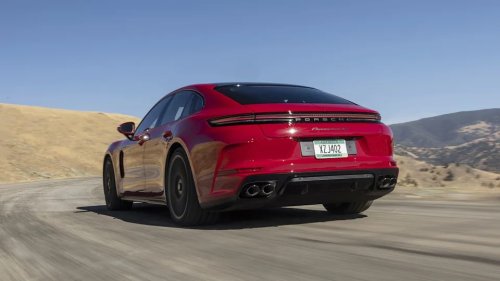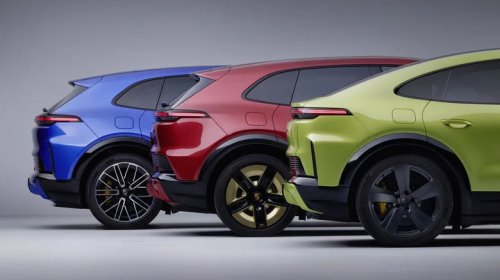



















Porsche is edging closer to a decision that would once have seemed unthinkable for a brand built on German manufacturing prestige: assembling vehicles in the United States. After absorbing roughly €700 m in tariffs on shipments into its largest market and watching profits deteriorate, the company now concedes that local production is starting to look financially attractive. The shift would mark a strategic break from years of insistence that the cachet of “Made in Germany” justified keeping sports cars and SUVs in European plants, even as trade tensions and cost pressures mounted. Tariffs turn into a billion‑euro problem The immediate catalyst is a tariff bill that has become impossible to ignore. In 2025, Porsche paid about €700 million in duties on vehicles exported from Europe to North America, according to Auto News Europe, that describe how deeply the levies have cut into earnings. North America is Porsche’s largest market with a 31 percent share of global deliveries, so the tariffs strike directly at the company’s profit engine rather than a peripheral region. The pain is not easing. Finance chief Jochen Breckner has already warned that U.S. tariffs will cost Porsche roughly €700 million again this year, a figure he framed as a structural burden rather than a one‑off shock in comments cited in an analysis of Porsche’s EV rollback. Those levies stem from trade measures championed by Trump that targeted European imports, a policy line that has left Porsche repeatedly paying a premium simply to reach American buyers and, according to Automotive News, has become a central boardroom concern as the €700 m and €700 million figures repeat in internal forecasts. From firm resistance to cautious openness Until recently, the official line from Stuttgart was clear. Jochen Breckner argued that Porsche’s relatively low volumes made it impossible to justify the cost of a full manufacturing plant in the United States, a stance described in detail when Jochen Breckner set out the company’s investment logic. That view aligned with comments from a spokesperson who said Porsche was not planning to shift final assembly of cars to the U.S., even if some parts or model assembly could one day be paired with another Volkswagen brand, according to Porsche. Earlier commentary shared through Porsche and Audi channels reinforced that message, stressing that Porsche and Audi, both part of the Volkswagen Group, would lean on group capacity in the United States rather than launch a dedicated Porsche factory. That resistance is now softening. Recent comments reported by Michael Gauthier indicate that Porsche appears open to building vehicles in the United States after Trump’s tariffs cost the company about €700 m, with executives no longer ruling out a local plant as they once did, according to Michael Gauthier. Prestige, politics and a weakening core For decades, Porsche leaned on the appeal of German engineering as a differentiator in the United States. Reporting on the company’s tariff exposure noted that the “Made in Germany” cachet still holds sway with many American consumers, who see German‑built 911s and Cayennes as a mark of authenticity, as described in a review of how made branding shapes demand. The same analysis warned, however, that if tariffs remain in place or tighten further, U.S. production might become a necessity rather than a strategic choice, especially for high‑volume SUVs that are less tied to European mystique than halo models. At the same time, Porsche is grappling with weakening conditions in China. Much of the decline in its recent profit performance came from collapsing sales in China, where domestic EV brands like BYD and Nio have rapidly gained popularity, and demand for premium combustion cars slowed more than expected, according to a review that noted how Much of the profit drop was tied to that market. With China under pressure and North America shouldering a 31 percent share of global sales, the logic of absorbing another €700 million in tariffs instead of shifting some production closer to customers is increasingly hard for investors to accept. What U.S. production would really mean Any American plant would most likely focus on high‑volume SUVs and crossovers rather than low‑volume sports cars. The Macan and Cayenne, which already dominate Porsche’s U.S. mix, are natural candidates for localized production if the company decides to follow the path that other Volkswagen Group brands have taken. Volkswagen has already committed to a planned Scout plant in Blythewood, South Carolina, a project cited in discussions around Jochen Breckner’s calculus on capacity and investment, and that facility could offer a template for how Porsche might share infrastructure inside the group. There is also a political dimension. As tariffs tied to Trump’s earlier measures continue to shape trade policy, a visible manufacturing footprint in the United States could help Porsche argue for more favorable treatment while insulating it from future rounds of duties. From hypothetical to likely For now, Porsche insists that no final decision has been made, and the company continues to emphasize the strength of its German plants. Yet the financial arithmetic is shifting. Trump‑era tariffs have already cost Porsche €700 m. They are set to cost roughly €700 million again. North America delivers 31 percent of its sales, and profit headwinds from China and an EV strategy reset are intensifying. More from Fast Lane Only Unboxing the WWII Jeep in a Crate 15 rare Chevys collectors are quietly buying 10 underrated V8s still worth hunting down Police notice this before you even roll window down