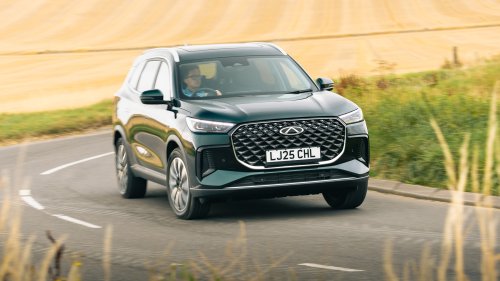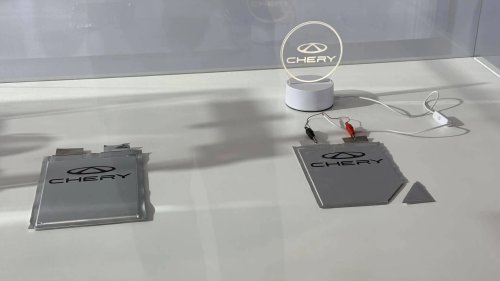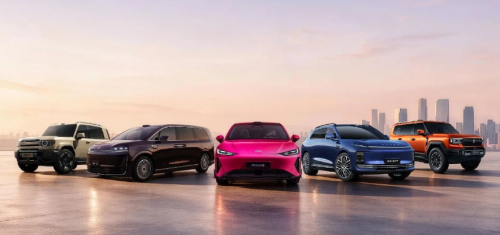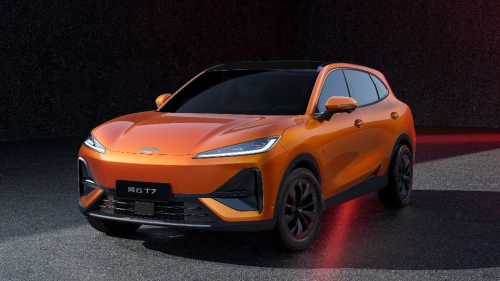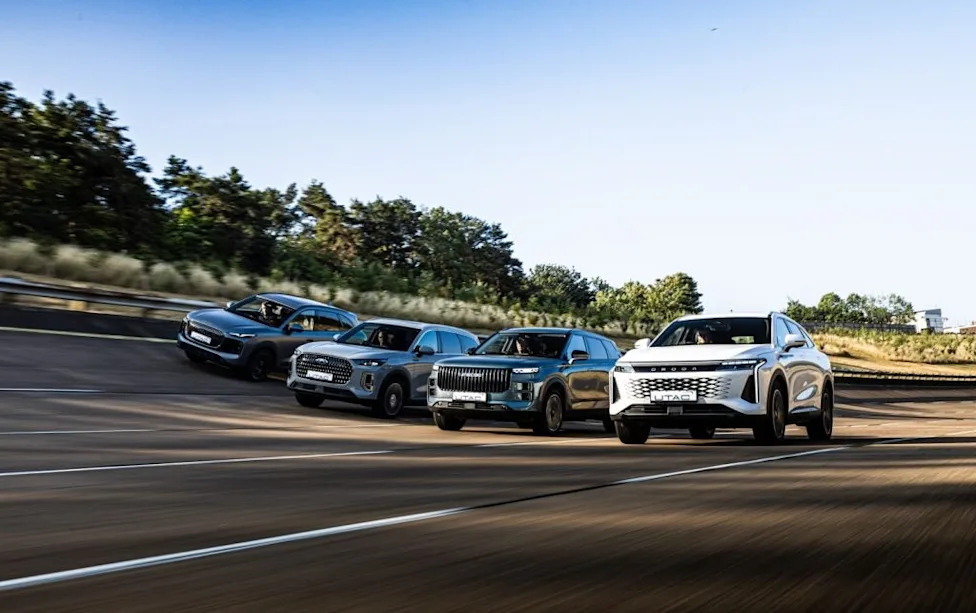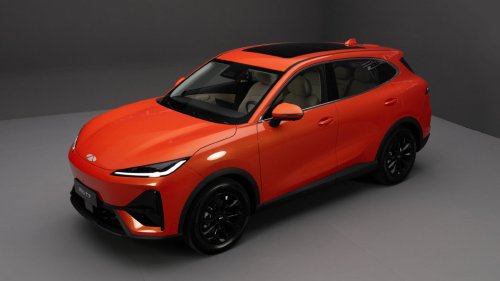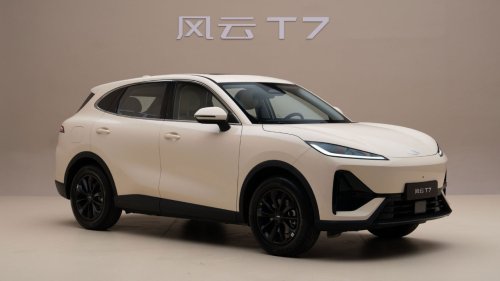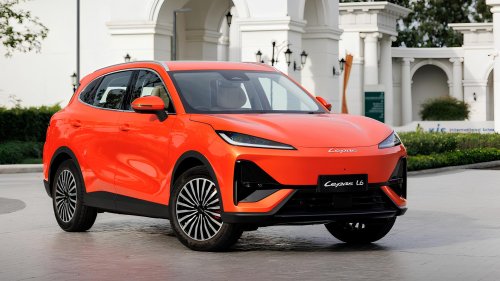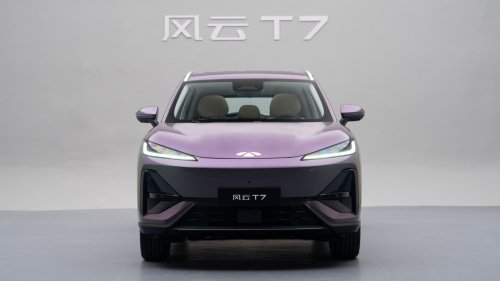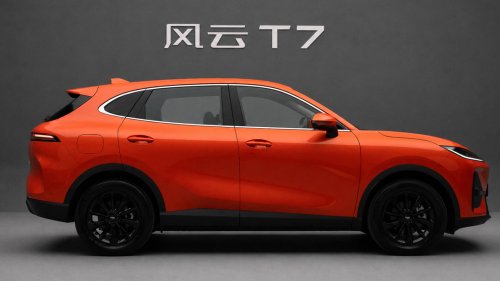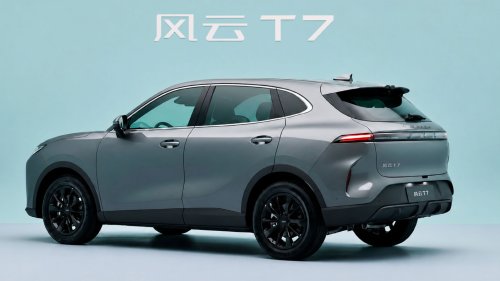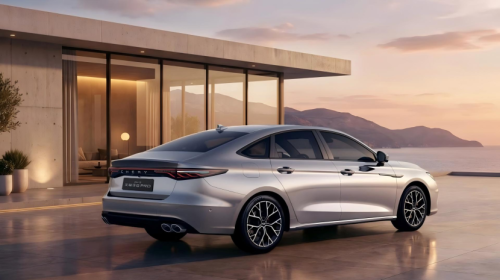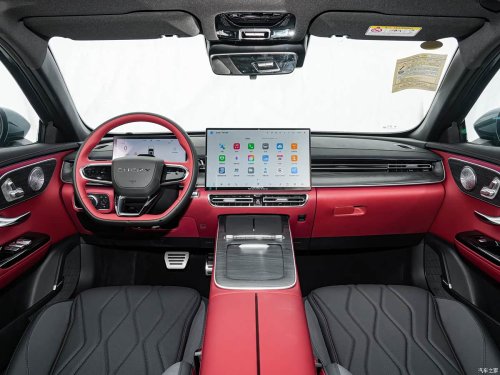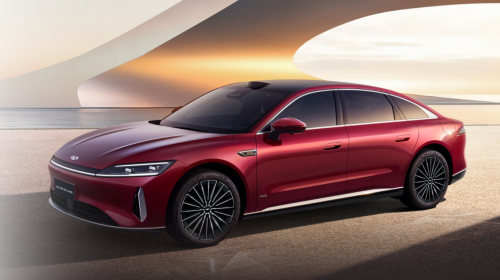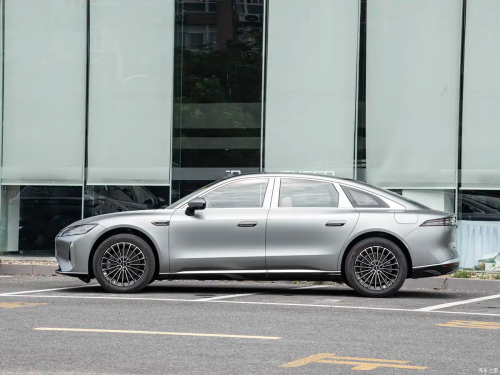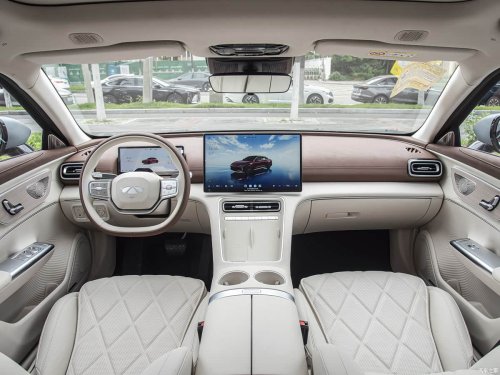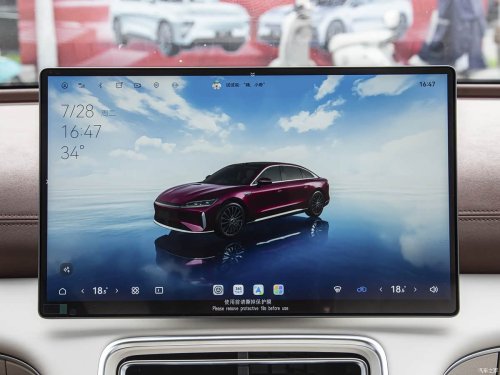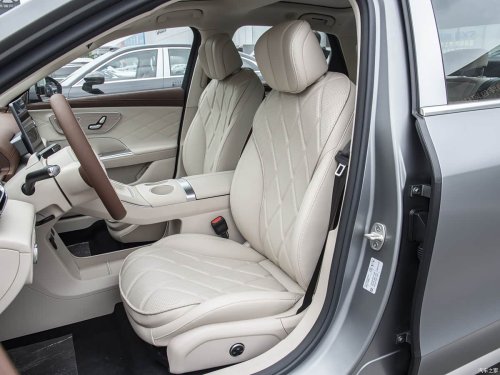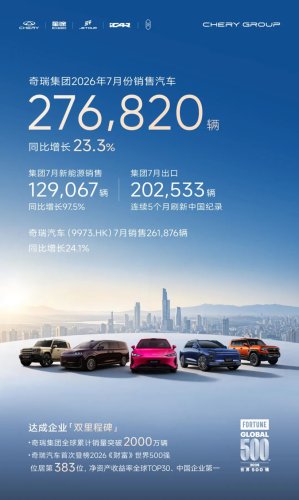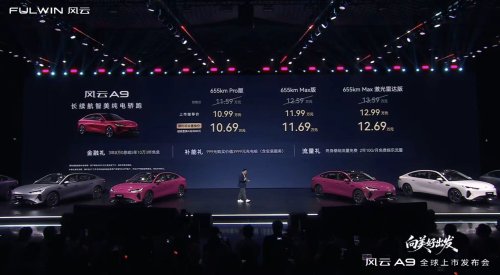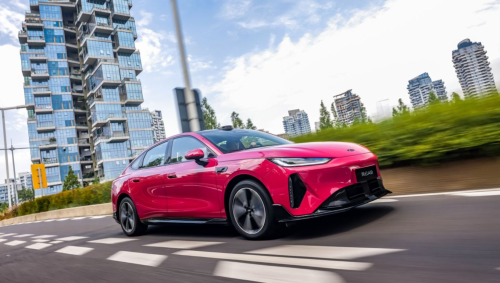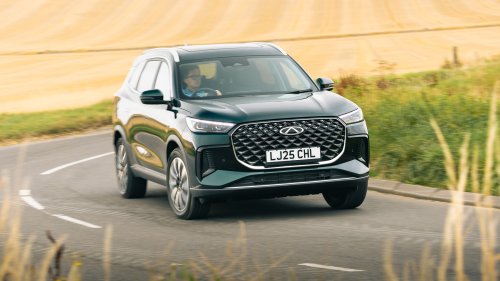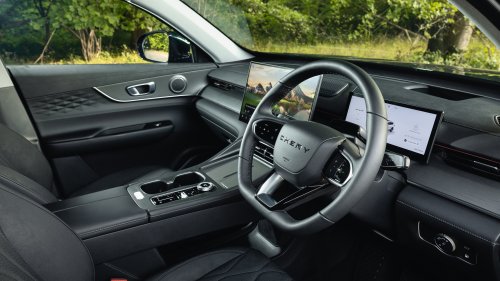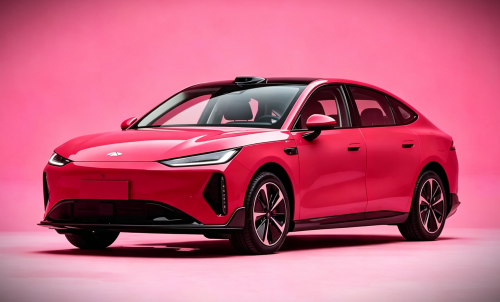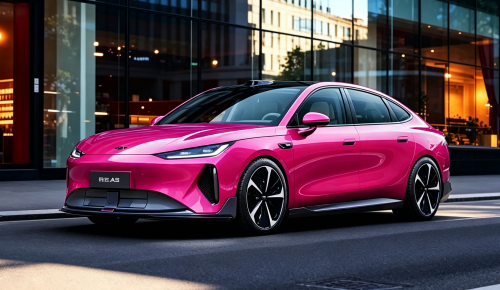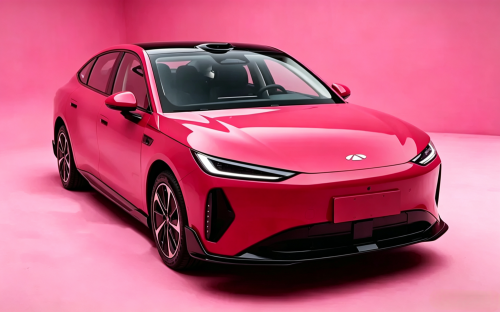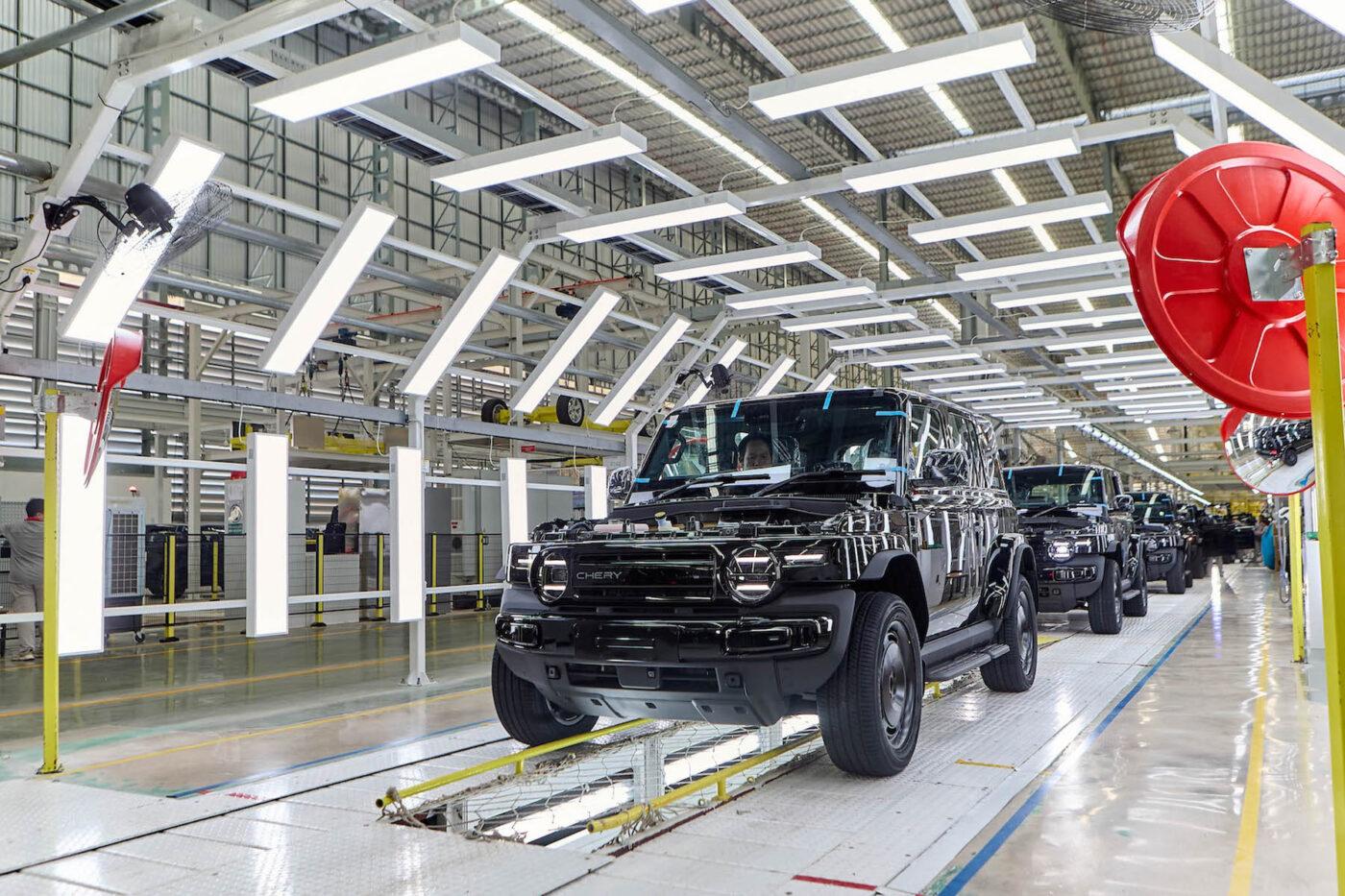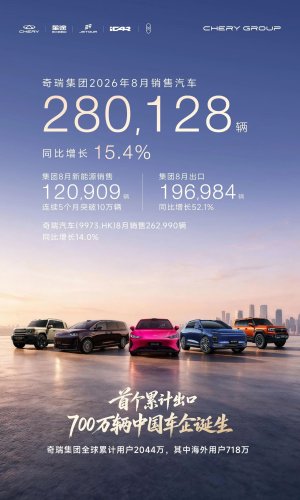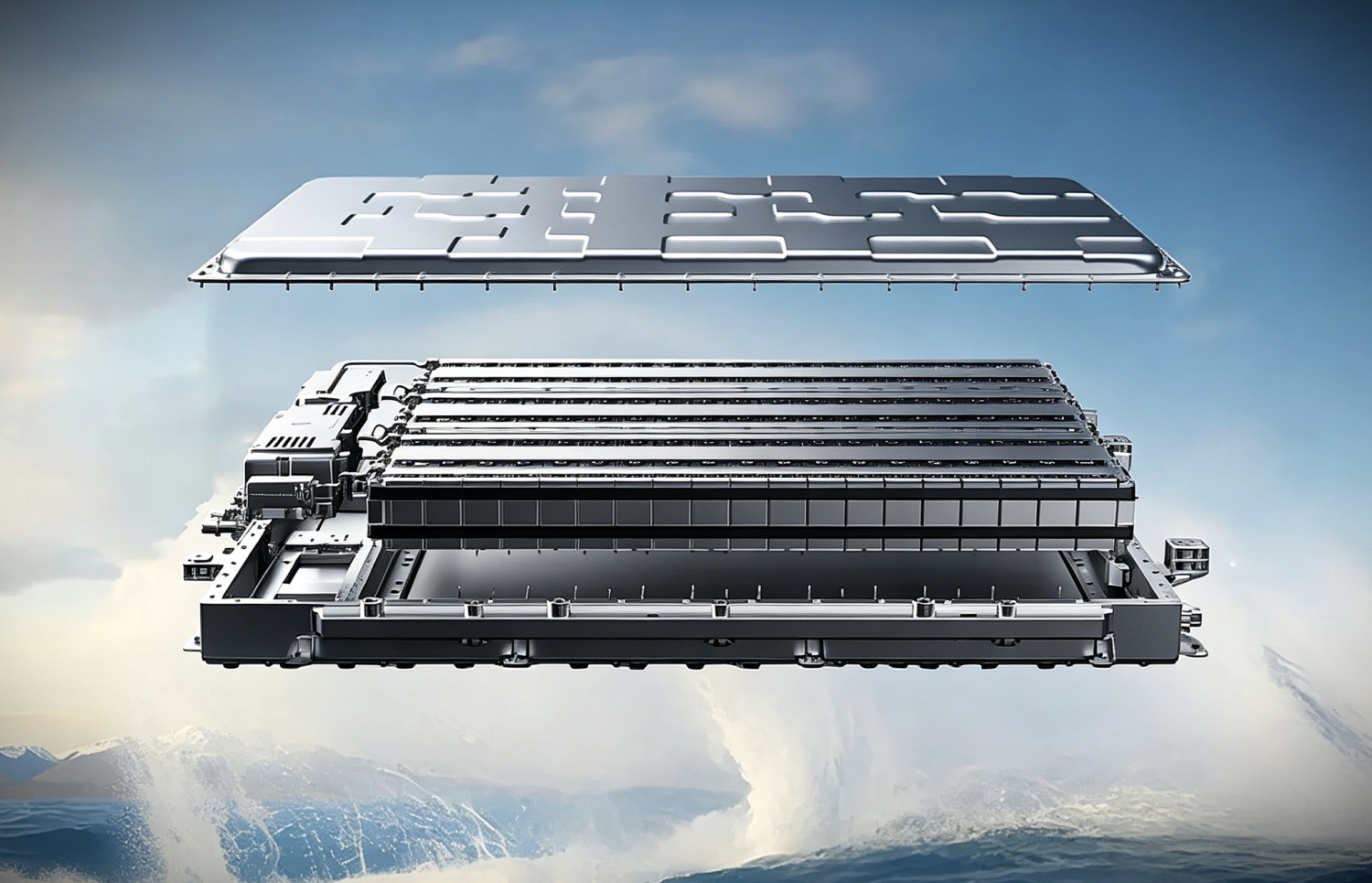



















Updated production metrics show how Chery reinforces its vehicle replacement policy amid dropping domestic deliveries. Credit: Chery Understand China EV’s Market Real-time notifications when critical EV data is released All important data in one place 2,000,000+ data points Become a member Chery has officially launched its Rhino battery safety assurance plan to back up its recent lifetime consumer protection commitments. The framework, detailed by Sina, guarantees complete product validation under updated state criteria, along with a vehicle replacement program for battery-induced thermal runaway. This strategy establishes an operational baseline for all current and future passenger electric vehicle platforms across the manufacturer’s brand ecosystem. This engineering rollout leverages a multi-year 10 billion yuan (1.47 billion USD) research program first detailed during the brand battery technology showcase. The technical specifications serve as the anchor for upcoming plug-in hybrid models, including the Fulwin A9 sedan and Fulwin T7 crossover. Battery structural engineering To withstand high-energy impacts, the physical casing is rated to withstand a continuous 1,500-Joule underbody strike, which is 10 times the updated state regulatory minimum. Cell-level validation includes a simultaneous ten-pin puncture test with zero recorded smoke or ignition sequences. Additional testing protocols subject the hardware to a combined sequence of physical crushing, water immersion, and nail punctures without triggering thermal runaway. Manufacturing quality relies on a specialised environmental purification capsule for the cell coating line to mitigate internal short circuits. The assembly area maintains an average count of just 40 dust particles of 0.5 micrometres or larger per cubic meter. A 100-meter magnetic levitation logistics line moves components through the facility, eliminating friction-induced dust. Solid-state technology The mass-production infrastructure serves as an industrial stepping stone for next-generation solid-state cell performance. The automaker has filed a critical engineering patent for sulfide-based solid-state electrolytes to address material degradation. The internal research program aims to achieve energy densities of up to 600 Wh/kg for future production model applications. Prior real-world implementation includes a test fleet of 43,000 vehicles that accumulated over 1.2 billion kilometres with zero recorded battery fire incidents. This baseline manufacturing data supports the rollout of the current liquid and semi-solid-state iterations before transitioning to full solid-state platforms. Domestic sales context The heightened focus on safety architectures arrives amid a documented domestic sales slump for the passenger brand. Verified market data reveals that monthly domestic deliveries declined from 51,417 units in June 2025 to 31,738 units in May 2026. This trajectory represents a 34.8% year-over-year reduction in retail volume, leaving the automaker with a 2.1% domestic market share, according to China Ev DataTracker. To reverse this volume contraction, the company is utilising a lifetime battery warranty as new safety standards come into force across China. The commercial strategy aims to stabilise domestic brand equity by offering a new vehicle replacement if a powertrain failure results in physical vehicle damage. The integration of high-specification safety metrics forms the core competitive response to shifting consumer demand.