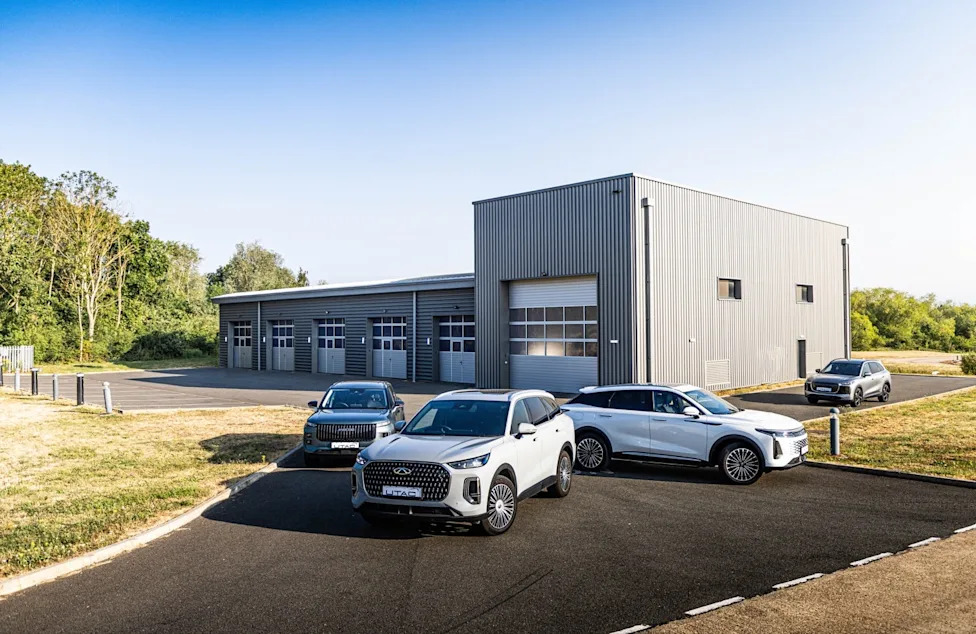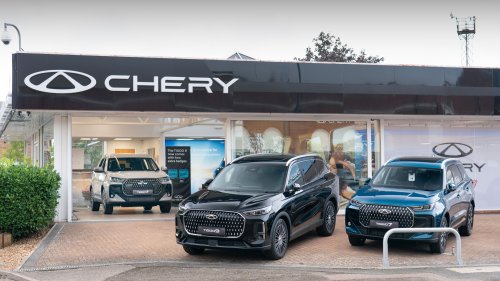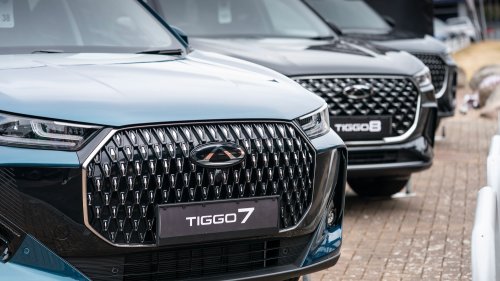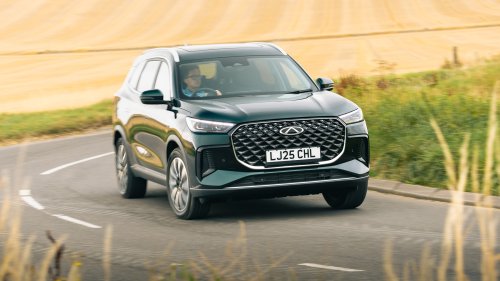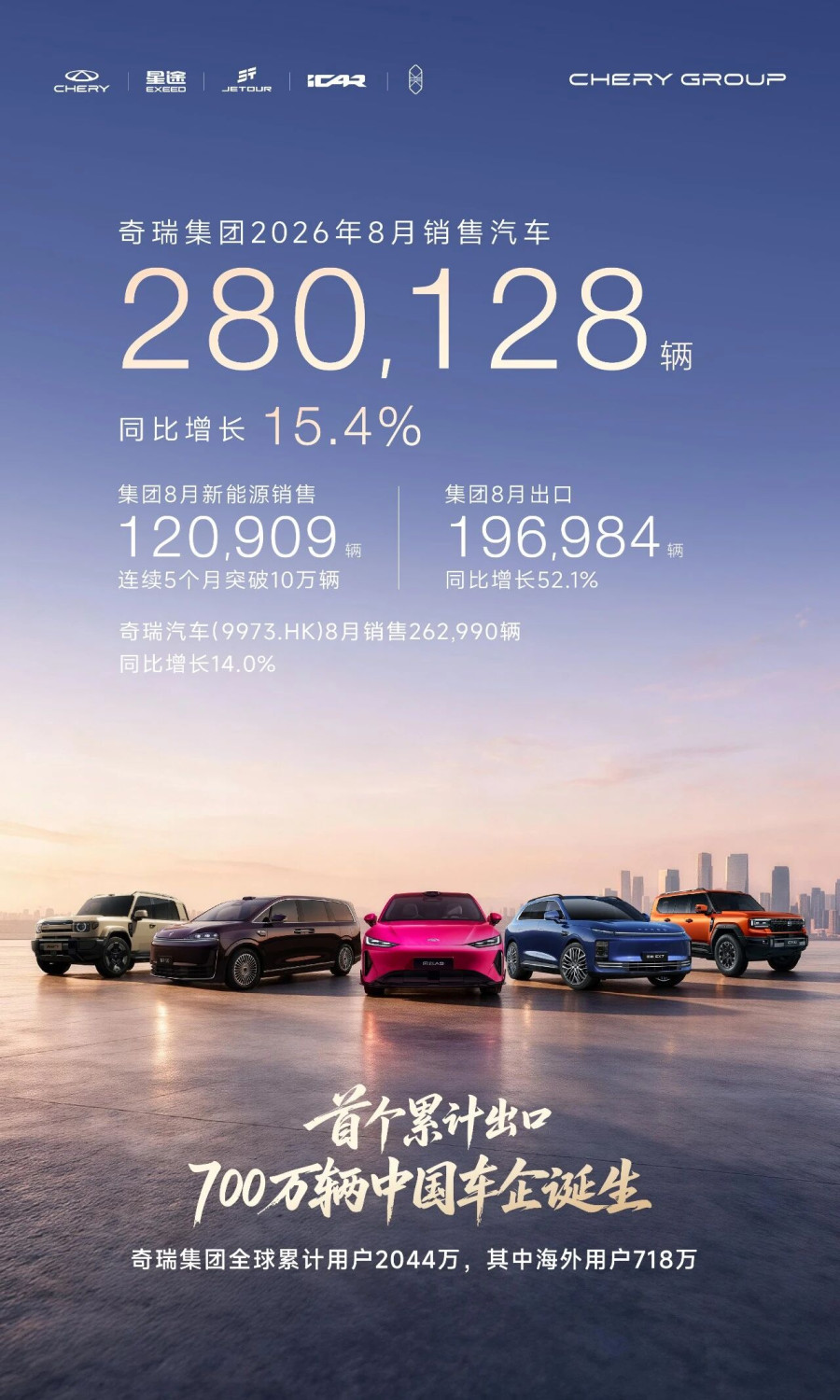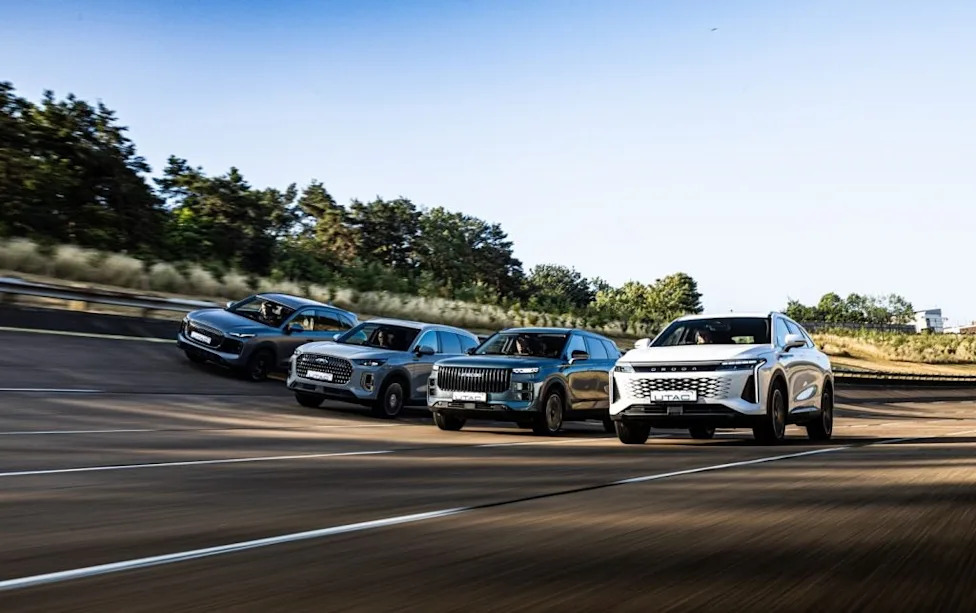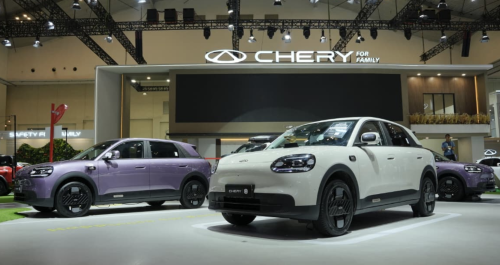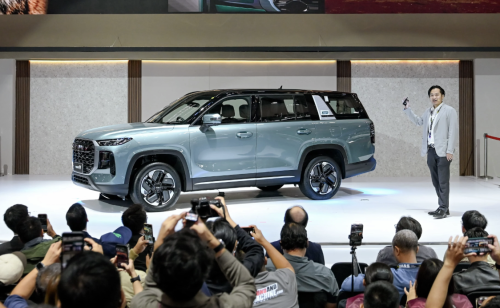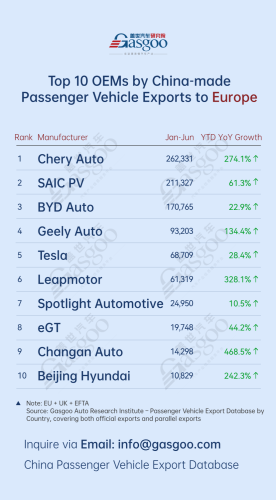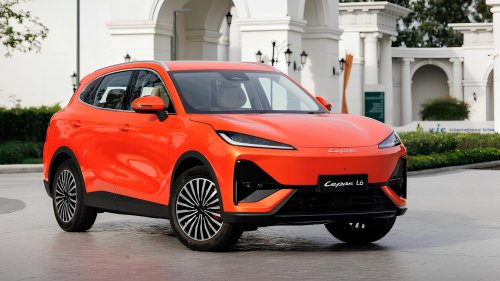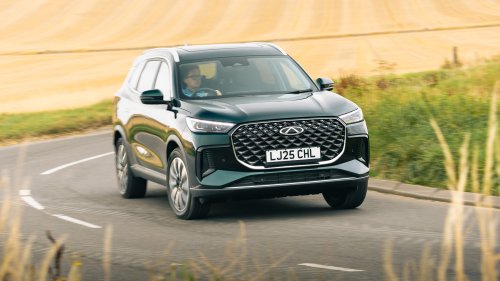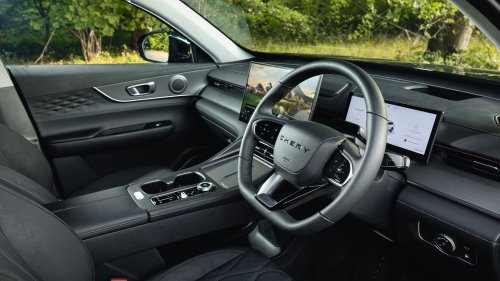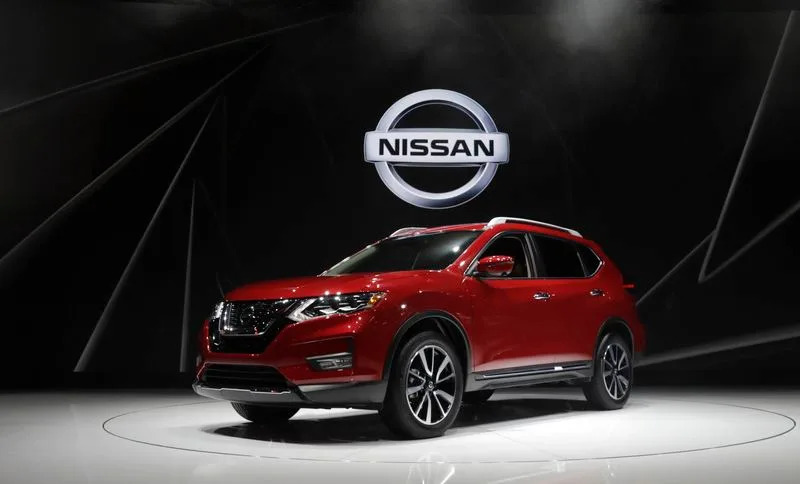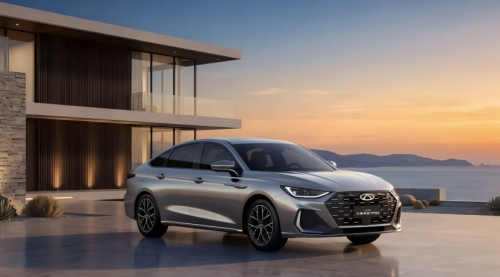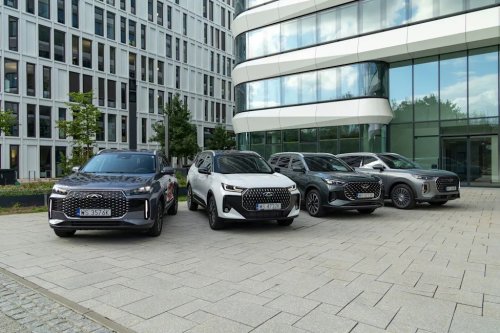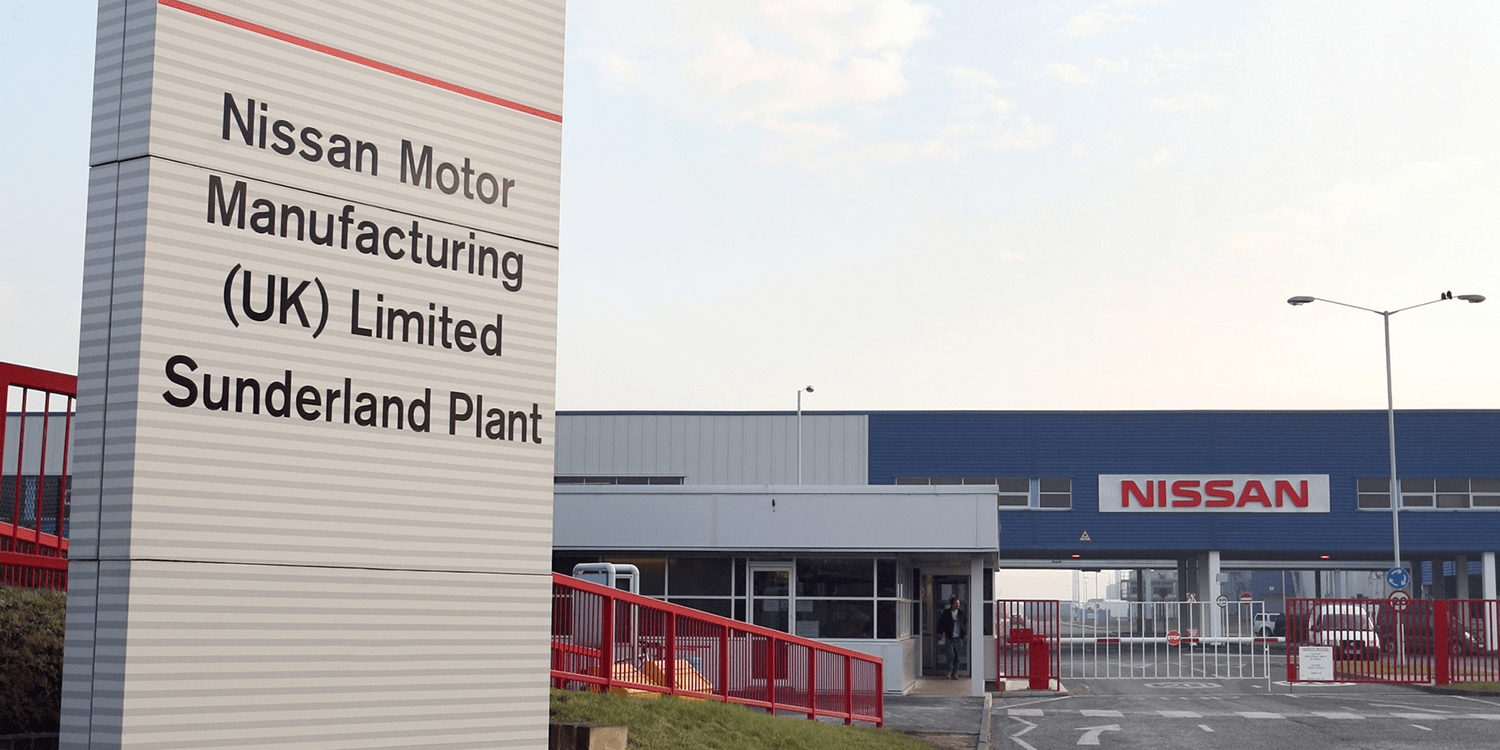




















Nissan's Sunderland factory. Credit: Electrive Understand China EV’s Market Real-time notifications when critical EV data is released All important data in one place 2,000,000+ data points Become a member In a move to optimise global manufacturing capacity, Nissan announced on June 3, 2026, that it has signed a non-binding memorandum of understanding (MoU) with Chinese automaker Chery. Under the agreement, Chery will utilise Nissan’s “Line 1” production facility at the Sunderland plant in the United Kingdom, with operations slated to begin in the 2027 fiscal year. This collaboration follows Nissan’s recent decision to consolidate production of its Leaf, Qashqai, and Juke models onto “Line 2” as part of a broader global cost-cutting initiative. Nissan CEO Ivan Espinosa, who had previously expressed confidence in securing a partner for the idle line, noted that the move is a key component of the company’s ongoing structural reforms. While Chery has not yet specified which models will be manufactured in Sunderland, the company maintains a strong presence in the UK market with brands including Jaecoo, Omoda, and Lepas, as well as its namesake SUV line. Collectively, Chery’s brands have captured nearly 7% of the UK market over the past two years. This deal complements Chery’s recent expansion into Europe, including a partnership with Spanish brand Ebro to produce vehicles at a former Nissan facility near Barcelona. Chery Jaecoo model in UK. The partnership comes at a challenging time for Nissan. On May 13, 2026, the Japanese automaker reported a net loss of 533.1 billion yen (3.53 billion USD) for the 2025 fiscal year, marking its second consecutive year of significant losses. The company cited global sales stagnation, inflationary pressures, and the impact of U.S. tariff policies – which alone reduced operating profit by approximately 286 billion yen (1.9 billion USD) – as primary drivers of the downturn. CEO Espinosa warned that the operating environment is expected to remain severe throughout the 2026 fiscal year due to rising energy costs linked to geopolitical tensions in the Middle East. Conversely, Chery is experiencing a period of robust growth. In May 2026, the Chery Group reported sales of 247,823 vehicles, a 20.5% year-on-year increase. Of these, 100,304 were new energy vehicles, up 58.8% year-on-year. Notably, the group exported 181,871 vehicles during the month, marking its third consecutive month of record-breaking export performance. For the first five months of 2026, Chery achieved a cumulative sales volume of 1,100,921 vehicles, a 7.2% increase compared to the previous year, with exports reaching 752,755 units. The group’s global user base has now surpassed 19.62 million, with over 6.59 million users located outside of China.