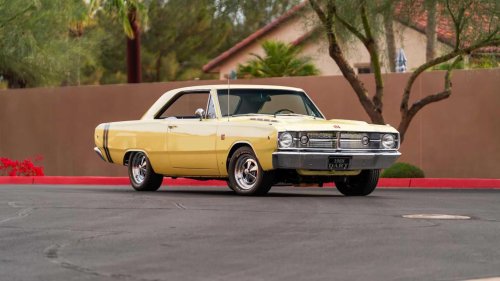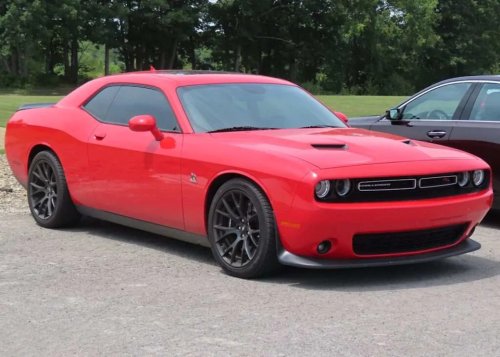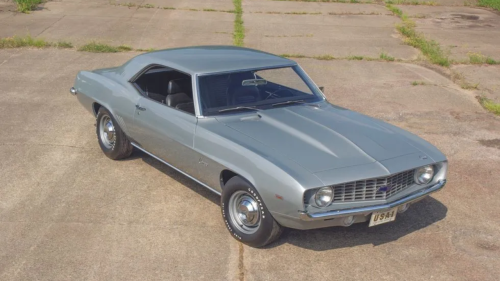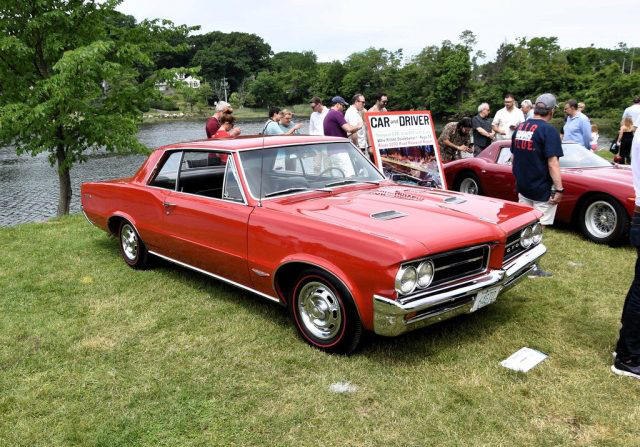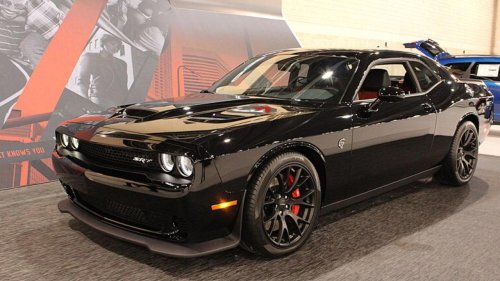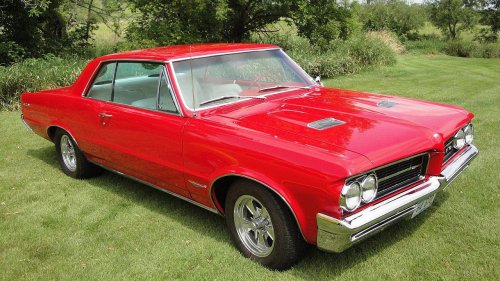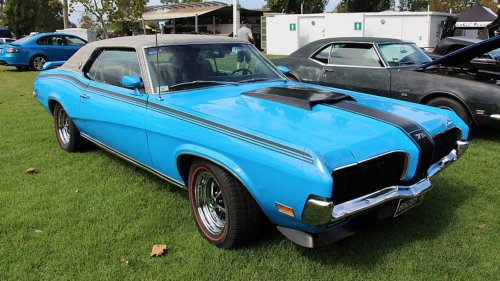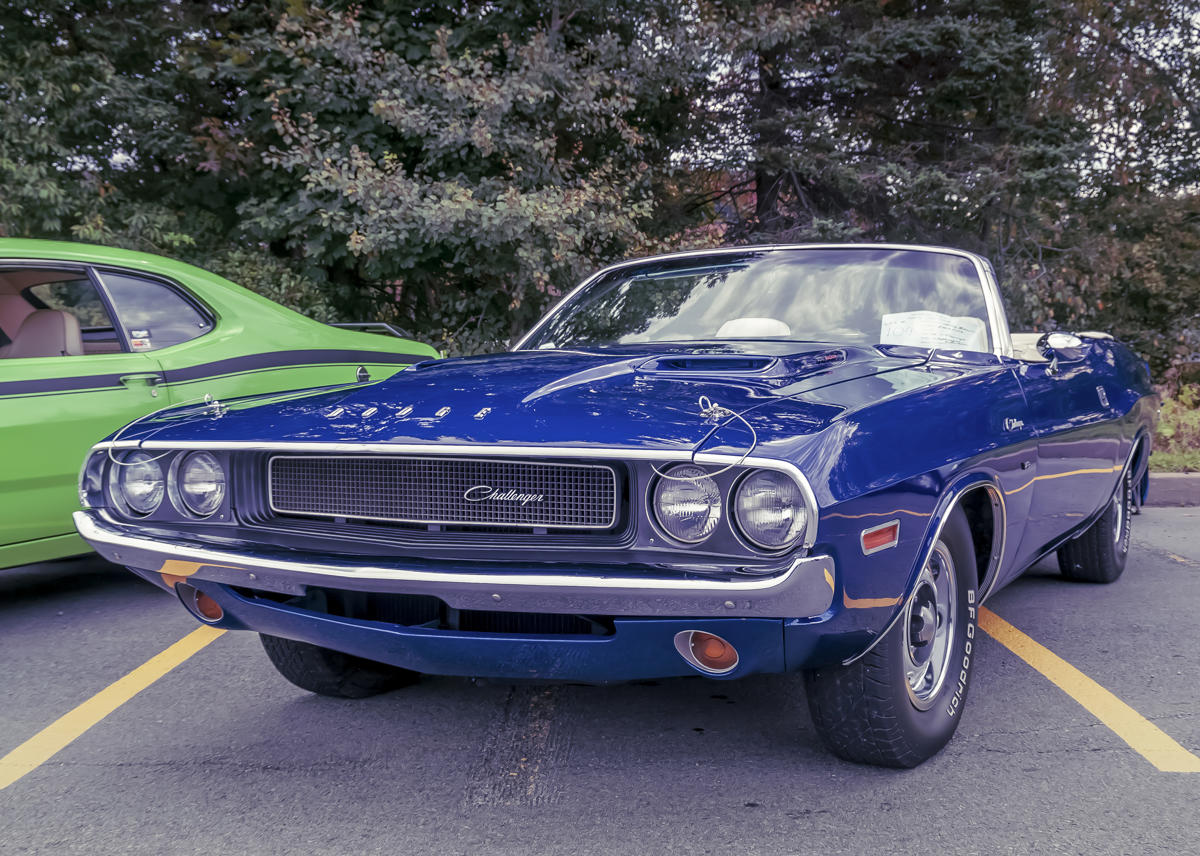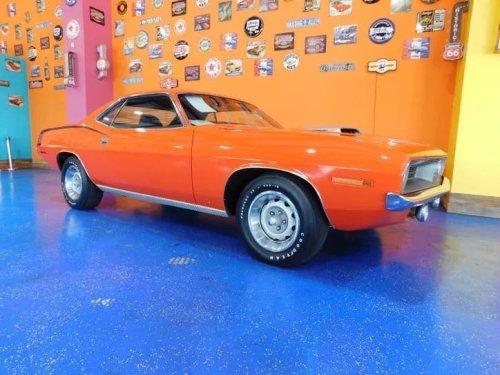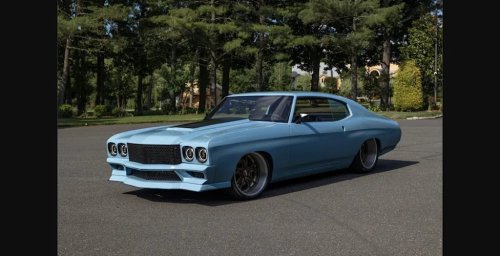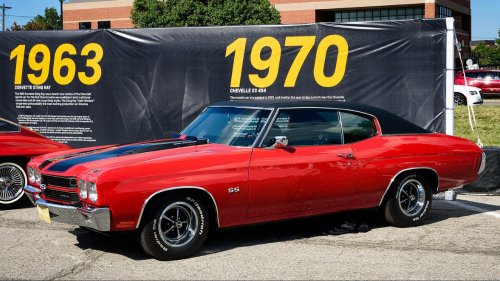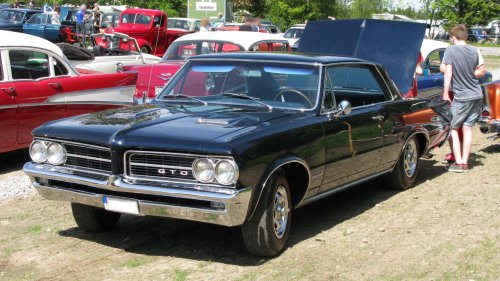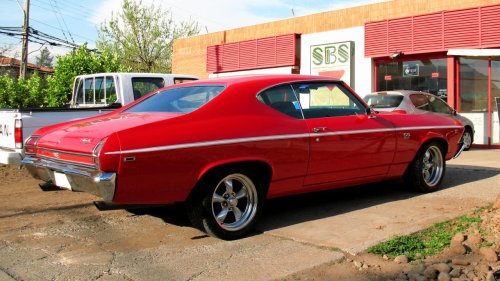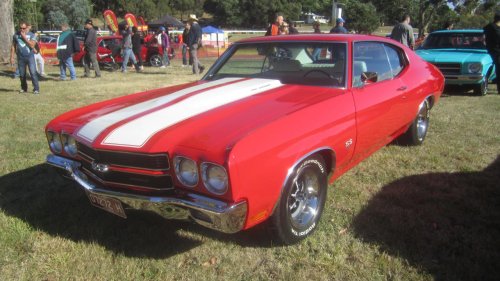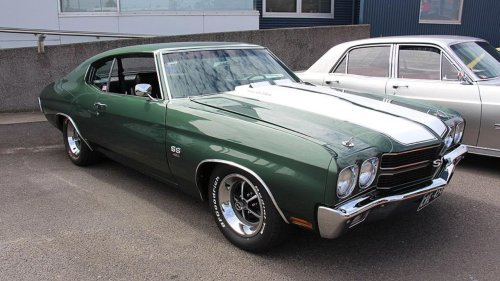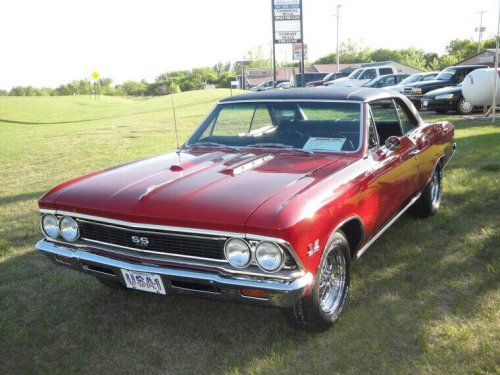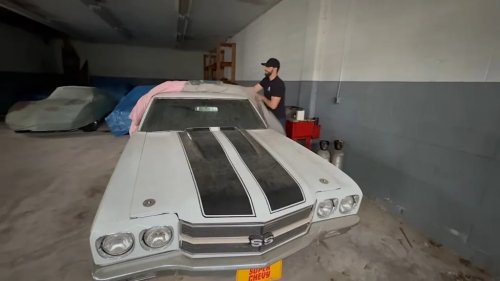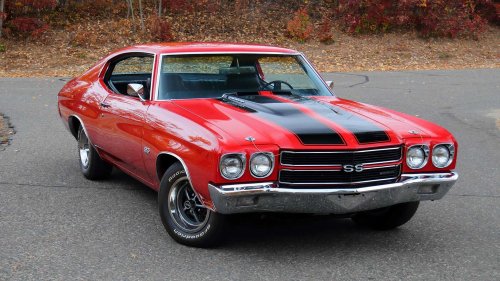
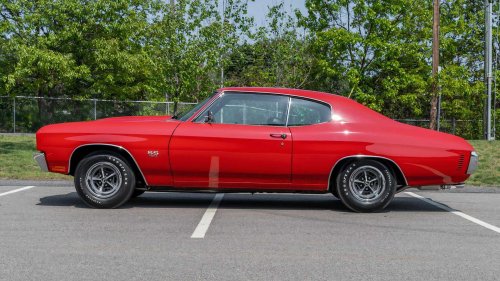
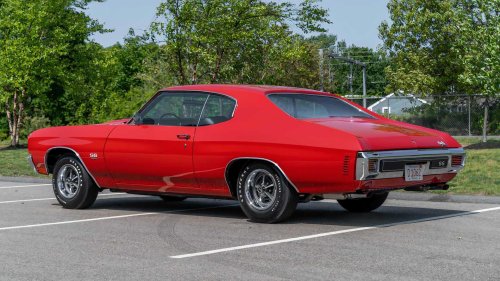
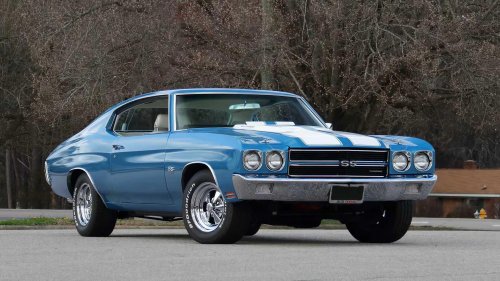
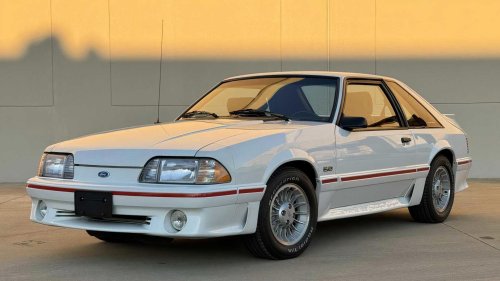
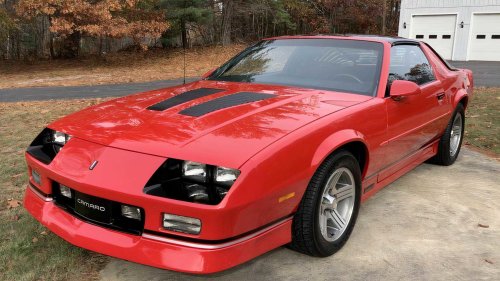
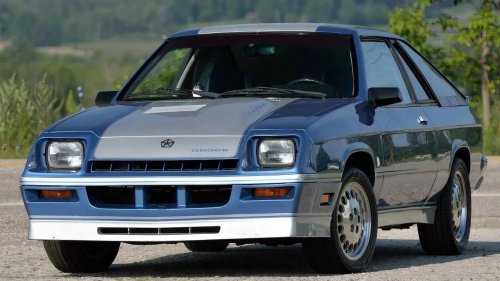
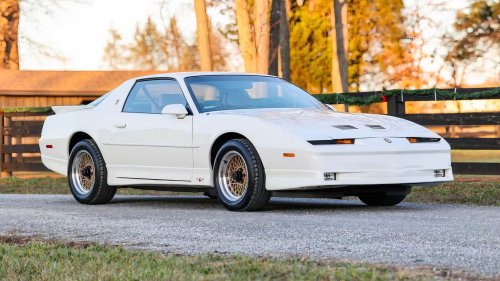
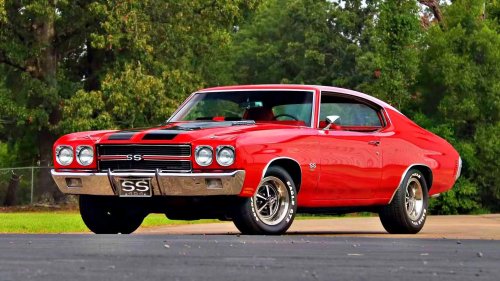
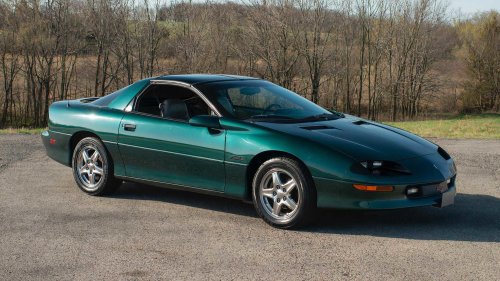
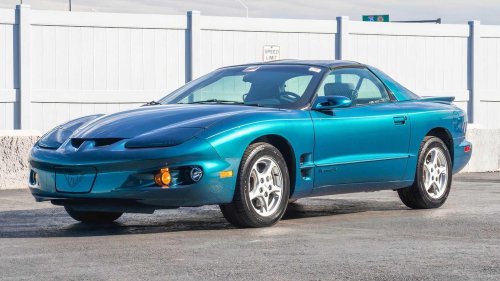
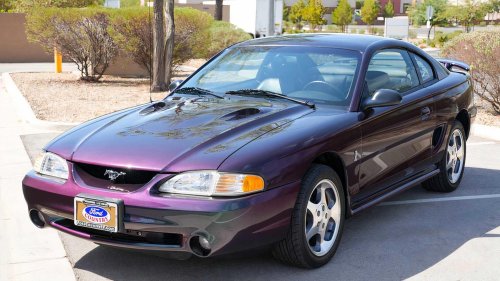
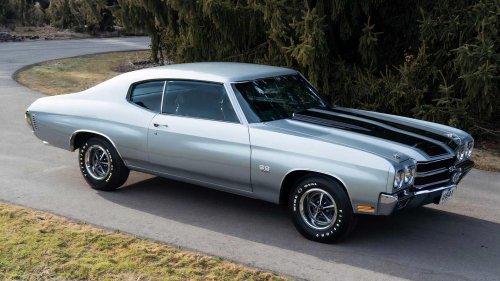
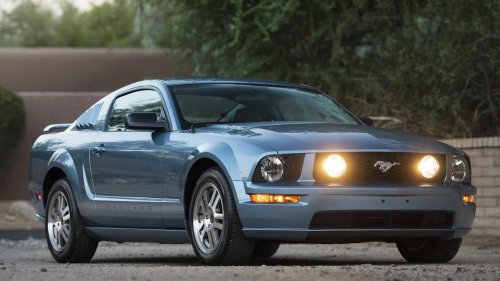
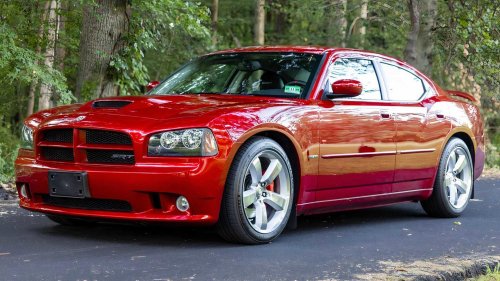



















It's easy to assume that muscle car performance peaked in today's era, and largely, that assumption holds water. Modern beasts like the supercharged Dodge Challenger Hellcat and the extraordinary Ford Mustang Dark Horse—pushing 500 naturally aspirated horses—seem to represent the pinnacle of American muscle. With more than six decades separating us from the 1964 Pontiac GTO's debut, that Golden Age feels like a distant memory. However, that classic period birthed some truly savage factory-built street monsters, several of which remain surprisingly competitive against contemporary machines.In the years leading up to the muscle car explosion, General Motors imposed an arbitrary rule preventing its divisions from installing V-8 engines exceeding 400 cubic inches in mid-size vehicles. This restriction significantly hampered their pursuit of street supremacy throughout much of the Golden Age. When GM finally dropped this misguided policy in 1970, it paved the way for an icon: the Chevrolet Chevelle SS 454 LS6. Pumping out 450 horsepower and 500 pound-feet of torque, it became the definitive GM muscle car of the classic era. This Chevy proved so formidable that its performance went unrivaled for decades, and remarkably, it can still hold its own against today's muscle cars—despite their substantial technological edge. 1970 Chevelle SS 454 LS6 Vs. The 1970s MecumIn 1963, Chevy had some of the most powerful V-8s, like the 425-horsepower dual quad 409 of the Impala and the 435-horsepower Corvette 427 Tri-Power. These engines, unfortunately, never got a chance to rock the Chevelle or Camaro because 1963 was also the year GM decided big engines weren't allowed in hot cars. What this pointless ban achieved was handing over the bulk of the Golden Age over to Mopar, which was sporting 390-horsepower 440s and 425-horsepower 426 Street Hemis, while Chevy's most potent engine was the 375-horsepower 396. Those lost ponies were the difference between a 13-second car, which was the standard set by Dodge and Plymouth muscle cars, and the 14-second rides of Chevrolet.Bring a TrailerChevy got some redemption at the end of the classic era, whenGMlifted its ban and the Chevelle SS got the engine it should have had all along. The 454-cubic-inch V-8 made more horsepower and torque than the 426, which finally gave Chevy a car that could run with Chargers and Road Runners. The plain Jane 454 produced 390 horsepower, but the LS6 variant cranked it up to 450 horsepower, with a stump-pulling 500 pound-feet of torque.Bring a Trailer The Chevelle SS 454 LS6 wasn't actually the fastest muscle car of the 1970s, but it was definitely part of the conversation. After '72, all muscle cars were detuned into oblivion because of federal emissions mandates, a global oil crisis, and consumer demands for fuel efficiency. There was nothing from the Dead Horsepower Era of the '70s that could challenge the LS6 Chevelle. 1970 Cevelle SS V.s. 1970s Performance Comparison 1970 Chevelle SS 454 LS6 Vs. The 1980s Mecum The 1980s were the decade in which performance was cool again, closing out the Dead Horsepower Era. The 1970 Chevelle SS 454 LS6, however, was still unbeaten in terms of raw acceleration and remained the gold standard for the quarter-mile by an American factory muscle car.Bring a Trailer The third-gen Fox Body Mustang would rule the '80s as the most iconic ride of the decade, and while its power improved year after year, it was still a 14-second car. It was produced from 1979 to 1993 and marked a dramatic shift for the pony car. Built on Ford's lightweight Fox platform, it shed the bloat of its 1970s predecessors in favor of a more compact, efficient design that emphasized handling and affordability. The Fox-body truly hit its stride in the mid-1980s with the introduction of the 5.0L V8-powered GT models, which became cultural icons and delivered impressive performance at an accessible price point. Its simple, rugged construction and plentiful aftermarket support made it a favorite among tuners and drag racers, and the Fox-body remains one of the most modified Mustangs ever produced. Despite its humble origins during the malaise era, this generation ultimately revitalized the Mustang brand and laid the groundwork for the performance resurgence that followed.Bring a Trailer The same is true of the Chevy Camaro IROC-Z, another '80s icon, which had more style than substance. The IROC-Z was produced from 1985 to 1990, represented the peak performance variant of GM's F-body platform and became an instant icon of 1980s automotive culture. The IROC-Z became the Mustang GT's chief rival in the muscle car wars of the late 1980s, offering superior handling dynamics thanks to its more sophisticated chassis design. Today, these Camaros remain highly collectible symbols of Reagan-era performance, celebrated for their unmistakable presence and their role in keeping the muscle car flame alive during a transitional period in automotive history.Dodge As a front-wheel-drive, four-cylinder, compact hatchback, the Dodge Shelby Charger hardly qualifies as a muscle car, but it stole a muscle car nameplate and was a fairly quick set of wheels in 1987.Bring A TrailerWhile the '70 Chevelle SS was unbeaten by the '80s, that doesn't mean it was unmatched. The 1989 Pontiac Trans Am 20th Anniversary Edition was capable of crossing the line parallel to the classic Chevy on the track or the street. Equipped with the same 3.9-liter turbocharged V-6 as the 1987 Buick GNX, the Pontiac was the first American muscle car to top 300 ponies since the early 1970s. Granted, the Trans AM 20th Anniversary car wasn't a regular production model, with most of its speed provided by a third party, so it's not really a factory car. Also, its conspicuous lack of a V-8 hurts its muscle car cred, but it was a nice return to performance to close out the 1980s. 1970 Cevelle SS V.s. 1980s Performance Comparison 1970 Chevelle SS 454 LS6 Vs. The 1990s Mecum Blazing into the 1990s, the 1970 Chevrolet Chevelle SS 454 LS6 was still the standard-bearer for factory muscle car performance. There were, however, a couple of outliers that challenged its dominance. The Pontiac Firebird, produced intermittently throughout the decade, came with a modified version of the Formula 350's 5.7-liter V-8 and could hit a quarter-mile in 13.3 seconds.Mecum Also, the 1997 Camaro 30th Anniversary LT4 SS had a 330-horsepower 350-cubic-inch V-8 under the hood that could propel it to a 13.2-second quarter-mile run. Both of these cars were extremely limited editions that were modified by SLP Engineering, so they aren't necessarily regular production factory rides, but do represent an asterisk on the classic Chevelle's record.Bring a Trailer As for the mass-produced stuff coming out of Detroit, the '70 Chevelle SS was still on top, but there were signs that its reign was coming to an end. For the first time since the Golden Age, all the muscle car nameplates had a 13-second trim. Both the Camaro Z/28 and the Firebird Formula were into the 13s by the end of the decade, which was better than most of either pony car's classic-era performance.Bring a Trailer The 1996 Mustang SVT Cobra dropped below the 14-second barrier by one-hundredth of a second, but it still counts as a 13-second car. Of course, the '90s saw the rise of the 11-second 400-horsepower V-10 Dodge Viper, but that is a sports car, so the Chevelle doesn't care. 1970 Cevelle SS V.s. 1990s Performance Comparison 1970 Chevelle SS 454 LS6 Vs. The 2000s and Beyond Mecum The 1970 Chevrolet Chevelle SS 454 LS6 entered the new millennium and the Modern Age of American Muscle with acceleration numbers that Detroit was still chasing. While the Pontiac GTO, which was resurrected in 2004, had some impressive power and the fastest top speed of the decade (160 MPH), its drag time was still a tick slower than the classic Chevy.Bring a Trailer The fifth-generation Ford Mustang was a glorious return to its fastback style and performance, but it too wasn't at an LS6-level just yet. The rebooted 2006 Dodge Charger SRT8 and its badass 6.1-liter Hemi V-8 were enough to match the '70 SS 454 in a drag race, so it was still holding its own, but by the end of the 2000s, the Chevelle had finally been surpassed by modern muscle.Bring a Trailer The 2008 Dodge Challenger SRT8 could rip a quarter-mile in 13.1 seconds, and with that, the '70 Chevelle SS 454 LS6 was toppled from the throne as King of the American Muscle Cars. From that point, Detroit never looked back, producing increasingly powerful rides from the 650-horsepower Camaro ZL1 to the 1,000-horsepower-plus doom-bringer Demon 170. 13-second cars were the standard for ass-kicking in the Golden Age, but in the 2010s and 2020s, 12 or even 11 seconds is the norm.Still, the 1970 Chevelle SS had a quarter-mile time that couldn't be beat by a factory car for 37 years, and that's mighty impressive. In a final victory for the 454 LS6, no car that can beat it in a drag race will ever be as beloved or valuable, so the '70 Chevelle SS is still the king. 1970 Cevelle SS V.s. 2000s Performance Comparison