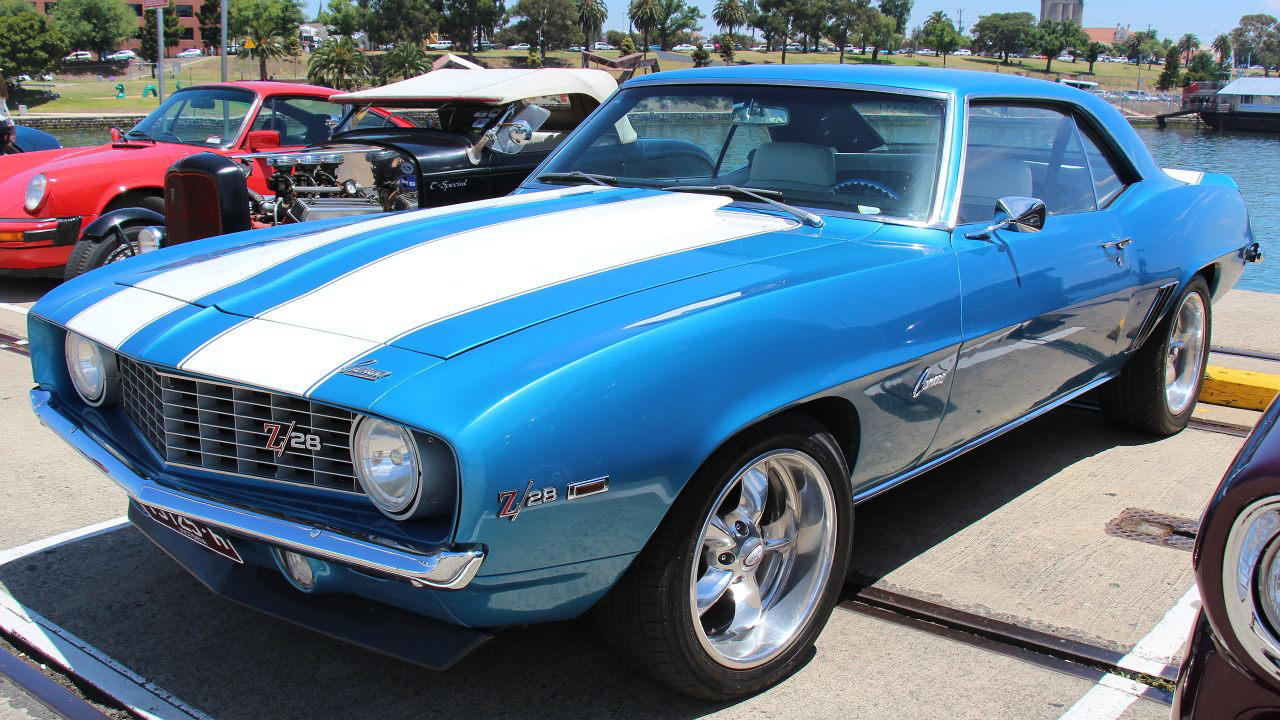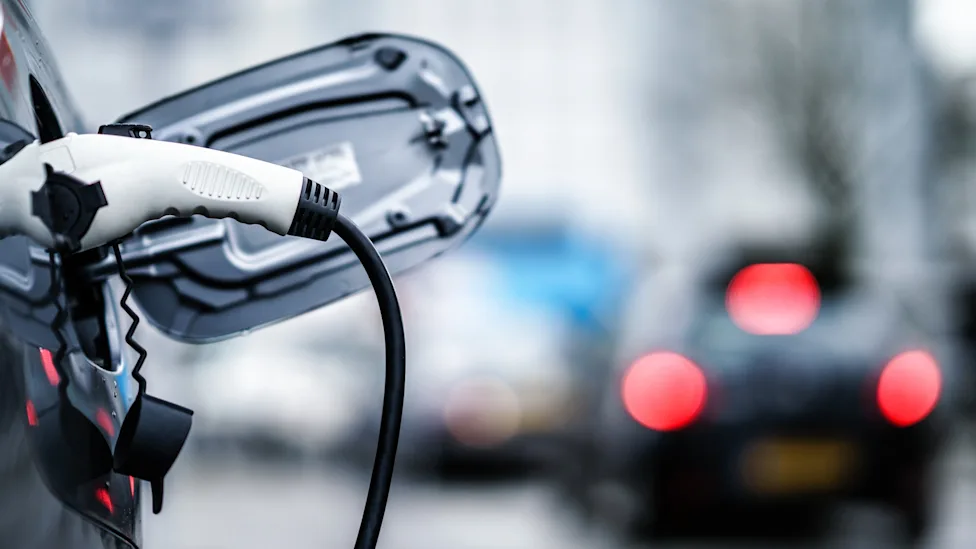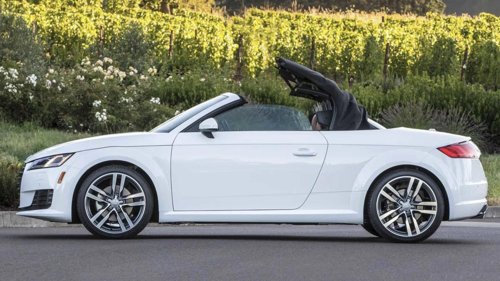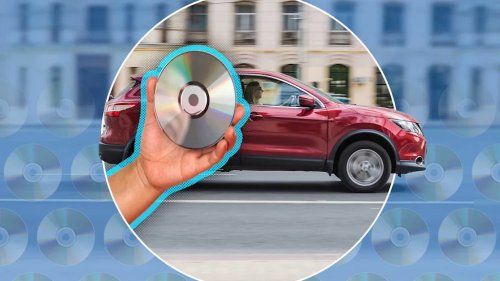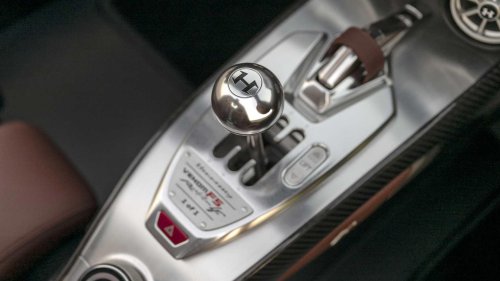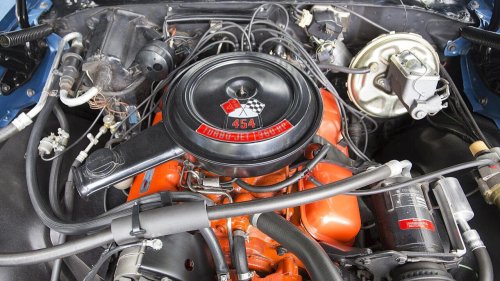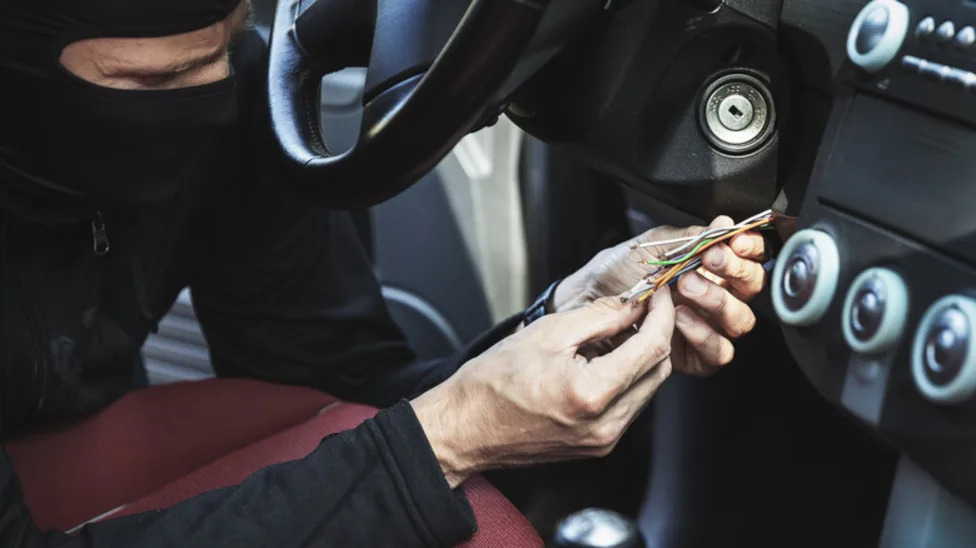
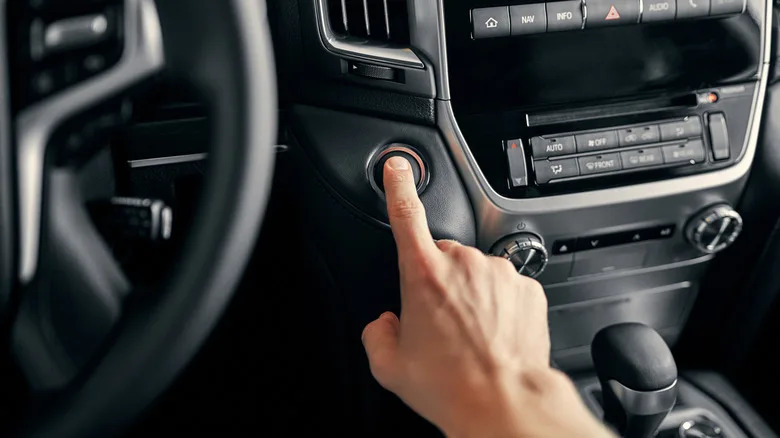



















ronstik/Shutterstock It looks easy enough in the movies: You simply crack the plastic cover off the steering column, twist a few wires together, and off you go. And it really wasn't much harder than that for older vehicles. Heck, you can learn how to hotwire an old car by visiting the right websites. Modern cars, though, are another story. Nearly all of them — except for some Hyundais and Kias — have added a further step into the starting process that makes traditional hotwiring impossible. As a quick refresher, starting a typical internal combustion engine works by closing a circuit between the vehicle's 12-volt battery and the actual starter. It's the electricity from the battery that provides the initial power to turn over the motor. In older cars, turning the key was what closed the circuit. Old-school hotwiring was just a matter of bypassing the ignition cylinder and connecting some wires directly. That began to change when GM introduced its Vehicle Anti-Theft System (VATS) in the 1986 Chevrolet Corvette. This relied on a tiny resistor built into the key itself. As a result, the starter circuit could only be closed if the current moving past that resistor was at the appropriate pre-set value. That was checked by adding a current reader, too. The next step in hotwire prevention came when Ford swapped resistors for RFID chips in the ignition keys of the 1997 Mustang. As a result of these efforts, physically completing the circuit only by touching wires together — the conventional definition of hotwiring — no longer works. On the other hand, car thieves have some new tricks up their sleeves. How RFID tech helps prevent hotwiring — but allows chip cloning ORION PRODUCTION/Shutterstock More recent vehicles have updated the concept, as car keys evolved into pricey button-filled fobs. These rides tend to use RFID chips in the fancy fob part, not the key –- allowing folks to enjoy pushbutton ignition. The principle still remains the same, with the car and the chip communicating with each other electronically, and the vehicle only starting when the former recognizes the latter. Unfortunately, it does open up a new way for thieves to steal your car that can be even less of a hassle than hotwiring it. Since a physical key isn't necessary, criminals can get away with merely cloning the original chip and using the imposter to fool the car's computerized security system. Now, to be clear, pushbutton-start systems generally feature passive RFID – the key fob chip only broadcasts signals in response to the reader asking for them. Yet, that's no problem for bad actors, as they can have chip-reading tools of their own. One tool that's making the news recently is the Flipper Zero, which is priced from $199 and could be a good choice if you want to steal a Tesla. Automakers have responded to this escalation in the car-theft arms race with advances of their own, such as introducing RFID systems that use rolling codes — that is, rather than sending the exact same recognition code every time, they change them every time. Of course, hackers have also learned how to defeat that tactic, so stay tuned.