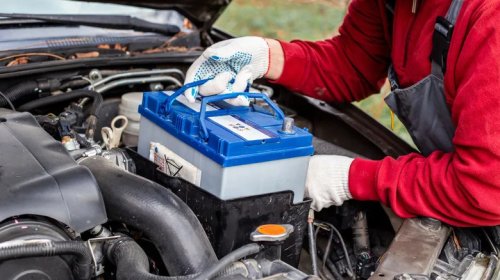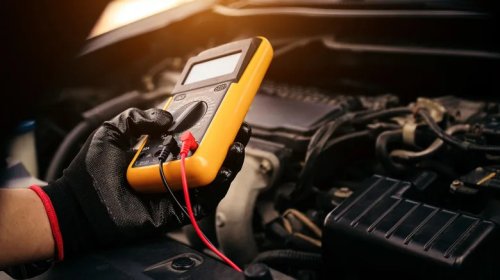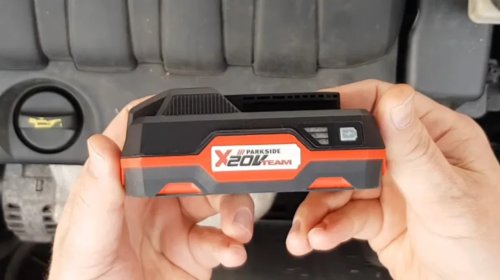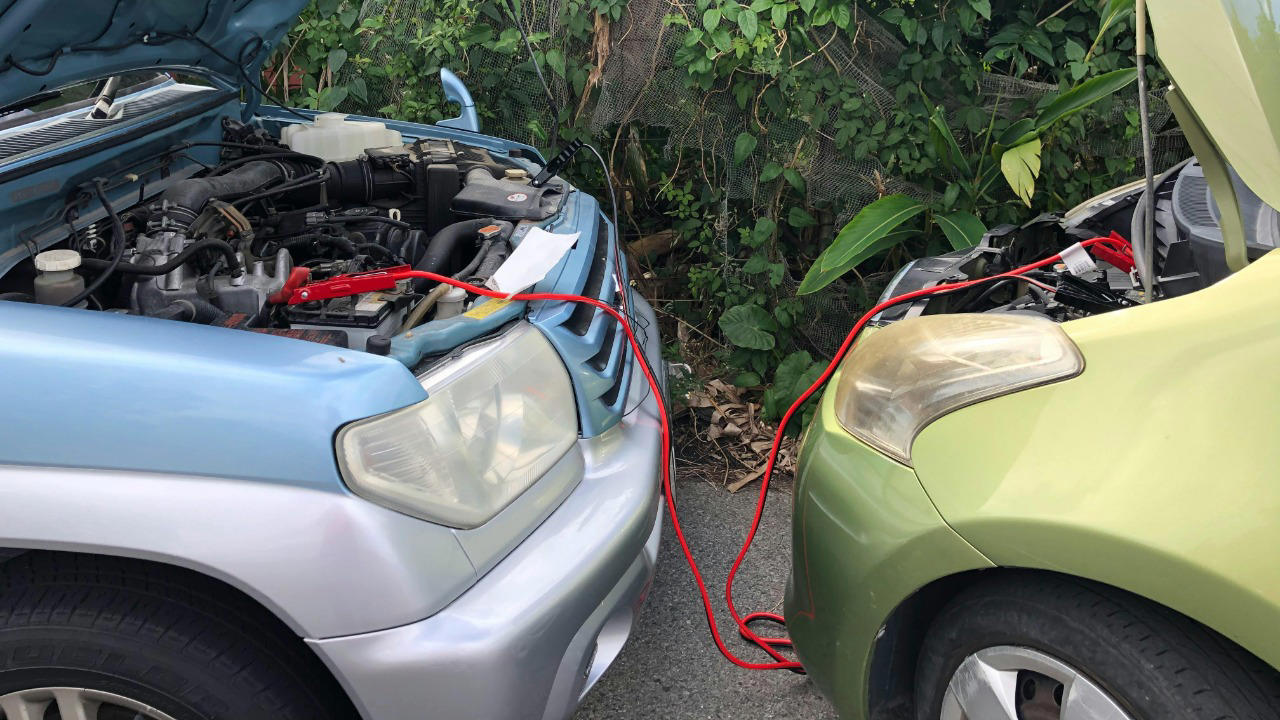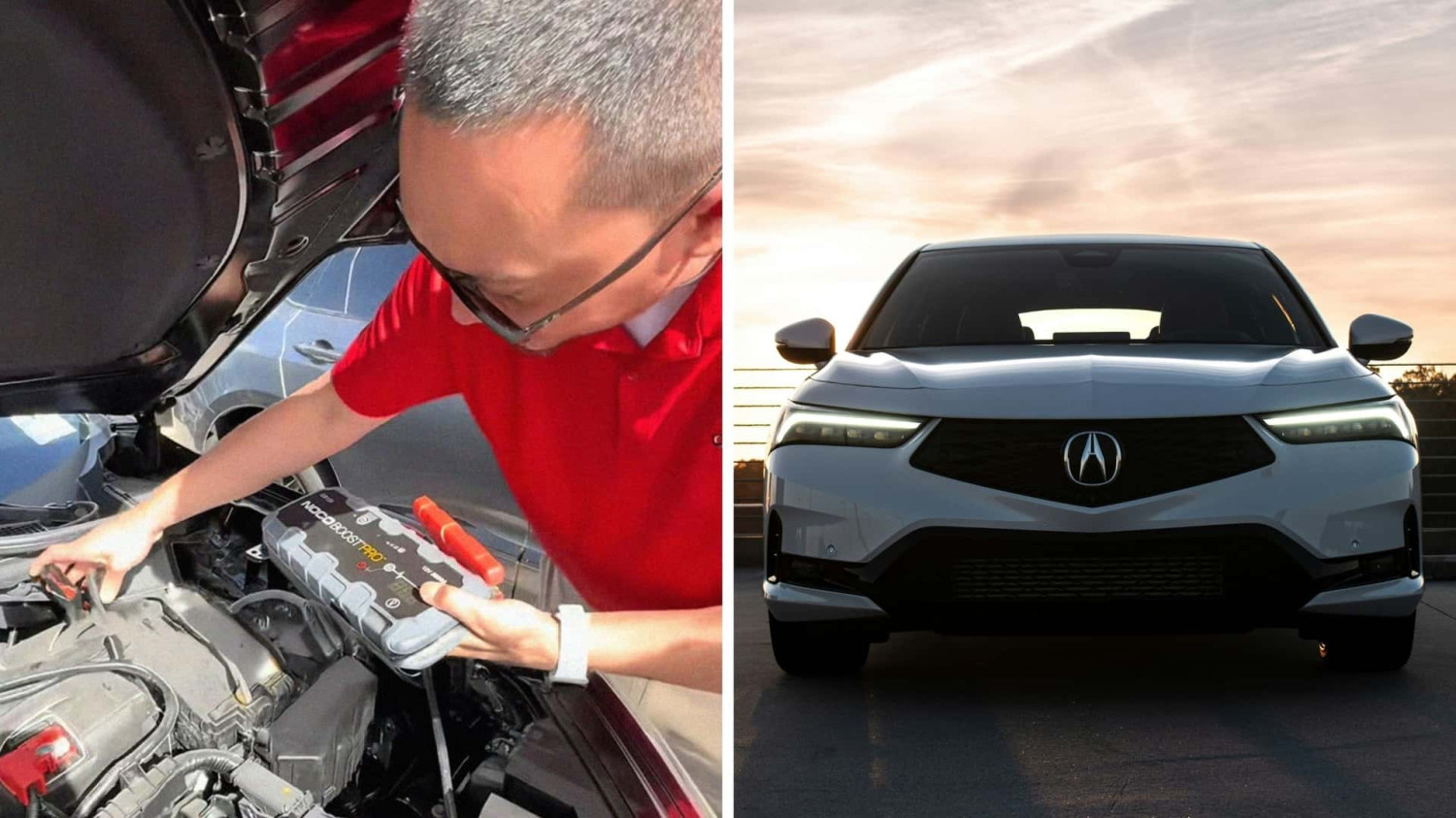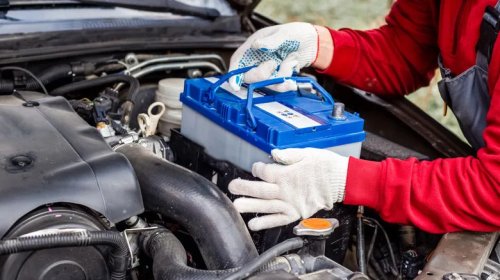

























The Hidden Reason Modern Car Batteries Fail After a Jump-StartModern drivers are discovering that a dead battery is no longer a simple inconvenience fixed with a quick jump and a set of cables. Many late‑model cars will start once, then mysteriously refuse to crank again, leaving owners convinced the replacement battery or alternator must be defective. The real explanation is quieter and more complicated, buried in software, parasitic electrical loads, and the way new vehicles manage power. What looks like a one‑off failure after a jump‑start often signals a deeper mismatch between old roadside habits and the demands of computer‑heavy cars. Understanding that gap helps explain why some vehicles, from mainstream crossovers to high‑end SUVs, keep stranding people even when the battery itself is technically fine. What happened For decades, a dead battery followed a predictable script. A dome light stayed on, the battery discharged, a neighbor offered a jump, and the car ran normally again. That pattern still holds for many older vehicles, but late‑model cars add several new twists that can turn a simple discharge into a recurring failure. One major twist is how hard modern vehicles are on their batteries even when parked. Automakers have layered in telematics modules, keyless entry antennas, security systems, and infotainment units that stay awake for long stretches after the engine shuts off. These systems draw what technicians call a parasitic load. A small draw is normal, but when it climbs too high, a car that sits for a few days can drain its battery to the point that it struggles to crank. Guidance on slow cranking and no‑start complaints points to parasitic draw as one of the main reasons a car, especially when the battery is already weakened Owners often first notice trouble after a short drive or a brief errand. The car starts sluggishly, gets parked, then refuses to start again an hour later. In many cases, the battery was already at a low state of charge from repeated short trips or long periods of sitting. The quick drive never fully recharged it, and the background electrical load finished the job of draining it. Jump‑starting in that situation revives the car just long enough to mask the underlying issue. The alternator is designed to maintain a healthy battery, not to bulk‑charge one that has been repeatedly run down. After a jump, it may bring voltage up enough for a restart or two, but the battery’s internal chemistry has already been stressed. Repeated deep discharges cause sulfation on the plates, which permanently reduces capacity. In other words, the battery might be “alive” enough to accept a jump, but it no longer has the reserves it was built with. Software adds another layer of complexity. Many newer vehicles use intelligent charging systems that vary alternator output based on sensor readings and energy management algorithms. Those systems can misinterpret a heavily discharged battery as a fault, limit charging, or prioritize emissions and fuel economy over maximum alternator output. The result is a battery that never quite returns to full strength after a jump‑start, even if the driver logs several normal trips. Some brands have become lightning rods for owner complaints about repeated dead batteries. Coverage of persistent failures in late‑model Subaru vehicles, for example, describes how relatively modest parasitic loads, combined with typical short‑trip usage, left owners with batteries that died long before their expected service life. Many of those owners reported that their cars would start after a jump, then fail again within days, a pattern linked to how the vehicles’ electrical systems managed charging and background draw. Analysis of why Subaru batteries ties those experiences to the broader shift toward software‑heavy cars that never fully sleep. Convenience features like automatic engine stop‑start add still more strain by repeatedly cranking the engine in traffic, which increases demand on the battery. In some models, owners can disable this feature through a hidden or non‑obvious control, but many drivers leave it active by default. Guidance on shutting off stop‑start in certain vehicles points to a small dash‑mounted control that can deactivate the system, a reminder that even one feature can significantly change how often the starter and battery are used. In at least one case, drivers can use a hidden button to keep the engine from stopping at every light, which in turn reduces the number of high‑draw restarts the battery must support. All of these factors converge in the moment after a jump‑start. The battery that just came back to life is often partially sulfated, undercharged, and paired with a car that keeps drawing power long after the key is out. The alternator is not given enough time or authority to restore a full charge. The driver, reassured by one successful restart, may shut the car off again soon after, setting up the next failure. Why it matter The shift from simple electrical systems to software‑managed power networks has turned a dead battery from a minor inconvenience into a genuine safety and cost issue. When a car refuses to restart after a jump, the driver is rarely stranded in a controlled environment. It might happen at a fuel pump, in a busy intersection, or in extreme weather where waiting for a tow truck is more than an annoyance. Today’s cars also integrate the battery into far more than just starting and lighting. Power steering, braking assistance, stability control, and even door locks now rely on consistent electrical supply. If a weak battery dips below a certain voltage threshold, these systems can behave unpredictably or shut down. That raises the stakes when a driver assumes that a successful jump‑start means the problem is solved. One underappreciated risk emerges when electrical failures affect basic egress. Many late‑model vehicles use electronic door releases instead of mechanical handles. If a battery dies or an electrical fault occurs, those switches may stop working, trapping occupants who do not know where the manual release is located. Safety guidance on escaping a car when the electronic release fails stresses the need to find and practice using the mechanical backup lever that most manufacturers still include. In some models, that lever is tucked near the base of the window or hidden under a trim flap, which means drivers must learn its location before an emergency. Advice on how to escape in an electrical failure highlights how a simple dead battery can quickly escalate into a dangerous situation if doors and windows no longer respond. Financially, repeated battery failures impose costs that many owners do not anticipate. A modern absorbed glass mat (AGM) or advanced flooded battery can cost several times more than the old lead‑acid units in older cars. If a battery is repeatedly run flat and replaced every year or two, the total expense can rival that of a major repair. Add in diagnostic fees, towing charges, and lost work time, and the impact grows. There is also a trust problem. Drivers expect a relatively new vehicle to start reliably. When it does not, they often suspect a defective component rather than a systemic issue. Service departments may replace the battery and alternator, only for the problem to return because the underlying parasitic draw or software behavior has not changed. Owners of vehicles with known electrical quirks, such as those highlighted in coverage of persistent battery drain in certain crossovers and sedans, describe a cycle of repeated visits and temporary fixes. Each failure erodes confidence not only in the specific car but in the brand and, in some cases, in complex modern vehicles in general. Stop‑start systems illustrate how a feature designed for efficiency can create unintended consequences. Every automatic restart at a traffic light is a high‑current event that stresses the battery and starter. While these systems are engineered with that duty cycle in mind, they assume a battery that remains near full charge. In real‑world use, short trips, infrequent highway driving, and heavy accessory use can leave the battery undercharged. The stop‑start system then cycles a partially depleted battery through repeated heavy draws, accelerating wear. Drivers who disable the feature through the available controls or hidden settings reduce that cycle, which can extend battery life but also slightly increase fuel consumption. The safety dimension extends beyond starting and locking. A weak battery can interfere with the correct operation of advanced driver assistance systems such as automatic emergency braking, lane keeping, and adaptive cruise control. These systems rely on sensors, cameras, and control units that expect stable voltage. If a car is limping along on a marginal battery after a jump, those systems may shut themselves off, leaving the driver without the electronic assistance they have come to expect. In some cases, warning lights and error messages appear that point to sensor faults, when the root cause is simply low system voltage. There is also an environmental angle. Batteries that fail prematurely add to the volume of lead, plastic, and acid that must be recycled or disposed of. While automotive batteries are among the most recycled consumer products, unnecessary replacements still consume energy and resources. Cars that require frequent jump‑starts and tows also generate additional emissions through support vehicles and longer idling times. The hidden reason so many modern batteries fail after a jump‑start, then, is not a single defect or design flaw. It is the intersection of higher baseline electrical demand, software‑controlled charging, driver habits, and new features that depend on a stable power supply. When all of those factors converge on a battery that has been deeply discharged, a one‑time jump is rarely enough to restore long‑term reliability What to watch next Drivers who want to avoid the jump‑start trap can start by rethinking how they treat their car’s electrical system. The most immediate step is to recognize that a dead battery in a late‑model vehicle is often a symptom of a deeper issue, not an isolated event. After any no‑start incident, a proper diagnostic test that measures both state of charge and state of health is essential. Many parts stores and service centers can perform this test, which goes beyond a simple voltage check. Usage patterns matter. Cars that are driven mostly on short trips may never give the alternator enough time to recharge the battery fully. Owners in that situation can benefit from occasional longer drives at steady speeds or from using a smart battery maintainer when the car will sit for several days. These devices top up the battery without overcharging it, which helps counteract parasitic draw from telematics and security systems. Feature management is another practical lever. Drivers who notice frequent stop‑start activity in heavy traffic can consider disabling the system when possible, especially if the battery is already a few years old or has shown signs of weakness. In vehicles that hide this control behind a menu or a small dash button, learning how to switch it off can reduce the number of high‑draw restarts the battery must support. Guidance on using a hidden button to control stop‑start in some models illustrates how small changes in feature use can have outsized effects on battery stress. More from Fast Lane Only Unboxing the WWII Jeep in a Crate 15 rare Chevys collectors are quietly buying 10 underrated V8s still worth hunting down Police notice this before you even roll window down