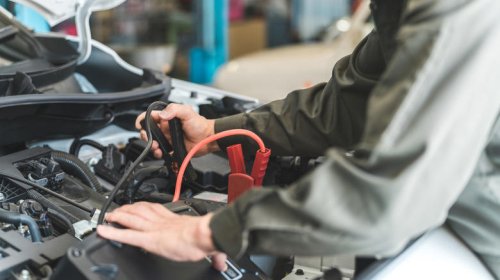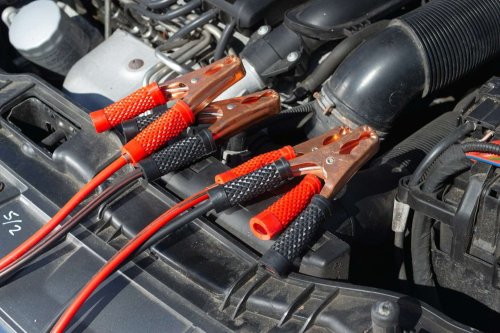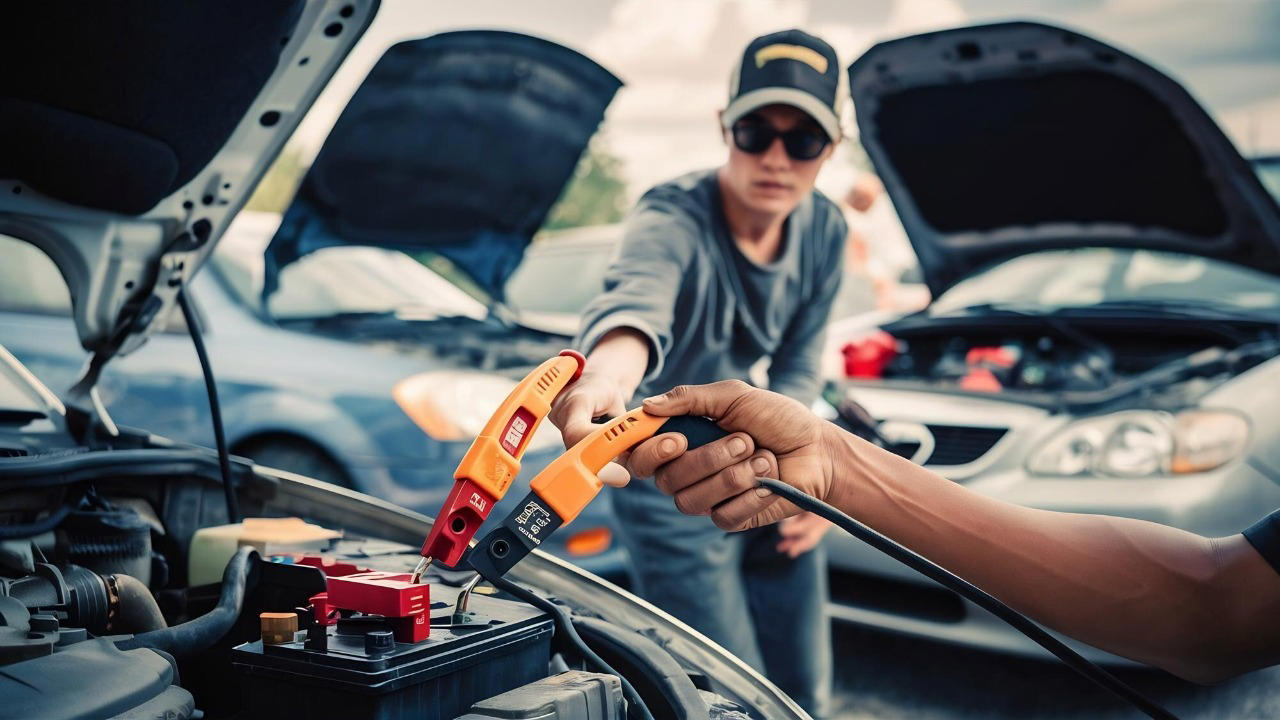



















The mistake drivers make when jump-starting a carWhen a car refuses to start, most drivers reach for jumper cables with more urgency than caution. Yet the single biggest mistake in that moment is also the easiest to avoid: treating a jump-start as a casual chore instead of a high‑current electrical procedure that can injure people and destroy electronics in seconds. Understanding what actually happens between those two batteries turns a desperate roadside ritual into a controlled, low‑risk repair. The core promise of a safe jump is simple: move enough energy from a healthy battery to a weak one without creating sparks near hydrogen gas, reversing polarity, or shocking a modern vehicle’s sensitive control units. The difference between success and a four‑figure repair bill often comes down to how carefully a driver connects, starts, and disconnects the system. The mistake drivers make first: treating every battery the same The most common error begins before the clamps ever touch metal, when drivers assume any dead car can be revived in the same way. In reality, a jump should never start until someone has checked that the weak battery is intact, not frozen, leaking, or physically swollen, because a compromised unit can rupture when current flows into it. Guidance on battery damage warns that jump-starting a frozen or severely damaged battery can cause it to rupture, which means a quick visual inspection of the case and terminals is not optional. Modern cars add another layer of risk when drivers treat them like older models with simple wiring. Late‑model vehicles route nearly every function through sensitive electronic control units, from fuel injection to automatic transmissions, and a voltage spike from a careless jump can fry those components. Technical advice explains that an uncontrolled surge during a jump-start can interfere with functions like fuel injection, ignition, and transmission in modern vehicles. Treating every flat battery as identical ignores these differences and sets up the mistake that causes the most expensive damage: connecting the cables incorrectly. Reverse polarity: the split‑second error that destroys electronics Once clamps are in hand, the critical mistake is connecting them to the wrong terminals or in the wrong order. Hooking the jumper cables up backward instantly reverses polarity, which can send current the wrong way through diodes, alternators, and control modules. Technical guidance explains that this can blow fuses, damage the alternator, and in severe cases destroy engine control units in both vehicles. Real‑world accounts describe dashboards going dark, gauges cycling wildly, and accessories failing after a single reversed connection, which is why professionals treat polarity checks as a non‑negotiable step. Sequence matters as much as location. Safe procedures start by attaching the positive clamp to the dead battery, then to the donor battery, followed by the negative clamp on the donor side and finally a negative clamp on a bare metal ground away from the weak battery. This approach reduces the risk of sparks near venting hydrogen gas at the battery caps. Other safety advice stresses that connecting negative directly to negative on the weak battery increases the chance of a spark right where any leaked gas is most concentrated, which is why experts recommend a solid chassis or engine ground instead. A few extra seconds spent tracing the plus and minus symbols on each terminal, then following the correct order, can be the difference between a clean start and a cascade of failures. Hidden risks: sparks, surges and overheated components Even with the clamps in the right place, careless technique can still create hazards that drivers underestimate. One recurring problem is cranking the starter for too long in a single attempt, which overheats wiring, starters, and the donor vehicle’s alternator. Safe jump-starting guidance advises avoiding cranking for longer than 10 seconds, then letting components cool before trying again. Ignoring that limit can cook insulation and accelerate wear on the starter motor, turning a simple flat battery into a mechanical repair. At the same time, leaving headlights, heated seats, and audio systems running during a jump forces both batteries and alternators to feed accessories instead of the weak starter circuit, which is why checklists of common mistakes during a jump-start stress switching off accessories before connecting cables. Voltage spikes present a quieter threat that only appears after the engine fires. If both cars are revved aggressively or left connected for too long, the alternator in the donor vehicle can push a higher charging voltage into the weak battery, which may already be damaged or sulphated. Technical advice warns that modern vehicles have sensitive electronic control units that can be damaged by a power surge if the process is not handled properly. Professional guidance often recommends letting the weak battery charge for a few minutes at idle, then disconnecting the cables in reverse order before driving the revived car, rather than leaving the two systems tied together while engines are revved in an attempt to “force” more charge. How to jump a car the way professionals do Professional technicians treat a jump-start as a controlled procedure with a checklist, not a guess. They start by parking the donor vehicle so the cables reach comfortably without stretching across moving parts, ensuring the donor car is close but not touching the disabled vehicle. Next they confirm that both ignitions and all accessories are off, inspect both batteries for leaks or swelling, and locate any manufacturer‑specified jump points under plastic covers, which are common on cars like the BMW 3 Series or Mercedes‑Benz C‑Class where the battery may be in the boot. Only after those checks do they connect clamps in the correct order, double‑check polarity, and keep faces and eyes away from the battery tops in case of a rare venting event. More from Fast Lane Only Unboxing the WWII Jeep in a Crate 15 rare Chevys collectors are quietly buying 10 underrated V8s still worth hunting down Police notice this before you even roll window down