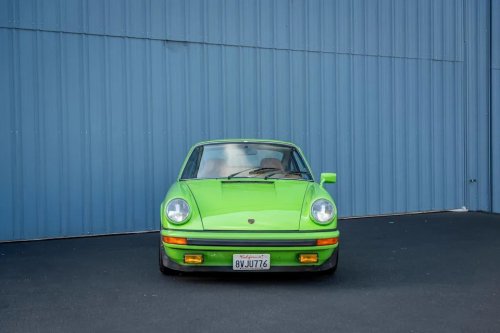
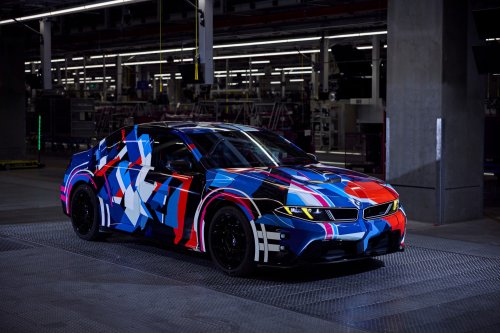
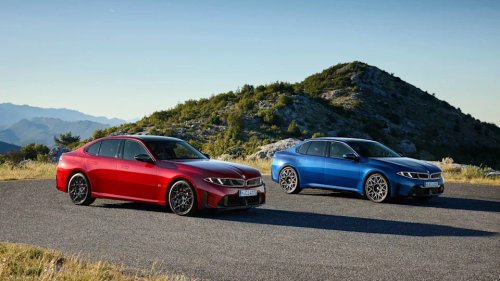
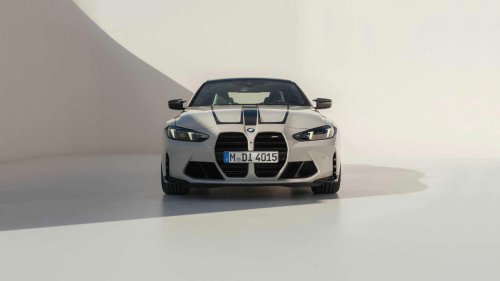
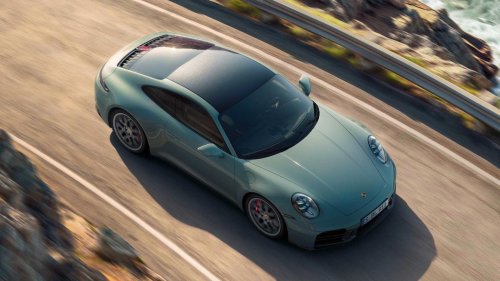
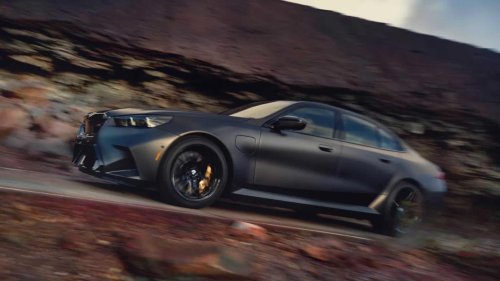
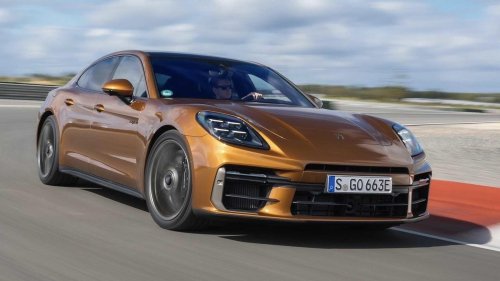
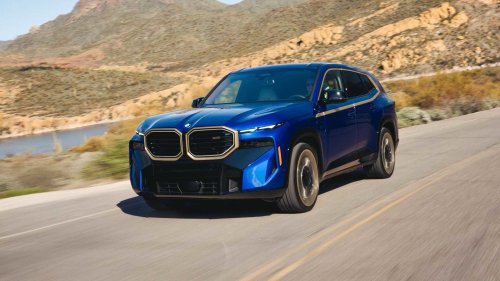
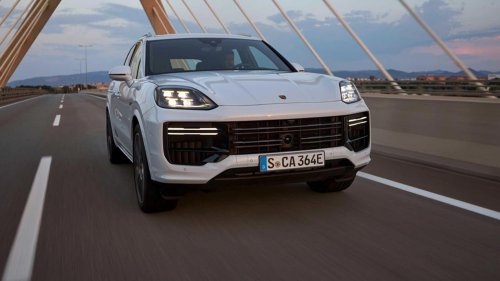
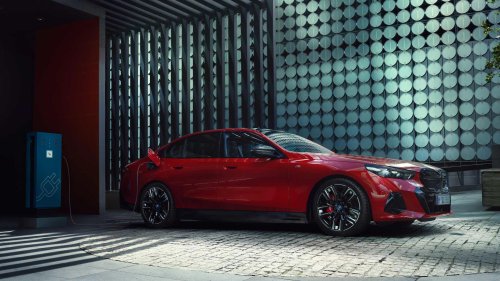
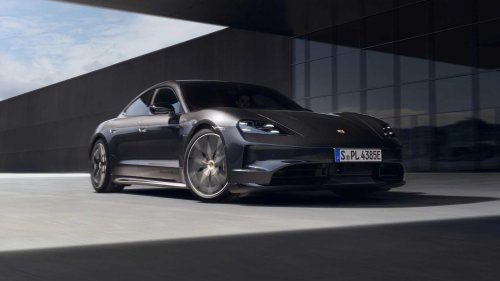
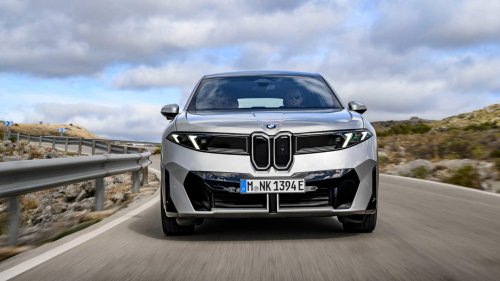
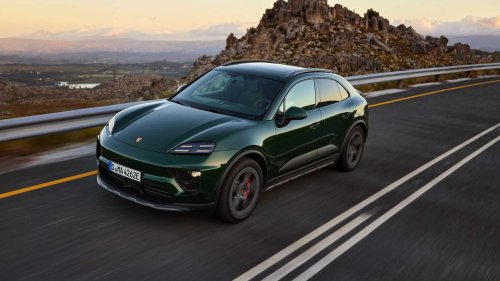
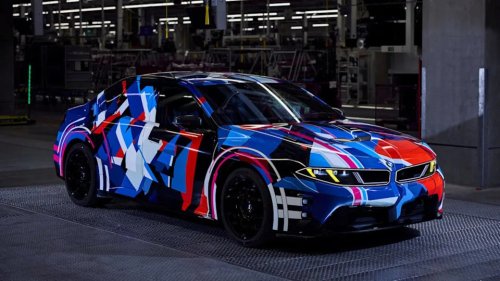
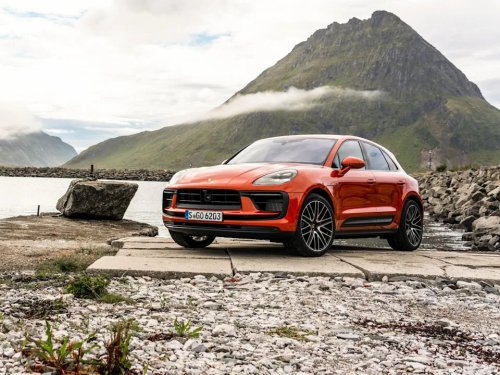
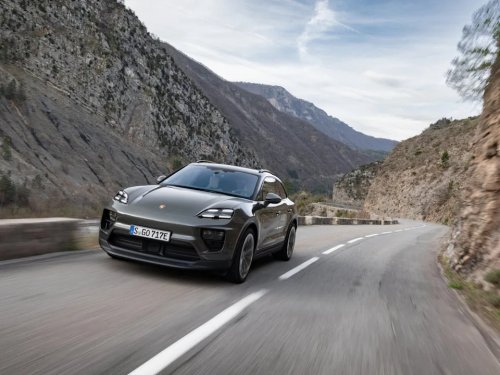
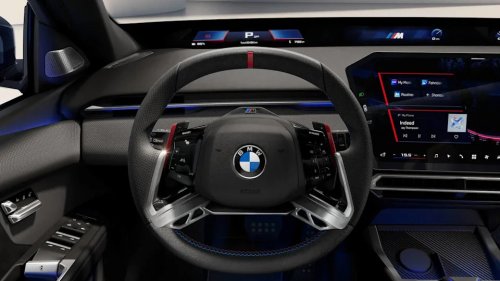
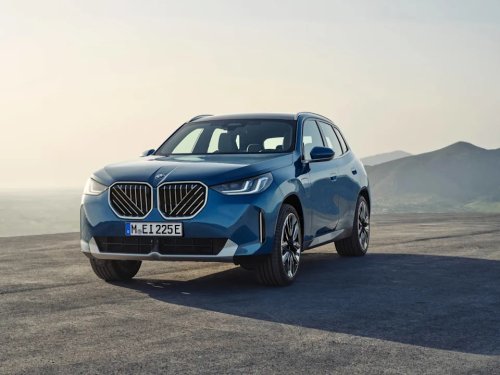
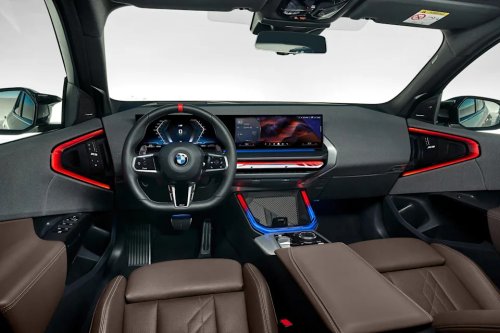
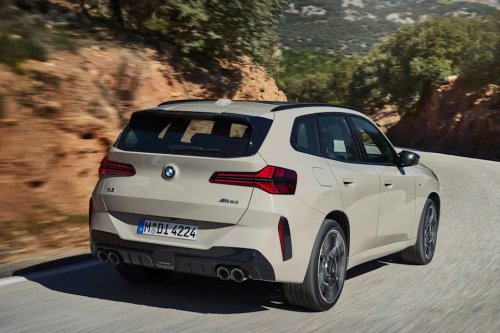
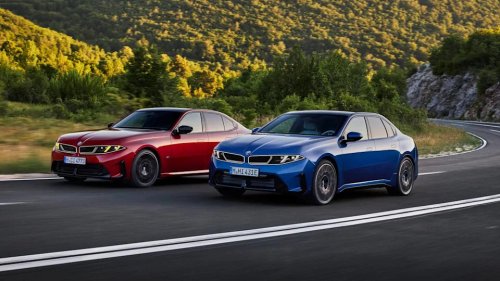
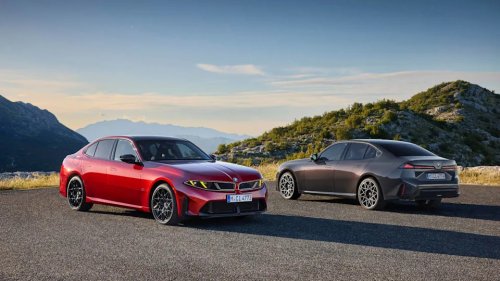
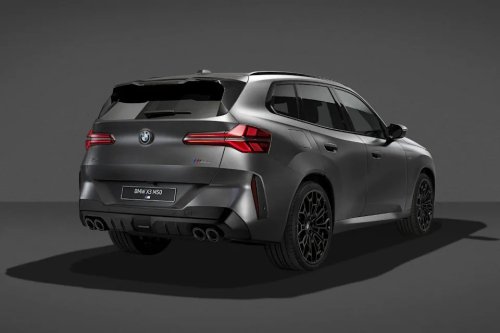
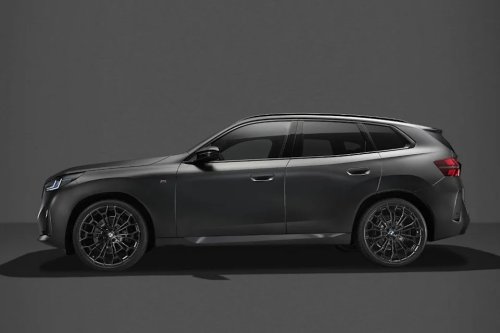
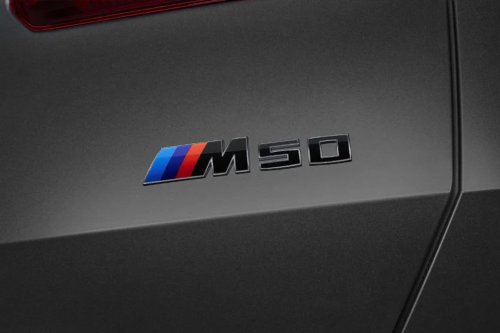
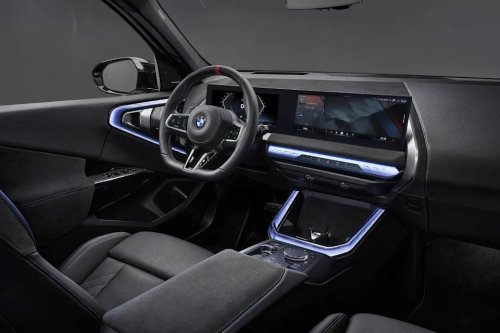
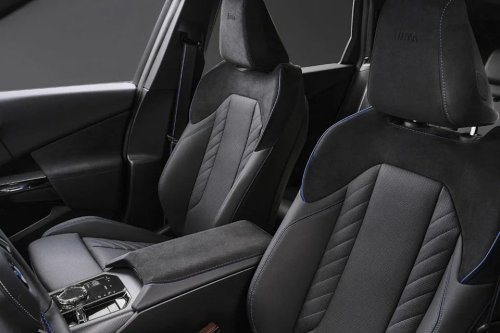
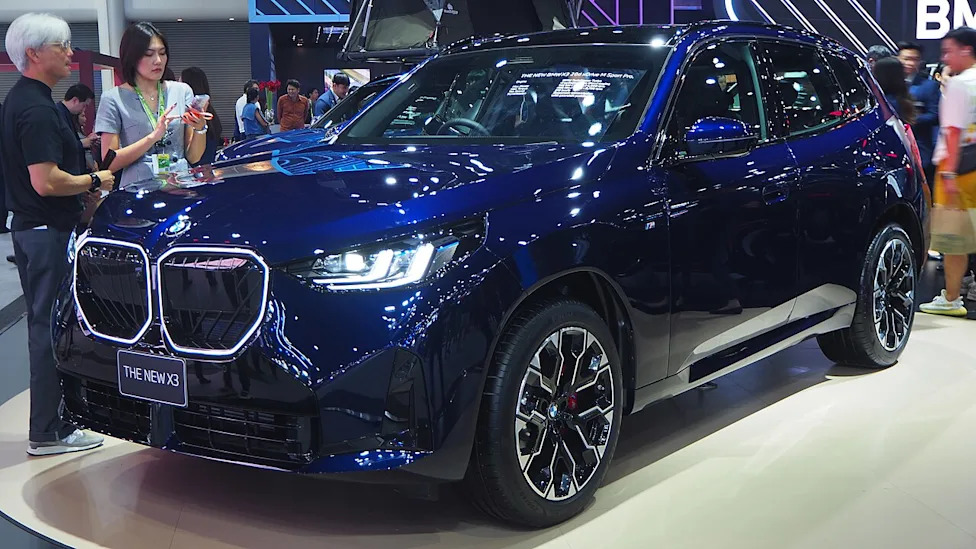
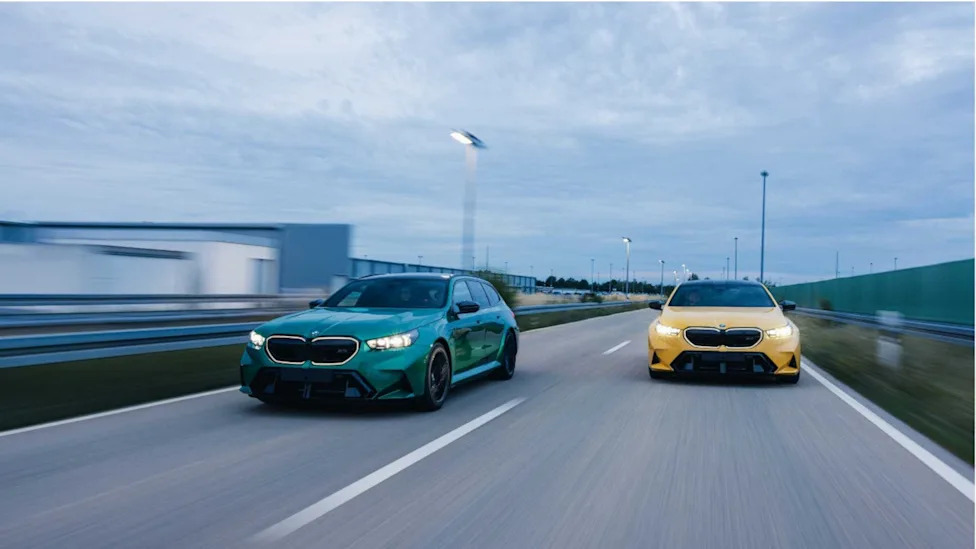
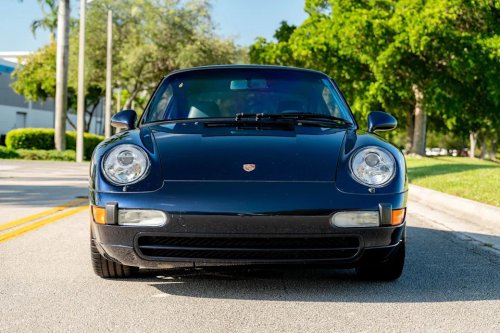
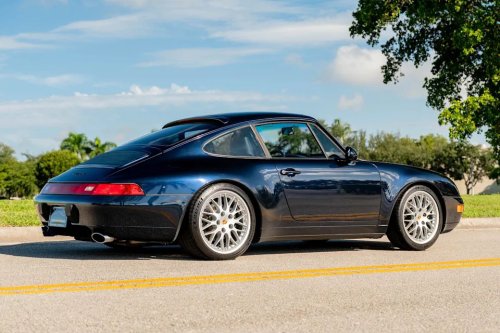
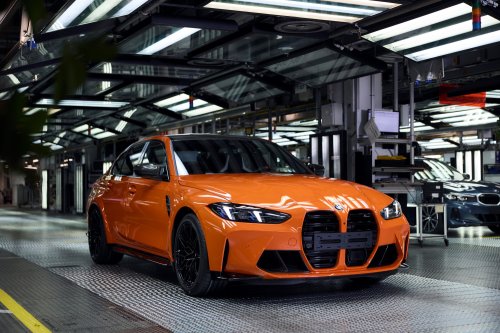
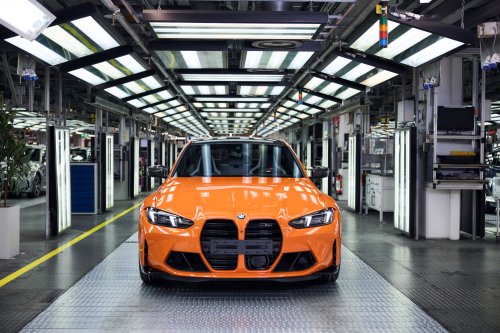
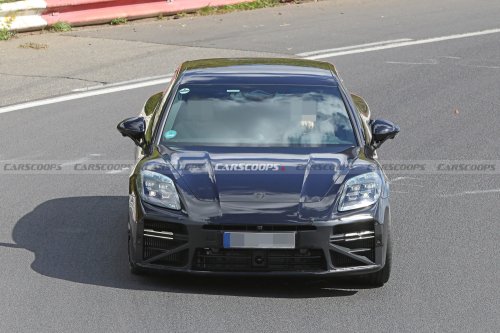
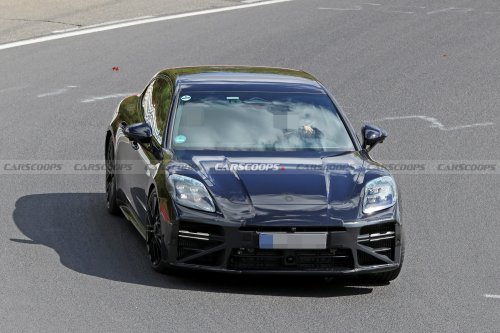
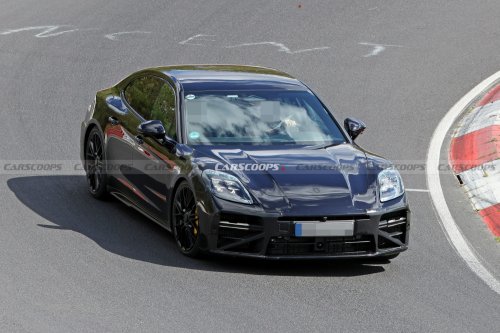
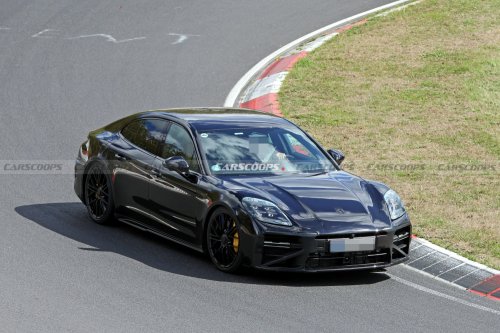
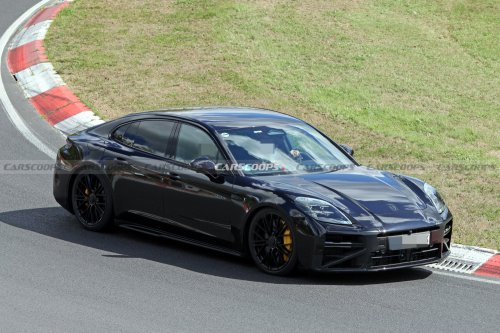
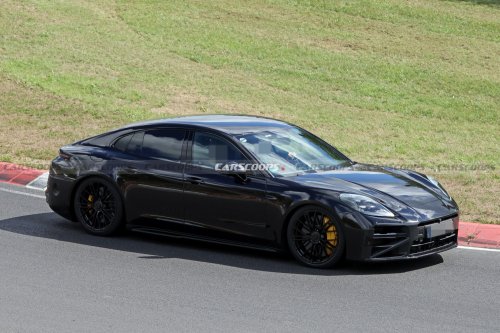
There was a time when the gap between Porsche and the top performance models from fellow German marques was clear and unambiguous. Porsche sat alone at the summit, delivering sharper dynamics, superior engineering, and that unmistakable sense of occasion. But that distinction has blurred in recent decades, especially after the original Porsche Cayenne arrived in the early 2000s and brought Porsche to a far broader, more mainstream audience.Today, the gap has narrowed to the point where choosing between something like a BMW and its Porsche rival isn't so straightforward. In many cases, the Munich machine can deliver nearly the same thrill for a noticeably lower price. Of course, Porsche loyalists will always swear by the brand’s magic – and they’re among the most faithful in the industry – but for everyone else, we’ve lined up five direct match-ups between current BMW models and their closest Porsche equivalents to find out whether the upgrade to Stuttgart is worth it or not.To be eligible, vehicles had to be either currently available as a new model in the US or scheduled to arrive shortly. Limited-edition and ultra-low-volume specials were excluded. Pricing and market information were accurate at the time of writing, but are subject to change. BMW M4 Competition xDrive vs Porsche 911 Carrera 4S A Relative Newcomer Versus An Icon BMW Most buyers aren't going to line up a BMW M4 directly against an iconic sports car like the Porsche 911. But on a price-per-performance basis, there's a compelling argument to be made. Going with the top-of-the-range M4 Competition xDrive nets you performance that's broadly comparable to the 911 Carrera 4S. The BMW eclipses the Porsche in raw engine output but real-world acceleration and top speed end up surprisingly close. Where the Porsche pulls ahead is on your favorite winding road, where its razor-sharp steering and rewarding rear-engine poise deliver a more precise, engaging drive.Porsche Both cars are reasonably practical for serious sporty coupes, but the M4 Competition xDrive holds a clear edge in interior room and cargo space. Thanks to a substantial 7.5 inches of extra rear legroom, the BMW's back seats are actually usable for adults on short trips; in the Porsche, even small children will find the accommodations marginal at best. The M4 also offers around 15 cubic feet of proper trunk space, which is a big step up from the 911's front trunk and rear-shelf combo. Winner: BMW M4 Competition xDrive Here the pairing is so close that it is somewhat difficult to gauge if one is better than the other, but given that extra practicality of the BMW and its huge discount, it gets the final tick. However, if you value a pure driving experience over anything else, the 911 remains the clear leader. BMW M5 vs Porsche Panamera Turbo E-Hybrid A New Type Of Heavy-Hitting Sedan BMW If you're looking for a fast German executive sedan, today some of your best choices are the BMW M5 and Porsche Panamera. The Panamera that compares best to the latest M5, based on performance metrics, is the Turbo E-Hybrid (there's also a more potent Turbo S E-Hybrid), with both super sedans pairing powerful V8 engines with plug-in hybrid systems. While the performance is nothing to sneeze at, electrification coupled with mechanical all-wheel-drive systems have added a lot of weight to both, with each weighing well over 5,000 pounds, which is EV territory.Porsche Thankfully, their sophisticated chassis systems and modern tire compounds – not to mention huge brakes – work wonders to hide the mass during spirited driving. In practice, the BMW feels more brutish, almost like a muscle car, while the Porsche feels more precise and refined, especially when driven hard on curved roads.The two cars are also distinct when it comes to styling, with the M5 reflecting the more brutish driving experience with its in-your-face styling, while the Panamera Turbo E-Hybrid sticks to Porsche's penchant for elegant speed. This differentiation is also reflected in the cabins, where the M5 has large screens, contrasting colors, and plenty of ambient lighting, and the Panamera Turbo E-Hybrid's design is kept much more restrained. Winner: BMW M5 Given the similarity in performance of the two super sedans, the M5 with its almost six-figure discount compared to the Panamera Turbo E-Hybrid makes the most sense. The good news for enthusiasts is that both models exhibit heavy depreciation, making lightly used examples well worth considering. BMW XM Label vs Porsche Cayenne Turbo E-Hybrid SUVs With Serious Speed BMW The BMW XM Label arrived a few years back with a heavy sense of occasion. Conceived to celebrate BMW M’s 50th anniversary, and serving as the division’s first standalone model since the iconic M1 supercar, it should represent the pinnacle of M philosophy. Instead, it feels conflicted. This plug-in hybrid SUV is powerful, yes, but also bloated and lacking the sharp edge expected of the badge. If this is what BMW M stands for now – excess weight, muted engagement, and performance that doesn’t clearly outshine cheaper offerings within its own showroom – it’s a worrying signal.Porsche The Porsche Cayenne Turbo E-Hybrid approaches the same brief with far more clarity. Like the XM, it blends electrification with V8 muscle to deliver formidable straight-line pace, but the Porsche distinguishes itself where it matters most: how it drives. Steering feel, body control, and overall composure are leagues ahead, giving it a sense of athleticism the BMW struggles to match. Both SUVs are brutally quick, but the Cayenne feels more cohesively engineered and purpose-built, maintaining poise and driver confidence in a way the XM never quite manages. Winner: Porsche Cayenne Turbo E-Hybrid The Cayenne Turbo E-Hybrid outclasses the XM Label in nearly every respect, and with only a modest price premium, it’s the clear choice. BMW i5 M60 vs Porsche Taycan 4S Two Superb Electric Super Sedans BMW The BMW i5 M60 and Porsche Taycan 4S represent two interpretations of the modern performance EV sedan, with the BMW being an electric version of a vehicle originally developed as an internal-combustion model, and the Porsche being a dedicated EV.BMW’s latest electric efforts have been widely praised, and the i5 M60 is a good example why. It blends sharp, rear-biased driving dynamics with the kind of refinement and usability the brand is known for, delivering strong real-world range and effortless pace. It feels like a traditional BMW that just happens to be electric.Porsche The Taycan, by contrast, is more singular in purpose. It's lower-slung and more overtly focused on driver engagement from the outset. Its design also leans heavily into sports car territory, while the i5 M60 largely blends in as just another 5 Series.Despite delivering broadly similar performance, the Porsche still holds the edge where it matters most. Its steering, chassis balance, and overall composure deliver a sportier character, particularly when driven hard. Even so, the BMW narrows the gap more than expected, offering greater comfort and everyday usability without giving up too much in driver appeal. Winner: Porsche Taycan 4S The Taycan ultimately takes the win because it’s the kind of car you’ll enjoy every time you get behind the wheel, and with inventory not moving as fast as Porsche probably likes, there’s a good chance you can negotiate a meaningful discount. BMW iX3 50 vs Porsche Macan 4 Electric Germany's Next-Generation EVs BMW The BMW iX3 50 marks the beginning of BMW’s next-generation EV family, known as Neue Klasse, and it’s a significant step forward. Riding on a dedicated electric platform, it promises stronger performance and efficiency than anything comparable in the current electric SUV field – including the Porsche Macan Electric. While it isn’t due to go on sale until later this year, BMW has already indicated a sharp starting price of around $60,000, along with an EPA range of roughly 400 miles. The Porsche Macan 4 Electric, by comparison, is rated at just 304 miles.Porsche The Macan 4 Electric, however, stays true to Porsche’s reputation with sharp handling, precise steering, and a driver-focused feel that stands out in the segment. It’s quick, composed, and unmistakably Porsche in the way it responds to inputs. Still, it comes at a significantly higher price point, and while it may excel dynamically, it doesn’t appear to offer a decisive advantage over the BMW in overall performance or usability. Winner: BMW iX3 50 The iX3 50 comfortably takes the win here. If BMW sticks to its promised pricing, it has all the makings of a huge hit.Sources: BMW, Porsche

















![BMW's new iX4 leaks days ahead of its debut [Images]](https://cdn.topcarnews.net/thumb/id/aHR0cHM6Ly9pMC53cC5jb20vZWxlY3Ry-ZWsuY28vd3AtY29udGVudC91cGxvYWRz-L3NpdGVzLzMvMjAyNi8wNy9CTVctaVg0-LUdULVNVVi0yLmpwZWc_dz0xNTAwJmFt-cDtxdWFsaXR5PTgyJmFtcDtzdHJpcD1h-bGwmYW1wO3NzbD0x/44847916d4631457013dfd46d3f7570e.jpeg?t=20261006&post_id=68433)