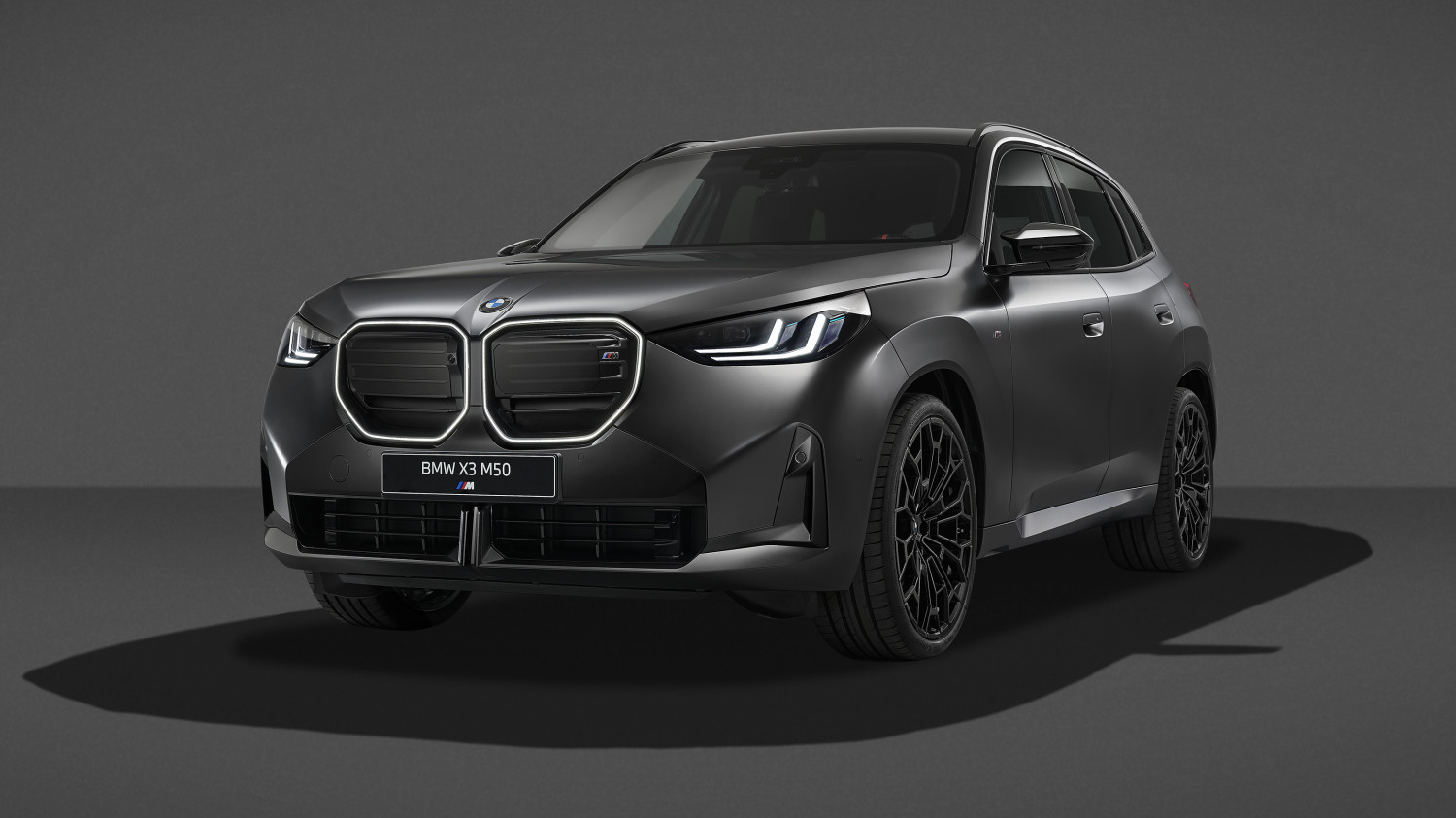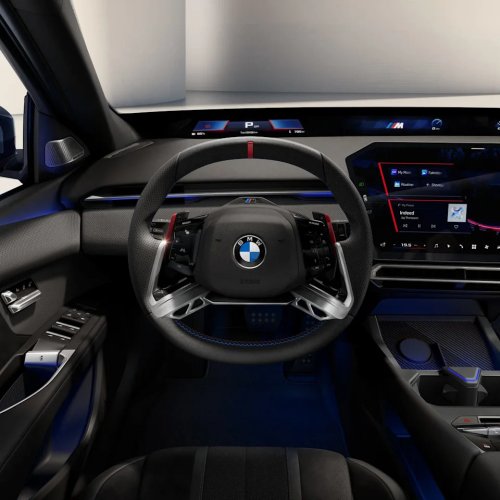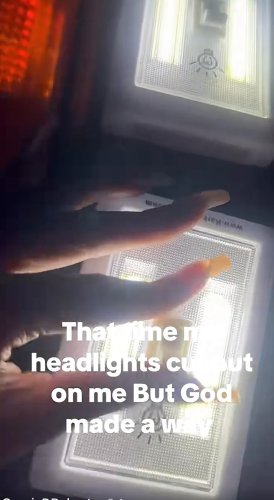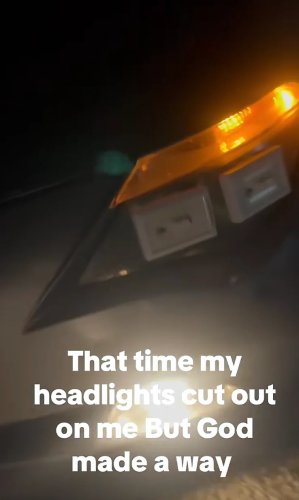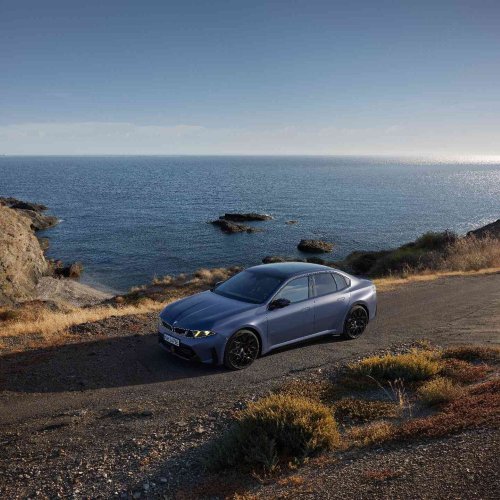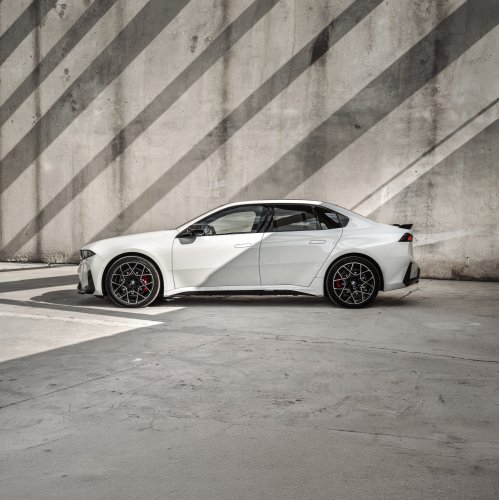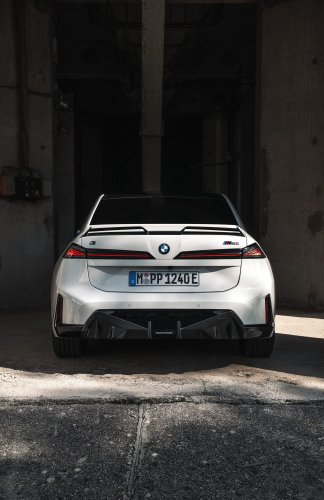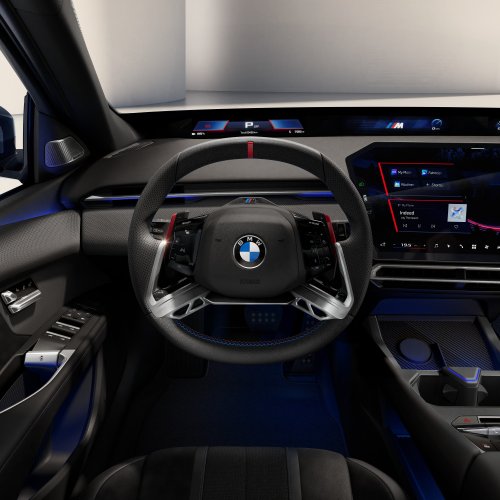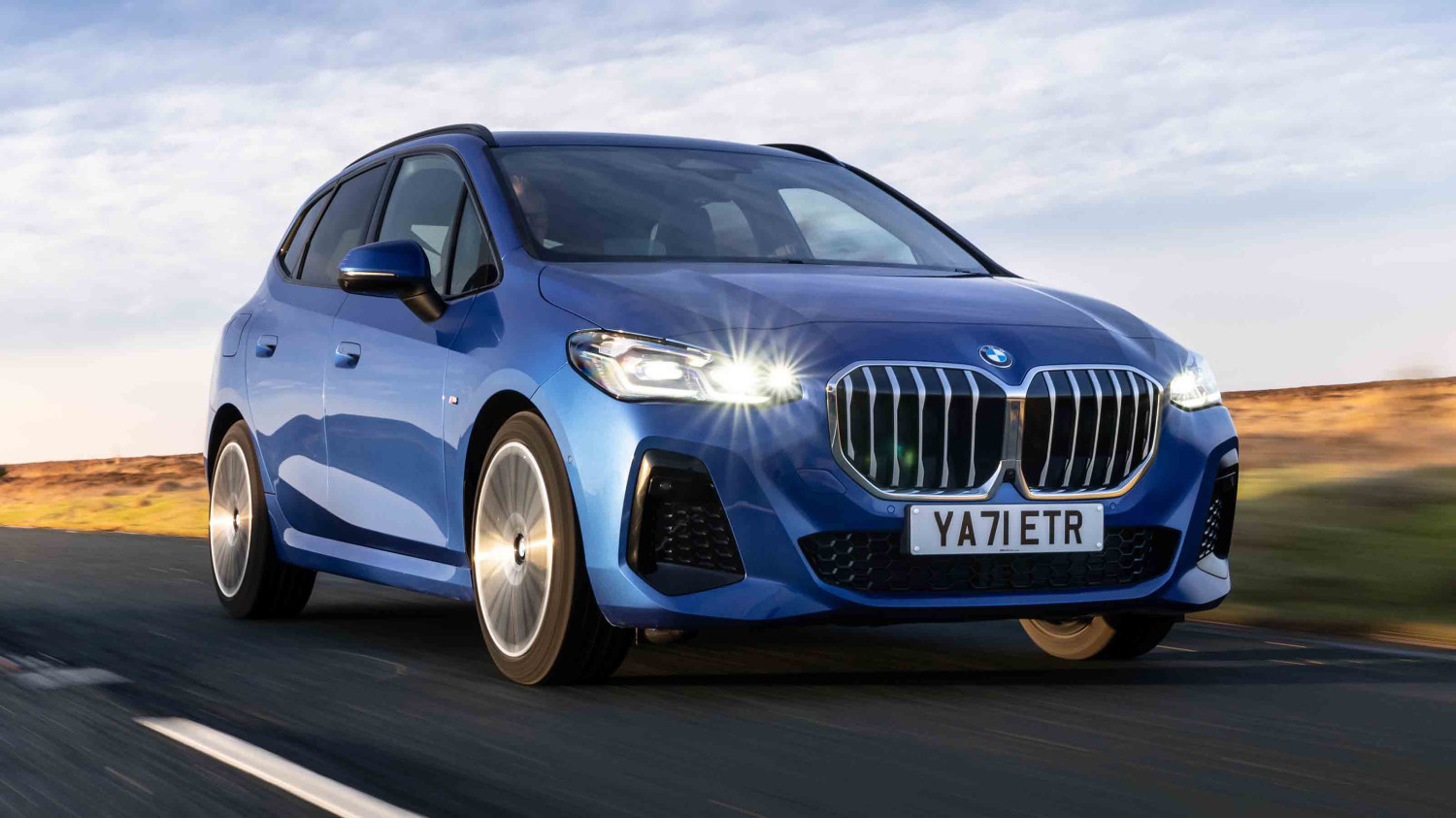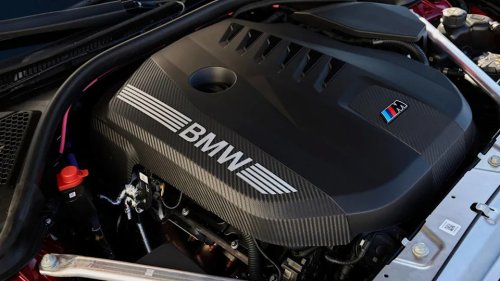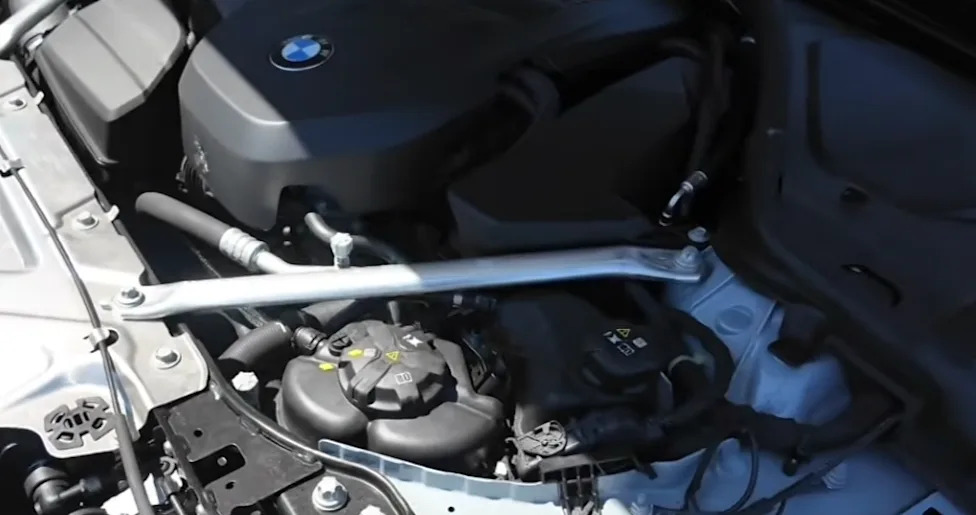




















Image Credit: CBS Chicago / YouTube.There are plenty of ways to lose money on a luxury vehicle. Depreciation, insurance premiums, the occasional unfortunate parking lot encounter. But Myron Sonkin of Carol Stream, Illinois, found a new one: squirrels. Not one incident, not even two, but three separate rodent rampages in the span of roughly ten days, each one targeting a different BMW, each one leaving behind a repair bill that would make even a seasoned service advisor wince.By the time the dust settled and the acorns were cleared away, the damage tally had climbed to nearly $30,000.Sonkin had been parking cars in the same outdoor lot for his business for over two decades without incident. Then he picked up a nearly-new BMW 430i with just 1,700 miles on the clock and everything changed. The first sign of trouble came when a warning light flashed across the dash reading "do not drive, call for roadside assistance."AdvertisementAdvertisementThat kind of message tends to kill the mood after a regular workday. The dealership investigated and found claw marks, chew marks, shredded insulation, and what appeared to be the early construction of a cozy rodent condo under the hood. Hood release cable, coolant reservoir sensor, transmission area, the works. The opening bill: $10,000.With his car in the shop, Sonkin drove a loaner BMW to the same lot. That one got hit next. Another $14,000. A second loaner followed, and the squirrels came back a third time for a $6,000 encore. The BMW dealership told reporters they service roughly 2,000 cars a month and had never seen a customer face repeated attacks like this. Sonkin's experience was in a category of its own.The story is equal parts absurd and genuinely alarming, because it sits at the intersection of two things that should concern any car owner: the growing problem of rodent damage in modern vehicles, and the very real possibility that the materials automakers are using to build greener cars may be attracting wildlife to your engine bay in the first place.The Soy Wiring Controversy That Won't Go AwayAutomakers have been transitioning to soy-based insulation on wiring harnesses as a way to reduce petroleum use and lower manufacturing costs. The environmental intentions are reasonable. The unintended side effect, however, is that the resulting material may be considerably more appealing to small animals with nothing better to do than chew things.AdvertisementAdvertisementSeveral class action lawsuits have been filed against manufacturers including Toyota and Honda, alleging that soy-based wiring attracts rodents and leads to repeated, expensive repair cycles. While these cases have seen mixed results in court, the complaints keep piling up.The Toyota case, which attracted significant attention, was ultimately dismissed after courts found it difficult to definitively prove that soy coating was the root cause of rodent attraction rather than the rodents simply behaving like rodents. The honest take from repair professionals is that it is hard to prove soy wiring is the reason rodents chew, and plenty of vehicles without soy-based coatings still get hit.That said, the volume of complaints has been consistent enough that the issue continues to draw scrutiny from consumer advocates and automotive media alike. Why Modern Cars Are Especially VulnerableThe financial stakes of rodent damage have grown considerably as vehicles have become more electronically complex. Modern vehicles rely on tightly integrated systems, and when rodents chew through a single wire, the repair is not as simple as splicing and moving on. Many models require replacing an entire harness, and labor often involves hours of disassembly.AdvertisementAdvertisementThe repair professional quoted in the original CBS Chicago report put it plainly: your whole car is essentially a computer at this point, and any chewed wire can deactivate driving capabilities. Mechanics have also noted that rodents can move beyond wiring to fuel lines and rubber brake lines, essentially chewing through anything if given enough time.One mechanic in California reported seeing cars with rodent-related damage four to five times per week and described a noticeable increase in the problem over the past five years. Newer models tend to be more vulnerable due to heavier reliance on soy-based wiring, and hybrids and EVs carry even higher repair costs due to the sheer number of electronic components involved.What Does Insurance Actually Cover?This is the part many drivers find out too late. Comprehensive auto insurance covers rodent damage to wiring, but liability insurance will not. That distinction matters enormously when you are staring down a five-figure repair estimate. Drivers carrying only the minimum required coverage have no recourse through their insurer and will be paying entirely out of pocket.Even with comprehensive coverage, the situation is not always clean. In other reported cases, insurance eventually covered the bill, but drivers still had to absorb a deductible. For someone like Sonkin, facing three separate incidents in under two weeks, that math gets painful quickly regardless of what the policy says.AdvertisementAdvertisementIt is also worth noting that repeated claims of the same type within a short window can attract the attention of an insurer in ways that are not always favorable at renewal time.How to Actually Protect Your VehicleThe good news is that Sonkin eventually found something that worked. After the third attack, he started using ultrasonic sensor devices that emit sound and light to drive rodents away from the area, placing one directly under the hood of his BMW. By the time reporters followed up, six weeks had passed without a single critter sighting.Bill DeMayo from River North Collision Repair, who was consulted for the original story, recommended deterrent sprays and protective tape as a first line of defense, though he was clear that those measures only work before the chewing starts.A layered prevention approach tends to work best: removing attractants like food, birdseed, and trash from the surrounding area, using repellent products, and adding a physical or electronic barrier solution. Some repair professionals have even suggested predator urine as a deterrent, arguing that the scent of a natural enemy is among the more reliable ways to keep rodents from treating an engine bay like a buffet.AdvertisementAdvertisementIt may not be glamorous, but neither is a $14,000 repair bill on a car you bought two months ago.For anyone parking in areas with known wildlife activity, especially outdoors and near greenery or wooded surroundings, the investment in prevention is considerably cheaper than the alternative. Sonkin learned that the very hard way.If you want more stories like this, follow Guessing Headlights on Yahoo so you don’t miss what’s coming next.