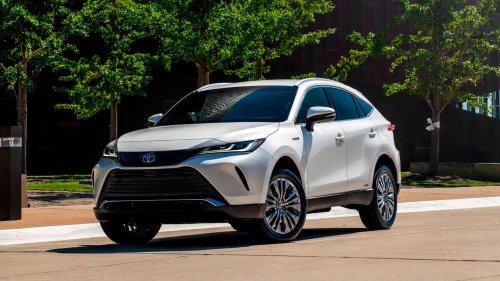
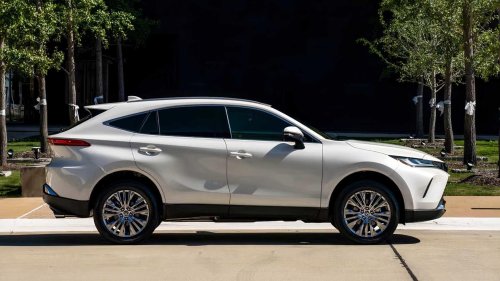
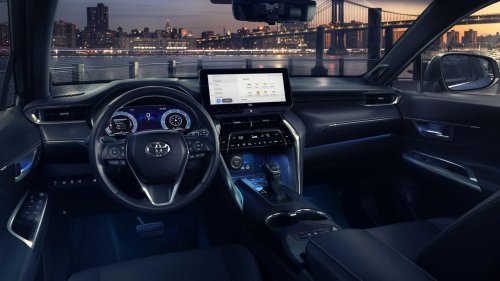
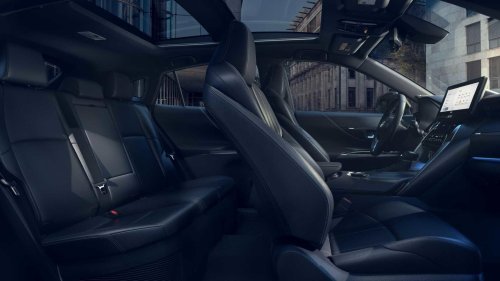
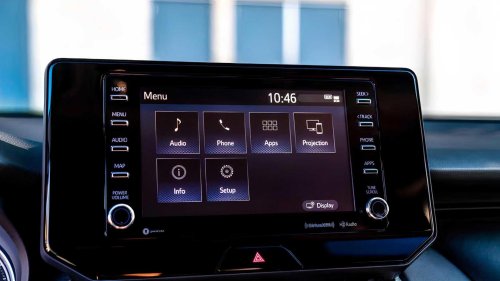
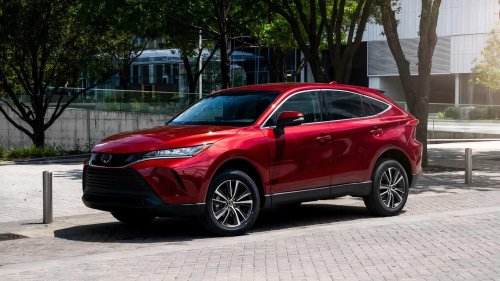
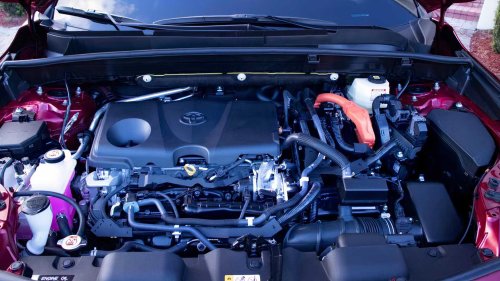
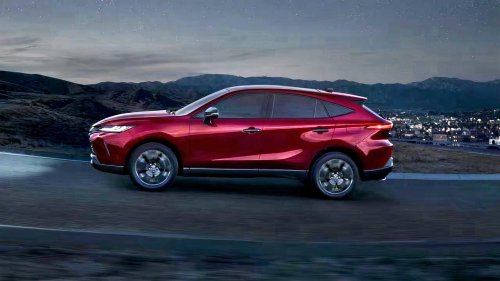
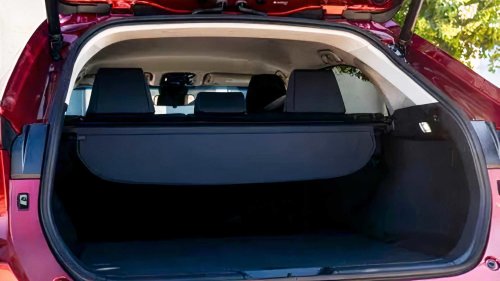



















There’s a moment in every car search where the numbers stop making sense. You start with a reasonable budget, explore the latest hybrid SUVs, and quickly find yourself staring at monthly payments that feel disconnected from reality. Automakers will point to improved efficiency, bigger screens, and updated styling as justification, but beneath the surface, the actual ownership experience hasn’t changed nearly as much as the price suggests.That’s where the used market begins to tell a very different story. Not the high-mileage, heavily worn examples buyers typically avoid, but lightly used hybrids that have already absorbed their steepest depreciation hit. These are vehicles that still feel modern, still deliver excellent fuel economy, and still offer the kind of refinement most buyers associate with brand-new models, just without the financial strain. The real surprise is how often these overlooked options outperform their newer counterparts where it actually matters. Ride quality, cabin isolation, long-term reliability, and overall value begin to outweigh the appeal of being the first owner. And once you recognize that gap, buying new starts to feel less like a smart decision, and more like an expensive choice. The Quiet Value Gap Between New-Car Hype And Used-Car Reality Honda There’s a growing disconnect in today’s car market, one that most buyers don’t fully appreciate until it’s too late. On one side, you have the relentless push toward new vehicles: updated infotainment systems, marginally improved efficiency figures, and aggressive financing deals designed to keep monthly payments palatable. On the other hand, there’s the used market, less glamorous, but increasingly stacked with nearly-new vehicles that offer 90 percent of the experience at a reasonably lower cost. Hybrid SUVs sit right at the center of this divide. They’re marketed as the future of efficiency and practicality, yet they also depreciate just enough in the first few years to create a sweet spot for second-hand buyers. That’s where the real story begins.Toyota Because while the industry wants you to believe that the latest model year is always the smartest buy, the reality is far more nuanced. In fact, some lightly used hybrids, especially those that never quite broke into the mainstream, offer a combination of refinement, efficiency, and reliability that makes buying new feel like a financial misstep rather than a smart investment. And nowhere is that more evident than with one particular hybrid crossover that has quietly been hiding in plain sight. How The Toyota Venza Silently Delivers Premium Hybrid Value Toyota The second-generation Toyota Venza, reintroduced in 2021, occupies a unique, and often misunderstood, position in the market. It’s neither a traditional midsize SUV nor a compact crossover in the conventional sense. Instead, it exists in a niche space between mainstream practicality and near-luxury refinement. And that’s precisely why it’s so compelling as a used buy. Under the skin, the Venza shares its architecture with Toyota’s proven TNGA-K platform, underpinning models like the RAV4 Hybrid and Lexus ES. Its hybrid system pairs a 2.5-liter Atkinson-cycle four-cylinder engine with three electric motors, producing a combined 219 horsepower while delivering around 39 mpg combined fuel economy.Toyota That alone would make it competitive. But the Venza’s real appeal lies in how it packages that efficiency. Unlike most mainstream hybrids, the Venza leans heavily into refinement. Cabin insulation is exceptional for the segment, ride quality is tuned for comfort rather than sportiness, and higher trims feature materials and technology that feel far closer to a luxury badge than a mainstream Toyota. Features like an electrochromic panoramic roof and ventilated seats reinforce that premium positioning. The Venza Never Achieved The Same Level Of Recognition As The RAV4 Hybrid Toyota It wasn’t marketed as aggressively, it didn’t chase rugged aesthetics, and it lacked the overt practicality that draws mass-market buyers. That lack of hype is exactly what makes it such a compelling used purchase today. Because while new buyers overlooked it, the underlying product remained deeply impressive, and that disconnect has created a rare value opportunity in the second-hand market. Comfort And Efficiency Without The Luxury Price Tag Toyota Step into a used 2024 Toyota Venza, and the first thing you notice isn’t its efficiency; it’s its composure. The cabin is quiet in a way that’s uncommon in this price bracket. Road and wind noise are subdued to levels that rival entry-level luxury SUVs, and the hybrid powertrain operates with a smoothness that reinforces the vehicle’s relaxed character.This isn’t accidental. Toyota positioned the Venza as a comfort-first crossover, prioritizing daily usability over outright performance or off-road capability. That means softer suspension tuning, seamless power delivery, and a driving experience that feels effortless rather than engaging.Toyota At the same time, efficiency remains a core strength. With EPA ratings of around 40 mpg city and 37 mpg highway, the Venza delivers fuel economy figures that are nearly double those of traditional V6-powered midsize SUVs. In practical terms, that translates to meaningful savings over time, especially in markets where fuel prices remain volatile. The Most Compelling Aspect Is How The Venza Blends These Attributes Toyota It doesn’t force you to choose between efficiency and comfort. Instead, it offers both in a package that feels cohesive and mature. And because it was priced closer to premium crossovers when new, used examples now sit in a space where they undercut both new mainstream SUVs and older luxury alternatives. That’s a rare intersection, and one that savvy buyers are starting to notice. Why Depreciation Works In Your Favor Toyota Depreciation is often framed as a negative, but for used buyers, it’s the single greatest advantage. The Venza is a textbook example of how this dynamic can work in your favor. When new, it occupied a somewhat awkward pricing position, more expensive than a RAV4 Hybrid but not quite prestigious enough to justify its proximity to Lexus models. That made it a harder sell in showrooms, even though its underlying engineering and feature set were strong. As a result, it depreciated just enough in its early years to create a significant value gap, with KBB placing its fair purchase price at $31,500 for the 2024 model. Later years go for even less, if you're looking for a better bargain.Fast-forward a few years, and that same vehicle, often with low mileage and modern tech, can be found at a price point that makes new-car alternatives look increasingly difficult to justify. What’s crucial here is that the depreciation hasn’t been driven by poor quality. Quite the opposite. Reliability data places the Venza among the more dependable hybrid SUVs, with strong scores from JD Power and low reported issues over time, according to CarEdge. Its hybrid system is based on proven Toyota components, meaning long-term durability and manageable maintenance costs are part of the package. Long-Term Savings Sweeten The Deal Toyota Ownership cost analyses show it can be thousands of dollars cheaper to own over a five-year period compared to some rivals, thanks to lower fuel consumption and minimal repair needs. This combination, initial depreciation followed by long-term savings, is exactly what used buyers should be looking for. You’re effectively letting the first owner absorb the biggest financial hit, while you step in and benefit from a vehicle that still feels modern, refined, and highly efficient. The Smart Buyer’s Shortcut To Near-New Refinement Without The Financial Hit Toyota There’s a certain psychology around buying new cars. The idea of being the first owner, of having the latest model, of avoiding the unknowns of the used market, all feels reassuring. But the Venza on the used market challenges that thinking. Because in many cases, a lightly used example delivers an experience that’s virtually indistinguishable from new. The design hasn’t aged, the technology remains relevant, and the hybrid system is engineered for longevity. Unlike traditional powertrains, hybrid components often experience less wear due to regenerative braking and reduced engine strain, contributing to longer service intervals and lower maintenance demands.Toyota That means a slightly used, 2024 Toyota Venza doesn’t feel like a compromise; it feels like a smart decision. And when you factor in the price difference, the argument becomes even clearer. Instead of stretching your budget for a brand-new SUV that may offer only incremental improvements, you can step into a used Venza that delivers a more refined experience for less money. In many cases, you’re gaining features, premium materials, advanced tech, and superior ride quality that would cost significantly more if purchased new.