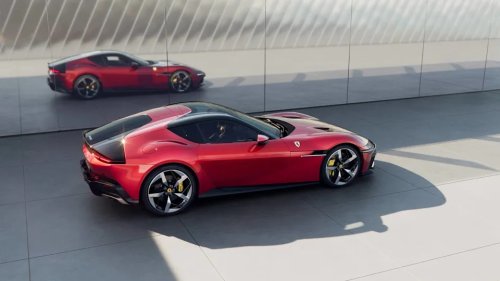
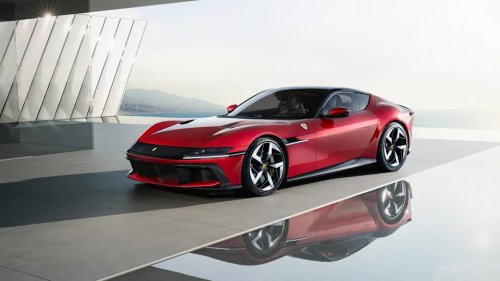
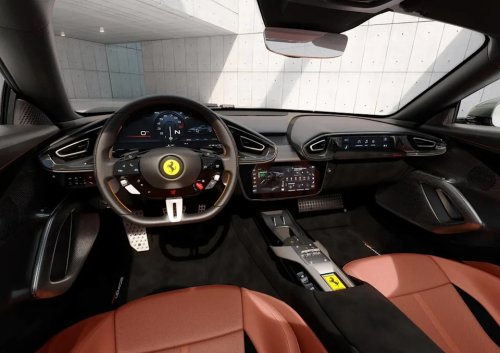
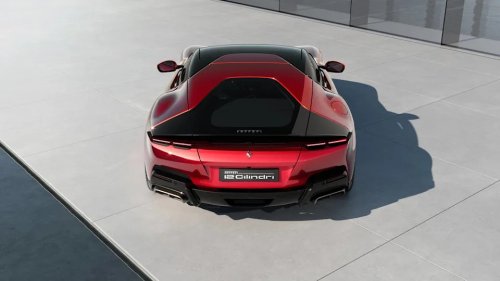
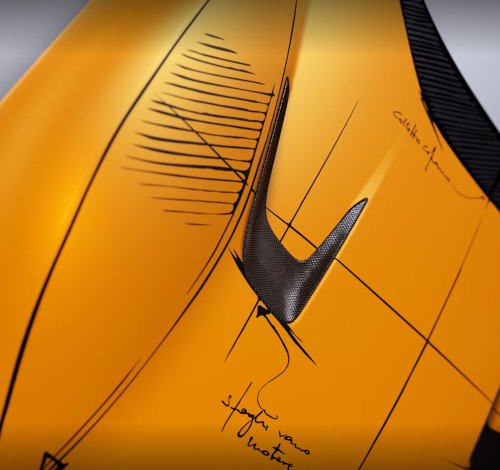
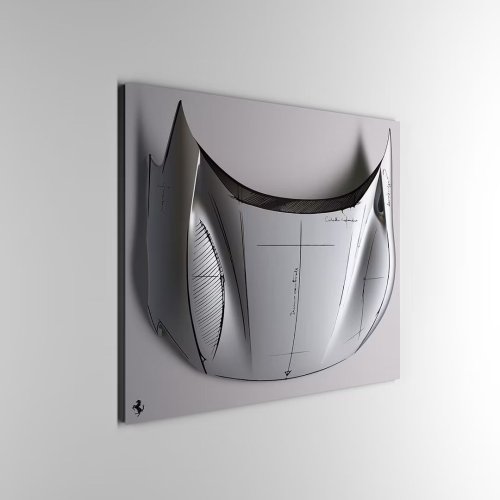
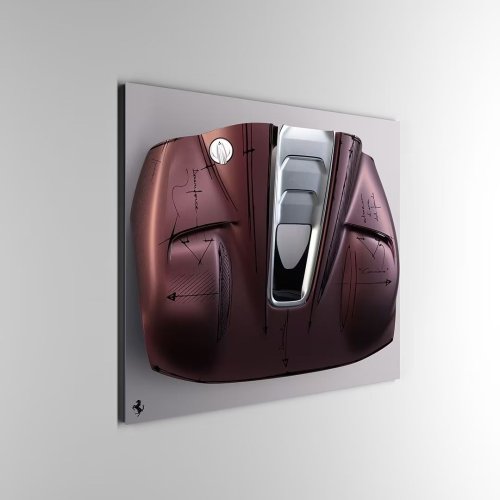
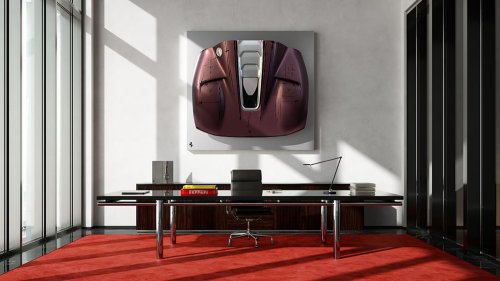
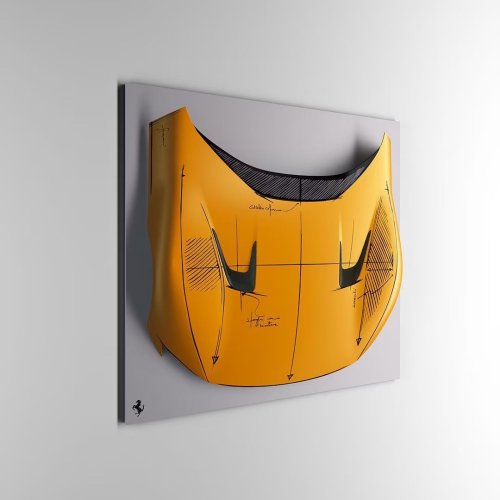
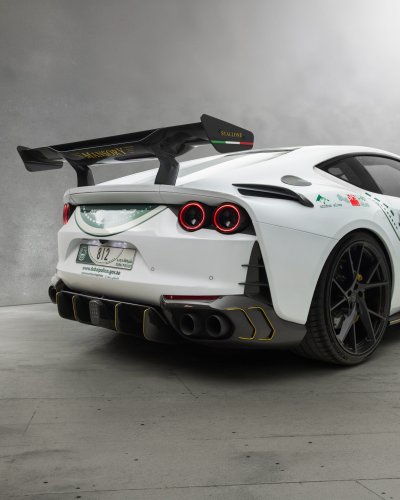
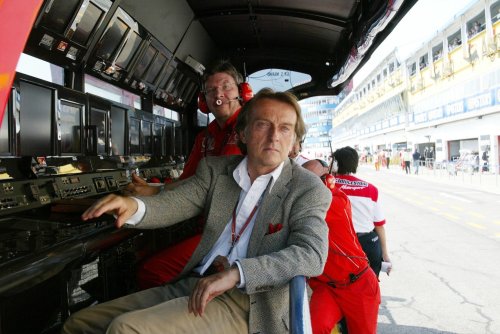
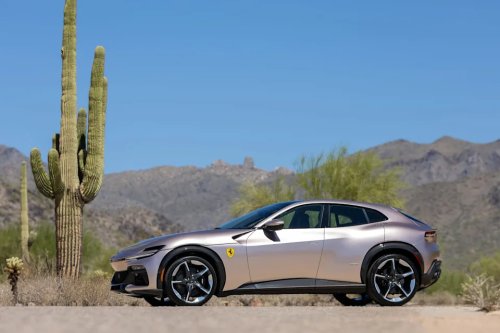
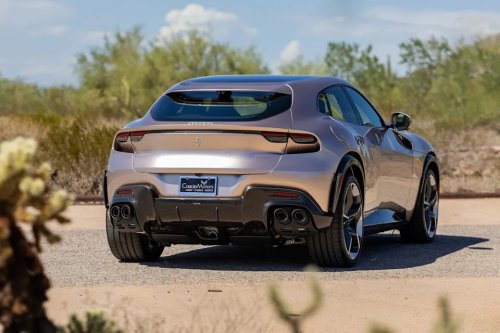
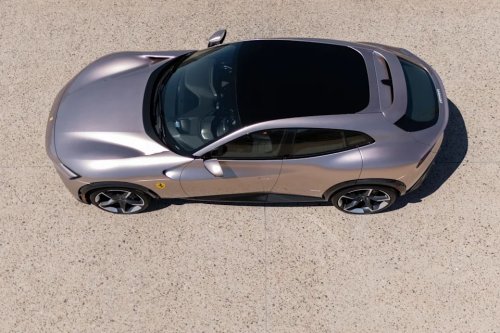
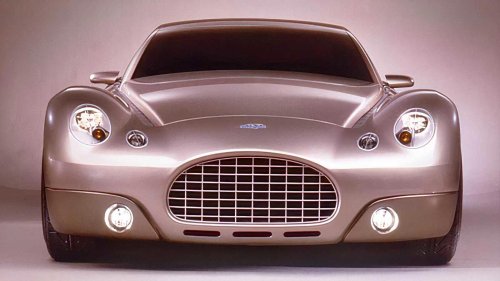
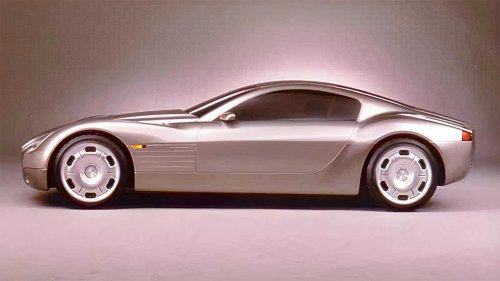
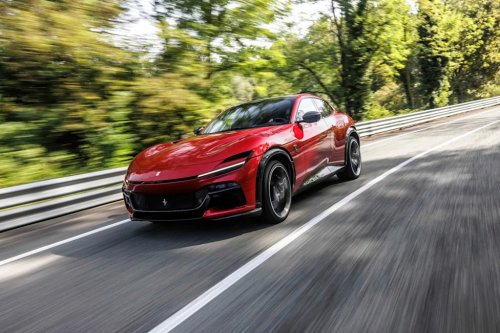
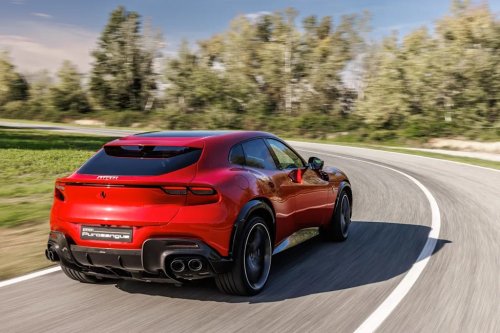
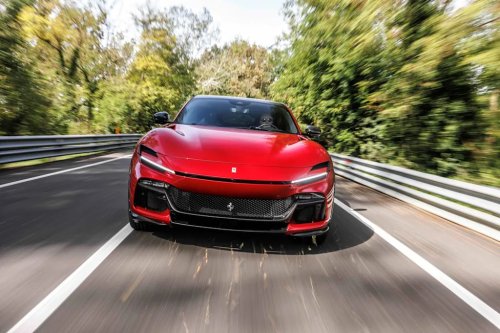
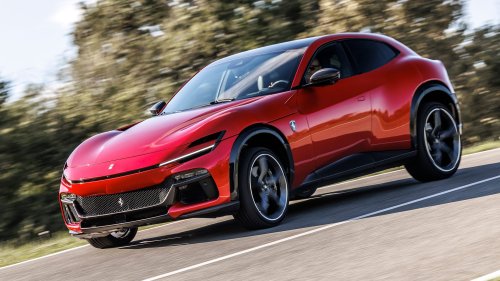
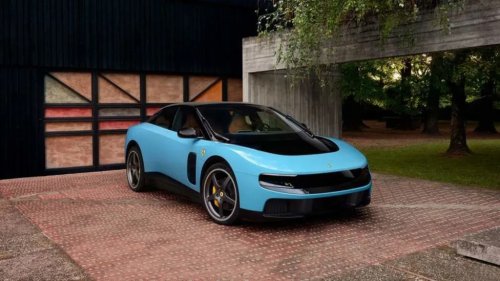
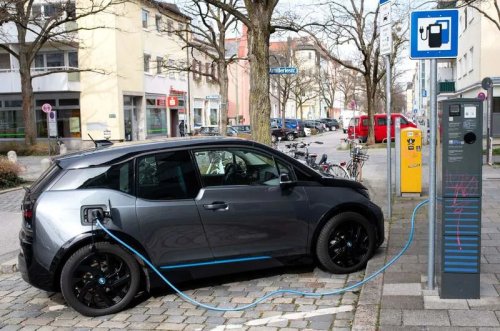
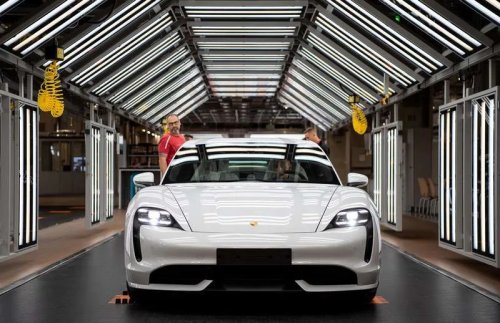
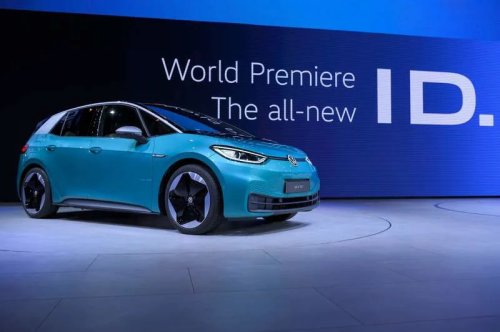
Ferrari's first electric all-wheel drive model, the Luce will arrive as a four-door coupe-esque grand tourer to rival the likes of the Porsche Taycan Sport Turismo. Ferrari/dpaFerrari is being subjected to the mocking of a generation for the design of its first electric model, the Luce. Critics are calling it a "Playmobil car", a "luxury toaster" and a "Temu Ferrari."Meanwhile former Ferrari chief executive Luca di Montezemolo says that it's at least a design that the Chinese won't copy.The launch has been something of a car crash for Ferrari and the abject disgust highlights a dilemma facing many carmakers in the shift to electric vehicles — a lesson that German manufacturers have painfully learned.AdvertisementAdvertisementFerrari unveiled its first fully electric car in Rome on Monday. The carmaker itself wants the Luce, which costs more than half a million euros, to open a new chapter in the brand's history.But the design — on which former Apple design chief Jony Ive collaborated — has been met with a backlash.Flawed overall concept"Ferrari is making a mistake with the Luce that many other manufacturers have already put behind them: opting for strongly divergent designs for electric cars and thereby building a vehicle that looks too much like an EV and no longer like the brand itself," said Ferdinand Dudenhöffer, an industry analyst.AdvertisementAdvertisementHe said the overall concept of the Luce was flawed. "It no longer looks as though it was developed in Italy — it looks like a smartphone on wheels."German carmakers are already further along when it comes to electric vehicle design. "Mercedes and Volkswagen are currently backtracking heavily here. BMW did this years ago, after the futuristic-looking i3," said Dudenhöffer.Customers have a clear image of what a BMW, VW or Mercedes should look like, he said. "If you change that too quickly, you frighten off your buyers. That applies not only to, but especially to, electric cars."Too little VW in ID electricsAdvertisementAdvertisementWhen VW launched its electric vehicle family in 2019, it faced heavy criticism. The design the company gave its ID models under then-chief executive Herbert Diess was intended to highlight what was new compared with combustion-engine vehicles.But it proved polarizing among customers: some called it fresh and relaxed, while others said it was too sterile and, above all, too little VW.VW ultimately changed course. After Diess departed in 2022, the new management also ordered a reset for the ID design. Brand chief Thomas Schäfer declared that a VW had to look like a VW again.The ID.3 was toned down via a facelift, and Schäfer had the planned smaller model below it completely redrawn. The result: The upcoming ID.Polo looks almost identical to the combustion-engine Polo.AdvertisementAdvertisementMercedes has also reversed courseMercedes-Benz has also had to revise its design strategy for electric vehicles. With its EQ sub-brand and models such as the EQS and EQE, the company initially opted for a radical break: the flowing, egg-shaped silhouette was good for range but failed to appeal to many potential customers. The same was true of the black panels fitted in place of the classic radiator grille.Chief executive Ola Källenius then reversed course, announcing two years ago a design language that would be unmistakably Mercedes. The new electric models are to be offered again under established model names and more closely aligned with classic designs.The electric CLA, unveiled in 2025, returned to familiar proportions and is barely distinguishable from the combustion-engine version. However, the Mercedes-AMG GT unveiled last week is proving highly divisive online — above all because of its design.AdvertisementAdvertisementBMW learned earlyBMW has long favoured designs for its electric cars that stay close to its combustion-engine models. With the i3, unveiled in 2013, the Munich-based manufacturer had taken a different path — from the body materials to the overall look.The car never achieved a breakthrough success, possibly in part for aesthetic reasons. With later electric vehicles, BMW avoided major design detours."I believe a large part of the success BMW has had with electric cars in recent years outside China is down to the fact that they trusted their classic design even for their electric models," said Dudenhöffer.AdvertisementAdvertisementPorsche: evolution, not revolutionPorsche also favours continuity in its design language. Many of the brand's classic elements are carried over into its electric models, whose design remains the responsibility of former chief designer Michael Mauer."As a luxury brand, Porsche thrives not on constantly reinventing things, but on continuously developing what works," he said two years ago.The differences from combustion-engine models therefore lie mainly in the details: the Taycan, Macan and Cayenne are more aerodynamic and feature, for example, a closed front section with active air vents instead of a radiator grille. The light signature also differs markedly.AdvertisementAdvertisementBut it is immediately recognizable as a Porsche — a core tenet of Mauer's design philosophy. Whether that will remain the case under his successor remains to be seen."Continuity in design also helps to protect the residual value of used cars," said Dudenhöffer. "That matters far more for a car than for a piece of clothing that you can throw away or put in a wardrobe when fashion changes quickly."The BMW i3 never achieved a breakthrough success, possibly in part for aesthetic reasons. With later electric vehicles, BMW avoided major design detours. Sven Hoppe/dpaPorsche thrives not on constantly reinventing things, but on continuously developing what works, says Ferdinand Dudenhöffer, an industry analyst. Sebastian Gollnow/dpaWhen VW launched its electric vehicle family in 2019, it faced heavy criticism - too sterile and, above all, too little VW. Silas Stein/dpa



















 +41 others