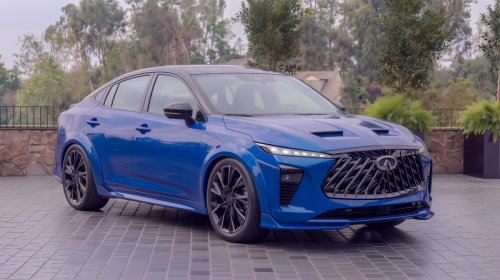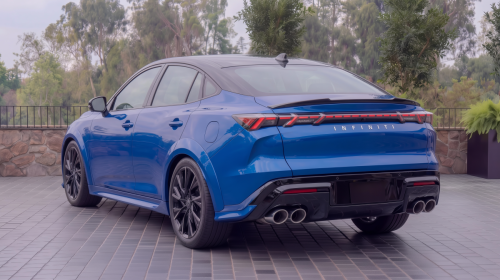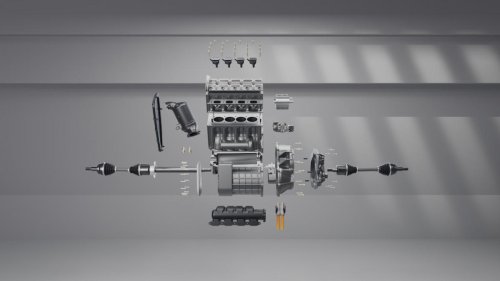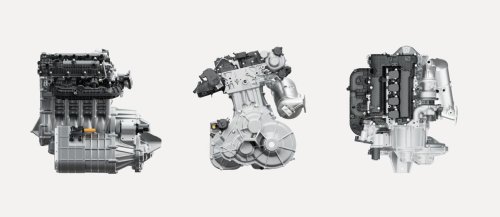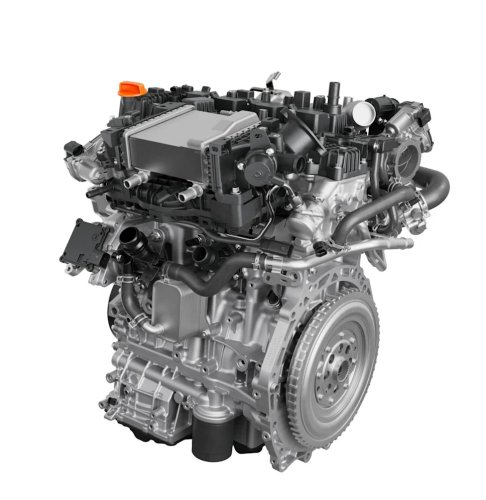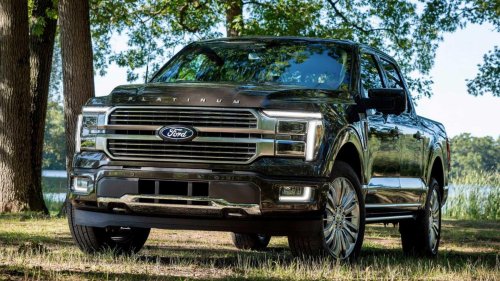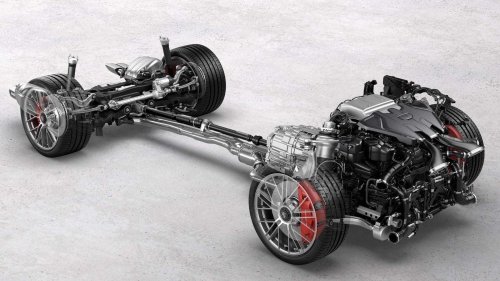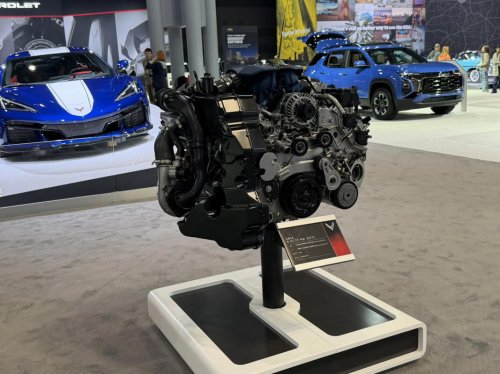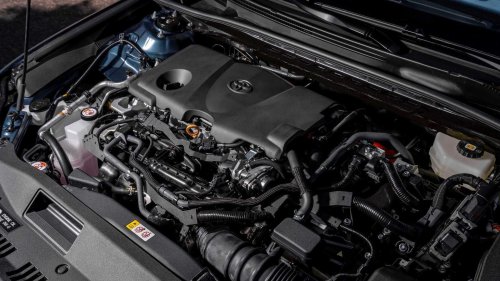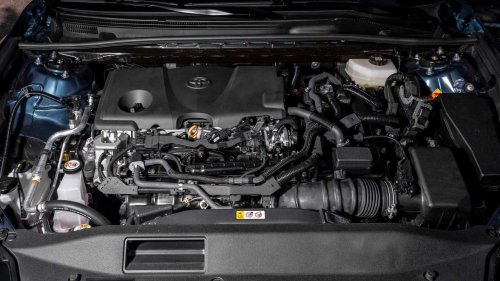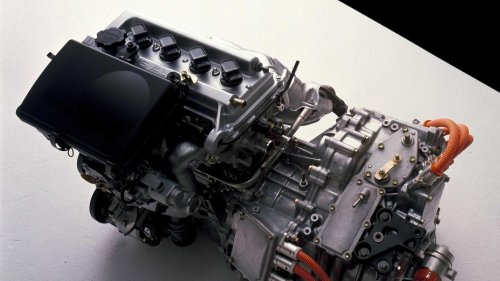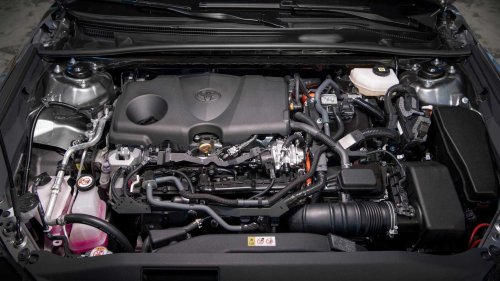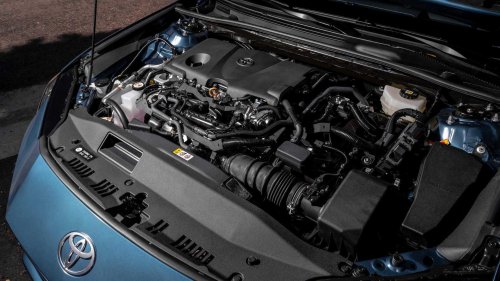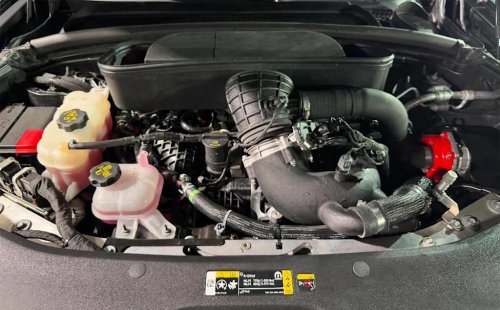
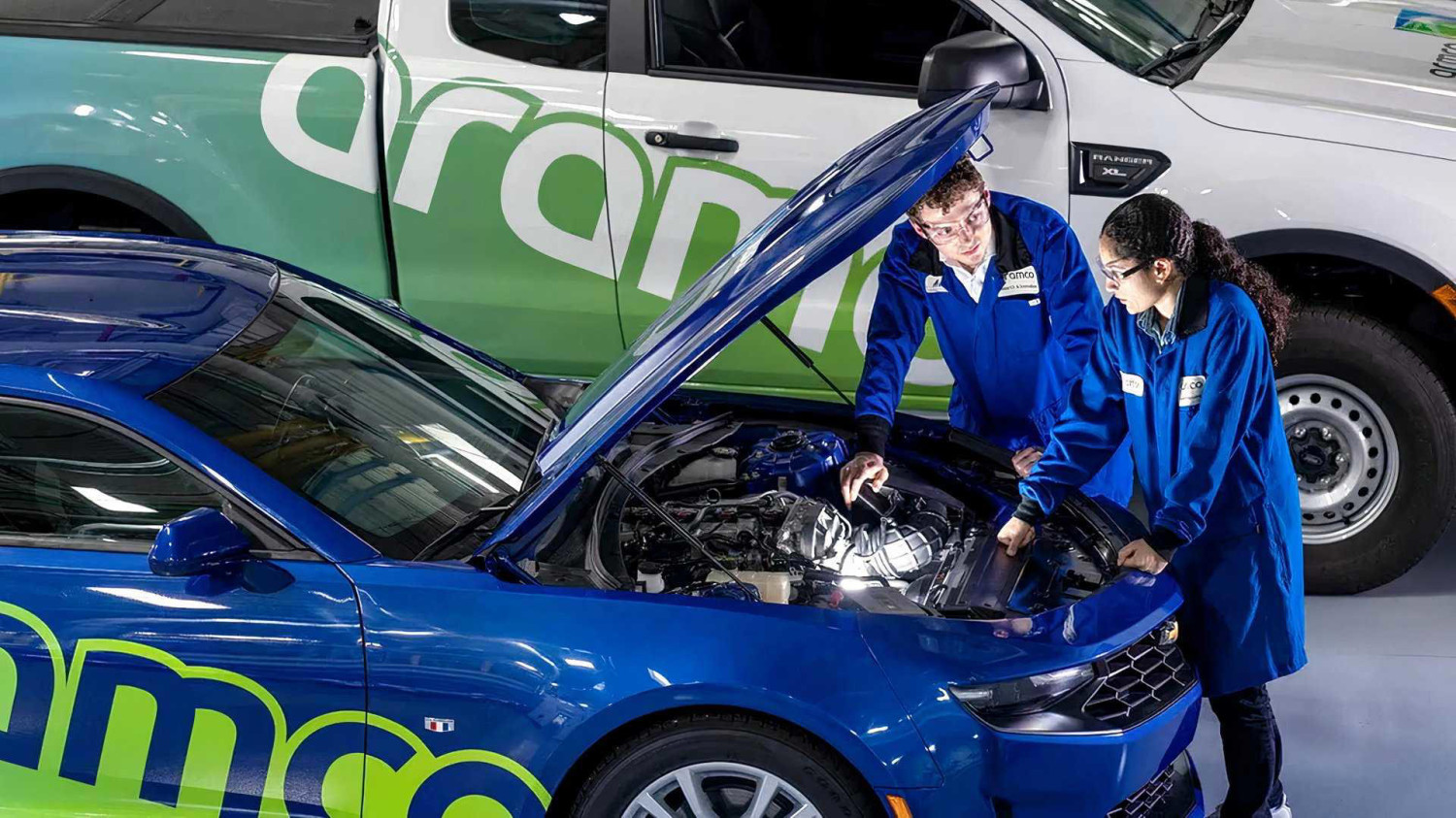



















The Saudi Arabian Oil Company, better known as Aramco, just built a powertrain that makes a Toyota Prius look like a 1960s muscle car. Developed by the firm's Detroit-based Aramco Americas subsidiary, the compact, naturally aspirated three-cylinder could be a revolutionary way to convert existing combustion platforms to electrification or help automakers repurpose slow-selling EVs into range-extended plug-ins. Best of all, the DHE (or dedicated hybrid engine) doesn't really use that much complicated engineering, focusing on simple refinements and a very specific combustion cycle to achieve 25 percent greater efficiency than existing gas-electric vehicles.Engin Akyurt/Pexels Saving Space And Saving Fuel The Aramco mill isn't intended to directly drive the vehicle's wheels, instead relying on electric motors mounted on either end of the transverse driveshaft to power the right and left tires. And unlike the similar powertrain layouts on extended-range electric vehicles or series hybrids, the DHE was designed from the outset for a hybrid-specific use case, eliminating the compromises that are inherent to engines that are adapted from pure combustion to electric-assist. Even Toyota's Hybrid Synergy Drive powertrains rely on gas engines used in non-hybrid vehicles, meaning there are some compromises to their design.The DHE, meanwhile, operates within a very closely defined rev range that relies neither on low-end torque or high-end power, meaning output and efficiency can be balanced ideally. That specific use case makes extra intake and exhaust valves redundant, meaning the three-cylinder motor has just six valves in total, operated by low-tech (but reliable and energy-efficient) pushrods. As a result, the valvetrain is more compact, less expensive, and less complex than similar cam-driven, four-valve-per-cylinder layouts found on most modern small-displacement engines. And the more compact cylinder head meant Aramco's Detroit-based engineers could give each cylinder a longer stroke, improving thermal efficiency.Aramco The DHE is also a scalable engine design. In addition to the prototype 1.6-liter inline-three, the tech could easily be applied to a 1.1-liter inline-two. Two of those engines could be joined at the hip to create a 2.3-liter V4, while two three-bangers could become a 3.2-liter V6. And according to MotorTrend, when Aramco tested the inline-three in a Camry-sized four-door sedan, it recognized that turbocharging could be used to improve power generation without sacrificing much efficiency. Furthermore, the engine's dry-sump–compatible oil system would allow it to be positioned flat, meaning it could fit under an SUV's cargo floor or the bed of a truck for four-wheel-drive traction.National SpeedAnd since each drive wheel takes marching orders from a single electric motor, there's no need for a transmission, axle, or differential, once again cutting down the powertrain's space requirements. The minimized complexity also means less maintenance – no more axle seals, CV joints, or hub assemblies – and the engine's very particular duty cycle should also provide reduced wear and oil degradation. Engineering Bona Fides The idea came from the fittingly named Nayan Engineer, senior combustion specialist in engine and fuel research at Aramco Americas. The DHE comes with lots of goals resting on its shoulders, including easier and cheaper production, less energy wasted as heat, and of course, greater fuel efficiency. Engineer and his team pitched the DHE to French motorsport manufacturer Pipo Moteurs, which selected a deliberately small technical team to the project that allowed it to come together quickly and without a lot of corporate red tape."There are people who love EVs, and for good reason, but tucked away in their garage is often a trusty old conventional engine car," Engineer said. "Hybrids can span this difference." The lead technical designer touts the DHE's impressive range flexibility and EV-typical response and performance as the best of both worlds (although to be fair, the added weight of a gas engine leads to reduced energy efficiency overall compared to a purely electric powertrain). Still, recent sales trends have made one thing clear: Most American consumers aren't ready to go completely plug-in, preferring the flexibilty of gassing up anywhere – from down the street to across the country. Big Oil Wants You To Use Less Oil So You Continue To Use Oil But why on earth would Aramco, the largest fossil fuel producer in the world, want to design such an engine, which will use less gasoline and require fewer oil changes? Although it's tempting to label the DHE's roots as purely altruistic, the reality is that more efficient internal-combustion powertrains are just good business for the company by keeping more people using gas instead of switching to EVs.If future hybrids actually attain the 25 to 30 percent improved efficiency Aramco claims for its new engine design, that would mean a Ford Maverick that gets 48 miles per gallon or a Toyota Prius that exceeds 64 mpg. Even the full-size F-150 PowerBoost would get close to 30 mpg. Those numbers would make it easier for folks to continue using internal-combustion vehicles even if gas prices continue to rise, especially if it means not having to adapt their habits, install at-home charging equipment, or seek out public DC fast chargers.While the motivation is clearly capitalist, a modular and adaptable internal-combustion engine with that kind of efficiency is still going to make life a lot greener. The transverse engine layout would enable great flexibility in vehicle design, especially since the engine could be positioned upright in a conventional sedan or pancaked under the floor in a subcompact hatchback. The larger variants, meanwhile, could be used in SUVs and trucks without sacrificing towing or hauling ability, and the electric torque and brake regeneration could add a measure of control that gas engines can only dream of. The Aramco DHE is an exciting proposition that we hope comes to market very soon.