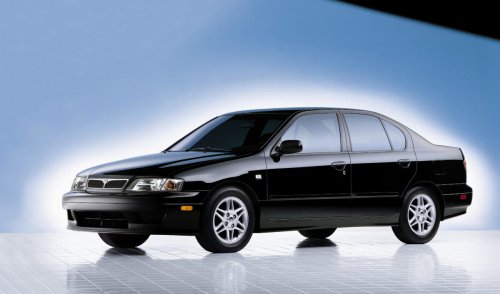
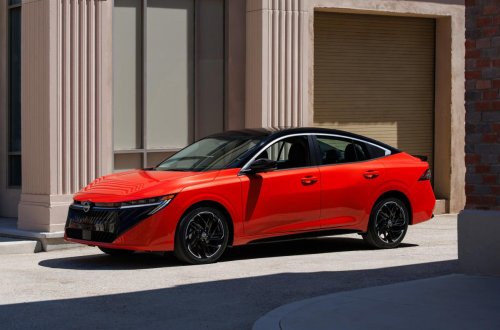
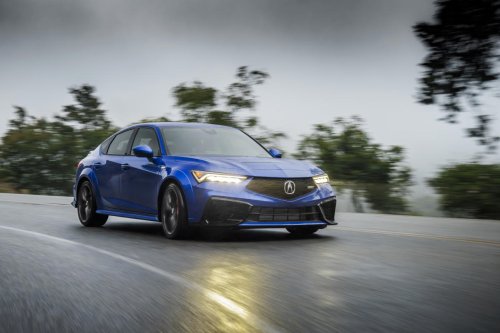
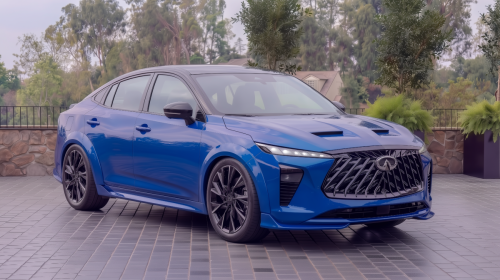
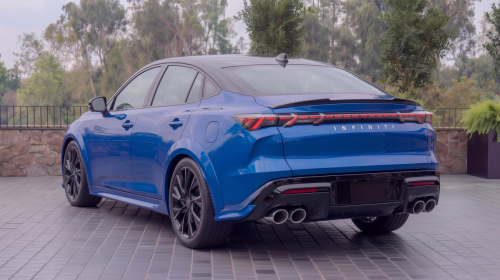
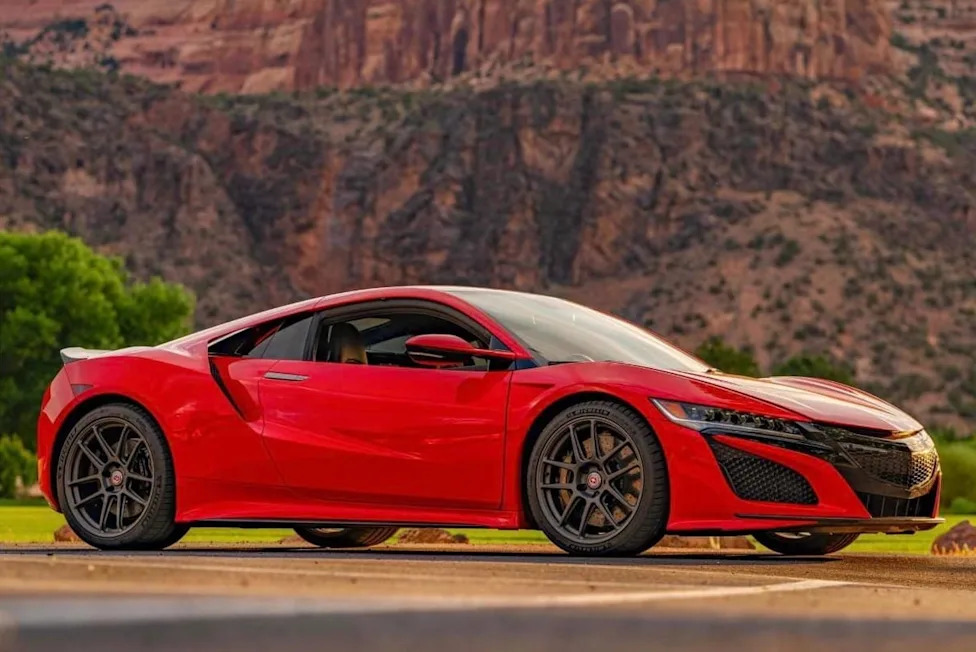
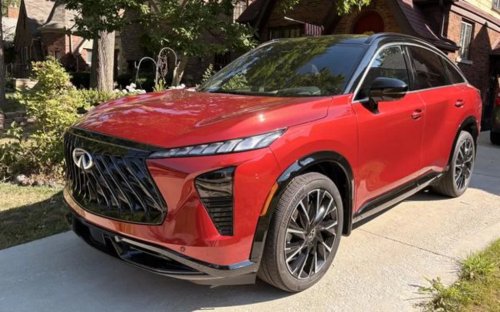
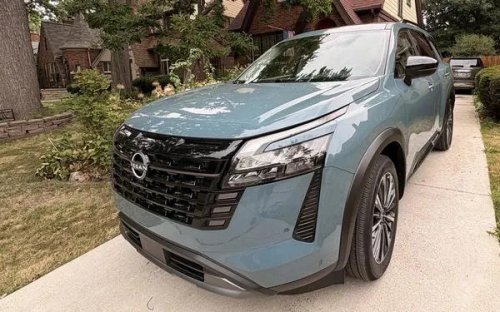
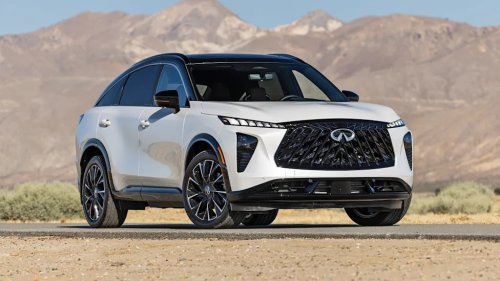
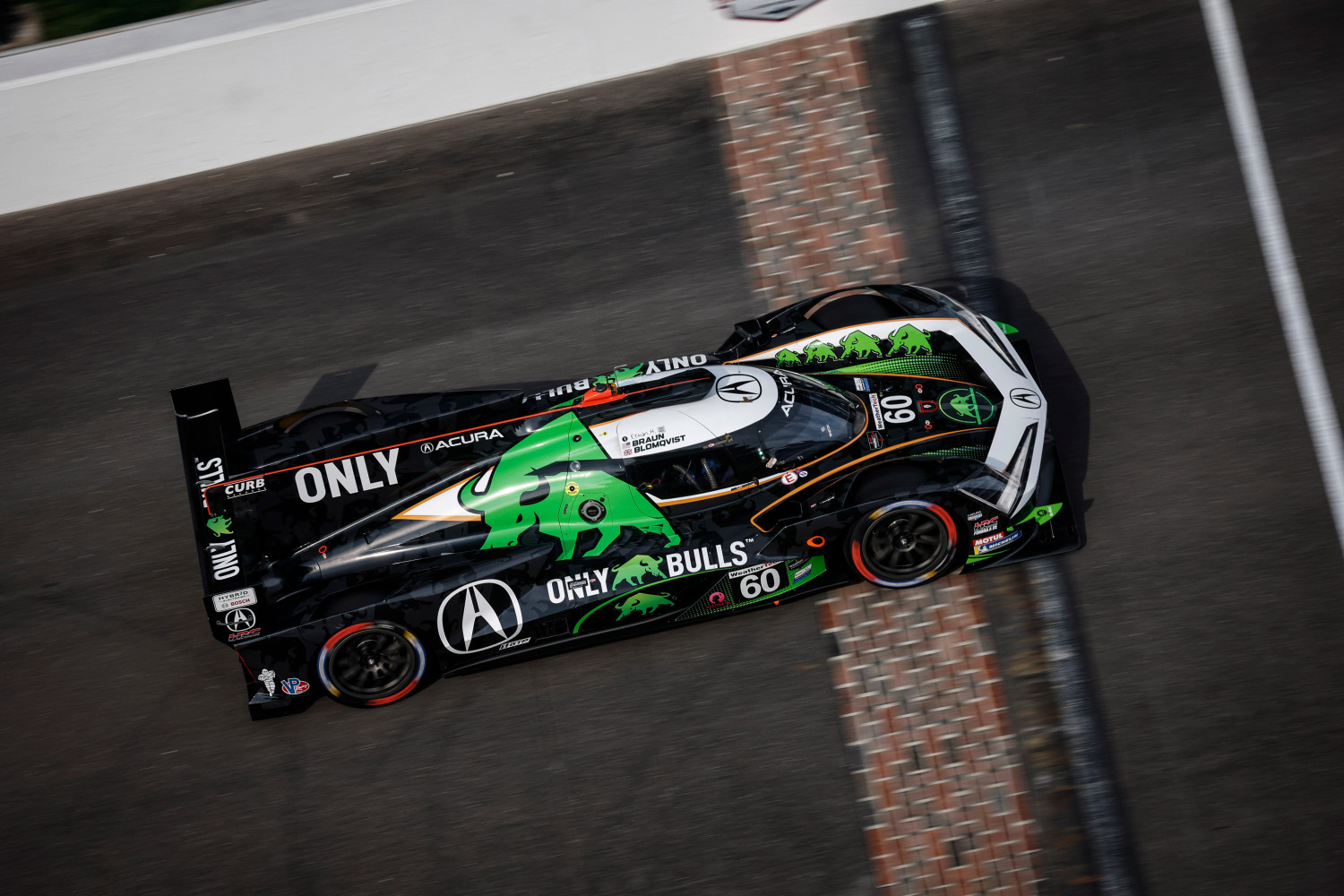
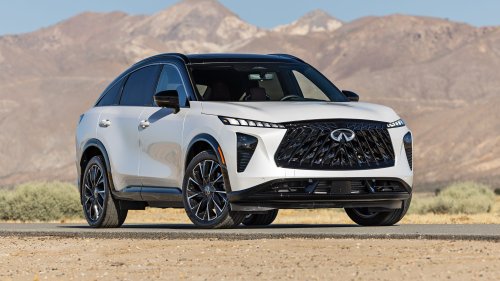
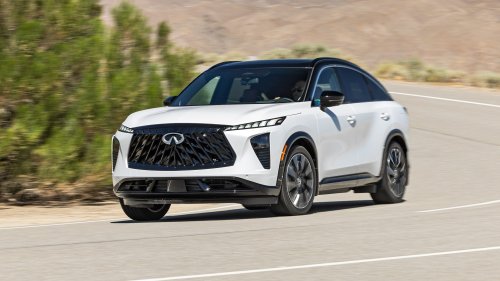
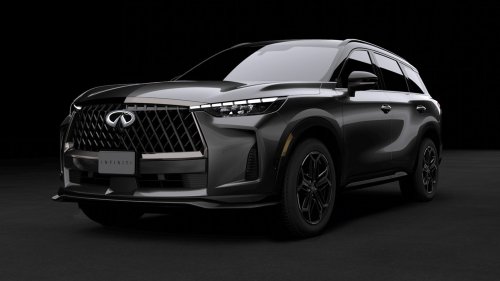
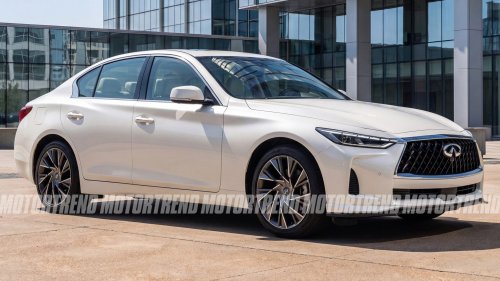
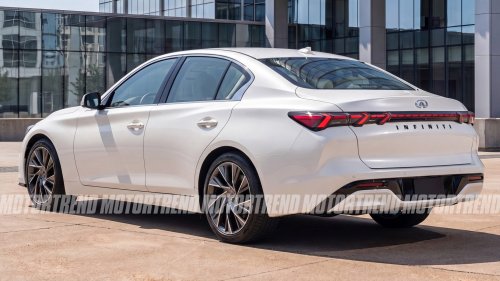
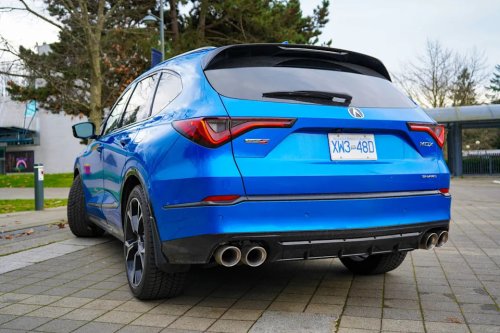
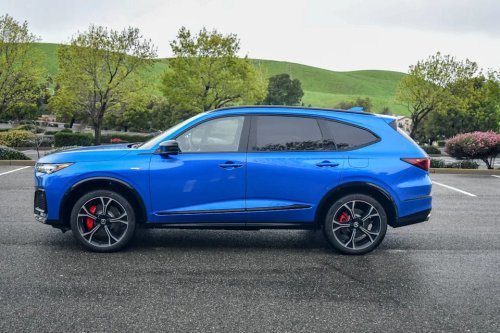
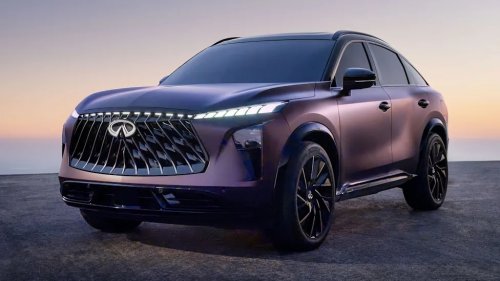
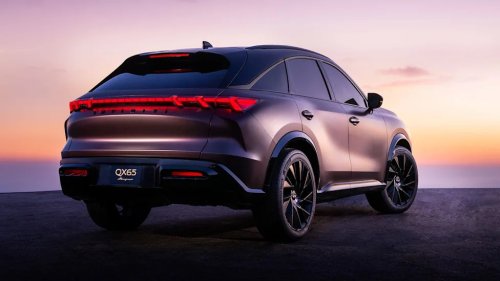
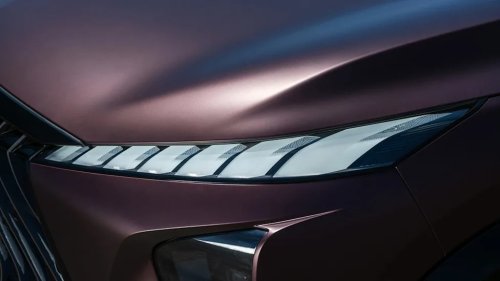
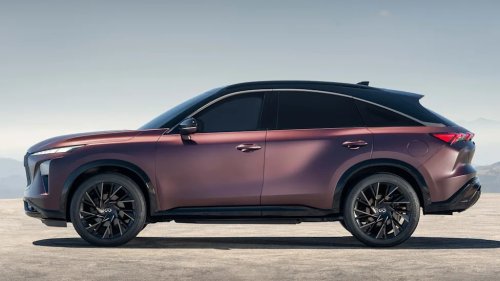
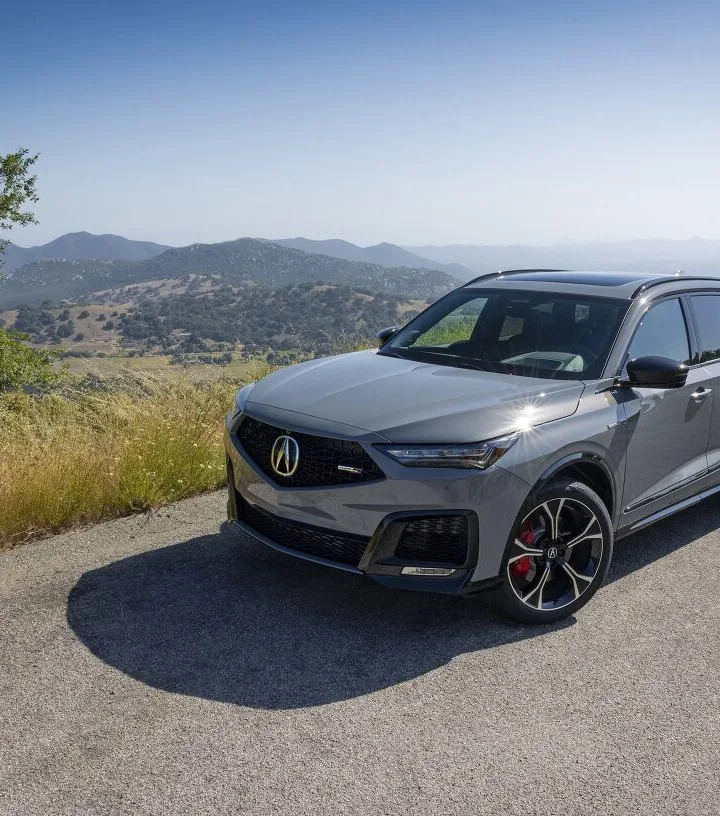
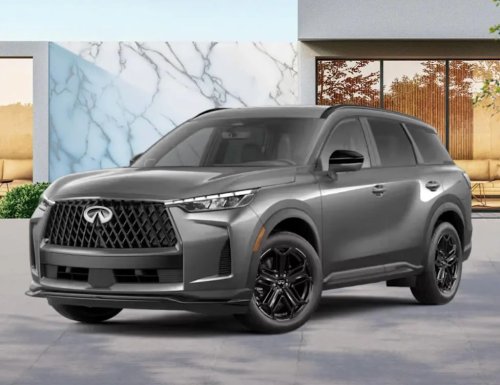
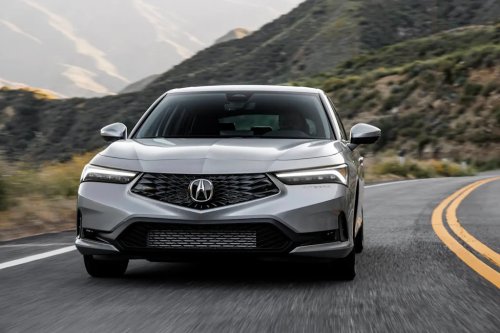
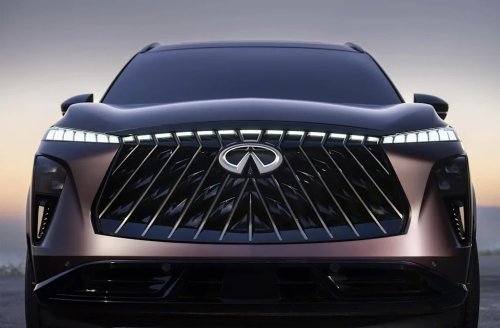
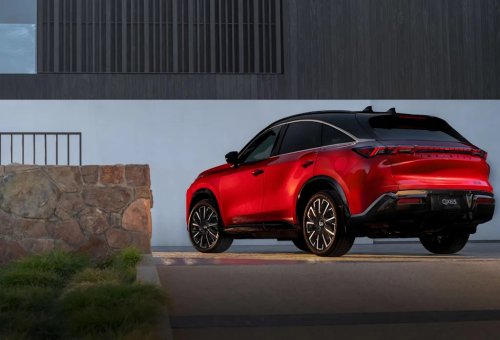
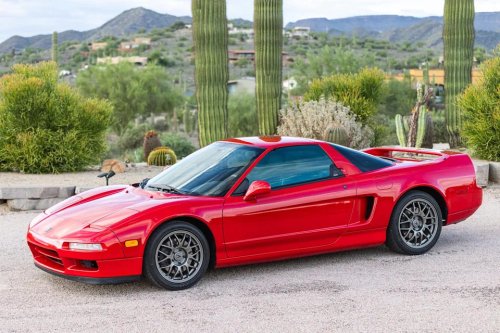
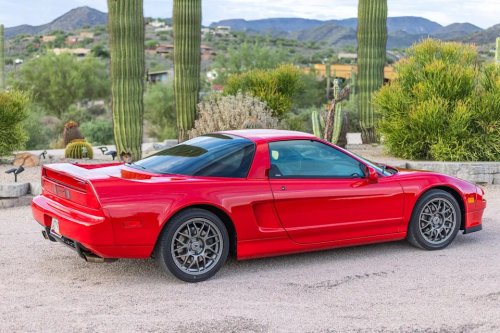
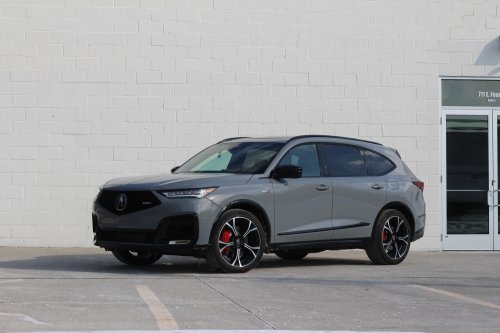
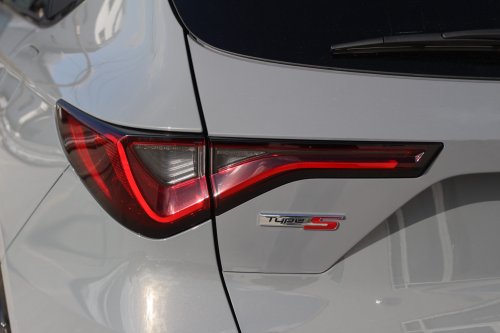
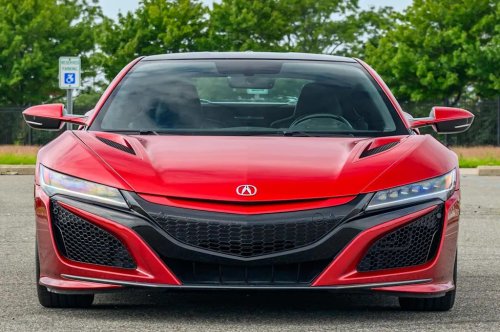
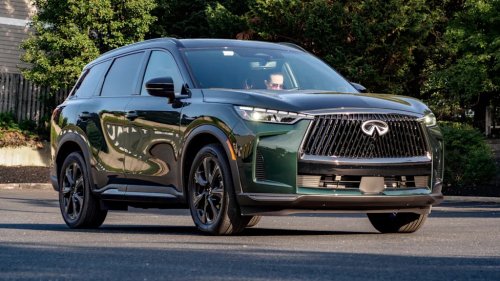
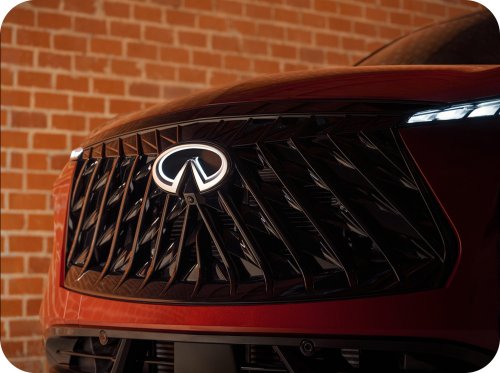
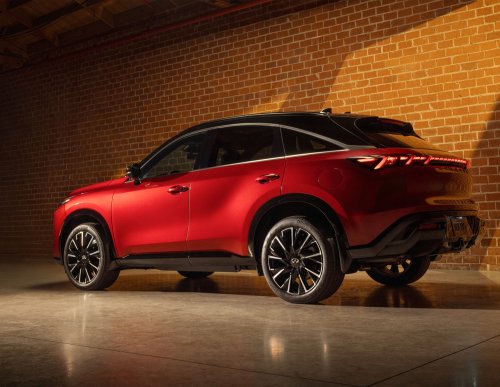
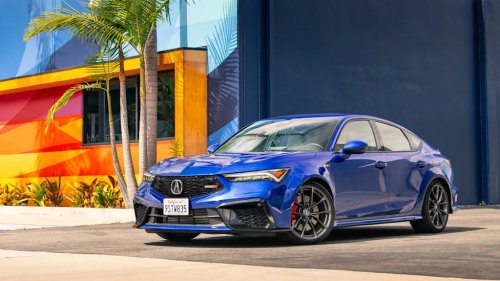
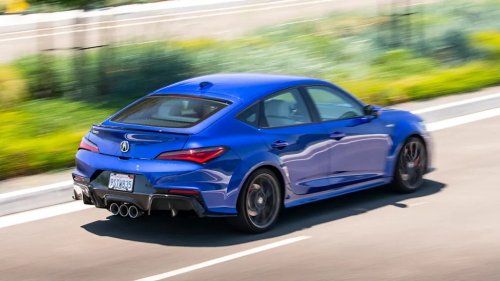
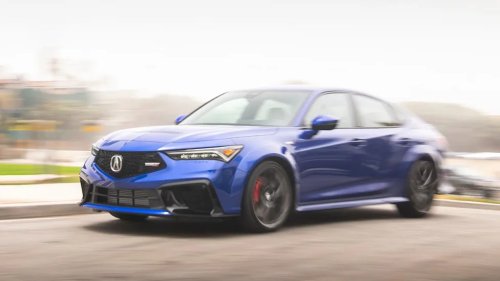
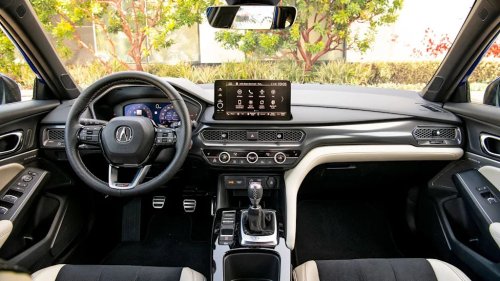
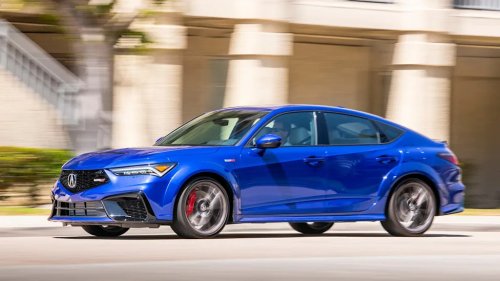
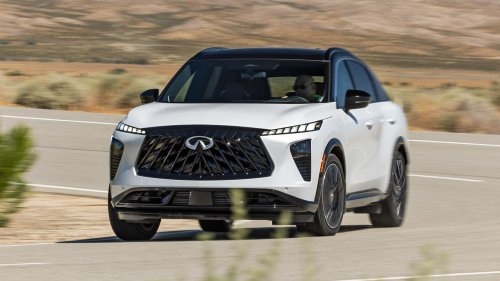
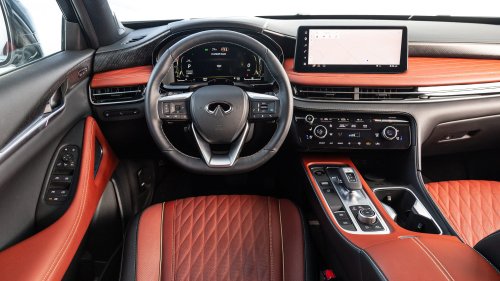
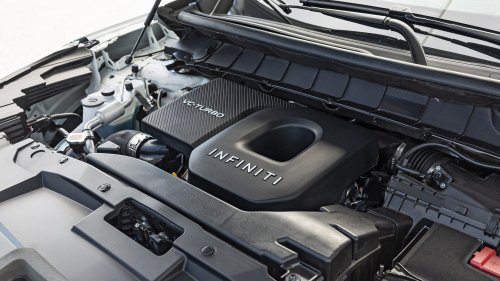
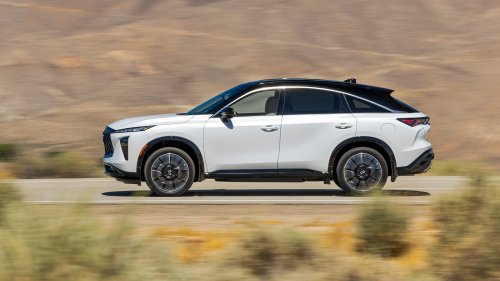
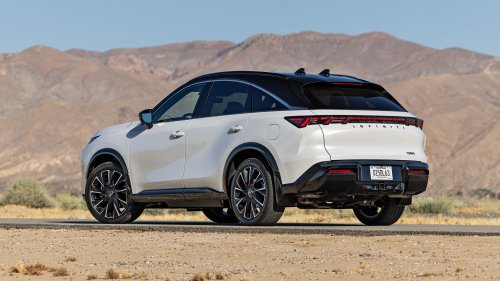
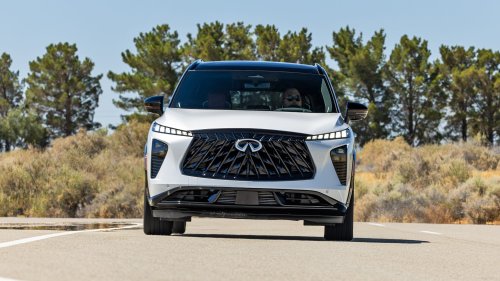
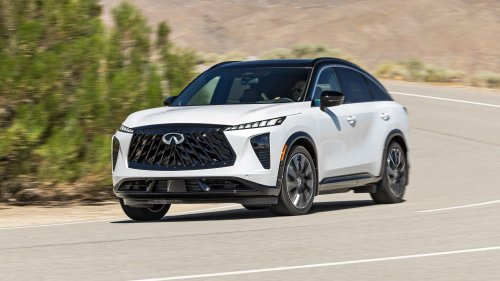
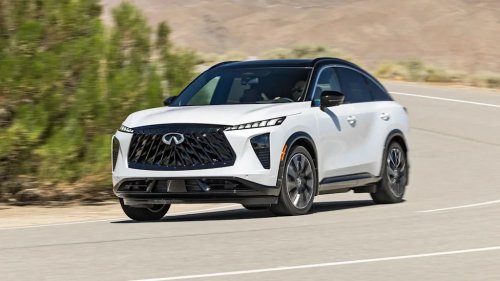
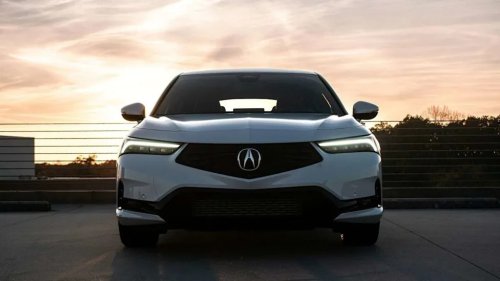
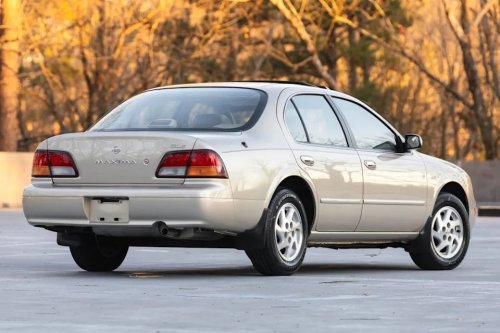
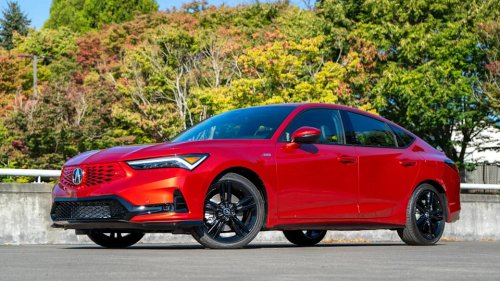
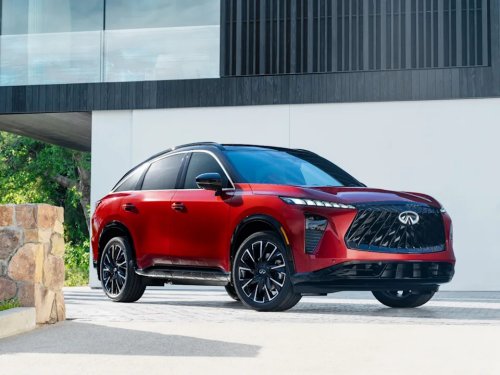
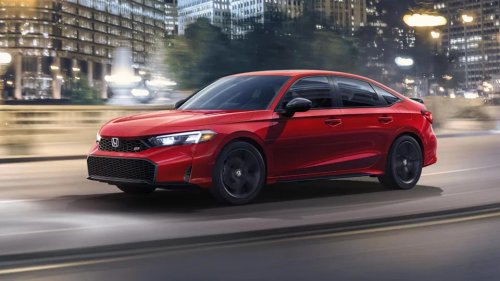
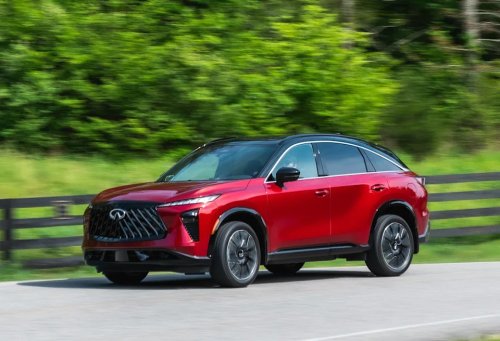
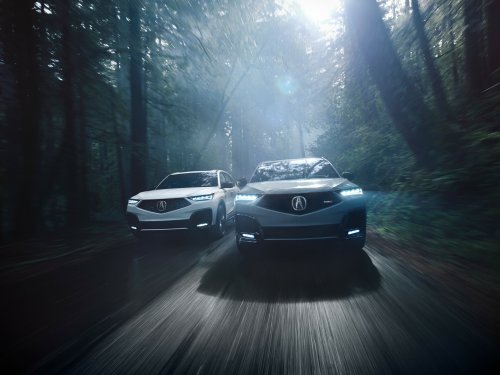
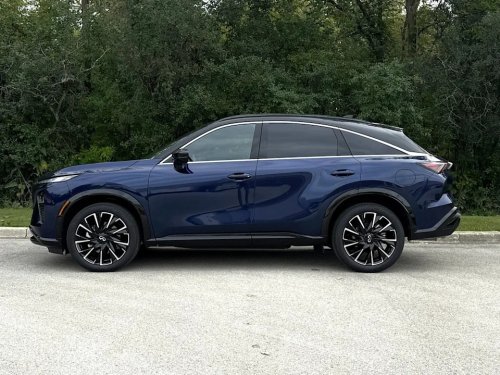
For a brand that once built its identity around attainable, fun-to-drive sport sedans and other driver-focused alternatives to the German norm, Infiniti now feels strangely detached from the kinds of cars that once gave it a pulse. It still knows how to style a vehicle, as demonstrated by the recently unveiled QX65. It still has access to worthwhile hardware, what with Nissan's VC-Turbo technology available at its disposal. But in an era where Acura has managed to turn the Integra into a genuinely desirable driver's car again—especially in riotous Type S form—Infiniti has nothing in that lane. No compact enthusiast car, nor a premium sport hatch. Could reviving the forgotten G20 as a modern hot hatch based on the new Nissan Sentra help Infiniti regain some market share in a segment it gave up on long ago? The Acura Integra is proof that buyers of affordable, entry-level premium compact cars are more than willing to give up German-brand bragging rights for a more affordable entry point and a more enjoyable driving experience. Although the Integra's overall sales were down last year, it still managed to outsell the Audi A3 and Mercedes-Benz CLA, which have become mainstays in the segment in recent years. Not only has this allowed Acura to dole out heaps of turbocharged, driver-centric hot hatches to the masses, but it's also proven helpful at bringing new buyers into showrooms, who might choose to re-up their leases with larger, more expensive models as time moves on. Right now, that kind of exciting entry point might be exactly what Infiniti needs. Why the G20 Name Still MattersThe original Infiniti G20 never quite benefited from the same mythology as the G35 or Q45, but it represented something important: a smaller, more accessible Infiniti that still felt like it embodied the enthusiast-friendly character of its bigger siblings. In period, it was compact, tidy, a little left-field, and aimed at buyers who wanted something more distinctive than the usual mainstream fare. That spirit translates surprisingly well to today's market. If Infiniti were serious about rebuilding credibility among younger buyers and enthusiasts, a revived G20 would be a smarter move than yet another anonymous crossover with a vague "sport-appearance" trim package. Not because it would become a volume monster, but because halo cars do not always need six-figure price tags and carbon fibre body panels. Sometimes, what a brand really needs is a car people actually talk about.A modern G20 could serve as that conversation starter: a Sentra-based premium sport hatch that offers real engagement behind the wheel, provocative style, and enough analogue charm to remind people of what Infiniti is capable of when they actually have some fun designing a product.Need New Tires? Save Up To 30% at Tire RackFind the perfect tires for your exact vehicle and driving style. Click here to shop all top-tier brands, including Michelin, Bridgestone, and more, directly at Tire Rack. Why a Sentra-Based Formula Could Actually WorkBasing a revived G20 on the new Nissan Sentra would essentially give Infiniti a ready-made compact architecture, a footprint close to the right size, and a foundation that could theoretically be elevated without reinventing the company. It would also mirror the fundamental logic behind the Acura Integra, which is itself based on a less expensive cousin, the Honda Civic.Deciding on the necessary hardware likely wouldn't be too difficult. Take Nissan's 2.0-litre VC-Turbo four-cylinder, which Infiniti already uses for the QX60 and its all-new QX65, tune it for sharper response and a more aggressive character, pair it with a six-speed manual gearbox, keep power going to the front wheels, and fit a proper electronic limited-slip differential. And crucially, it would not need to outgun the Acura Integra Type S outright to matter. It would simply need to feel special and entertaining from behind the wheel. Still, a power figure just above the 300 mark would be nice... Why Infiniti Could Use an Integra Type S RivalThe Acura Integra Type S works because it understands something many brands have forgotten: enthusiasm itself has value. The Type S feels expensive for what it is, yes, but it also feels unique, rowdy, and proudly engineered for people who still enjoy driving. Infiniti has no answer to that. Worse, it has no real rebuttal, despite having access to the right platform and the right power plant. A revived G20 would not need to copy the Acura formula exactly, but it would need to occupy the same ideological territory. It would need to be the car that makes someone in their thirties—or forties, or frankly anyone still clinging to the idea that driving should involve some degree of participation—pause and say: wait, that's an Infiniti?Because right now, Infiniti's biggest issue is not that it doesn't have enough crossovers to satisfy the unfortunate dullness of modern automotive demands; it is that it lacks a distinctive identity that buyers can resonate with. The brand feels like it remembers being cool once, but not how it came to be that way, nor, especially, how it lost that appeal. A G20 revival would not solve everything, though it could do something more important: it could give the brand a clear thesis again. If Infiniti is going to keep marketing itself as a "sporty" brand, it's about time they give the world a truly sporty car to back those claims up. What a Modern Infiniti Compact Hot Hatch Could Look LikeThese renders do not depict a G20 revival as a cartoonish, Need for Speed: Underground-inspired pocket rocket. Instead, they envision it as a modern Infiniti sport compact with genuine showroom plausibility—something aggressive and upscale, but not absurd. From the front three-quarter angle, the car looks low-slung, taut, and convincingly production-ready. The massive, bamboo-inspired Infiniti grille comes from the new QX65 and dominates the nose, but here it feels more purposeful than ornamental, framed by slim, sharply cut LED headlamps that give the car a focused, almost predatory expression. The hood features twin heat extractors that immediately signal high performance, while the lower front fascia gains a deeper, more sculpted look that visually lowers the whole car.The profile is arguably the most interesting part. Rather than a conventional sedan silhouette, the render gives the car a sleek fastback shape—something closer to a sport compact liftback than a traditional four-door. This gives the imagined G20 the sort of practical-meets-emotional appeal that has helped make the Integra relevant, and that'd all be thanks to the all-new Nissan Sentra's updated proportions. The black roof, dark mirror caps, and large multi-spoke wheels help sell the premium sport aesthetic, while the side skirts and subtly flared lower body add just enough menace without tipping into cosplay.At the rear, the render arguably looks strongest of all. A full-width light signature stretches across the tail, also taken from the QX65, with slim, angular lamp elements that feel modern. The integrated decklid spoiler, gloss-black lower diffuser treatment, and quad exhaust outlets do most of the heavy lifting in terms of performance, but they still work cohesively. This thing looks like it means business, just as the Integra Type S does. It has the stance and surfacing of a car that would show up late to a media launch, park next to something German, and make the German car look a little overdressed. Most importantly, the design feels like an Infiniti. It doesn't just appear to be a rebadged Sentra with better wheels and a turbocharger, even if that's essentially what it is in spirit. It has presence, it looks expensive, and it has exactly the sort of visual attitude a revival like this would need to succeed. Final Thoughts: Infiniti Could Use a Car Like This More Than It AdmitsThe market does not desperately need another crossover with a larger infotainment screen and a new shade of grey. Infiniti, on the other hand, may desperately need a car that reminds people of what it once stood for—what made people fall in love with the brand so many years ago. A revived G20 would not be a guaranteed smash hit. It might even be a pretty niche play. But niche plays are often what restore credibility and enthusiasm. If the brand wants to reconnect with enthusiasts, tempt younger buyers, and rebuild some of the cultural relevance it enjoyed in its better years, a compact, manual-equipped, VC-Turbo-powered sport hatch would be a far more convincing statement than another gently updated SUV. The Acura Integra has already shown that people still care about this kind of car. The Type S proves they are even willing to get emotional about it. Infiniti now has a choice: keep pretending that segment does not matter, or show up with something of its own.