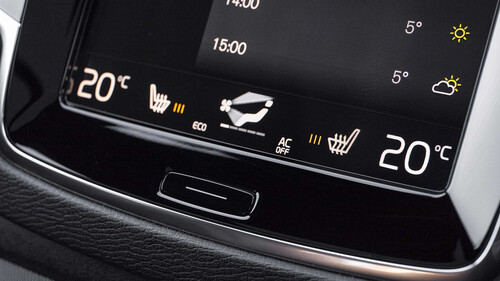
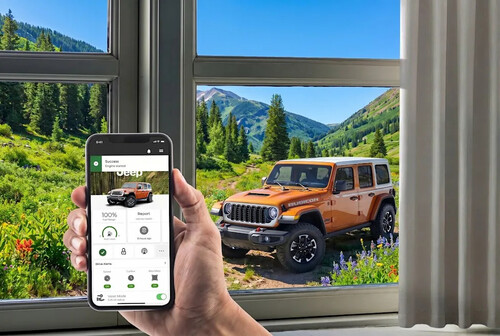
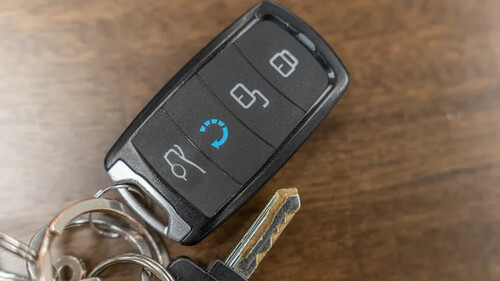
The mistake drivers make when using remote start in cold weatherOn a bitter morning, remote start feels like a tiny miracle. You’re still in socks, coffee’s brewing, and your car is already warming up like it’s doing you a personal favor. But there’s a very common cold-weather habit that turns that convenience into extra wear, wasted fuel, and—sometimes—an unexpected repair bill. The mistake isn’t using remote start at all. It’s letting the car idle for a long time because it “needs” it, then driving off like nothing else matters. Modern engines, modern oils, and modern fuel systems just don’t work the way our parents’ cars did, and the old rules don’t always help anymore. The big mistake: idling too long (and thinking it’s “good for the engine”) A lot of drivers hit remote start and let the car run for 10, 15, even 20 minutes so it’s “fully warmed up.” It feels logical: warm engine, warm cabin, less strain, right? In reality, extended idling is one of the least efficient ways to warm up most modern vehicles. At idle, the engine warms slowly, and many components you care about—like the transmission, wheel bearings, and differentials—don’t warm much at all until you start moving. Meanwhile, you’re burning fuel to generate heat you’re mostly losing to cold air. If you’re doing this every morning, it adds up fast, both at the pump and in wear over time. Why cold idling can be harder on your car than you think Cold engines run richer at startup, meaning they inject more fuel to keep things stable until everything reaches operating temperature. That’s normal, but it’s also why short trips and long idles are tough: the engine spends more time in that “not quite warmed up” zone. You’re basically extending the period where efficiency is worst. In some situations, extra fuel can also wash a thin film of oil off cylinder walls, increasing friction until things fully warm. Add condensation in the exhaust system and crankcase during repeated cold starts, and you’ve got a recipe for more moisture and deposits than you’d see with a normal drive cycle. It doesn’t mean your engine will explode, but it’s not the “gentle” approach people imagine. Remote start is mostly a comfort feature, not an engine-health feature Manufacturers didn’t give us remote start because engines are fragile in winter. They did it because nobody wants to grab a steering wheel that feels like a frozen dinner plate. Remote start is about comfort and convenience, and it can help with safety too—clear windows, less fog, better visibility. The trouble starts when remote start becomes an unofficial daily warm-up ritual that runs far longer than needed. You get a cozy cabin, sure, but your engine isn’t getting the kind of warm-up that actually reduces wear. Driving gently for a few minutes does that better than idling in place. So how long should you idle after a remote start? For many modern cars, 30 seconds to a couple of minutes is plenty to let oil circulate and for the idle to settle. If it’s extremely cold, you might give it a bit longer—think a few minutes, not a full episode of your favorite show. The goal is “stable and ready,” not “fully toasty.” After that, the best warm-up is driving normally but gently. Keep revs moderate, avoid hard acceleration, and don’t tow or floor it until the temperature gauge starts climbing and the car feels responsive. You’ll warm the engine and drivetrain faster, and you’ll usually get heat in the cabin sooner, too. The other sneaky mistake: blasting the heater right away This one’s more about comfort expectations than mechanical damage, but it’s still worth knowing. Cranking the heat to max immediately doesn’t magically create warmth—it just demands heat that isn’t there yet. Until the engine coolant warms up, the car can only blow whatever air it can scrounge from the cold world outside. Some vehicles will automatically manage the fan speed to avoid blowing icy air in your face, which is a polite feature. If yours doesn’t, setting the fan lower at first can feel better and may help the cabin warm more smoothly. Once the temperature needle starts moving, then go ahead and bring on the tropical vibes. Cold-weather wear isn’t only about the engine Even if your engine is happy, winter has other ways of punishing a car that idles a lot. Long idles can mean more time with lights, rear defroster, heated seats, and blower motor running, which puts a heavier load on the charging system. If your battery is already weak (and winter exposes weak batteries like nothing else), repeated long remote-start cycles can tip it over the edge. And if snow is packed around the tailpipe, idling can become a bigger issue quickly. A blocked exhaust can cause exhaust gases to build up in dangerous ways, especially if the car is in a garage or a snowbank “hugging” the bumper. Remote start is great, but it’s not worth gambling with ventilation. What about hybrids, plug-ins, and start-stop systems? Hybrids and plug-in hybrids play by different rules because the engine doesn’t always run, and cabin heat may come from electric heaters, heat pumps, or the gas engine depending on the model and temperature. Remote start might warm the cabin without running the engine much, or it might start the engine specifically to generate heat. Either way, letting it idle forever still isn’t automatically “better,” it’s just longer. Cars with automatic start-stop may also behave differently in cold weather, sometimes disabling start-stop until the engine warms up. That’s normal, and it’s another hint that the vehicle is managing warm-up strategically. Trust the system more than old-school instincts, and focus on gentle driving until things are up to temp. How to use remote start the smart way (and still stay comfortable) If you want a simple rule: remote start just long enough to get the windows clearing and the cabin tolerable, then drive smoothly. Scrape heavy ice manually if you need to—remote start helps, but it’s not a magic wand. And if your car has a “rear defrost + mirrors + wipers” winter mode, use it; those features can make a bigger safety difference than an extra 10 minutes of idling. Also, check the basics that make winter easier: proper oil grade for your climate, a healthy battery, good tires, and washer fluid that won’t freeze. Those are the unglamorous heroes of cold mornings. Remote start is the supporting actor, not the star. When longer warm-ups might actually make sense There are exceptions where a bit more idle time is reasonable. If you’ve got frost or fogged windows that won’t clear, you need visibility before you roll—no debate. And if your vehicle’s manual specifically recommends a certain warm-up procedure for extreme cold, follow that guidance over general advice. But for most drivers, most days, the sweet spot is shorter than you think. Remote start is fantastic for taking the sting out of winter. Just don’t turn it into a daily idling marathon and call it “engine care.” More from Fast Lane Only Unboxing the WWII Jeep in a Crate 15 rare Chevys collectors are quietly buying 10 underrated V8s still worth hunting down Police notice this before you even roll window down