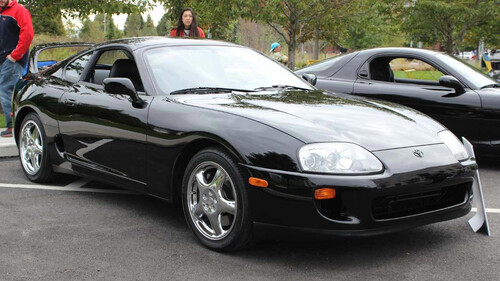
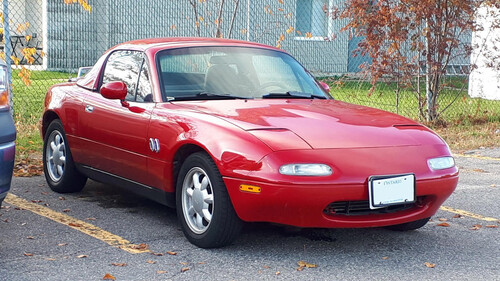
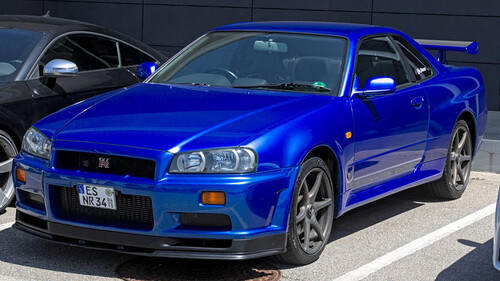
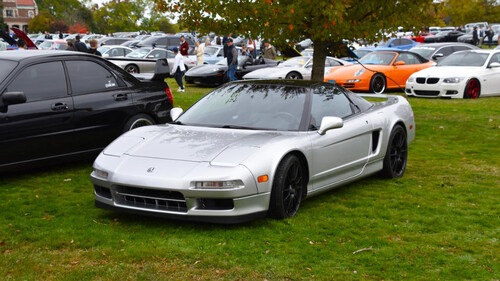
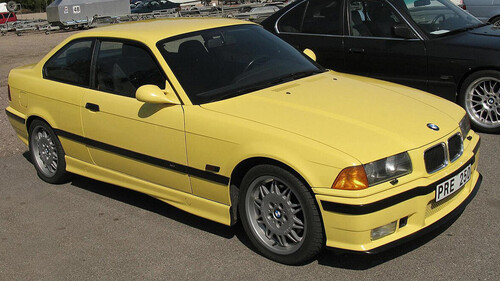
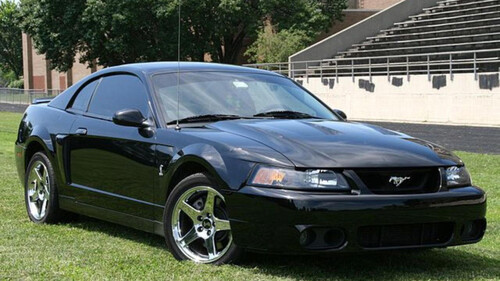
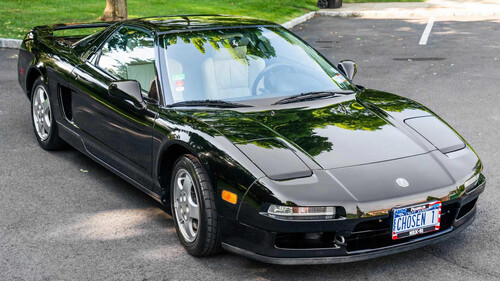
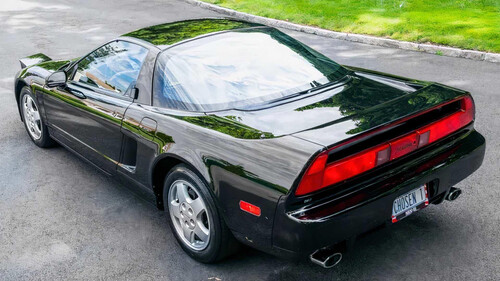
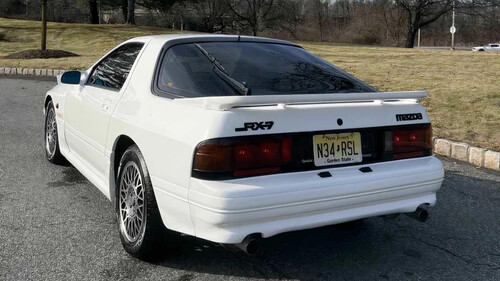
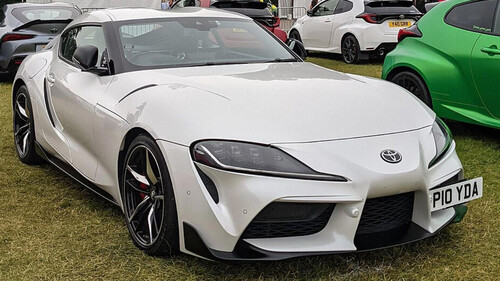
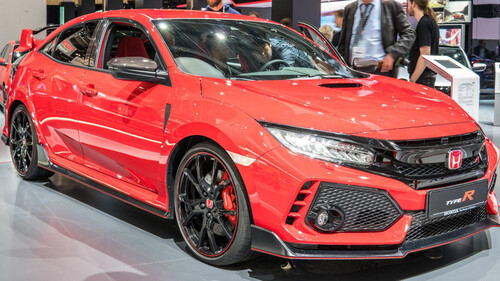
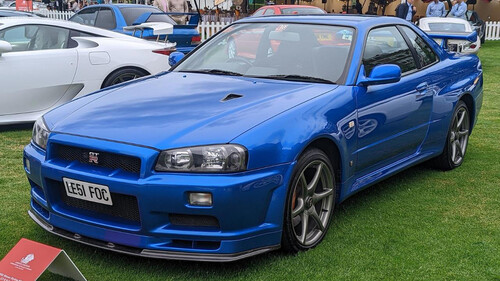
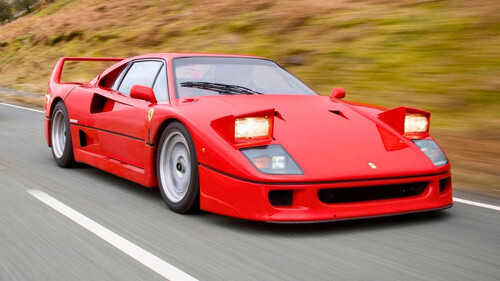
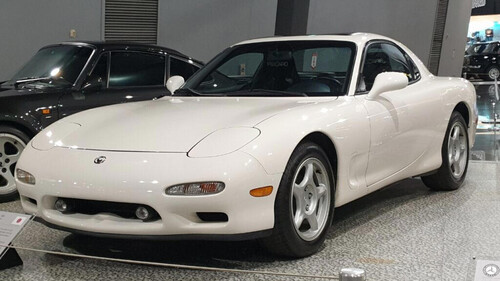
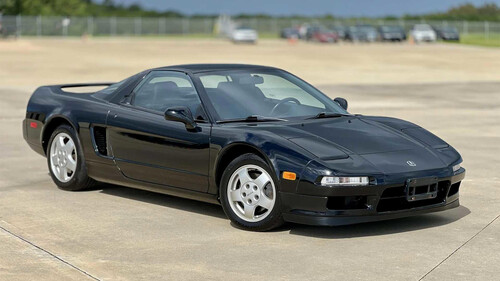
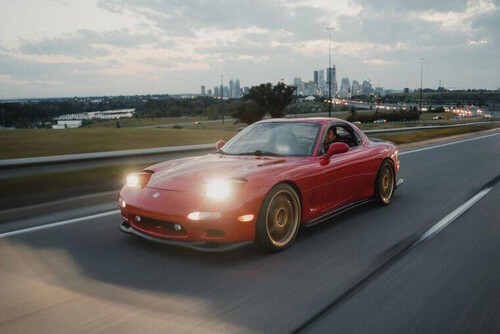
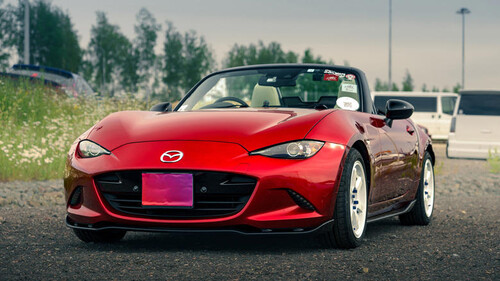
The Hidden Reason So Many 1990s Sports Cars Are Worth Almost Nothing Today Key Takeaways The 1990s sports car boom produced so many affordable performance models that oversupply became a permanent drag on collector values. Heavy modification by a generation of street racing enthusiasts left most surviving examples too altered to attract serious collector money. Tightening emissions regulations — especially in California — made certain twin-turbo models nearly impossible to register without expensive restoration work. The handful of models that escaped the depreciation trap share three specific traits that most 1990s sports cars simply never had. Pull up any auction listing for a 1990s Mitsubishi Eclipse or Dodge Stealth and you'll find prices that seem almost impossible — cars that once turned heads at every stoplight now selling for a few thousand dollars, sometimes less. It's tempting to chalk it up to age, but plenty of 1960s muscle cars are worth ten times what they cost new. Something else happened to the sports cars of the 1990s. A perfect storm of oversupply, cultural modification trends, emissions laws, and vanishing parts has quietly erased the value from an entire generation of performance machines — with only a small handful of survivors beating the trend. When Sports Cars Were Everywhere and Cheap The decade that put a sports car in every other driveway The 1990s were genuinely different from any era that came before. Manufacturers flooded dealerships with affordable performance machines — the Mitsubishi Eclipse, Toyota Supra, Mazda RX-7, Dodge Stealth, and Nissan 300ZX all competed for the same buyer at roughly the same price point. A booming economy and easy financing meant that a 22-year-old with a steady job could drive home something that looked like a proper sports car on a Friday afternoon. That accessibility was thrilling at the time. But it planted a seed that would eventually kill collector values. When a car is genuinely common — when every suburb had three of them parked on the street — it never builds the mystique that drives serious collector interest decades later. Rarity is the engine of appreciation, and the 1990s sports car segment deliberately built cars for the masses. Analysts tracking the collector market note that the sheer volume of units produced during this era means that even today, with decades of attrition, supply still comfortably outpaces demand for most models. The cars were too good at surviving, and there were too many of them to begin with. The Fast and Furious Effect Nobody Talks About Street racing culture turned collector gold into modified scrap When The Fast and the Furious hit theaters in 2001, it didn't just sell movie tickets — it handed an entire generation a blueprint for what to do with their 1990s sports cars. Aftermarket turbos, body kits, engine swaps, cut springs, and neon underglow became the language of the era. The Eclipse, the Supra, the Civic — all of them became canvases. The problem, from a collector's standpoint, is that modifications almost always destroy value rather than add it. A numbers-matching, factory-stock Eclipse GSX is a legitimately interesting collector car. An Eclipse with a swapped engine, chopped suspension, and three previous owners who each added their own "improvements" is a complicated restoration project. And the brutal reality is that the vast majority of surviving examples fall into that second category. Finding a clean, unmodified 1990s Japanese sports car today requires serious searching. Restorers who track these cars report that stock examples — particularly with original drivetrains intact — can command two to three times the price of a comparable modified car. The movie franchise that made these cars famous also ensured that most of them would never be truly collectible. Japanese Reliability Became a Double-Edged Sword Built to last forever — which turned out to be part of the problem There's a common assumption that build quality always protects a car's long-term value. With 1990s Japanese sports cars, that assumption runs into a wall. The Supra, the RX-7, the 300ZX — these were engineered to a standard that American and European rivals of the same era couldn't match. They didn't rust out, they didn't shake apart, and with basic maintenance they ran for decades. But durability cuts both ways in the collector market. For a car to become rare, it has to disappear. The attrition that thins supply — rust, mechanical failure, accidents — happened much more slowly with Japanese iron. The market was never forced to confront scarcity the way it was with, say, a fragile Italian exotic from the same period. As Simran Rastogi, News Editor at Autoblog, observed about the broader collector trend: "Yesterday's used performance car is today's modern classic, and tomorrow's collectible." The timing of that transition matters enormously — and for most 1990s Japanese sports cars, supply stayed stubbornly high for long enough to set a low-value ceiling that's proven hard to break through. “Yesterday's used performance car is today's modern classic, and tomorrow's collectible.” Emissions Laws Quietly Killed the Collector Dream California's smog rules turned dream cars into garage ornaments Here's a scenario that plays out more often than most people realize: someone buys a 1990s twin-turbo sports car at what looks like a bargain price, drives it home, and then discovers it won't pass the state smog check. The cost to bring a modified or high-output 1990s engine into compliance with current CARB regulations can run well into the thousands — sometimes exceeding the car's market value entirely. The Mitsubishi 3000GT VR-4 is a textbook example. It was a genuine engineering showcase when it launched — all-wheel drive, twin turbos, four-wheel steering — and it still draws admiring looks today. But a large percentage of surviving examples have been modified in ways that make them effectively unregisterable in California and several other states that follow CARB standards. Owners are stuck: they can't sell easily, can't register legally, and can't afford the restoration needed to fix it. This emissions trap hits the most powerful, most desirable variants hardest. The cars that were exciting enough to modify are now the ones most likely to be sitting in a garage, off the road, slowly losing value. Collectors who focus on emissions-compliant, stock examples consistently report fewer headaches and stronger resale outcomes. Parts Availability Separates Winners From Losers One discontinued part can turn a running car into a parts car Walk into any major auto parts store and ask for a water pump for a 1998 Honda Accord. You'll have it in your hands in ten minutes. Ask for the same part for a 1996 Eagle Talon TSi AWD and you'll get a blank stare — because Eagle ceased to exist as a brand in 1998, and the parts pipeline dried up not long after. This is the quiet killer of 1990s sports car values. Low-volume models from manufacturers that no longer exist — or models that were discontinued early — face a parts desert. A single failed component can mean the car never runs again, which pushes buyers toward models with stronger aftermarket support and away from orphaned nameplates. The Eagle Talon, the Dodge Stealth, and even certain variants of the Mitsubishi 3000GT have all suffered this fate to varying degrees. Contrast that with the Mazda Miata, which has enjoyed continuous production since 1989 and shares components across generations. Parts are cheap, plentiful, and well-documented. That support structure is a major reason the NA-generation Miata has held — and grown — its value while technically similar cars from the same era have collapsed. Models with strong aftermarket ecosystems consistently outperform orphaned platforms in long-term collector value. The Few That Escaped and Why They're Different Three traits separate the survivors from the forgotten Not every 1990s sports car ended up worth less than a used pickup truck. The Acura NSX, the manual-transmission Toyota Supra Turbo, and the first-generation Mazda Miata have all broken decisively from the depreciation trend — and their stories share a common thread. Each of these cars had relatively low production numbers compared to the Eclipse or 300ZX. Each developed a passionate single-marque community early — clubs, registries, and preservation networks that actively kept stock examples alive and documented. And critically, each has an unmodified survival rate high enough that a buyer looking for a clean, original car can actually find one without spending years searching. Brian Rabold, Vice President of Automotive Intelligence at Hagerty, captured the broader momentum behind this shift: "Values, for the last three years, for cars and vehicles from the 1990s have increased the most out of any decade." But that rising tide hasn't lifted every boat equally. The NSX regularly clears $60,000 at auction. The Supra Turbo in manual configuration has crossed six figures for pristine examples. The cars that escaped share discipline — they were never cheap enough to attract the modifiers, and their communities treated preservation as a priority from the start. “Values, for the last three years, for cars and vehicles from the 1990s have increased the most out of any decade.” What Smart Buyers Are Watching Right Now Two undervalued models are starting to get serious attention There's a generational clock ticking on certain 1990s sports cars. The buyers who grew up lusting after these machines in high school are now in their 50s and 60s, with real money and a powerful pull toward the cars they couldn't afford at 18. That nostalgia wave is already lifting the Supra and the NSX — and collectors who pay attention are watching the next tier carefully. The Nissan 300ZX Twin Turbo is one of the most-cited candidates. It was genuinely quick when new — faster in period testing than the Corvette of the same year — and it was produced in small enough numbers that clean examples are already getting harder to find. Auction results for unmodified 300ZX Twin Turbos have been climbing steadily since 2021. The Honda Prelude Type SH, with its mechanical limited-slip differential and tidy survival rate, is another name appearing more frequently in collector conversations. The practical filter is simple: stock drivetrain, clean title, emissions-legal, and an active marque club. Cars that check those boxes in the current market are the ones most likely to look like bargains in five years. The ones that don't — regardless of how cool they look — are still traps. Practical Strategies Prioritize Stock Over ModifiedA numbers-matching, factory-original example of almost any 1990s sports car is worth more than a modified one — often by a wide margin. Before viewing any car, ask for documentation on the drivetrain, check the VIN against production records where available, and walk away from anything with an engine swap unless the price reflects the risk.: Check Emissions Compliance FirstIf you live in California or any state that follows CARB standards, confirm the car can pass a smog check before you fall in love with it. A pre-purchase inspection from a shop familiar with the specific model is worth every penny — discovering an emissions problem after the sale is a financial hit most buyers don't recover from.: Research the Parts EcosystemSpend an hour on forums specific to the model you're considering and search for threads about parts availability. If owners are discussing fabricating their own components or waiting months for overseas shipments, that's a warning. Models with active aftermarket support — like the Miata or the Supra — are far safer long-term bets than orphaned platforms.: Find the Marque Club FirstEvery 1990s sports car with genuine collector potential has a dedicated club or registry. Join before you buy. Members can point you to known good examples, flag cars with hidden histories, and connect you with specialists who understand the model's specific failure points. As Hagerty's data consistently shows, cars with active preservation communities hold value better than those without.: Track Auction Results, Not Asking PricesPrivate sellers list cars at what they hope to get — auction results show what buyers actually paid. Collector insurance databases and auction archives give a clearer picture of where a model's value is actually trending. A car with rising auction results and flat asking prices is a market inefficiency worth understanding.: The 1990s sports car market is a study in how quickly the dream and the reality can diverge. Most of these cars were victims of their own success — too common, too tempting to modify, and too durable to disappear on their own. But the few that survived with their original drivetrains and clean paperwork are now among the most interesting collector opportunities in the market. If you grew up watching one of these cars pull away from a stoplight and always wondered what it would be like to own one, the window is still open — just know which ones are worth the search and which ones will cost you more than they're worth.