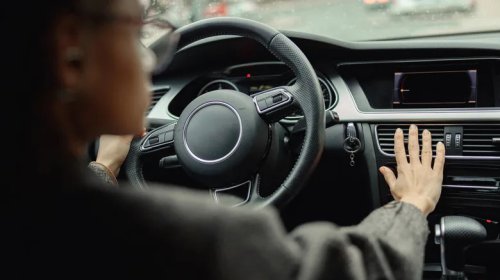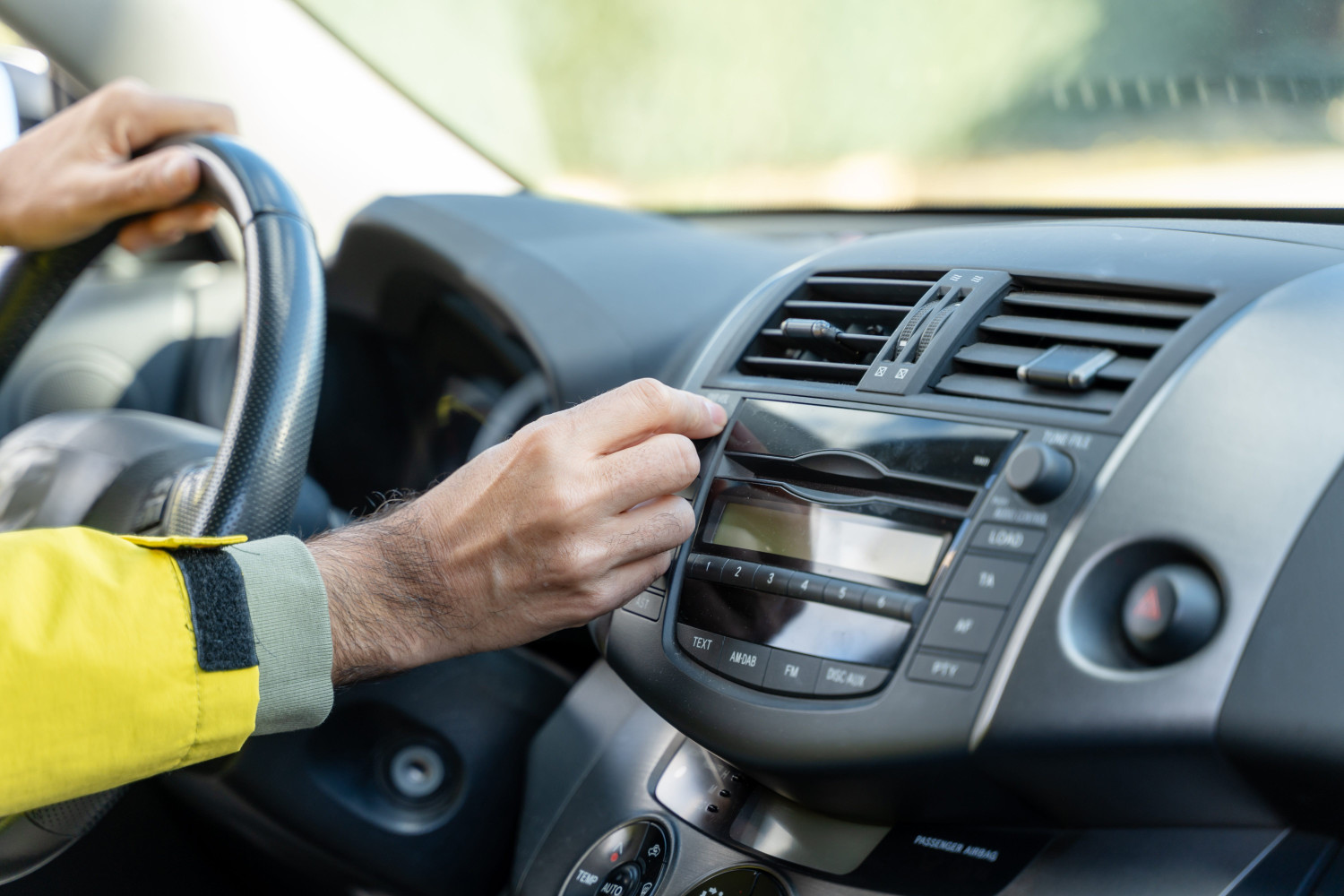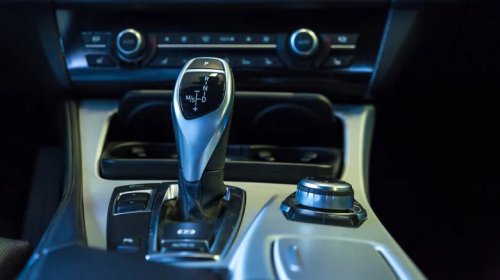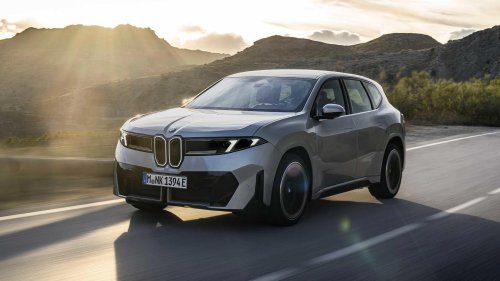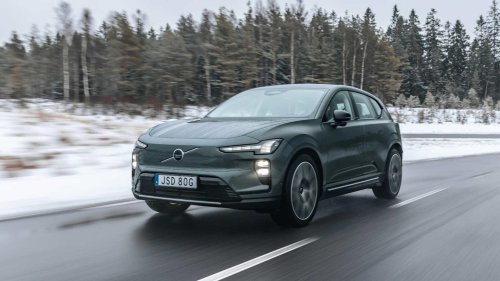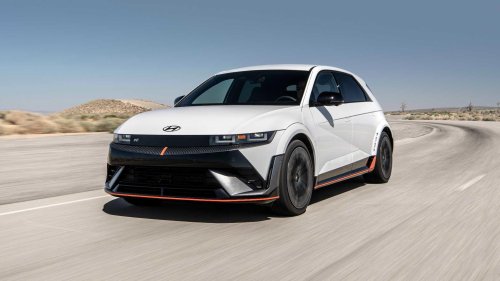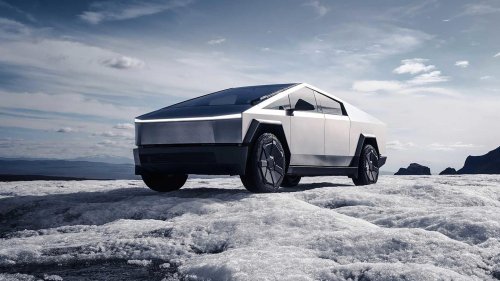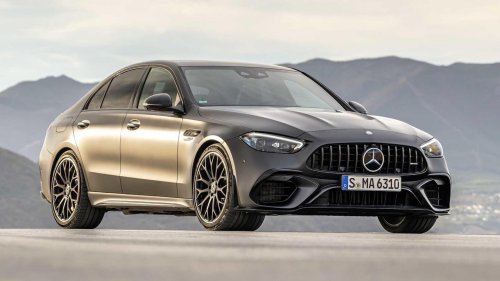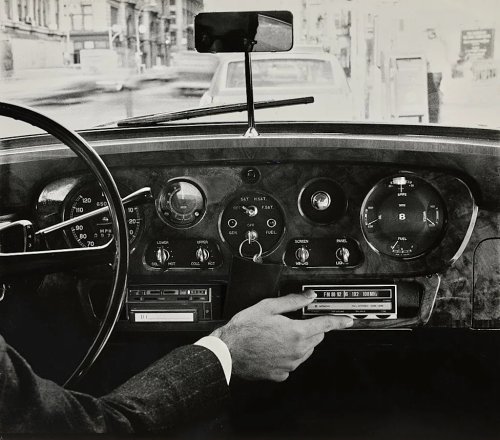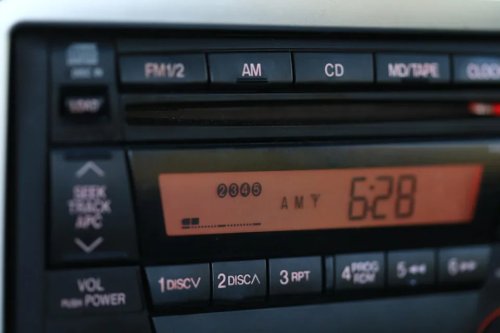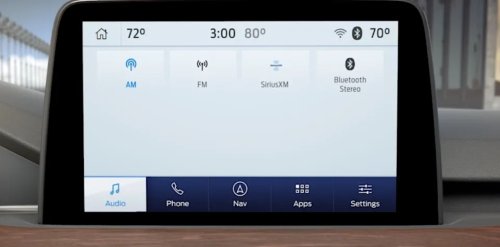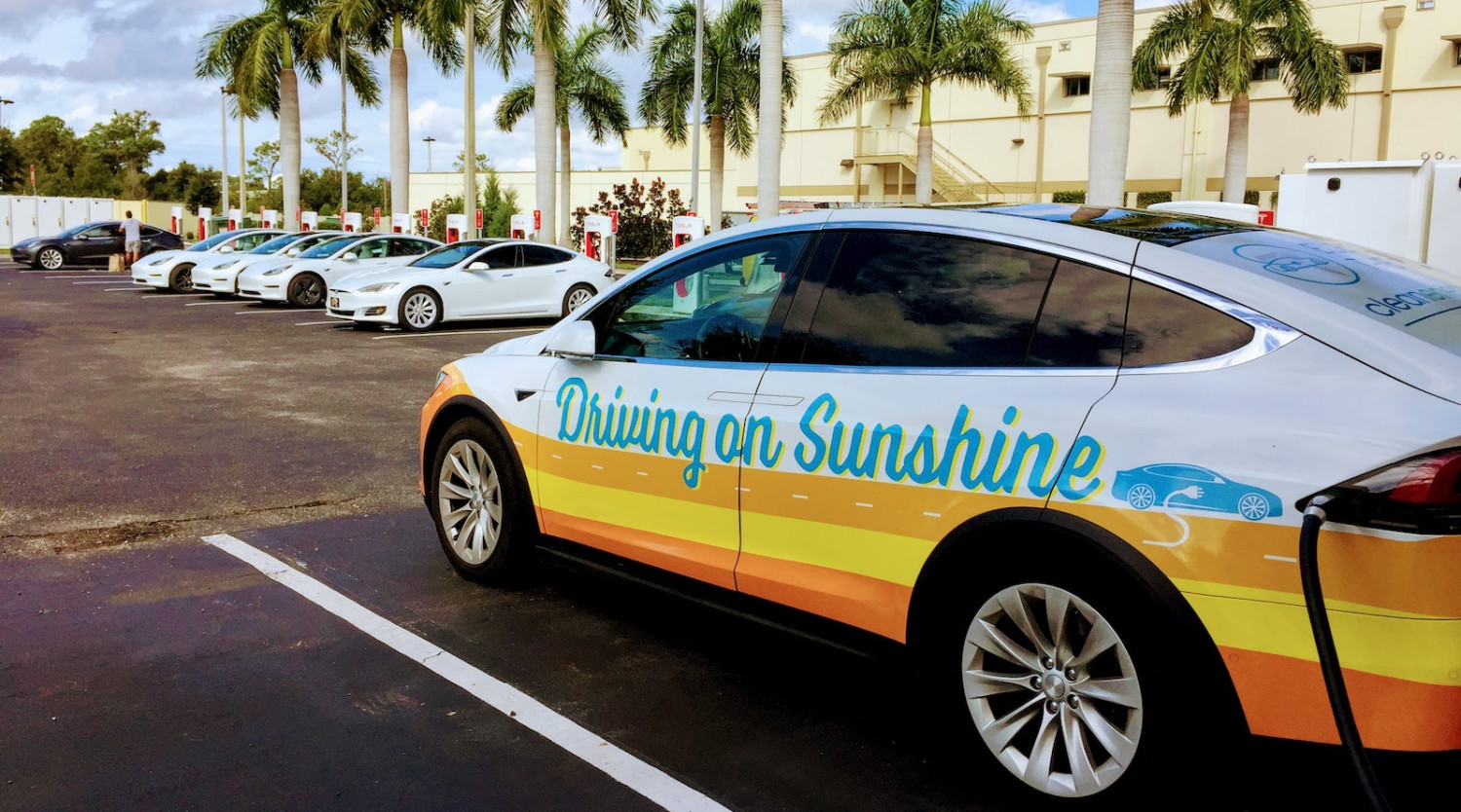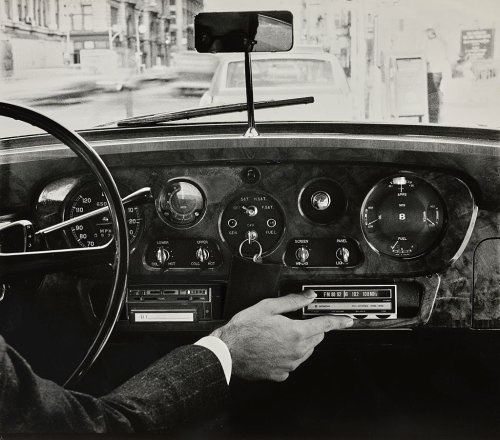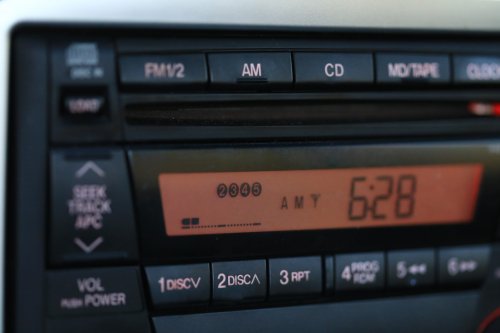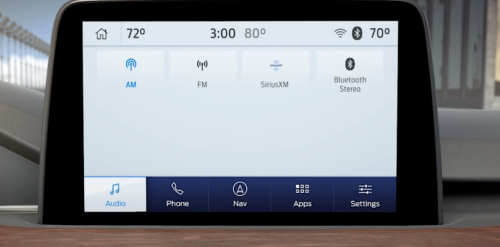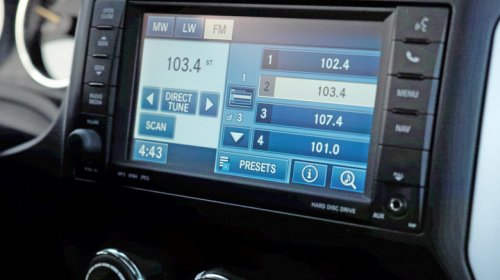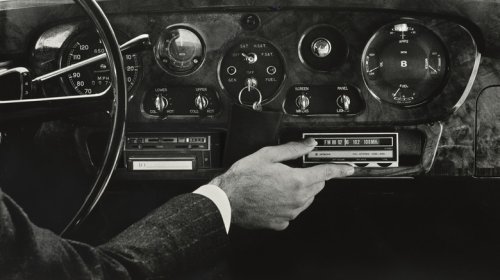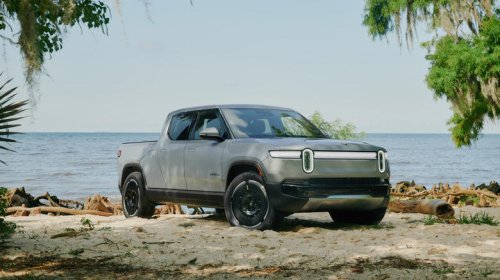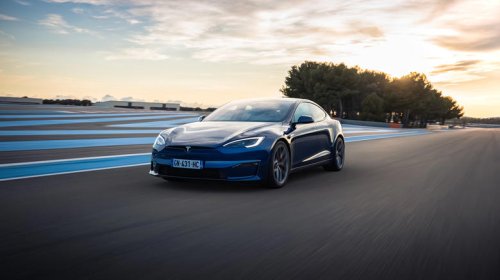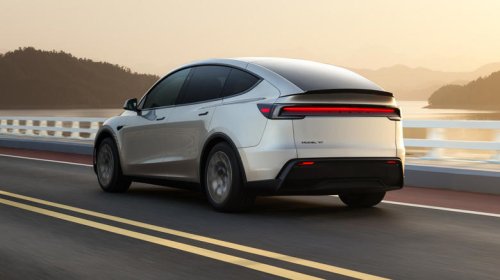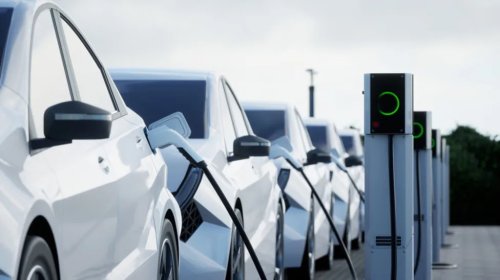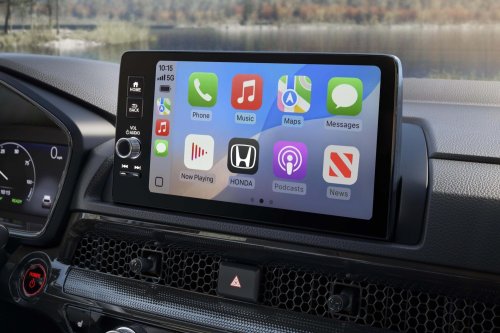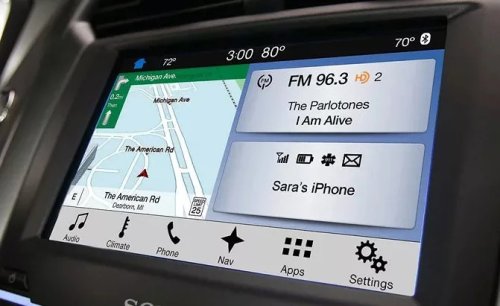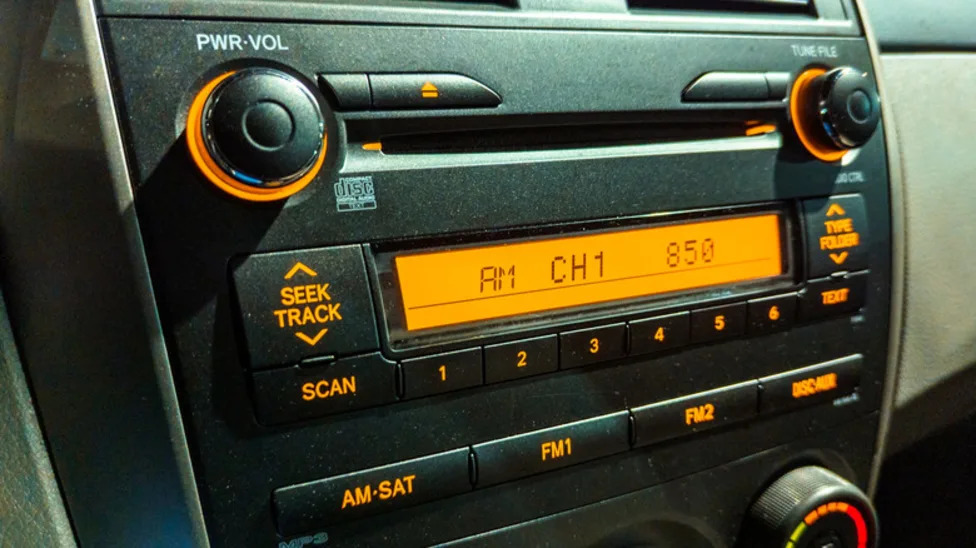
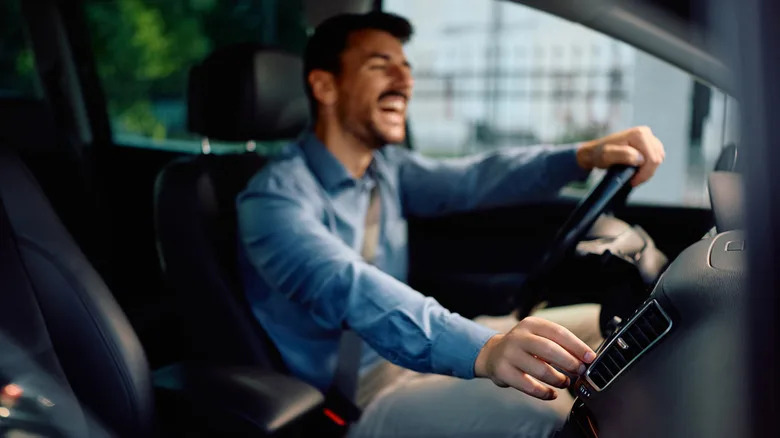


















An AM radio as part of a vehicle dashboard. - PJ McDonnell/ShutterstockNot all automotive features are everlasting. Pop-up headlights, ashtrays, and automatic seat belts have all but faded into obscurity, but one could argue that these are more "gimmicky" features to begin with. Car radios have been around since the early days of asphalt roads, and the ability to receive AM and FM transmissions as you're cruising down the highway is about as fundamental to driving as four tires and a set of brakes. But as electric vehicles (EVs) continue to proliferate, we're starting to see fewer and fewer EV models with AM radio capabilities. The main reason: Electromagnetic interference. It all boils down to clashing signals and is an unavoidable phenomenon for EV vehicles. The motors in EVs produce frequencies that operate on the same wavelength as AM radio, and this war of frequencies results in a surplus of static that AM radio simply can't contend with. This is why some of the most reliable EVs from manufacturers like BMW and Tesla have seen AM radio removed. Interestingly, Ford initially dropped AM radio capability from its lineup, but added it back for 2024 models.Read more: 12 Of The Least Reliable EVs For 2026 According To Consumer ReportsDropping AM radio has become a contentious issueA man adjusting a car radio while driving. - Drazen Zigic/Getty ImagesArguably, AM and FM radio aren't what they used to be. Advancements in internet, cellular, and satellite technology have given rise to a wide range of listening options from all the major music streaming services. But beyond news and talk radio, AM frequencies have long been the home of emergency broadcasts. Be it severe weather or AMBER alerts, AM radio is a key car feature and some may find it hard to part ways. AdvertisementAdvertisementTo that end, governmental interference has already entered the playing field. The AM Radio for Every Vehicle Act of 2025 is legislation that would require automakers to continue implementing AM radio on new vehicles, while also disclosing any earlier models that did away with AM reception. It's worth noting that there are a number of alternative methods for learning about emergencies while on the road. Even with its one big problem, the Waze navigation app has changed how drivers report and respond to incidents, while smartphones and in-car infotainment systems are getting better at reporting emergency tips, too. One thing seems certain though: EV manufacturers won't be doing much to assist AM radio, as it would cost vehicle makers billions of dollars to add the kind of insulated wiring and systems needed to shield AM signals from EV interference.Enjoyed this article? Sign up to BGR's free newsletter and add us as a preferred search source for the latest in tech and entertainment, plus tips and advice you'll actually use.Read the original article on BGR.