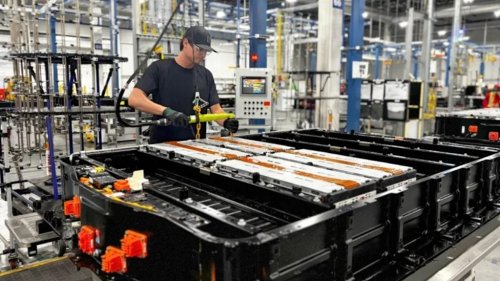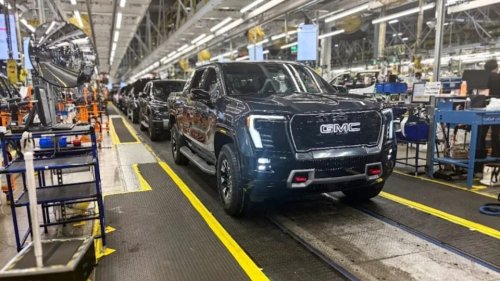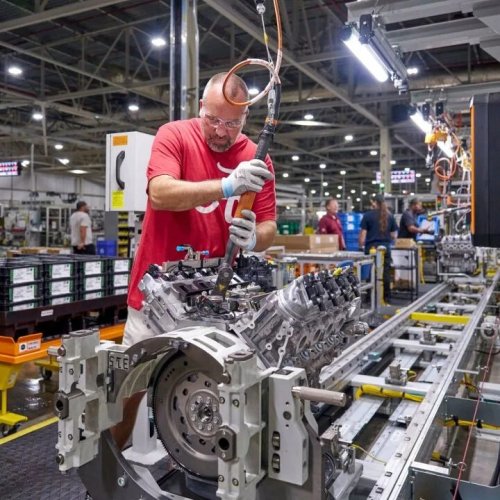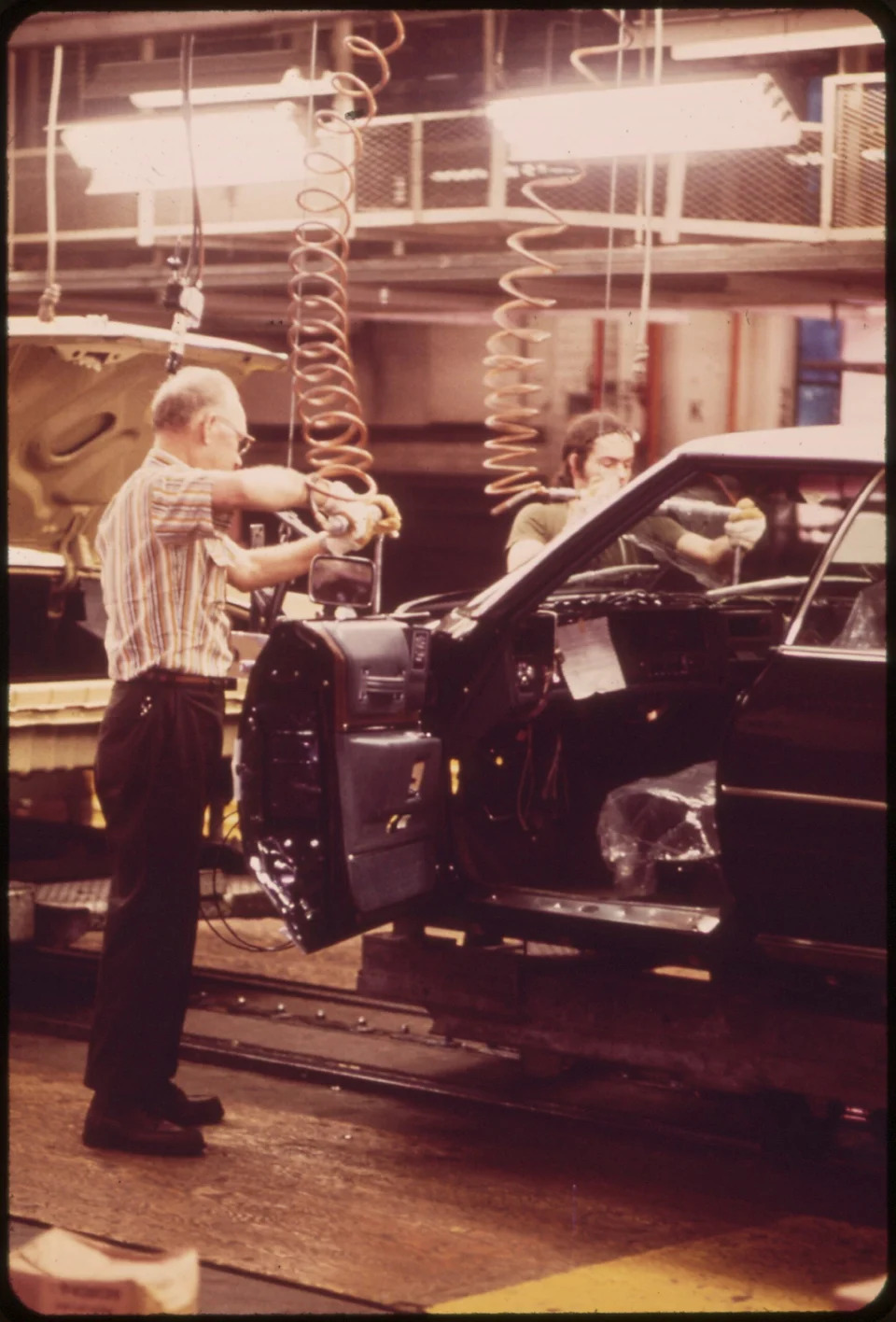
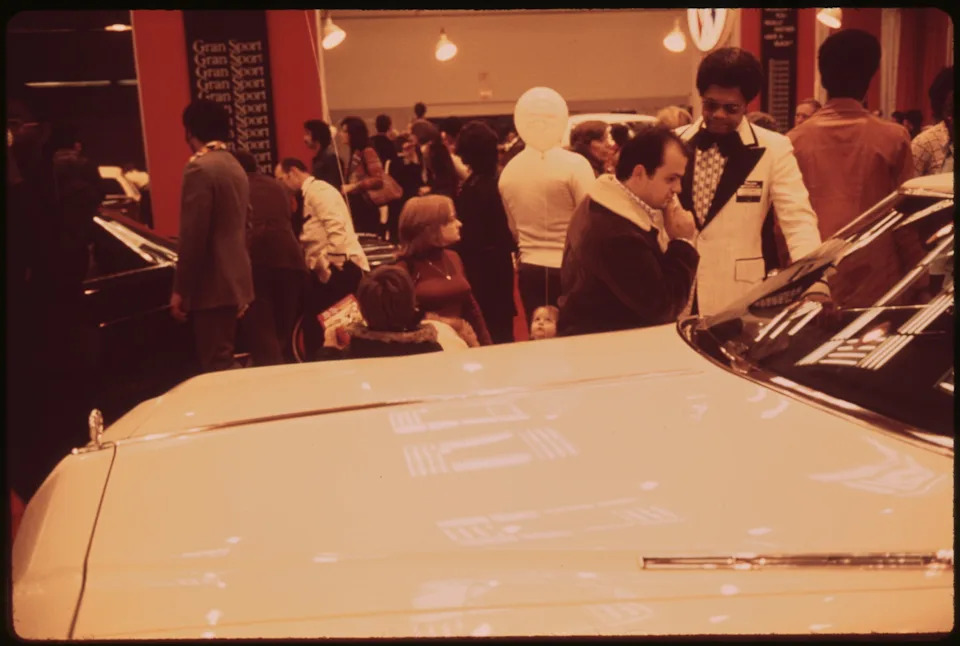




















Today in Automotive History: The 1970 GM Strike Began September 15 — and So Did the Next TwoThe Auto WireEve NowellTue, September 15, 2026 at 1:45 PM UTCAdd us on GoogleAt the stroke of midnight on September 15, 1970, the largest manufacturer on earth stopped building cars. The 1970 GM strike pulled hundreds of thousands of United Auto Workers members off the line at once. Before it ended, General Motors booked the worst quarterly loss in its 62-year history. It also won autoworkers two provisions that are still baked into the price of every new vehicle built here.Then the date got strange. Forty-nine years later, GM workers walked out on September 15 again. Four years after that, they did it a third time.What actually happened on September 15, 1970The union that shut GM down that morning was four months into a leadership crisis. Walter Reuther had run the UAW since 1946. He died in a plane crash on May 9, 1970. Leonard Woodcock took over on May 22, narrowly beating Douglas Fraser in an executive board vote. He inherited a bargaining agenda set before Reuther died. Wayne State University's Walter P. Reuther Library calls what followed the union's first strike against GM since 1946.AdvertisementAdvertisementThe federal Bureau of Labor Statistics logged the stoppage as beginning September 15, 1970. It idled roughly 355,000 workers. The academic history of the walkout puts the number above 400,000 across 145 plants in the United States and Canada.It was not mainly a fight about wages. By September 23, the UAW had collected 38,358 separate demands from its locals. Roughly 14,950 of them concerned working conditions. Those covered line speed, production standards, health and safety, shift schedules, and grievance handling. Only about 5,000 touched the national agreement at all. The rest came from people who felt the line had been sped up past what a body could take.Installing body wiring on the Cadillac line in Detroit, June 1973. Photo by Joe Clark for the EPA DOCUMERICA project, U.S. National Archives (public domain).The walkout drained both sidesStrikers drew $30 to $40 a week. The UAW paid out more than $160 million in strike assistance. Woodcock and his senior staff took themselves off the payroll on day one. The executive board then cut all staff pay in half. The Steelworkers sent roughly $10 million, and the Rubber Workers raised about $3 million. GM lost more than $1 billion in profit. Flint alone bled an estimated $8 million a week.The detail most anniversary write-ups get wrongThe 1970 GM strike is almost always filed as a 67-day strike. That is how long it took to reach a national agreement. The federal government scored it differently. In its annual work stoppages summary, the BLS counted the dispute as running 134 calendar days. By that measure it did not settle until January 26, 1971. The national contract closed only part of the fight. Thousands of local disputes over production standards and plant conditions stayed open long after Detroit shook hands.AdvertisementAdvertisementThat single dispute accounted for 17.8 million idle work days in 1970. That was 26.9 percent of all strike idleness in the country that year. And 1970 was no ordinary year. It produced 5,716 work stoppages, the highest annual figure recorded to that point, involving 3.3 million workers.Why the 1970 GM strike matteredTwo things came out of the settlement that outlived everyone who negotiated them.The first was "30 and out." Workers could retire on a pension after 30 years of service, regardless of age. Someone who hired in at 20 could walk away at 50. The second was the cost-of-living allowance, restored with no cap on it. Wages now moved automatically with consumer prices. Nobody had to wait for the next contract cycle.Then both spread. Under pattern bargaining, what the UAW won at GM became the template at Ford and Chrysler. One strike, at one company, permanently reset the labor cost structure of the American auto industry.How the 1970 GM strike shows up on a 2026 window stickerStart with 30 and out, which worked exactly as designed until demographics turned on it. By the 2000s, Detroit automakers carried enormous pension and retiree health obligations against a shrinking active workforce. That imbalance produced the 2007 contracts. Those deals moved retiree health care into a union-run trust. They also created a second, lower wage tier for new hires. The same math was central to the 2009 bankruptcies that reshaped GM and Chrysler.AdvertisementAdvertisementThe cost-of-living allowance has a similar arc. Autoworkers surrendered it during the 2009 restructuring and went 14 years without it. The UAW won it back in the 2023 contracts. Those agreements also eliminated wage tiers. They cut the climb to top pay from eight years to three. The union says raises range from 33 percent to more than 160 percent. Tens of thousands of members saw immediate increases above 40 percent.Every one of those is a per-vehicle cost input. They also landed at a moment when buyers have no cushion left. The average new-vehicle transaction price pushed back above $50,000 this month. Budget shoppers and people stretching into longer loans are absorbing most of it.The auto show at the New York Coliseum, November 1973. Photo by Dan McCoy for the EPA DOCUMERICA project, U.S. National Archives (public domain).A strike is a pricing eventGM told investors the 2019 walkout cut its full-year EBIT-adjusted by $3.6 billion. When a plant goes dark, inventory thins on the models that were already tight. Incentives evaporate. Transaction prices climb on the lots that still have units. Buyers shopping during the 2023 strike watched it happen in real time. The damage also spread past the struck plants into layoffs at suppliers and non-striking factories.Labor cost is also a big reason new assembly and battery work keeps landing where it does. Plant decisions now get made against wage scales, not just logistics. That is how a factory can take public money to build electric vehicles, then cut jobs to build a gas Cadillac instead. It is also why Ford is rebuilding the assembly line it invented around fewer labor hours per vehicle.September 15 keeps coming backThe 1970 GM strike was not the last time this date mattered. On September 15, 2019, roughly 48,000 UAW members struck GM at 11:59 p.m. That stoppage ran 40 days and was ratified on October 25. It is the one that produced the $3.6 billion hole in GM's books.AdvertisementAdvertisementOn September 15, 2023, the UAW launched its Stand Up Strike. Members walked out at GM's Wentzville Assembly, Stellantis' Toledo Assembly Complex, and Ford's Michigan Assembly Plant. It was the first time the union struck all three Detroit automakers at once. The stakes were high enough that analysts spent the fall arguing about whether it could tip the country into recession. The public, meanwhile, argued over what the people running these companies are worth.The takeawayMost automotive anniversaries are about a car. This one is about the cost structure underneath every car. The strike proved autoworkers could stop the world's largest company for two months. It converted that leverage into retirement security and automatic inflation protection. The industry has spent the 56 years since paying for those wins, clawing them back, or negotiating them again. The results land on a sticker price long before they land in a history book.So here is the question worth kicking around. When autoworkers win a raise, are you willing to carry it in the price of your next vehicle? Or has new-car math already stretched past what any contract can justify? Sound off in the comments.Join our Newsletter, follow our Instagram page, and connect with us on Facebook.