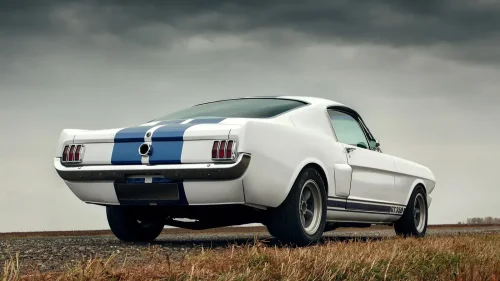
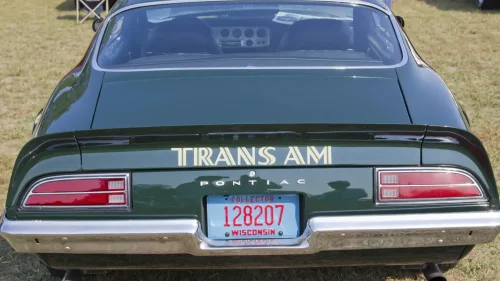
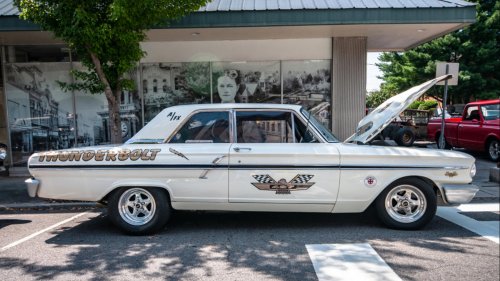
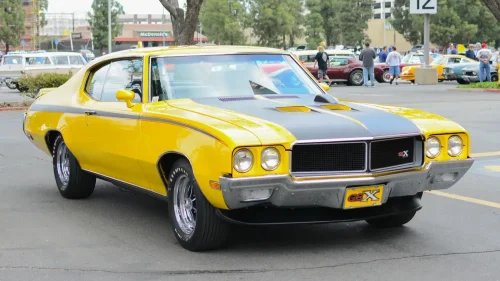
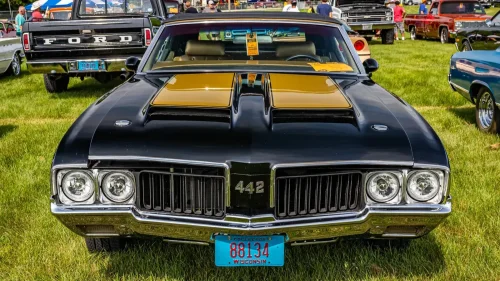
Muscle cars now cost a small fortuneBack in the ‘60s and ‘70s, muscle cars were cheap thrills. Big V8 engines, raw exhaust, and flashy stripes drew crowds without draining wallets. Fast forward, and these same beasts are auction stars. Original, well-kept muscle cars now sell for hundreds of thousands, even millions. Fans love them for their brutal speed and their looks that scream pure Americana. Owning one is like holding a piece of history that rumbles underfoot. They're more than just cars, they're rolling investments, soaked in nostalgia, and they keep climbing in value.Low production numbers drive prices upWhen automakers only built a handful of a certain muscle car, it set the stage for big money later. Cars like these didn’t flood the streets. Instead, they stayed scarce, which makes collectors hungry today. Fewer than a hundred of some models exist. That kind of rarity sends prices skyrocketing. Having the original engine and matching parts matters even more. Serious buyers pay a premium for numbers-matching vehicles. It's like buying rare art, only way louder and faster.The Hemi ’Cuda is pure gold on wheelsThe 1971 Plymouth Hemi ’Cuda Convertible might be the crown jewel of classic muscle. Only 12 were ever built. Each one had a monstrous 426 Hemi V8 under the hood, making it a legend for speed and power. Today, you’d need over $3 million to get your hands on one. Its aggressive lines and snarling exhaust mean it’s not just rare, it’s intimidating. For collectors, owning this car is like owning the ultimate trophy. It’s more than bragging rights. It’s a piece of raw, thundering automotive history that’s almost impossible to match and only gets more valuable.Camaro ZL1 turns cheap muscle into millionsIn 1969, Chevrolet built just 69 Camaro ZL1s. Back then, few buyers were interested. The ZL1’s aluminum 427 engine was built for drag racing and pushed the car’s price sky high. Dealers struggled to sell them, and many just sat on lots. Now? It’s a million-dollar masterpiece. The ZL1 is everything muscle fans want: big block power, scarce production, and a story that goes from showroom reject to auction hero. When tuned right, it made over 500 horsepower, shocking for its time.Superbird’s crazy wing made it a legendThe 1970 Plymouth Superbird was hard to miss. Its towering rear wing and pointy nose cone weren’t just for looks, they were designed to crush NASCAR records. Underneath, the 426 Hemi gave it brutal speed that left competition eating dust. These cars were built just long enough to qualify for racing, then disappeared. Today, collectors pay well over $1 million for clean examples. What once made people laugh now makes jaws drop. Seeing one cruise by is like watching a race car escape the track.Boss 429 Mustang was built to conquerFord wanted to win NASCAR, so they stuffed a monstrous 429 cubic-inch engine into a Mustang shell. Thus, the Boss 429 was born in 1969. Only 859 were made. It had a specially modified engine bay to fit that huge motor and keep it cool. Back then, it was raw and hard to handle. Today, it’s a half-million-dollar slice of racing history. The Boss 429 isn’t just another Mustang; it’s the wildest of them all. It carries a legend under the hood that still thrills car lovers everywhere.Corvette L88 dropped luxuries for speedChevy’s 1967 Corvette L88 wasn’t built for comfort. Forget radios or heaters; it was made to win on the track. Only 20 were produced, each with a 427 big block that packed way more than the claimed 430 horsepower. Drivers knew it needed racing fuel and a careful foot. Today, that focus on pure speed pays off big. These rare Corvettes now bring over $3 million at auction. They’re not just fast, they’re symbols of a time when automakers built monsters with one goal: crossing the finish line first and leaving everything else behind.GTO Judge proved style could be savagePontiac’s 1971 GTO Judge convertible was the final, wildest version of its kind. Only 17 rolled off the line, making it ultra rare. It packed a Ram Air IV 455 engine that roared louder than nearly anything else on the street and demanded attention. Painted in bright, head-turning colors, the Judge didn’t hide. Today, it sells for over half a million, a price driven by both its scarcity and its bold personality. This was a car that didn’t just run fast; it strutted. For many collectors, the Judge stands as the ultimate symbol of attitude on wheels.First Trans Am was all about new thrillsIn 1969, Pontiac rolled out the first Firebird Trans Am, aiming straight at the racing crowd. Only 697 were built, most with Ram Air III engines, though a lucky few came with Ram Air IVs. With spoilers and stripes, it looked the part and backed it up. Today, a mint original can bring over $200,000. The car kicked off a nameplate that would last decades. But for many fans, nothing tops that very first Trans Am. It captured a moment when car makers turned daring designs into roaring, tire-smoking reality that still holds major value.Thunderbolt was Ford’s street assassinFord’s 1964 Fairlane Thunderbolt was born to drag race. Engineers stripped weight wherever they could, swapped in fiberglass parts, and dropped in a massive 427 “high riser” engine. Only 100 were made, each basically a street-legal race car ready to break records. Straight from the factory, it could run the quarter mile in the low 11s, outrageous for the time. Today, these rare machines sell for over $500,000. The Thunderbolt was never meant to be a comfy cruiser.Buick GSX was torque in a tuxedoIn 1970, Buick shocked the muscle world with the GSX Stage 1. It looked refined but packed a 455 cubic-inch V8 cranking out more torque than nearly anything else on the street. Painted in wild Saturn Yellow or Apollo White, it couldn’t hide even if it tried. Buick only made 678 of them, so survivors now top $200,000. The GSX proved you could have brutal muscle and a touch of class at the same time. Today, it’s a sought-after reminder that even “luxury” brands once knew how to build a tire-melting beast that turned heads everywhere.Hemi Dart was drag racing unleashedDodge didn’t mess around with the 1968 Hemi Dart. It stuffed a 426 Hemi into a tiny Dart body, swapped steel for fiberglass, and ditched extras like rear seats to make it light. Built purely for drag strips, it could run 10-second quarter miles right off the lot. Only a handful were made, making it ultra rare today. These lightweight rockets now sell for over $300,000. They’re pure muscle car mythology, representing the wild side of the late ‘60s when automakers built factory hot rods that could destroy almost anything next to them at the strip.Olds 442 W-30 was smooth but savageOldsmobile’s 1970 442 W-30 convertible might look classy, but it was hiding a torque-loaded 455 under the hood. This luxury bruiser pushed out 500 lb-ft, enough to shred tires with ease and put a grin on any driver’s face lucky enough to floor it. Only 96 convertibles were made, making it a unicorn today. A pristine one sells for well over $250,000. It balanced speed with style in a way few cars ever have. Drivers got power steering and slick interiors along with drag-strip dominance.Cougar Eliminator was Mercury’s rebelMercury wanted in on the pony car war, so they built the 1969 Cougar Eliminator. With loud graphics, spoilers, and the Boss 302 engine under its hood, it wasn’t shy about showing off. These cars were rare then, and even fewer survive today. A sharp, restored Eliminator goes for $150,000 or more. It’s the kind of car that gets nods from Mustang fans and stands out for being different. The Eliminator proved Mercury could play rough too, putting its own spin on speed and style.
























 +13 others