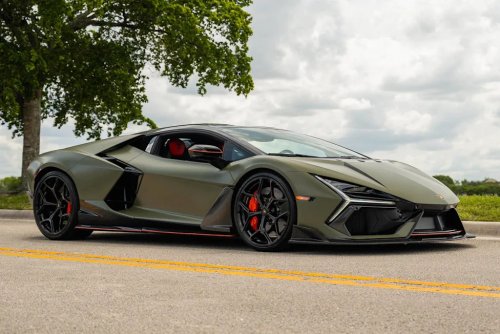
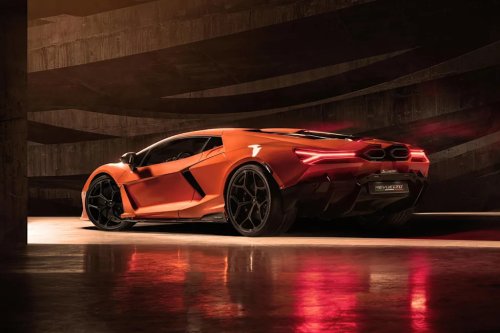
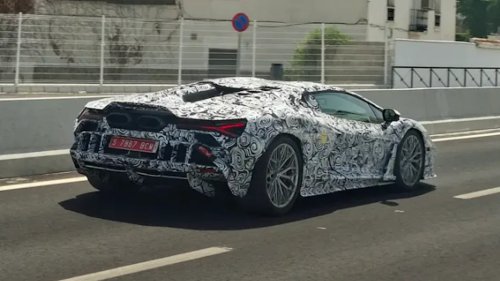
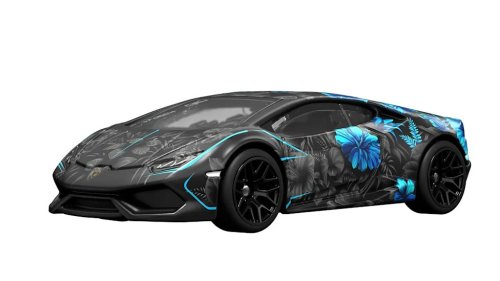
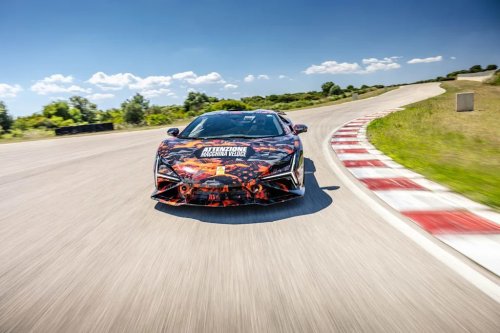
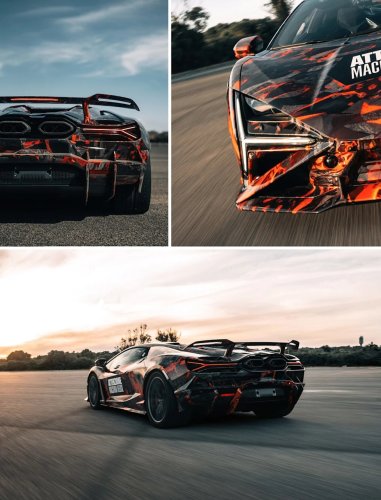
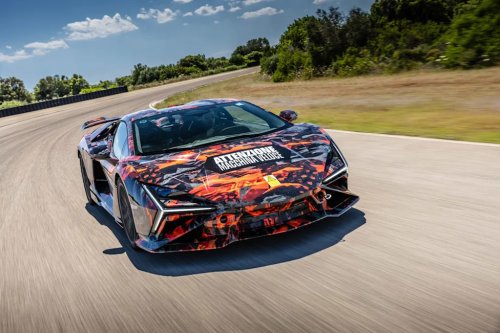
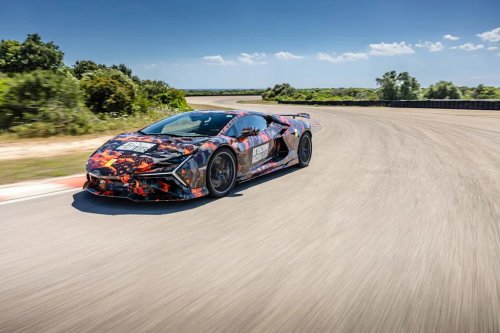
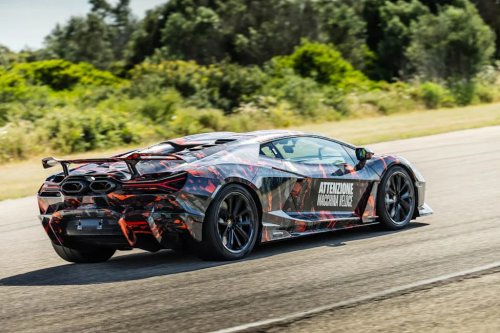
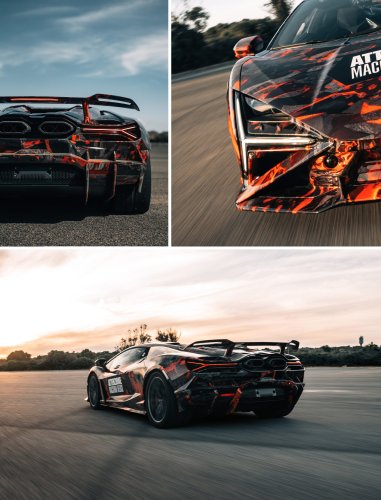
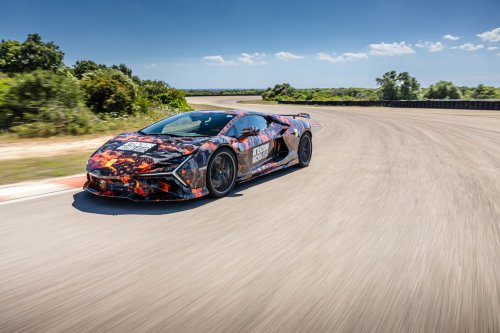
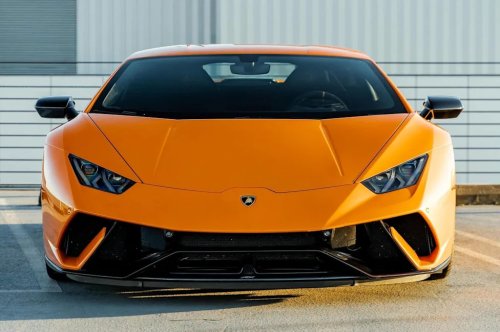
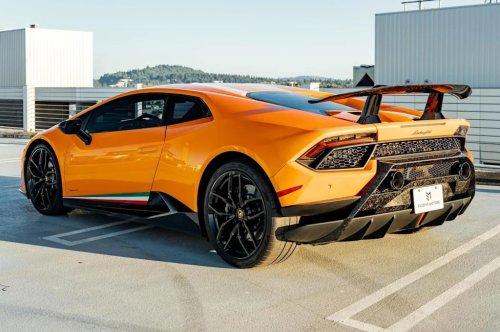
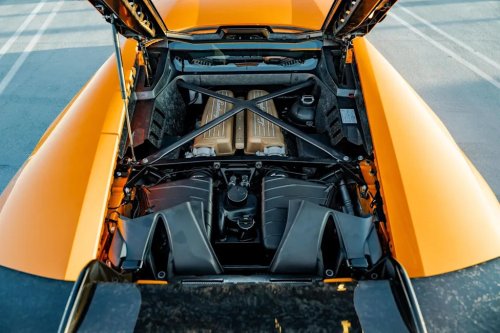
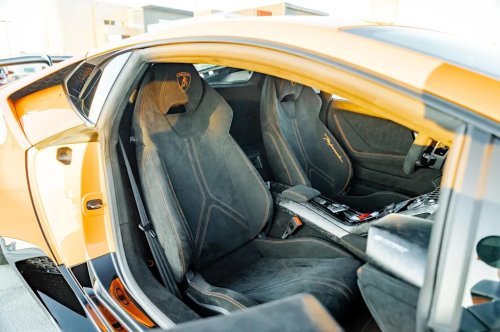
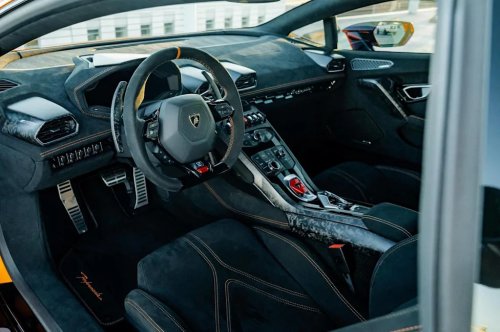
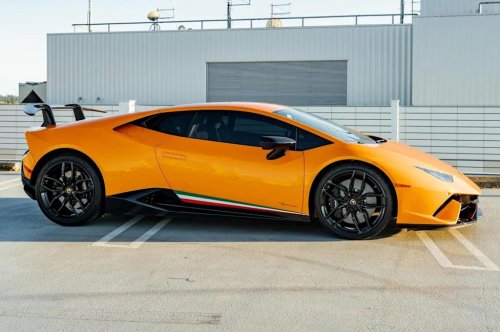
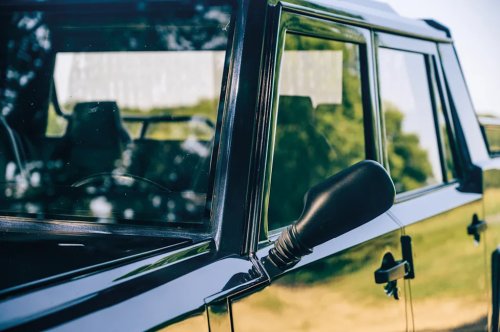
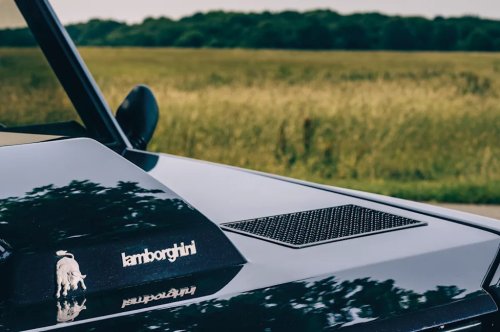
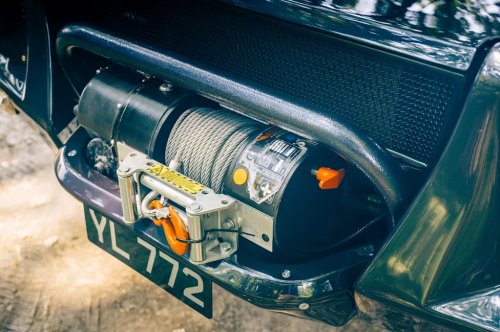
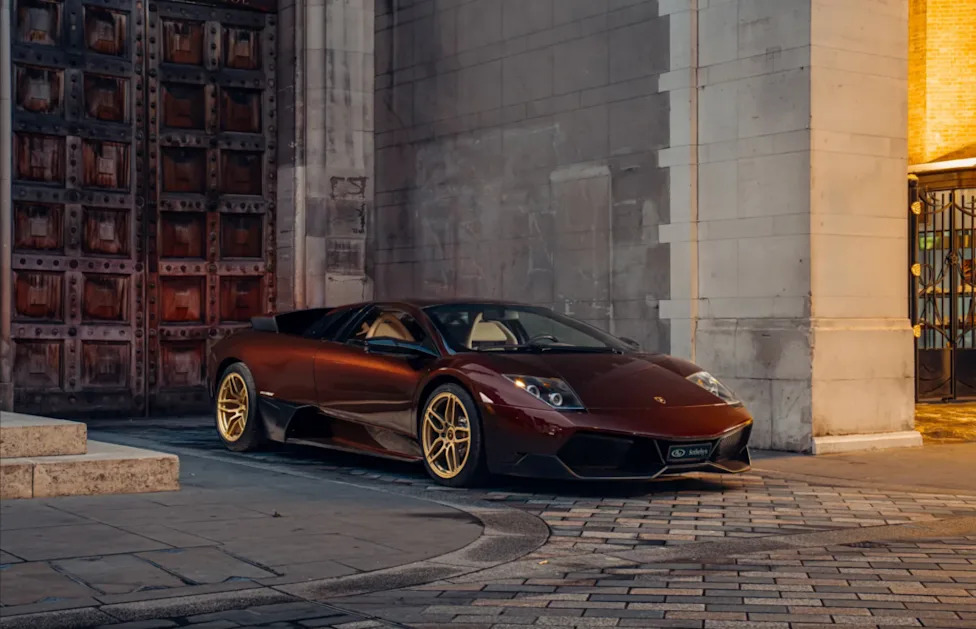
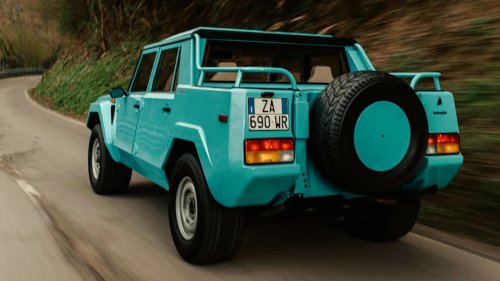
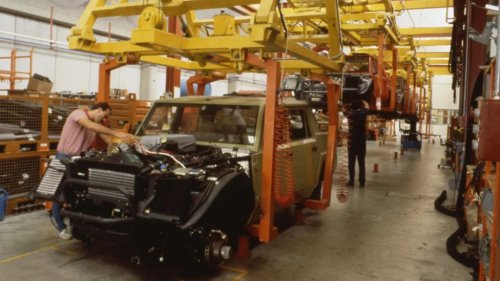
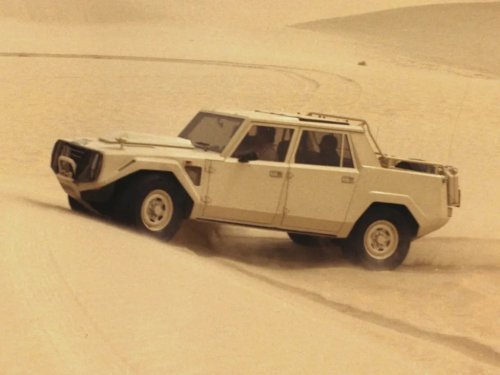
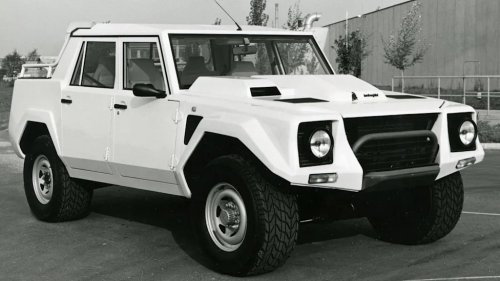
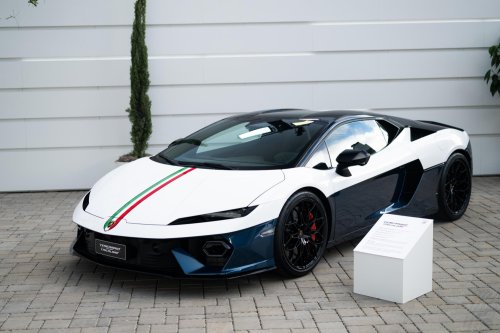
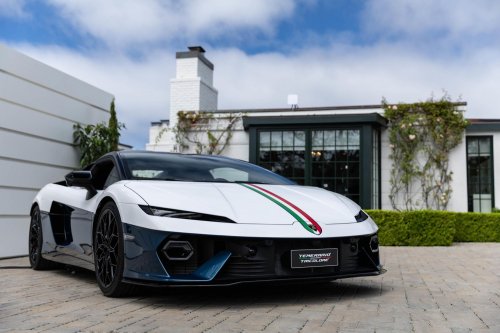
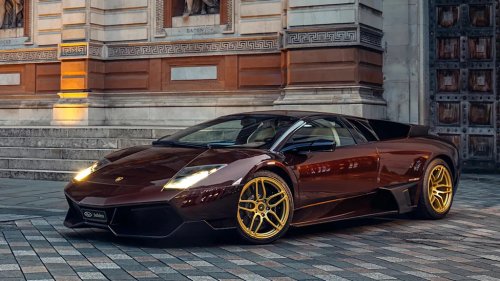
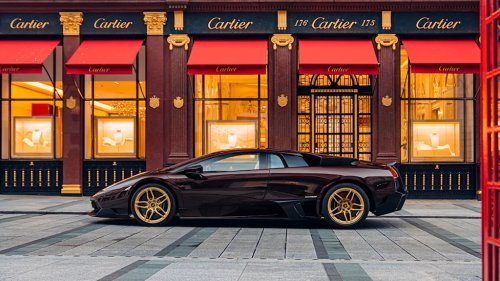
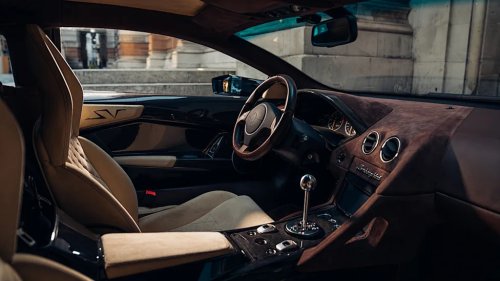
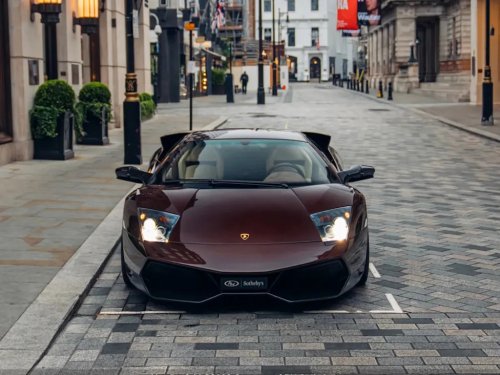
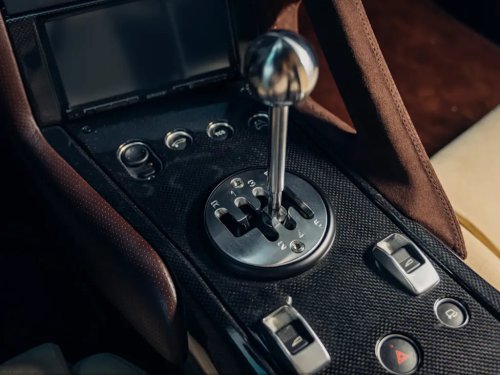
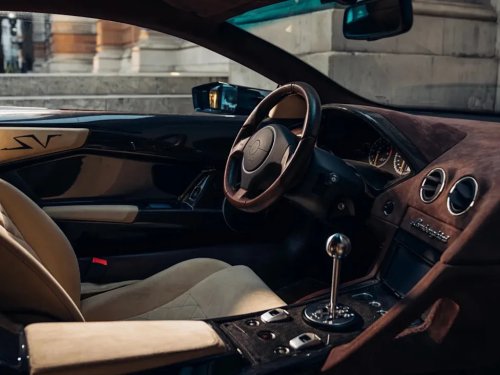
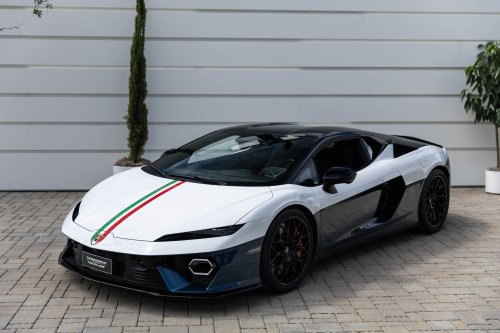
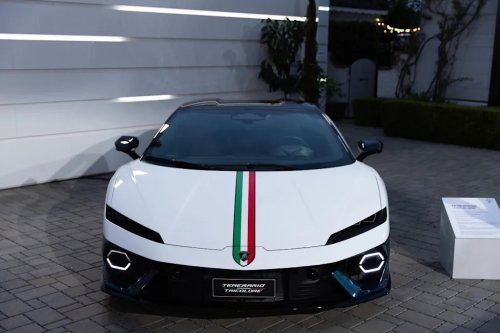
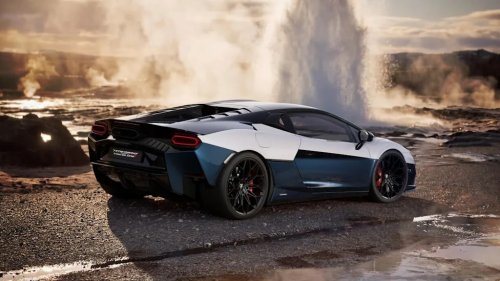
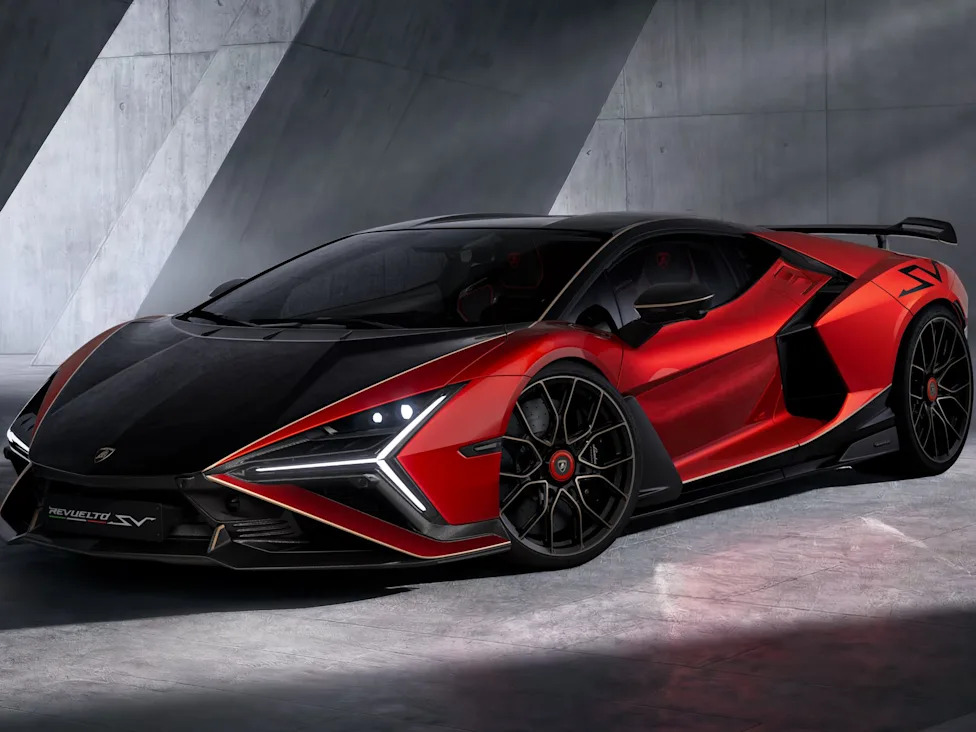
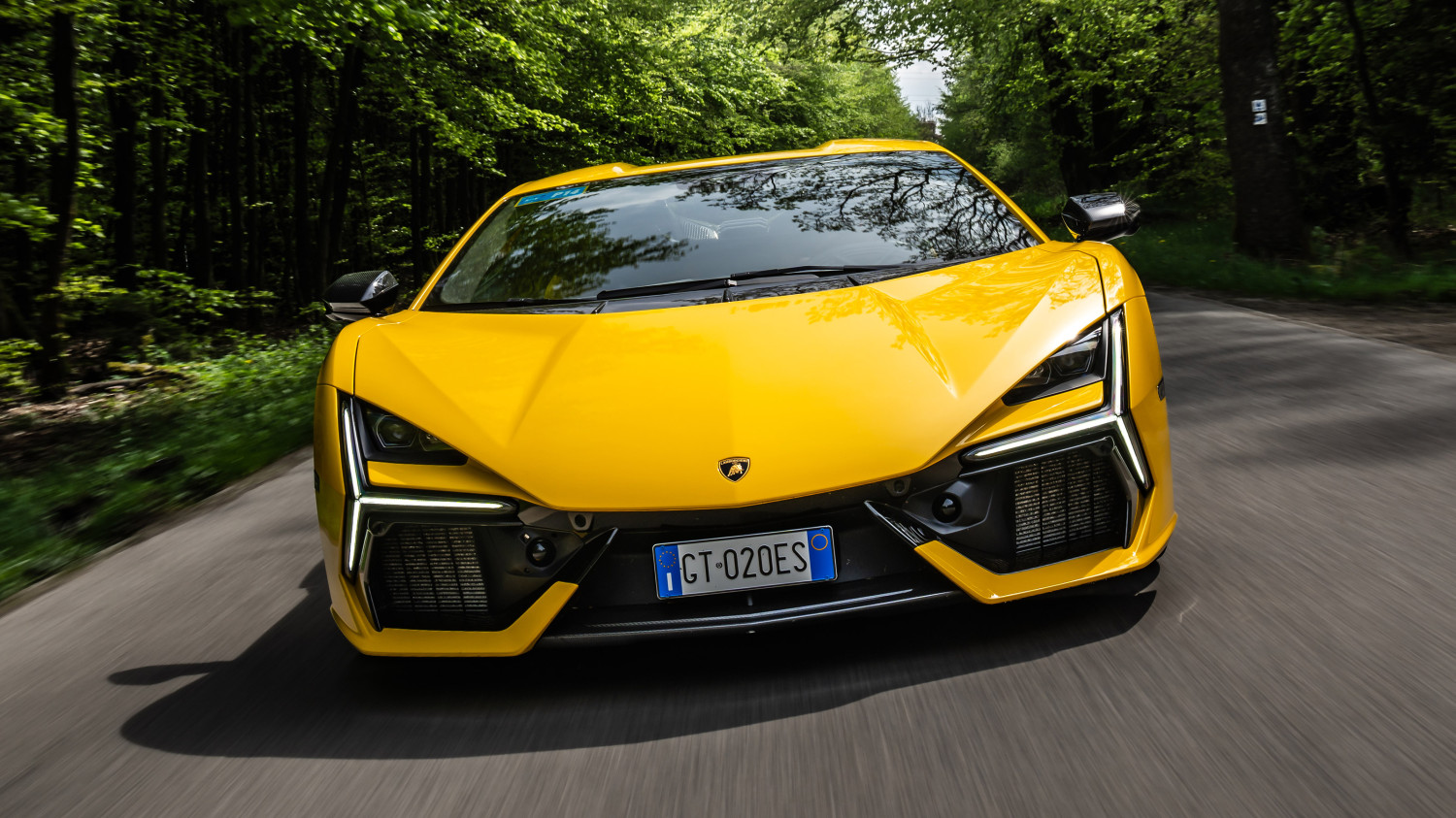
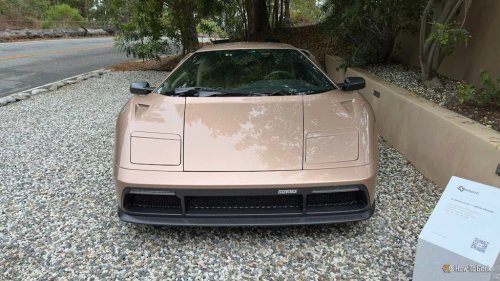
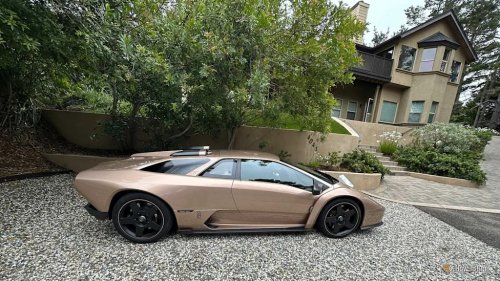
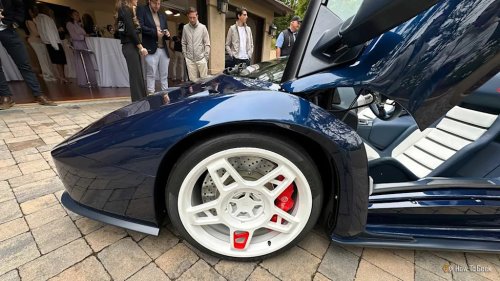
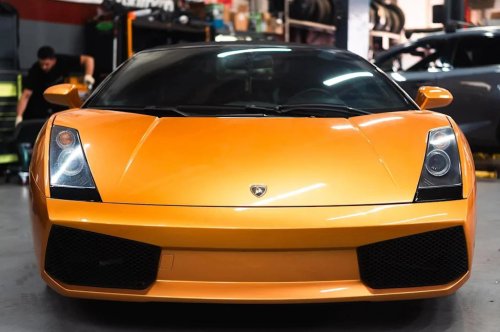
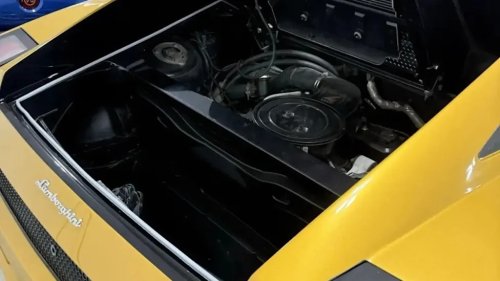
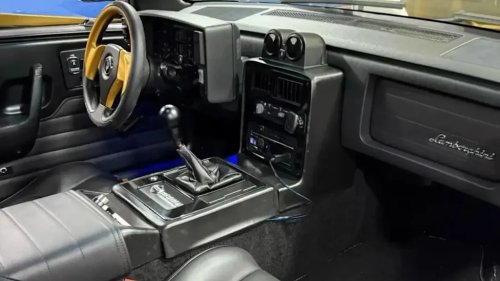
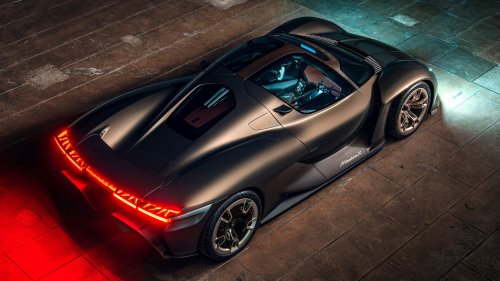
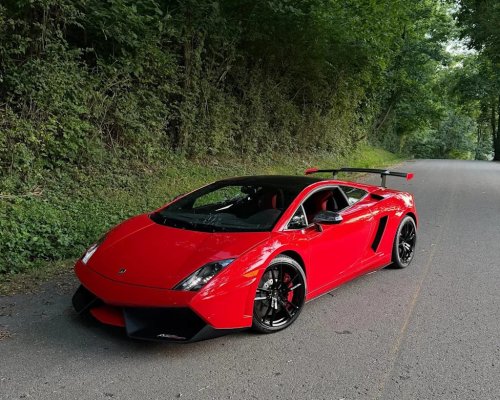
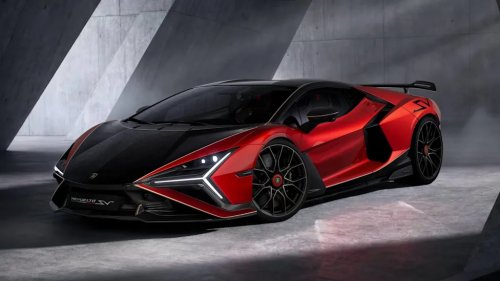
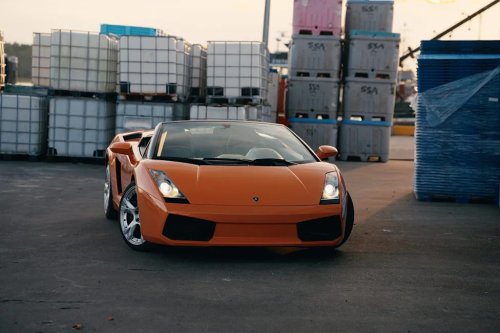
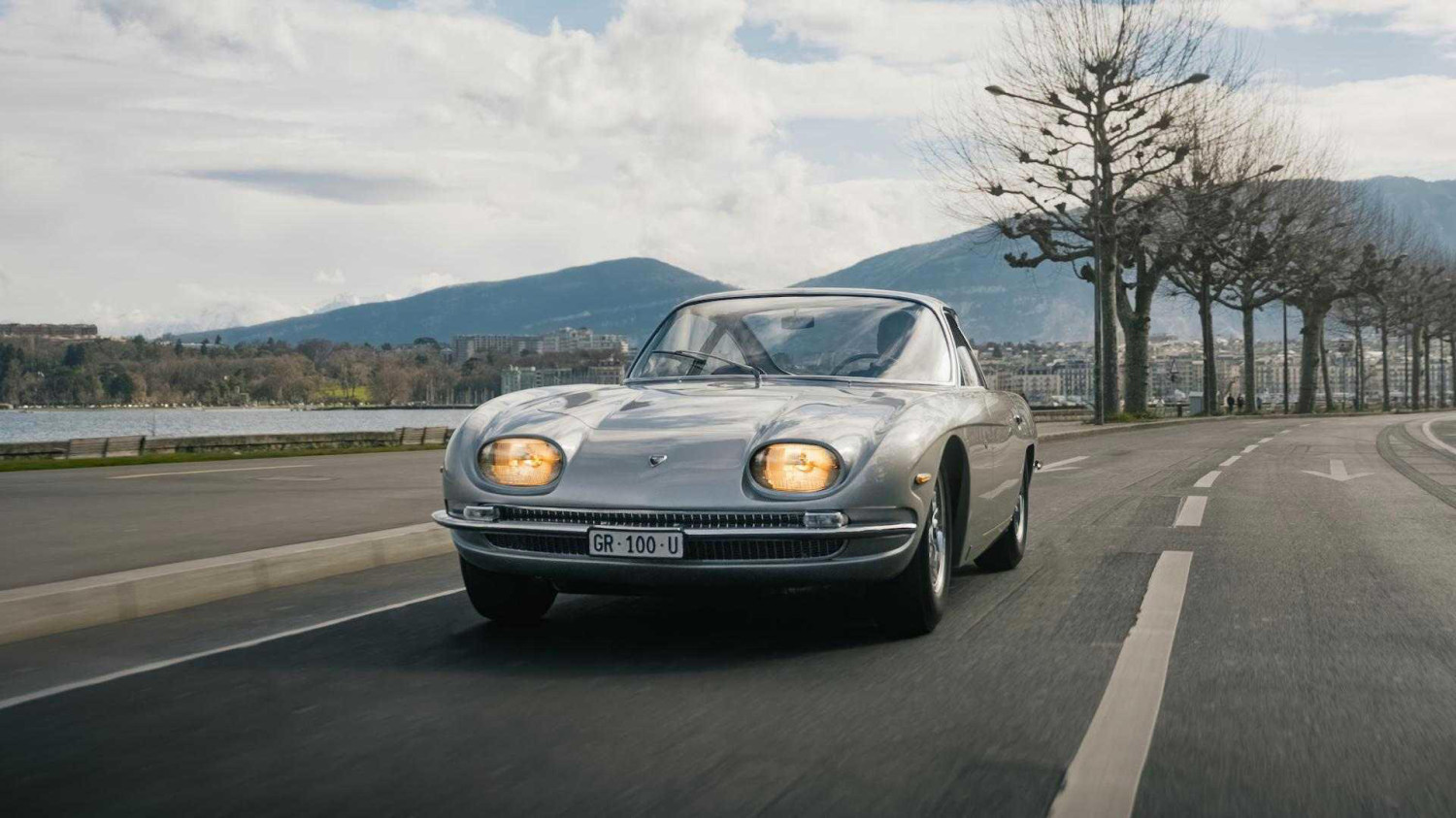
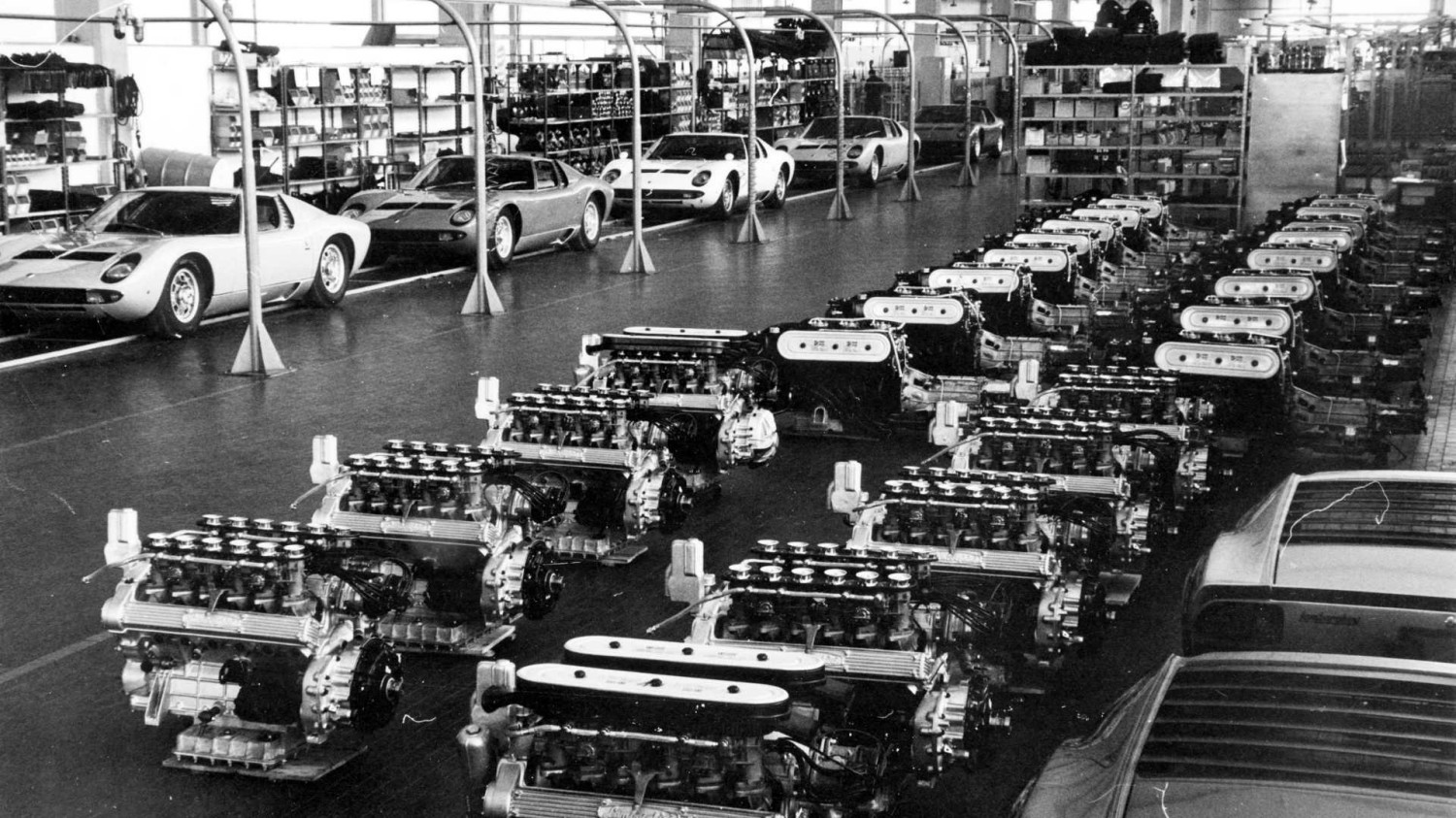
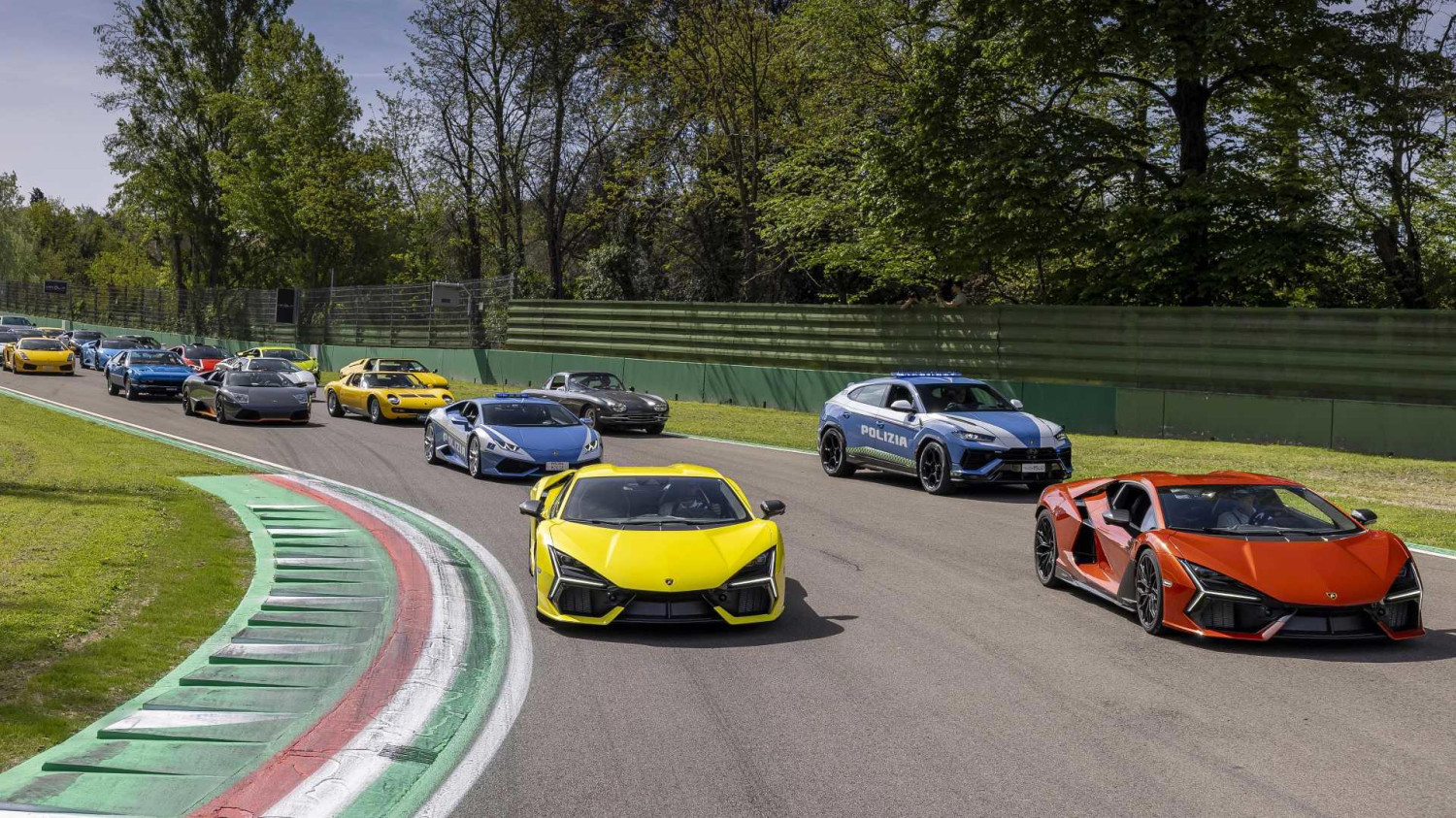
As seen on the Lamborghini Sián FKP 37 seen above, the Italian automaker is very proud of 1963, the year when the company was founded. Today, the automaker has one more reason to celebrate, as it's the 63rd anniversary of the momentous date that a tractor and agricultural magnate named Ferruccio decided he wanted to expand into fine sports cars with V12 engines. And since 63rd birthdays don't come around too often, the Raging Bull is celebrating all weekend long, inviting dealers, owners, and enthusiasts to the Lamborghini Arena at the Imola Circuit, a few kilometers away from its Bologna, Italy, headquarters. Beginnings Marked By A Heated Rivalry Ferruccio Lamborghini was already a successful industrialist, and his tractors had been a common sight around Italy's farms and fields since 1947. Flush with cash, he turned to his neighbors in Maranello for a new 250 GT, but according to the myth, he became irate when he learned from one of his tractor mechanics that the heavy clutch – marked up by Ferrari – was the same agricultural unit as his tractors. He expressed his concerns to Enzo himself, who cast aside the opinions as uninformed – after all, he was only a tractor salesman. Ferruccio Lamborghini decided to build a sports car of his very own, cutting ties with Ferrari forever.LamborghiniOn May 7, 1963, Automobili Lamborghini was formed, and at the Turin Motor Show five months later, the company displayed its first prototype. The 350 GTV had a who's-who of Italian car experts on its credits, including lead engineer Gianpaolo Dallara and designer Giotto Bizzarrini, although after he left the company, Carrozzeria Touring penned the car's production-ready 350 GT followup. Lamborghini's front-engined GT cars were the hallmark of its early days, with powerful V12 engines, reasonably spacious interiors, and bold styling unlike anything from its rivals at Ferrari or Maserati. Exciting Years Of Transition One of the automaker's most famous offerings was actually met with some friction from the company founder. The devilish Lamborghini Miura wasn't a long-distance touring machine like the company's earlier products, and Dallara and the other engineers initially started the project in secret. However, once they showed Mr. Lamborghini what they were working on, he gave it the official green light. The Miura's 1966 debut changed the brand forever. Although it continued to market GT cars like the Espada and Jarama, suddenly supercars were part of the equation too.Courtesy of LamborghiniThe rest, as they say, is history, and since the 1980s, Lamborghini has primarily built mid-engined supercars, with a dalliance in the 1980s with a V12-powered off-road supertruck called the LM002, plus the 2018–present Urus sporty SUV. The company has always been proud of its origins, which is why there are "63" easter eggs throughout its history.The aforementioned Sián is but one example, which was also limited to 19 roadsters and 63 coupes, by the way. Its FIA World Endurance Championship prototype race car is called the SC63 Hybrid, and there was a special "63" edition of the Aventador SVJ. And one of the most desired colors in its current (massive) lineup is called Giallo Maggio, "May Yellow" in Italian, to commemorate that spring Tuesday when Ferruccio put his V12 money where his mouth was.Hopefully, the Lamborghini Arena event this weekend will showcase each of the automaker's exciting eras, from grand touring cars like the Islero and 400GT to the sexy Countach and bat-like Murciélago wedges. It'll surely be a happy birthday if so.LamborghiniSource: Lamborghini



















 +60 others