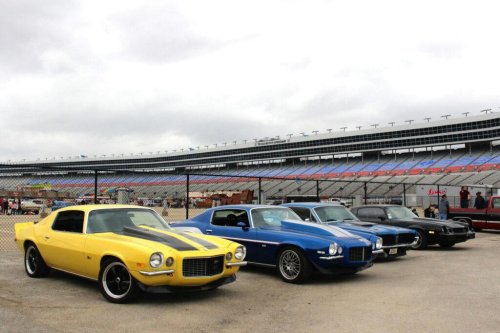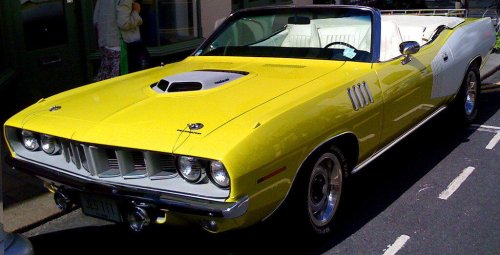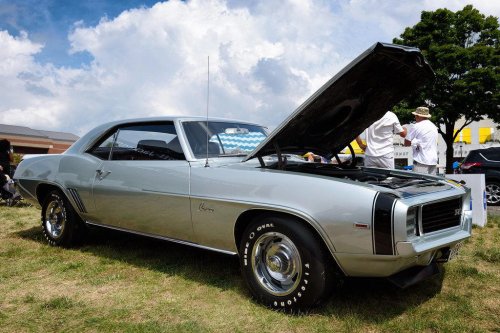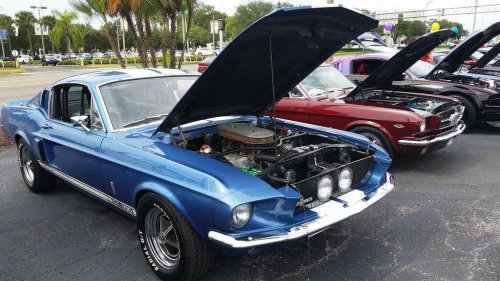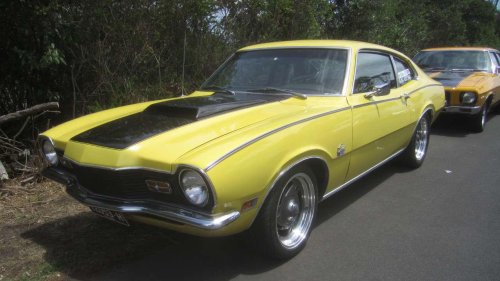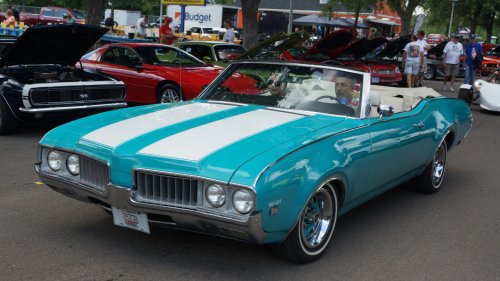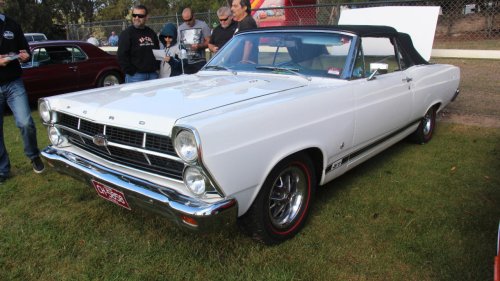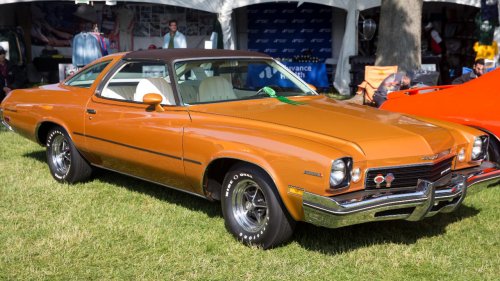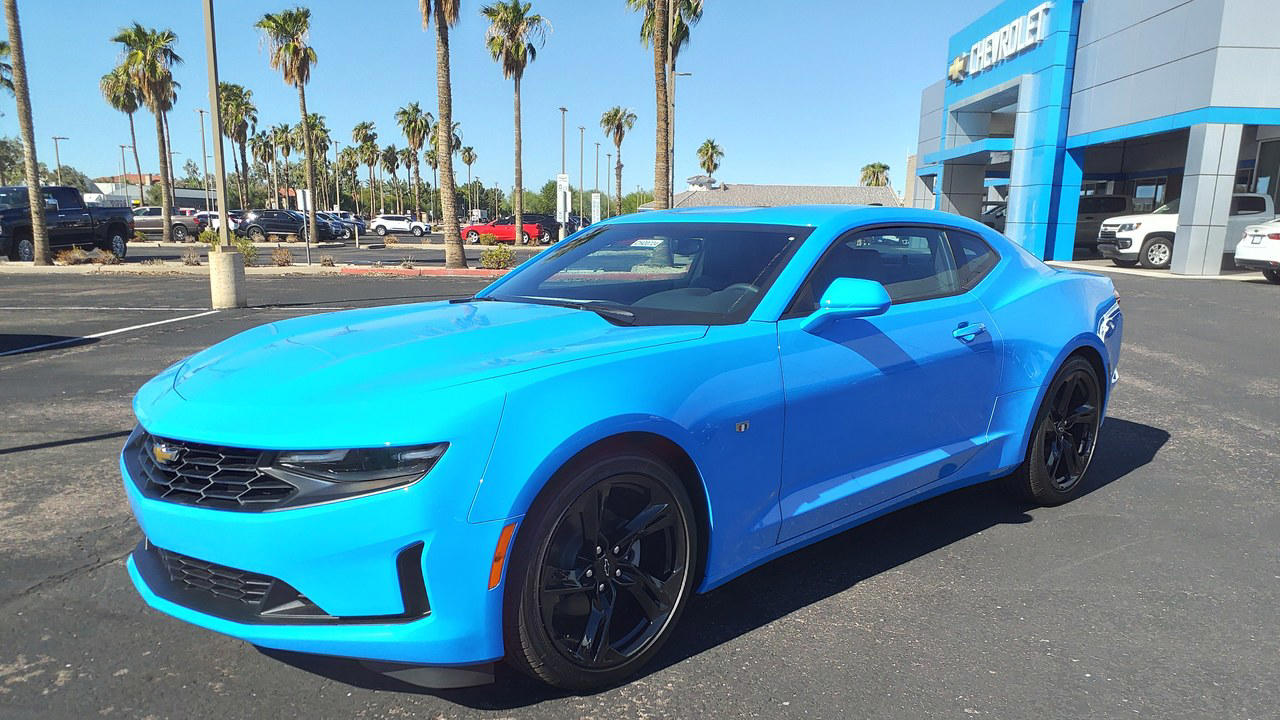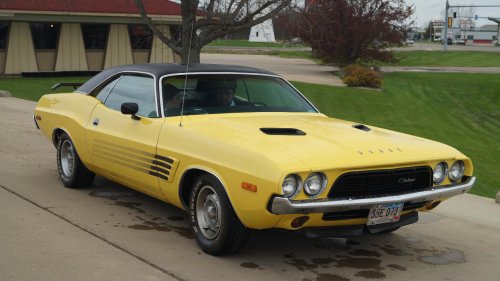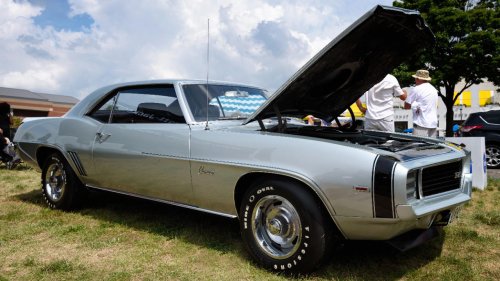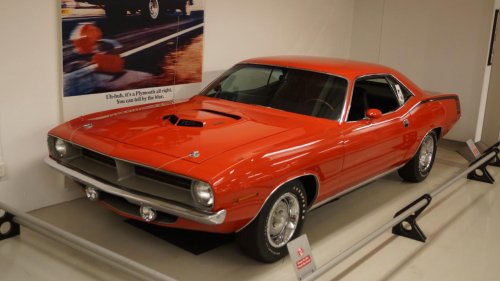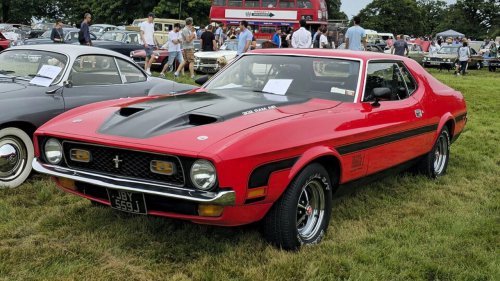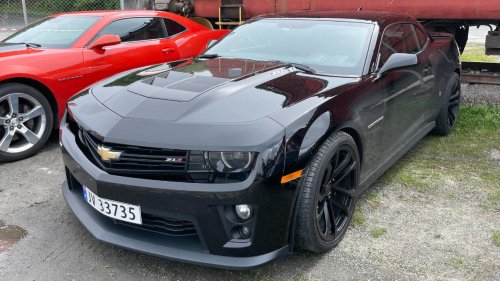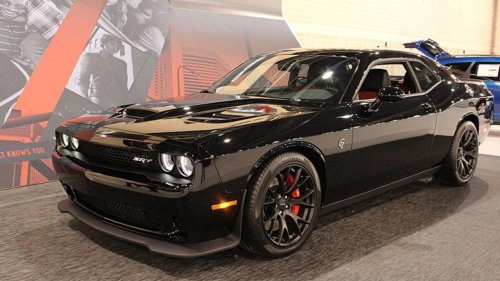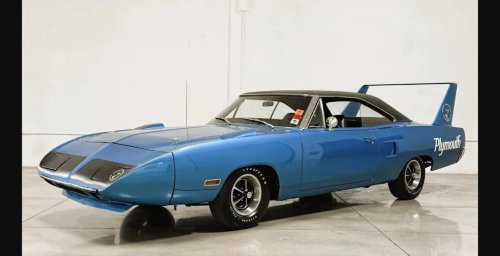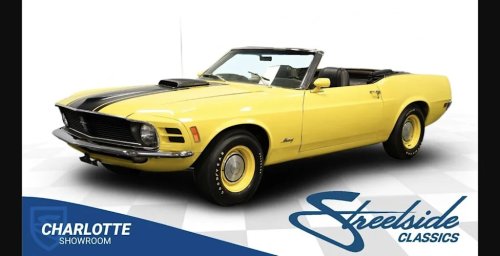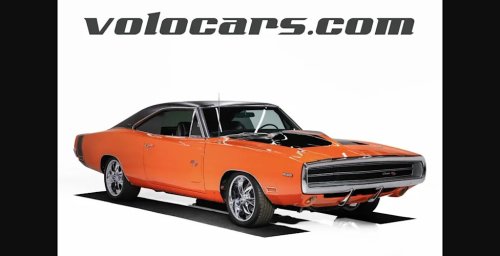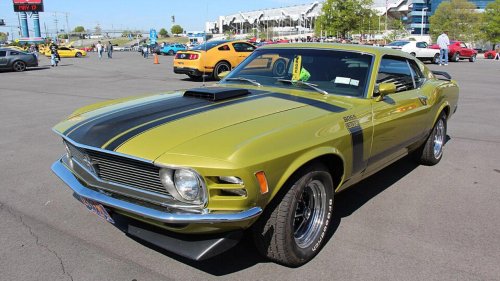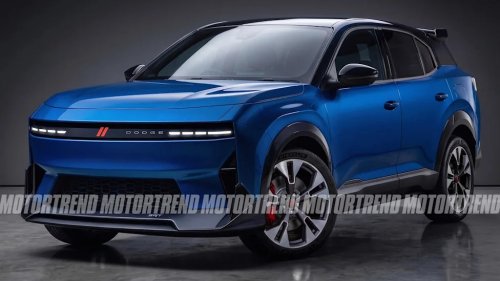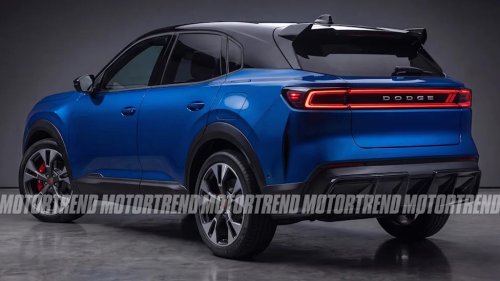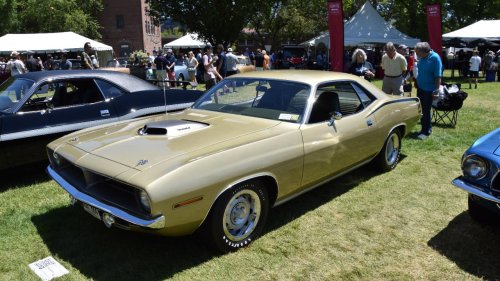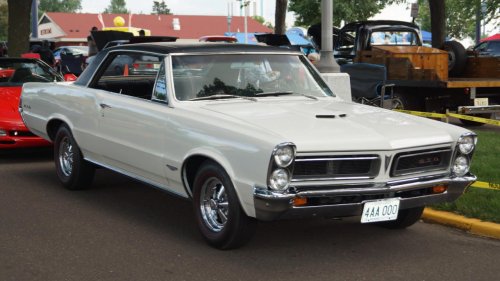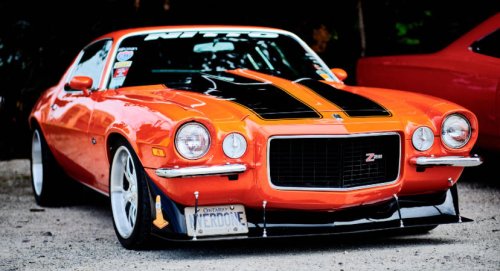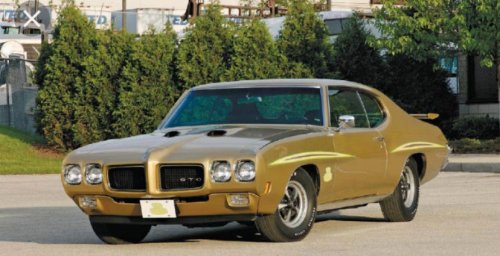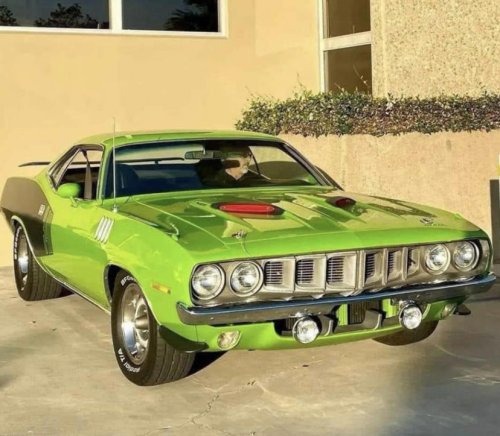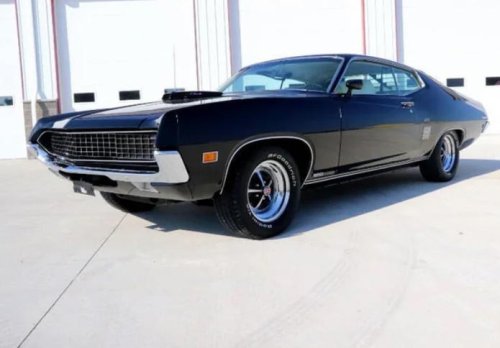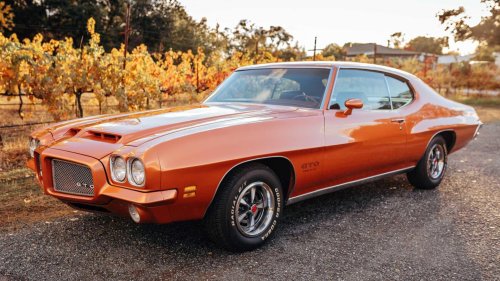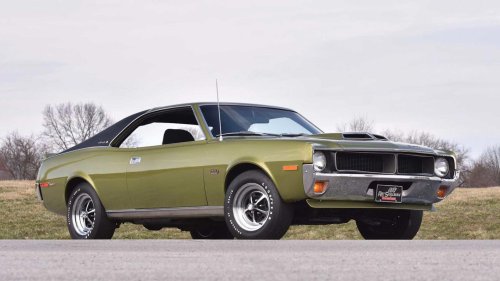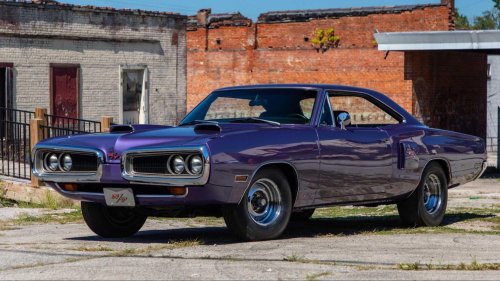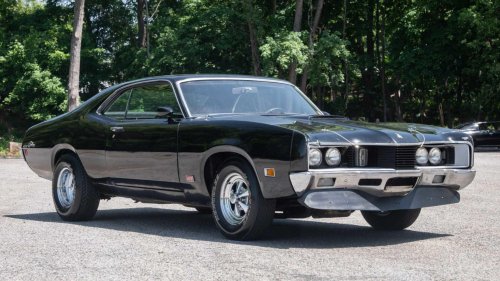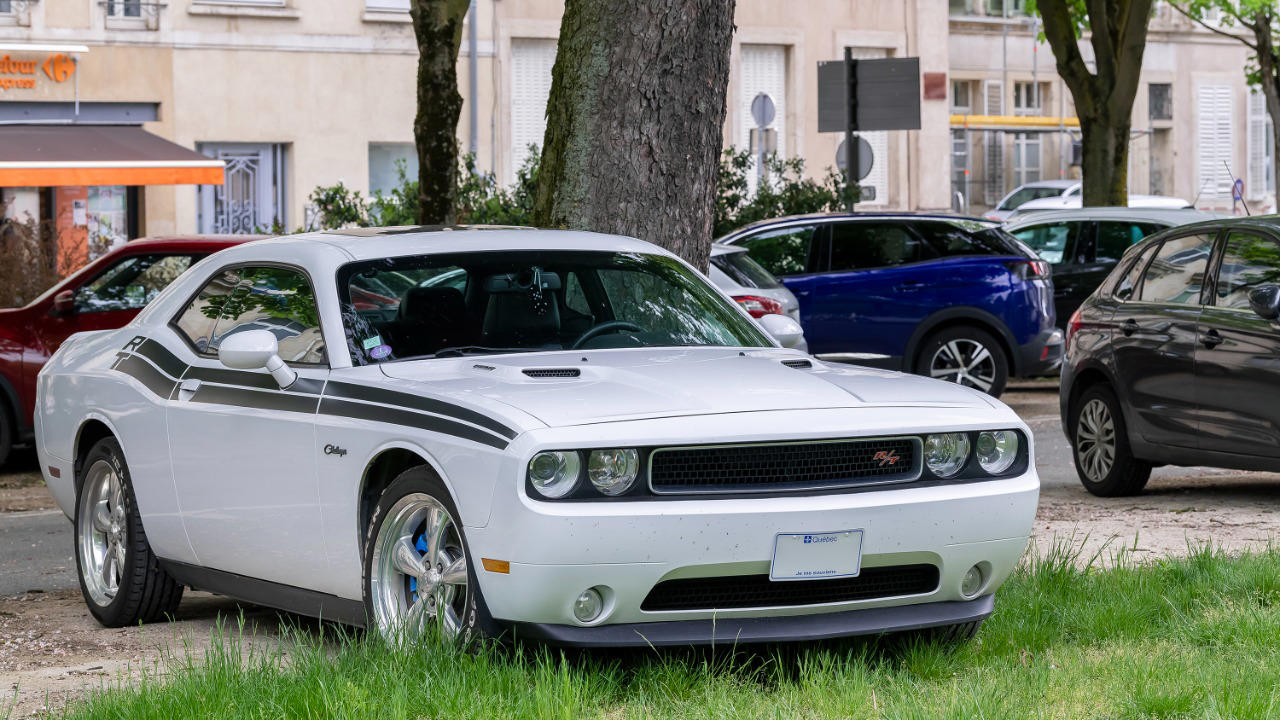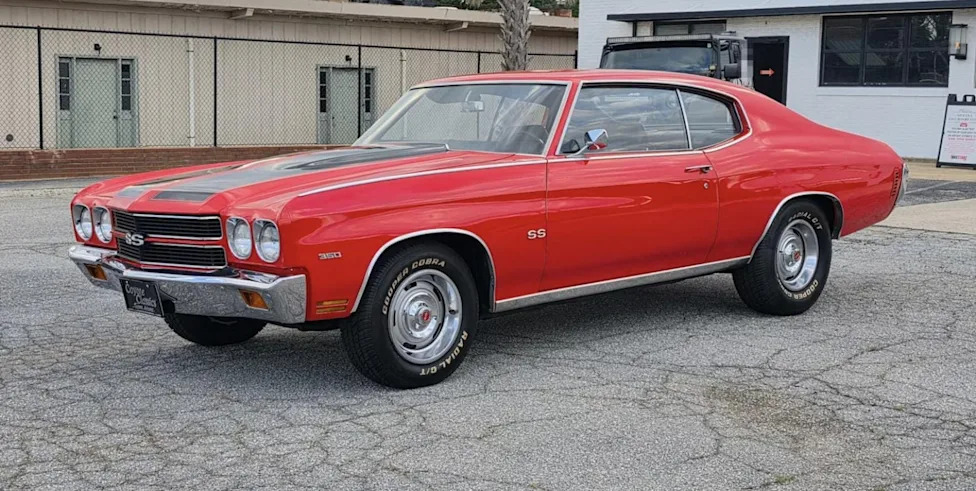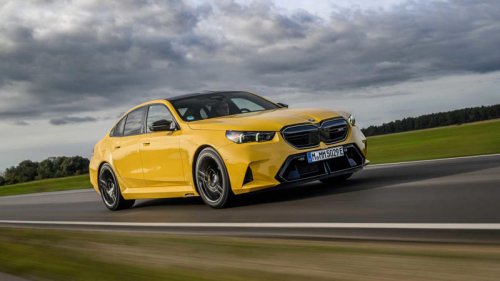
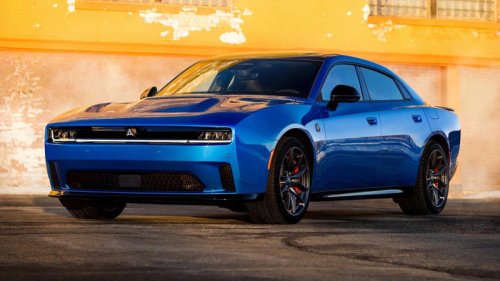
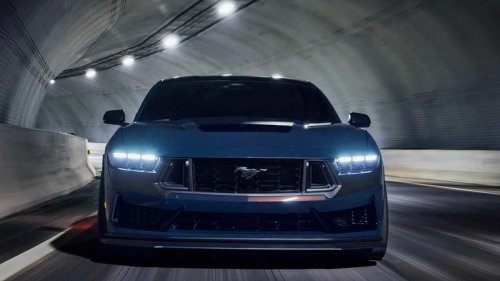
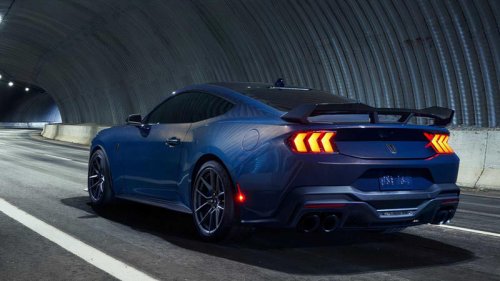
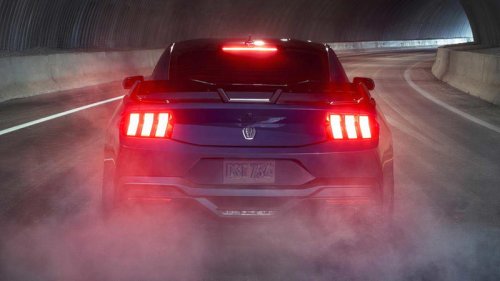
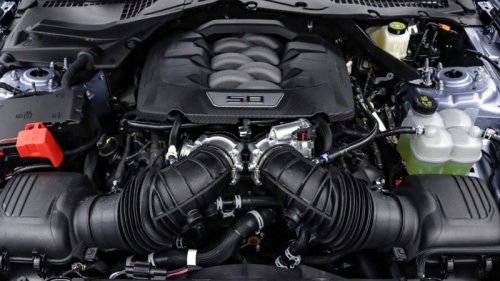
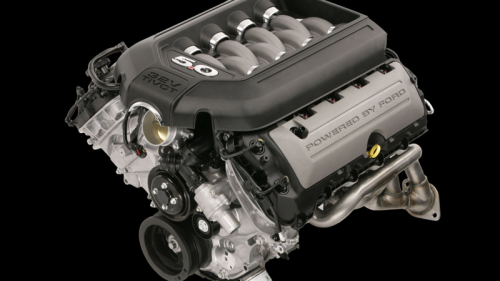
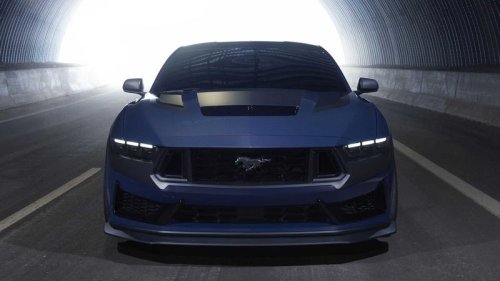
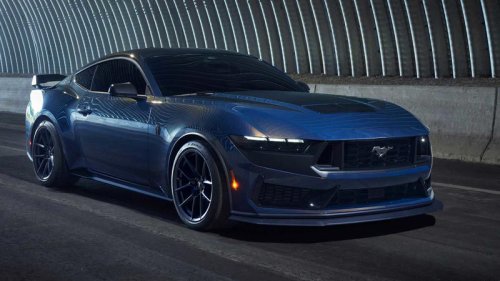
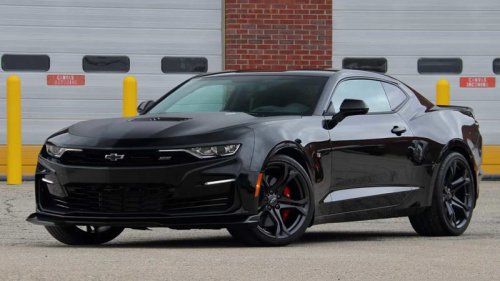
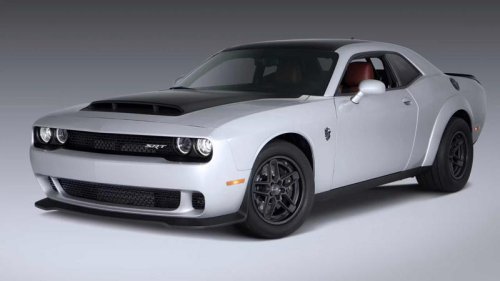
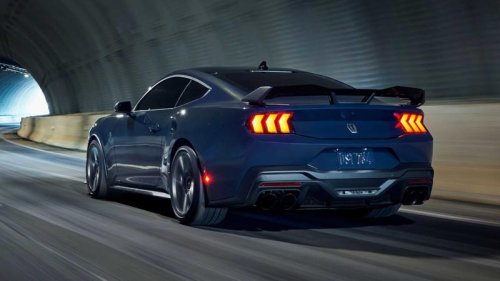



















The era of the simple muscle car, with high-displacement naturally aspirated engine, is nearing the end. For decades, Ford, Chevrolet, and Dodge relied on large V8 engines and natural aspiration to deliver raw power. Today, the global automotive landscape looks very different. Modern performance is no longer defined by cubic inches.Manufacturers now rely on complex software, heavy battery packs, and forced induction to meet strict emission regulations and make horsepower. While these technologies make cars faster and more efficient, they often sacrifice the mechanical soul of the automobile. Enthusiasts now face a difficult crossroads. We are trading a visceral connection for clinical speed, leaving purists to wonder if the traditional American muscle car can truly survive. Digital Takeover: Why Your Favorite Performance Cars Are Disappearing BMW The modern performance car is undergoing a radical transformation driven by strict global emissions standards. To keep horsepower figures high while satisfying regulators, manufacturers have turned to complex technological solutions that many enthusiasts view as mechanical crutches.Turbocharging and electrification are no longer optional upgrades; they are now necessary tools for survival. These systems allow smaller engines to produce massive power, but they often come at the cost of weight, complexity, and a loss of character. The era of the simple, high-displacement engine is being replaced by the age of the digital athlete, where software and cooling circuits are just as important as the pistons themselves.We can see this shift clearly in the latest flagship models from iconic brands. The new 5,490 lb BMW M5 has transitioned into a heavy plug-in hybrid, using electric motors to bolster its performance at the expense of significant added mass. Mercedes-AMG has taken an even more drastic route, replacing legendary V8 engines in the C63 and E63 with hybridized four-cylinder or six-cylinder setups. Even the American domestic market is changing.Dodge The Dodge Charger Daytona has retired the venerable Hemi V8 in favor of the Hurricane twin-turbo inline-six engine and fully electric platforms. Beyond the powertrain, even the sound of these cars is being regulated into submission. In many markets, gasoline particulate filters are now mandatory. These devices sit in the exhaust system to trap soot, but they also act as a silencer that mutes the natural roar of the engine.To compensate, engineers often use acoustic enhancements or fake engine notes played through the cabin speakers. This creates a sanitized, artificial experience that meets legal requirements but lacks the raw, emotional feedback that once defined a true performance machine. How The S650 Mustang Dark Horse Defies The Modern Rulebook Ford Mustang Dark Horse front Standing in direct opposition to this digital tide is the 7th-generation Ford Mustang Dark Horse. While the rest of the industry pivots toward downsizing and electrification, Ford has delivered the final evolution of the analog pony car. The Dark Horse is a statement of defiance, designed for those who still value the visceral sensations of a high-revving, internal combustion engine. It serves as a bridge to a passing era, proving that it is still possible to create a world-class performance vehicle without relying on the complicated hardware found in its European and domestic rivals.Ford The Dark Horse justifies its status as a purist machine through a strict adherence to three specific omissions: no turbos, no batteries, and no filters. At its heart lies the dependable fourth-generation Coyote V8. Unlike the turbocharged engines found in modern sports cars, this 5.0-liter powerhouse is naturally aspirated. It relies entirely on atmospheric pressure and an innovative dual throttle body intake system to breathe. This setup ensures an immediate, linear throttle response that forced induction simply cannot replicate. There is no turbo lag here, only a steady build of power that screams all the way to its 7,500 rpm redline.Ford Furthermore, the Dark Horse remains a pure internal combustion machine. There are no electric motors, no heavy battery packs, and no regenerative braking systems to clutter the driving experience. It is a lightweight, focused athlete that relies on mechanical grip and driver skill. Crucially, for the North American market, the Dark Horse remains unfiltered. It lacks the restrictive particulate filters required in other regions, allowing the V8 to exhale freely through its active valve exhaust. The result is a raw, authentic soundtrack that hasn't been muffled by emissions hardware or supplemented by digital trickery. 500 Horses And A Tremec: The Unfiltered Joy of a High-Revving V8 Via: Bring a TrailerThe soul of the Dark Horse is the 5.0-liter Coyote V8 engine. This is not just a standard GT engine with a new badge. Ford engineers pushed this power plant further by incorporating forged piston connecting rods, originally developed for the high-performance Shelby GT500. The additional internal strength allows the engine to handle higher cylinder pressures and sustained high-speed driving. The unique dual air intake box and dual throttle body setup pulls in more cold air, ensuring the engine remains efficient and powerful even under heavy track use.Ford The resulting performance figures are impressive for a naturally aspirated machine. The Dark Horse produces an even 500 horsepower and 418 lb-ft of torque. Because it lacks turbos to provide low-end boost, the power delivery is incredibly linear. The engine encourages the driver to keep their foot in it through to the redline. Its high-revving nature provides a soundtrack and a level of engagement that modern turbocharged engines simply cannot match. It feels alive and mechanical, rewarding the driver for every gear change.Ford Speaking of gear changes, the manual connection is a highlight of the experience. While many brands are phasing out three-pedal setups, the Dark Horse features a Tremec 6-speed manual transmission as standard equipment. It's sturdier than the standard Getrag manual and includes a unique 3D-printed titanium shift knob that stays cool to the touch. It also features auto rev-matching for smooth downshifts.To ensure all that power reaches the road, the car is equipped with track-ready hardware. This includes a MagneRide damping system that adjusts to road conditions instantly, massive Brembo brakes for consistent stopping power, and a Torsen rear differential for maximum traction coming out of corners. The Lone Survivor: Ford Refuses To Throw In The Towel Ford The Ford Mustang Dark Horse is more than just a new trim level; it represents a final stand for the traditional American muscle car. In many ways, this Mustang serves as a love letter from Ford to the millions of enthusiasts who have kept the V8 dream alive for decades. While the automotive world moves toward a future dominated by quiet electric motors and digital interfaces, Ford has chosen to celebrate the loud, vibrating, and mechanical history of the pony car. It is a rare moment where a manufacturer prioritizes heritage and driver emotion over the easiest path to regulatory compliance.Via: Mecum This commitment is even more striking when you look at the competitive vacuum left behind by other American automakers. General Motors has officially ended production of the Chevrolet Camaro, leaving bowtie fans without a traditional pony car.Stellantis Similarly, Stellantis has retired the legendary Hemi-powered Dodge Challenger and Charger, replacing them with electric platforms and turbocharged six-cylinder engines. By staying the course, Ford has become the sole provider of a high-performance, naturally aspirated V8 experience.Ford It's clear that the Dark Horse is the last of its kind. While competitors have thrown in the towel in favor of a silent, electrified future, Ford has chosen to plant its flag firmly in the present. It is a bold reminder of what made the American car industry famous in the first place. For those who want to hear the roar of a V8 one last time before the stable doors close for good, the Dark Horse is the only choice left.Sources: Ford