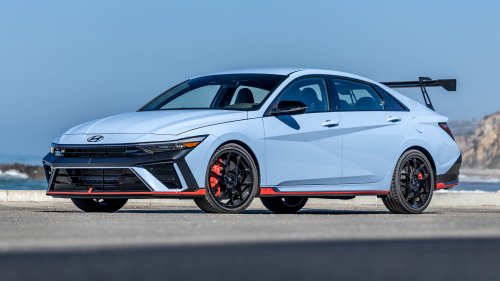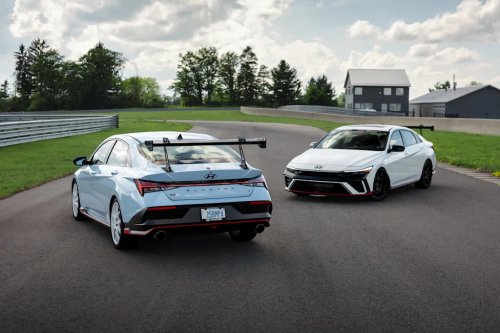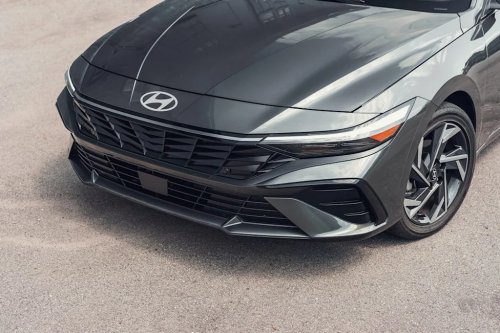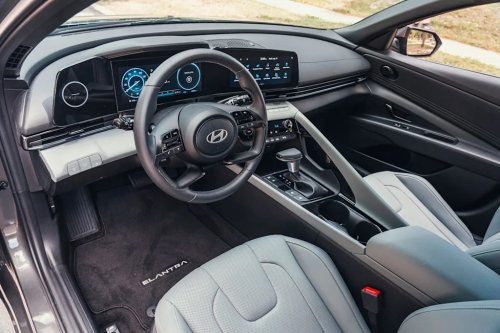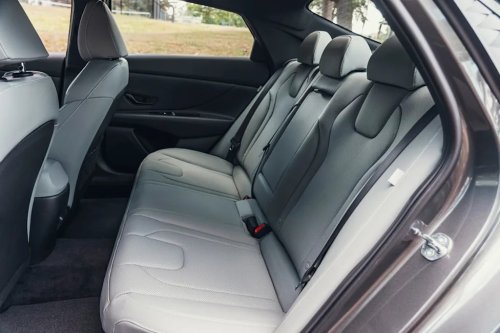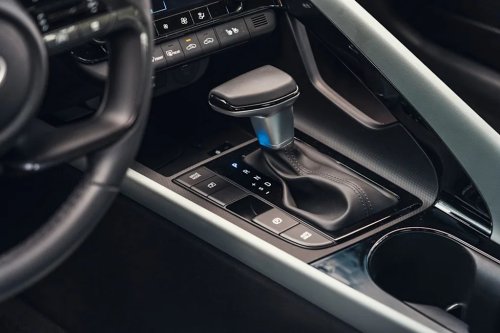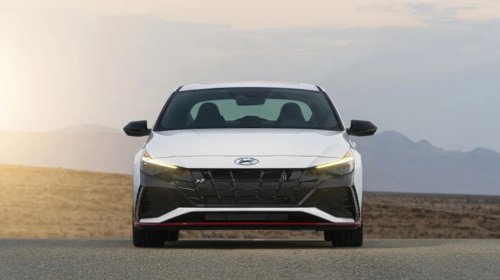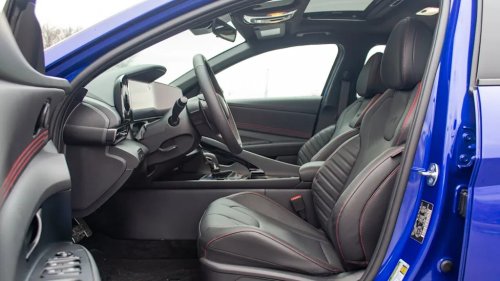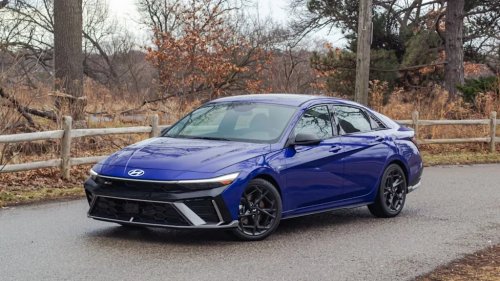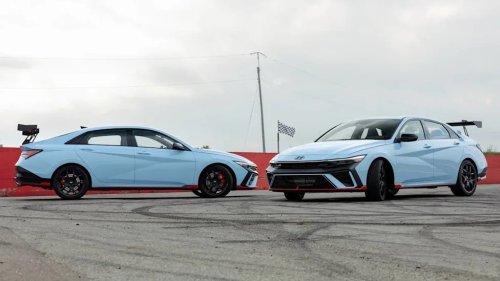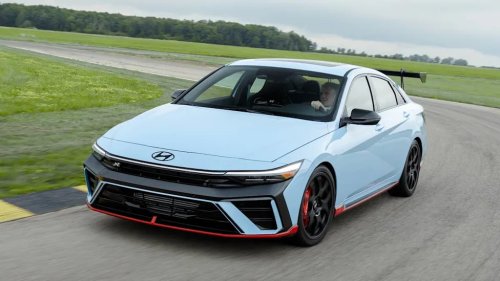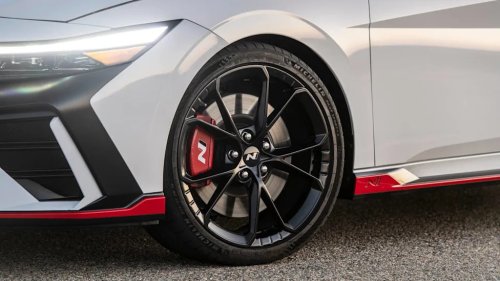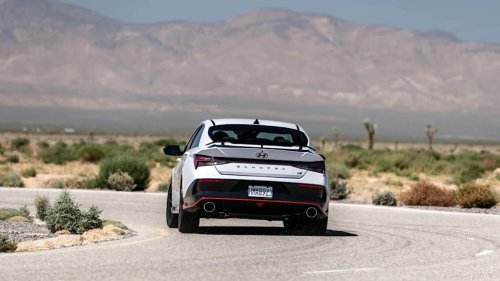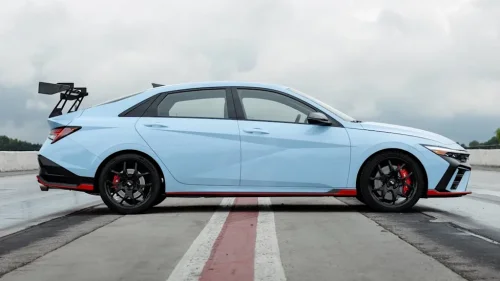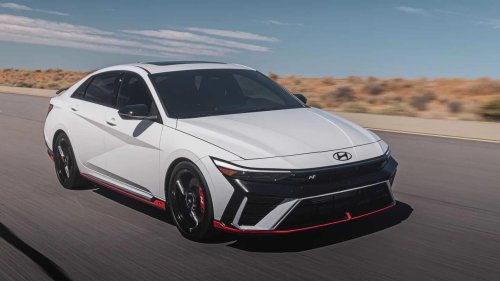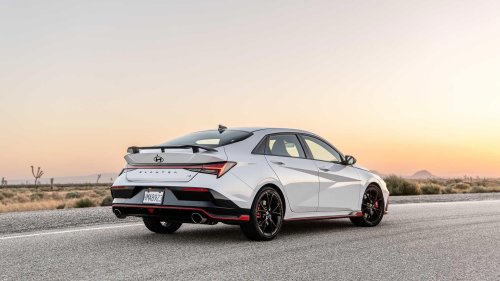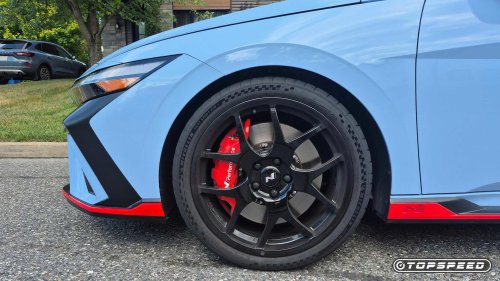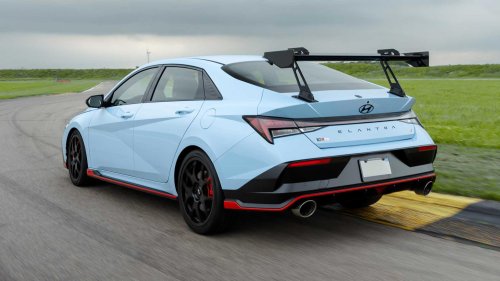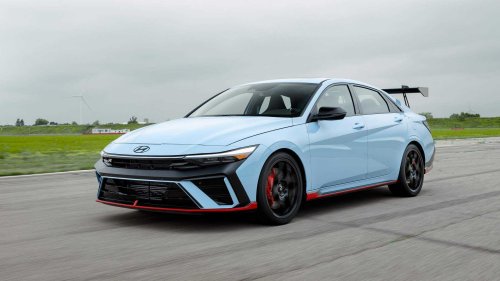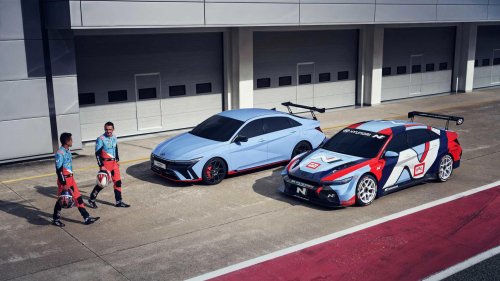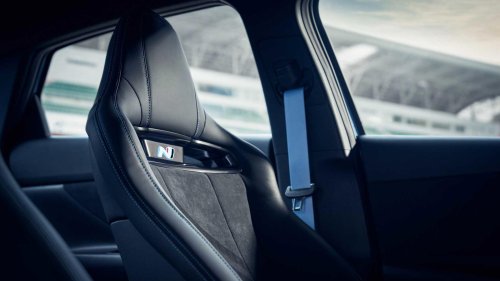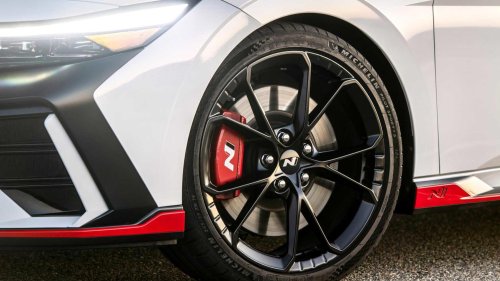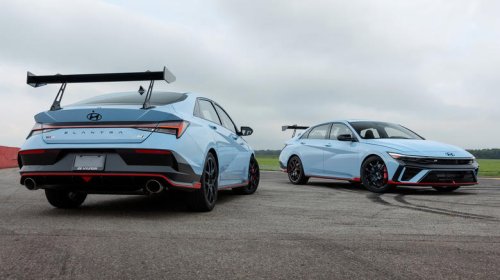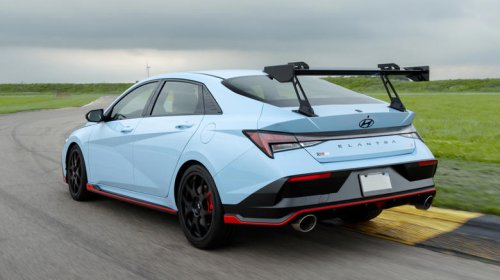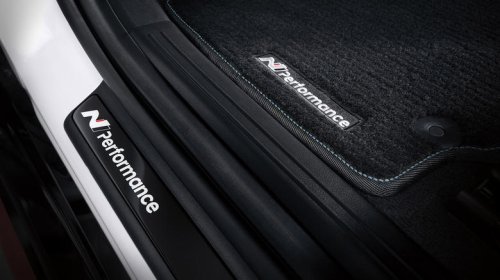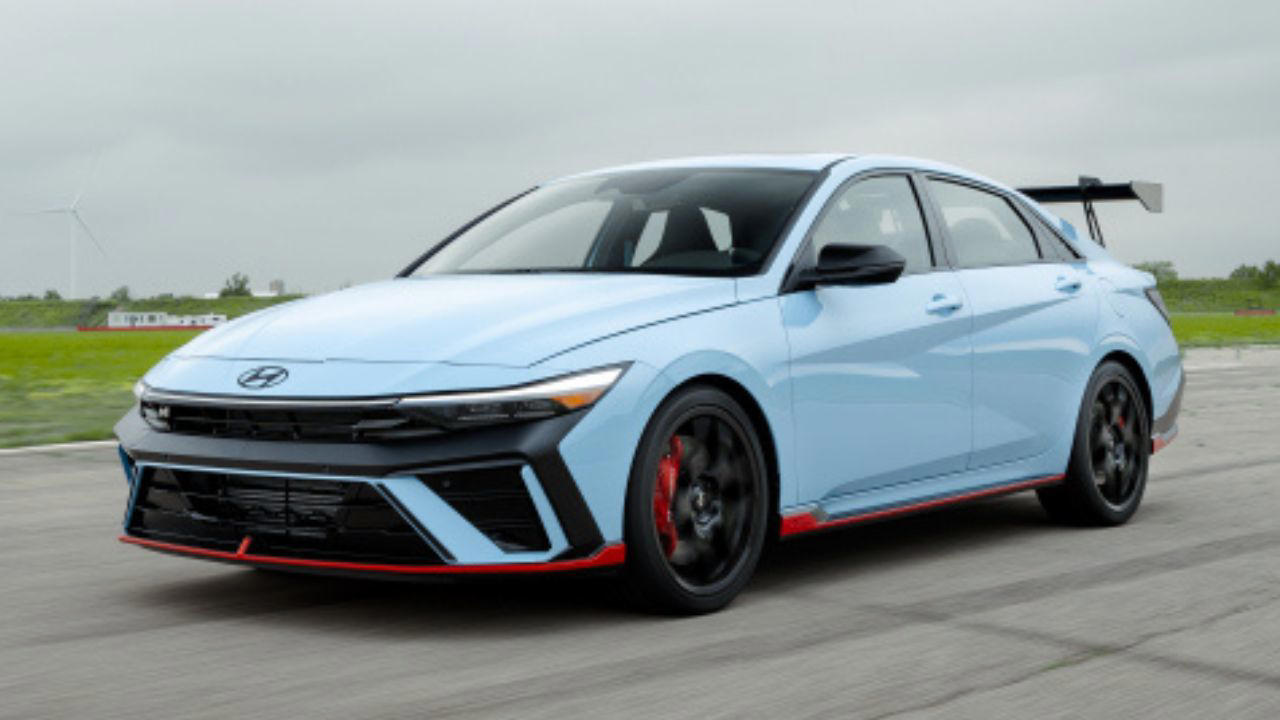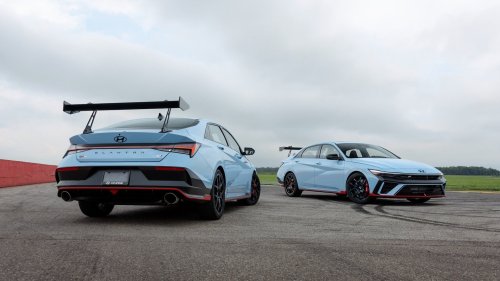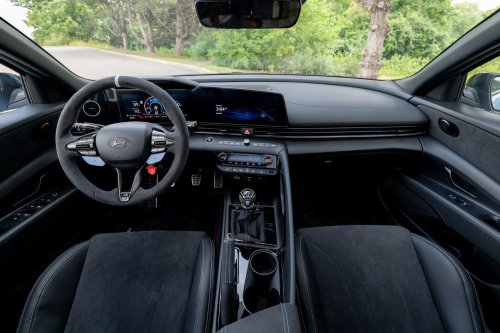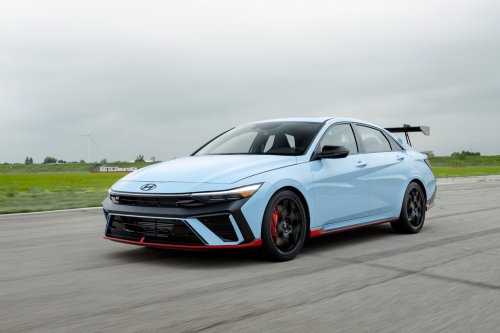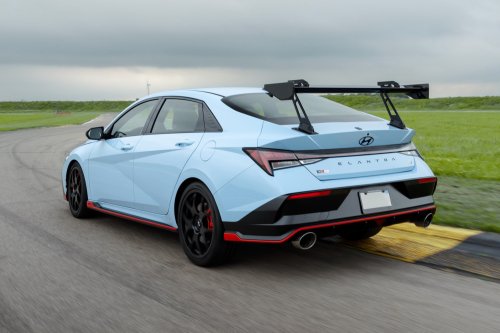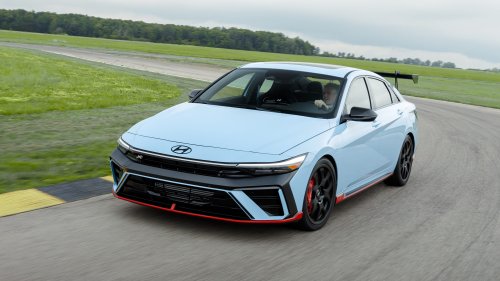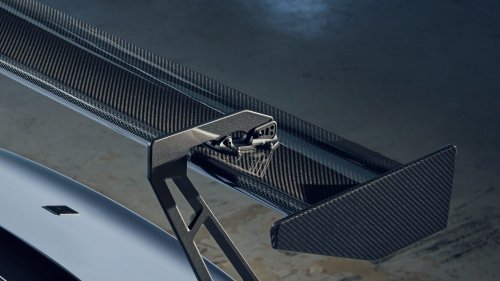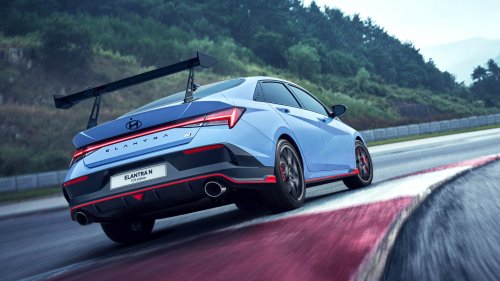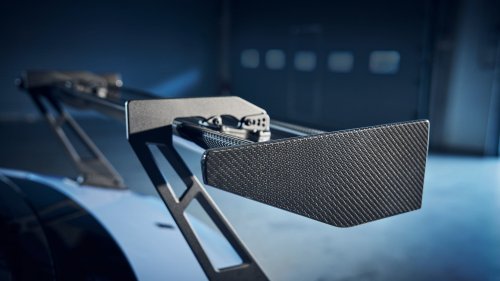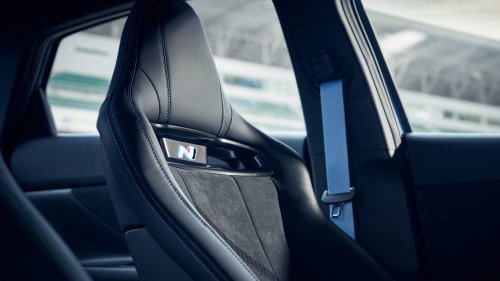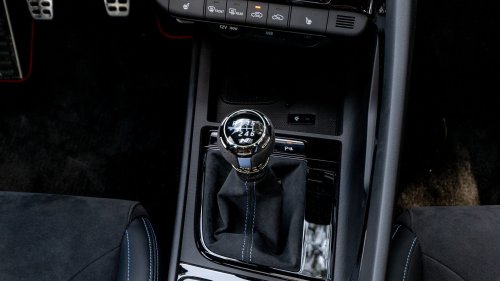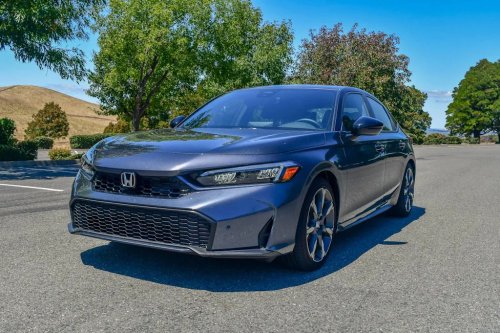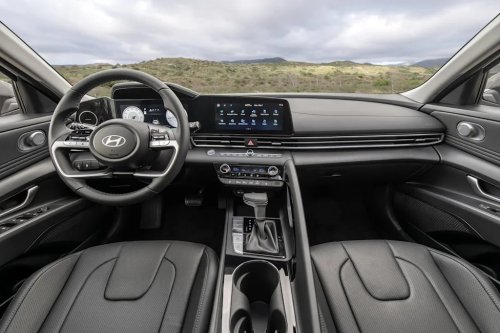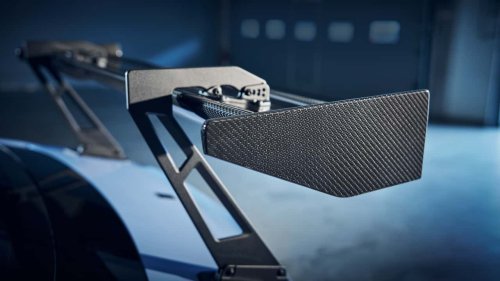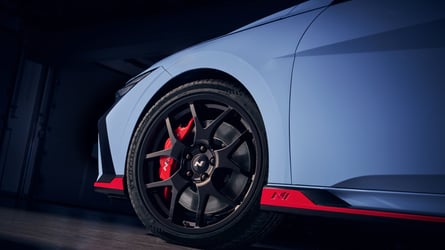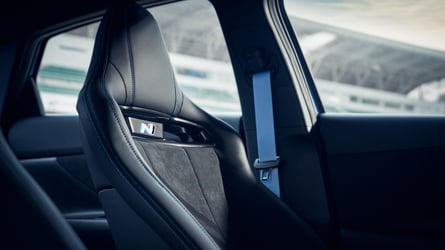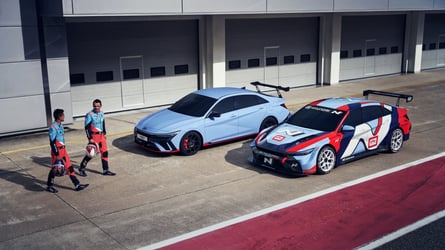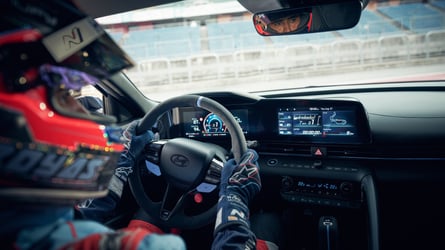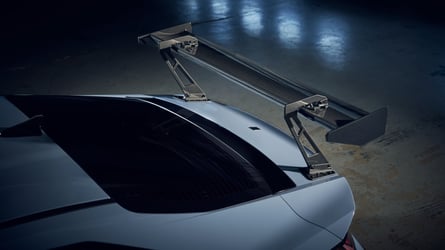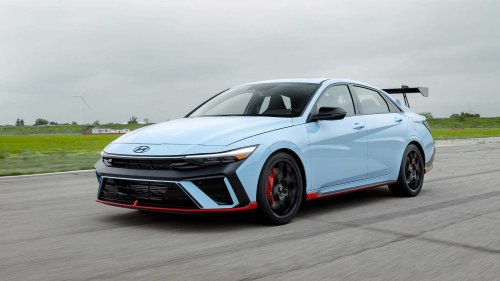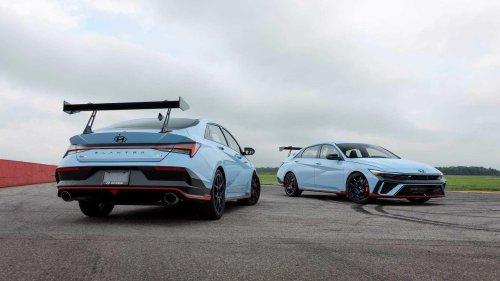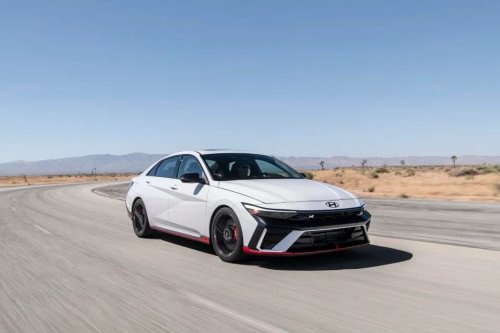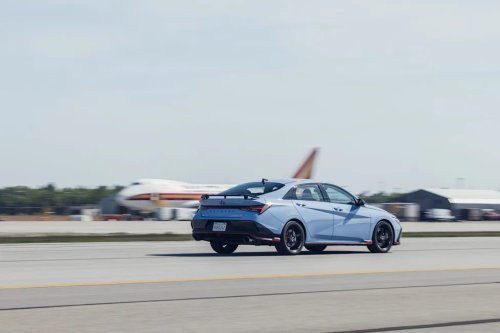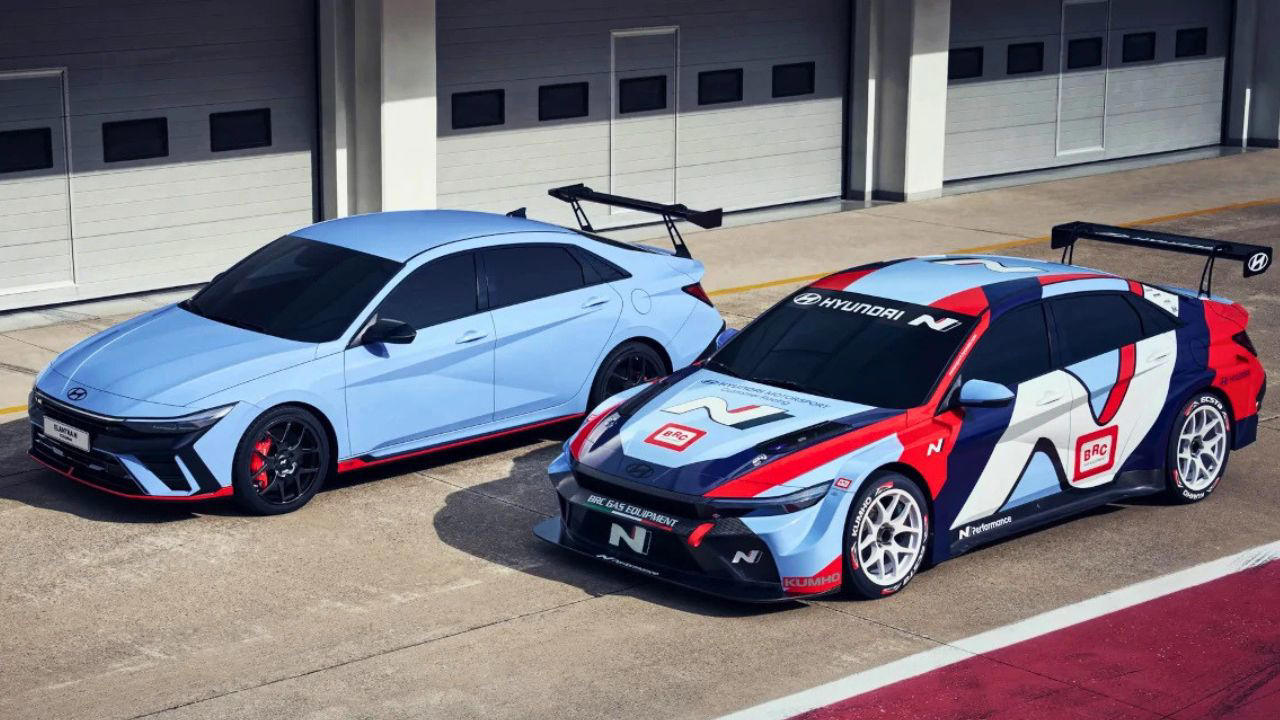



















Hyundai’s new Elantra N TCR brings race car aero to the street without a huge price jumpHyundai is pushing its N performance brand deeper into enthusiast territory with the Elantra N TCR Edition, a limited-run sedan that borrows aero tricks and visual drama from the company’s touring car program. Rather than chasing supercar money, the package sits only modestly above the regular Elantra N, aiming to give track-day drivers race car flavor without blowing up the budget. With a prominent rear wing, functional bodywork tweaks, and a familiar turbocharged powertrain, the Elantra N TCR Edition targets buyers who care as much about lap times and grip as daily usability. It also underscores how far Hyundai is willing to lean on its motorsport success to shape showroom products. What happened Hyundai has introduced the Elantra N TCR Edition as a special version of its front-drive performance sedan, inspired directly by the Elantra N TCR race car that competes in touring car series around the world. According to Hyundai’s own announcement, the edition made its public debut at Automobility LA with a package of aerodynamic and chassis upgrades that go beyond the standard Elantra N, including a large rear wing, more aggressive front splitter, and side aero pieces that are designed to generate additional downforce at speed, all wrapped in a body kit that closely echoes the brand’s customer race cars. Hyundai positions the TCR Edition as a limited-production model, with volumes capped to keep it exclusive while still accessible to committed enthusiasts. The car keeps the familiar 2.0‑liter turbocharged four-cylinder from the regular Elantra N, which is rated at 276 horsepower and 289 pound-feet of torque in existing applications, paired with either an eight-speed dual-clutch transmission or a six-speed manual depending on market. The focus is not on chasing a big power bump but on translating race-inspired aerodynamics and chassis tuning to a road-legal package that can handle repeated track use. Visual changes are central to the message. The TCR Edition adopts a towering rear wing that recalls the hardware seen on Hyundai’s touring car entries, along with a more pronounced diffuser and unique wheels that fill the arches more aggressively. Earlier coverage of the Elantra N’s aero development highlighted how a large rear spoiler and wing can materially increase rear axle stability at higher speeds, and the TCR Edition builds on that work with a more extreme interpretation that still meets road regulations, as illustrated in reports on the Elantra N wing. Inside, the car receives N-specific trim, sport seats, and badging that ties it back to the TCR program. Hyundai’s global release notes that the TCR Edition integrates motorsport-inspired details such as unique color accents and numbered plaques, reinforcing the sense that buyers are getting a road-going counterpart to the race car rather than just a styling package. For the United States, the model arrives as a 2026 Elantra N TCR Edition, with Hyundai bringing it to market as part of a broader refresh of the Elantra N lineup. Reporting on the U.S. introduction describes the car as a limited-run halo for the N brand, with the core mechanical package of the existing Elantra N but with a more focused suspension tune and the prominent aero kit that has been previewed by the U.S.-market announcement. Why it matters Hyundai’s decision to bring a TCR-flavored Elantra N to showrooms matters on several levels. It reinforces the link between the company’s motorsport activities and its road cars. The Elantra N TCR has been a fixture in touring car championships, and Hyundai is now using that credibility to sell a street car that looks and feels closer to the machines fans see on track. According to Hyundai’s own description of the TCR Edition, the goal is to deliver “race-bred performance and looks” in a package that can still be driven daily, a strategy that echoes how brands like Honda and BMW have historically leveraged their racing programs through Type R and M models, as seen in Hyundai’s global briefing. Pricing strategy also appears designed to keep the car within reach of typical hot-sedan buyers rather than pushing it into premium territory. Reporting on the TCR Edition’s market positioning indicates that Hyundai is targeting a modest premium over the standard Elantra N instead of a dramatic jump, allowing buyers to step into a more track-capable variant without facing a separate pricing class. That approach stands in contrast to some rivals that reserve their most aggressive aero and chassis packages for limited, very expensive specials, which can leave many enthusiasts watching from the sidelines. The car also strengthens Hyundai’s N brand identity at a time when several competitors are scaling back manual transmissions and track-focused variants. By retaining a manual option and focusing on aero and chassis gains rather than pure straight-line numbers, the Elantra N TCR Edition speaks directly to drivers who care about cornering and feedback. Coverage of the U.S. model highlights that the TCR Edition keeps the core mechanical formula of the Elantra N while adding visual and functional upgrades that appeal to track-day regulars, a combination that is emphasized in reports on the TCR Edition package. From a market perspective, the car arrives as compact performance sedans face pressure from crossovers and tightening emissions rules. Yet there remains a dedicated audience for relatively affordable, practical performance cars such as the Honda Civic Type R, Volkswagen Golf R, and Subaru WRX. The Elantra N already competes in that space, and the TCR Edition gives Hyundai a more extroverted, track-ready option that can attract enthusiasts who might otherwise look to the aftermarket for big wings and aero kits. By offering factory-engineered components that have at least some connection to proven race hardware, Hyundai can argue that buyers are getting parts that have been validated for both performance and durability. There is also a branding benefit in parking a touring-car lookalike in dealerships. The TCR Edition serves as a rolling billboard for Hyundai’s racing efforts, which can help the company stand out in a crowded compact segment. The car’s aggressive wing and splitter will not appeal to every Elantra shopper, but for the subset of buyers who follow touring car championships or attend track days, the visual connection to the paddock is a powerful draw. What to watch next The key question is how many buyers will opt for the TCR Edition and whether Hyundai’s bet on race-inspired aero at a relatively attainable price pays off. The company has framed the car as a limited-production model, but specific allocation figures for markets such as the United States and Canada have not been detailed in the available reporting. Unverified based on available sources. Enthusiast interest will likely depend on how small that production run is, since scarcity can drive both demand and future collectability. Performance testing will also be closely watched. While Hyundai has emphasized that the TCR Edition’s aero package is not just cosmetic, independent track results will determine whether the larger wing, splitter, and diffuser translate into measurable lap time gains over the standard Elantra N. Earlier coverage of Hyundai’s work on the Elantra N’s rear spoiler and wing suggested that relatively modest changes in aero surfaces can significantly improve stability during high-speed cornering, as noted in analysis of the factory spoiler. The TCR Edition’s more extreme hardware should, in theory, build on that foundation. Pricing details and dealer markups will be another flashpoint. Reports on the U.S. introduction describe the TCR Edition as carrying only a small premium over the standard Elantra N, but that positioning can be undermined if dealers treat the car as a speculative collectible and add significant markups. The degree to which Hyundai can manage that dynamic, possibly through allocation strategies or guidance to retailers, will shape how accessible the car really is to the enthusiasts it targets, as previewed in the U.S. market coverage. More from Fast Lane Only Unboxing the WWII Jeep in a Crate 15 rare Chevys collectors are quietly buying 10 underrated V8s still worth hunting down Police notice this before you even roll window down The post Hyundai’s new Elantra N TCR brings race car aero to the street without a huge price jump appeared first on FAST LANE ONLY.