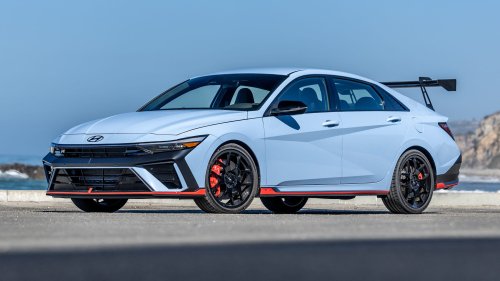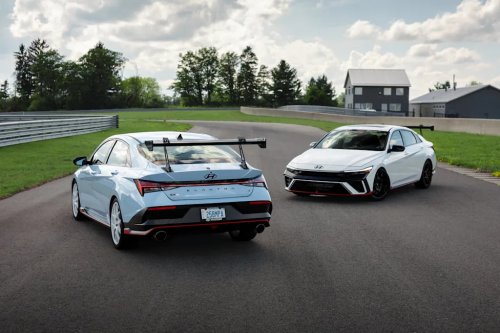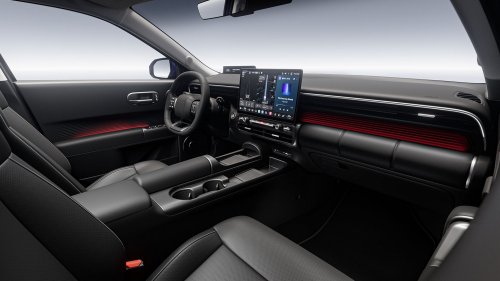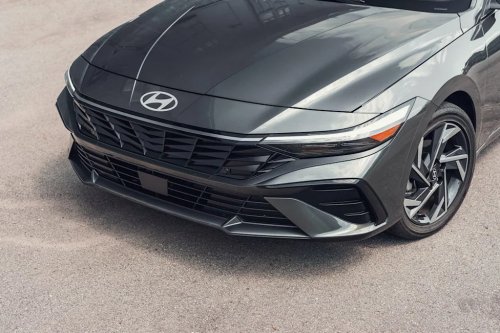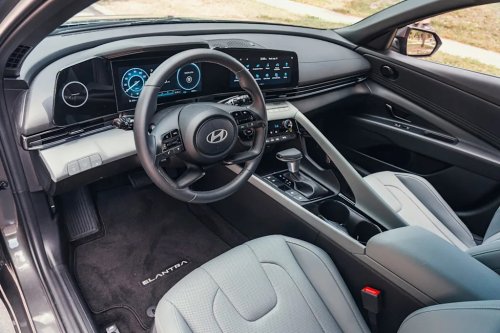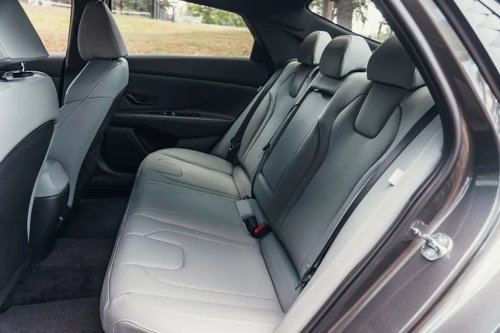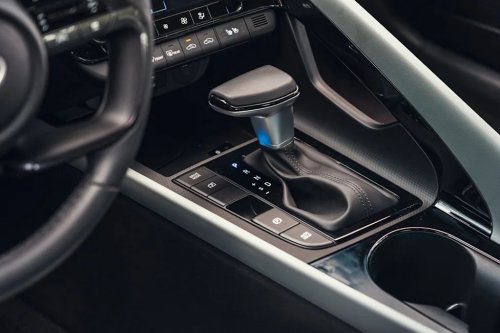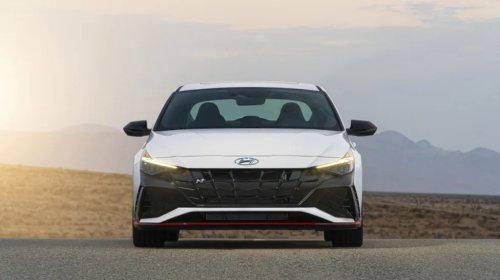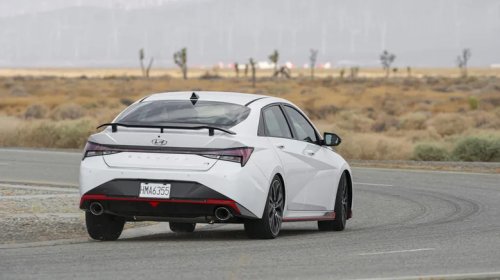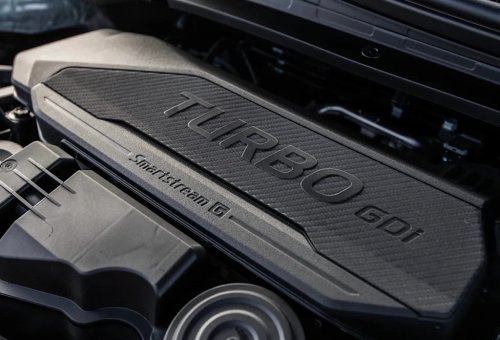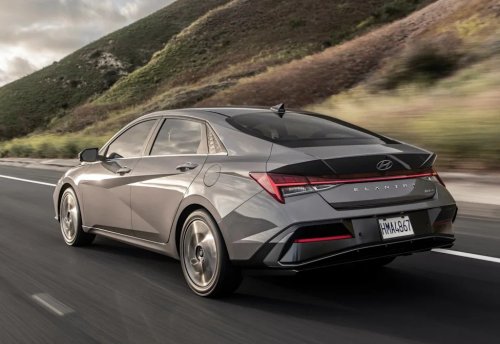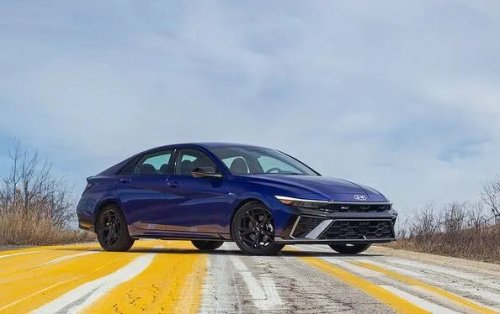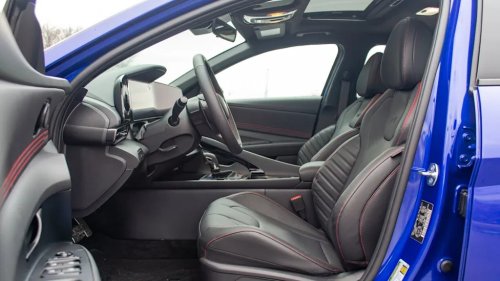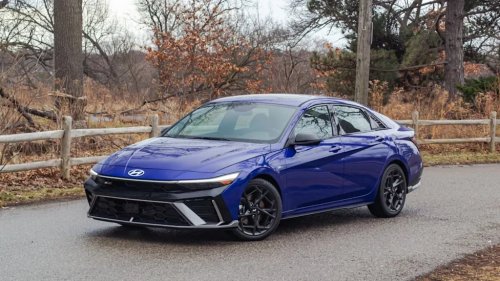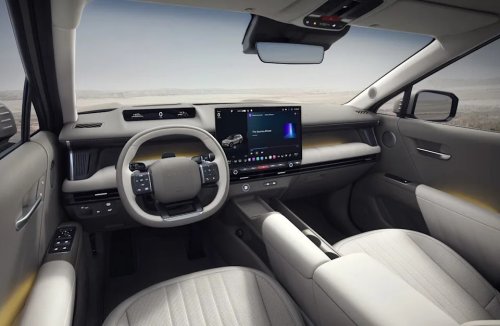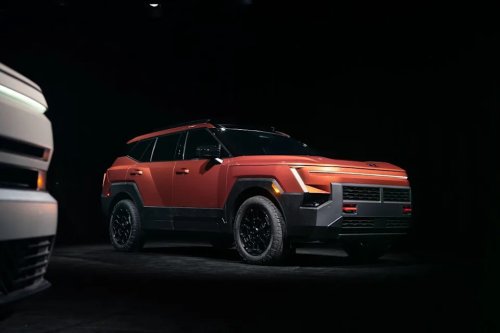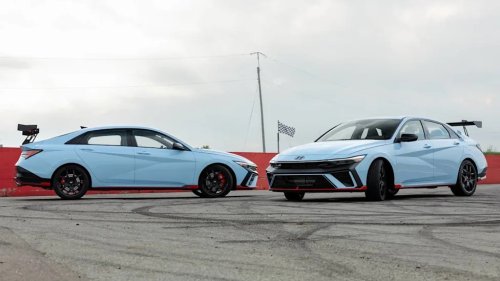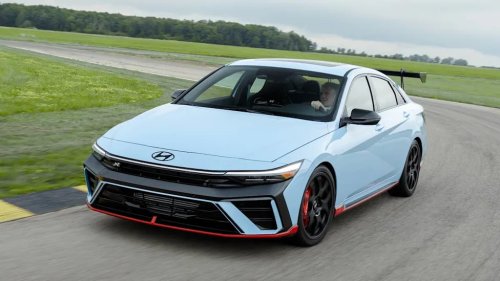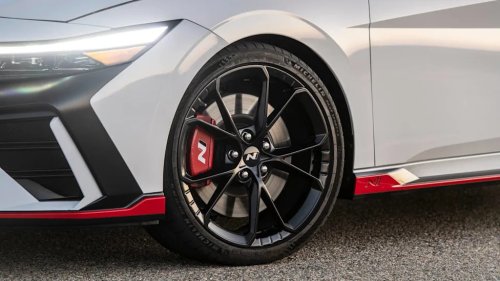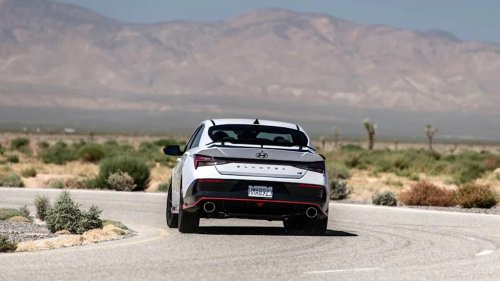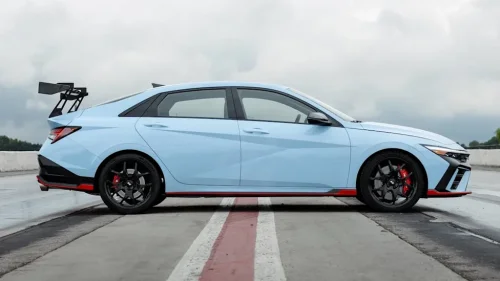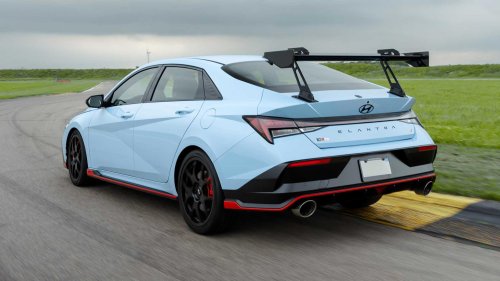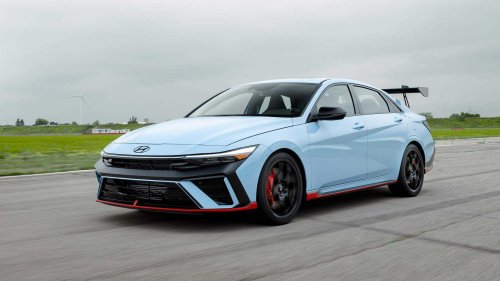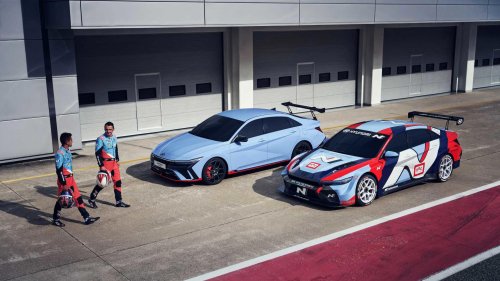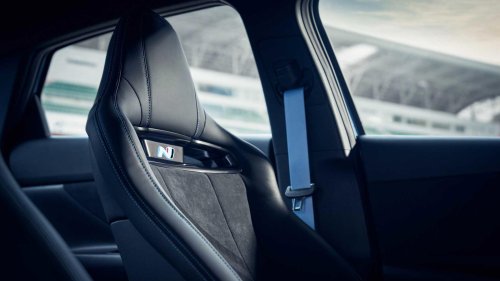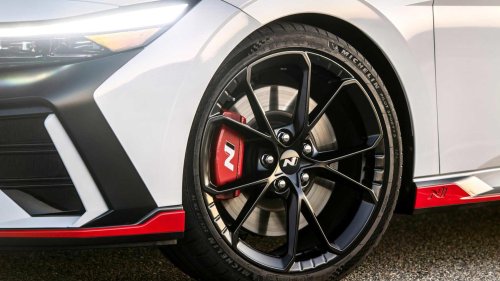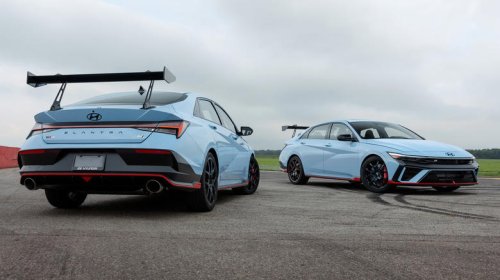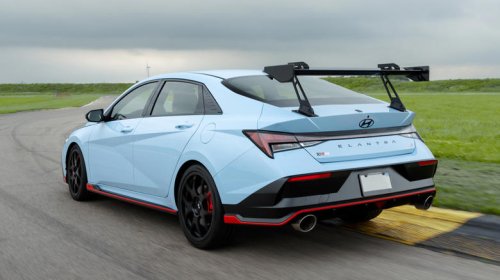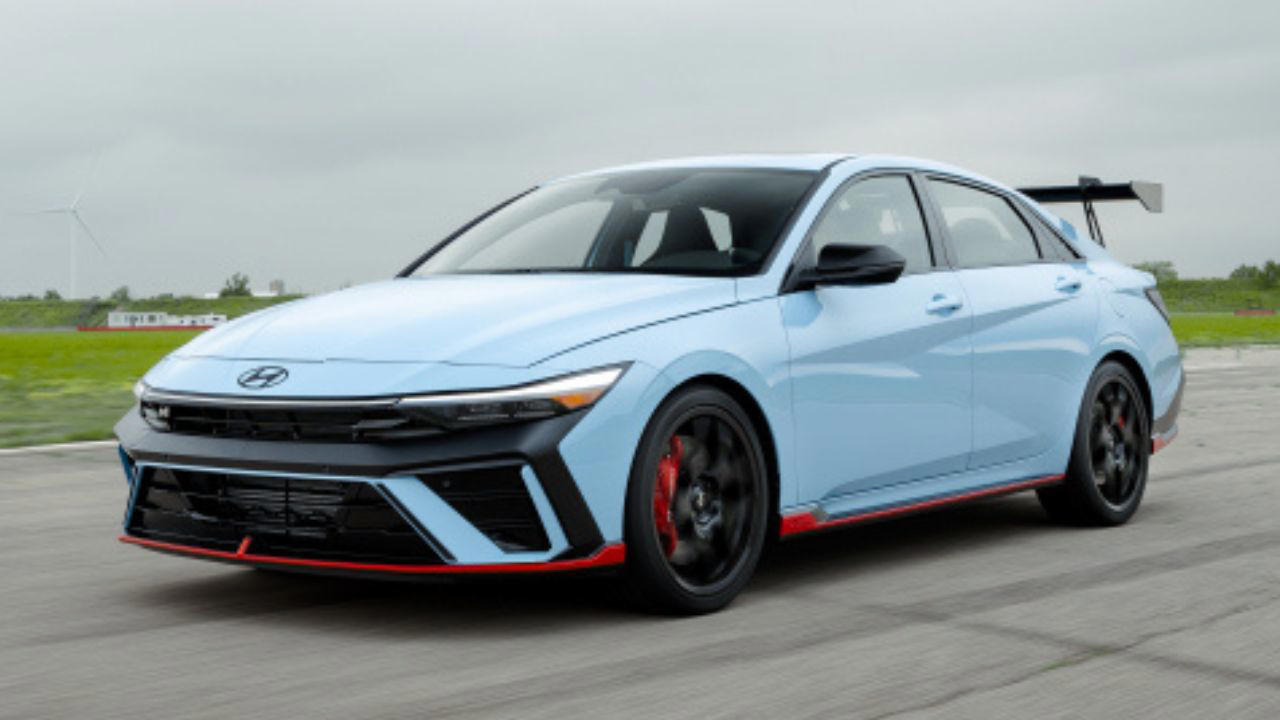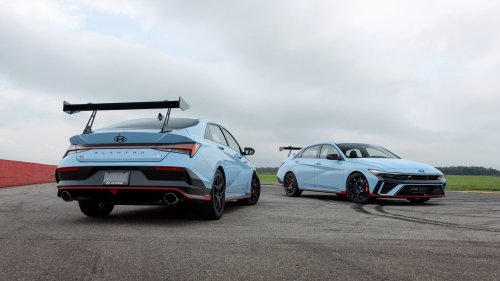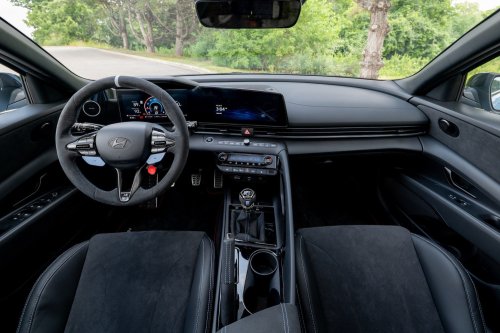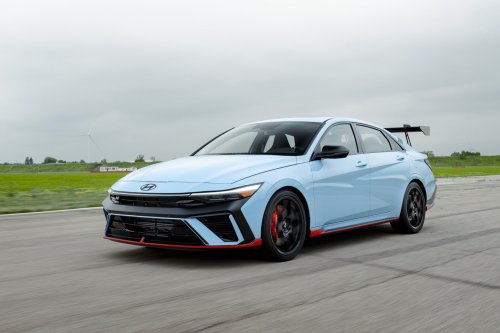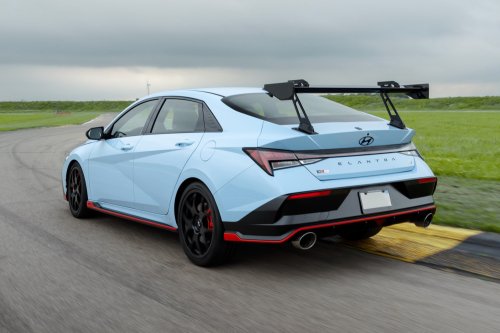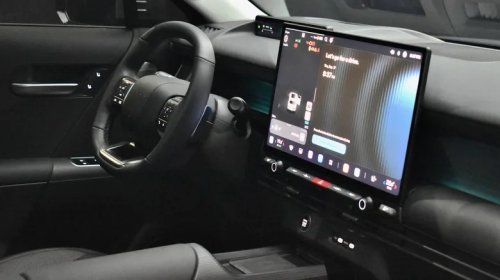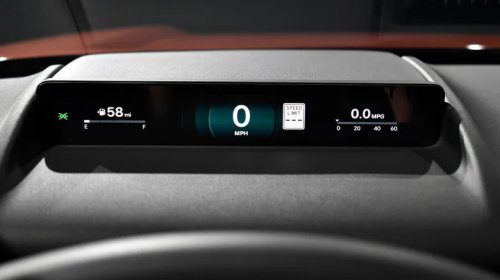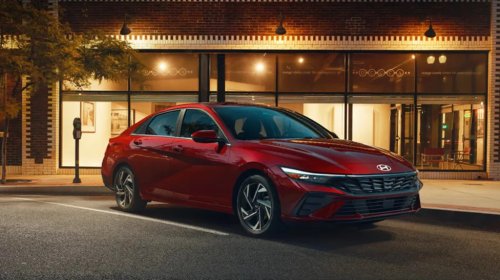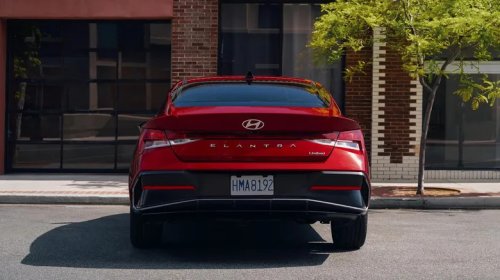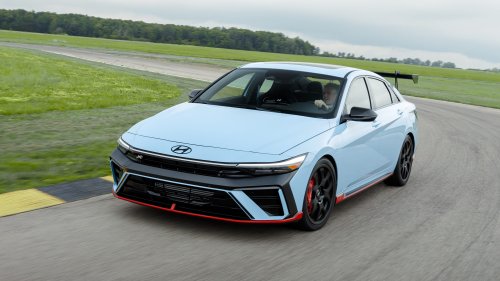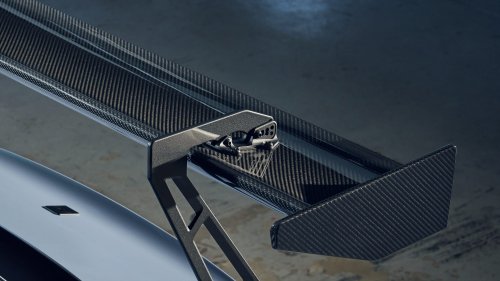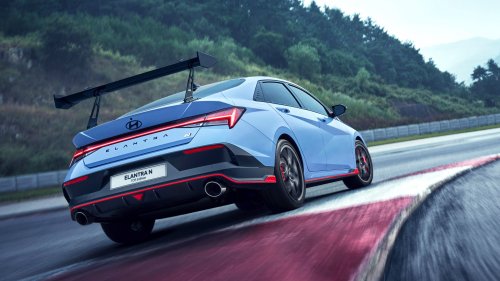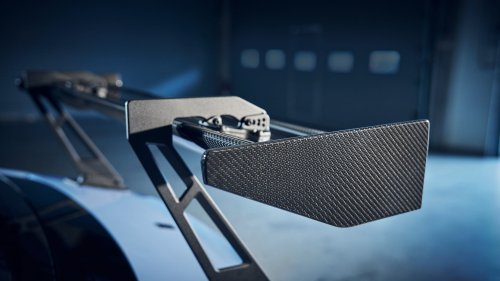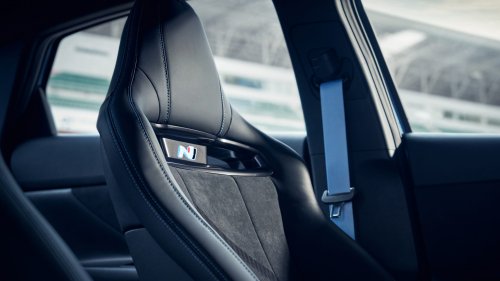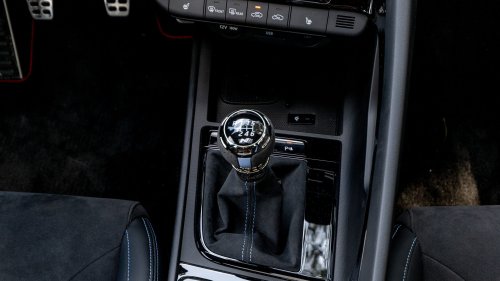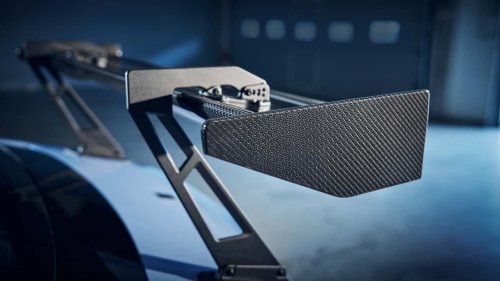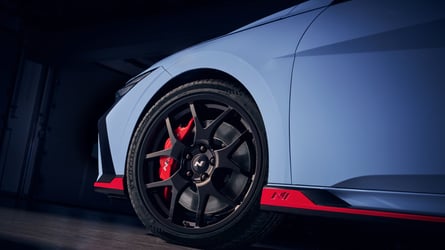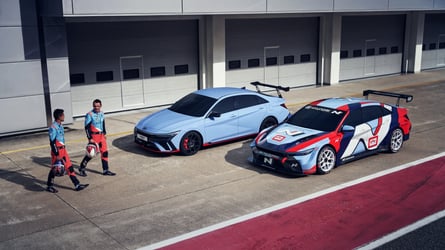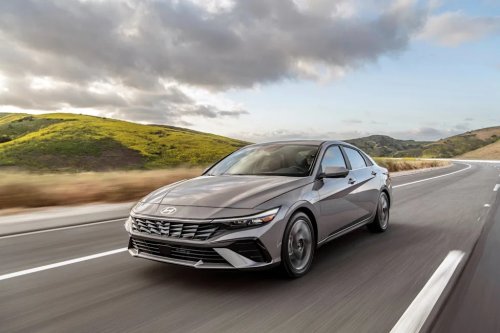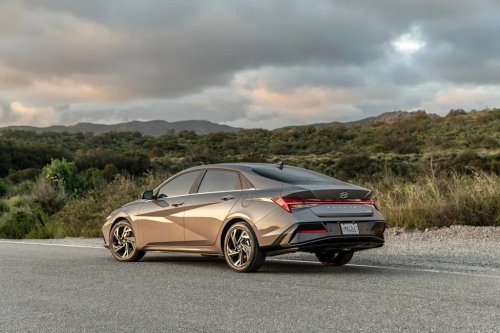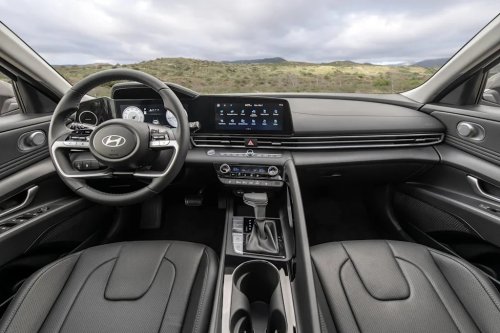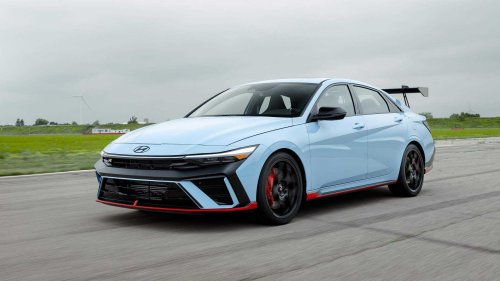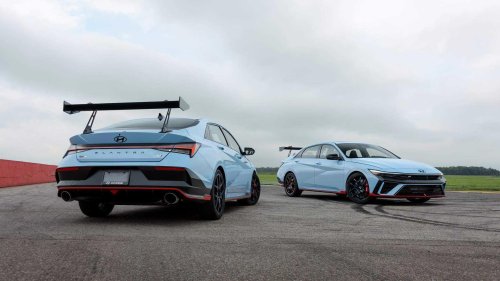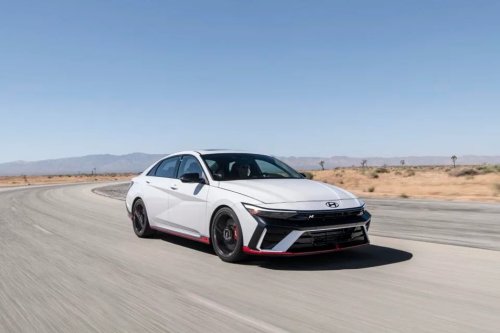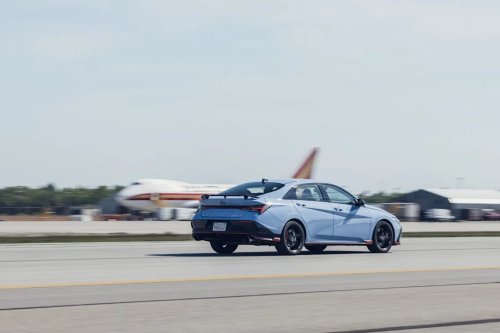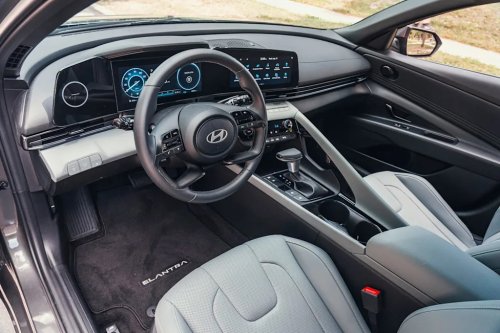
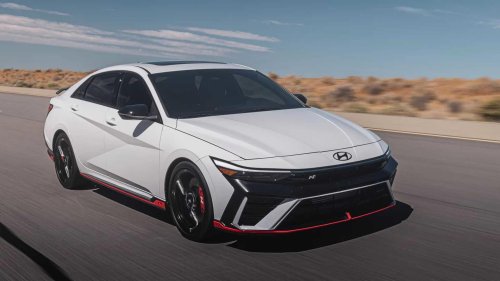
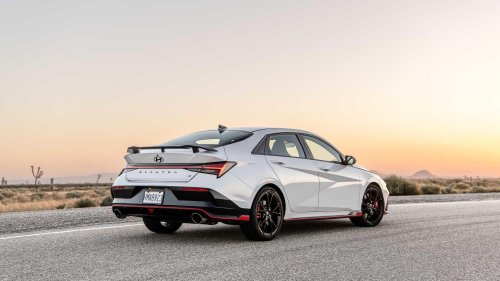
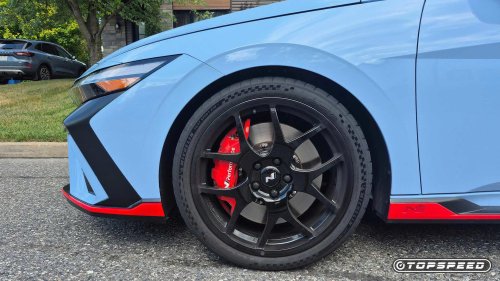
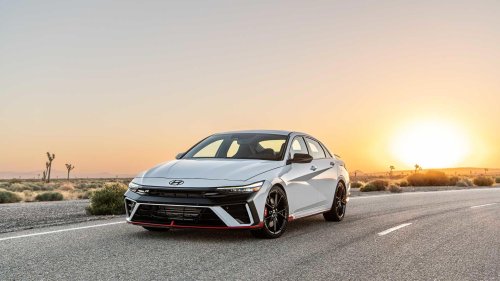
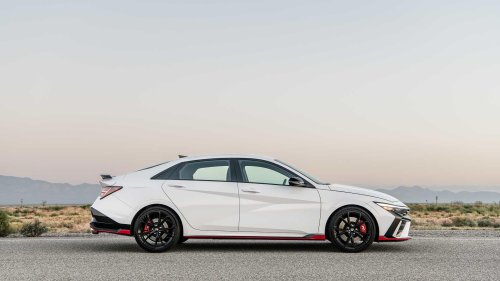
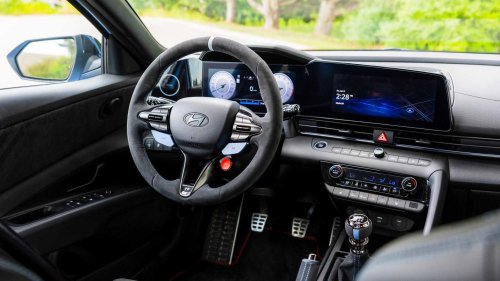
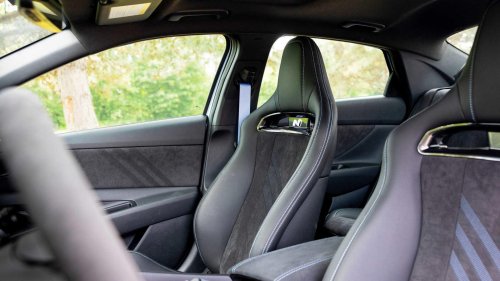
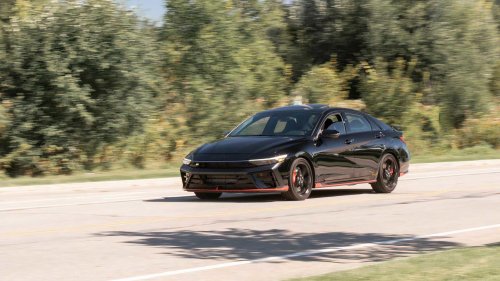
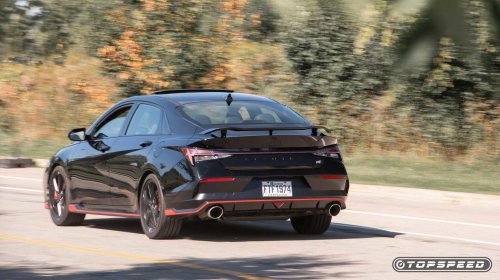



















For decades, the phrase “budget performance car” has come with an asterisk. It usually meant compromises, soft suspension tuning, muted steering feel, and engines that promised more excitement than they delivered. Enthusiasts shopping on a realistic budget were often forced to choose between outright performance and everyday usability, rarely getting both in one cohesive package.But every so often, a car arrives that fundamentally rewrites those expectations. Not by offering a little more power or sharper styling, but by completely rethinking what an affordable performance sedan can be.What makes the car in question so compelling isn’t just its headline performance figures or aggressive design. It’s the depth of engineering beneath the surface, the kind typically reserved for premium performance brands. From its chassis tuning to its powertrain calibration, this performance sedan feels less like a budget option and more like a deliberate attempt to democratize driving excitement. It is, in every sense, a car designed to punch well above its weight and land meaningful blows. Why The Sensible Sedan Segment Rarely Sparks Excitement Toyota The compact sedan segment has long been defined by pragmatism. Fuel efficiency, affordability, and reliability dominate the conversation, leaving little room for emotional appeal. Cars in this category are designed to meet the needs of commuters, families, and fleet buyers, not enthusiasts seeking thrills behind the wheel.Chevrolet Most sedans in this class are built on front-wheel-drive platforms, prioritizing cost efficiency and packaging. Suspension setups typically favor comfort over outright handling precision, often using simple MacPherson struts at the front and torsion beam or basic multi-link arrangements at the rear. While these configurations are perfectly adequate for daily use, they rarely provide the dynamic sophistication required for engaging driving. Casual, "Everyday Performance" Doesn't Cut It Nissan Performance variants, when they do exist, often feel like afterthoughts. Manufacturers may increase power output modestly or stiffen the suspension slightly, but without fundamental changes to chassis geometry, differential technology, or cooling systems, the results tend to fall short of enthusiast expectations. There’s also the issue of thermal management. Many “sporty” compact sedans struggle to maintain performance under sustained hard driving. Brake fade, heat soak, and inconsistent power delivery are common problems, especially on track. This is why genuinely exciting cars in this segment are so rare. It’s not just about adding power; it’s about reengineering the entire package. How The Hyundai Elantra N Injects Track-Ready DNA Into An Everyday Package Hyundai The Elantra N wasn’t developed as a cosmetic upgrade like the N-Line; it was engineered from the ground up by Hyundai’s N division with a clear performance-first philosophy. The goal was to create a sedan that could withstand track abuse while remaining comfortable and usable on public roads. That intent is evident in its hardware. The Elantra N rides on a reinforced version of Hyundai’s K3 platform, with additional chassis bracing and increased rigidity. This structural enhancement improves handling precision and allows the suspension to operate more effectively under load.The suspension itself is a fully independent setup, featuring MacPherson struts at the front and a multi-link rear arrangement. Electronically controlled dampers provide variable stiffness, allowing the car to switch between compliant daily driving and aggressive track-focused behavior. In its firmest setting, body roll is significantly reduced, improving cornering stability and driver confidence. More Than Just A Cosmetic Enhancement Hyundai Key to its performance is the electronically controlled limited-slip differential (e-LSD). Unlike traditional open differentials, this system actively distributes torque between the front wheels, improving traction during cornering and minimizing understeer. It enables the car to put power down more effectively, especially when exiting tight corners.William Clavey | TopSpeed The braking system is equally robust, featuring 14.2-inch front discs with high-performance pads designed to resist fade during repeated heavy use. Cooling ducts help maintain consistent braking performance, an essential feature for track driving. Even the aerodynamic elements serve a functional purpose. The rear spoiler, front splitter, and underbody enhancements contribute to stability at higher speeds, ensuring the car remains planted during aggressive driving. The Powertrain, Dual-Clutch, And Chassis Tuning Hyundai At the core of the Hyundai Elantra N is a 2.0-liter turbocharged inline-four engine from Hyundai’s Theta II family. This unit produces 276 horsepower at 5,500 to 6,000 rpm and 289 pound-feet of torque available from 2,100 to 4,700 rpm. With the N Grin Shift function engaged, output temporarily increases to 286 horsepower for 20 seconds, providing an extra surge of acceleration. The engine features direct fuel injection, a twin-scroll turbocharger, and reinforced internals to handle sustained high-performance driving. It also incorporates an upgraded intercooler and dedicated oil cooling system to manage temperatures under load.Buyers can choose between a six-speed manual transmission or an eight-speed wet dual-clutch transmission (DCT). The DCT is particularly noteworthy, offering lightning-fast gear changes and multiple performance modes. It includes features such as: N Power Shift, which reduces torque interruption during upshifts under heavy acceleration N Track Sense Shift, which automatically selects optimal gears during aggressive driving N Grin Shift, which maximizes performance for short bursts Hyundai With the DCT, the Elantra N accelerates from zero to 60 mph in approximately 4.8 seconds, while the manual version achieves the same in just over five seconds. Top speed is electronically limited to around 155 mph. Chassis tuning plays an equally critical role. The steering system uses a rack-mounted motor-driven power steering (R-MDPS) setup, offering improved feedback and precision compared to column-mounted systems. Steering ratio is quick and direct, enhancing responsiveness. The car rides on 19-inch alloy wheels wrapped in Michelin Pilot Sport 4S tires (245/35 R19), providing exceptional grip levels. Combined with a curb weight of approximately 3,200 pounds, the Elantra N achieves an impressive power-to-weight ratio for its class. Driver-Focused Engineering That Rivals Cars Twice The Price Hyundai Inside the cabin, the 2026 Hyundai Elantra N continues its performance-focused approach. The sport seats are trimmed in a combination of leather and Alcántara, featuring illuminated N logos and aggressive bolstering to support the driver during high lateral loads. The steering wheel includes dedicated N buttons, allowing instant access to customizable drive modes. Drivers can tailor parameters such as throttle response, rev matching, exhaust sound, suspension stiffness, and steering weight. The digital instrument cluster and infotainment system provide performance data, including lap timers, G-force readings, and turbo-boost pressure. This level of telemetry is typically reserved for higher-end sports cars. A True Daily Track Car Hyundai Despite its focus on performance, practicality remains intact. The Elantra N offers 14.2 cubic feet of trunk space and comfortable rear seating, making it suitable for daily use. It also includes modern safety features such as forward collision avoidance, lane-keeping assist, and adaptive cruise control. Noise, vibration, and harshness have been carefully managed, too. While the exhaust note is intentionally aggressive in sport modes, the car remains refined enough for long-distance driving when set to its softer configurations. Why This Budget Performance Sedan Redefines Value For Enthusiasts TopSpeed The Elantra N’s greatest achievement is how comprehensively it delivers performance without inflating cost. With a price point in the mid-$30,000 range, it offers hardware and capability typically found in cars costing significantly more. When you consider its specification, nearly 280 horsepower, a sophisticated dual-clutch transmission, adaptive suspension, e-LSD, and track-ready cooling systems, it becomes clear that this isn’t just a good value proposition. It’s an outlier. It Delivers An Authentic Driving Experience Guillaume Fournier | TopSpeedThe steering is communicative, the chassis is balanced, and the powertrain is both responsive and robust. It’s a car that encourages spirited driving while remaining forgiving enough for less experienced drivers. In a market where performance often comes at a premium, the Elantra N stands as proof that affordability doesn’t have to mean compromise. It doesn’t just meet expectations for a budget performance car; it exceeds them in ways that redefine the segment. For enthusiasts seeking maximum driving enjoyment per dollar, this is no longer a compromise choice. It’s arguably the benchmark.Sources: Hyundai U.S.