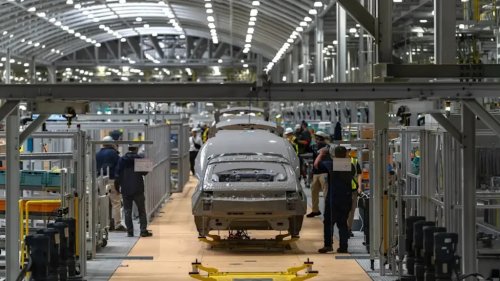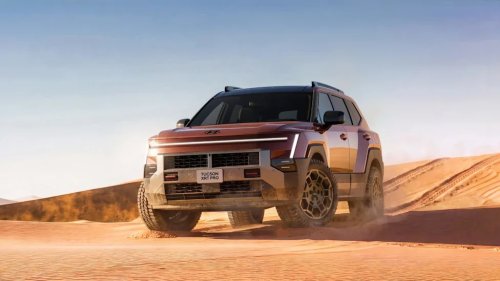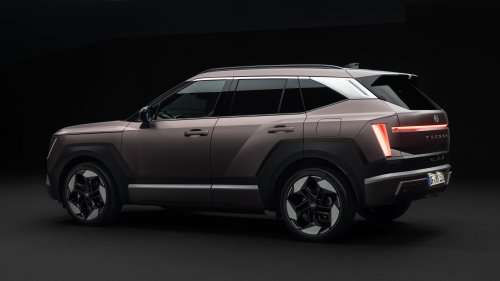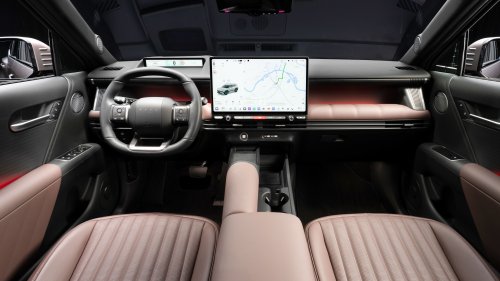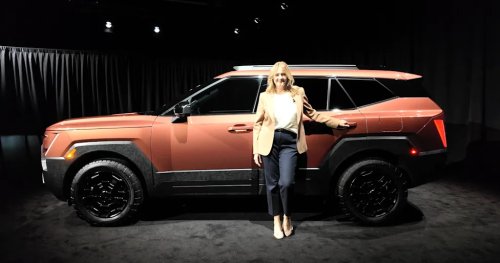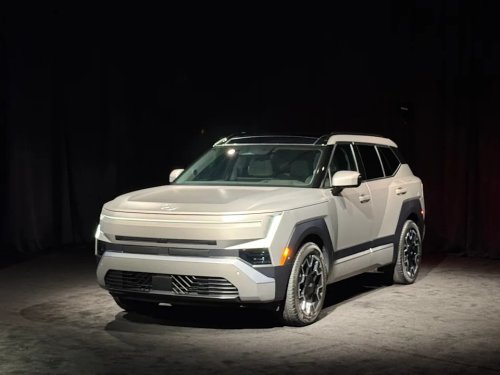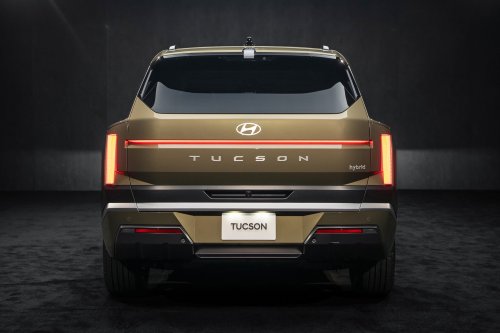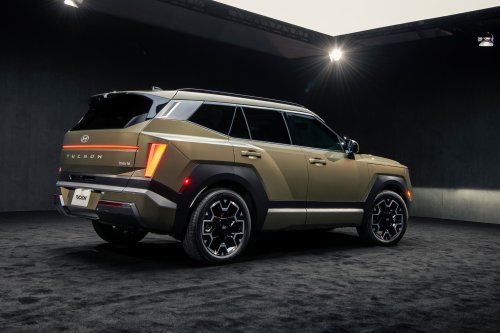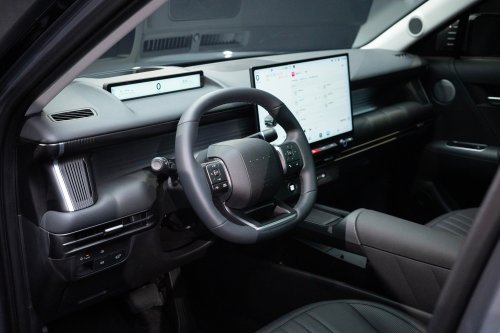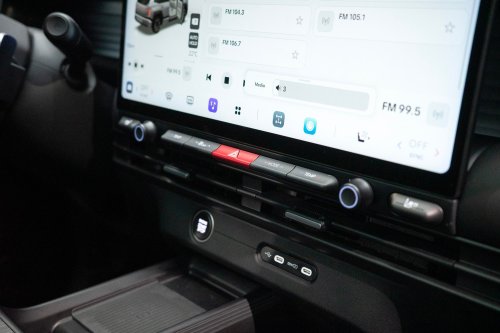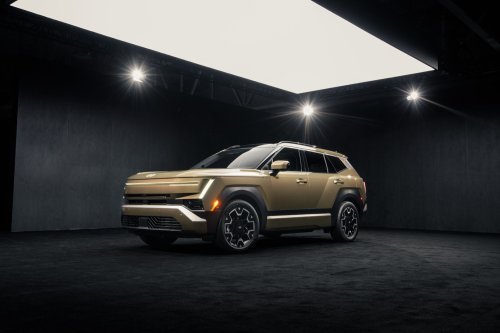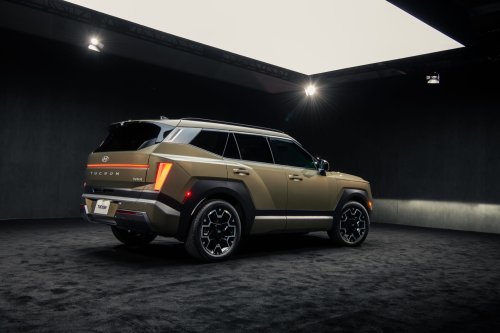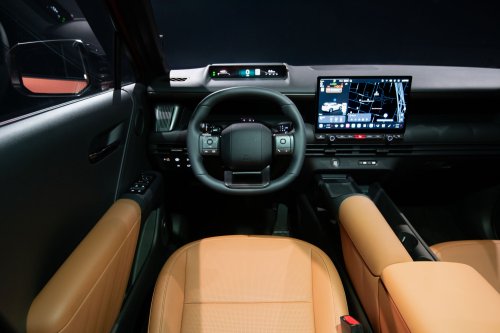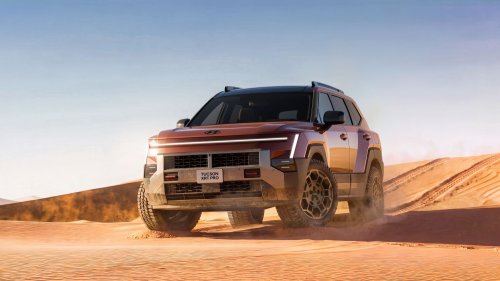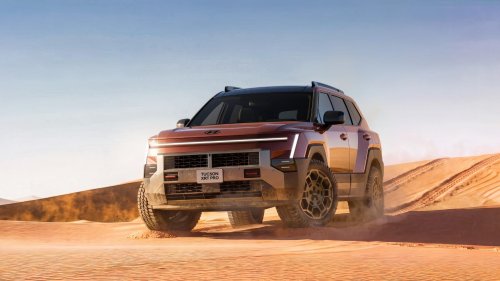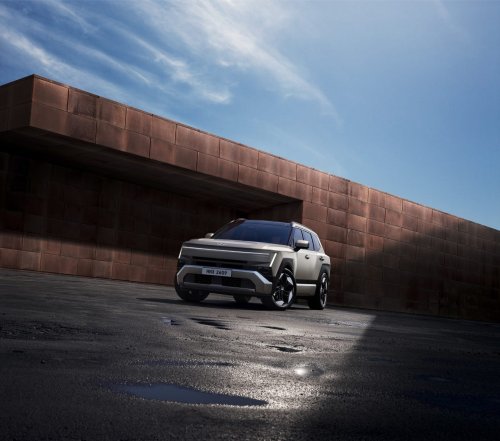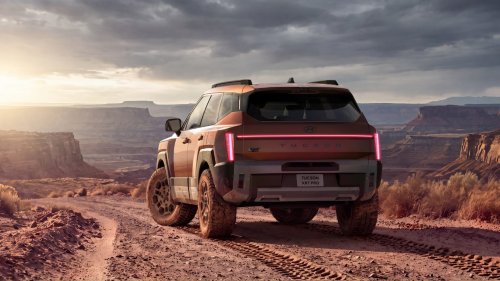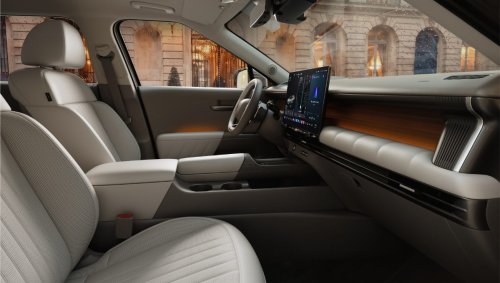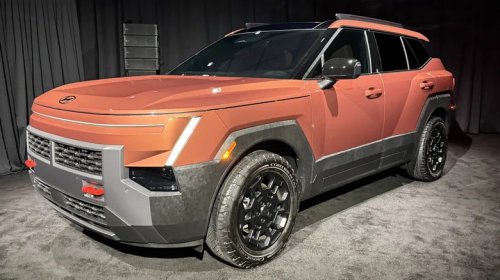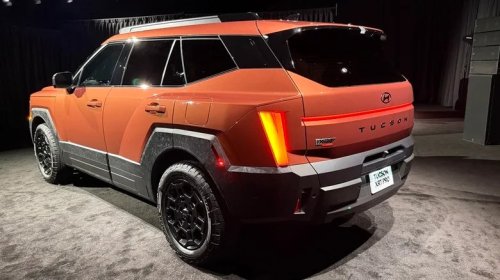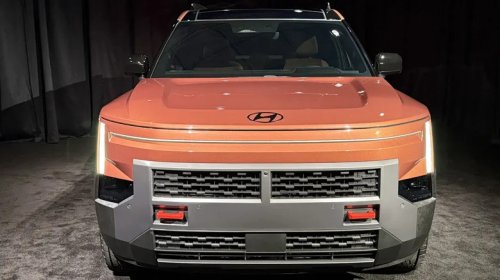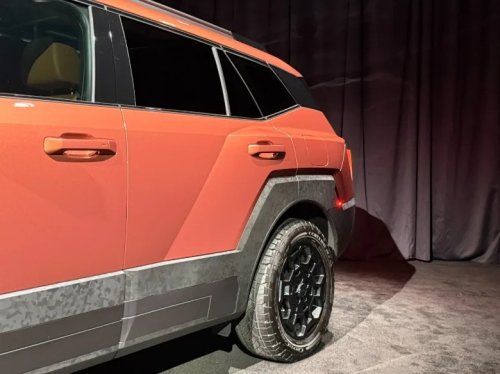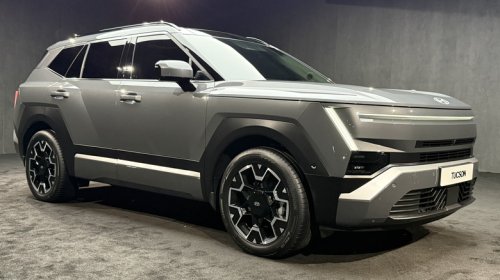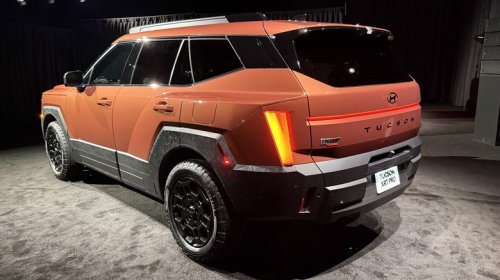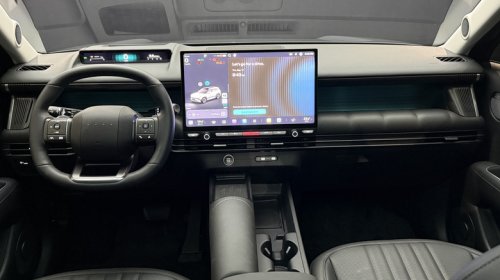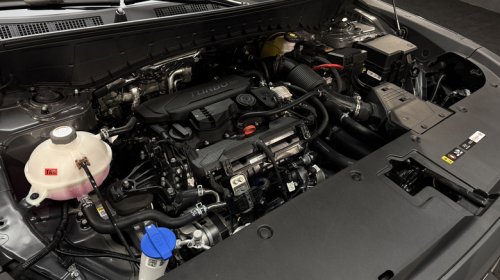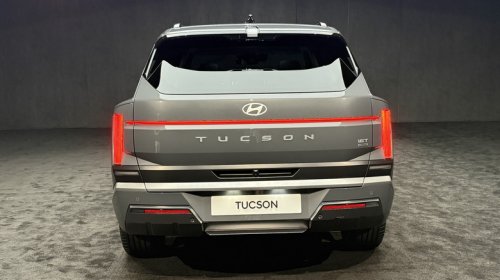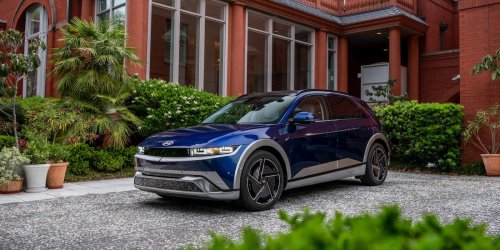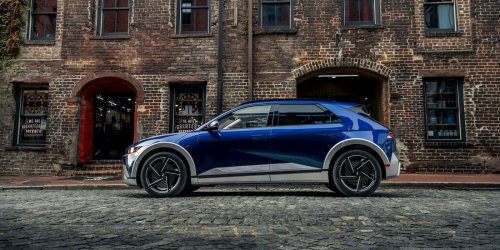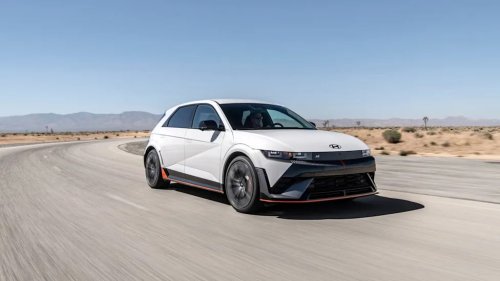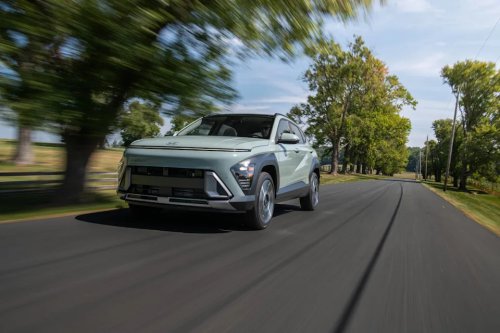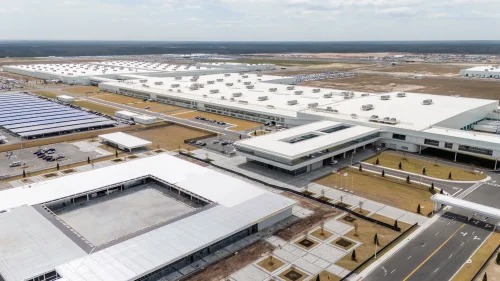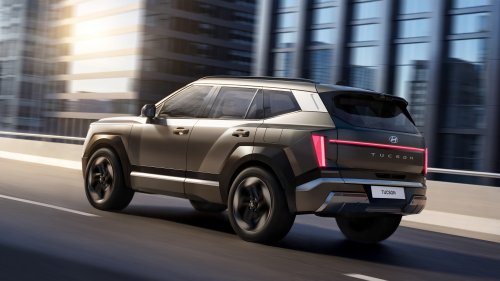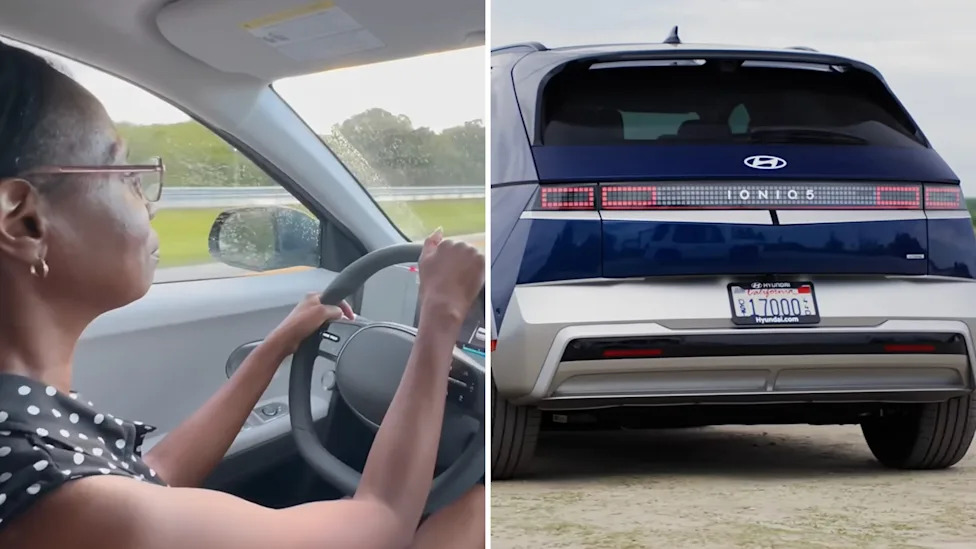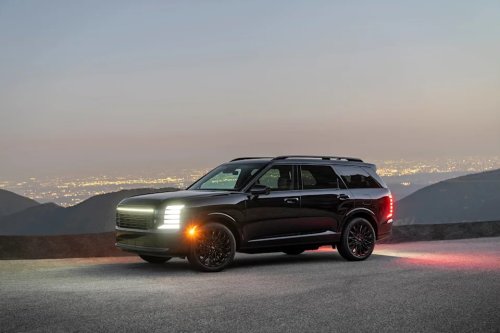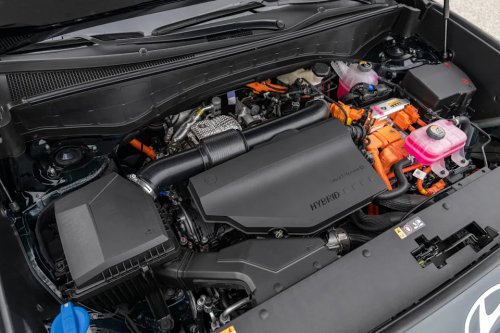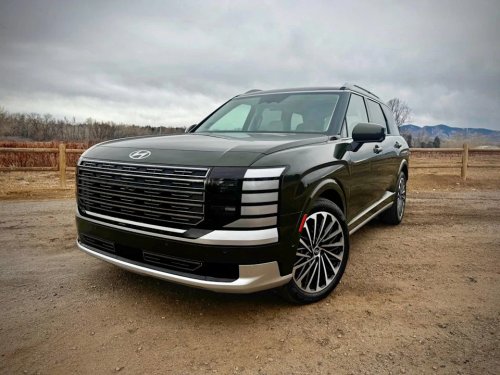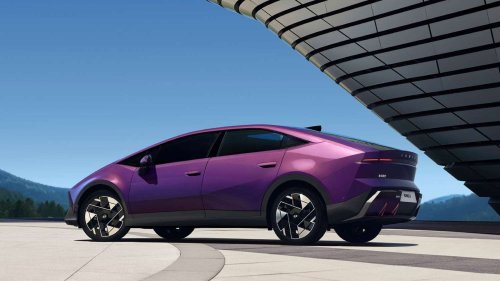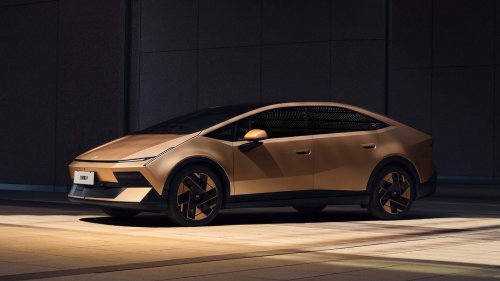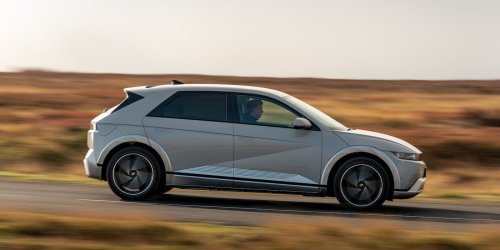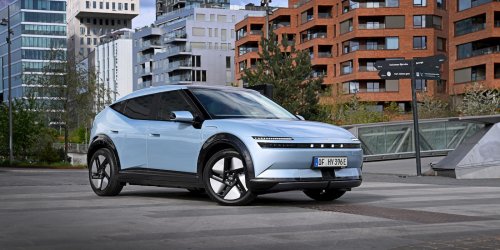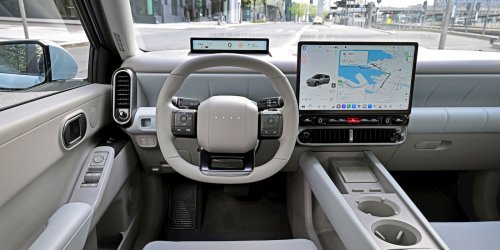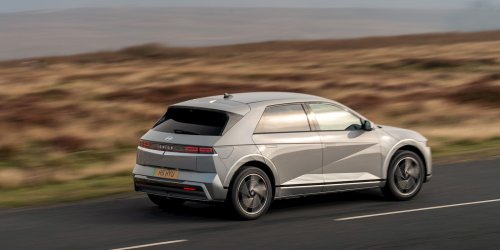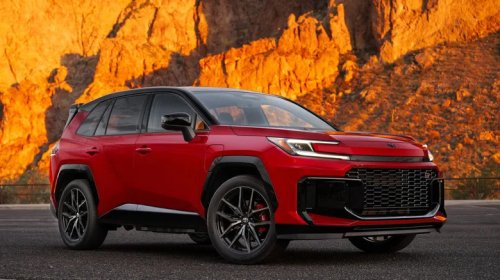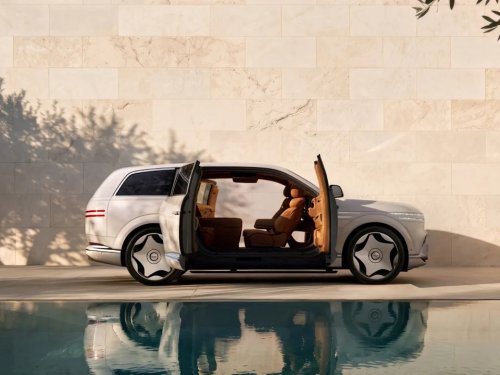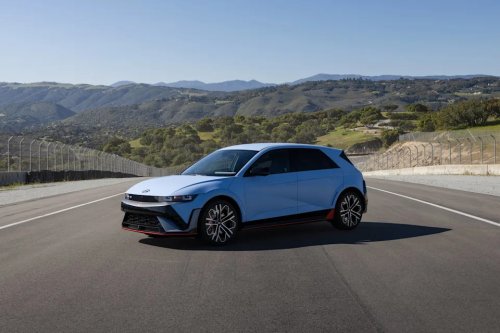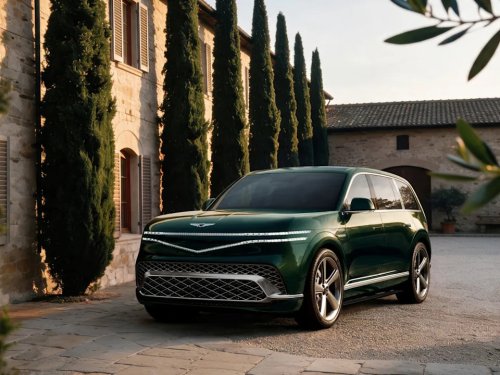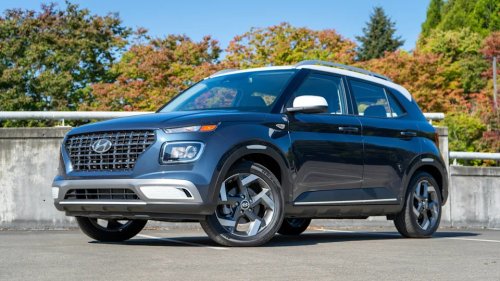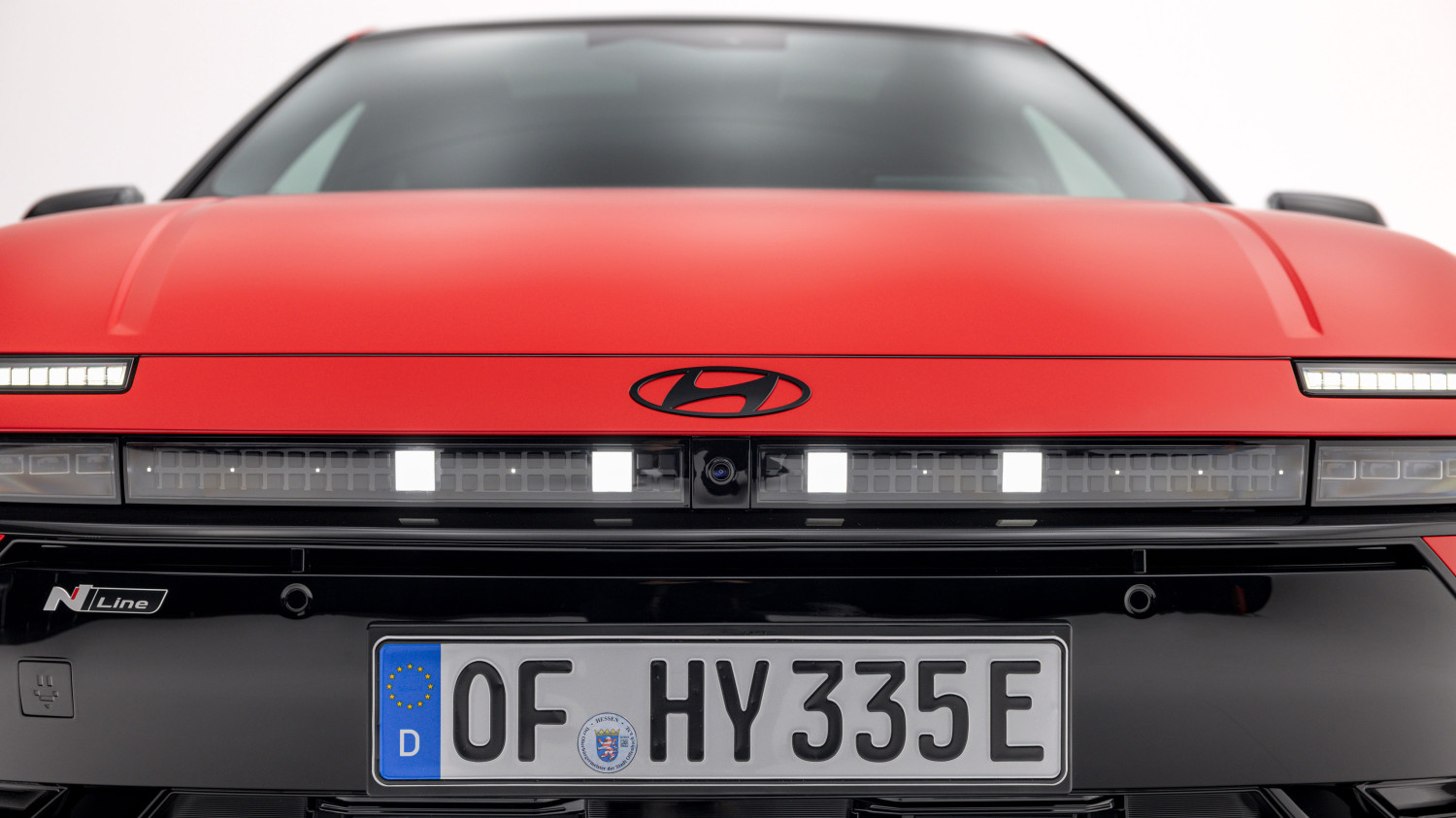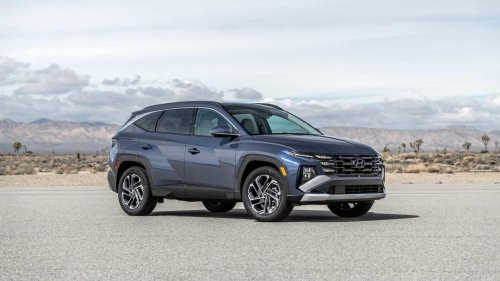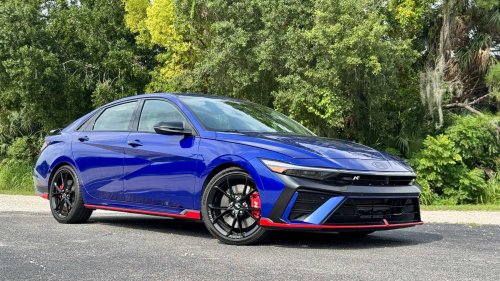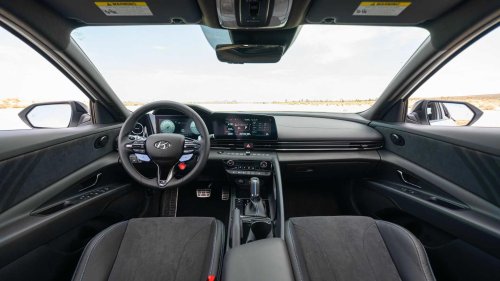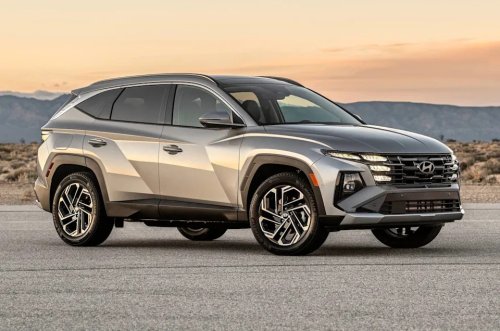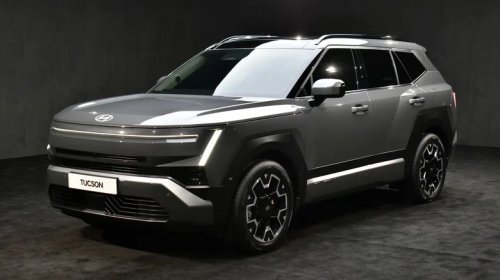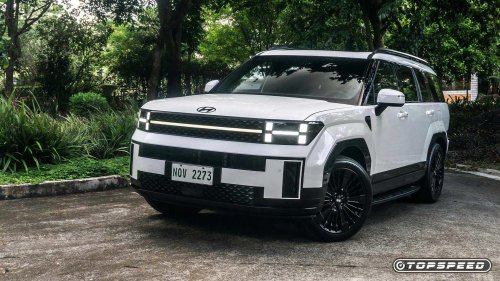
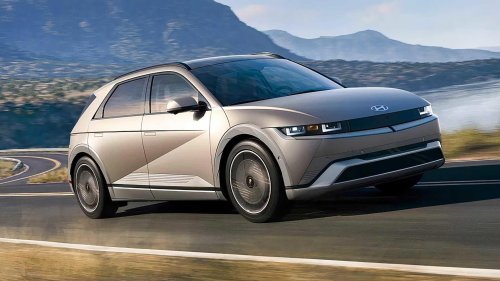
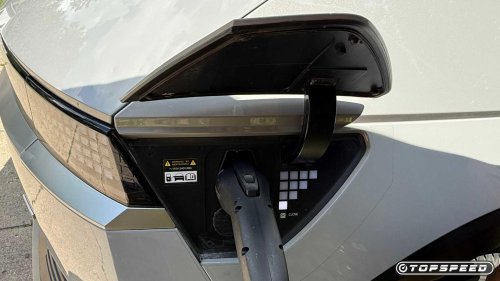
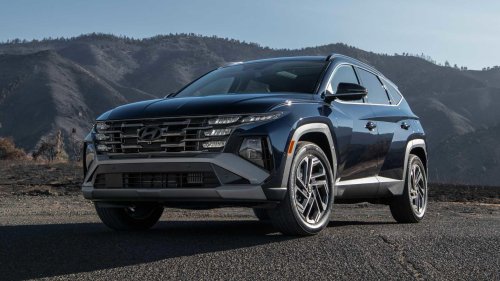



















Hyundai sold 87,468 vehicles in the U.S. in May 2026, a 3% year-over-year increase, with electrified vehicles carrying the bulk of the growth. The headline number was a 90% surge in hybrid sales — the brand's best hybrid month ever — while EV sales climbed 10%, setting a new May record. Electrification Is At The Core Of Growth Isaac Atienza | TopSpeed "Hyundai achieved growth across nearly every part of our lineup in May, from sedans to SUVs, including both hybrid and electric models," said Randy Parker, president and CEO of Hyundai Motor North America. "The market remains resilient, with solid underlying demand even as customers continue to navigate affordability pressures. Our hybrid portfolio is seeing strong traction, while EV demand continues to improve."Individual hybrid nameplates drove the record, with the Tucson HEV up 10%, Santa Fe HEV up 30%, Elantra HEV up 29%, and the Sonata HEV up a standout 250% — all setting new May records. On the EV side, the IONIQ 5 posted its best May ever with a 28% gain, and the IONIQ 9 continued its launch momentum with a 279% year-over-year increase as the model laps its initial rollout period. Hyundai's EVs Surge On Without Tax Credits Hyundai The results come at a notable moment for Hyundai's EV strategy. The federal EV tax credit, which drove significant consumer demand under the Inflation Reduction Act (IRA), is no longer in play, yet Hyundai is pressing forward rather than pulling back. Parker addressed the shift directly on a media call, saying the brand had long maintained there was an EV market before the IRA and there would be one after."We've decided, since day one, that we want to demonstrate leadership in that space and continue to keep our foot on the accelerator," Parker told TopSpeed. "You see a lot of other OEMs that are scaling back, that are pulling back, and we're doing the opposite."Central to that strategy is Hyundai's Metaplant in Savannah, Georgia, which began producing the Ioniq 5 and Ioniq 9 locally — a move Parker said resonates with consumers. The plant, originally slated to be 100% EV, is also set to begin hybrid production in Q3 of this year, reflecting the brand's willingness to pivot with the market."We made a decision to invest in EVs and in localized production and infrastructure well before the IRA came into play," Parker said. "Our top-selling EVs are now locally produced, and soon we're going to start bringing hybrids into that plant as well." New Hybrid Tech Is Coming Soon TopSpeed | John Beltz SnyderLooking further ahead, Parker indicated that extended-range electric vehicles (EREVs), which pair EV power and torque with hybrid range, are expected to reach the U.S. market as early as next year, adding a fourth powertrain option to a lineup that already spans ICE, hybrid, and full BEV.Beyond electrification, Hyundai's sedan lineup delivered standout results, with Sonata up 39% and Elantra up 7%, reinforcing the brand's long-standing commitment to passenger cars at a time when many competitors have retreated to higher-margin SUVs only. Parker cited that lineup breadth as a key affordability lever in a challenging environment marked by high gas prices, inflation, and tightening consumer credit."We've got a seat for every purse," Parker said. "We've scaled up our production in terms of passenger cars in Elantra and Sonata, and I think that's helping affordability as well." TopSpeed's Take Hyundai It's no surprise that hybrid sales are surging, especially with the sky-high gas prices we've seen this year. The EV success is most impressive, though, achieved without the help of federal tax credits. Hyundai is meeting EV customers where they are in terms of budget and needs. We're really excited to see what happens when Hyundai brings its EREV to the market. Based on the sales we're seeing from hybrids and EVs, it seems like if anyone could have a successful run at it, it's Hyundai.