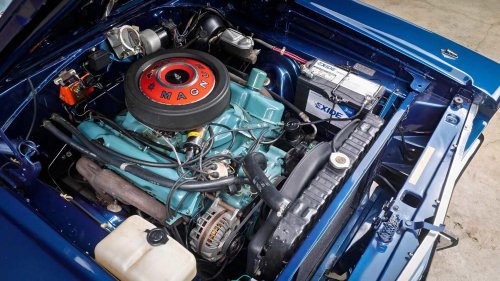
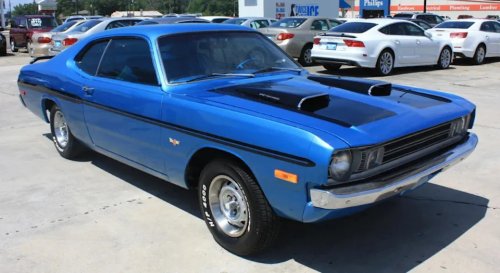
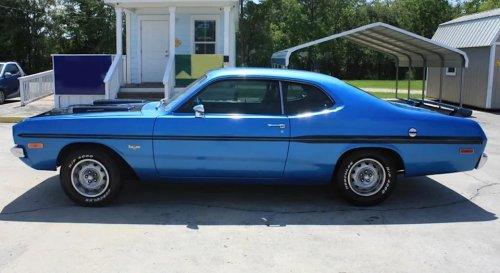
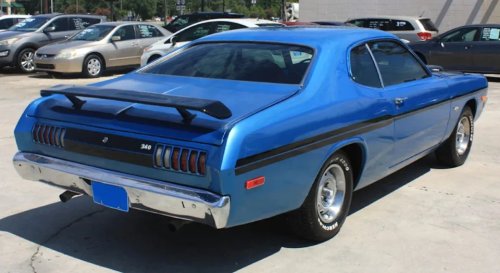
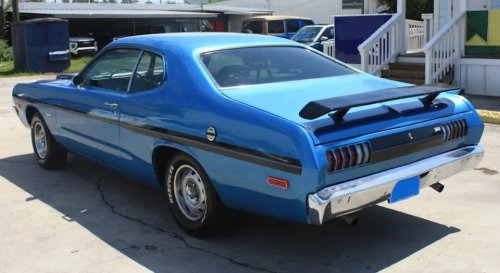
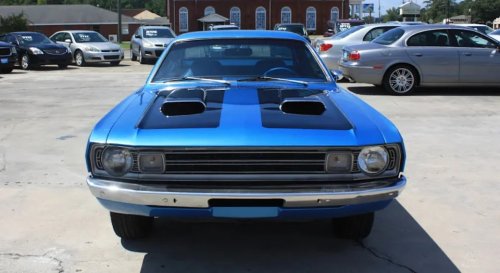
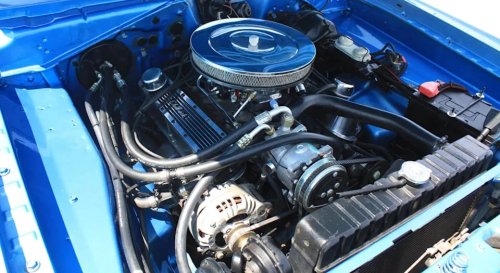
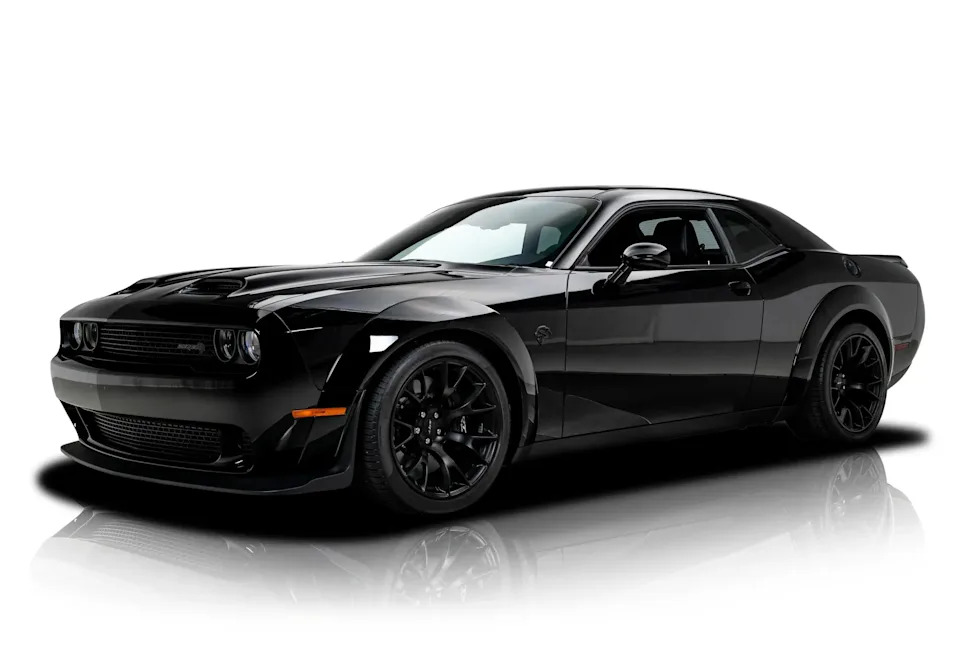
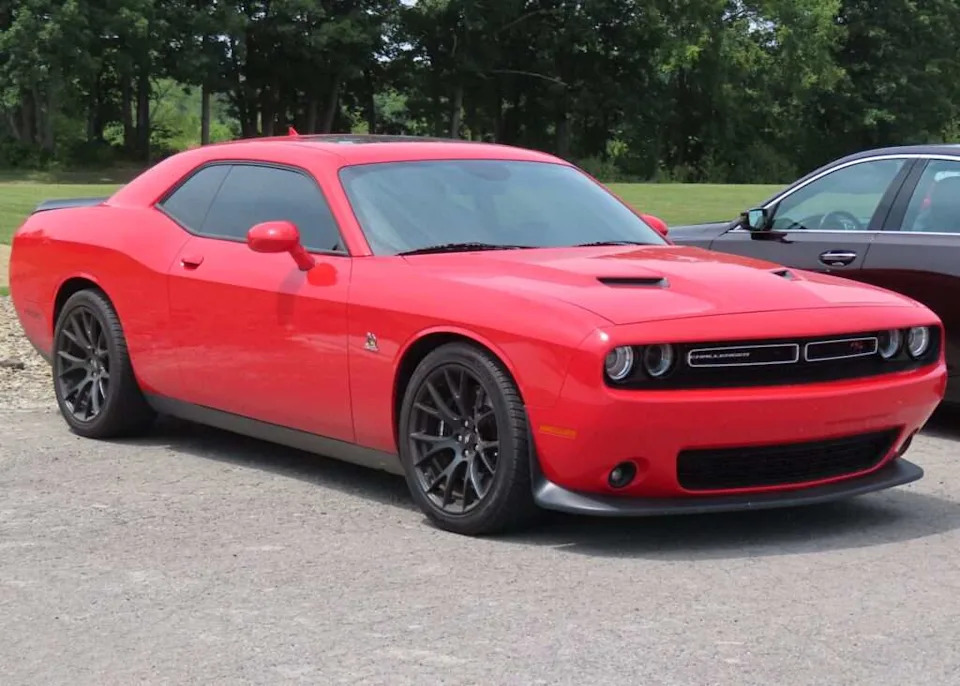
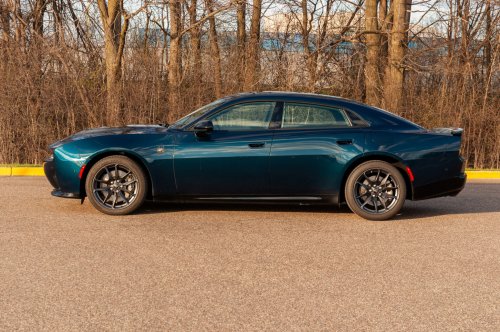
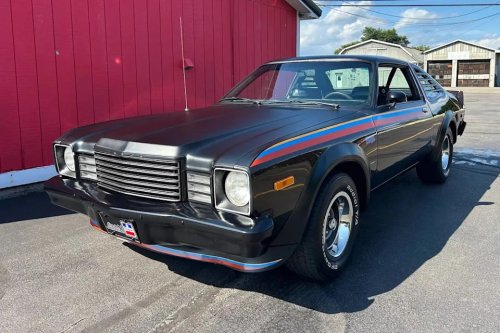
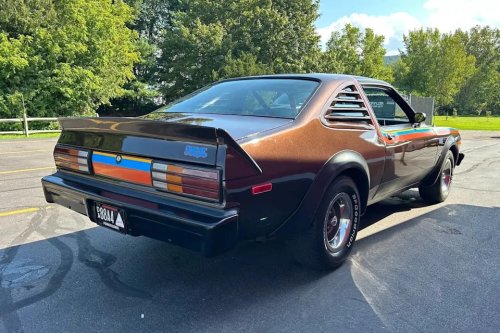
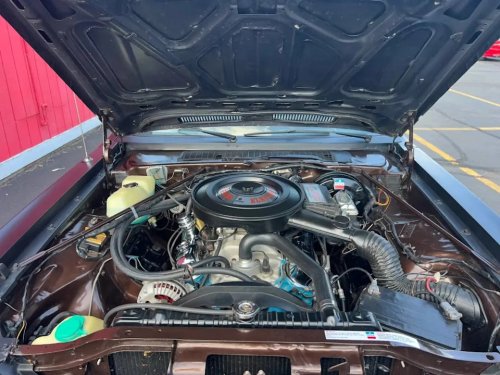
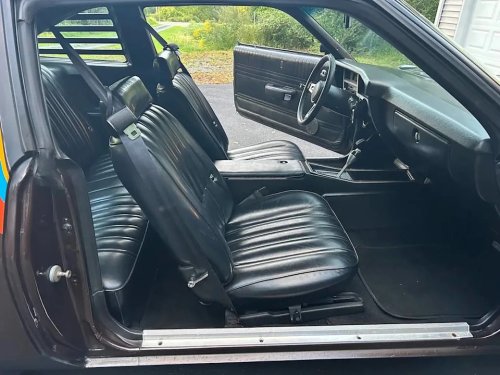
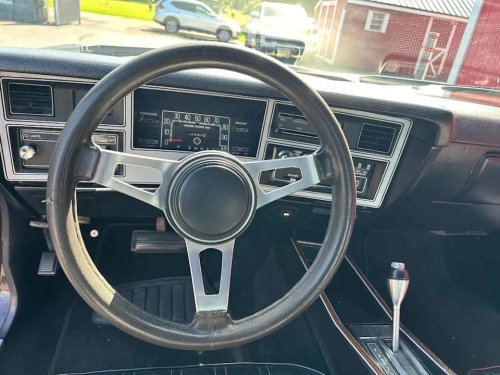
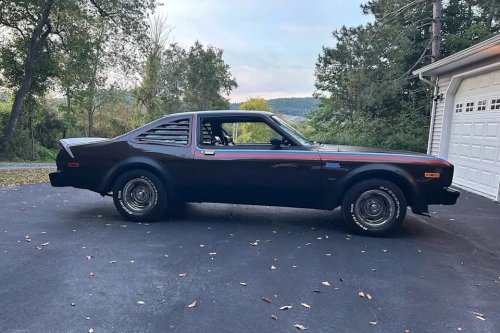
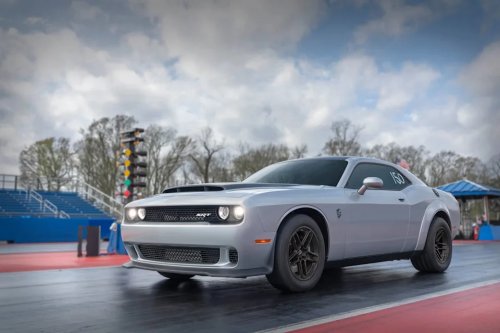
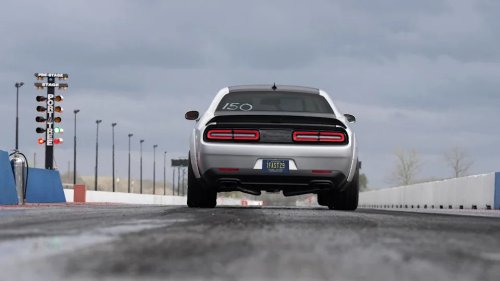
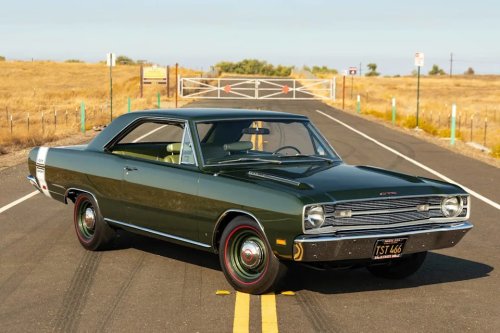
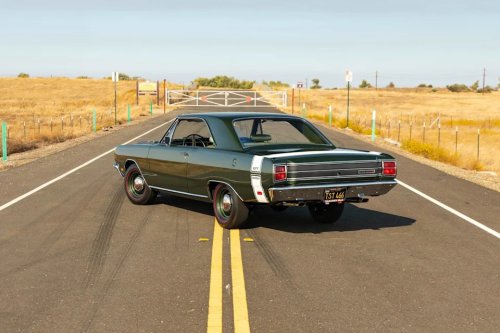
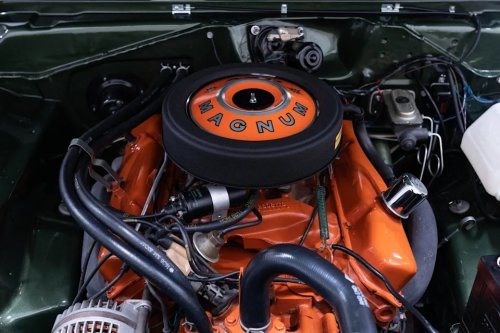
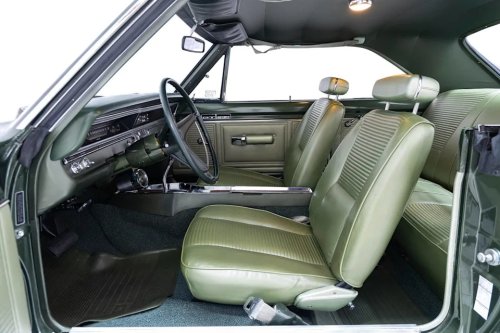
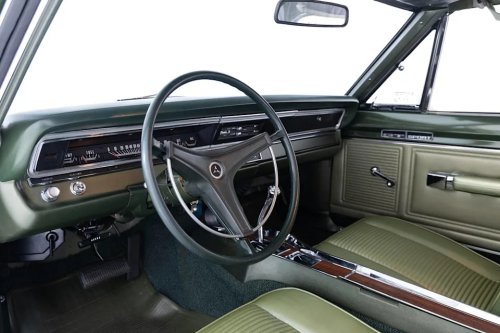
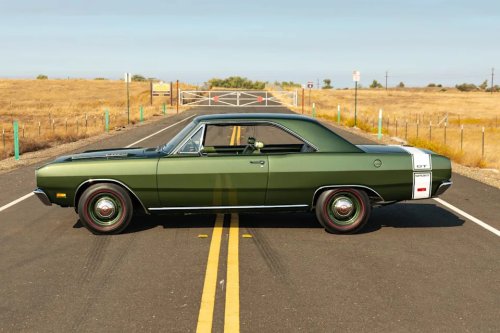
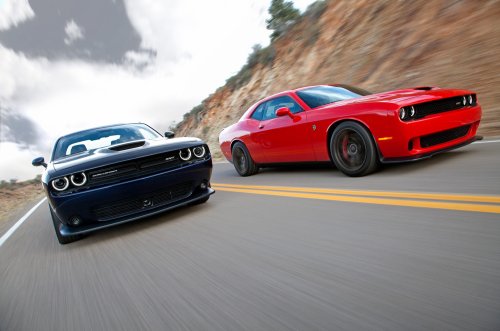
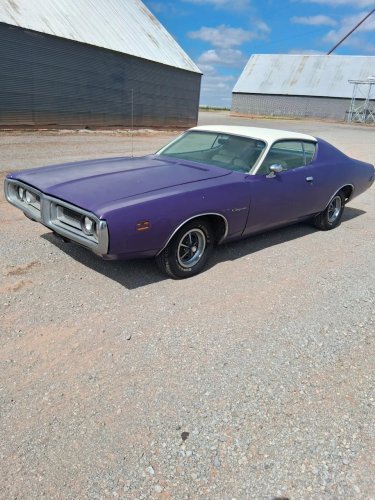
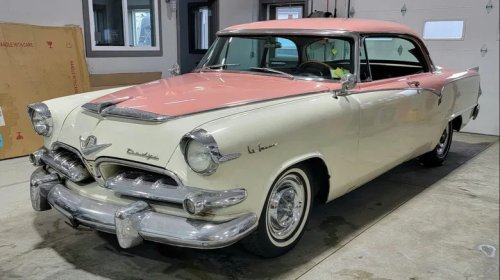
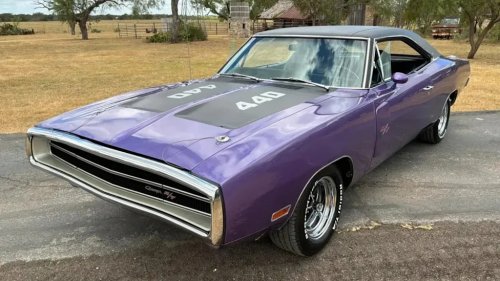
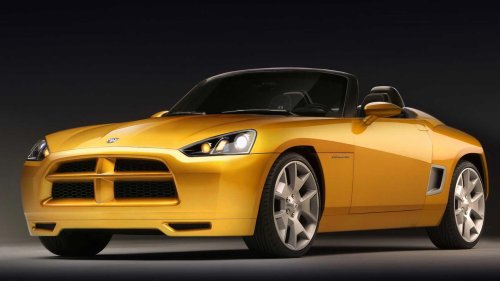
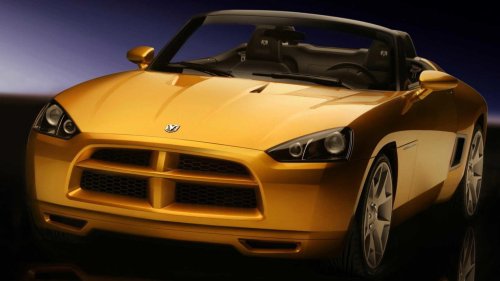
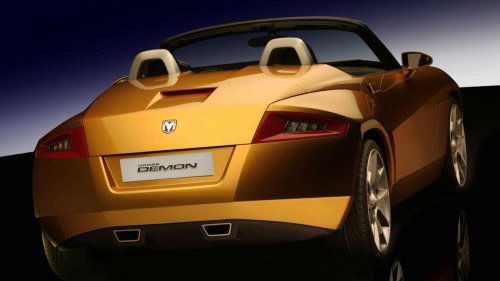
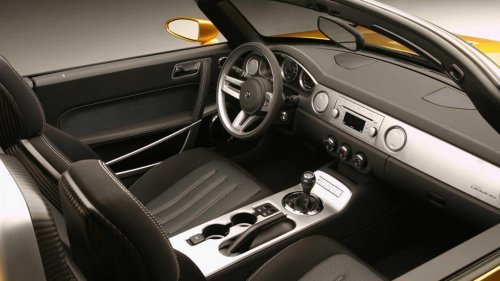
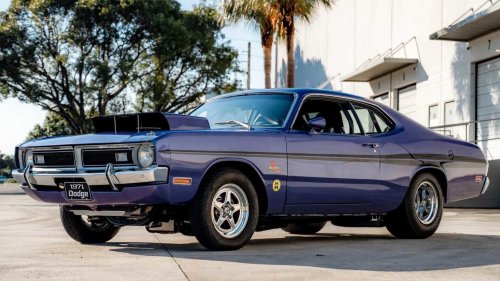
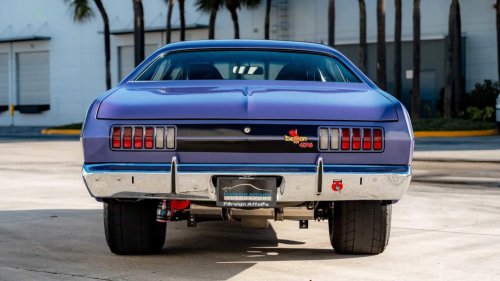
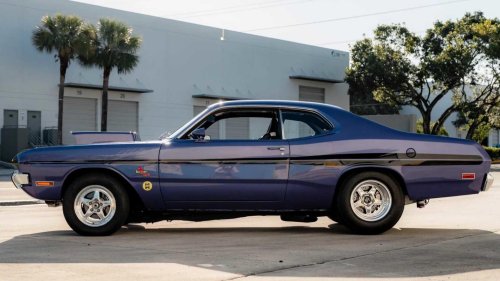
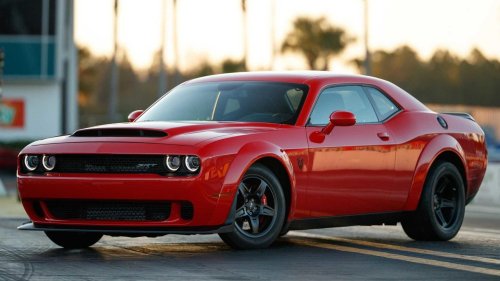
Jump LinksAsk most car enthusiasts in the world to think of the name “Dodge Demon”, and they are likely to mention one car: the Challenger SRT Demon, the bonkers drag-strip-ready version of the Challenger that Dodge built a few years back. However, Dodge’s history with the Demon name goes a lot further back than that.Not only was it used in the early 70s for a variant of the Dart, it was also used in 2007 for a unique concept sports car, now all but forgotten. The Demon Roadster may not have led to a production model, but it was one of Dodge’s most interesting creations of the time. Unlike the muscle cars Dodge is best known for, it was powered by a diminutive four-cylinder engine, which further made it stand out among the rest of Dodge’s lineup. Let’s take a look back at the story of this one-of-a-kind concept car.This feature focuses on the Dodge Demon concept car, not to be confused with the Challenger variant of the same name. The Dodge Demon Concept's Development DodgeIn 2007, at the now-defunct Geneva Motor Show, Dodge introduced the Demon concept car to the world. Finished in a bright golden hue, this roadster may have had a slightly more square, aggressive silhouette than your typical European sports car, however it was also very different in nature from the muscle cars typically associated with the brand.The Demon was born out of Dodge’s idea for a new production sports car. The company wanted a front-engine, rear-wheel-drive model that would occupy a place in the lineup just below the Viper. At the time the Demon was created, the Viper was approaching the end of its first generation, which went out of production in 2010; it wasn’t until three years later that its second generation would make an appearance.Dodge However, the Demon never made it to the production stage. The concept car arrived right at the end of the DaimlerChrysler era, while the company was going through a tumultuous financial period. As a result, the idea of a new model was pushed to the side, and the concept car showcased at Geneva remained the only one of its kind. Ten years later, the Viper also went out of production for good, leaving the Dodge lineup without a roadster. The Demon Concept's Design DodgeThe styling cues of the Demon concept are an interesting blend of American and European. Dodge made an attempt at bridging the gap between the all-American muscle car and the classic British and European roadster. The result is a car which still has a squared-off, recognizably Dodge silhouette, but also incorporates elements of smaller, nimbler machines.Dodge The headlights have a triangular shape with rounded corners, which gives the front end an appearance that’s at once aggressive and elegant. The Demon concept also has a front-hinged hood, a design callback to an earlier era of performance motoring. The car sports 19-inch brushed aluminum wheels surrounded by wheel arches that combine angular and round lines, in keeping with the rest of the Demon’s design.The interior, meanwhile, is minimalistic and no-frills, focused entirely on function rather than form. The seats’ contoured bolsters are designed to provide the optimal amount of support during high-speed cornering, without making it difficult to get in or out of the car. The silver and black shift knob complements the rest of the cabin, which is mostly black with some aluminum elements."In the manner of timeless British sports cars, the interior of the Dodge Demon is purposely functional, not frivolous [...] Everything relating to the driving experience is emphasized, while that which is not is made visually secondary.”Dan Zimmermann, Dodge Demon Principal Interior DesignerUnlike many one-off concept cars, the Demon concept is a fully functional vehicle, although it is equipped with a powertrain that may not be your first guess for a Dodge. The Demon’s power comes from a 2.4-liter inline-four unit, dubbed the “World Engine” due to its origins. This engine produced a mere 172 hp, and was built by an organization called the Global Engine Alliance: a joint venture started by Chrysler, Hyundai, and Mitsubishi in 2002.Dodge The organization lasted around a decade, with all three companies using engines built by the alliance in various models. Eventually, in 2012, its manufacturing plants were acquired by Chrysler, who took over operations. The engine is paired with another interesting design choice: a six-speed manual transmission. The 1971 Dart: The Previous Use Of The Demon Name… Bring a TrailerThe 2007 concept was not the first time Dodge had used the Demon nameplate on one of its cars. The first instance of the nameplate being used was on one particular version of the Dodge Dart, a long-running model produced between 1959 and 1976. The Dart Demon variant, on the other hand, had a very short lifespan, being sold for two model years (1971 and 1972).Bring a Trailer The Dart Demon was, essentially, a rebadged version of the Plymouth Duster. (In the present day, rumors are floating around about a potential return of the Duster name under Dodge). As the Plymouth Duster had encountered a good level of commercial success, Dodge decided to sell their own version. This was initially due to be called the Dodge Beaver; however, after being made aware of the name’s slang connotations, the company decided to opt for the Demon nameplate instead.Bring a Trailer The Demon name itself turned out to be the wrong choice. Unlike its Plymouth counterpart, the model faced poor sales. Dodge attributed this to the model’s name and the “devil and pitchfork” logo, thought to be off-putting to people with a strong religious sentiment. As a result, the Demon was renamed the Dart Sport from the 1973 model year onwards. The Dart Sport remained in production until the end of the Dart’s lifespan in 1976. ...And The Next: The Bonkers Challenger We Know And Love DodgeThe latest Dodge model to use the Demon name is the one all car enthusiasts will be immediately familiar with. This unique variant of the Challenger, built with the drag strip in mind, was first unveiled in 2018. More specifically, the first SRT Demon was a variant of the Hellcat, the high-performance member of the Challenger family. The SRT Demon produced 840 hp, and could zoom its way across the quarter mile in just 9.54 seconds.Dodge Being a limited-edition variant, the earliest incarnation of the SRT Demon was only sold during the 2018 model year. However, five years later, Dodge brought the nameplate back one final time, before starting its electrification process. The new Challenger to bear the Demon name was called the SRT Demon 170, and it debuted as a 2023 model year. It was even quicker and more powerful than its predecessor, built as a send-off to the legendary Challenger model. The Demon 170 broke the four-figure barrier with its power output, producing an eye-watering 1,025 hp when fueled with an E85 ethanol mix. 0-60 happens in as little as 1.66 seconds, while the quarter-mile time is an impressive 8.91 seconds.The Challenger has now disappeared from Dodge’s lineup, and although the company still owns the Challenger name, there are no plans to bring it back anytime soon. This is also true for the Demon name, but we can imagine that maybe, at some point in the future, it could potentially be used for a high-performance EV, as Dodge’s electrification program expands. Whether or not the Demon nameplate is going to have a new lease on life in the future, one thing is certain: the 2007 Demon concept was a unique chapter of its history, which could have made an fascinating production model had the company’s circumstances been different.Sources: Dodge





















 +26 others