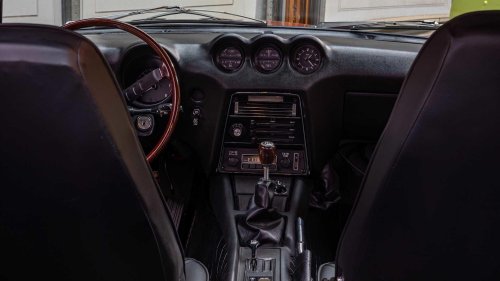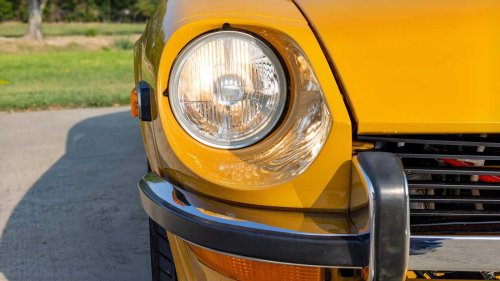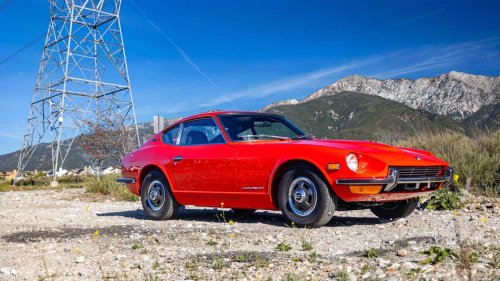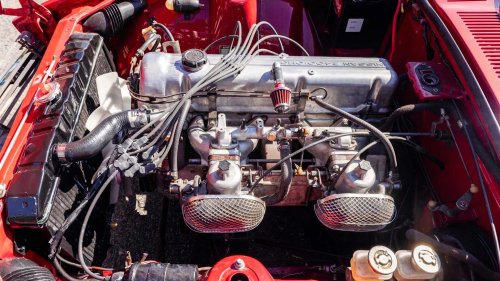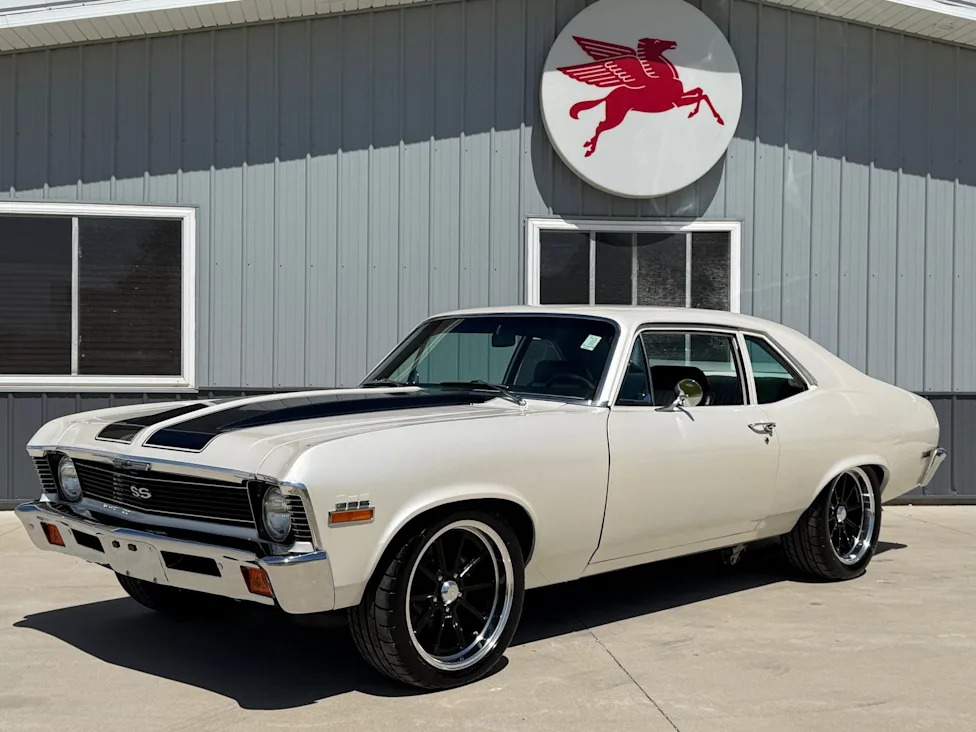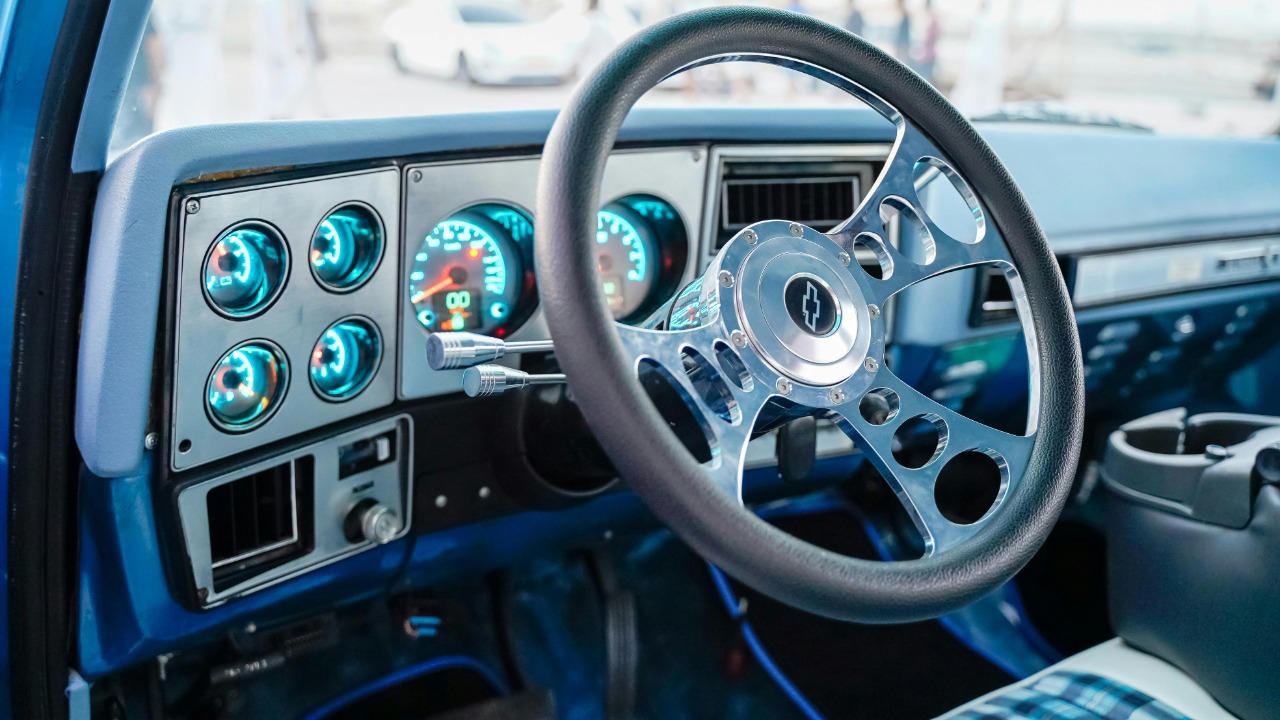



















Classic car ownership is a constant negotiation between romance and reality. Owners want the smell, the lines and the analog feel of a vintage machine, yet they also want to arrive home without a breakdown and with modern levels of safety and comfort. The real question is not whether to modify, but where to draw the line between originality and upgrades so reliability improves without erasing character. That trade-off is shaping prices, restoration strategies and even how people define what a classic is for. Some treat an old car as a historical artifact, others as a canvas for modern engineering. Most drivers land somewhere in the middle, choosing carefully where to compromise. Original, restoration, restomod: setting the terms The vocabulary around old cars reflects those choices. A traditional restoration aims to return a vehicle to factory spec with factory correct parts, original paint codes, stock suspension and wheels. Purists who follow this path accept quirks such as heavier steering, longer stopping distances and slower acceleration because they see the car as a piece of history rather than a daily tool. At the other end sits the restomod approach, where classic styling meets contemporary hardware. Builders fit fuel-injected engines, overdrive automatics, upgraded brakes and reworked suspensions to deliver usability that rivals newer cars. A detailed comparison of value argues that a well-executed restomod can expand a car’s appeal and usability, and in some cases even increase its resale value compared with an untouched survivor, because buyers get classic looks with modern reliability and performance backed by specialist shops such as Restomod vs Original projects. Between those poles sits a middle lane sometimes called a modern classic build, which keeps the original powertrain and most visible components but quietly updates wear items such as bushings, shocks and electronics. That spectrum is where most owners now make their reliability decisions. What owners actually want from “originality” Enthusiasts often say they want a car that is “all original,” yet the reality is more complicated. A detailed look at Reality of All points out that a truly untouched car usually means old wiring, aged rubber and obsolete safety systems. The romance of originality can collide with the need for a vehicle that starts easily, stops straight and copes with modern traffic. Professional builders see the same divide. John at ECD Auto Design in Cassini, Florida, frames the choice as a philosophy question, asking clients whether they identify more with a museum grade restoration or with a restomod that behaves like a contemporary SUV, a conversation captured in an ECD Auto Design video. That starting point shapes every later decision about reliability and modern hardware. Safety: the first non-negotiable upgrades Safety is where most experts argue that compromise is not optional. Modern vehicles are significantly safer than classics, with better crash structures, crumple zones and restraint systems, as outlined in a comparison of classic cars vs. A 1960s coupe will never match a current crossover in a collision, but targeted upgrades can narrow the gap. Specialist builders rank at the top of that list. A guide to adding modern safety to vintage builds describes Braking Power That as the most important change, especially when original drums were designed for slower roads and lighter traffic. Converting to front discs, using a dual circuit master cylinder and fitting modern pads allow a car to stop more predictably without changing its outward appearance. Lighting is another quiet but vital compromise. A performance parts catalog focused on Hemi-powered vehicles notes that while these engines are tuned for smooth operation and reliability, owners still need upgraded lighting to maintain safety. For classics, that often means halogen or LED sealed beam replacements. One retrofit kit aimed at older rectangular lamps urges drivers not to run with poor lighting and claims that improved headlights enhance both style and can keep night driving viable in a car that left the factory with dim, yellow beams. Seat belts, steering components and fuel systems follow. Many owners accept three-point belts, collapsible steering columns and safer fuel lines as invisible concessions that dramatically reduce risk without changing the car’s identity. Reliability basics: where upgrades pay off fast Beyond safety, reliability upgrades often start with the unglamorous parts that keep a car moving. A restoration guide on Balancing Originality with argues that originality has value, yet some components simply work better when replaced with modern equivalents. Rubber hoses, ignition components, alternators and radiators fall into that category, especially on cars that will see regular use. Specialist sellers that focus on a single model back that up with experience. One firm that has handled after over 450 Bugeyes sold and serviced packages a reliability kit of five key upgrades, from improved cooling to electrical enhancements, to keep those small British sports cars on the road. The message is that a handful of targeted changes can transform day-to-day dependability without altering the car’s look. Suspension is another area where subtle modern parts can deliver big gains. A restomod planning guide argues that for a decades-old car that will be driven regularly, it is almost essential to upgrade suspension components for safety and control, since Car suspension technology has advanced significantly. New shocks, bushings and sway bars can keep a classic stable at highway speeds while preserving its basic geometry and character. Tires: the quiet revolution under every classic No component has changed more than tires. A technical overview notes that Tires are an of every vehicle and that over the past century, compounds, construction and tread design have improved grip, comfort and durability. Running a 1960s muscle car on reproduction bias ply tires may look authentic, but it also means longer stopping distances and less predictable behavior in the wet. For owners who care about both aesthetics and safety, dedicated Classic Car Tires strike a balance. A restoration guide stresses that choosing the right for a vintage vehicle helps maintain authenticity, boosts performance and supports safety. Many brands now offer radial tires with period-correct sidewalls, which let a car keep its showroom stance while benefiting from modern rubber science. Because tires are a wear item, even strict originality advocates usually accept this compromise. It is one of the clearest examples of reliability and safety winning over factory spec. Instrumentation and electrics: modern brains, classic faces Electrical reliability is often the Achilles heel of older vehicles. Aging wiring looms, mechanical gauges, and low-output generators struggle with the demands of modern traffic and accessories. Here again, owners can upgrade function while preserving form. Gauge manufacturers have built product lines around that idea. The White Hot Series offers a six-gauge set with a 3 3/8 inch Speedo, Tach and 2 1/8 inch Fuel, Oil, Temp and Volt dials with a stainless low step bezel and flat glass lens, a package aimed at classic dashboards that need modern accuracy without losing style, as described in the White Hot Series catalog. For period trucks, Classic Instruments markets a Tach Force Package, explaining that your Task Force Chevy deserves gauge sets that combine American-made quality with modern technology, a pitch detailed in the Tach Force Package listing. Behind those faces, owners often fit solid-state voltage regulators, upgraded alternators and new wiring harnesses. These changes reduce the risk of electrical fires and intermittent faults, yet from the driver’s seat, the car still looks and feels like a period machine. Where purists draw the line Not everyone welcomes modern hardware. Guidance for purist restorers suggests they should Go Restoration if they are a purist who values historical accuracy over convenience and sees the quirks of an old car as part of its charm. For these owners, patina, original drivetrains, and even outdated technology are not problems to solve but stories to preserve. Such enthusiasts may accept safety belts and better tires, but resist engine swaps, fuel injection conversions, or modern transmissions. They argue that once the heart of the car changes, the link to its era weakens, and future historians or collectors lose a reference point for how the model originally felt. That stance has financial backing. In some segments, especially rare or competition models, untouched originality still commands the highest prices. The market for low-mileage, unrestored icons shows that there is room for cars that serve more as artifacts than as transportation. Daily use, storage and the cost of compromise How a car will be used often decides how far upgrades should go. A long term ownership guide notes that keeping older vehicles roadworthy requires careful Storage and Preservation, because vintage metal hates moisture and needs climate control, trickle chargers, and regular exercise. Owners who lack ideal storage may lean toward modifications that improve corrosion resistance and reduce maintenance, such as modern coatings and sealed components. Insurance comparisons add another dimension. Analyses of classic cars highlight that older vehicles can be cheaper to insure on limited mileage policies, but repairs after a breakdown or accident often cost more because parts are scarce and labor is specialized. Upgrades that reduce the frequency of failures, such as better cooling systems and electronic ignition, can cut those surprise bills even if they detract slightly from originality. On the other hand, extensive restomods with high-power engines and custom fabrication can become expensive toys that are hard to insure and even harder to recoup investment on resale. The sweet spot for many owners lies in modest, reversible changes that protect the car and their wallet without turning a classic into a completely different machine. How builders help owners navigate the trade-offs Specialist shops have built business models around guiding clients through these choices. ECD Auto Design, which highlights its capabilities through an ECDx Chelsea collaboration and interactive configurator tools, lets buyers specify everything from drivetrains to interior trim. The same team that wrote about How to Add also walks customers through the implications of each upgrade for originality and reliability. Other builders, such as Innovative Restorations, share their philosophy through social channels. Posts linked from Modernizing Classic Cars and shared on Time to Rethink and All Original builds emphasize that preserving design and nostalgia does not require clinging to every outdated component. More from Fast Lane Only Unboxing the WWII Jeep in a Crate 15 rare Chevys collectors are quietly buying 10 underrated V8s still worth hunting down Police notice this before you even roll window down