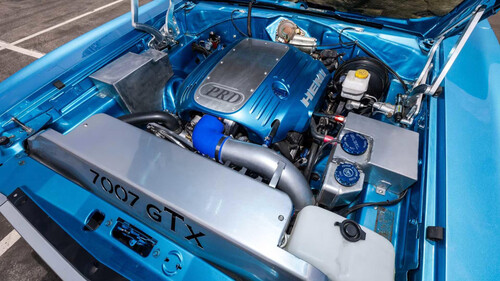
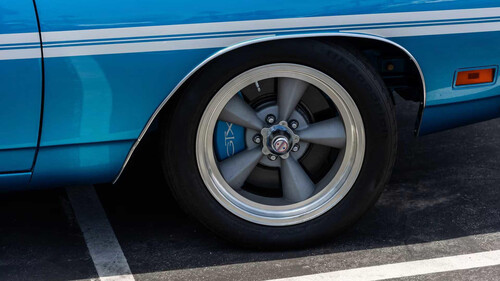
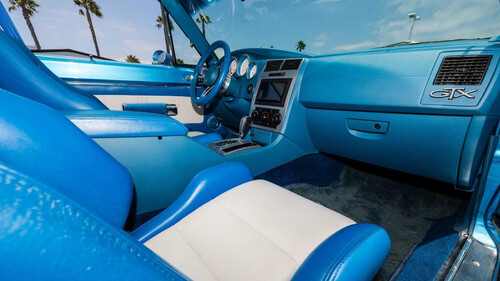
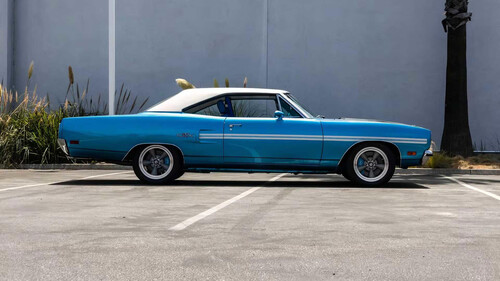
Old school tuning vs modern swaps which one belongs under the hoodThe world of automotive performance has long been divided between traditionalists who swear by old school tuning and modernists who advocate for engine swaps. Each camp has its passionate supporters, and both methods offer unique advantages and challenges. By examining the merits and drawbacks of both approaches, car enthusiasts can better determine which method truly belongs under the hood. Understanding Old School Tuning Old school tuning refers to the traditional methods of enhancing engine performance through mechanical adjustments and modifications. This approach centers around the art of fine-tuning the existing engine components rather than replacing them entirely. Key principles include optimizing air-fuel mixtures, adjusting ignition timing, and enhancing exhaust flow. Tools commonly used in this process include carburetors, mechanical distributors, and exhaust headers, which are often manually adjusted for precision. Popular cars and engines associated with old school tuning include classics like the Ford Mustang (particularly the 1965-1973 models), Chevy Camaro (1967-1969), and the Dodge Charger (1966-1974). These vehicles were designed during an era when performance was primarily driven by mechanical capabilities rather than electronic interventions. As a result, they are often favored by enthusiasts who relish the hands-on experience of turning wrenches and making precise adjustments. The Allure of Classic Performance One of the most compelling aspects of old school tuning is the emotional and nostalgic connection it fosters. Vintage vehicles evoke memories of a bygone era, and for many, they represent a tangible link to their past or family history. The roar of a classic V8 engine or the feel of a well-worn steering wheel can transport enthusiasts back to their youth, making the experience more than just about performance—it’s about passion and identity. The community surrounding classic car enthusiasts is vibrant and supportive. Car shows, meetups, and online forums provide spaces for sharing knowledge, swapping stories, and showcasing meticulously restored or modified vehicles. This culture emphasizes the importance of restoration and preservation, as many enthusiasts prioritize keeping these cars true to their heritage while still enhancing performance. Classic car clubs often encourage members to engage in restoration projects that honor the original craftsmanship and design. Challenges of Old School Tuning Despite its charm, old school tuning faces significant challenges. One of the most pressing issues is the availability of parts and expertise for vintage engines. As production ceases for older models, sourcing original components becomes increasingly difficult. Many enthusiasts turn to aftermarket suppliers, but these parts may not always meet the exact specifications needed for optimal performance, leading to potential compatibility issues. Moreover, there are inherent limitations in power output and fuel efficiency with traditional engines. While tuning can yield noticeable improvements, the underlying technology of these engines often constrains their potential. Many classic cars struggle to meet modern emissions regulations, which raises environmental concerns. As stricter emissions standards are enforced, enthusiasts may find it increasingly challenging to modify classic engines without contravening regulations. The Rise of Modern Engine Swaps Engine swaps have surged in popularity, particularly among car enthusiasts looking to combine the charm of classic vehicles with the performance of contemporary engines. An engine swap involves removing the original engine and replacing it with a different one—often a more modern and powerful option. This trend has been fueled by advancements in technology, which have made these swaps more feasible than ever. Common engine swap candidates include the LS-series engines from General Motors, which are frequently used in a variety of platforms due to their power, reliability, and aftermarket support. Cars like the 1970 Chevrolet Nova or the classic Mazda RX-7 are often seen outfitted with these modern engines to enhance performance significantly. Additionally, platforms like the Nissan 240SX have become popular for swaps, as they can accommodate a range of engines from turbocharged four-cylinders to V8s. Benefits of Engine Swaps The benefits of modern engine swaps are considerable. Enhanced power and performance capabilities are among the most significant advantages. For instance, swapping a traditional small-block V8 with a modern LS3 can increase horsepower from around 300 to over 400, transforming the driving experience entirely. These modern engines are often designed with better efficiency and reliability in mind, which translates to improved fuel economy and lower long-term maintenance costs. Customization options are another appealing aspect of engine swaps. With a plethora of aftermarket parts available, enthusiasts can tailor their setups to suit their specific preferences and driving styles. Whether it’s a high-performance turbo setup or a supercharger, the possibilities for modification are extensive. Plus, the growing support from the aftermarket community means that resources for installation and maintenance are increasingly accessible. Potential Drawbacks of Modern Swaps However, modern engine swaps come with their own set of challenges. One of the most significant drawbacks is the complexity and cost associated with installation and modifications. Swapping engines often requires substantial alterations to the vehicle’s chassis, drivetrain, and electrical systems. This complexity can lead to higher labor costs, and DIY enthusiasts may face a steep learning curve when tackling these projects. Legal and regulatory hurdles also present challenges for those considering engine swaps. Compliance with emissions standards can be particularly daunting, as many states have stringent regulations governing engine modifications. Failing to meet these standards can result in fines or the inability to register the vehicle. Additionally, some enthusiasts worry that swapping an engine for a modern alternative can lead to a loss of authenticity and character, particularly in classic vehicles. Cost Considerations When weighing old school tuning against modern engine swaps, cost is a critical factor to consider. Traditional tuning often involves less upfront investment, as it typically requires fewer parts and can be done incrementally. However, the long-term maintenance costs of vintage engines can add up, particularly if parts are scarce or repairs become more frequent due to aging components. In contrast, while engine swaps may involve a higher initial expense due to parts and labor, the long-term benefits can outweigh these costs. Modern engines tend to be more reliable and require less frequent servicing, which can lead to lower overall maintenance expenses. Additionally, the resale value implications for swapped vehicles can be significant; many buyers are drawn to the performance enhancements that modern engines offer, which can make swapped cars more attractive in the market. Personal Preferences and Driving Experience Ultimately, personal preferences play a significant role in deciding between old school tuning and modern swaps. For some, the hands-on experience of tuning a vintage engine provides unparalleled engagement and satisfaction. The connection to the vehicle’s history and the satisfaction of achieving performance gains through traditional methods can be deeply rewarding. On the other hand, drivers seeking a more modern experience may prefer the reliability and power of swapped engines. The character and heritage of a classic car can still shine through, even with a modern engine under the hood. It’s essential to consider how the vehicle will be used—whether as a daily driver or a weekend racer—as this can significantly influence the choice between tuning and swapping. Future Trends in Automotive Performance The automotive landscape is evolving rapidly, with electric and hybrid technology becoming increasingly prominent. These advancements pose questions for both traditional tuning and modern swaps. As electric powertrains gain traction, enthusiasts may find new opportunities for performance modifications that diverge from conventional methods. Predictions for the future of car culture suggest a growing acceptance of hybrid approaches that combine elements of both old school tuning and modern engine swaps. For example, integrating electric motors with classic engines could create unique performance profiles while retaining the charm of vintage vehicles. This potential for innovation may redefine how enthusiasts approach performance modifications in the years to come. More from Fast Lane Only Unboxing the WWII Jeep in a Crate 15 rare Chevys collectors are quietly buying 10 underrated V8s still worth hunting down Police notice this before you even roll window down *Research for this article included AI assistance, with all final content reviewed by human editors.