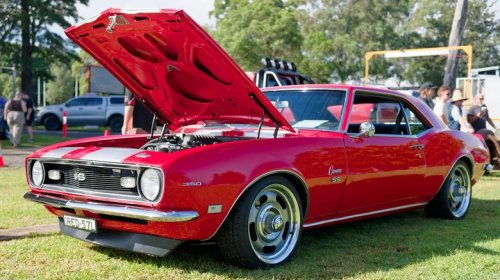
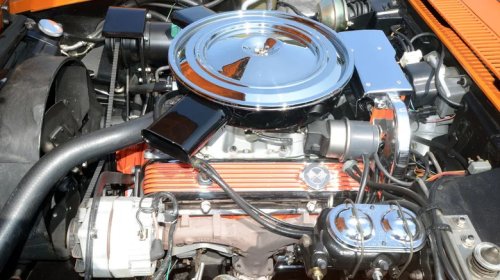
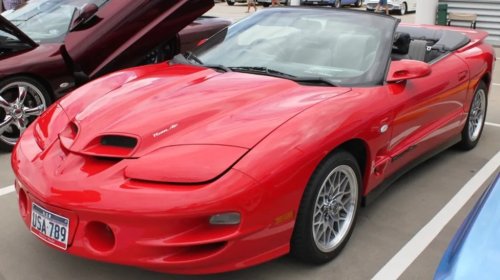
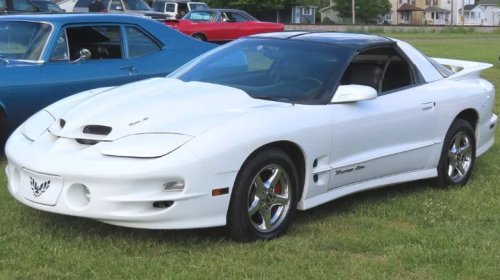
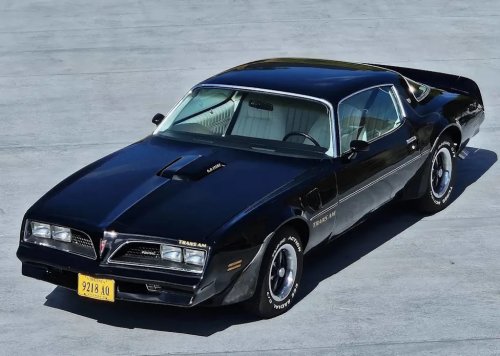
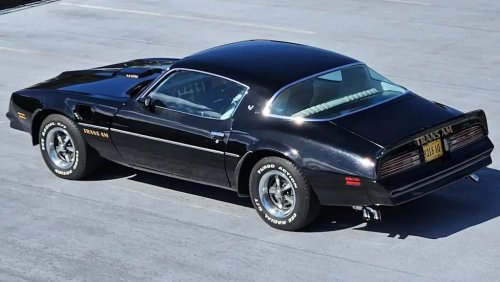
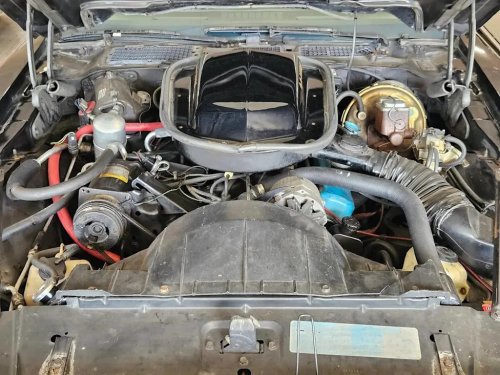
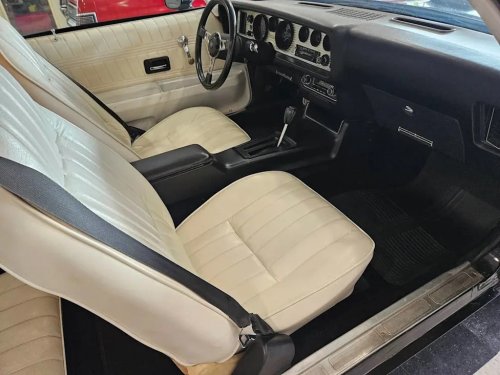
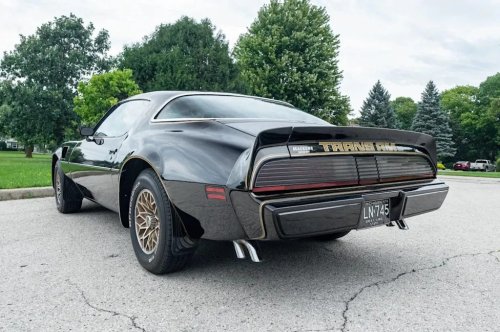
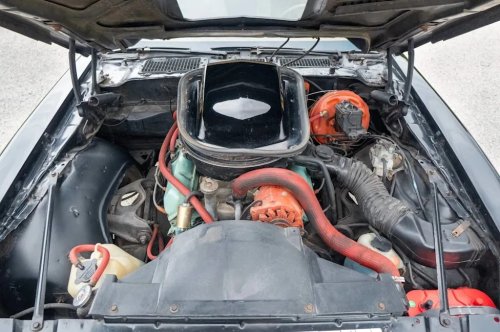
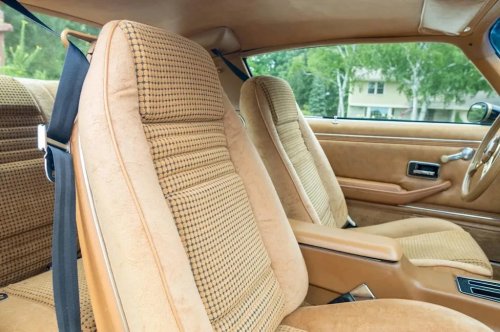
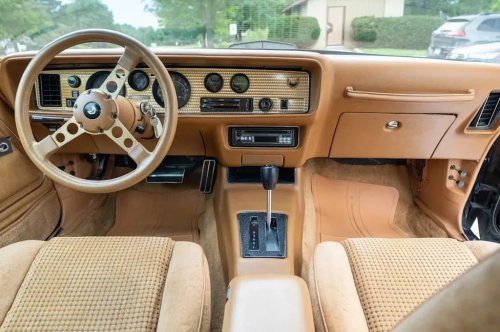
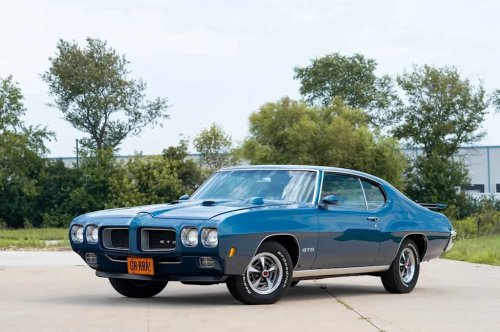
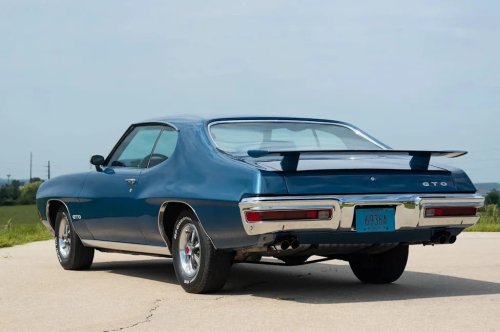
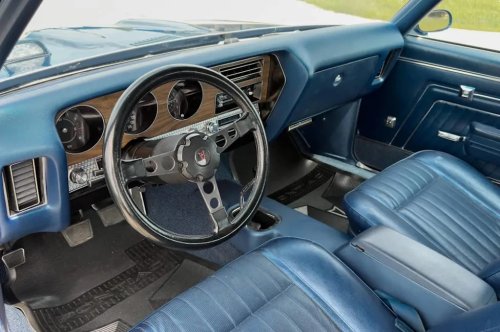
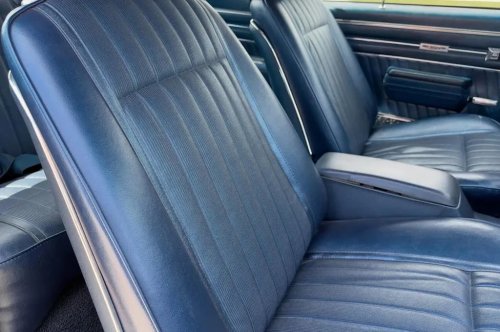
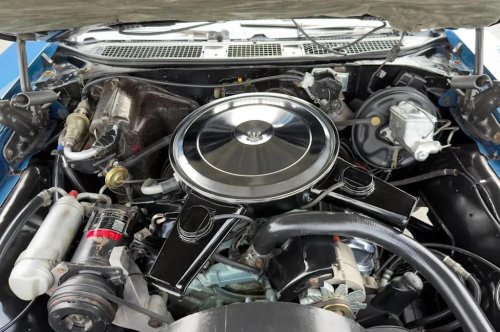
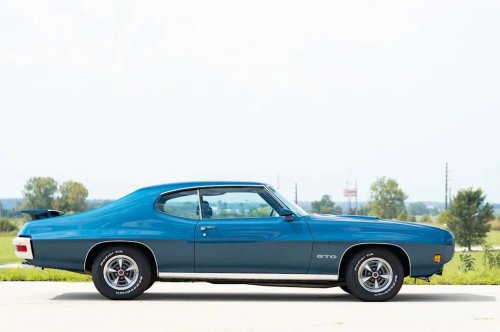
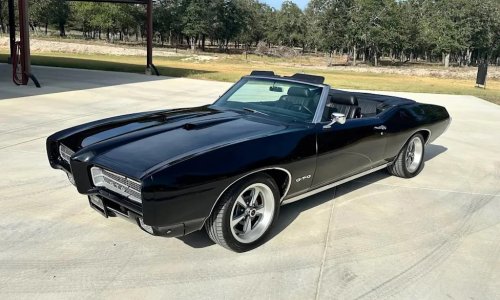
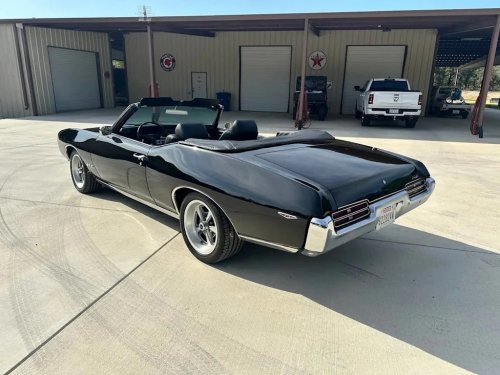
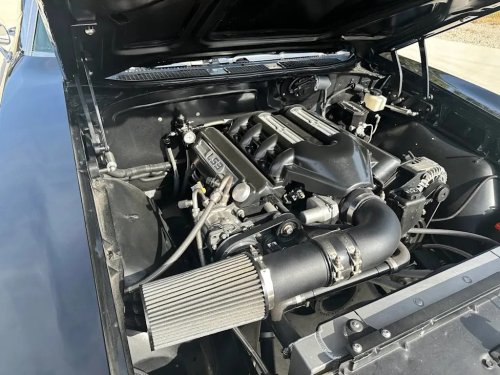
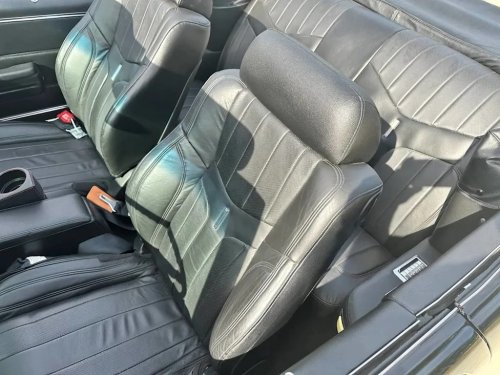
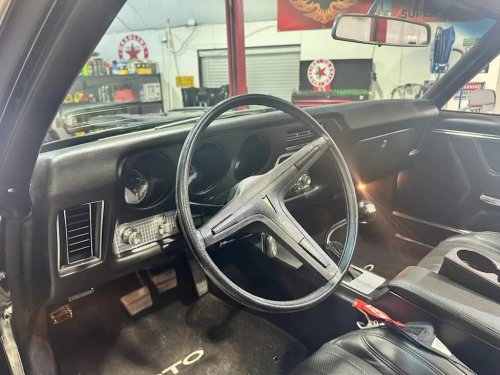
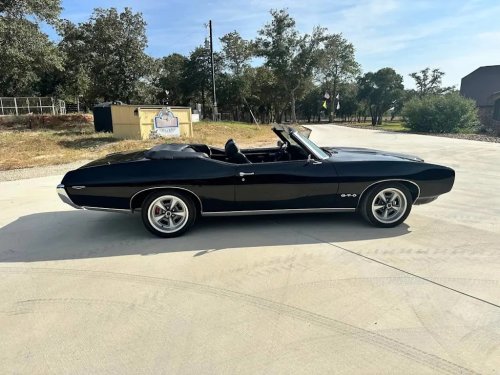
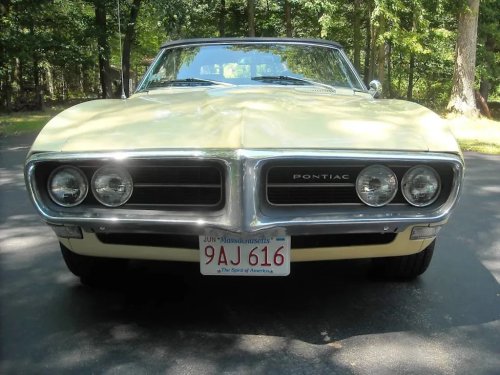
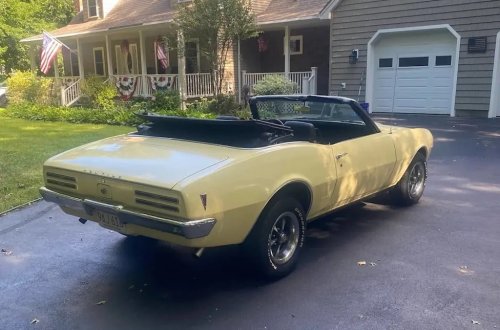
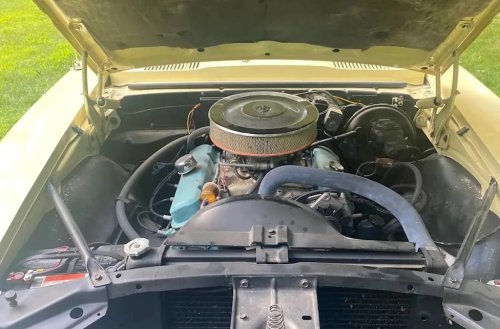
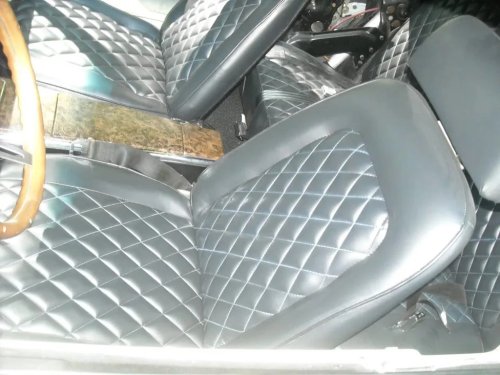
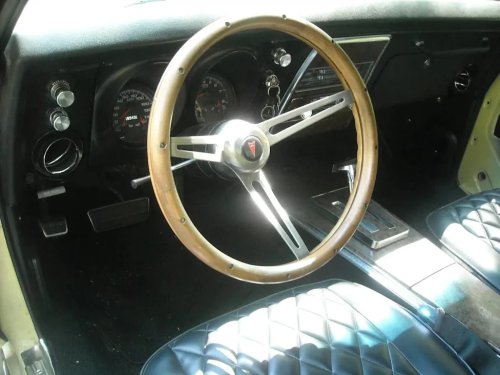
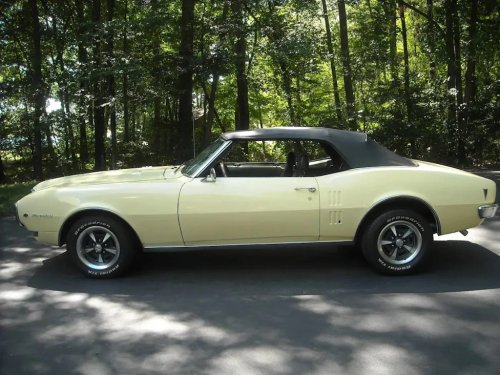
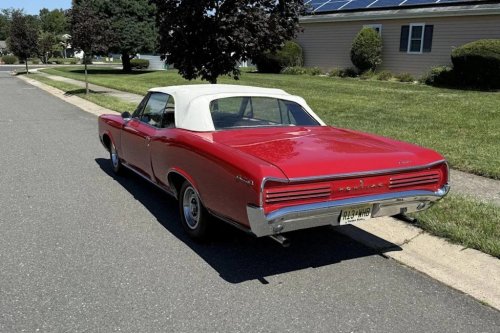
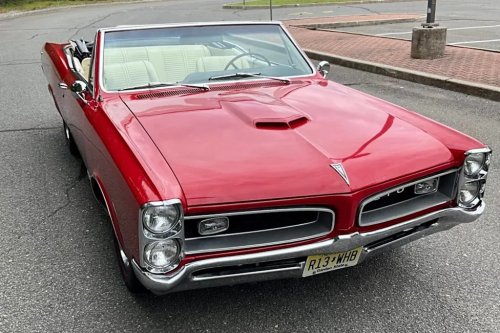
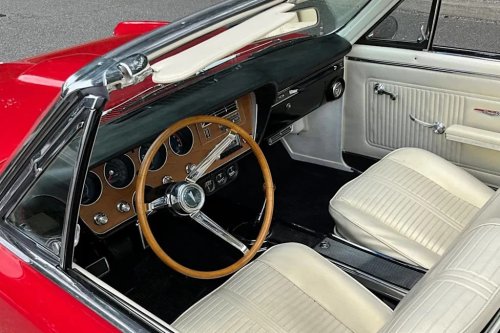
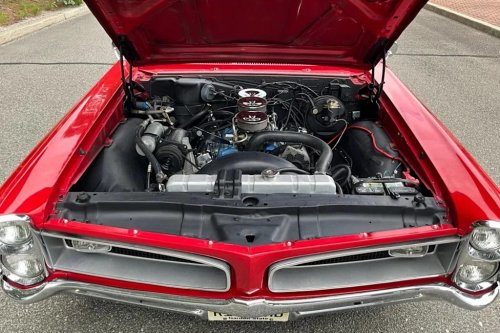
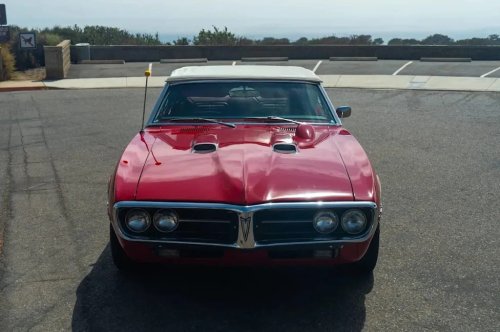
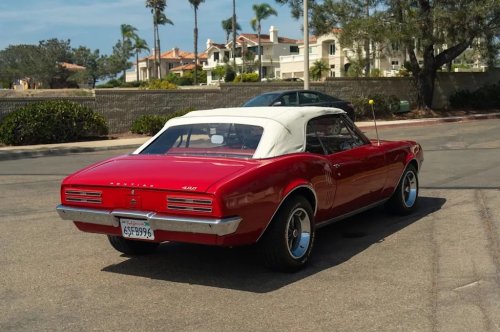
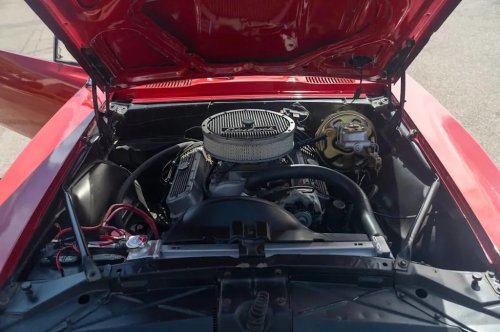
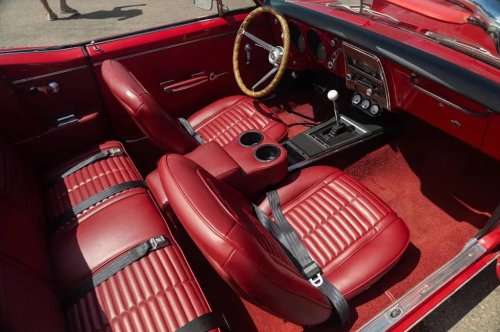
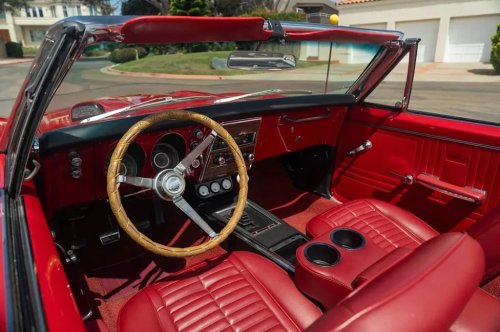
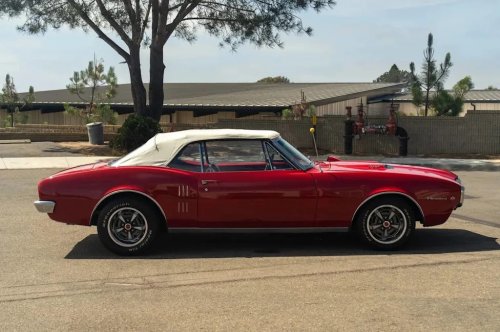
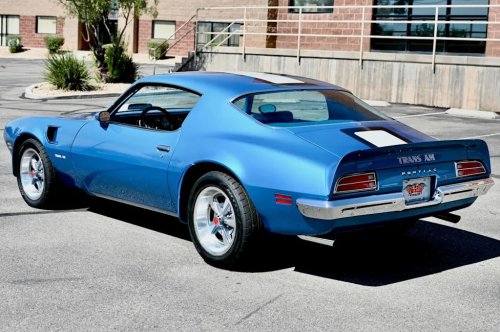
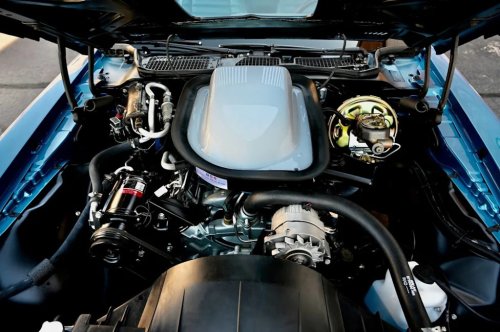
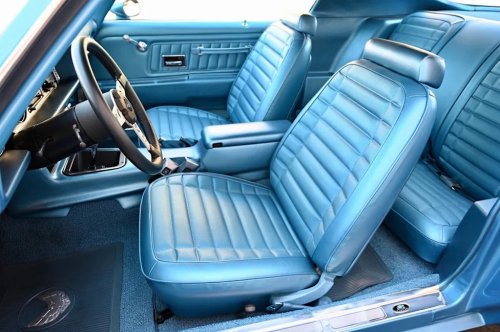
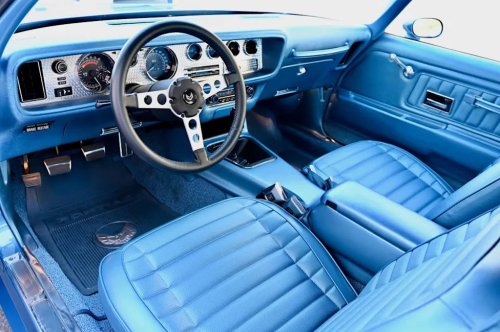
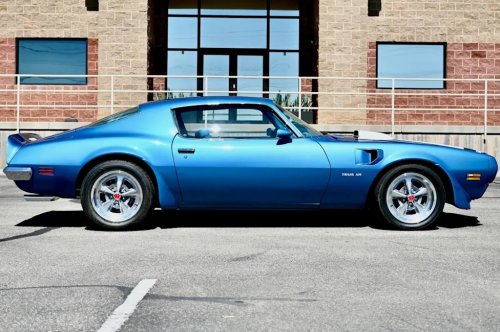
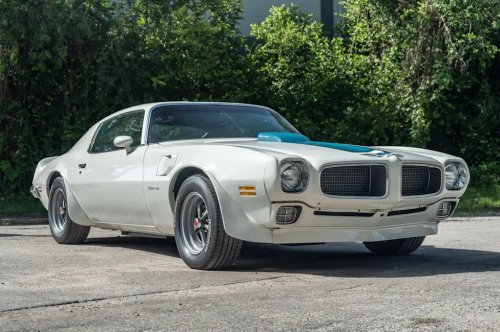
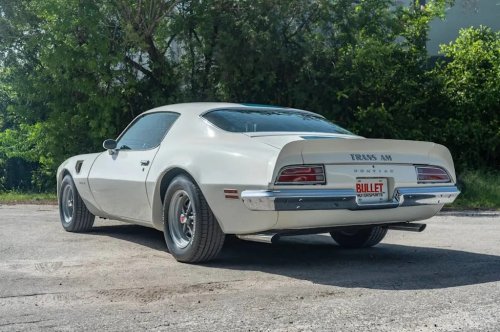
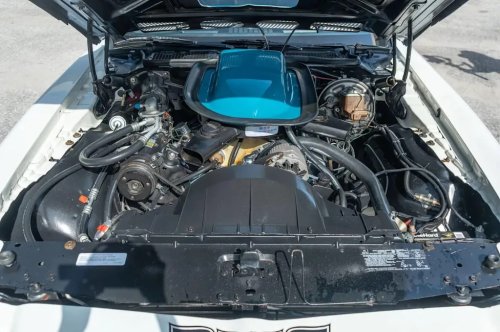
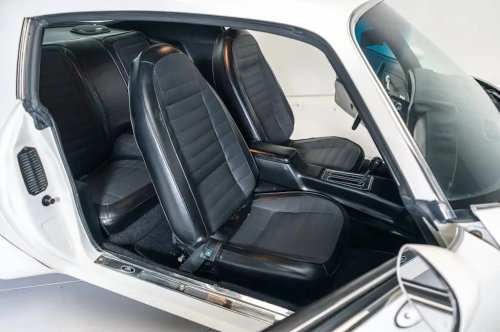
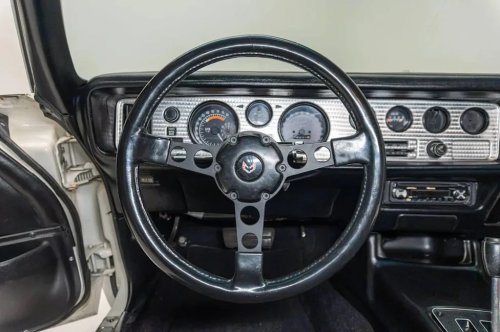
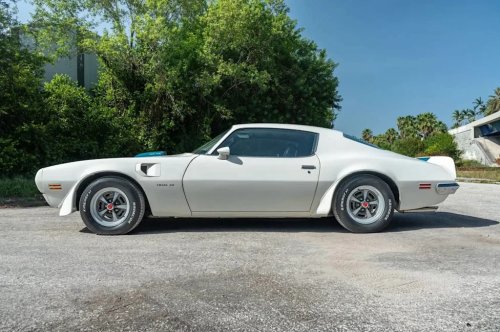
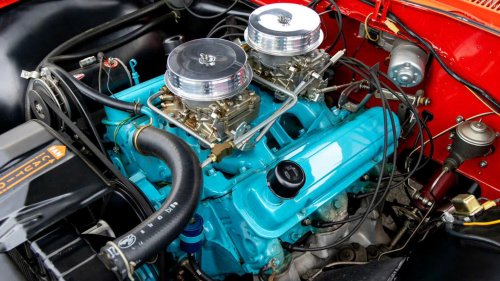
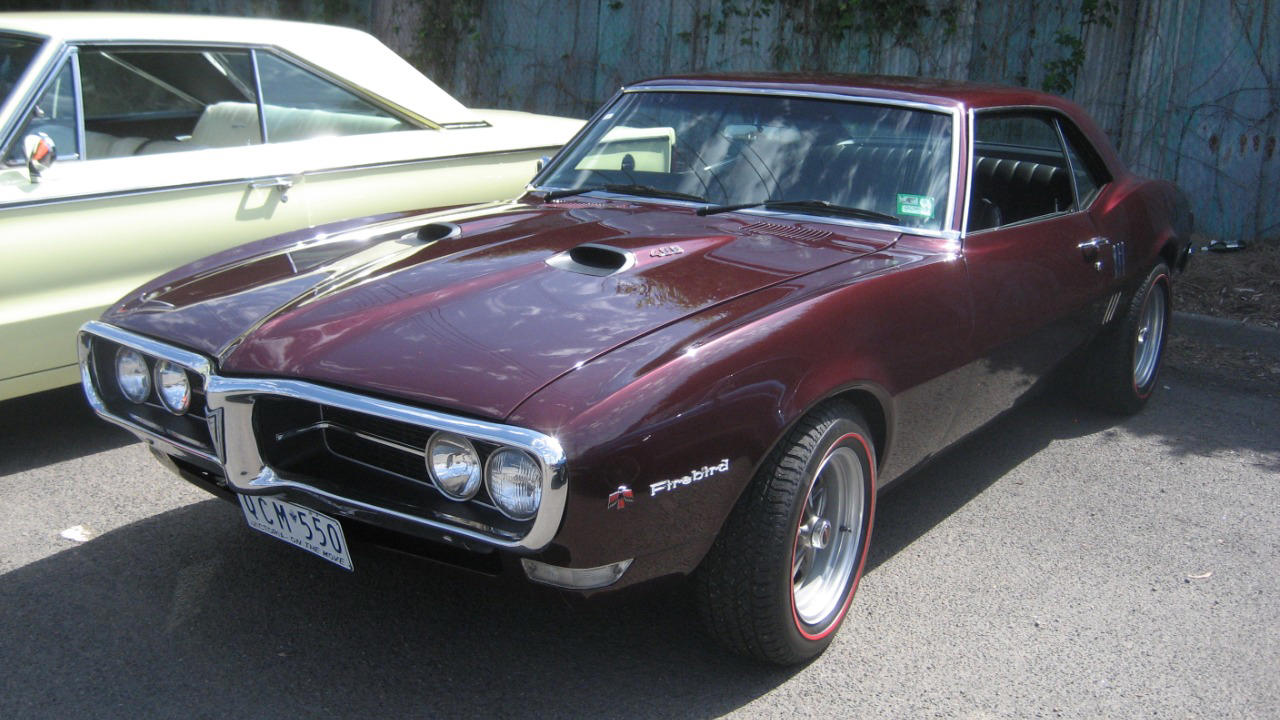
Under the radar the 1968 Pontiac Firebird 400 delivered more than expectedThe 1968 Pontiac Firebird 400 arrived as a stylish sibling to the Chevrolet Camaro, yet it quietly packed more performance, engineering and character than its spec sheet suggested. On paper it looked like just another GM pony car variant, but in practice the big 400 cubic inch V8, upgraded chassis and thoughtful details turned it into a sleeper that often delivered beyond expectations. Period ratings, corporate rules and marketing politics kept the Firebird 400’s official numbers conservative, which helped it fly under the radar. Closer scrutiny of its hardware, road manners and real‑world performance today shows why many enthusiasts now view it as one of the most complete muscle cars of its era. The understated flagship of the Firebird line By its second model year, Pontiac had refined the Firebird formula into a clear hierarchy. The Firebird Base models used the OHC inline six, with the base 230 CID engine rated at 175 horsepower and an upgraded version delivering 215 horsepower, figures that gave the entry car respectable pace without threatening the V8s above it. The same data notes that the Firebird Base could be optioned with this OHC six and that the Price of certain upgrades sat at $106 over a base model Firebird, which positioned the six as an accessible way into the brand’s pony car. Above those sixes sat the V8s, culminating in the Firebird 400. Contemporary descriptions identify The Firebird 400 as the performance flagship, built around a standard 400 cubic inch V8, Dual hood scoops, Heavy duty suspension and Special badging that signaled its status. In that role it was aimed squarely at rivals like the Ford Mustang GT and high output versions of the Camaro, yet Pontiac’s approach emphasized a blend of refinement and muscle rather than raw aggression alone. Technical breakdowns of the model underline how focused that top engine was. The Firebird 400’s Engine is listed as a Pontiac 400 CID V 8 with 10.75:1 compression, a Rochester four barrel carburetor and a rating of 335 horsepower at 5000 RPM. That combination of relatively high compression ratio and generous carburetion suggests a powerplant with more to give than its official rating admitted, especially when paired with freer breathing exhaust options and performance gearing. Corporate limits and conservative horsepower ratings The late 1960s were defined by horsepower one upmanship, yet General Motors imposed its own ceiling. Internal policy capped factory ratings at roughly one horsepower per ten pounds of curb weight, a limit that influenced how Pontiac advertised its big engines. Commentary on period matchups notes that these ratings were sometimes held back by restricted carburetor secondaries in order to comply with GM’s rule of no more than one horsepower per 10 lbs of curb weight, a constraint that applied across divisions and affected how Firebirds were positioned against Chevrolets. Within that environment, Pontiac’s numbers for the Firebird 400 look deliberately modest. One source that focuses on the high output variant states that the 400 cubic inch high output V8 in a featured car produced 335 g horsepower, allegedly only five more horsepower than a lower step. Another breakdown of The Firebird 400 describes a 330 horsepower four barrel equipped engine, while The Ram Air version of the same 400 achieved a factory rating that enthusiasts have long suspected was shy of its real potential. The spread between 330 and 335 g is small on paper, yet the underlying hardware suggests a more meaningful jump in actual thrust. That understated approach helped the Firebird 400 slip under insurance company radar and corporate scrutiny, but it also meant that buyers who looked beyond the brochure often discovered a car that felt stronger than its published figures. In the context of the era, Pontiac was selling a big block experience in a pony car wrapper, while officially pretending it was only a modest step above its siblings. Big block punch in a compact shell Contemporary descriptions of the Firebird range highlight how unusual this combination was. One retrospective on the 1968 model notes that it offered a range of potent engines, with the standout being the Firebird 400, which shared powerplants with the GTO and brought big block performance into the pony car class. That connection to the GTO matters, because it meant the Firebird’s top engine benefited from the same development that had turned Pontiac’s midsize muscle car into a street legend. Technical summaries of the 1968 Firebird 400 reinforce the point. A detailed specification sheet describes the Pontiac 400 CID engine with 10.75:1 compression and a Rochester four barrel feeding 335 horsepower at 5000 RPM, numbers that align closely with contemporary GTO ratings. The combination of high compression, large displacement and aggressive cam timing gave the Firebird 400 the kind of low end torque and midrange surge that smaller displacement rivals struggled to match, even when their peak horsepower numbers looked similar. That big block character carried into later comparisons as well. A separate analysis of a 1969 Firebird 400 Coupe describes how Meanwhile, the Firebird 400 Coupe was rated 330 horsepower at 4800 rpm and 430 pound feet of torque at 3300 rpm. Variations in the details between years do not change the core story: Pontiac was packaging serious torque in a relatively compact chassis, and the 1968 car sat at the beginning of that formula. Chassis tuning and a more refined ride Performance on paper only matters if the chassis can handle it, and here Pontiac again went further than casual observers might assume. The Firebird 400 package included Heavy duty suspension as part of its standard equipment, with firmer springs, upgraded shocks and thicker anti roll hardware compared with six cylinder cars. Reference material on replacement components for this generation confirms that the 1968 Pontiac Firebird applications used specific spring rates and ride heights tuned for the extra weight and power of the V8, a detail that helped the car feel composed rather than overwhelmed. Comparative tests and enthusiast commentary often describe Firebirds as generally more refined and typically a bit heavier than their Chevrolet counterparts. One analysis of a period matchup notes that Firebirds are generally considered more refined and typically weigh slightly more than their Chevrolet counterparts, which matches the brand’s broader focus on comfort and upscale appointments. That extra mass and sound deadening, combined with the Heavy duty suspension, gave the Firebird 400 a planted, almost grand touring character that contrasted with the rawer feel of some rivals. Modern driving impressions of surviving cars back up that view. In a recorded test drive of a first generation 1968 Firebird with a 400 V8 engine, the presenter describes how a 3/4 throttle takeoff resulted in the car getting up quickly, indicating it is a strong performer even without full throttle abuse. The same clip captures how the chassis stays controllable, with the car tracking straight and the suspension absorbing bumps without losing composure, which reflects the benefits of Pontiac’s specific tuning. Design that mixed aggression with subtlety Visually, the 1968 Firebird 400 did not scream in the same way as some later muscle cars, yet its details rewarded a closer look. Compared with the 1967 model, the 1968 Firebird adopted cleaner side glass, with Front door vent windows replaced by a sleek single pane of glass. That change, combined with the addition of Astro ventilation that brought cool fresh air into the cabin, gave the car a more modern, uncluttered profile while improving comfort. The Firebird 400’s Dual hood scoops were functional cues that hinted at the power underneath without resorting to oversized stripes or graphics. Special badging on the front fenders and tail panel identified the model to those who knew what to look for, but the overall effect remained restrained compared with some competitors. Paint codes from the period show that buyers could pair the 400 package with colors like Starlight Black, Cameo Ivory or Alpine Blue, combinations that ranged from sinister to elegant and reinforced the car’s dual personality as both muscle machine and stylish cruiser. Inside, Pontiac leaned into that same balance. The cockpit shared its basic structure with the Camaro, yet trim choices, instrument layouts and options like the hood mounted tachometer gave the Firebird a distinct identity. Enthusiast reviews of the 1968 Firebird 400 V8 often single out that hood tach as a notable feature that adds to the car’s character, placing the rev counter directly in the driver’s line of sight and reinforcing the sense that this was a driver focused machine. Real world performance that beat the brochure On the street and strip, the Firebird 400’s restrained ratings quickly met reality. Contemporary tests and modern recreations suggest that cars equipped with the 400, performance gearing and manual transmissions were capable of quarter mile times that rivaled or beat similarly rated competitors. A comparison of a 1968 Camaro Z28 and a 1968 Firebird RAM AIR points out that both cars lived under the same corporate horsepower cap, yet the Firebird’s larger displacement and torque gave it a distinct edge out of the hole, even when official numbers looked similar. Modern owners often describe the car in the same way. One detailed video on the 1968 Pontiac Firebird 400 notes that the 400 cubic inch high output V8 rated at 335 g horsepower feels much stronger than its paper figure, particularly in midrange acceleration. Another overview of The Firebird 400 highlights the 330 horsepower four barrel engine and the additional punch unlocked by The Ram Air package, which improved breathing at higher speeds and helped the engine pull harder near redline. The combination of understated styling and strong performance has also shaped how enthusiasts compare the Firebird to its Camaro cousin. A discussion among muscle car fans contrasts the Firebird with a 350 Camaro, with some participants preferring the Firebird with the 400 Ram Air and hood tach over the 350 Camaro despite acknowledging that the Firebird does not always look more aggressive at first glance. That sentiment captures the car’s appeal: it may not shout the loudest, but once driven, it tends to win converts. Where the Firebird 400 sits in the muscle car conversation today In modern rankings of classic muscle, the 1968 Firebird 400 often arrives a beat later than names like GTO, Charger or Mustang. Yet detailed historical pieces on the car’s development and specification argue that the 1968 Pontiac Firebird 400 combined big block power, refined suspension and thoughtful design in a way that few direct rivals matched. Those accounts emphasize how the car’s 400 cubic inch engine, 10.75:1 compression and Rochester four barrel delivered serious performance, while the Heavy duty suspension and more upscale interior made it a capable long distance cruiser. More from Fast Lane Only Unboxing the WWII Jeep in a Crate 15 rare Chevys collectors are quietly buying 10 underrated V8s still worth hunting down Police notice this before you even roll window down



















 +35 others